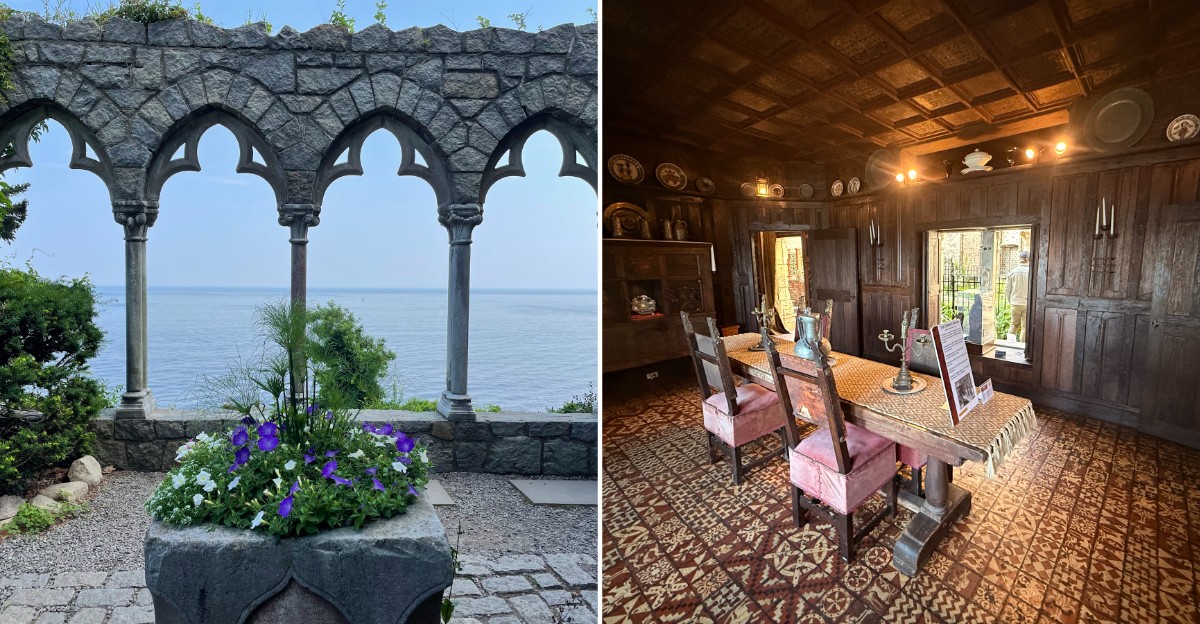
A medieval-looking castle rising above the Atlantic is not the sight you expect on a Massachusetts road, but Gloucester has one tucked along its rocky coast. At Hammond Castle Museum, stone walls, towers, arches, and ocean views create an unusual setting at 80 Hesperus Ave, where the home of inventor John Hays Hammond Jr. feels far removed from an ordinary New England house.
Inside, the surprises continue. Grand rooms, antique furnishings, scientific inventions, and an eclectic collection of objects reflect Hammond’s fascination with European architecture and his inventive mind.
You can move from shadowy stone corridors to rooms filled with intricate details, then step outside and take in the sound of the Atlantic beyond the grounds.
The combination of castle architecture, coastal scenery, and one inventor’s remarkable imagination makes this Gloucester destination unlike a typical historic house. Here’s what awaits inside Hammond Castle and the details that make a visit worth lingering over.
A Castle Above the Atlantic
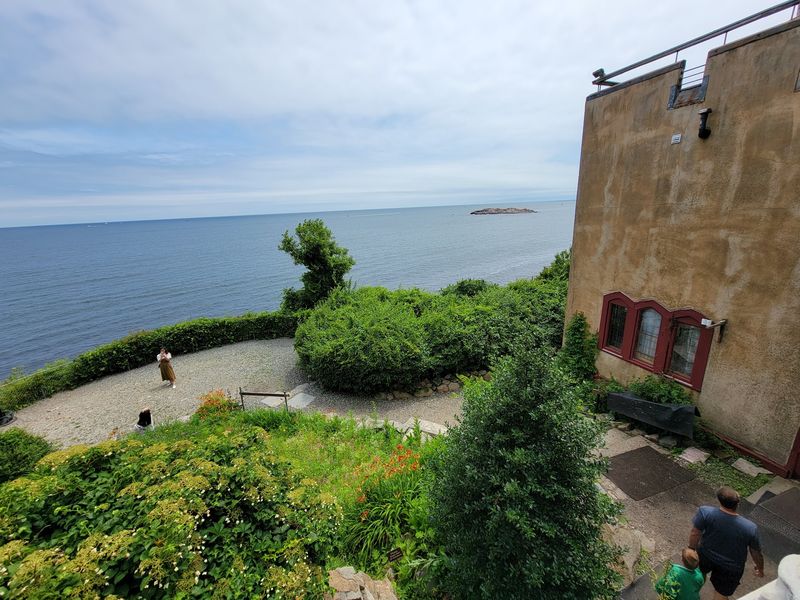
Salt air reaches you before the stone towers come into view. Then the building appears above the shore, looking as if it belongs in a story set centuries ago.
Hammond Castle Museum stands on a rocky stretch of Gloucester’s coast, where its old-world shape meets a very New England sea.
The castle was built in the 1920s, so it is not a medieval fortress left behind by knights. That contrast makes the first look even more fun.
Its arched openings, heavy stone walls, and dramatic outline were chosen to create a feeling, while the Atlantic provides a setting no builder could have made.
Pause outside before heading in, especially if the weather is clear. From the grounds, you can take in both the architecture and the water without rushing between exhibits.
A light jacket helps, since a pleasant day inland can feel cool near the coast. If you enjoy photographs, step back far enough to fit the castle and shoreline into the same frame.
The view explains why this unusual home feels so tied to its place.
The Inventor Who Built His Dream Home
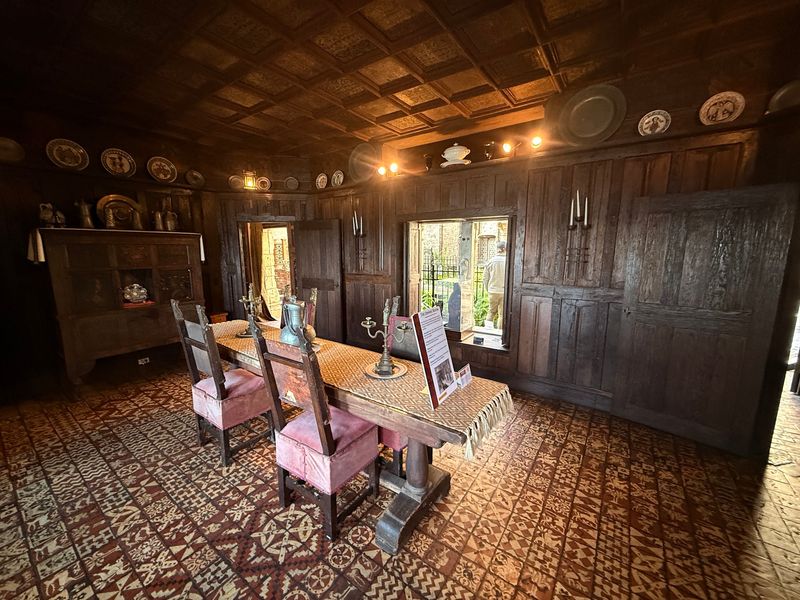
What kind of person builds a castle beside the sea? John Hays Hammond Jr. was an inventor who loved both new technology and old buildings.
He created this Gloucester home between 1926 and 1929, bringing those interests together in a place that still surprises visitors.
Hammond is closely linked with early radio control, a field that helped change how machines could be guided from a distance. Inside the museum, that forward-looking work sits alongside rooms inspired by much earlier centuries.
The contrast is a good reminder that creative people rarely fit into one neat box. Hammond was not simply collecting objects or designing a grand house; he was making room for his experiments, interests, and imagination.
As you explore, try looking for clues about the person behind each choice. Why would an inventor want ancient-looking walls around his work?
How might guests have felt walking from a historic-style room into a space connected with modern science? A guided tour can add context, but even at your own pace, the castle tells a personal story.
It is a home shaped by curiosity on a very large scale.
Architecture That Jumps Across Centuries
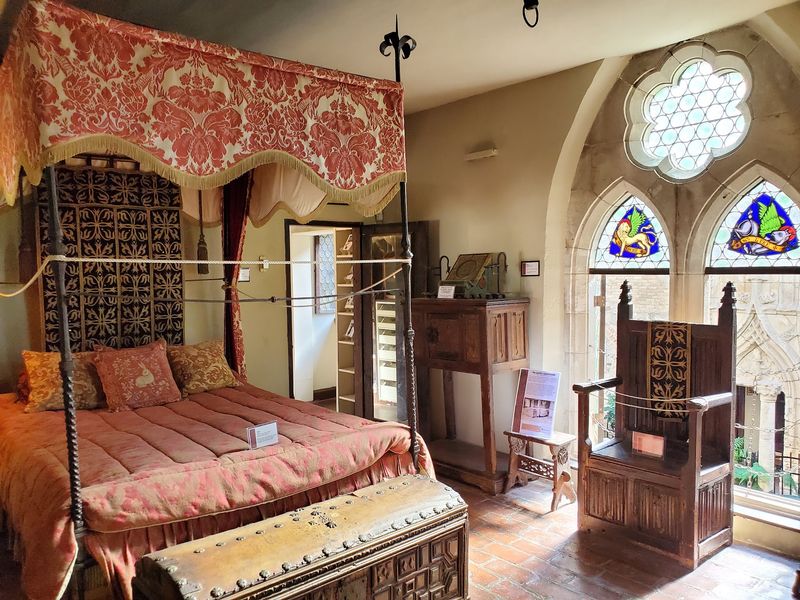
One doorway can make you feel as though you have crossed into another century. Keep walking, and the style may change again.
At Hammond Castle Museum, old European design was not copied from a single building or time period; it was gathered into a home with its own bold personality.
Hammond included architectural pieces collected in Europe alongside materials used to build the castle in Massachusetts. Look closely at the arches, windows, and stonework, and you may notice that some details seem Gothic while others feel closer to the Renaissance.
That mix is part of the experience. Rather than asking whether every room matches, try noticing how each space sets a different mood.
Give yourself time to look up as well as straight ahead. A ceiling, doorway, or small carved detail may be easier to miss than a large display.
If you are visiting with someone, choose your favorite feature and compare notes afterward; you may have noticed entirely different things. Comfortable shoes are a smart choice for exploring the varied floors and stairways.
The castle rewards visitors who slow down and let its many layers unfold.
The Great Hall’s Larger-Than-Life Organ
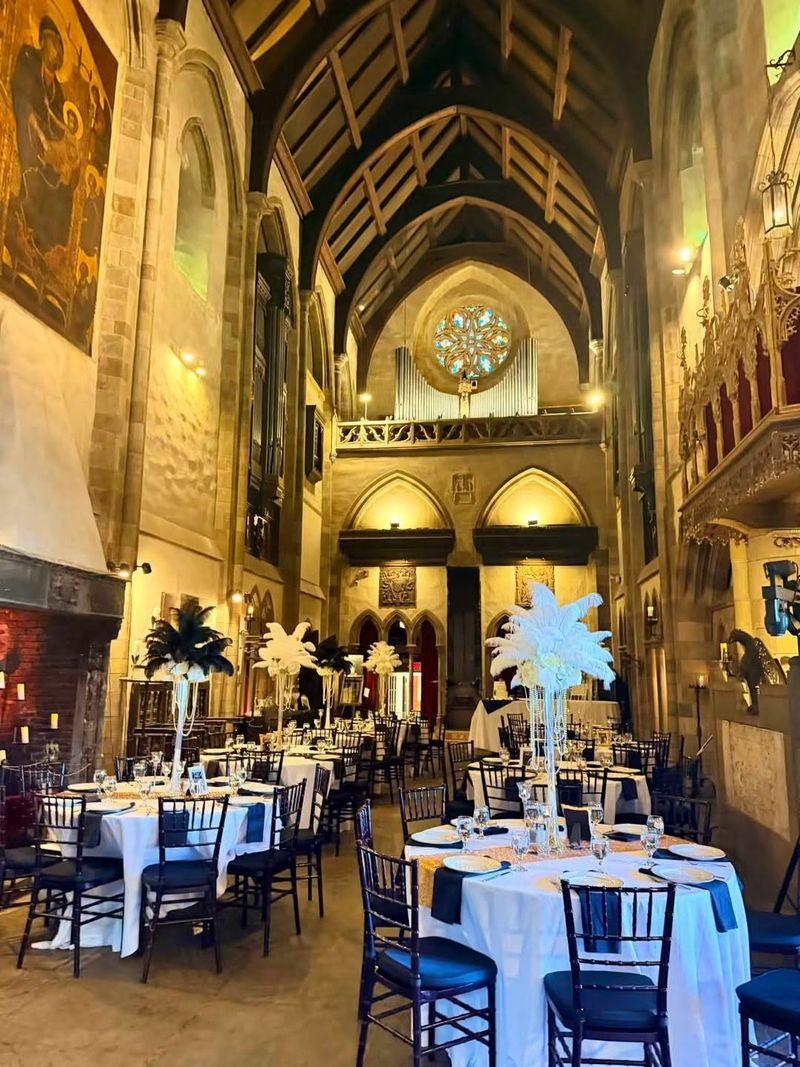
Some rooms make conversation drop to a whisper the moment you enter. The Great Hall has that effect, with a high ceiling and a pipe organ that draws your eyes across the room.
In a castle full of unusual sights, this space still manages to feel like a grand reveal.
The organ reflects Hammond’s interest in music and sound as well as spectacle. Imagine guests gathering here while music filled the hall, surrounded by the art and architecture he chose for his home.
Even without hearing a performance, you can sense why the room was meant to be experienced, not merely passed through. The size of the instrument makes it an especially memorable stop for visitors who have never seen a pipe organ up close.
Stand where you can take in the whole hall, then look at its smaller details. How does the ceiling change the way you picture sound moving through the room?
Check the museum’s current program if hearing music is a priority, rather than assuming a performance will happen during your visit. Otherwise, linger for a quiet minute.
The space offers a glimpse of how Hammond turned a private home into a stage for wonder.
An Indoor Courtyard Full of Surprises
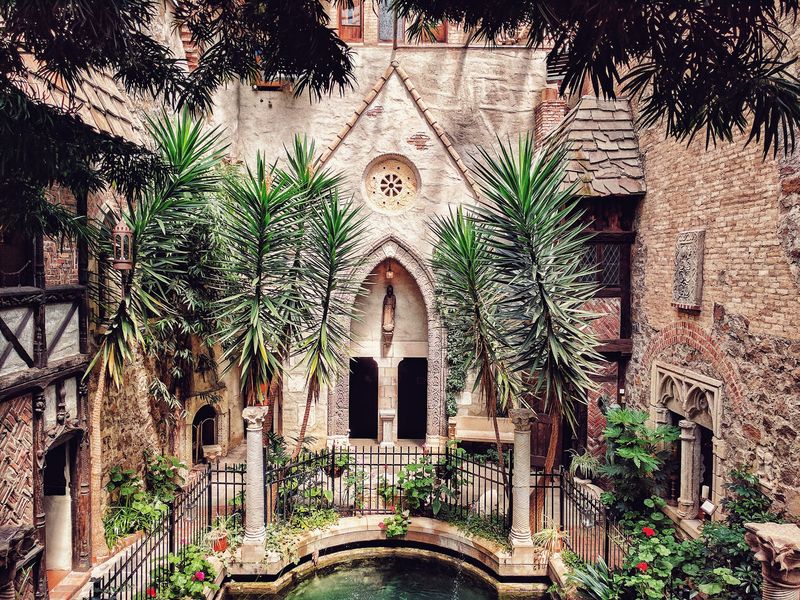
After a series of enclosed rooms, daylight suddenly pours into an unexpected space. The indoor courtyard feels almost like a tiny world tucked inside the castle.
At Hammond Castle Museum, its glass roof, stone details, and pool show how much Hammond enjoyed changing a visitor’s sense of place.
The courtyard was designed to feel different from the Massachusetts weather beyond its walls. Historic architectural pieces help give it the look of an old European setting, while the pool adds a playful touch.
Stories about Hammond’s experiments with light and atmosphere make the space even more intriguing. Instead of picturing the courtyard as a still exhibit, imagine how it might have looked to a guest seeing it for the first time.
Take a moment to notice what is actually there when you visit, since museum displays and plantings can change. Look toward the roof to see how outdoor light shapes the room, then scan the walls for details that make it feel like a small street.
It is a good place to slow down after the darker passages. The courtyard shows that Hammond wanted his home to delight people, not just impress them.
A Collection Gathered From Many Eras
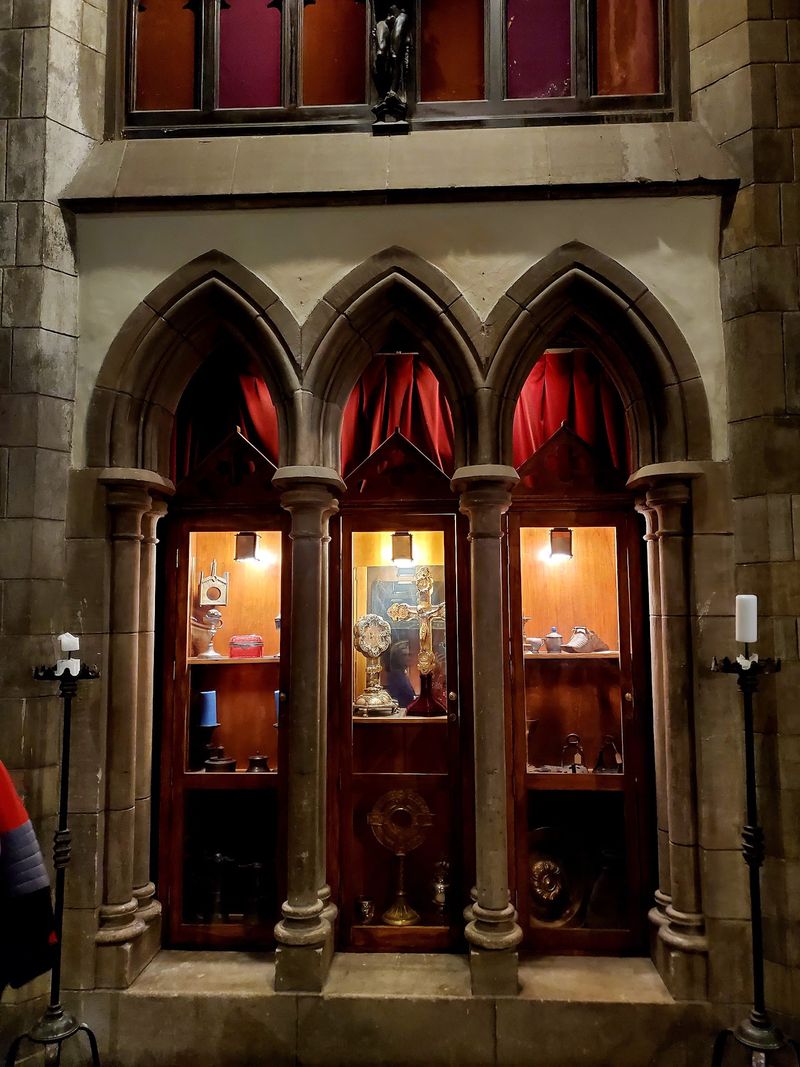
A carved object catches your attention, and suddenly the room around it becomes a little quieter. Hammond filled his castle with art and historic pieces that meant something to him.
Today, the museum lets visitors see that collection in the unusual home he designed to hold it.
Objects connected with Roman, medieval, and Renaissance history appear throughout the castle. Some are easy to notice, while others reward a second look at a doorway, wall, or corner.
The collection is not arranged like a simple row of identical display cases. Its setting matters: Hammond placed works from different times within rooms that reflected his own taste for old architecture.
Try choosing one object and reading its label carefully before moving on. Ask what it might tell you about the people who made or used it, and why Hammond may have wanted it here.
Then step back and see how the whole room changes your impression. If you love museums, this close connection between a collector and his collection is especially rewarding.
Even a visitor with little knowledge of art can enjoy finding a detail that feels surprising or strangely familiar.
Passages With a Playful Side
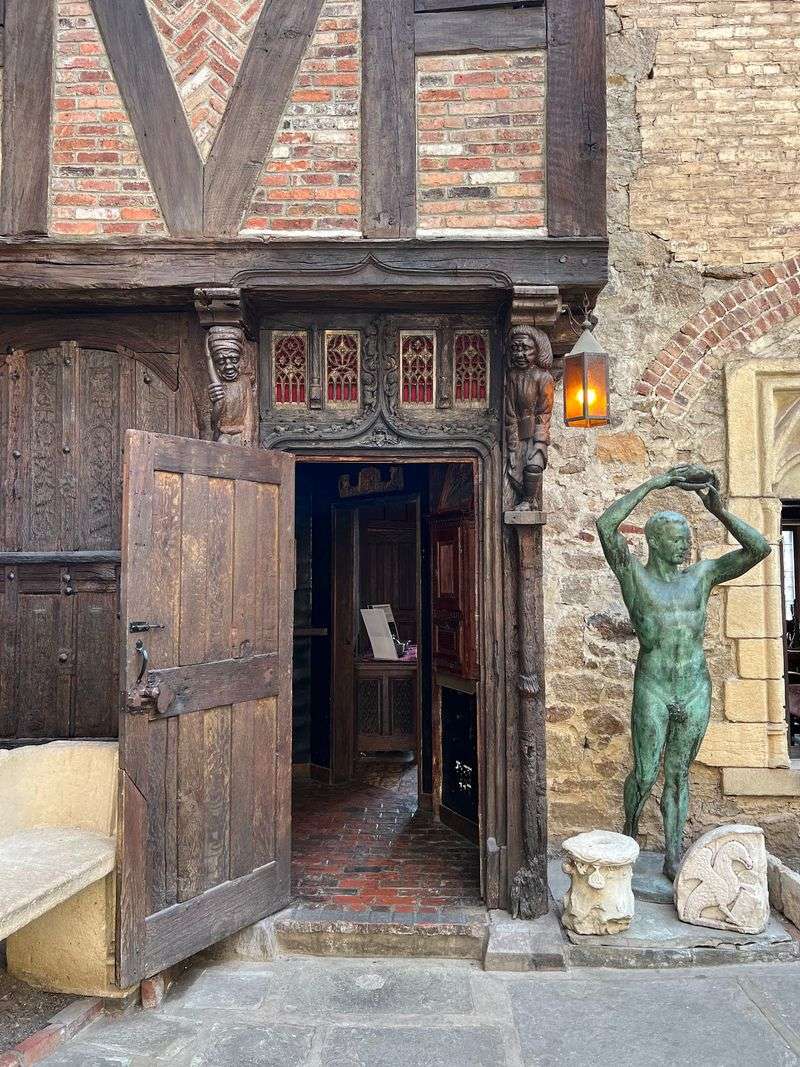
A narrow passage can make even a grown-up feel curious about what waits around the corner. Hammond knew how to use that feeling.
His Gloucester castle has long been associated with hidden routes, surprising room shapes, and stories about an owner who liked entertaining his guests.
The round library is one place to pay attention to sound. Its shape can create an unusual effect when you speak, offering a small clue to Hammond’s interest in acoustics.
Tales of secret passages add to the mood, although not every route is open to visitors. That distinction is part of visiting a real historic house: you can enjoy its mysteries while respecting the rooms and boundaries that protect it.
Instead of trying to find a forbidden doorway, notice how the public path changes as you move through the castle. A tighter stairway may lead to a room that feels unexpectedly open.
If a guide shares a story about one of Hammond’s pranks, ask what is documented and what has become legend. The mix of fact, clever design, and playful storytelling gives this stop its charm.
A Breath of Sea Air on the Grounds
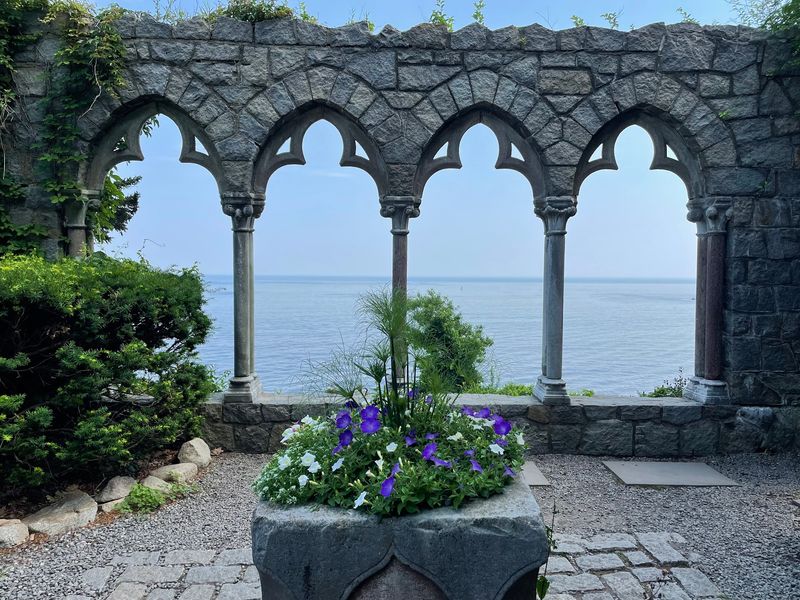
The sound of the ocean changes the pace after a walk through stone rooms. Outside Hammond Castle Museum, sea air and open views offer a chance to take in the place as a whole.
The castle is striking on its own, but its position above the Gloucester shoreline gives it a setting you will remember.
From the grounds, look back at the walls before turning toward the water. That simple change in direction shows why photographs here can feel so different: one frame holds historic-style architecture, while the next holds the Atlantic.
The view also helps explain Hammond’s choice of location. He built a home that could feel removed from ordinary life without losing its strong connection to the Massachusetts coast.
Weather can shift quickly near the shore, so bring a layer even if your visit starts under blue skies. Stay on permitted paths and keep clear of rocky edges, especially when taking pictures.
Allow a few unhurried minutes outside rather than treating the grounds as a shortcut to the entrance. You may find that the fresh air is what makes the castle’s rooms feel even more remarkable afterward.
A Museum That Still Welcomes Curious Visitors
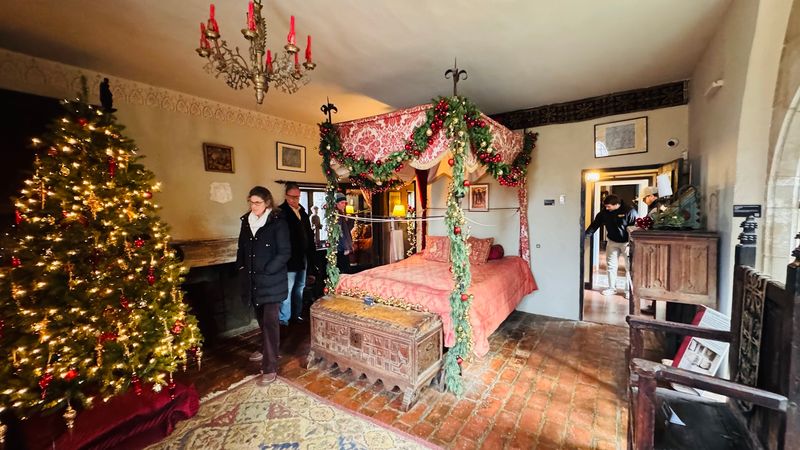
The best part of an unusual house is getting to walk through its doors. Hammond Castle Museum remains a place where visitors can explore the ideas, rooms, and collections its owner brought together.
Its story has not been sealed away behind the stone walls.
Depending on the museum’s current schedule, you may find self-guided visits, guided tours, or special programs. A guided visit can help connect Hammond’s inventions with the building around you.
Going at your own pace, when that option is available, gives you more time with the details that catch your eye. Either way, check the official website before setting out for ticket choices, access information, and any changes to hours.
The museum is at 80 Hesperus Ave in Gloucester, but it helps to plan beyond simply entering the address. Reserve ahead when possible, since parking and tour places can be limited.
Inside, expect some narrow or uneven stairs, and ask the museum about accessibility if you need a suitable route. With those details settled, you can focus on the pleasure of discovery.
Few coastal visits bring together an inventor’s work, centuries of design, and ocean views in one place.