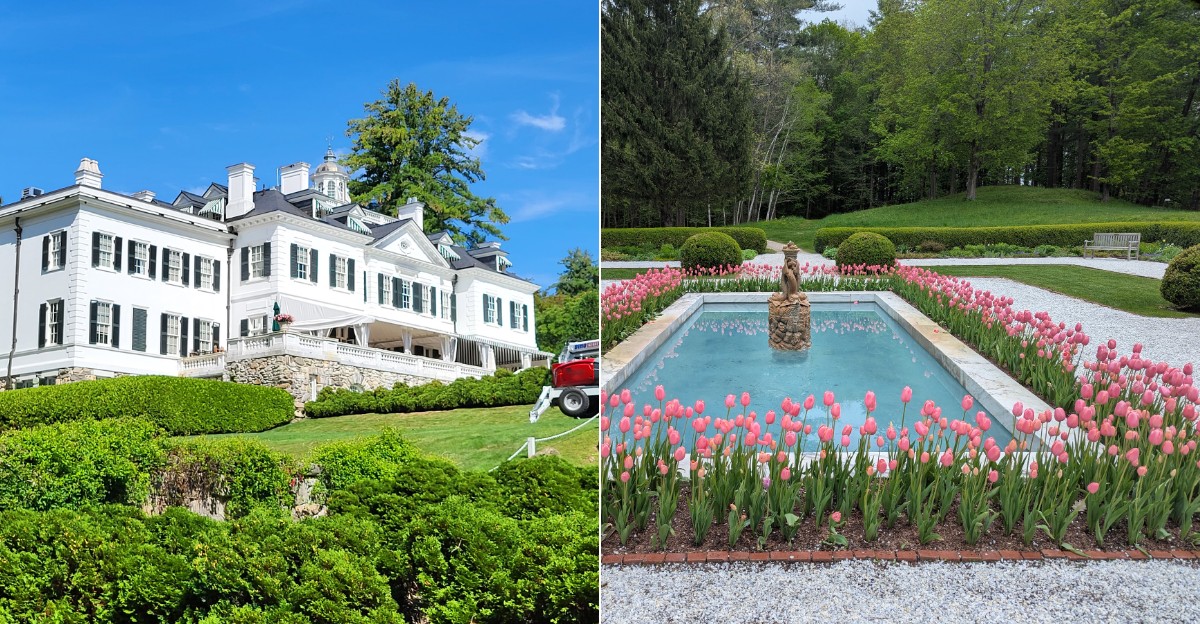
The first woman to win the Pulitzer Prize for Fiction designed her own 35-room mansion. She also planned the gardens herself, right down to the fountains.
She built it in 1902 using rules from a decorating book she had already written. Then she wrote some of her most famous novels inside it.
I like how the house basically proves her book worked.
This place sits in the hills of Massachusetts, and plenty of people drive right past it. That surprises me every time.
Grand estates usually get all the attention in Newport, not out west near the mountains.
The gardens and trails cost nothing to wander from dawn to dusk. There’s a cafe with garden views, outdoor sculpture, and even ghost tours.
So why does it still feel like a secret?
A Famous Author Drew Up This Whole House Herself
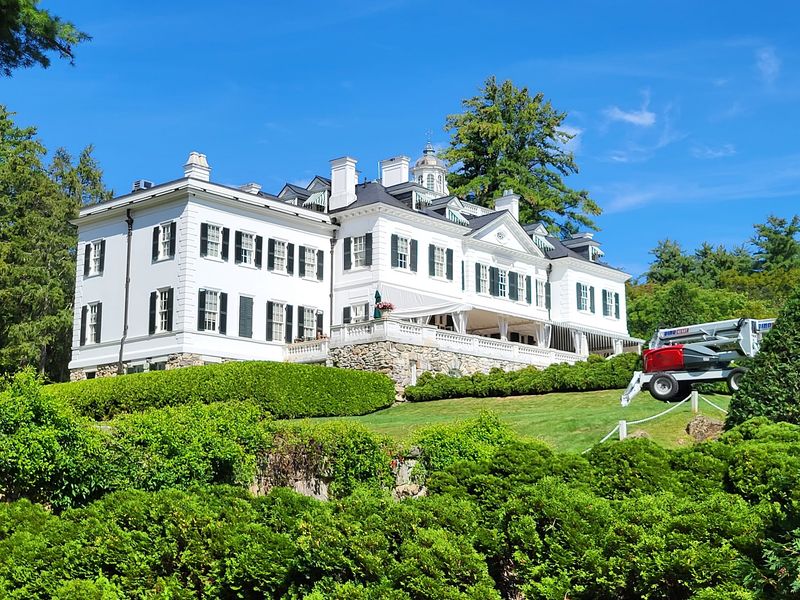
Most writers dream of a quiet room. At The Mount, Edith Wharton Cultural Center, the novelist Edith Wharton dreamed up an entire estate instead.
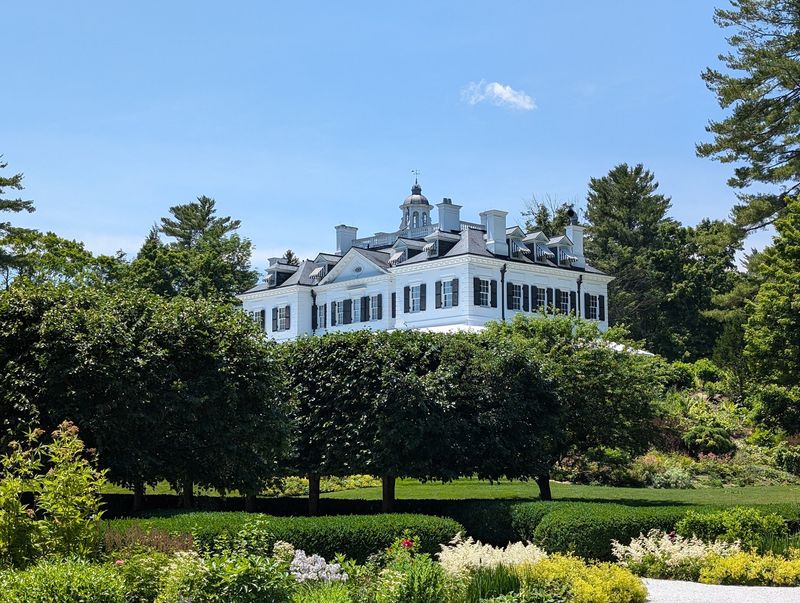
She designed the mansion with architect Ogden Codman Jr. and Francis L.V. Hoppin.
It was finished in 1902, and she called it her first real home.
The house covers about 16,850 square feet and holds 35 rooms. That’s a lot of space for someone who mostly wanted peace and quiet to write.
Wharton didn’t just guess at good taste. She used ideas from her 1897 book, The Decoration of Houses, which she wrote with Codman.
The style is Georgian Revival, with touches pulled from classical Italian and French design. She even drew inspiration from Belton House, a 17th-century estate in England.
From outside, you’ll spot crisp white stucco and dark green shutters. It looks calm and balanced, which fits her love of order and symmetry.
I can’t imagine many authors pulling this off. Writing a bestseller is hard enough without also planning where the hallways go.
Her rules still feel fresh today, too. Rooms connect naturally, and nothing seems random or crowded.
You Can Actually Sit Down In These Fancy Rooms
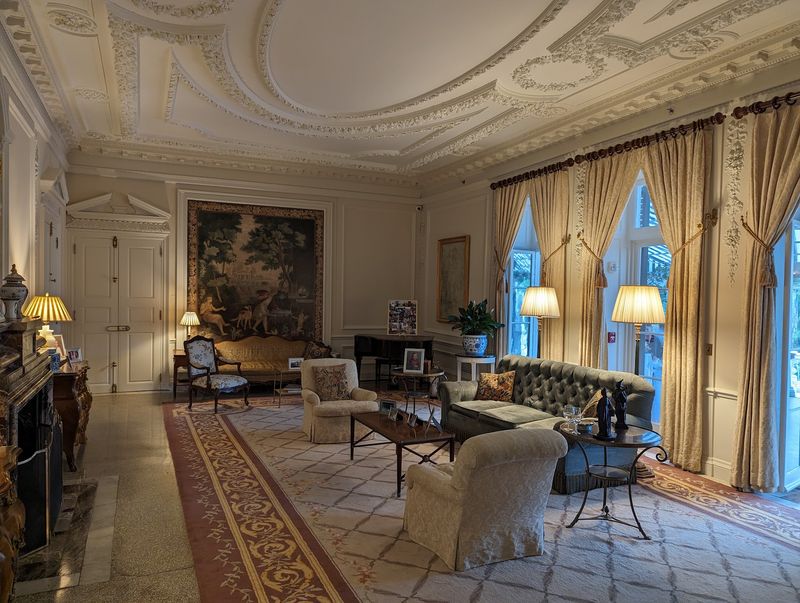
Velvet ropes are the usual rule in historic homes. Here, the restored rooms invite you to sit and interact with them without barriers.
That makes a big difference. You get to feel the house the way a guest might have in 1905, instead of peeking from a doorway.
The tour takes you through spaces like the grand entrance hall and the drawing room. Each one has been carefully restored to match the period.
Then comes the library, a true highlight for book lovers. It holds many of Wharton’s original books, which feels a little like borrowing her brain for a moment.
Exhibits throughout the house share stories about her life and writing. They also cover her humanitarian work during World War I and the lives of her servants.
That last part is a thoughtful touch. A big house needed many hands, and their stories matter too.
Here’s a practical tip for planning. The mansion has an elevator and accessible parking right in front for those with placards.
Restrooms sit on the first floor and in the Carriage House. Handy, since a 35-room house invites plenty of wandering.
Her Gardens Were Planned Like Rooms Without Ceilings
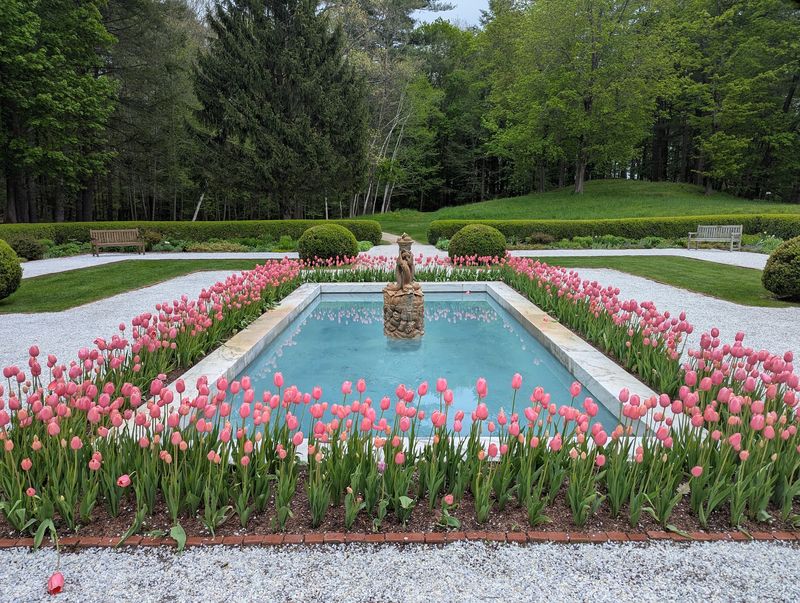
Wharton thought gardens should work like architecture. She described them as compositions divided into rooms, and you can see that idea everywhere.
The estate spans 49.5 acres, with three acres of formal gardens. Each section has its own personality, almost like visiting different houses on one street.
The French Flower Garden centers on a rectangular pool with a dolphin fountain. Across the way, a walled Italian garden features a rustic rock-pile fountain.
Between them, you’ll find a lime walk lined with trees. There’s also an alpine rock garden and wide grass terraces that step down the slope.
Her niece, landscape gardener Beatrix Farrand, helped too. Farrand designed the kitchen garden and the entrance drive.
Talk about a talented family. Most of us just argue about who mows the lawn.
Thousands of trees, shrubs, annuals, and perennials fill the grounds today. The team uses organic products to care for them.
The landscape was meant to look good in every season. So a crisp fall day or a snowy morning still delivers something lovely.
Wear comfy shoes. Those terraces and paths add up fast.
The Best Part Might Cost You Absolutely Nothing
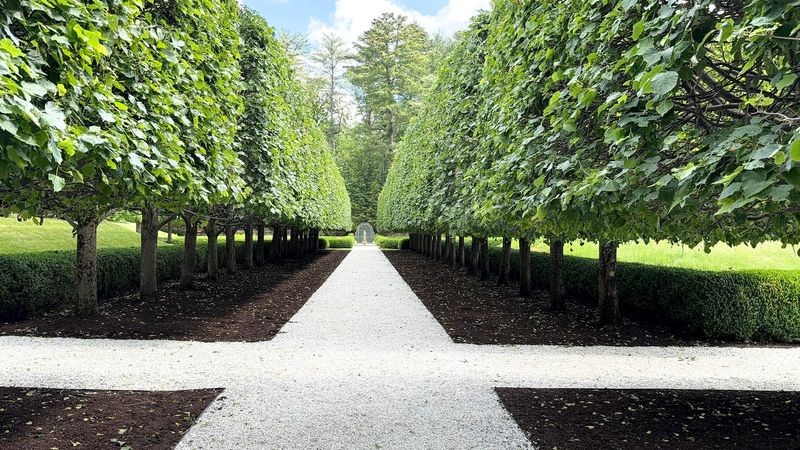
Free and fancy rarely show up in the same sentence. Yet the grounds and walking trails at The Mount are open to the public year-round, from dawn to dusk, at no charge.
That’s a generous offer at a National Historic Landmark. You can stroll the grounds, follow wooded paths, and enjoy the views without buying a ticket.
Mansion and garden tours generally run seasonally, from May through October. If you visit outside that period, you can still enjoy the trails when they’re accessible.
Winter walks have their own quiet charm. Edith Wharton’s novel Ethan Frome also draws on the harsh winters of rural New England.
Planning a family visit? The grounds are free to explore, but admission to the mansion and any special tours may cost extra.
Check current ticket prices before you go.
Want to make a full day of it? Pack a picnic, as visitors can enjoy food on the grounds.
Find a shady spot near the terraces and take in the scenery. Just keep an eye on the time, because the trails close at dusk.
Bring A Good Book Home From The Shop Downstairs
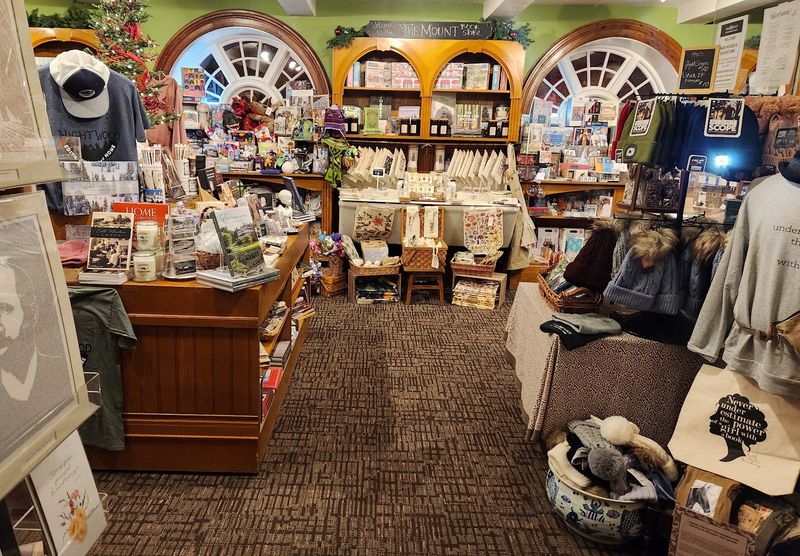
A writer’s house without a bookstore would feel wrong. Thankfully, The Mount Gift and Bookstore sits right on the ground floor of the mansion.
It carries a curated mix of books, including Wharton’s own works. If the tour sparks your curiosity, you can grab The House of Mirth on the way out.
She wrote that novel here, published in 1905. Ethan Frome followed in 1911, also from her years at this house.
Reading them after your visit adds a fun layer. You’ll know exactly which hills and halls shaped her thinking.
The shop goes well beyond books, too. Shelves hold jewelry, stationery, hats, candles, teas, and toys.
There are also unique pieces made by artisans. It’s the kind of place where a quick browse quietly turns into twenty minutes.
Here’s the best news for drop-ins. You don’t need an admission ticket to visit the bookstore.
So even a short stop can include a souvenir. A teacup or a classic novel beats a fridge magnet any day.
Grab a gift for the reader in your life. They’ll thank you, probably between chapters.
Lunch Comes With A View Fit For A Novelist
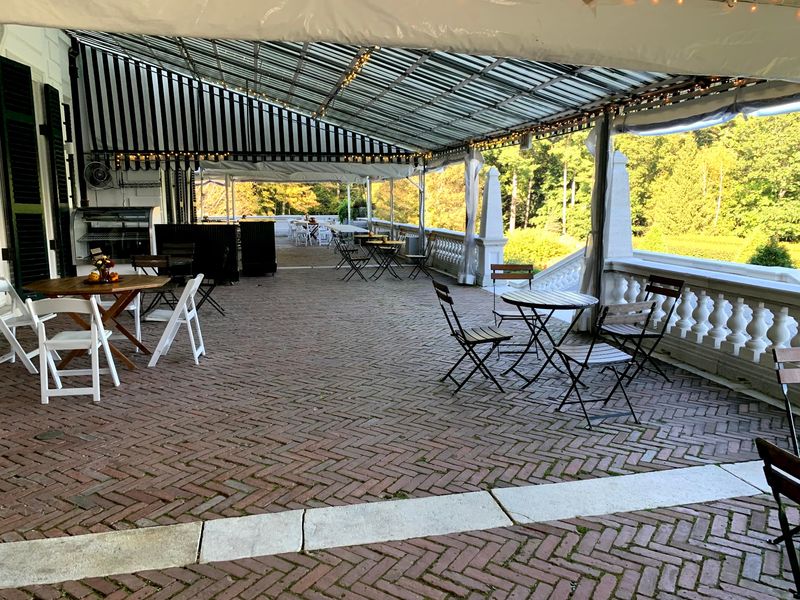
Garden views and a sandwich make a winning pair. The Terrace Cafe delivers both from its spot on the second floor.
It overlooks the gardens, so you can study Wharton’s layout while you snack. Honestly, that’s the smartest way to appreciate symmetry.
The menu sticks to light refreshments, drinks, snacks, and lunch items. It’s just right for refueling between the house tour and the trails.
Timing matters here. Many visitors tour the mansion first, then head up for lunch before exploring outside.
That flow makes sense on a long day. Your feet get a break, and the view helps you plan your next stop.
Not into cafe food? A picnic on the grounds works just fine.
You could bring treats from town and spread out near the lawns. Either option keeps you close to the scenery.
Planning a visit in Massachusetts during peak fall color? Lunch on the terrace could become the highlight.
The hills around Lenox turn bright orange and red in autumn. Pair that with a cool drink, and suddenly you understand why Wharton loved writing here.
Art Pops Up Where You Least Expect It
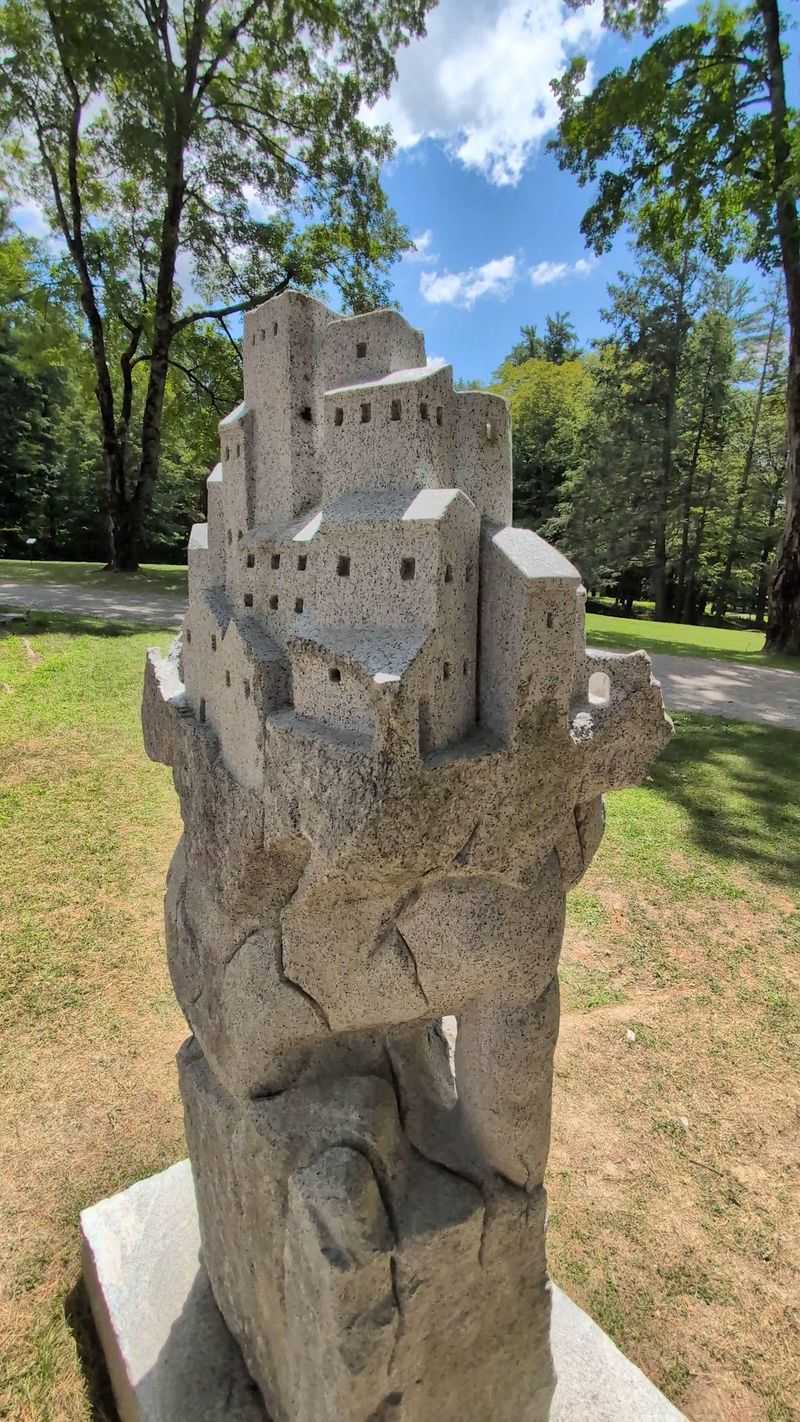
Turn a corner on the path, and there’s a sculpture staring back. That’s Sculpture at The Mount, an outdoor exhibition that turns the grounds into an open-air gallery.
The show often follows a theme. That means each season can bring something new to discover between the trees and lawns.
It adds a playful twist to a historic estate. Old gardens and modern art make surprisingly good neighbors.
Kids especially love the hunt. Spotting the next piece turns a simple walk into a little adventure.
Since the grounds are free from dawn to dusk, you can enjoy much of the art without a ticket. That’s a sweet deal for a casual afternoon.
Give yourself extra time, though. The pieces spread across the property, and you’ll want to see them all.
Bring your phone or camera for photos. A bold sculpture against a Berkshires backdrop makes a great shot.
I believe Wharton would have approved. She cared deeply about how spaces feel, and art in a landscape fits that idea.
Check the season’s theme before you go. It helps you notice the connections between pieces.
Jazz, Ghost Stories, And Glowing Winter Nights Fill The Calendar
Quiet museum? Not even close.
The Mount, Edith Wharton Cultural Center keeps a busy schedule packed with talks, music, theater, films, and workshops.
Wharton on Wednesdays features readings of her short stories. It’s a cozy way to meet her writing if you’ve never cracked one of her books.
Music fans can check out The Jazz Barn. It mixes live jazz performance with conversation.
Families should circle Free Kids and Family Sundays, which run June through August. Expect concerts, storytime, crafts, and writing workshops.
Around Halloween, Ghost Tours lead guests through darkened halls. Guides share eerie encounters, so maybe skip it if your imagination runs wild at bedtime.
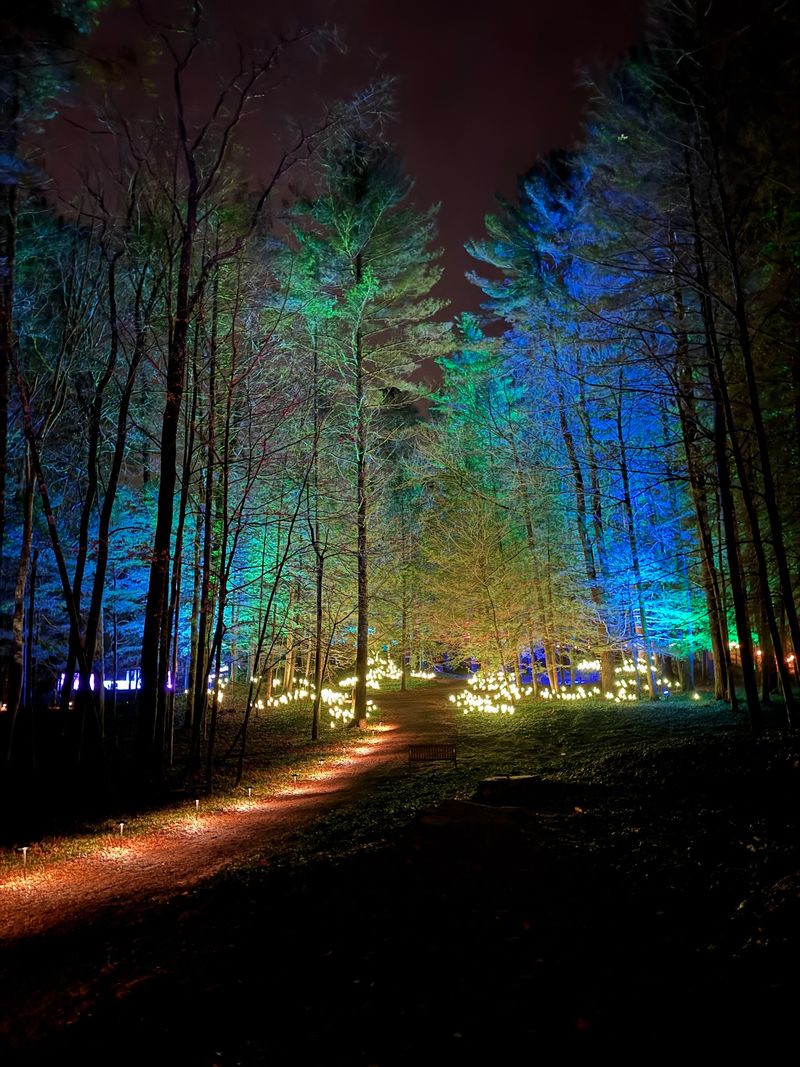
Winter brings NightWood, an annual sound and light show. It gives you a reason to visit when the gardens are resting.
Author talks and dramatic readings round out the lineup. Honestly, it’s hard to get bored here.
Schedules change by season, and special events can shift mansion hours. Check ahead before you make the drive.
Picking the right event can turn a regular trip into something memorable. Spooky, musical, or glowing, take your pick.
Plan Your Trip To This Saved Berkshires Treasure
This house almost slipped away. After the Whartons left in 1911, it passed through several owners and even served as a girls’ dormitory for the Foxhollow School.
Edith Wharton Restoration, Inc. stepped in to save it from neglect. Big restoration work began in the late 1990s and continued into the 2000s.
In 1971, the estate became a National Historic Landmark. It’s one of the few landmarks dedicated to a woman, which makes it extra special.
Wharton earned plenty of firsts herself. She won the Pulitzer Prize for Fiction in 1921 for The Age of Innocence, the first woman to do so.
Ready to see it? Head to 2 Plunkett Street, Lenox, MA 01240, in the Berkshires of western Massachusetts.
The estate also includes a Georgian Revival gatehouse and stable. A short intro video plays in the stables, so start there if you can.
Choose guided, self-guided audio, or specialty tours. Guided tours share more stories, while audio tours let you set your own pace.
Over 50,000 people visit each year. Still, it feels like a secret worth sharing.