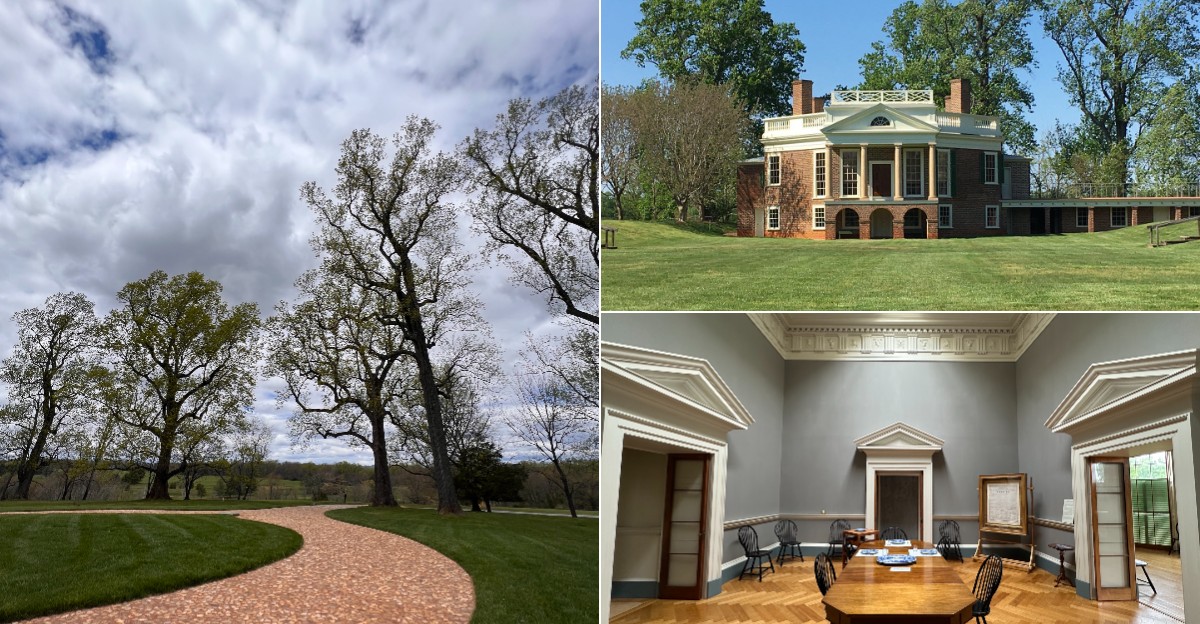
Thomas Jefferson designed a house shaped like an octagon, with a square dining room lit by a sixteen-foot skylight. He built it as a getaway from Monticello.
Yes, the man already had a famous mountaintop home and still wanted a hideaway.
He started planning it in 1806, while he was still serving as president. He called it the best dwelling house in the state, except for Monticello.
Then he hinted it might be even better for a private citizen.
I love that a founding father needed a quiet place to read and think. I can’t imagine being so busy that one famous house isn’t enough.
Yet this Virginia retreat stays oddly under the radar.
Crews are still restoring it today, using old building methods. So how did a presidential escape stay this quiet for so long?
Jefferson Wanted A Place Where Nobody Could Find Him
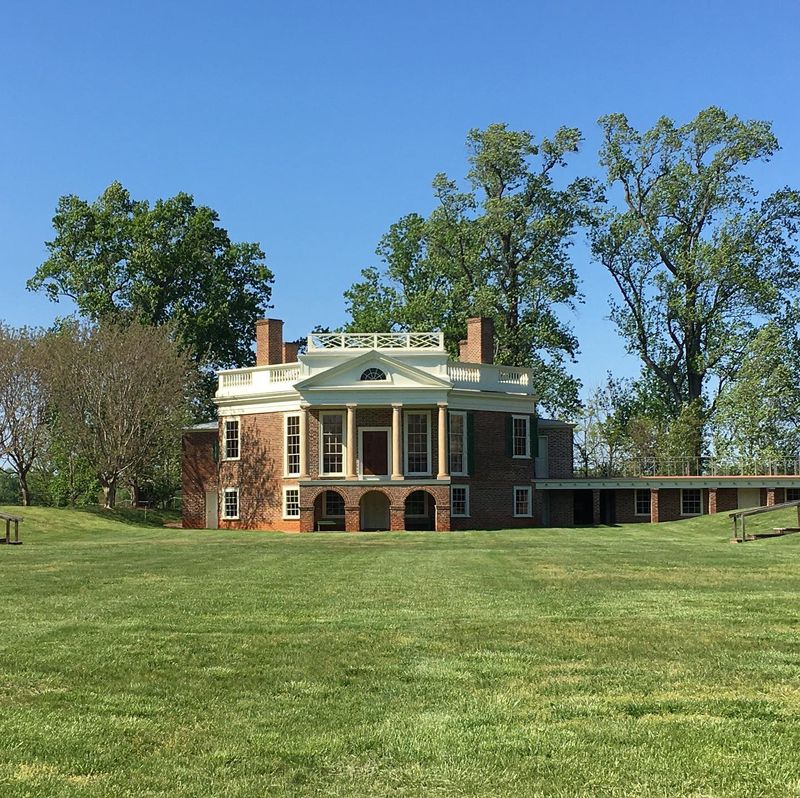
Fame gets exhausting, even for the guy who wrote the Declaration of Independence. Thomas Jefferson’s Poplar Forest was his answer to all those knocking visitors at Monticello.
He began designing the retreat in 1806, at age 62, during his second term as president. He wanted a spot for what he called tranquility and retirement.
The house was livable by 1809, right as his presidency ended. Talk about perfect timing for a career change.
From 1810 until 1823, Jefferson made yearly trips to this Virginia property. Some stays lasted a few days, while others stretched for weeks or even months.
His granddaughters sometimes came along for the ride. He spent his time reading, writing, studying, and gardening.
The trip from Monticello takes about 90 minutes by car today. Back then, it was a much longer journey by horse and carriage, which kept unwanted guests away.
I think that distance was the whole point. Jefferson clearly understood the value of a long driveway before anyone else did.
Knowing this backstory makes the visit feel personal. You’re not just seeing a building, you’re seeing one man’s idea of peace and quiet.
Eight Sides, One Brilliant Skylight, Zero Boring Corners
Octagons were Jefferson’s favorite shape, and he went all in here. The house is believed to be one of the first octagonal brick homes built in the United States.
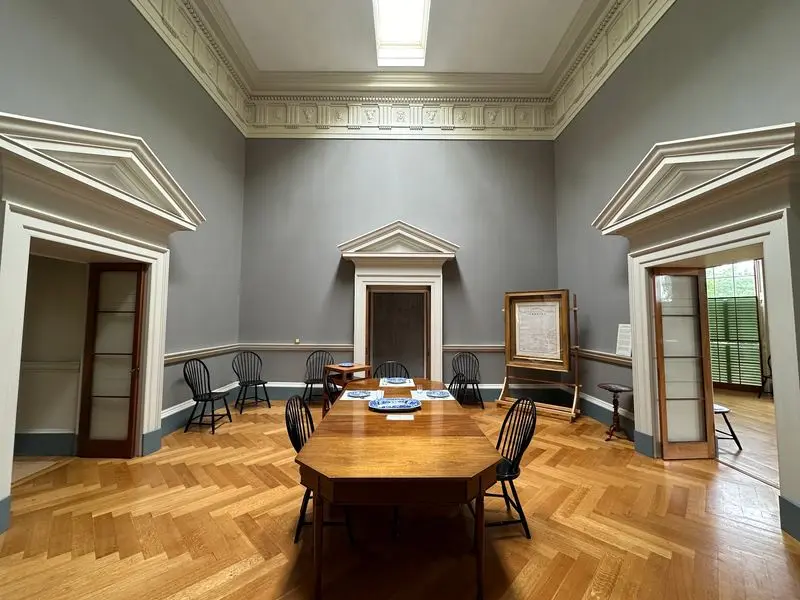
At the center sits a square dining room. A sixteen-foot skylight fills it with natural light from above.
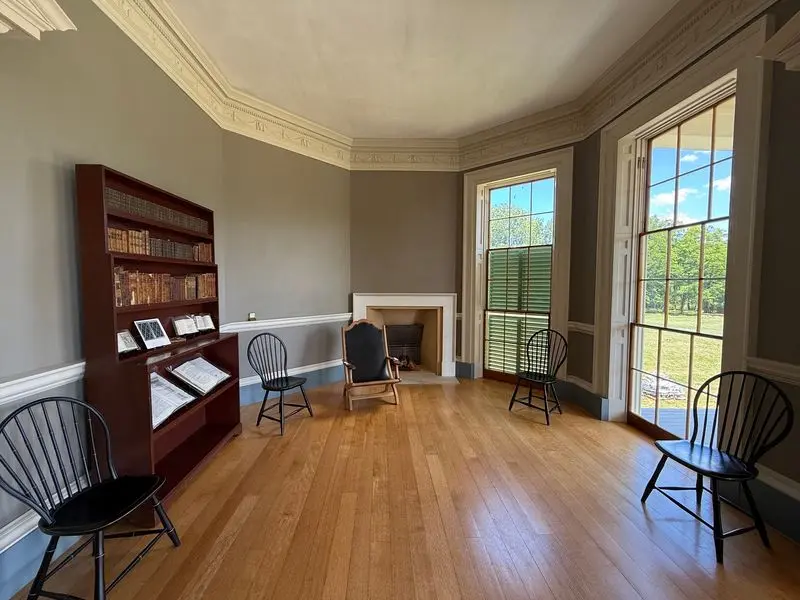
Four stretched octagonal rooms wrap around that central space. The layout feels clever, balanced, and a little bit like a puzzle you want to solve.
Experts call Poplar Forest Jefferson’s most mature architectural masterpiece. That’s high praise for someone who also designed Monticello and the University of Virginia.
The design blends ideas from ancient buildings, Renaissance Palladian style, and 18th-century French and British homes. Virginia traditions are mixed in too.
So one small house carries centuries of building history inside its walls. Not bad for a vacation cottage.
Look up when you stand in the dining room. The skylight is the kind of detail that makes you wonder why more homes don’t have one.
Architecture fans will spot new angles everywhere. Everyone else will simply enjoy how bright and calm the rooms feel.
Pick A Docent Or Let Your Phone Lead The Way
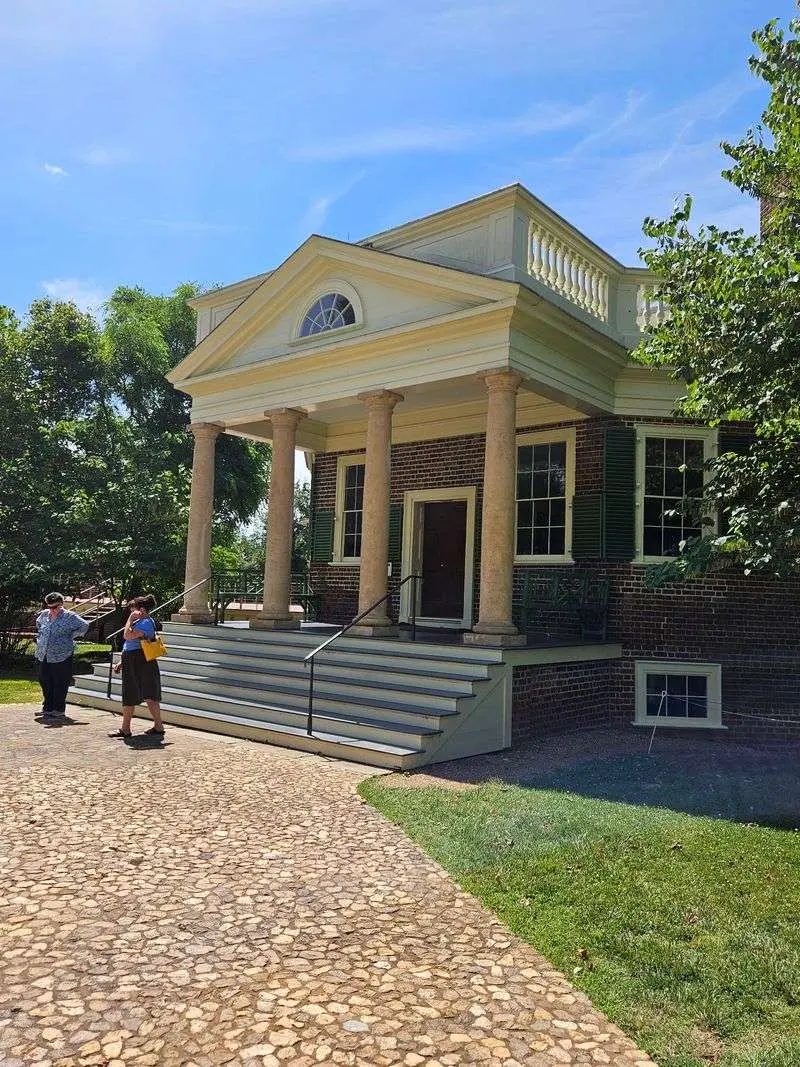
Good news for planners and wanderers alike. You get two ways to explore the house.
Docent-guided tours run four times a day, at 10:30 a.m., noon, 1:00 p.m., and 2:30 p.m. Those times depend on docent availability, so arriving early helps.
General admission includes a guided tour of the upper level of the house. After that, you can explore the grounds and exhibits on your own.
Prefer your own pace? A free app offers a full-length house tour on both Apple and Google Play stores.
The app is handy if your schedule doesn’t match the tour times. It also feels like a private tour just for your group.
Groups wanting something special can book a private tour. Just give at least 24 hours of notice.
Hours run 10 a.m. to 5 p.m. from March through November. Winter months close at 4 p.m., and last admission is 30 minutes before closing.
Download the app before you leave home, just in case. Rural cell service and patience don’t always get along.
A House That’s Still Getting Its Groove Back
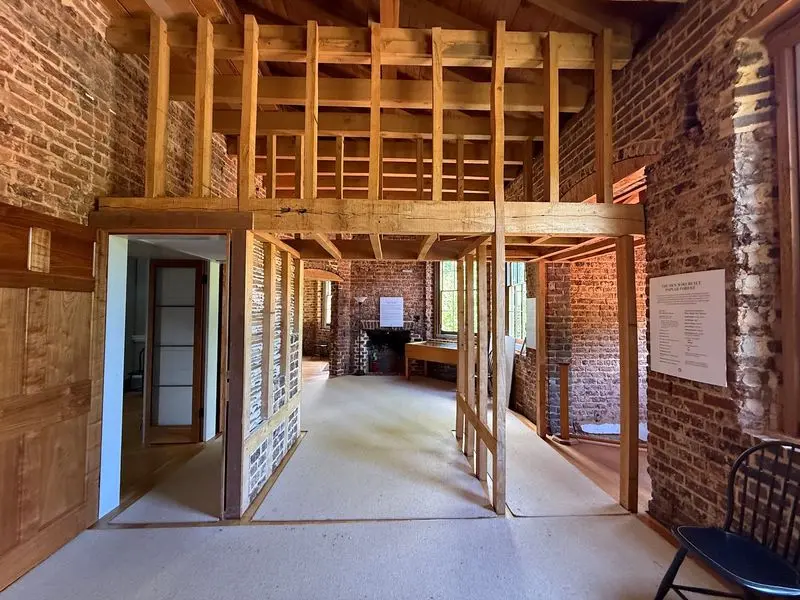
A fire in 1845 badly damaged the roof and interior. Afterward, the place was turned into a plain farmhouse.
It stayed in private hands for well over a century. Then, in 1984, a nonprofit bought the house and 50 acres to save it.
The site first opened to the public in 1986, before the big restoration got going. Since then, it’s become an award-winning project.
Crews use authentic building methods and materials to bring back the Jefferson-era look. Old documents and physical clues guide every decision.
The best part is that visitors can watch some of this work happen. A restoration workshop shows how the craft gets done.
The National Trust for Historic Preservation has recognized the effort. The site also became a National Historic Landmark back in 1971.
I believe this is what makes Thomas Jefferson’s Poplar Forest stand out. Most historic homes feel finished, but this one is still telling its story.
Come back in a few years, and you may notice changes. It’s history with a progress bar.
Real Archaeologists Are Digging Up Secrets Right Here
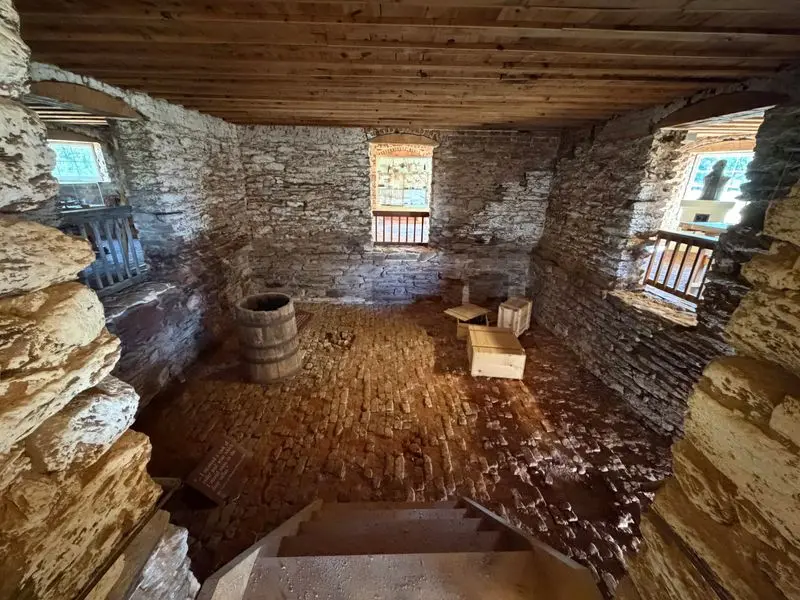
Dirt has a lot to say at Poplar Forest. Archaeologists keep uncovering clues about how people lived and worked here.
Visitors can sometimes watch active digs in progress. It’s a rare chance to see history pulled straight out of the ground.
An archaeology laboratory is part of the exhibits too. You can see how tiny finds get studied and sorted.
These discoveries do real work. They help the restoration team decide how the house and grounds should look.
Kids especially tend to perk up at the idea of buried treasure. Even small broken pieces can reveal meals, tools, and daily routines.
Exhibits in the lower level of the house also cover archaeology and restoration. So you can connect what’s found outside with what’s rebuilt inside.
Bring curious questions with you. The more you ask, the more these little fragments start to make sense.
Not every visit lines up with active digging. Still, the lab and exhibits make the science easy to follow for any age.
The People Who Made This Place Run
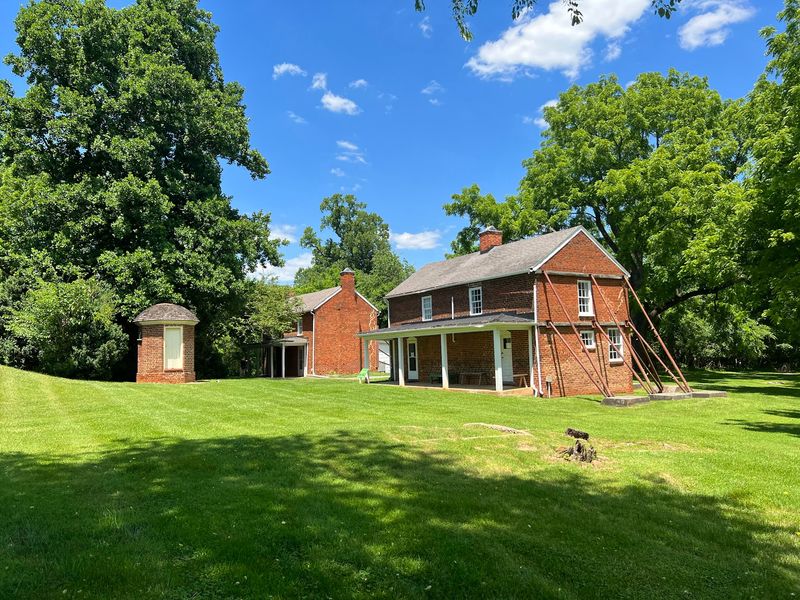
Behind the peaceful retreat was a working plantation. Enslaved people grew crops, cooked meals, and kept the property going.
Jefferson inherited the land in 1773 through his father-in-law, John Wayles. That inheritance included 4,819 acres and 11 enslaved individuals.
During his ownership, the enslaved community ranged from 28 to 95 people. Free white and enslaved African American craftsmen also helped build the house.
Today, the site shares their stories alongside Jefferson’s. That balance gives visitors a fuller and more honest picture.
You can visit an 1857 Slave Dwelling on the grounds. A Jefferson-era slave quarter site is marked with a ghost structure and signs.
The Enslaved Community Exhibit Room is temporarily closed. New archaeological discoveries are being added to the story.
Plan time for this part of the visit. It deepens your understanding of everything else you see.
Walking these spots slowly makes a difference. The names and lives here deserve as much attention as the famous architect.
Peek Behind The Scenes In The Wing Of Offices
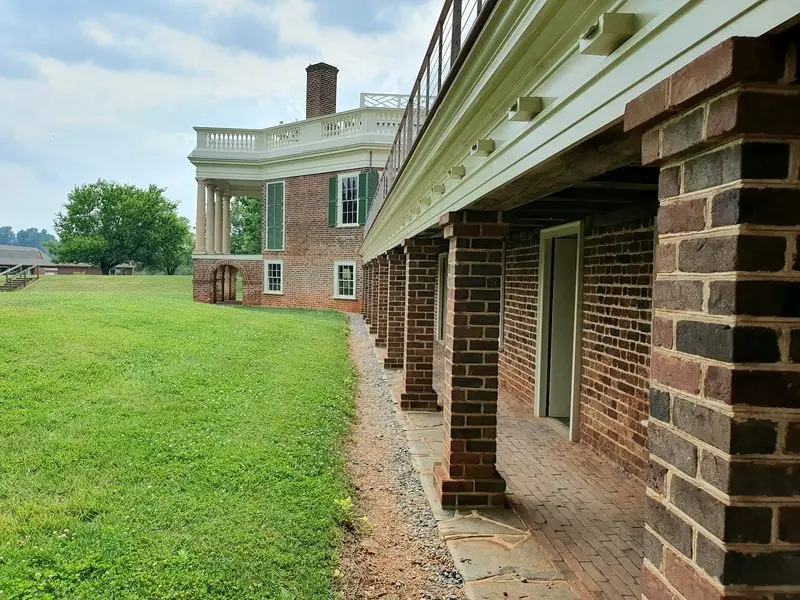
Jefferson had a fancy name for his service building. He called it the Wing of Offices.
Construction started around 1813, and the wing attached right to the main house. Practical and stylish at the same time.
Its lower level held a storeroom, a kitchen, a cooks’ quarters and laundry, and a smokehouse. That’s where the daily hard work happened.
The upper level worked as an outdoor space. So the roof did double duty, which feels very Jefferson.
Today, the Wing of Offices hosts exhibits. They explain how the household actually functioned day to day.
It’s a great reminder that elegant homes need plenty of labor behind them. Meals didn’t magically appear in that skylit dining room.
After your house tour, wander through this area at your own pace. The lower level of the main house has exhibits too.
Pair the two spaces in your mind as you explore. One shows the dream, and the other shows how it really ran.
Free Trails Make It Easy To Linger Outside
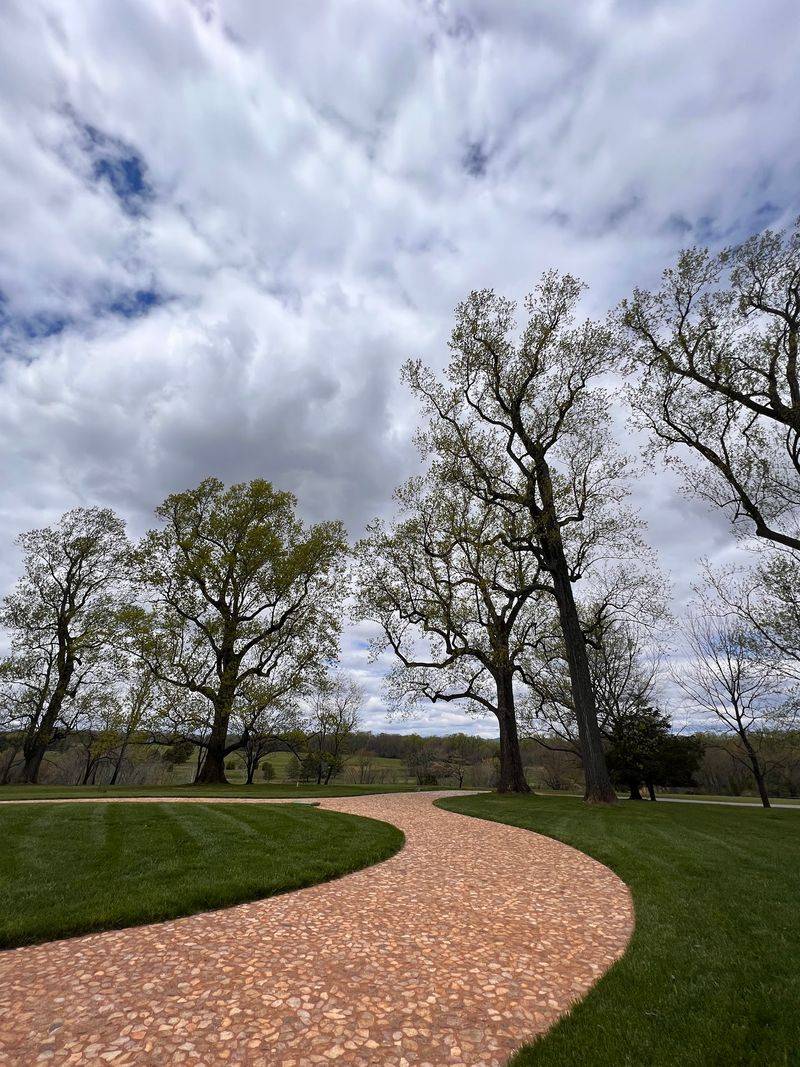
Not every great moment here costs admission. The Poplar Forest Parkway trail system is free to use.
It’s open from dawn to dusk every day. Walkers get views of farm and natural landscapes Jefferson would have recognized.
Ornamental grounds add another layer of beauty near the house. Note that the area right around the house needs admission.
You’ll find the site at 1776 Poplar Forest Parkway, Lynchburg, VA 24502. Yes, the street number is 1776, which is about as patriotic as an address gets.
Picnic tables are available, so pack a lunch. A quiet meal outdoors fits the retreat mood nicely.
Fall is a lovely time to visit this corner of Virginia. Spring and summer bring plenty of green too.
Wear comfortable shoes for the trails. You’ll likely want to walk farther than you planned.
Jefferson came here to slow down and recharge. Following his lead on these paths just feels right.
Candlelight Tours And Souvenirs That Give Back
December brings a cozy twist. Holiday Candlelight Tours and Daytime Holiday Tours give the house a festive glow.
Seeing those eight-sided rooms by flickering light sounds magical. Check the event calendar early, since special tours fill your plans fast.
Educational programs run throughout the year too. They’re built around Virginia’s Standards of Learning, which makes field trips easy for teachers.
History fans of every age can find something here. Families, students, and architecture buffs all have a reason to come.
Before you leave, stop at the Museum Shop. It’s also where you can buy tickets.
Shopping here does some good. Proceeds support restoration, archaeology, and education at Thomas Jefferson’s Poplar Forest.
So that souvenir mug is basically a tiny donation with a handle. Your shelf gets decor, and history gets help.
Remember that the site closes on Easter Sunday, Thanksgiving, Christmas Eve, and Christmas Day. Plan around those dates and you’re set.