Tucked along the turquoise waters of Key Largo, Florida, John Pennekamp Coral Reef State Park holds a title no other park in the country can claim — it was America’s very first underwater state park.
Established in 1963, this remarkable place protects one of the most breathtaking coral reef ecosystems in the entire continental United States.
What makes it truly unforgettable, though, is a 9-foot bronze statue of Jesus resting quietly on the ocean floor, waiting for snorkelers to swim above it.
Whether you love marine life, history, or just want a one-of-a-kind adventure, this park delivers something genuinely extraordinary.
America’s First Underwater Park
Before 1963, coral reefs along the Florida Keys were being picked apart — literally. Collectors were hauling away coral, shells, and marine life faster than nature could replace them, and the damage was becoming impossible to ignore.
That’s when a group of determined conservationists, journalists, and government officials decided enough was enough.
John Pennekamp Coral Reef State Park was born from that fight, becoming the first underwater state park in the entire United States. Named after Miami Herald editor John D.
Pennekamp, who championed its creation, the park was designed specifically to protect the fragile reef ecosystem stretching along Key Largo’s Atlantic coastline.
The park covers roughly 70 square nautical miles of ocean water, plus an additional 2,350 acres of land. It sits within the larger Florida Keys National Marine Sanctuary, giving the reef even broader federal protection.
Visiting this park means stepping into a living piece of American conservation history — a place that proved protecting nature underwater was not just possible, but absolutely necessary. For anyone curious about where marine preservation in the U.S. truly began, this is ground zero.
A Massive Ocean Playground
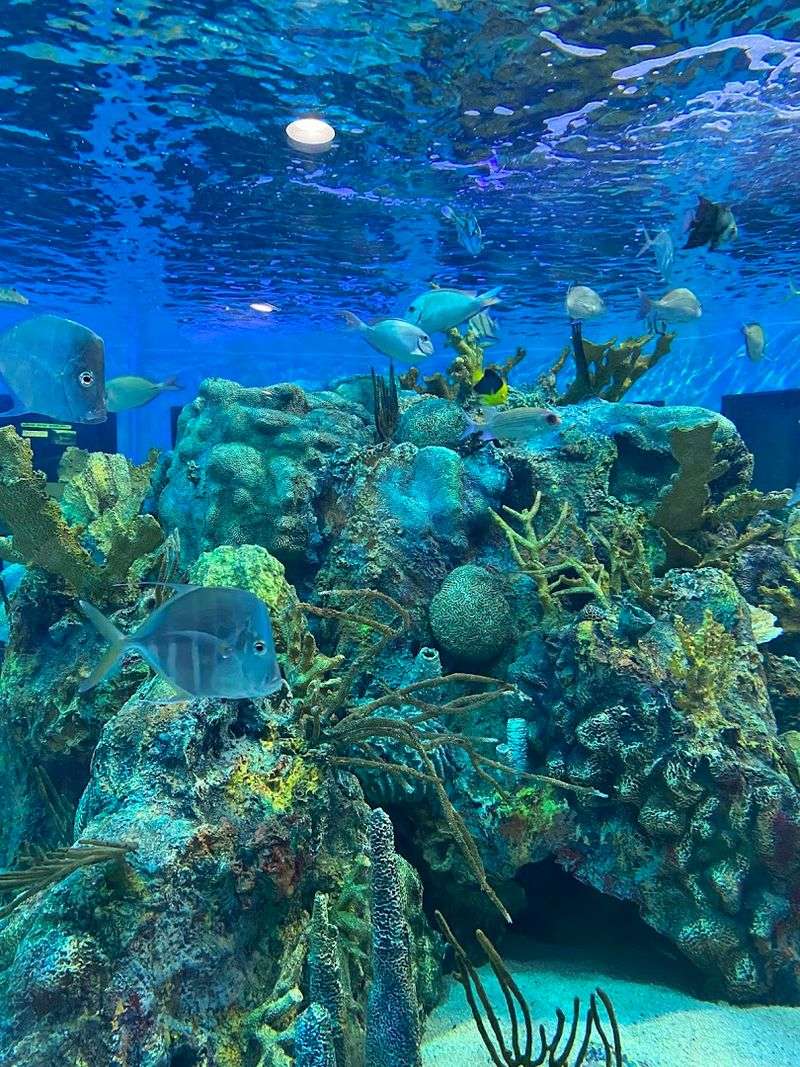
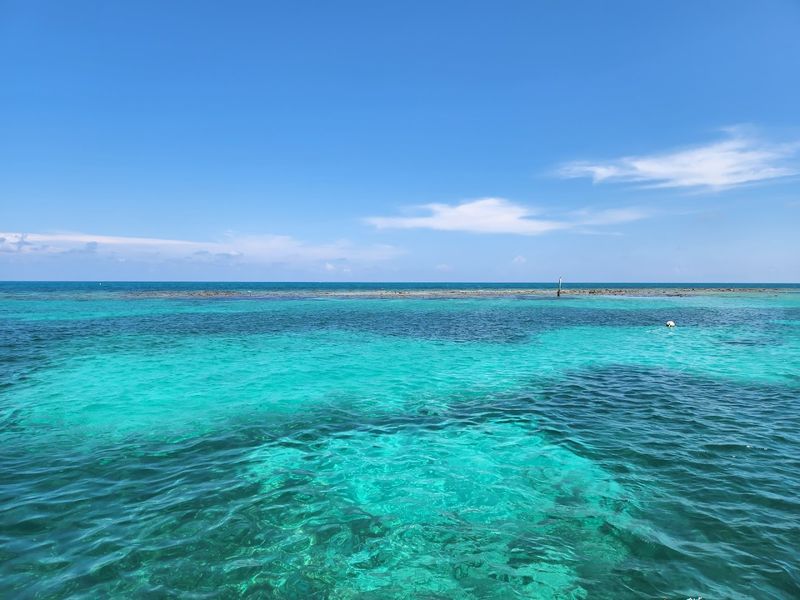
Seventy square nautical miles of protected Atlantic Ocean sounds almost too big to wrap your head around — but that’s exactly what John Pennekamp Coral Reef State Park offers. Stretching along the northeastern edge of Key Largo, the park gives visitors access to one of the only living coral reef systems found anywhere in the continental United States.
That alone makes it extraordinary.
Florida’s coral reef tract is actually the third largest barrier reef in the world, and Pennekamp sits right at its heart. The park’s waters range from calm, shallow areas perfect for beginners to deeper zones that experienced scuba divers love exploring.
No matter your skill level, there’s a section of ocean here that feels made just for you.
The reef itself is teeming with biodiversity. Over 600 species of fish have been recorded in these waters, alongside dozens of coral varieties, sponges, and invertebrates.
Visibility on calm days can reach 30 feet or more, making the underwater world feel almost impossibly clear and vivid. Honestly, calling it a playground undersells it — this is a full-blown underwater universe, and you’re invited to explore every inch of it.
The Famous Christ of the Abyss Statue
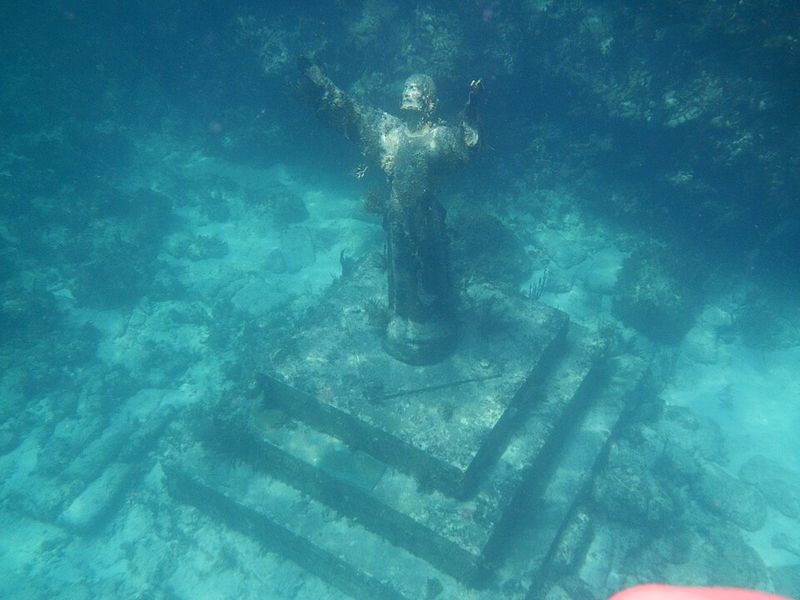
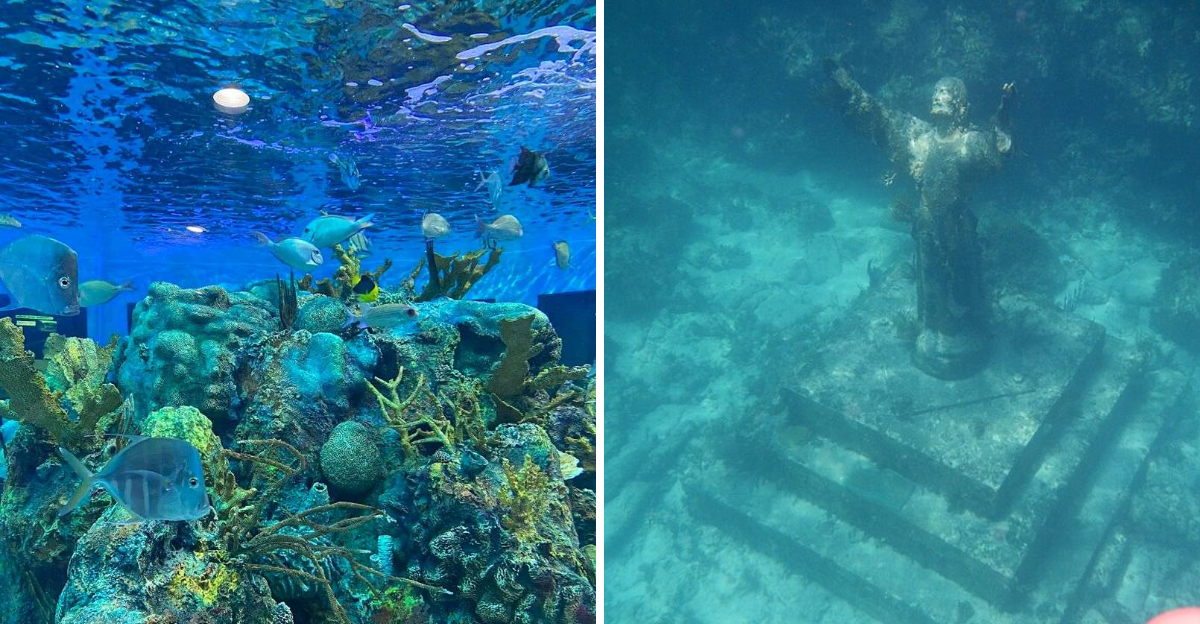
About 6 miles offshore from Key Largo, roughly 25 feet beneath the Atlantic’s surface, stands one of the most surreal sights you’ll ever witness — a 9-foot bronze statue of Jesus Christ, arms raised toward the sunlight filtering down from above. Known as Christ of the Abyss, this statue has become the single most iconic image associated with John Pennekamp Coral Reef State Park.
The original casting of this statue was created by Italian sculptor Guido Galletti and first placed in the Mediterranean Sea off Genoa, Italy, in 1954. The Key Largo version was donated to the Underwater Society of America in 1961 and installed at its current location in 1965.
Weighing approximately 4,000 pounds, the bronze figure rests on a concrete base on the ocean floor, completely surrounded by reef.
Over the decades, the statue has developed a stunning natural coating of coral, algae, and marine growth, giving it an ancient, cathedral-like quality. Snorkelers swimming above it often describe the experience as deeply moving, even spiritual.
Sunlight streams down through the water and catches the statue’s upturned face in a way that feels almost theatrical. Few underwater landmarks anywhere in the world carry this kind of quiet, powerful presence.
Snorkeling for All Skill Levels
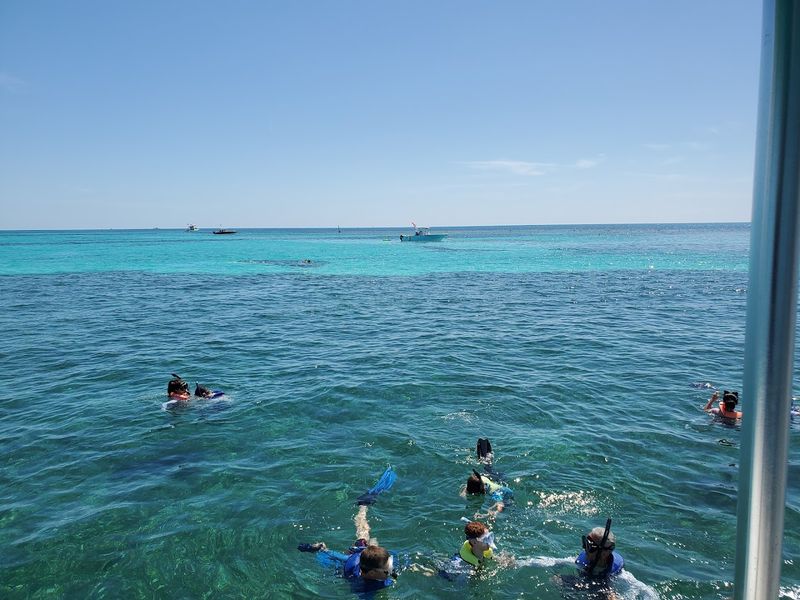
One of the best things about visiting the Christ of the Abyss statue is that you don’t need to be a certified scuba diver to experience it. Because the statue rests at a depth of only about 25 feet, even casual snorkelers floating on the surface can see it clearly below them on a calm, clear day.
That accessibility is a huge part of what makes this spot so beloved.
Park tour boats bring snorkelers directly to the statue site, so there’s no need to navigate open water on your own. Staff on board help orient guests and answer questions before anyone enters the water.
First-timers often feel nervous at the start but end up staying in the water longer than they planned once they spot the statue and the surrounding reef life.
Kids as young as six or seven regularly snorkel above the statue with their families, making this an experience that genuinely crosses generational lines. All you really need is a well-fitting mask, a snorkel, and fins — all of which can be rented right at the park.
If you’ve ever wanted to try snorkeling but worried it was too difficult, this is honestly one of the most encouraging and rewarding places to start.
Vibrant Coral Reefs and Marine Life
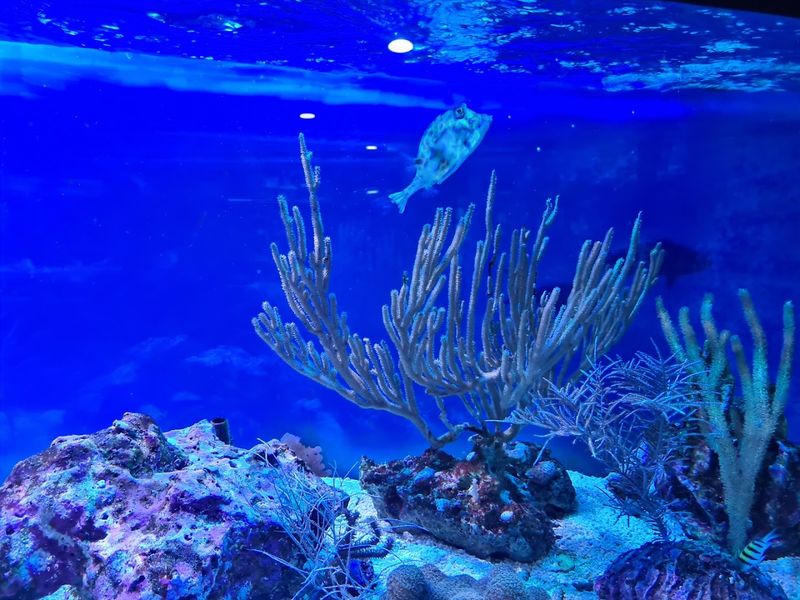
Long before the statue became famous, it was the reef itself that drew people to these waters — and rightfully so. John Pennekamp’s coral reef is a living, breathing ecosystem packed with more color and motion than most people expect to find in any ocean.
Brain corals the size of kitchen tables sit beside towering elk horn formations that have been growing for hundreds of years.
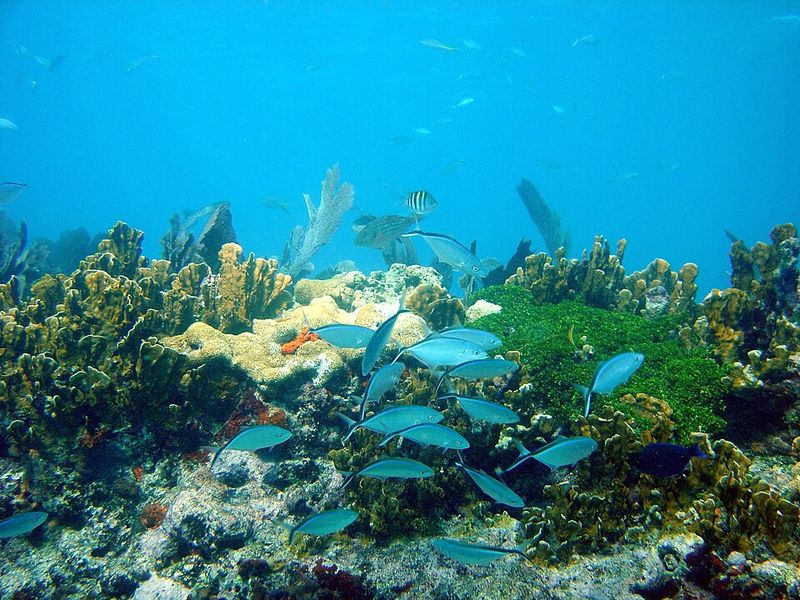
Sea turtles are regular visitors here, often gliding lazily past snorkelers who stop and stare in disbelief. Southern stingrays cruise along the sandy bottom, nurse sharks rest beneath coral ledges, and schools of French angelfish drift through the water like slow-moving confetti.
On a good day, the reef feels like swimming inside a nature documentary.
Over 600 species of fish have been documented within the park’s boundaries, along with 55 varieties of coral. Parrotfish, queen triggerfish, barracuda, moray eels, and spiny lobsters all call this reef home.
The biodiversity here is staggering for a reef system located just a few miles from a populated shoreline. Conservation efforts have helped stabilize many species that were in decline, making today’s reef noticeably healthier than it was just 20 years ago.
Seeing this much life in one place is genuinely humbling.
Glass-Bottom Boat Tours for Non-Divers
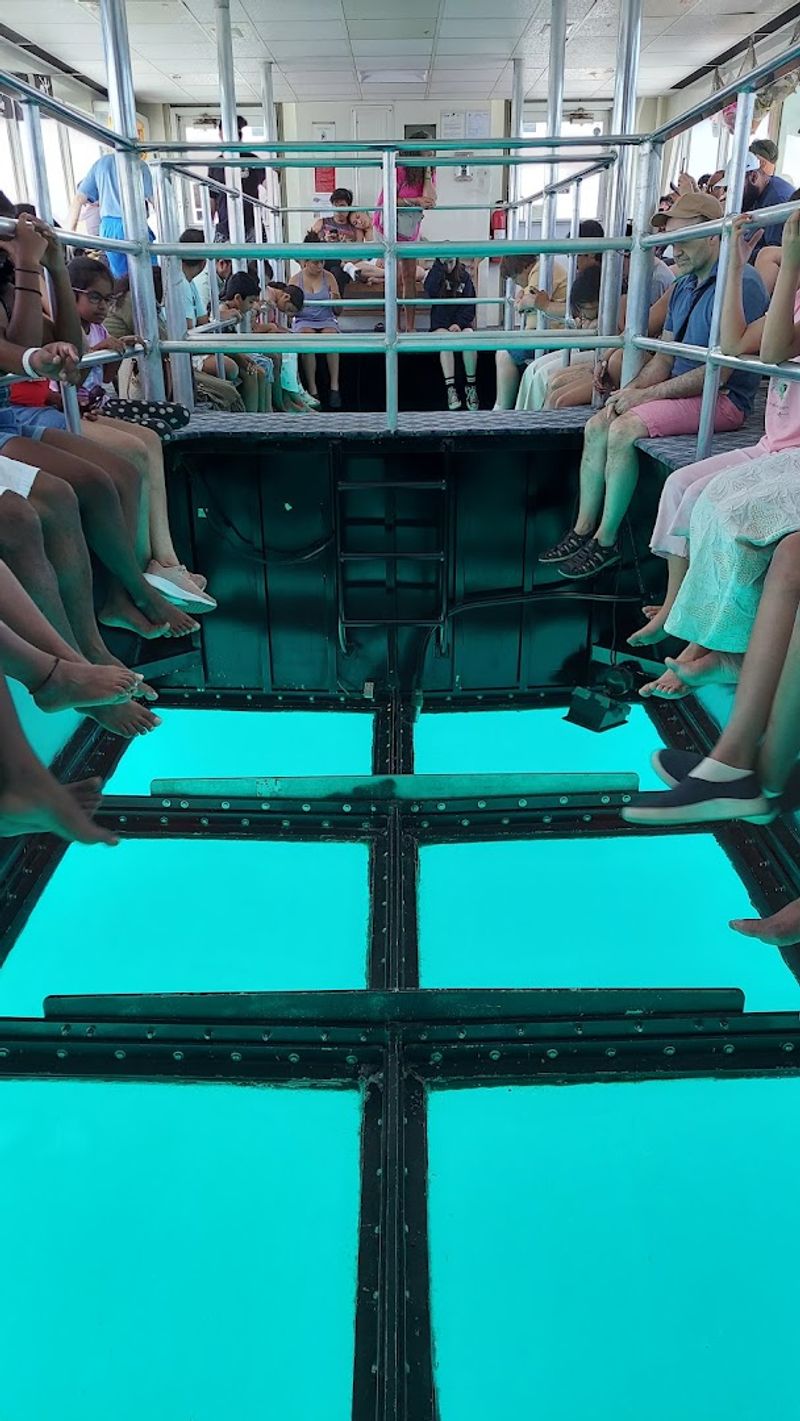
Not everyone wants to get wet — and that’s completely fine, because John Pennekamp Coral Reef State Park has a perfect solution. Glass-bottom boat tours run daily from the park marina, carrying passengers out over the reef so they can watch the underwater world pass beneath their feet without ever leaving the boat.
It’s a genuinely magical experience, even for those who’ve snorkeled or dived before.
The boats feature large viewing panels set into the hull, giving passengers a clear, unobstructed look at coral formations and fish swimming below. Knowledgeable guides narrate the tour, pointing out specific species and explaining the reef’s ecology in ways that are easy for kids and adults alike to understand.
Tours typically last about two and a half hours, covering several different reef zones.
Glass-bottom tours are especially popular with older visitors, families with very young children, and anyone with physical limitations that make getting in the water difficult. They’re also a fantastic first introduction to the reef for people who’ve never experienced it before.
The boats depart multiple times daily, so scheduling around your other plans is easy. Booking in advance is strongly recommended during peak season, especially from December through April when the park sees its heaviest visitor traffic.
More Than Just Snorkeling
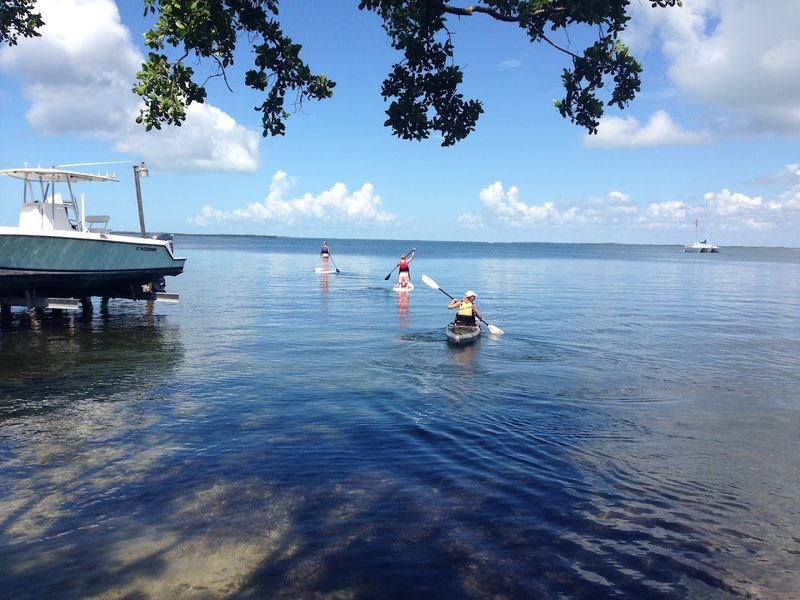
Most people show up at John Pennekamp thinking entirely about the reef — but the park quietly offers a whole second adventure waiting on land and in the shallows. Kayaking through the park’s mangrove trails is one of the most underrated outdoor experiences in all of the Florida Keys.
Narrow waterways wind through dense root systems where herons, manatees, and juvenile fish hide in the shadows.
The park also maintains hiking and nature trails that wind through tropical hardwood hammock forest, a rare and fragile ecosystem found only in South Florida. These short trails are shaded, relatively easy, and filled with interesting birds and native plants.
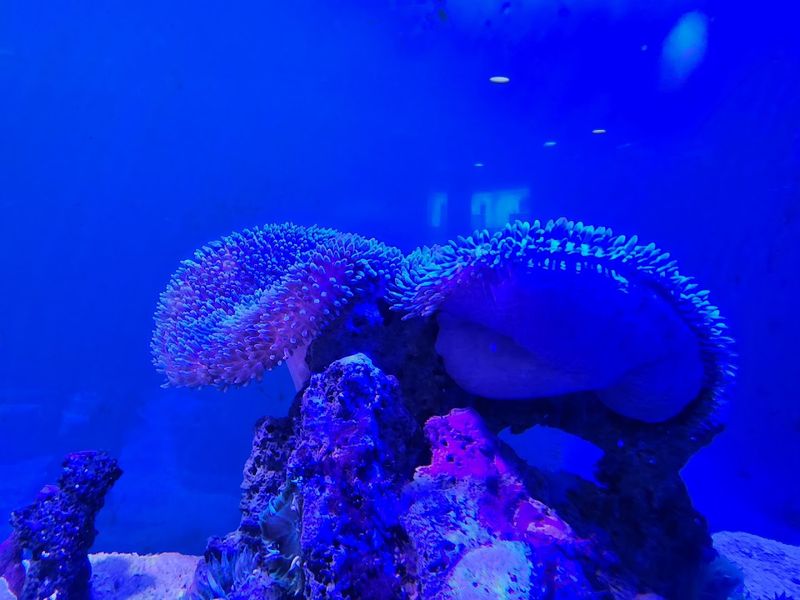
The visitor center nearby features saltwater aquariums stocked with local marine species, offering a great preview of what you might see underwater.
Camping is available for those who want to extend their stay, with both tent sites and RV hookups situated close to the water. Waking up to the sound of waves and birdsong inside a state park this beautiful feels like a genuine privilege.
Canoe rentals, paddleboard rentals, and guided tours are all available on-site. Whether you spend two hours or two days here, you’ll leave wishing you’d planned for more time.
The park rewards slow exploration more than almost anywhere else in Florida.
A Conservation Success Story
Back in the late 1950s, the coral reefs of the Florida Keys were in serious trouble. Skin divers were pulling out coral formations by hand to sell as souvenirs.
Commercial fishing operations were damaging reef structures that had taken centuries to build. And development pressure along the Keys was pushing pollution and runoff directly into reef waters.
The situation felt desperate to those paying attention.
John D. Pennekamp, a crusading editor at the Miami Herald, used his platform relentlessly to argue for federal and state protection of the reef.
Working alongside conservationist Gilbert L. Voss and other advocates, he helped push Florida’s government to act.
The result was the creation of the nation’s first underwater state park in 1963 — a landmark moment in American environmental history that came more than a decade before many other major conservation milestones.
The park’s establishment helped spark a broader national conversation about protecting marine environments, eventually contributing to the creation of the Florida Keys National Marine Sanctuary in 1990. Today, the reef within the park’s boundaries is measurably healthier than unprotected sections nearby, proving that conservation policy genuinely works when enforced consistently.
Visiting Pennekamp means experiencing a living argument for why protecting wild places — even underwater ones — matters deeply for future generations.
Visitor Tips and What to Know Before You Go
Showing up at Pennekamp without a plan can mean missing out on the best parts of the park. Boat tours to the reef and the Christ of the Abyss statue fill up fast, especially during winter and spring break season.
Booking your snorkel or glass-bottom boat tour online ahead of time — ideally a few days in advance — will save you a lot of frustration at the marina.
Morning visits are almost always better than afternoon ones. Water visibility tends to be clearest in the early hours before afternoon winds pick up and stir the surface.
Arriving by 8 a.m. also means shorter lines at the rental counter if you need to pick up snorkel gear. Reef-safe sunscreen is not just recommended here — it’s required.
Traditional sunscreens containing oxybenzone and octinoxate are harmful to coral and are banned throughout the Florida Keys.
Pack water, snacks, and a light rash guard for sun protection during your time on the boat and in the water. The park entrance fee is modest, and parking is available near the marina and visitor center.
Cell service can be spotty near the water, so download maps or tour information before you arrive. The park is open year-round, but water conditions are generally calmest from October through May.