Tucked away in Raeford, North Carolina, Paraclete XP is home to the largest indoor skydiving tunnel in the entire United States.
This massive facility lets everyday people experience the thrill of freefall without ever boarding a plane.
What makes it truly unique is that the same chamber used by first-time flyers is also trusted by elite military parachute teams for serious training.
Whether you are eight years old or eighty, this is one adventure that is genuinely hard to forget.
Home to America’s Largest Indoor Skydiving Tunnel
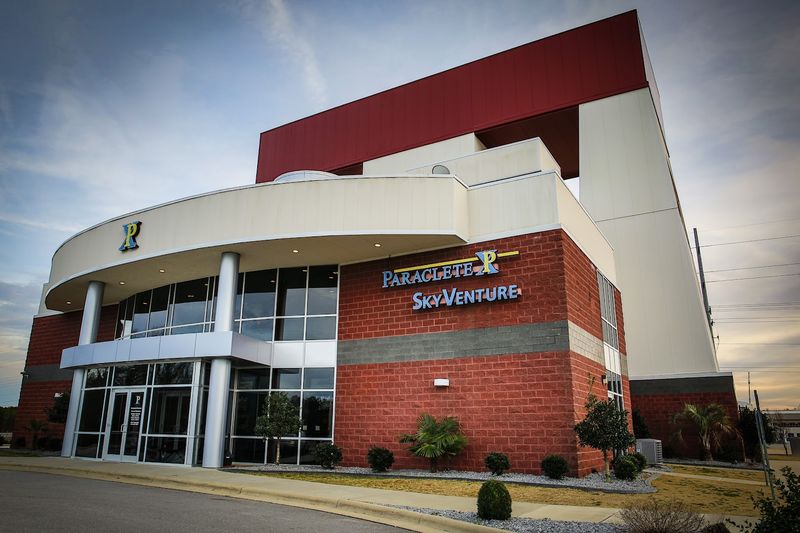
Size matters when you are flying through the air at over 100 miles per hour. Paraclete XP’s vertical wind tunnel stretches approximately 16.5 feet across and soars more than 50 feet high, making it the largest indoor skydiving chamber in the United States.
That is not a small detail — it changes everything about the experience.
Most indoor skydiving tunnels around the country feel tight and cramped, limiting what flyers can actually do in the air. At Paraclete XP, the extra space allows for full-body movement, team formations, and advanced aerial maneuvers that simply are not possible in smaller facilities.
The sheer scale of the chamber creates a sensation that feels much closer to real outdoor skydiving.
The tunnel’s enormous size is also why professional skydivers and military teams choose this location over others across the country. When you step inside, that extra room becomes immediately noticeable — you feel genuinely free in the air rather than boxed in.
For anyone curious about what freefall actually feels like, this is the closest you can get without jumping from a plane at altitude.
A Flight Experience That Feels Like Real Skydiving
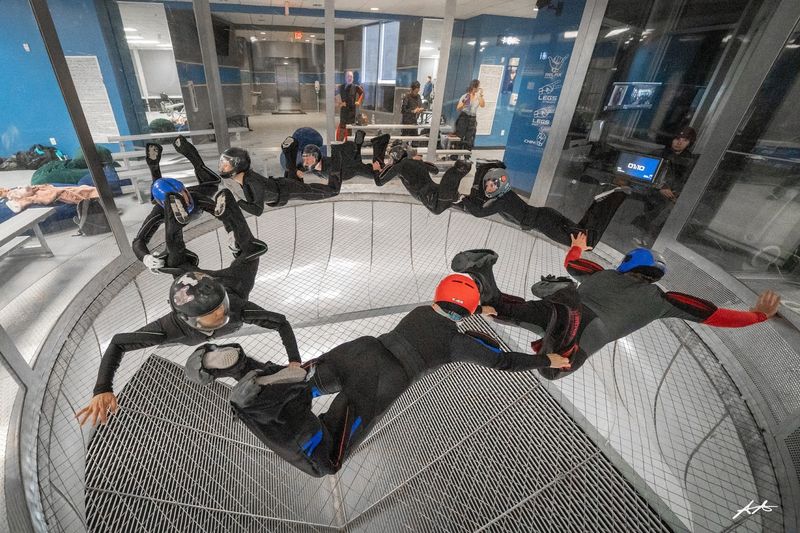
Forget everything you think you know about “simulated” experiences — flying inside Paraclete XP’s tunnel is genuinely close to the real thing. High-horsepower fans push air upward through the chamber at wind speeds exceeding 100 miles per hour, lifting your entire body off the ground and holding you suspended in the airflow.
Your brain cannot easily tell the difference.
The physical sensation of air rushing past your face, pressing against your limbs, and supporting your full body weight is remarkably similar to what skydivers feel during an actual freefall jump. Your body reacts the same way — heart rate climbs, senses sharpen, and time seems to slow down just a little.
Many first-time visitors are genuinely surprised by how intense it feels.
What makes the experience even more convincing is that you control your movement through body positioning, exactly like a real skydiver would. Tilt your hips one way and you drift sideways.
Arch your back and you rise higher. Flatten out and you hover steadily.
Learning those subtle adjustments is part of what makes each session so engaging and worth repeating more than once.
Trusted Training Ground for Elite Military Teams
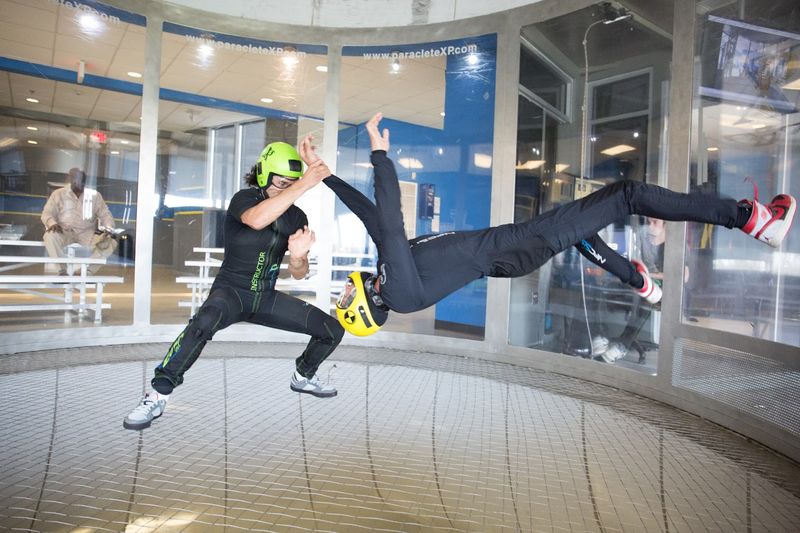
There is something pretty remarkable about floating in the same airspace where elite U.S. military units sharpen their skills. Paraclete XP has become a go-to training facility for specialized parachute teams, including military free-fall operators who need to rehearse complex aerial maneuvers before executing them in real-world conditions.
This is not recreational use — it is serious, high-stakes preparation.
Military teams use the tunnel to practice precision body positioning, group formations, and timing sequences that must be executed flawlessly during actual jumps. The controlled environment of the tunnel allows them to repeat specific movements hundreds of times without weather delays, altitude restrictions, or equipment risks.
That level of repetition builds muscle memory that transfers directly to real jumps.
Knowing that the facility meets the demanding standards of elite military operators tells you a lot about the quality of the equipment and the expertise of the staff. When you fly at Paraclete XP, you are stepping into a chamber that has been tested and trusted by some of the most skilled aerial operators in the world.
That history gives the place a genuinely different energy compared to a typical tourist attraction.
Open to Beginners — No Experience Required
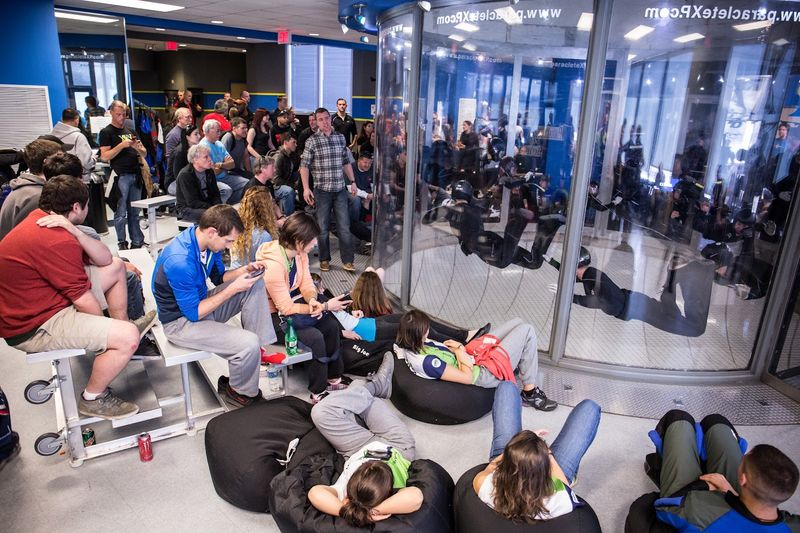
Walking into Paraclete XP with zero skydiving knowledge is completely fine — and honestly, that is how most visitors show up. The facility is designed to welcome total beginners, and the staff takes that responsibility seriously.
Before anyone steps near the tunnel, first-time flyers go through a short but thorough training session covering basic body positions, hand signals, and safety procedures.
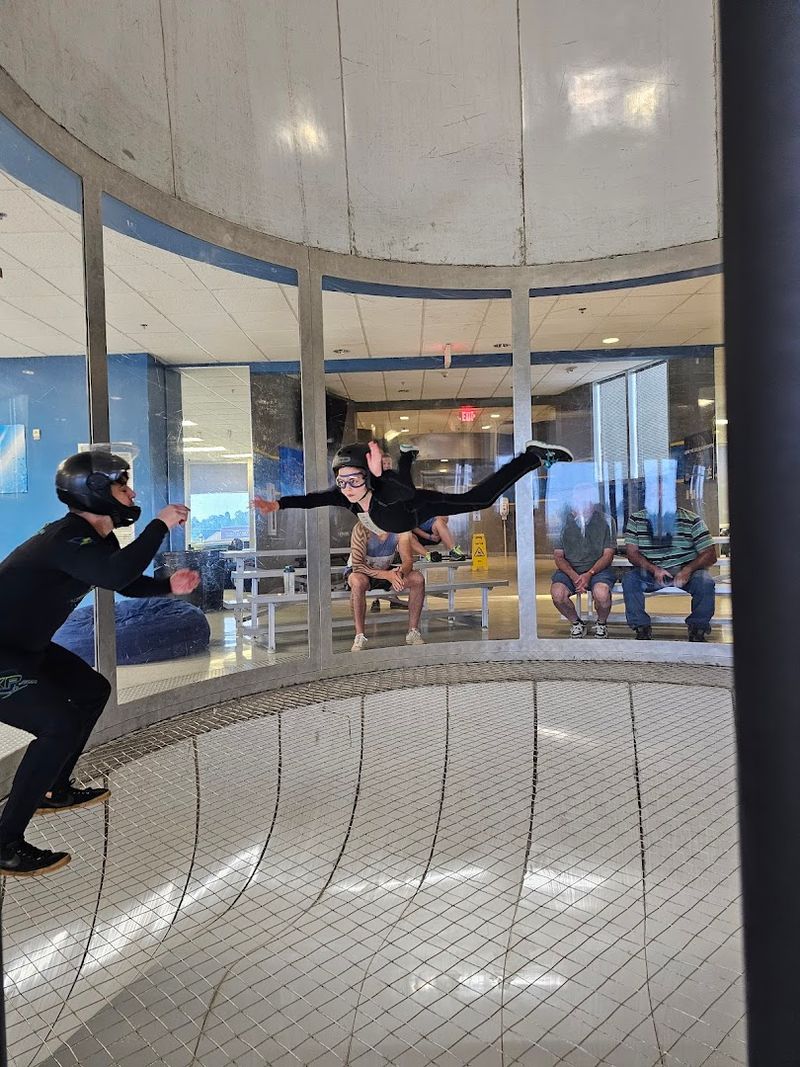
All the gear you need — flight suit, helmet, and goggles — is provided on-site, so there is no need to buy or bring any special equipment. Instructors walk you through exactly what to expect, including how the air will feel and how to stay relaxed when your body first lifts off the ground.
That preparation makes a huge difference in how comfortable you feel during your actual flight time.
One of the best parts about the beginner experience at Paraclete XP is that the learning curve is surprisingly fast. Most first-timers go from nervous and stiff to genuinely smiling and comfortable within just a minute or two of airtime.
The staff has guided thousands of newcomers through their first flights, and that experience shows in how smoothly and confidently they run each session from start to finish.
Instructors Fly Right Beside You
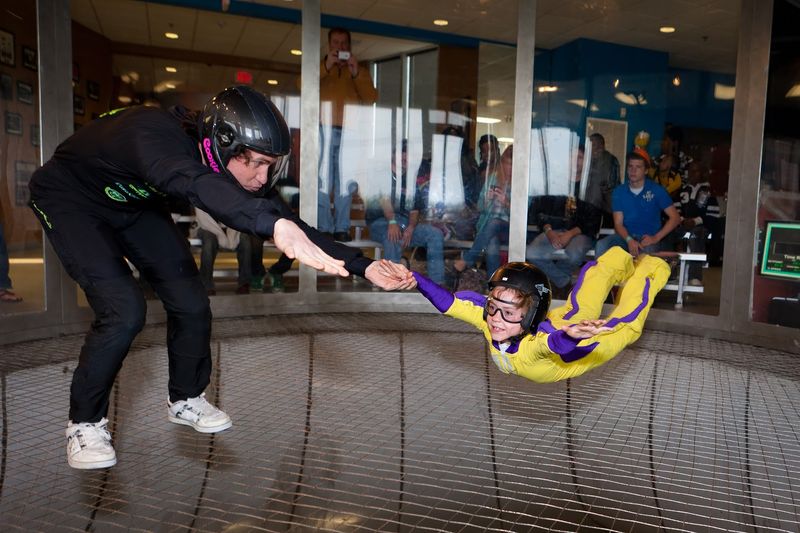
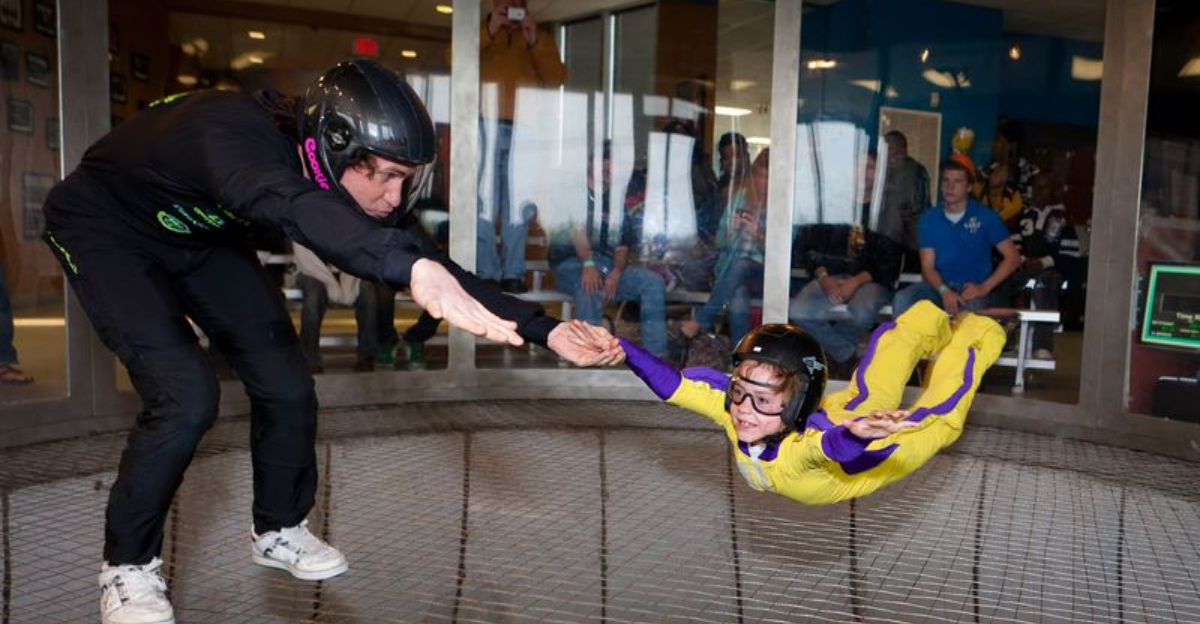
One of the most reassuring things about flying at Paraclete XP is that you are never alone in the tunnel. Certified instructors enter the airflow right alongside you, staying close enough to physically assist with your body position and keep you stable throughout the entire session.
Having that person right there changes the experience from nerve-wracking to genuinely exciting.
Because the tunnel environment is extremely loud, verbal communication is not practical during flight. Instructors use a clear set of hand signals to guide you — pointing to your arms, tapping your shoulders, or giving a thumbs-up to let you know how you are doing.
Most first-timers pick up on these signals quickly, and the system works surprisingly well even for young children.
The instructors at Paraclete XP are not just safety monitors — they are skilled flyers who can spot small positioning errors and correct them in real time. Watching an experienced instructor move effortlessly through the airflow is honestly one of the coolest parts of the visit.
Their skill level is a reminder of just how much technique goes into what looks like simply floating in the air.
Surprisingly Intense — and Completely Addictive
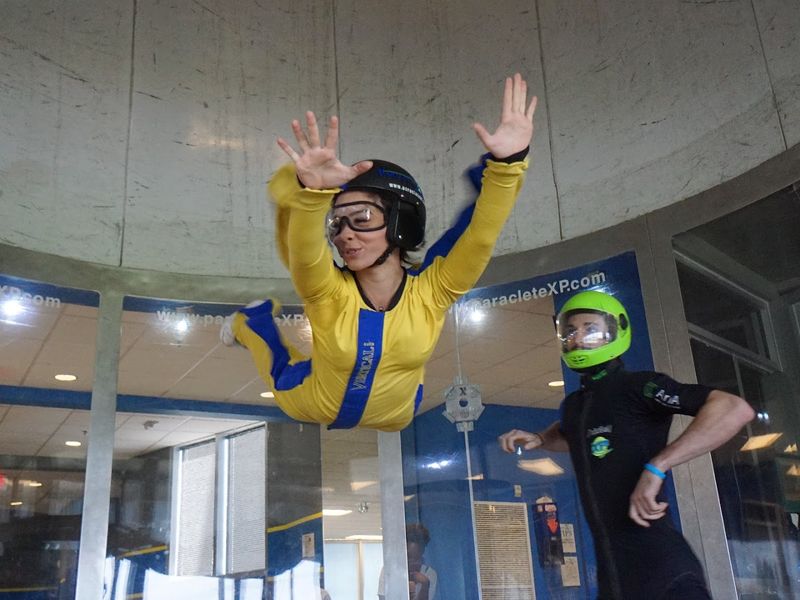
Nobody warns you just how fast one minute can feel inside a wind tunnel — and how desperately you want more when it ends. Flight sessions at Paraclete XP are typically broken into one- or two-minute intervals, which sounds short until you realize that each minute of tunnel time is roughly equivalent to the freefall portion of an actual skydive from altitude.
Your body gets a full adrenaline hit in a very compressed window.
The physical intensity catches a lot of visitors off guard. The wind pressure against your body is constant and powerful, requiring real muscular effort to stay stable.
Your core, arms, and legs are all working throughout the flight, which means you will likely feel it the next day in ways you did not expect. It is a genuine physical workout disguised as pure fun.
Ask almost anyone who has flown at Paraclete XP and they will tell you the same thing: they booked more time before they even left the facility. The combination of physical challenge, sensory overload, and the sheer novelty of floating in midair creates a craving that is hard to shake.
Many visitors return multiple times, each session building on the skills developed in the last.
A Destination for Professional Skydivers Worldwide
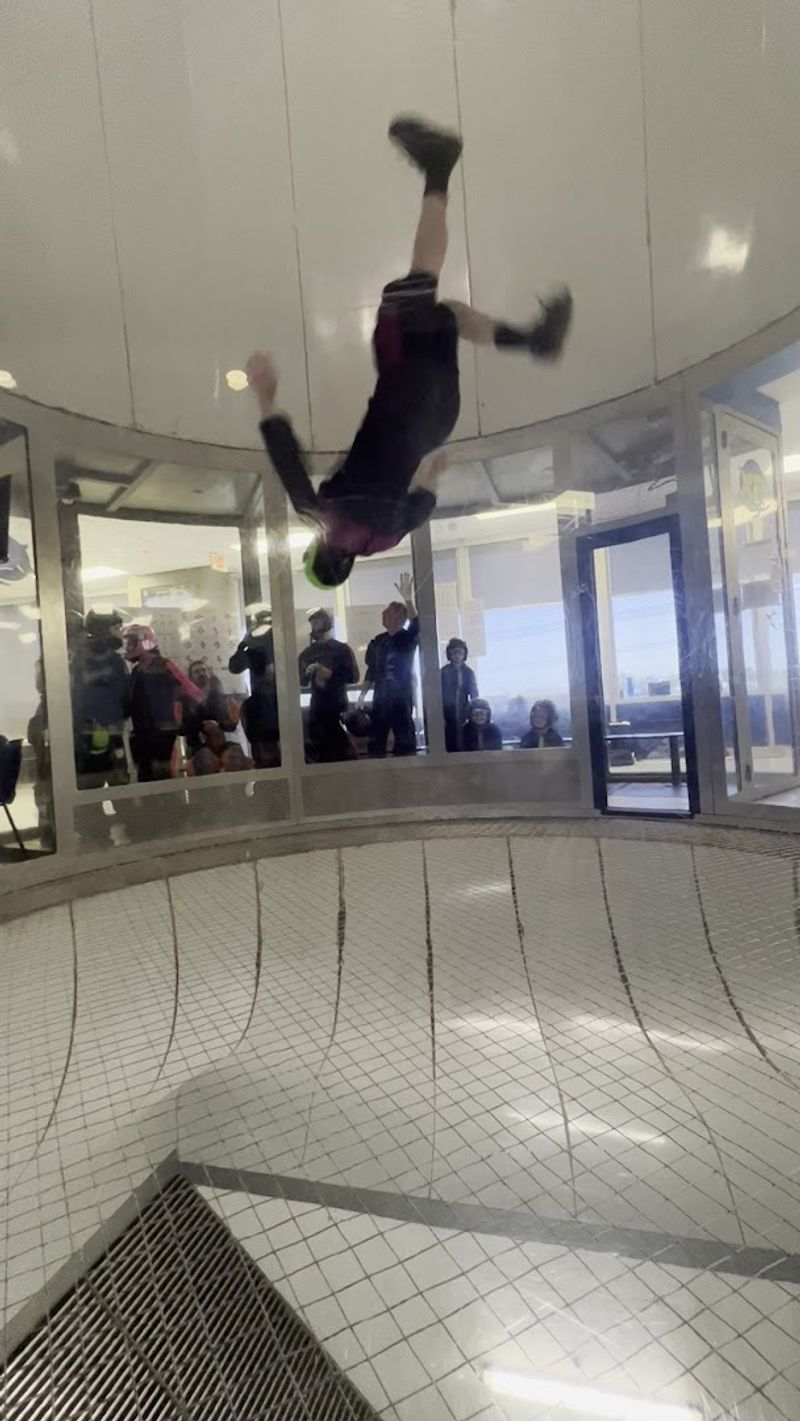
Word travels fast in the skydiving community, and Paraclete XP has earned a global reputation among serious flyers. Teams from Europe, Asia, and South America make the trip to Raeford specifically because this facility offers something most tunnels simply cannot — enough space and airflow control to rehearse complex multi-person formations at competition level.
It is considered one of the premier training venues in the world.
For competitive skydivers, tunnel time is an essential part of preparation. Practicing formations on the ground is useful, but nothing replaces the feedback you get when the whole team is actually suspended in the air together.
Paraclete XP allows groups to run through sequences repeatedly, identify timing errors, and fine-tune the micro-adjustments that separate good teams from championship-level ones.
Sharing the facility with world-class flyers is one of the unexpected perks of visiting as a recreational guest. On any given day, you might watch a professional formation team drilling in the tunnel right before your beginner session begins.
That exposure to elite-level flying is genuinely inspiring and gives newcomers a vivid picture of just how far the sport can be taken with dedication and practice.
Family-Friendly Thrill for All Ages
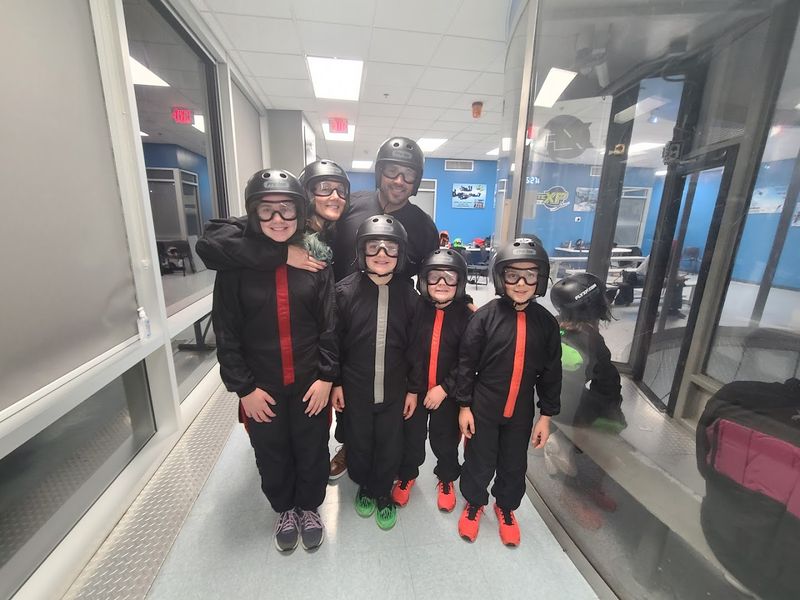
Most extreme sports come with a long list of age restrictions that leave younger kids and older adults sitting on the sidelines. Indoor skydiving at Paraclete XP flips that script entirely.
The facility welcomes flyers starting as young as three years old, and there is no upper age limit as long as participants are in reasonable health. Families genuinely fly together here — not just watch each other.
Seeing a five-year-old hover confidently in the airflow while a grandparent waits their turn nearby is a pretty common scene at this facility. The experience scales naturally to each person’s size and ability level, with instructors adjusting wind speed and coaching style to match the flyer.
Younger kids are typically supported more closely, while adults are given more independence as they find their footing in the air.
For parents looking for an activity that creates real shared memories rather than just another afternoon at a theme park, this one delivers. The excitement of flying together — laughing, cheering, and encouraging each other through the glass — creates a kind of bonding that is genuinely difficult to replicate anywhere else.
It is the rare adventure that everyone in the group will talk about long after the trip ends.
Part of a Larger Skydiving Campus
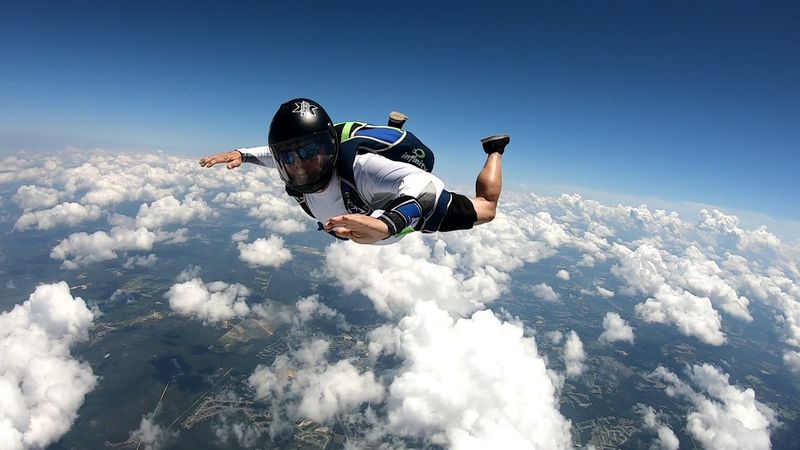
Paraclete XP is not just a standalone wind tunnel — it sits within a fully developed skydiving campus that offers a remarkable range of aerial experiences under one roof. The broader facility includes outdoor skydiving operations, meaning guests can progress from tunnel flying to actual aircraft jumps without ever switching locations.
For anyone with ambitions beyond the tunnel, the next step is right outside the door.
The campus also supports serious training programs for people working toward skydiving certifications. Coaches and instructors with deep professional backgrounds are available for both recreational flyers and those pursuing competitive careers.
The combination of world-class indoor and outdoor infrastructure makes Paraclete XP genuinely unique among skydiving facilities in the United States.
Aviation services and equipment support round out the operation, giving the campus a professional, fully equipped feel rather than the casual vibe of a weekend drop zone. Whether you are a curious beginner trying the tunnel for the first time or a licensed jumper logging hours toward a competition goal, the facility has something purposeful to offer.
The whole setup reflects years of investment in building a place where the sport of skydiving can be practiced at every level imaginable.
Visitor Info: What to Know Before You Go
Planning your visit to Paraclete XP starts with knowing the basics. The facility is located at 190 Paraclete Dr, Raeford, NC 28376, and can be reached by phone at +1 910-848-2600.
Reservations are strongly recommended, especially on weekends when demand is high. Showing up without a booking is possible but risky — walk-in slots fill up fast, and nobody wants to drive out only to wait for hours.
Arrive at least 45 minutes before your scheduled flight time to complete check-in, sign the required waiver, and get through the pre-flight training session. Wear comfortable, athletic clothing and lace-up shoes — no sandals or open-toed footwear is allowed inside the tunnel.
All flight gear including the suit, helmet, and goggles will be provided, so you do not need to bring anything special.
There is generally a weight limit of around 250 pounds, though some flexibility exists depending on individual circumstances — it is worth calling ahead if this applies to your group. First-time packages typically include multiple short flights, full instruction, and all equipment.
The tunnel interior is extremely loud, so staff rely on hand signals rather than spoken directions. Knowing that ahead of time helps you stay focused and relaxed during your flight.