

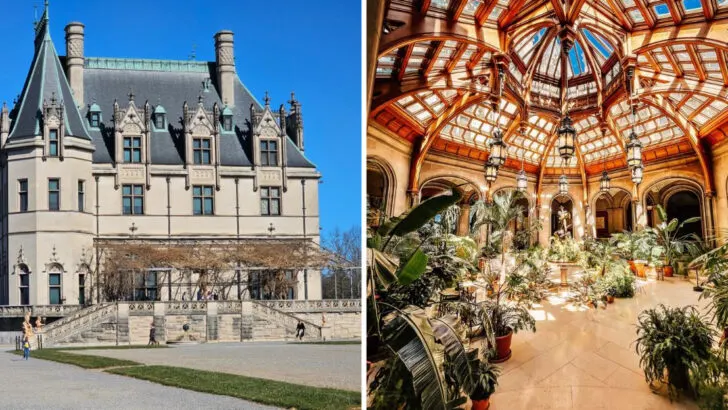
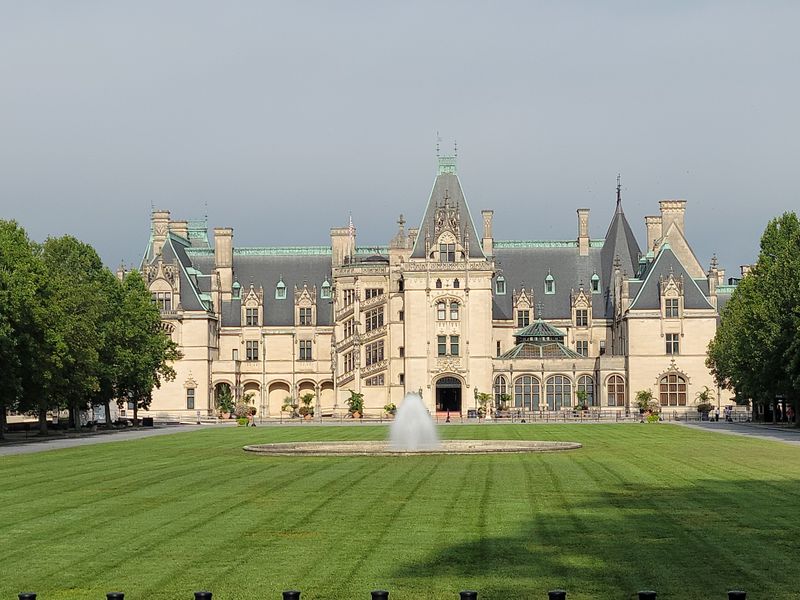
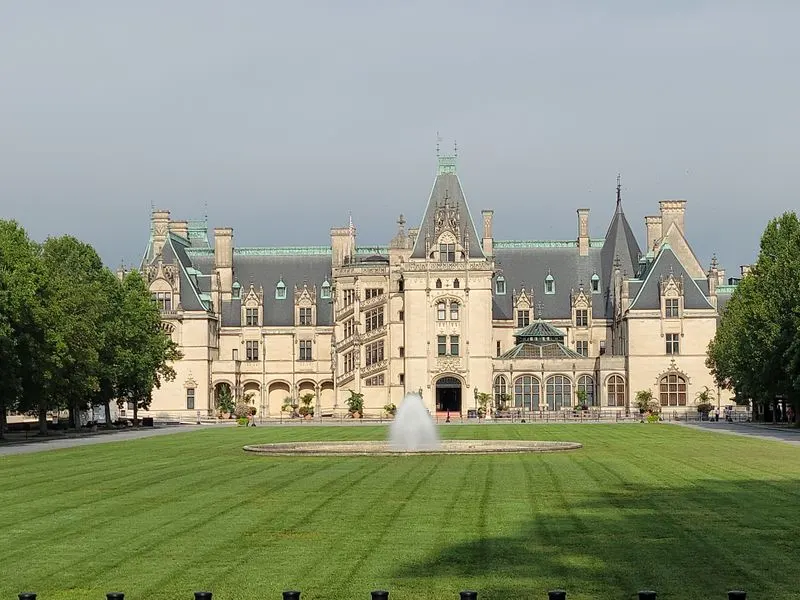
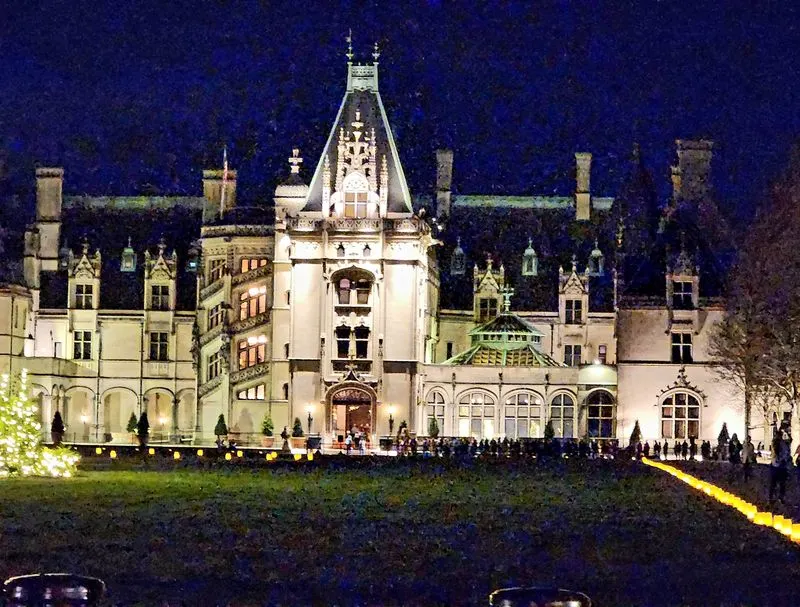
Nestled in the scenic landscapes of Asheville, North Carolina, the Biltmore House stands as a testament to grandeur and elegance akin to the châteaux of Europe. Built by George W.
Vanderbilt in the late 19th century, this iconic estate is more than just a historical mansion; it’s a journey into the opulent lifestyles of America’s Gilded Age. With 250 rooms, lush gardens, and an immersive visitor experience, the Biltmore offers a unique blend of architectural splendor and cultural sophistication.
Whether you’re meandering through its expansive gardens or exploring its richly adorned interiors, the Biltmore House promises a glimpse into a bygone era of elegance and innovation.
The Grand Entrance Hall
As you step into the Biltmore’s entrance hall, an overwhelming sense of majesty envelops you. This isn’t just an entryway; it’s a prelude to the opulence that defines the house.
The high ceilings and grand staircase hint at the splendor waiting beyond. It’s an architectural marvel, with intricate woodwork and grand arches that seem to whisper tales of lavish gatherings and historic moments. This space immediately sets the tone, inviting visitors to embark on a sophisticated journey through time.
Its grandeur is balanced by an undeniable warmth, making every guest feel like a distinguished invitee to Vanderbilt’s world of elegance.The ambiance here is nothing short of regal, a testament to the craftsmanship of its era.
The Biltmore Gardens
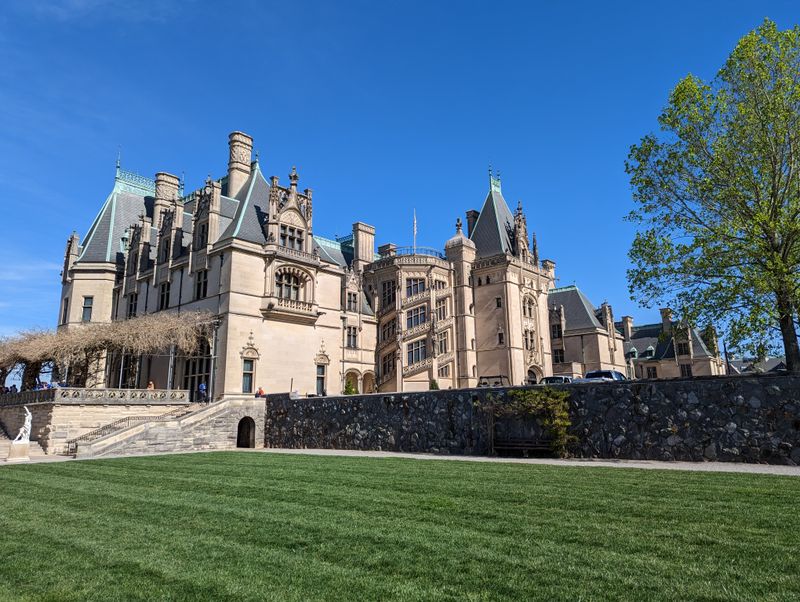
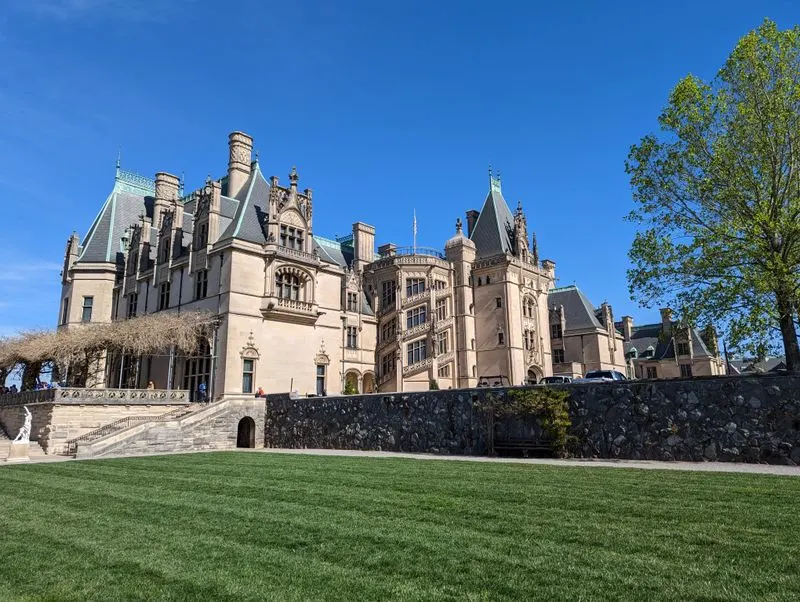
The gardens of the Biltmore are a masterpiece of landscape design, thanks to Frederick Law Olmsted. Walk through these gardens, and you’re enveloped by a tapestry of colors and scents.
Each path leads to a new discovery, whether it’s a serene water feature or a vibrant bed of seasonal blooms.These gardens aren’t just about beauty—they’re a living work of art, cultivated with precision and care. It’s easy to imagine the Vanderbilts hosting elegant tea parties amidst such splendor. Every corner of the garden reflects Olmsted’s genius, blending natural beauty with artistic flair.
The gardens offer a peaceful retreat, a place where nature and manmade artistry coexist in perfect harmony.
The Conservatory
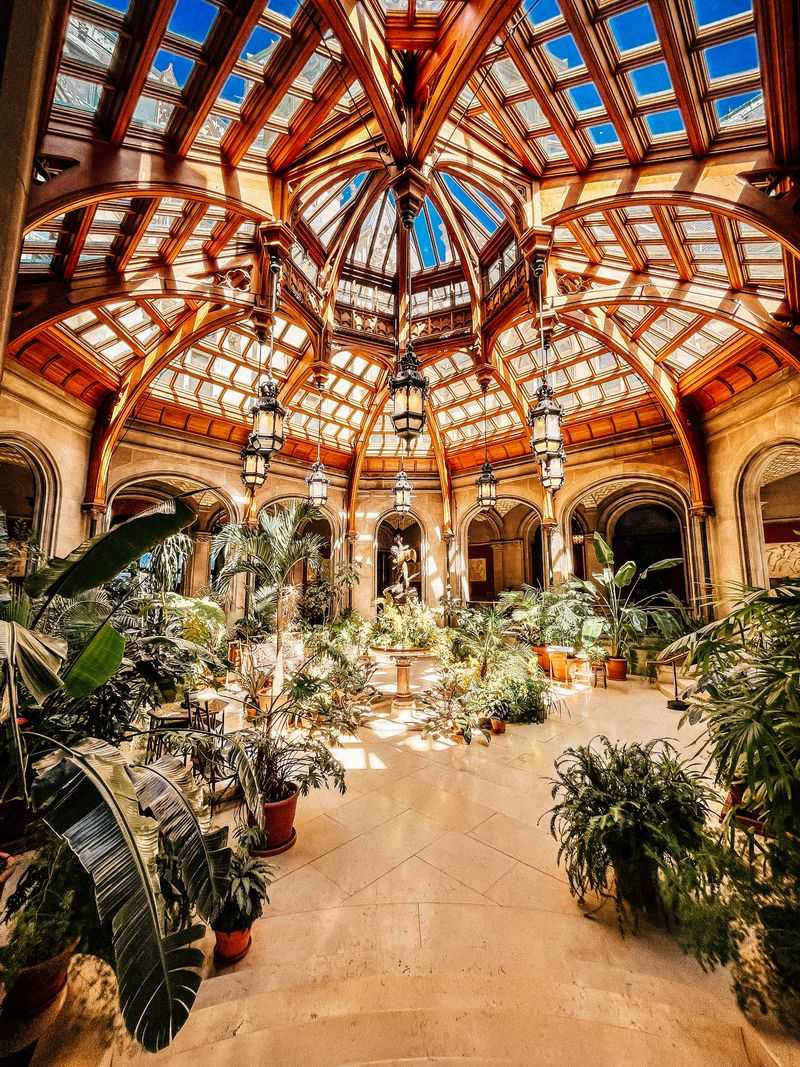
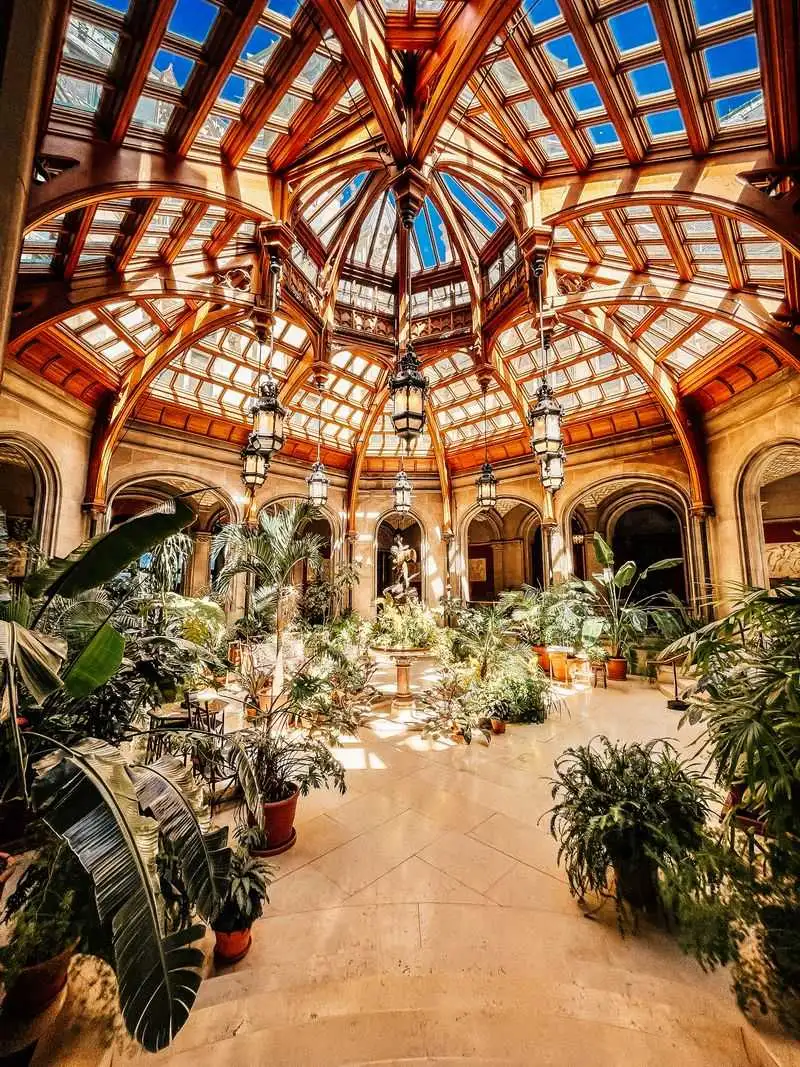
Step into the Biltmore Conservatory, and you’re transported to a tropical paradise. This glass edifice houses exotic plants from around the globe, each thriving in its controlled climate.
The air is thick with the earthy aroma of verdant foliage, a stark contrast to the mansion’s polished interiors.The Conservatory isn’t just a display of rare plants; it’s a nod to Vanderbilt’s passion for horticulture. Walking through, you feel the juxtaposition of wild nature tamed by human ingenuity. It’s a place of contemplation, where the lush greenery offers a quiet respite from the lavish pomp of the main house.
This oasis of calm invites you to linger, to admire, and to dream.
The Banquet Hall
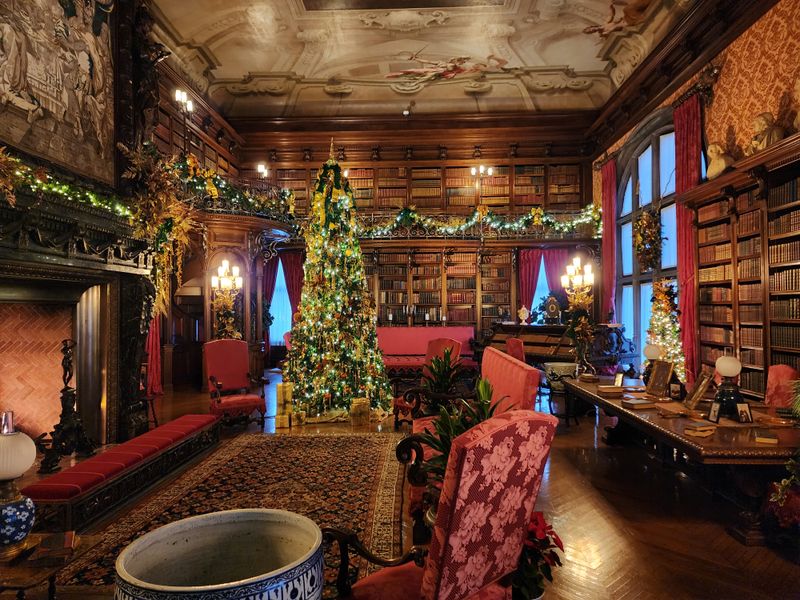
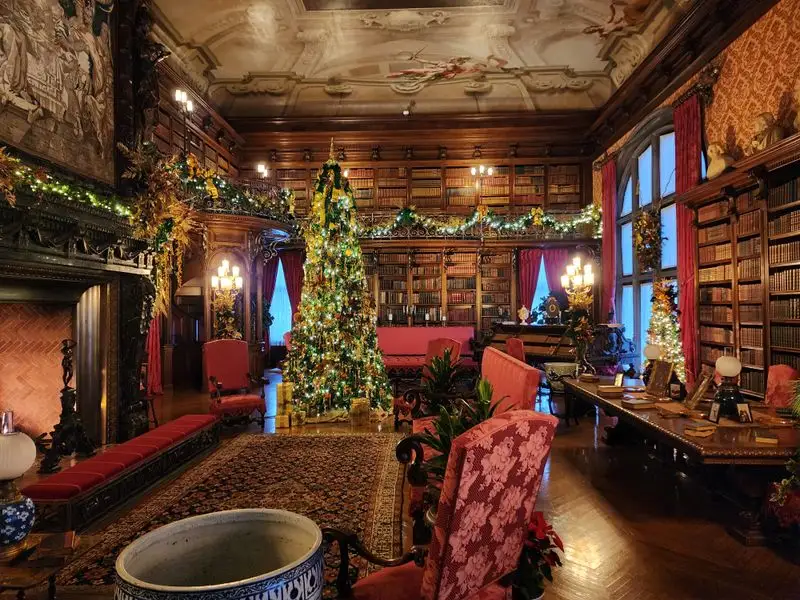
The Banquet Hall at the Biltmore House is an epitome of grandeur and hospitality. Imagine lavish feasts held under its soaring ceilings, where distinguished guests dined amidst magnificent tapestries and a grand fireplace.This hall isn’t just a dining area; it’s a stage for society’s elite, a place where elegance and celebration meet.
The long dining table, set with fine china and crystal, mirrors the sophistication of its patrons.Every detail, from the ornate chandeliers to the intricate woodwork, speaks of a bygone era of opulence and grace. The Banquet Hall is a living testament to the lavish lifestyle of the Vanderbilts, offering a glimpse into their world of refinement.
Rooftop and Turret Tour
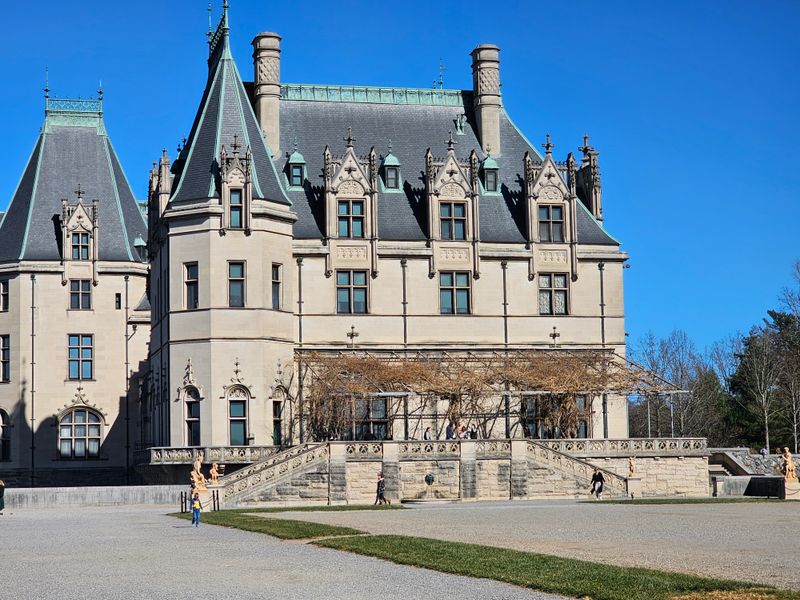
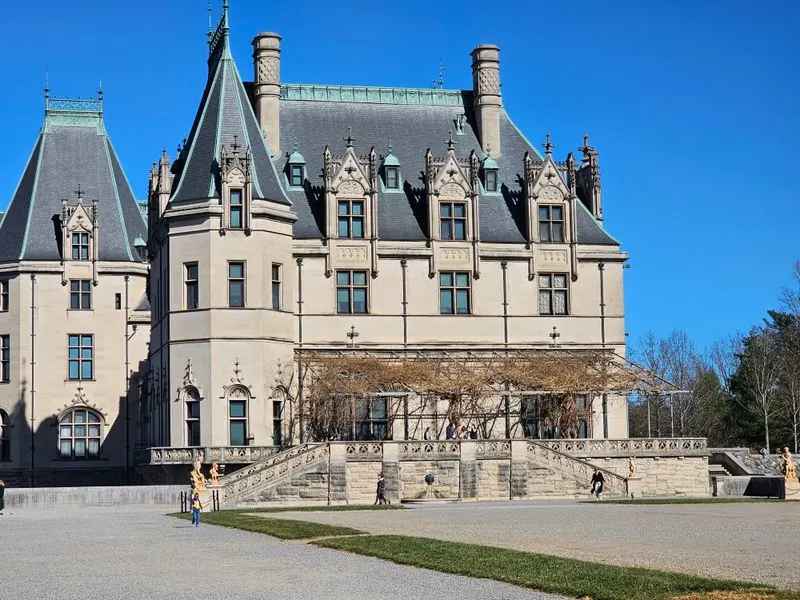
Climb above the limestone tracery and you will feel the estate change beneath your feet. Stone turrets open to mountain air, and copper ridge crests gleam like jewelry in the sun.
Guides share secrets about hidden drainage channels, lightning protection, and how Vanderbilt balanced drama with practicality.
From up here, the chateau roofs form rippling patterns, and you can trace architect Richard Morris Hunt’s vision with your eyes. Look out and the Blue Ridge folds like velvet.
You will spot carved grotesques up close, each with its own expression. It is the place you finally grasp the estate’s audacity.
Basement Kitchens and Service Corridors
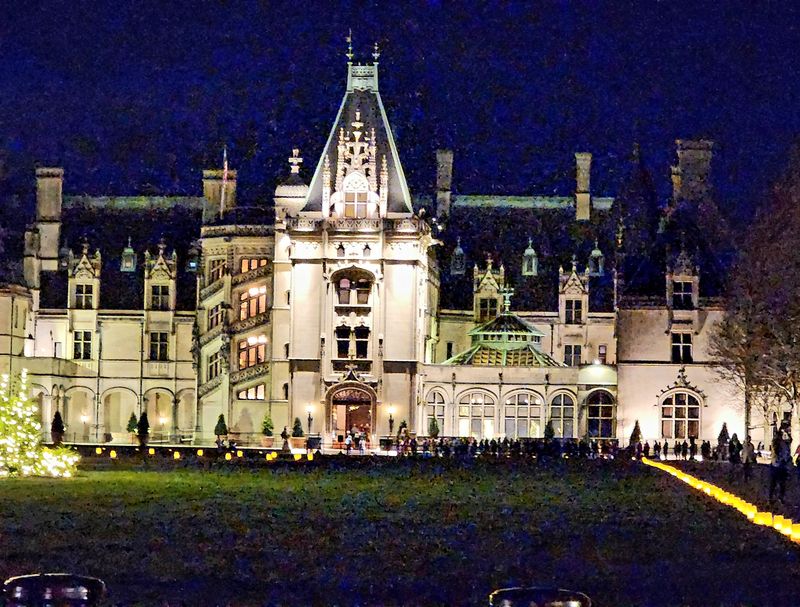
Head downstairs and the glamour shifts into gears. The basement kitchens hum with stories of timing, coal heat, and precision that kept parties seamless.
You will see massive ranges, original dumbwaiter shafts, and a pastry room that still smells like discipline and butter in your imagination.
Walk the service corridors and notice call boxes, labeled bells, and footstep-worn thresholds. Here the estate’s heartbeat is audible, where staff choreography made extravagance look effortless.
It feels cinematic yet practical, a hive designed for speed and silence. You leave with a newfound respect for the invisible hands that made everything sparkle upstairs.