
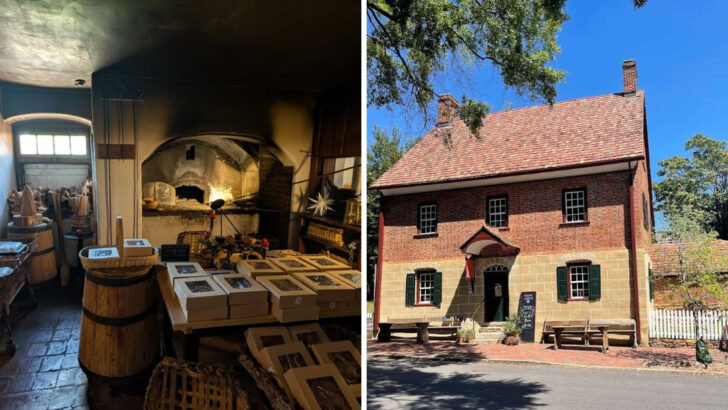
Tucked inside the historic district of Old Salem in Winston-Salem, North Carolina, Winkler Bakery has been baking bread the same way since 1800.
That wood-burning oven you smell when you walk in?
It’s been heating up dough for over two centuries, making this place the oldest continually operating bakery in the entire United States.
Whether you’re a history fan, a foodie, or just someone who loves warm bread, this bakery is a one-of-a-kind stop that connects you with early American life in the most delicious way possible.
Historic Significance and Legacy
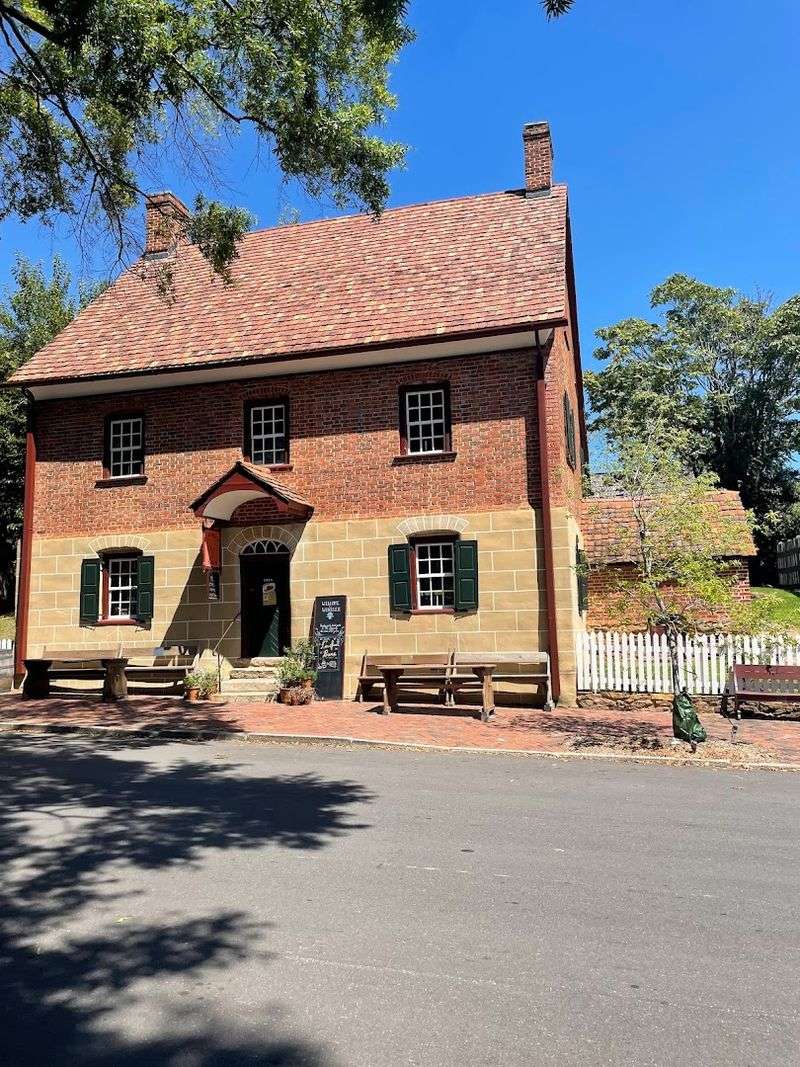
Some places carry history in their walls, and Winkler Bakery does exactly that. Recognized as the oldest continually operating bakery in the United States, this small brick building in Winston-Salem, North Carolina has been producing baked goods without interruption since the early 1800s.
That kind of staying power is almost unheard of in American food history.
Most restaurants and bakeries come and go within a few years. The fact that Winkler has survived wars, economic downturns, and major societal changes is nothing short of remarkable.
It gives visitors a real, tangible connection to what life tasted like more than two centuries ago.
Food historians and culinary enthusiasts from across the country make pilgrimages here to witness living history in action. The recipes, the oven, and the techniques are all rooted in the past.
Visiting Winkler Bakery is not just about eating something delicious — it’s about stepping into a story that started before the United States was even a young nation.
Origins: From Moravian Community to Christian Winkler
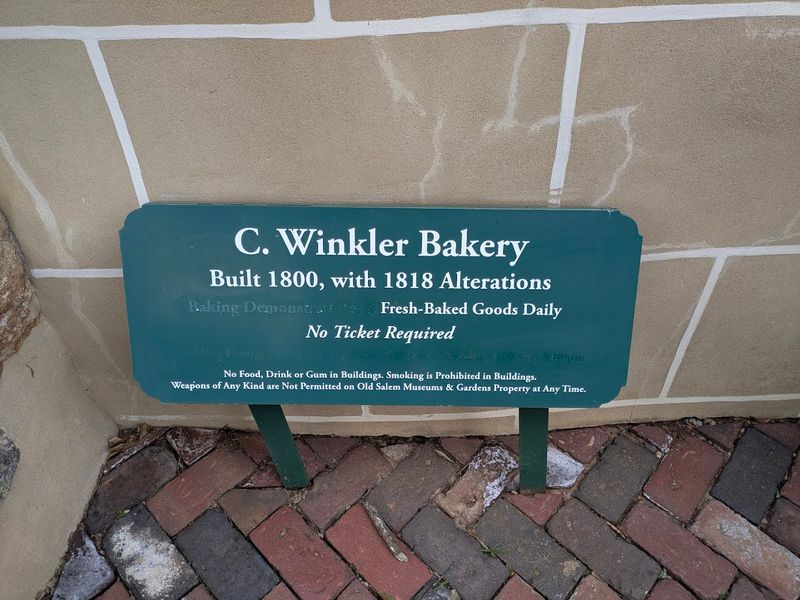
Back in 1799, the Moravian Church constructed a bakery in their planned community of Salem, North Carolina — long before the city became Winston-Salem. The Moravians were a deeply organized religious group known for their craftsmanship, communal living, and attention to detail, including the food they prepared for their community.
In 1807, a Swiss-born baker named Christian Winkler took over operations, and his name has been tied to this beloved establishment ever since. His arrival marked the beginning of a family legacy that would span generations and shape the culinary identity of the region for centuries to come.
Christian brought his European baking knowledge and combined it with the Moravian community’s values of quality and tradition. That combination proved to be something truly special.
The bakery he ran was not just a place to buy bread — it was a gathering point for the Salem community. His influence set a standard of excellence that future bakers at Winkler would strive to maintain long after he was gone.
The Wood-Burning Oven Tradition
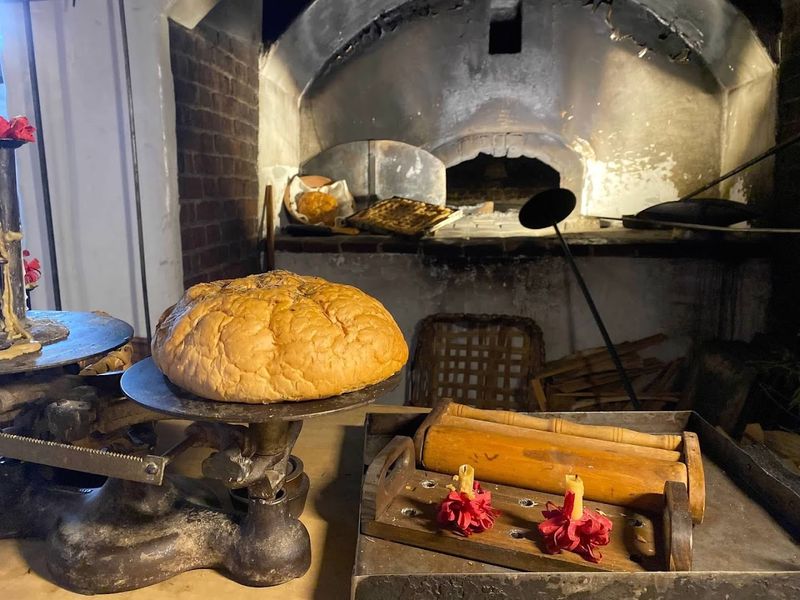
Few things are as mesmerizing as watching a centuries-old wood-burning oven do its job. At Winkler Bakery, the original brick oven is still the star of the show.
It takes hours to heat properly — staff load it with wood, let the fire burn down, then use the stored heat to bake batches of bread and cookies to golden perfection.
This method, called retained-heat baking, was the standard way ovens worked before gas and electricity changed everything. The oven can hold heat for an entire day after just one good firing, making it surprisingly efficient.
The subtle smoky warmth it gives to baked goods is something no modern oven can replicate.
Seeing this oven in action is one of the most memorable parts of a visit. It’s not a replica or a demonstration prop — it’s the real deal, doing the same job it was built for over 200 years ago.
The sight, the smell, and the warmth radiating from that ancient brick structure make it easy to imagine what a bakery morning felt like in 1810.
Moravian Baking and Signature Recipes
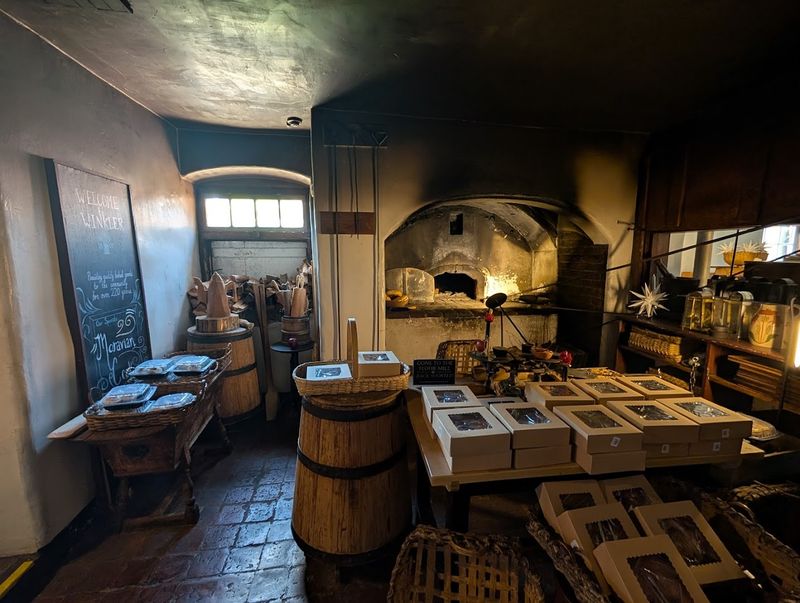
Moravian baking has a distinct personality — it’s rooted in simplicity, bold spices, and time-honored methods that haven’t changed in hundreds of years. At Winkler Bakery, you’ll find some of the most iconic examples of this tradition, each one baked from recipes that have been passed down across generations.
The Moravian sugar cake is a fan favorite — a soft, yeasty dough topped with butter, cinnamon, and brown sugar that bakes into something almost magical. Then there are the Moravian cookies, which are famously thin, crisp, and spiced with ginger and other warming flavors.
These cookies are said to be the thinnest in the world, and one bite makes it easy to believe that claim.
Rosemary bread, gingerbread, and lovefeast buns round out the menu of must-try items. Each recipe carries a story — a connection to the community that once depended on this very oven for their daily bread.
Eating one of these traditional treats is like tasting a living piece of American history. There’s nothing quite like it available anywhere else in the country.
The Old Salem Museums and Gardens Experience
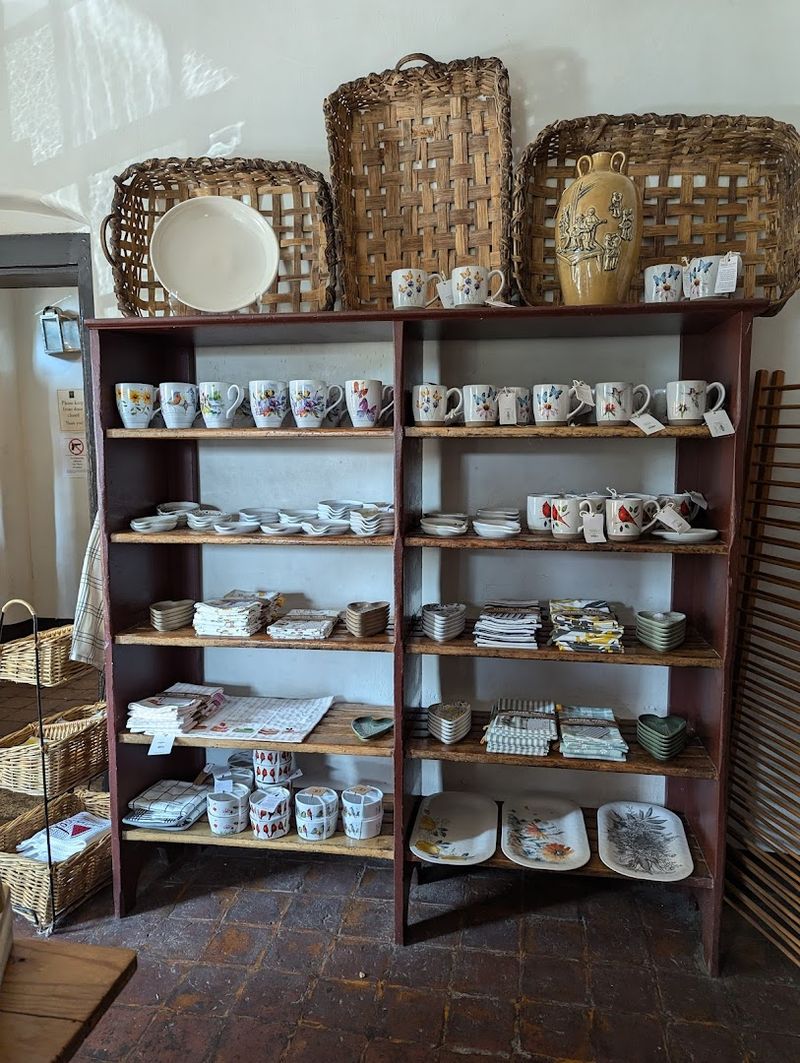
Winkler Bakery doesn’t stand alone — it sits at the heart of Old Salem Museums and Gardens, one of the most authentic living history sites in the entire country. The district preserves the original layout of the Moravian settlement, complete with restored buildings, period gardens, and an atmosphere that genuinely transports you back in time.
Walking through Old Salem feels like flipping through a history book, except everything around you is real and touchable. The cobblestone paths, the original structures, and the carefully maintained gardens all work together to paint a vivid picture of early American community life.
It’s a surprisingly immersive experience, even for visitors who don’t consider themselves history enthusiasts.
The museum campus includes multiple sites worth exploring before or after your bakery visit. There are exhibits on Moravian craftsmanship, community life, and cultural traditions that give important context to what you taste at Winkler.
Planning a full half-day or more at Old Salem ensures you get the complete experience — one that pairs fascinating history with genuinely delicious food. It’s a rare combination that makes this destination stand out from typical tourist stops.
Period Costume Interpreters and Interactive Demonstrations
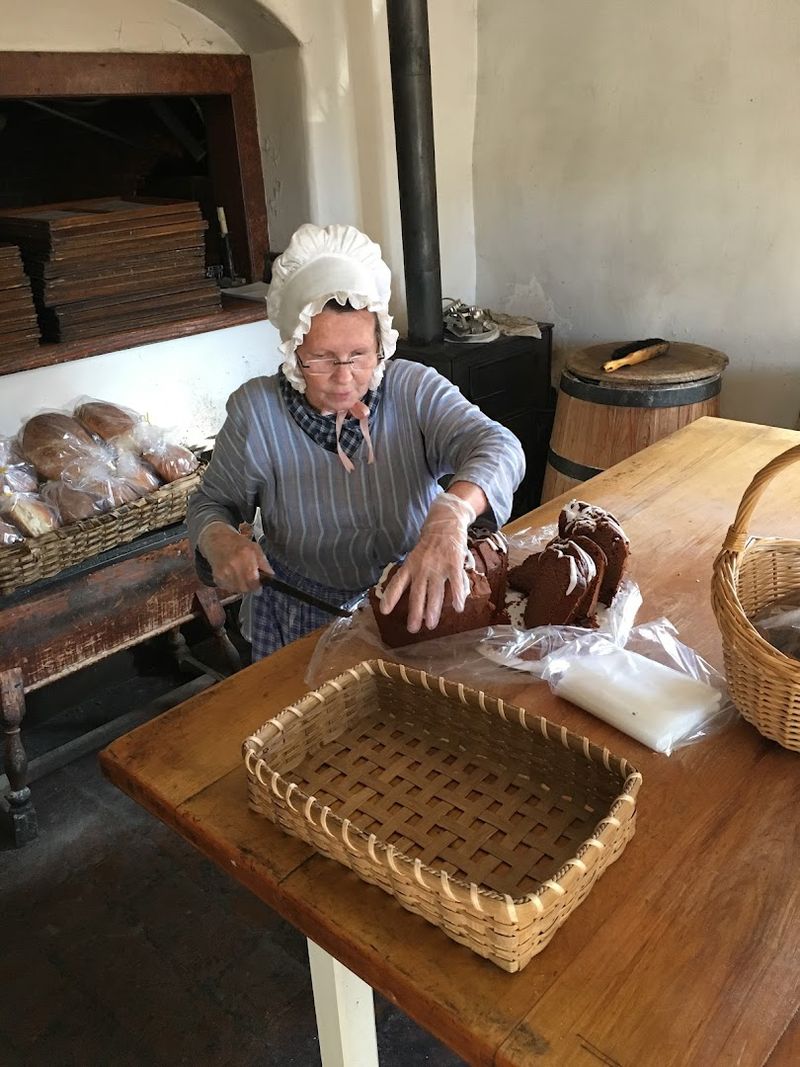
One of the most charming parts of visiting Winkler Bakery is meeting the people who bring it to life. Costumed interpreters — dressed in accurate early 19th-century Moravian clothing — work inside the bakery and are happy to explain what they’re doing and why.
Their knowledge of traditional techniques is impressive and genuinely engaging.
On a good visit, you might catch a live demonstration of how dough is prepared, shaped, or slid into the massive brick oven using long wooden peels. Sometimes, visitors even get to sample something fresh from the oven.
Those moments feel genuinely special, like a little gift from the past delivered warm and fragrant right into your hands.
These interpreters don’t just perform — they educate. They can explain how colonial-era bakers managed their time, how the oven was maintained, and how the Moravian community used the bakery as a social hub.
Watching someone work in period costume inside a 200-year-old space creates a memorable experience that sticks with you long after you’ve left Old Salem. It’s the kind of history lesson that never feels like homework.
Evolution of the Building and Operations
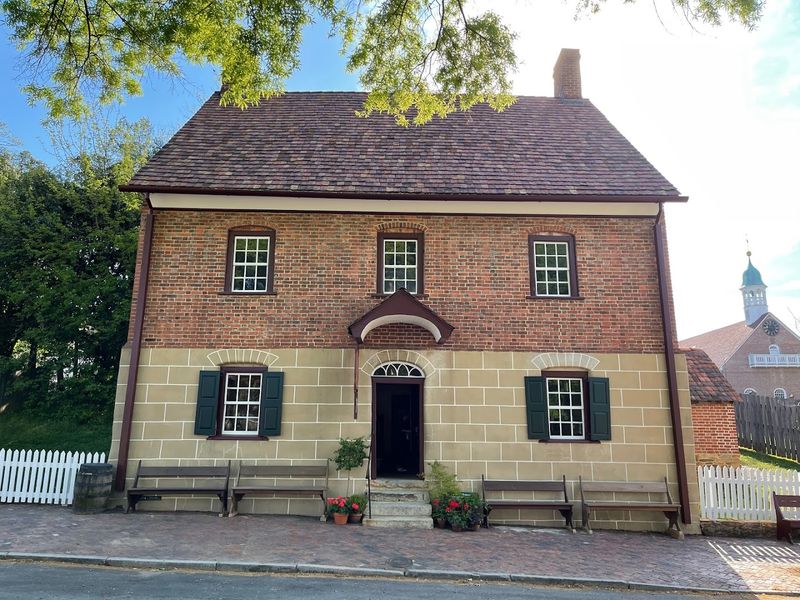
The building that houses Winkler Bakery today has had quite a journey. After Christian Winkler took over in 1807, the bakery remained in family hands for over a century, passing through generations before eventually closing as a commercial operation sometime in the 1920s.
That could have been the end of the story — but it wasn’t.
When Old Salem was established as a historic preservation site in the mid-20th century, restorers recognized the bakery’s incredible significance. The building was carefully restored to reflect its original appearance and function, with the historic oven brought back to working condition.
That restoration effort turned a forgotten relic into one of the most visited spots in Winston-Salem.
Today, the space operates as both a working bakery and a museum exhibit, which is a balance that few historic sites manage to pull off this well. The original brick walls, the aged wooden shelves, and the massive oven all remain intact and in use.
Visitors aren’t looking at a recreation — they’re standing in the actual room where bakers have worked for more than two centuries. That authenticity is what makes Winkler Bakery so genuinely irreplaceable.
Tasting and Popular Items to Try
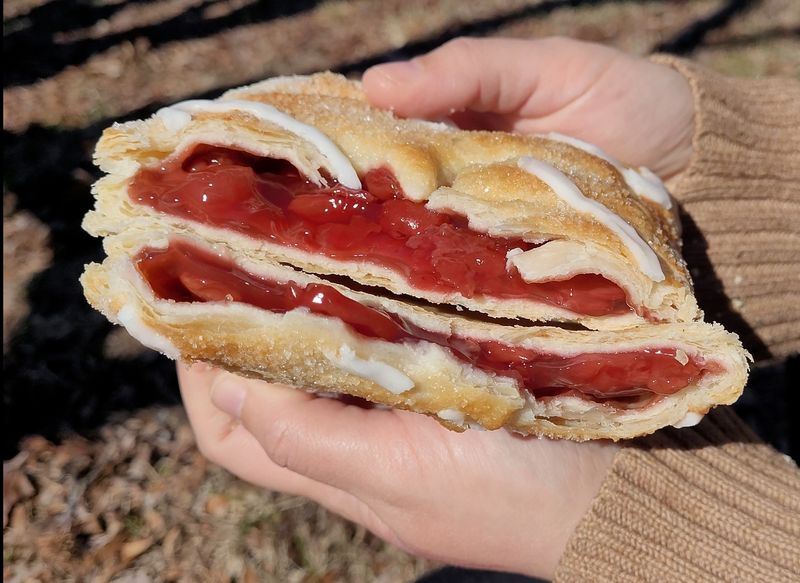
Arriving at Winkler Bakery without a plan for what to eat would be a missed opportunity. The menu is rooted in Moravian tradition, and every item tells a story.
Start with the Moravian sugar cake if you want something soft and indulgent — its warm cinnamon-butter topping is the kind of thing you’ll think about for days after your visit.
The Moravian ginger cookies are an absolute must. Paper-thin, crisp, and loaded with spice, they shatter delicately when you bite into them.
They’re unlike any cookie you’ve likely tasted before, and many visitors buy extras to take home as gifts. Lovefeast buns — soft, lightly sweetened rolls with deep religious and cultural roots — are another item worth seeking out.
Rosemary bread offers a savory option that pairs beautifully with the sweeter items on the menu. If you visit during the holiday season, keep an eye out for seasonal specialties that pop up around Christmas and other Moravian celebrations.
Most items are baked fresh and sell out quickly, so arriving in the morning gives you the best selection and the chance to enjoy something warm right from that legendary oven.
Cultural Impact and Legacy of Moravian Baking
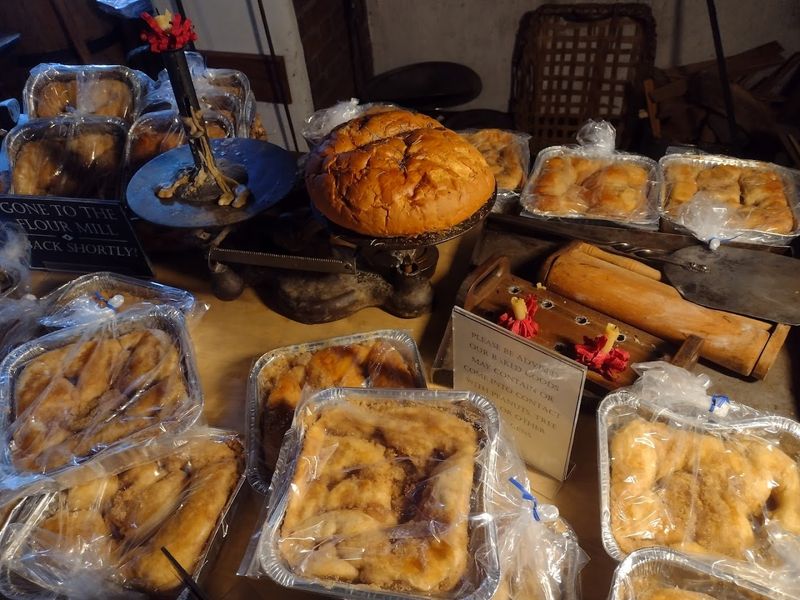
Moravian baking is more than just a culinary style — it’s a cultural fingerprint left on the American South by a small but deeply influential religious community. The Moravians who settled in North Carolina brought with them recipes, techniques, and food traditions from central Europe that have survived remarkably intact to this day.
Winston-Salem and the surrounding region of North Carolina still celebrate this baking heritage with a pride that feels completely genuine. Local bakeries throughout the Piedmont area sell Moravian cookies and sugar cakes, but none carry the historical weight of Winkler.
It remains the original source, the place where these traditions were kept alive when they could have easily disappeared.
Food scholars and cultural historians point to Winkler Bakery as a rare example of unbroken culinary continuity in America. Most food traditions evolve or fade over time — but the Moravian recipes baked here today are virtually identical to those used 200 years ago.
That kind of preservation is extraordinary. By keeping these recipes alive in an operational setting rather than just a museum exhibit, Winkler Bakery ensures that Moravian baking culture remains a living, breathing, edible part of American history.
Essential Visitor Info for Winkler Bakery
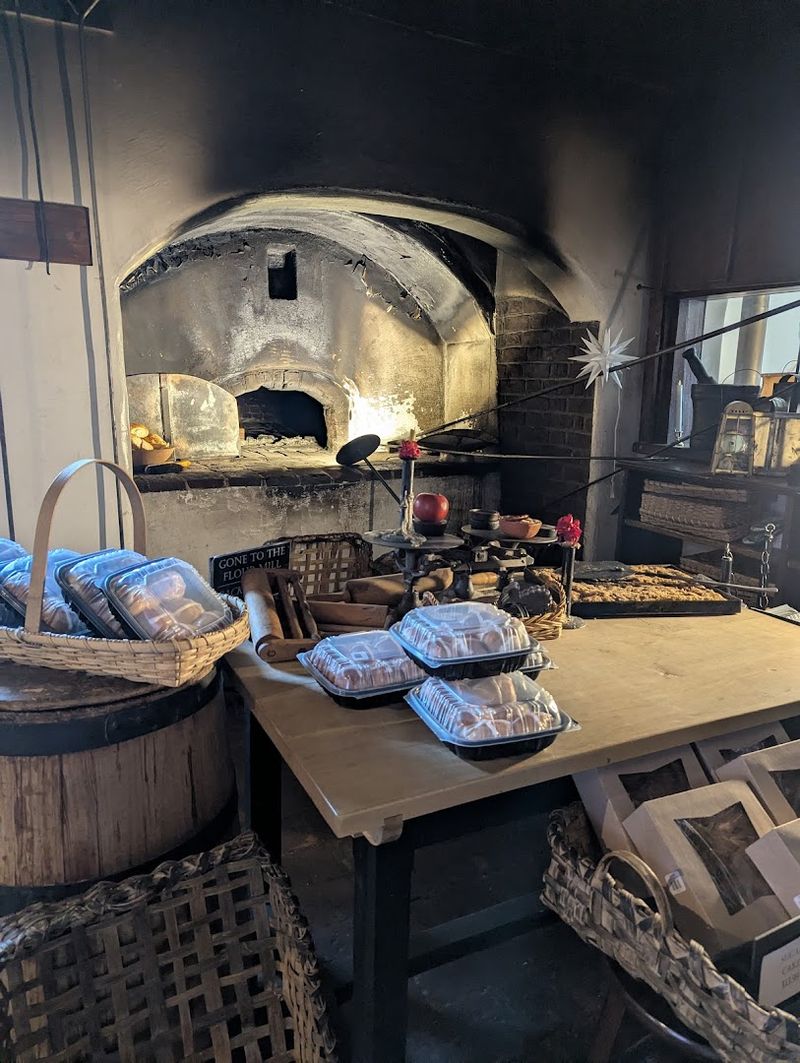
Planning a visit to Winkler Bakery is straightforward, and the experience is well worth the trip. The bakery is located at 521 S Main St, Winston-Salem, NC 27101, right in the heart of the Old Salem historic district.
It typically operates Wednesday through Saturday from around 10:00 AM to 4:00 PM, though hours can shift with seasons or holidays, so calling ahead is always a smart move.
Good news for budget-conscious visitors: no separate ticket is needed to enter the bakery itself. Browsing and purchasing baked goods is completely free, making it one of the most accessible historic experiences in the state.
If you want to explore the broader Old Salem Museums and Gardens campus, some areas may require admission, but the bakery alone is open to everyone.
Morning visits are strongly recommended if you want to see the wood oven in active use and snag the freshest items before they sell out. You can reach the bakery at +1-336-721-7302 for current hours or special event info.
Nearby, you’ll find historic homes, museums, and gardens that make Old Salem a full-day destination. Note that some high-volume items may be baked off-site, so ask staff about what came fresh from the wood oven that day.