
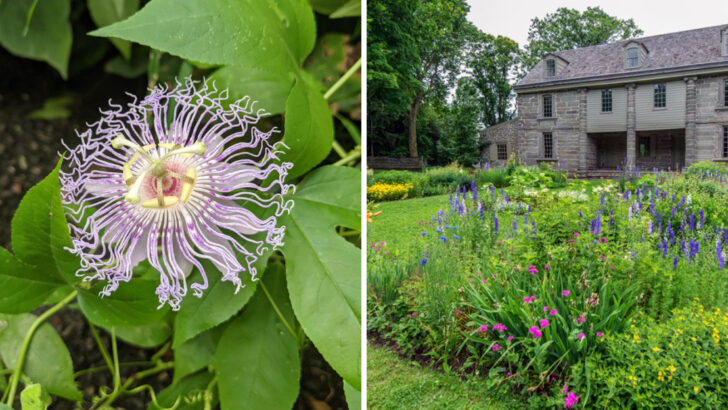
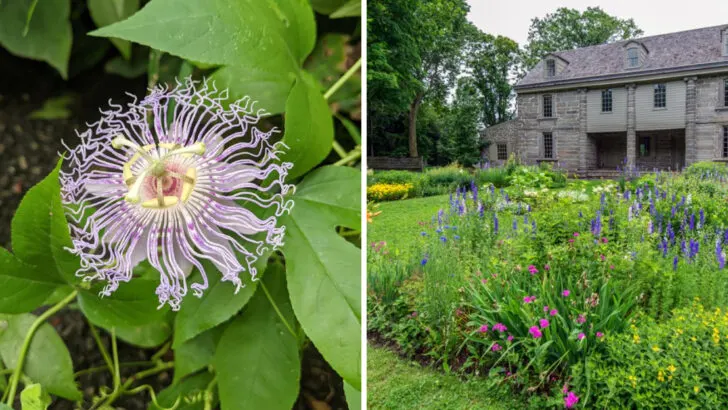
America’s oldest botanic garden is hiding in plain sight.
Founded in 1728 by the trailblazing botanist John Bartram, this lush sanctuary feels like stepping into a storybook. Every tree, every flower, every winding path whispers tales of explorers, scientists, and dreamers who shaped American horticulture.
From vibrant native blooms to rare exotic specimens, the garden bursts with color, history, and unexpected surprises around every corner.
It’s a place where time slows, curiosity sparks, and nature takes center stage—a hidden gem in plain sight, quietly daring you to wander, wonder, and get lost in its beauty.
A Hidden Philadelphia Treasure
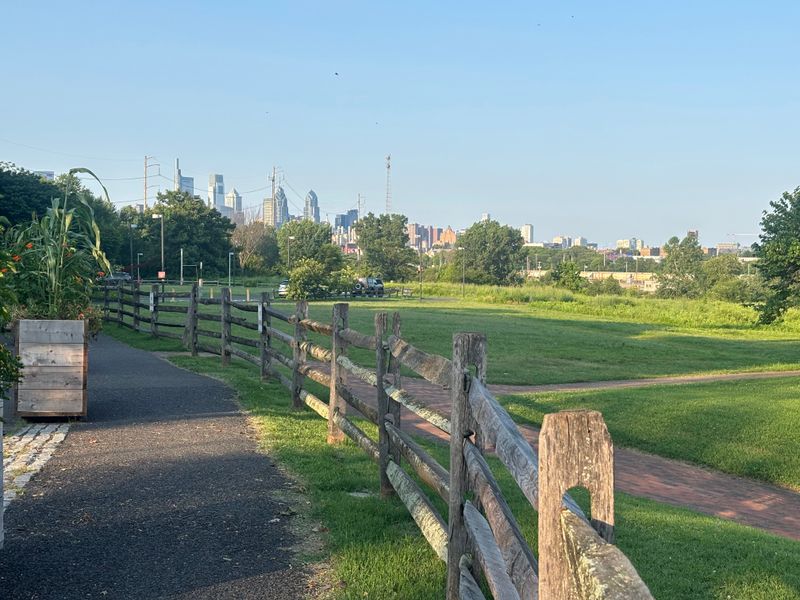
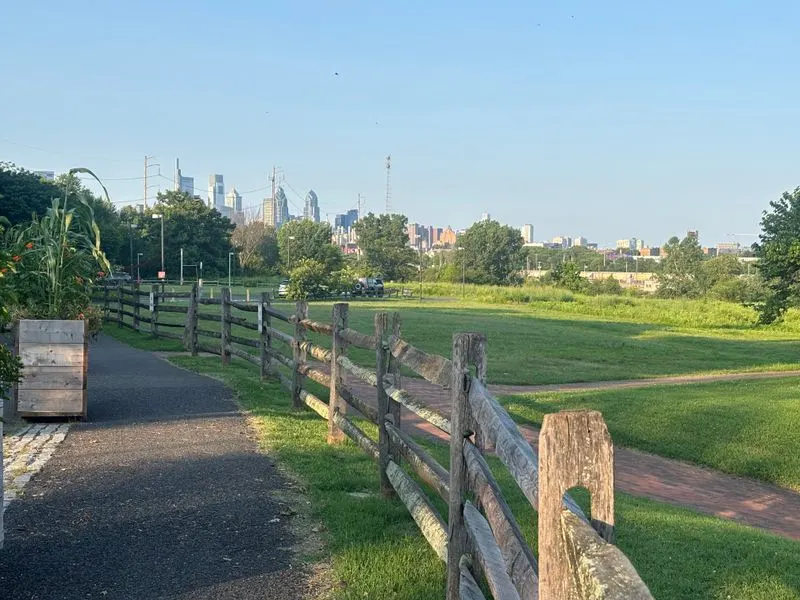
Bartram’s Garden feels like a well kept secret you suddenly want to tell everyone about. Tucked along the Schuylkill River, it offers quiet lawns, shaded groves, and a living timeline of American botany.
When the city hums too loudly, this place answers with wind in the leaves and the crunch of gravel beneath your shoes.
Founded in 1728, the garden blends history and horticulture without fuss. You can watch dragonflies skimming the water, then look up to see the Bartram House anchoring the landscape.
There is nothing flashy here, which makes every discovery feel personal and surprising.
Open Tuesday through Sunday, the grounds invite slow wandering and spontaneous detours. Benches near the river create perfect pauses for sketching, journaling, or just breathing.
If you love underrated places that reward curiosity, you will feel at home.
What makes it a treasure is how it keeps giving, season after season. Spring teases with dogwoods and ephemerals, summer deepens into green, and autumn paints gold along the riverbank.
Come ready to linger, and let the garden reset your sense of time.
The Legacy of John Bartram
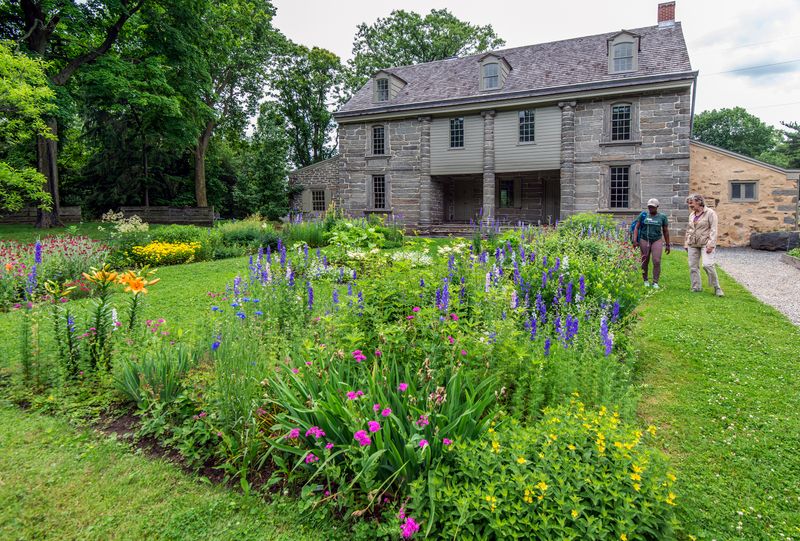
John Bartram changed how the world saw American plants. A farmer with restless curiosity, he gathered seeds across colonies and shipped them to Europe, where gardeners marveled at magnolias, kalmias, and viburnums.
His network spanned oceans, but his home base was this humble garden along the river.
Walking here, you trace footsteps of a botanist who bridged continents. Interpretive signs connect specimens to Bartram’s explorations and letters, making history feel conversational.
You start to sense the grit behind beauty, the labor that made science grow.
Bartram’s influence shaped collections in London and beyond, steering early horticultural fashion. Yet the story is grounded in family life, apprentices, and neighbors who kept the work alive.
It is inspiring, and a reminder that big ideas can sprout from small plots.
Today, the garden honors that legacy with careful stewardship and public programs. You are not just looking at plants, you are reading an ongoing chapter of botanical exchange.
Bring your questions and a little wonder, because curiosity is still the best guide here.
Historic Bartram House
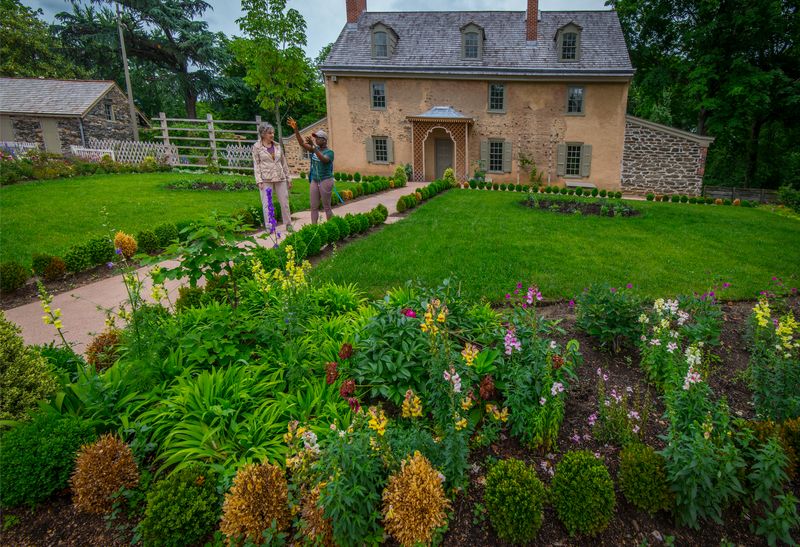
The Bartram House stands quietly, a stone testament to colonial craftsmanship and everyday science. Step inside and the rooms feel lived in, furnished with pieces that echo the family’s routine.
You can almost hear pages turning as plant notes were scribbled beside a candle.
Guided tours walk you through artifacts and stories that anchor the house to the garden’s purpose. From worktables to simple tools, the details animate early American research more than any textbook.
You understand how home and laboratory merged in one practical space.
Windows frame views of beds where experiments unfolded across seasons. The house is not grand, but it is precise, built for thinking and doing.
That practicality makes it welcoming, like a friend’s home that invites questions.
If you enjoy architectural texture and intimate history, this place will resonate deeply. The tour moves at a human pace, and there is time to notice the grain in the wood and the cool weight of the stone.
Leave with a clearer picture of how ideas take root.
Native Plant Collections
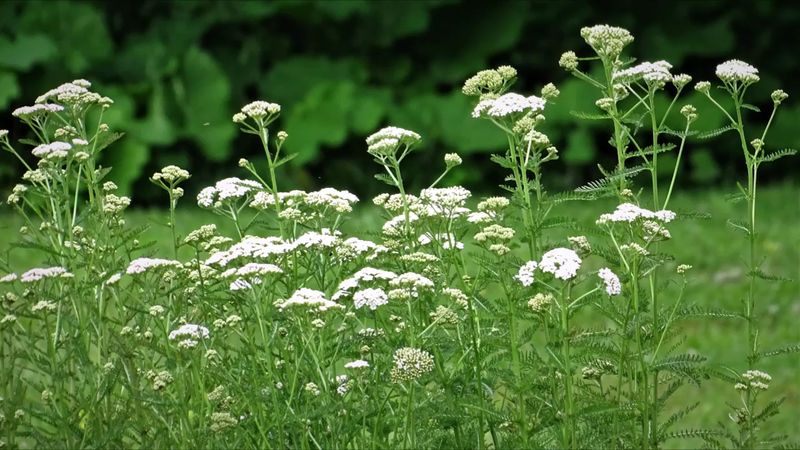
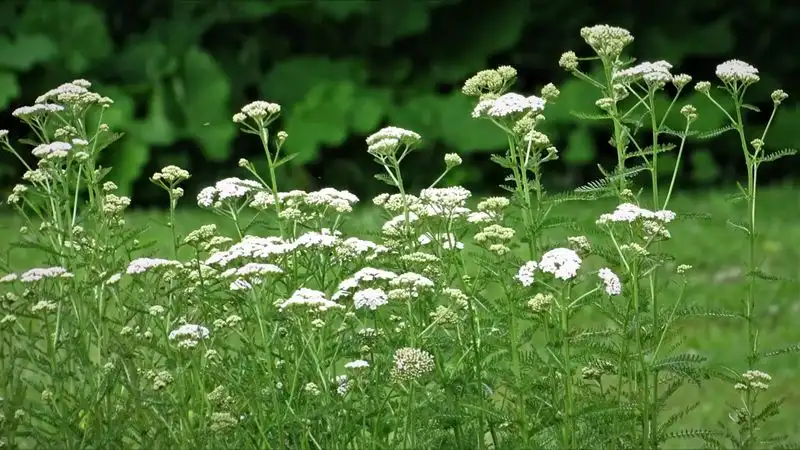
Bartram’s Garden shines when you focus on native plants. These beds are alive with coneflowers, goldenrod, milkweed, and ferns, each labeled so you can learn without feeling lectured.
Bees thrum across blossoms, and monarchs drift like bright notes along the paths.
Seasonality drives the show. Spring brings woodland ephemerals peeking through leaf litter, while summer builds lush texture and scent.
By autumn, seed heads and grasses write a quieter story, still gorgeous and deeply ecological.
What you see is not only beauty but resilience. Native plants anchor habitat, feed pollinators, and fit the rhythms of local weather.
They also offer inspiration for home gardens that thrive without fuss.
Take photos of combinations you love, then try them at your place with similar light and soil. The garden’s labels and tours make it easy to translate admiration into action.
You will leave with ideas buzzing like the bees.
Exotic and Rare Plants
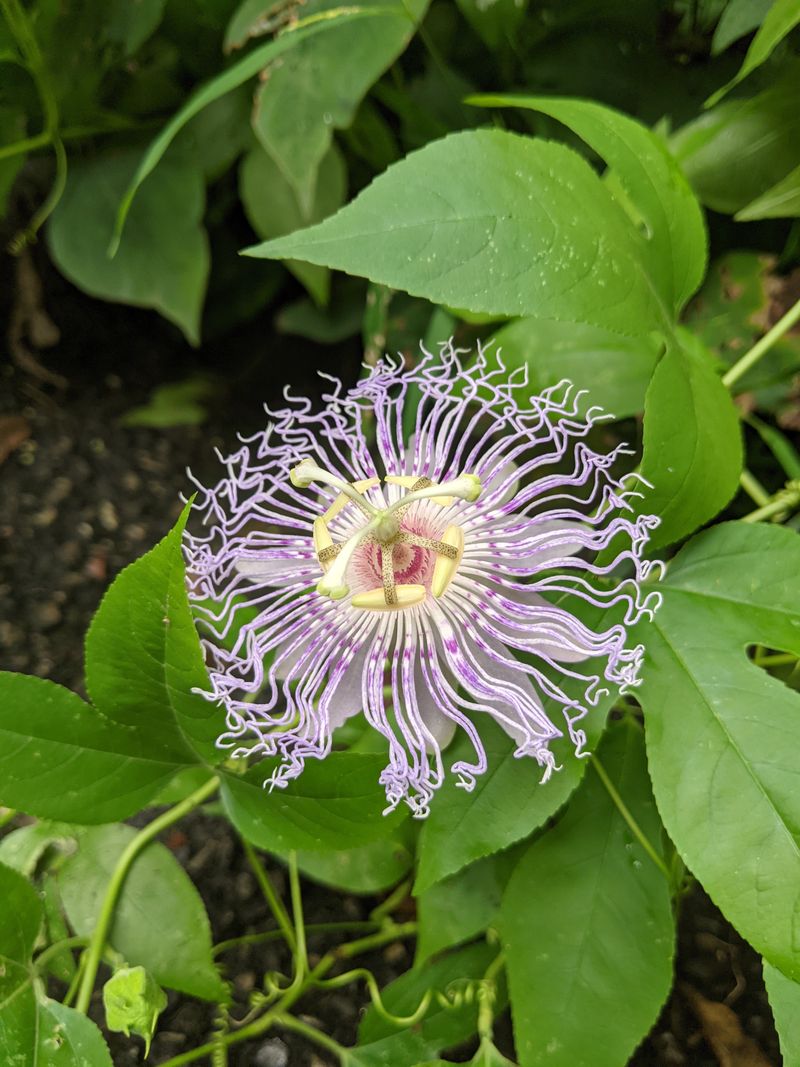
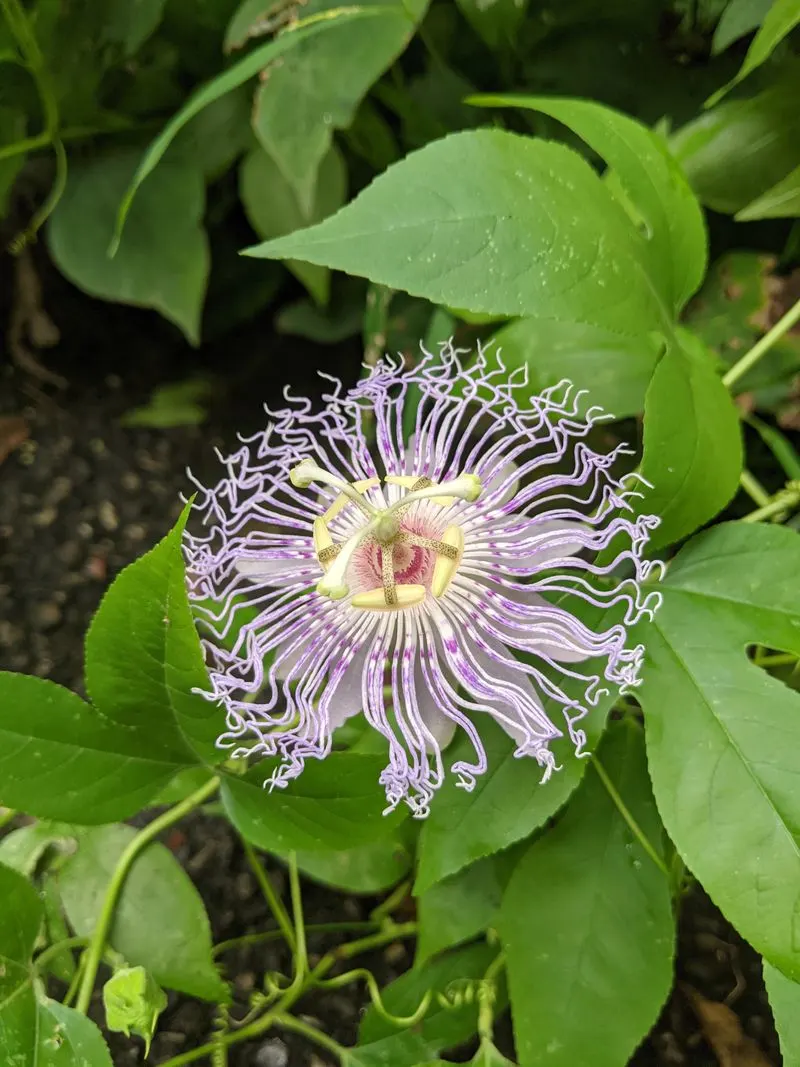
The rare plant corners feel like postcards from distant climates. Some specimens trace back to John Bartram’s exchanges, where seeds traveled in wax sealed boxes across the Atlantic.
You are looking at a living museum of curiosity and risk.
Leaves twist into improbable shapes, and flowers open with colors you do not expect in Pennsylvania. Gardeners here balance preservation with storytelling, tying each plant to a voyage or correspondence.
It turns a stroll into a global scavenger hunt.
One favorite thread is the Franklinia, linked to Bartram family lore and rediscovery. Others surprise with fragrance or architecture that steals your attention.
Each label becomes an invitation to look closer.
If you like feeling slightly astonished, linger in these beds and greenhouses. You will leave with new favorites and a deeper respect for plant travelers.
The world feels wider when you realize how many journeys end in this quiet place by the river.
Scenic Walking Paths
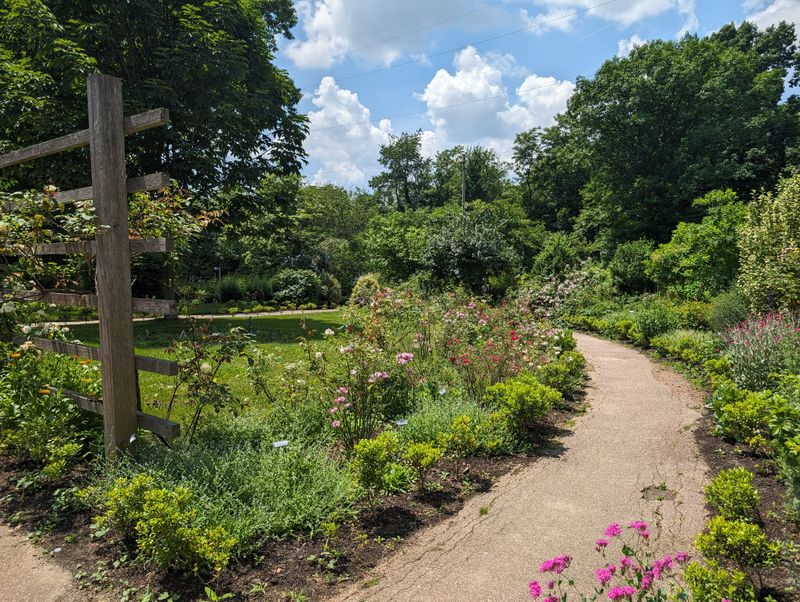
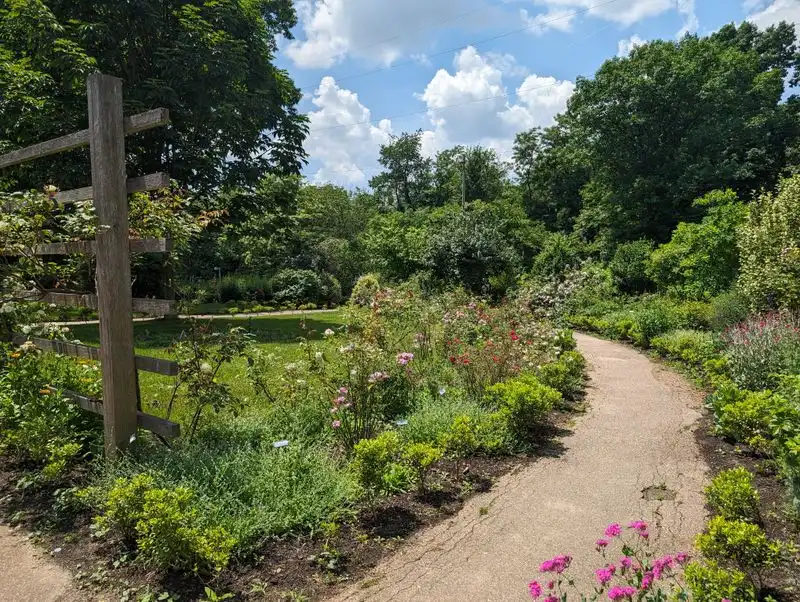
The paths here are made for easy wandering. Gravel gives way to boardwalk and back again, with curves that reveal one quiet view after another.
You get shade, sun, river glints, and just enough variety to keep your feet happy.
Photographers love the long sightlines and soft light under big trees. Benches invite slow moments while birds trade songs across the canopy.
Even on busy days, you can find corners where the city falls away.
Wear comfortable shoes and bring water, because it is tempting to keep exploring. Trails thread through meadows, historical plantings, and the river edge.
Each loop feels like a new chapter in the same calm story.
If you are visiting with friends, let the paths set the pace and conversation will follow. Solo, it becomes meditation in motion.
Either way, you finish refreshed, with more energy than when you arrived.
Educational Programs
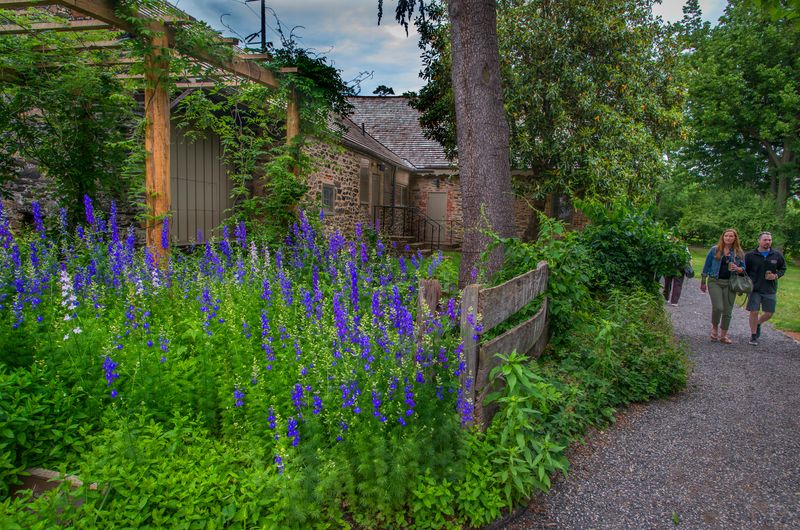
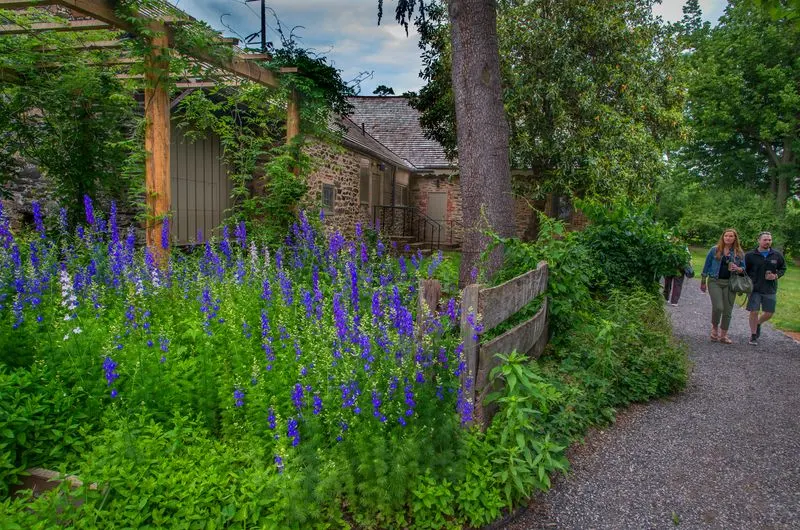
Learning here feels hands on and inviting. Workshops cover native plant gardening, seed saving, urban ecology, and seasonal care, all grounded in the garden’s living collections.
You get practical tips you can actually use at home.
School groups visit for programs that connect science with place. Educators keep it friendly and tactile, from soil crumbling between fingers to magnifiers hovering over leaf veins.
Kids leave with stories and new words that stick.
Guided tours fold history into the botany, which helps the facts land. You hear about correspondence, conservation, and modern research right beside the plants themselves.
It is education that stays rooted in experience.
Check the calendar before you go, because sessions fill quickly. Bring a notebook if you love jotting down plant lists and techniques.
You will walk away with confidence to try something new in your own patch of earth.
Community Events and Activities
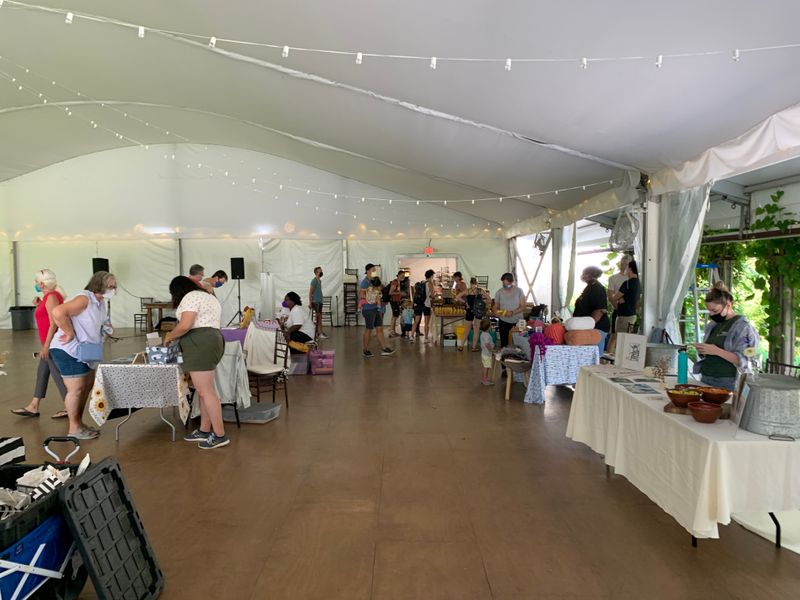
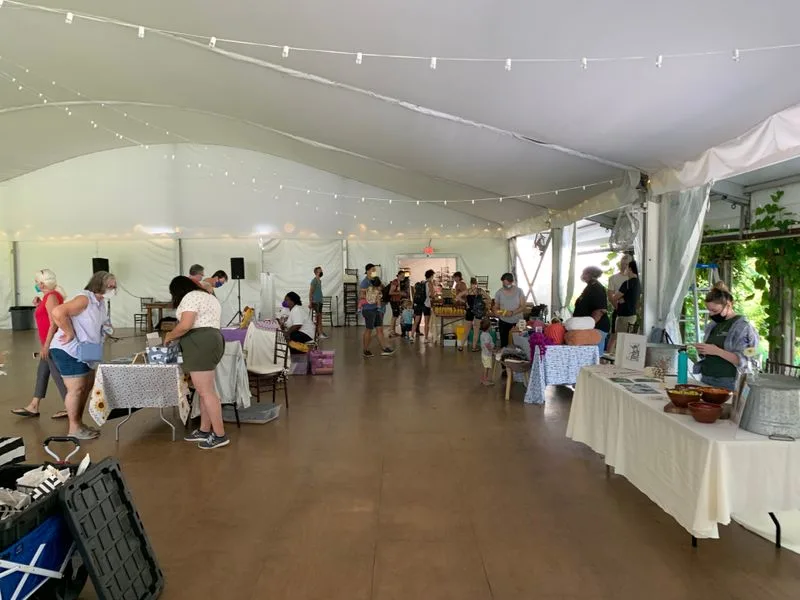
Community events turn the garden into a neighborhood living room. The annual Plant Sale buzzes with gardeners swapping advice and carrying home fragrant flats.
Summer concerts unfurl across the lawn while kids chase bubbles and parents relax.
Pop up markets and festivals showcase local makers, food, and traditions. You feel the city’s creativity meeting the garden’s calm, a mix that suits every age.
It is an easy place to bring friends who are new to plants.
Volunteering days add another layer, connecting people through stewardship. There is satisfaction in mulching beds or helping visitors find their way.
Shared work makes the paths feel like yours, too.
Watch the schedule, because seasonal themes keep things fresh. You might time a visit for fall color, spring ephemerals, or a hands on workshop tied to a concert night.
Come ready to participate, and you will leave feeling part of something welcoming.
Visiting Essentials
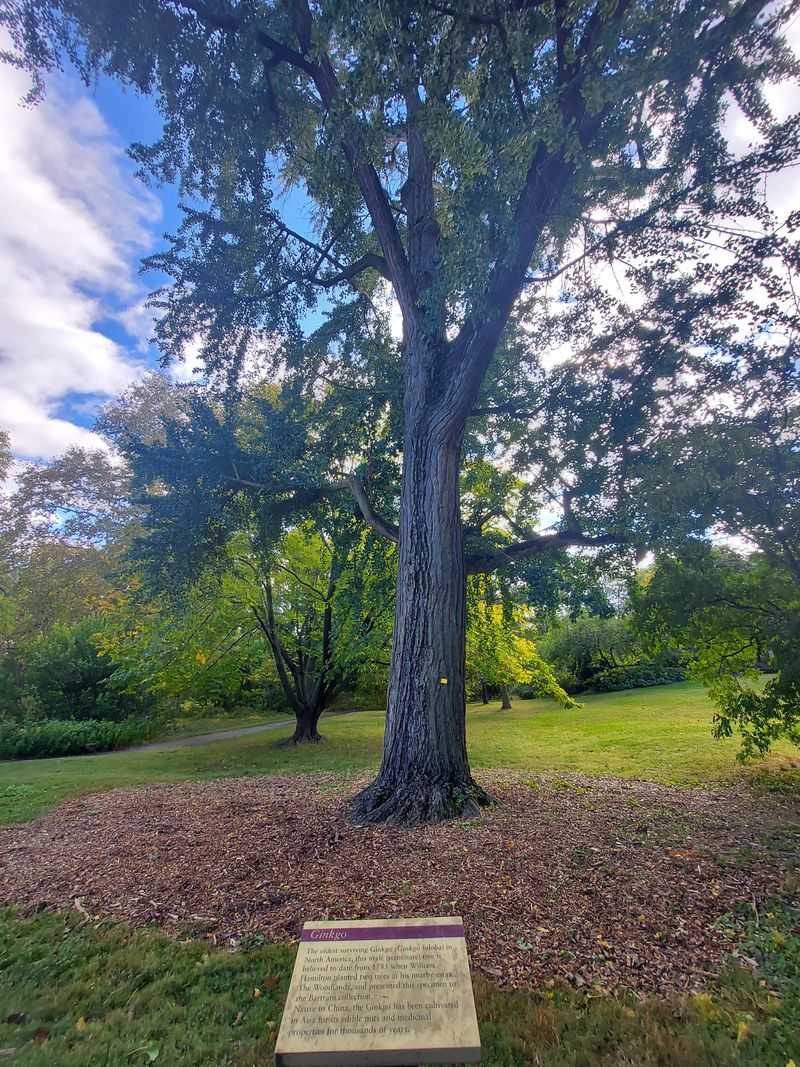
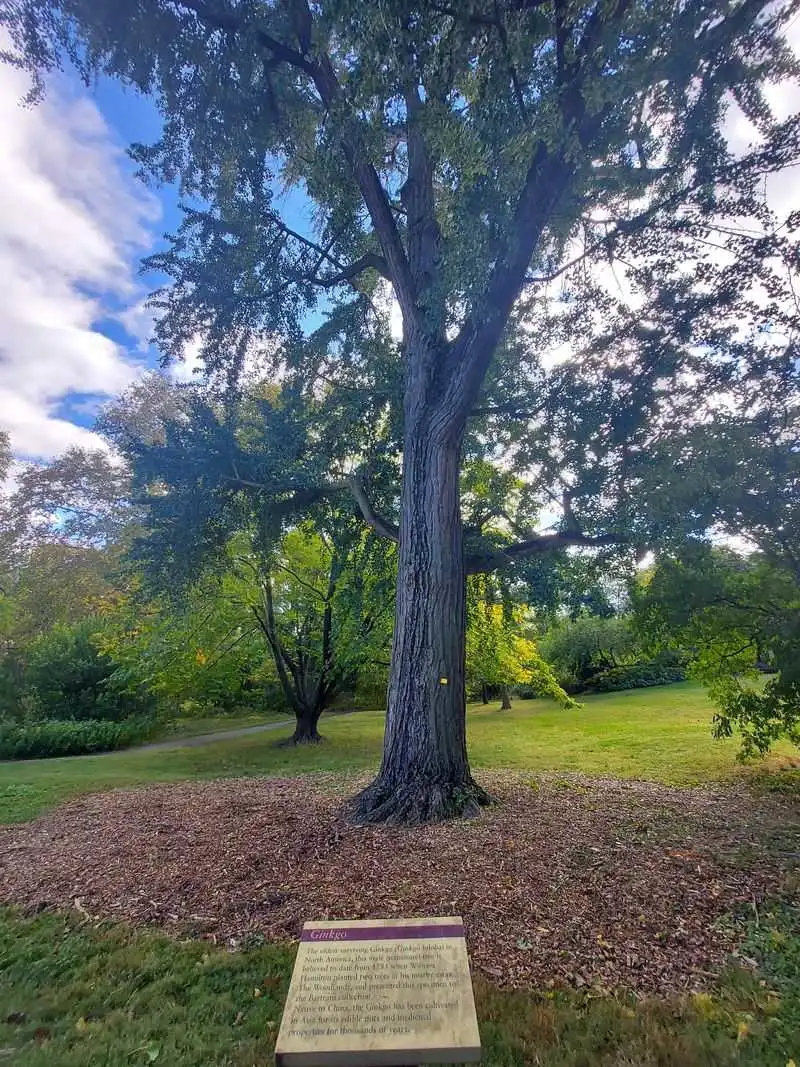
Bartram’s Garden is at 5400 Lindbergh Blvd., Philadelphia, PA 19143. Hours run Tuesday through Sunday, 10 AM to 5 PM, closed Mondays.
Admission is free, and donations help keep the place thriving for everyone.
Wear comfortable shoes because paths shift from gravel to grass and back. Bring water, sunscreen, and time for the historic house tour if schedules align.
A camera or phone will serve you well, especially by the river at golden hour.
Public transit and bike routes make arriving simple, and parking is straightforward. Restrooms and wayfinding signs are easy to spot, which keeps the day smooth.
If you like guided context, check for tours before you come.
Plan to wander at least two hours, longer if you love slow looking. The garden rewards patience and curiosity, so let your pace soften.
It is one of Pennsylvania’s quiet marvels waiting for you to discover it.