

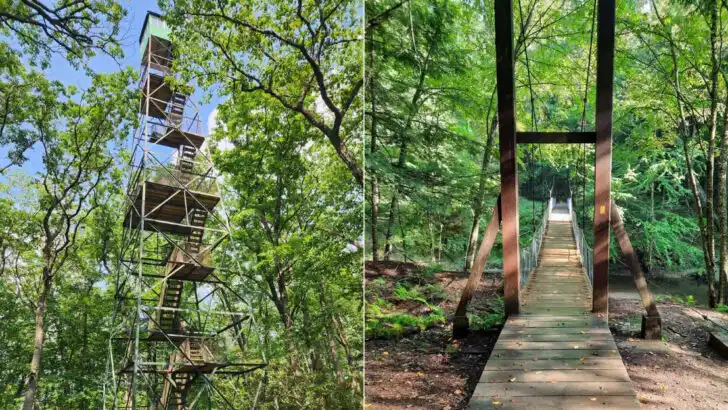
Climb a little higher, and Pennsylvania suddenly feels endless.
Cook Forest State Park stretches across 8,500 acres of towering trees, winding trails, and river-carved valleys that seem to hush the modern world. Then there’s the fire tower—rising above the canopy like a quiet dare.
Step by step, the forest drops away, and the view opens into rolling green that feels both vast and intimate.
Up top, the wind brushes your face and the treetops ripple like a living sea. No neon lights.
No traffic noise. Just layers of hills fading into soft blue distance.
It’s not flashy. It’s quietly powerful.
Back on the ground, ancient hemlocks and white pines stand like guardians of another era. Trails weave through cool hollows and sunlit ridges, each turn offering another reason to pause.
This isn’t a loud adventure. It’s the kind that sneaks up on you—steady, scenic, and deeply satisfying.
Seneca Point Fire Tower and Vista
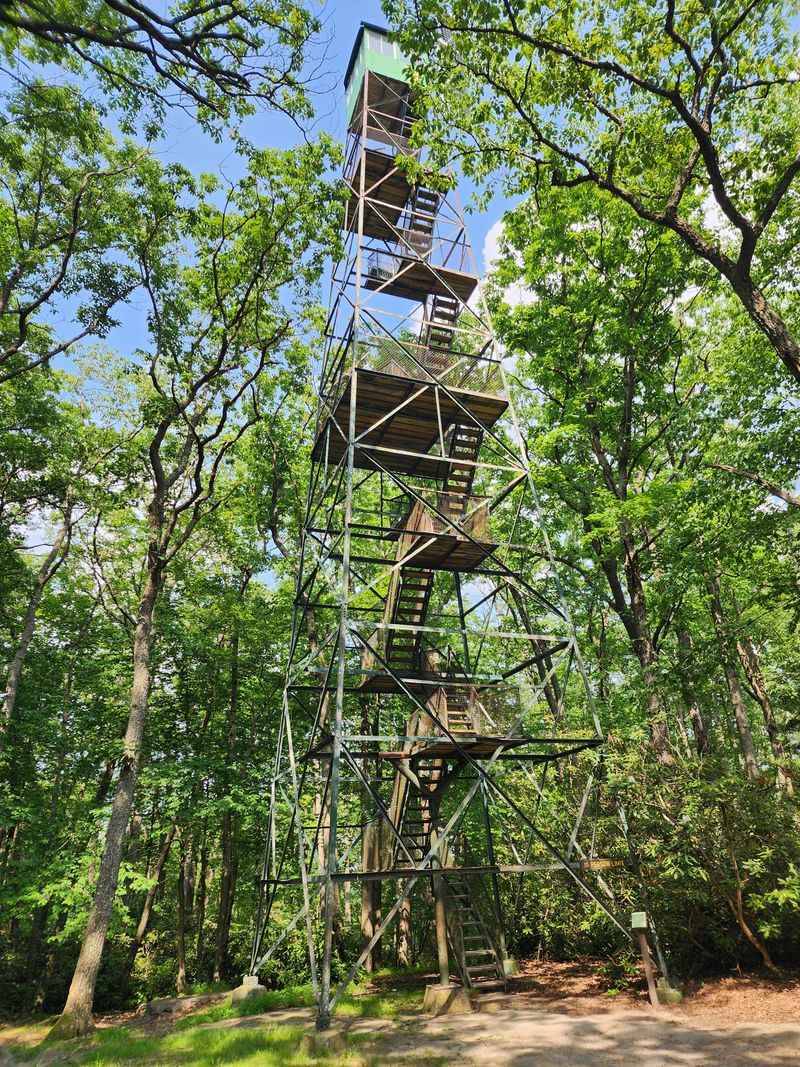
Start at Seneca Point and the nearby historic fire tower for a perspective that instantly orients you to the park’s sweep. The tower’s steel silhouette rises over 8,500 acres, giving a layered view of hemlock and white pine ridges rolling toward the Clarion River.
Sunrise or late afternoon softens the forest into velvet greens and golds, turning quiet into something you can see.
You do not have to climb the tower for a rewarding visit. The sandstone overlook at Seneca Point frames the valleys beautifully, and interpretive signs help you match distant features to trails.
On clearer days, the horizon reads like a map of the park’s best adventures.
Trails radiate from the area, making it easy to pair the vista with a short woodland loop. Expect wind on the point, cooler temps than in the hollows, and occasional crowds on peak weekends.
Bring layers, a camera, and patience to let the view unfold.
Cell service is spotty, which is part of the charm. If you arrive at off hours, you might have the overlook nearly to yourself.
Step back from the railing, sip something warm, and let the forest’s hush settle in.
Forest Cathedral Old Growth Area
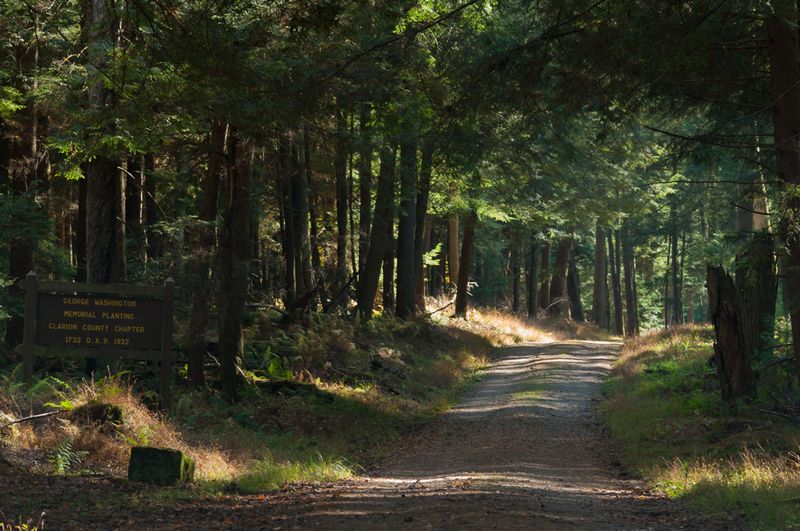
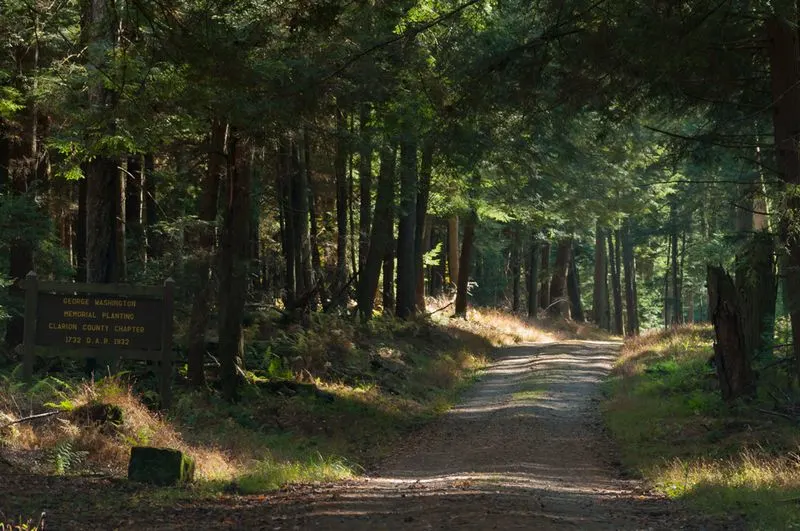
The Forest Cathedral feels like stepping into a living sanctuary. Towering hemlocks and white pines, some over 300 years old, create a vertical world where light falls in quiet shafts.
Needles muffle footsteps, and every breeze sounds like distant surf through boughs.
Trails like Longfellow and North Country pass through this registered National Natural Landmark, weaving among giants with names and stories. You will see nurse logs, root-woven steps, and a forest floor textured with ferns and mushrooms.
It is easy to understand why sunrise here is legendary.
Expect rolling terrain with roots and rocks, plus footbridges that add charm after rains. Keep an eye out for interpretive markers describing forest dynamics and hemlock woolly adelgid threats.
Staying on trail protects fragile soils and the next generation of seedlings.
Come early for solitude, or linger late as low-angle light turns trunks bronze. Even on busy days, you can find pockets of stillness by pausing and listening.
This is where Cook Forest whispers you back, one breath at a time.
Clarion River: Kayaking, Canoeing, and Tubing
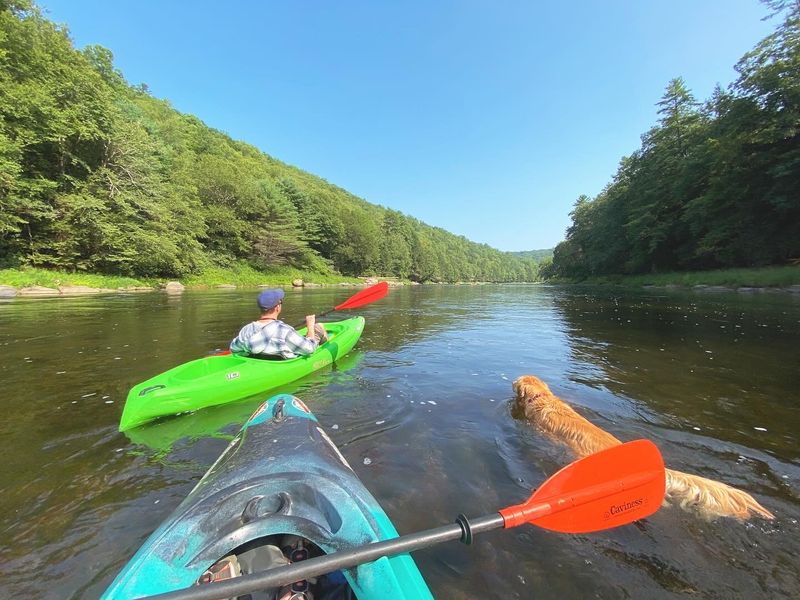
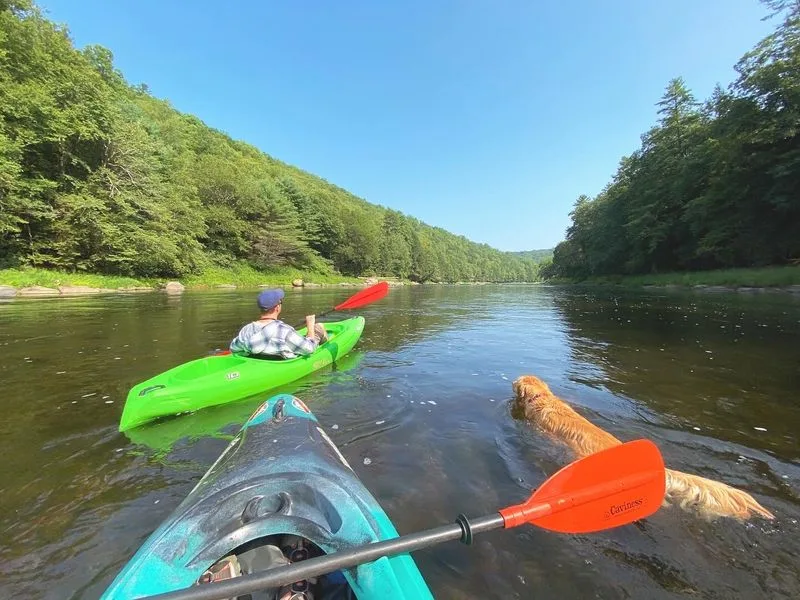
The Clarion River threads the park with a gentle, scenic current perfect for first-time paddlers and relaxed floaters. On hot days, you will see kayaks, canoes, and tubes drifting past riffles and quiet pools.
Bald eagles, kingfishers, and deer often appear along the banks.
Local outfitters provide shuttles and rentals, but water levels vary with rain and season. Wear river shoes for shallow stretches where you might hop out.
Pack a dry bag, sunscreen, and a lightweight layer, since water temperatures can run cool.
Launch options near the park office and bridges make it easy to tailor your outing. Expect mixed gravel and sand bars, low sandstone shelves, and occasional downed trees that create playful obstacles.
Always check current conditions and be honest about everyone’s comfort level.
Plan your float to end near picnic areas for a lazy lunch. If you prefer early starts, you will catch mist lifting off the water and fewer crowds.
The river is where Cook Forest slows your pulse to the park’s natural rhythm.
Ancient Forest and Longfellow Trail Loop
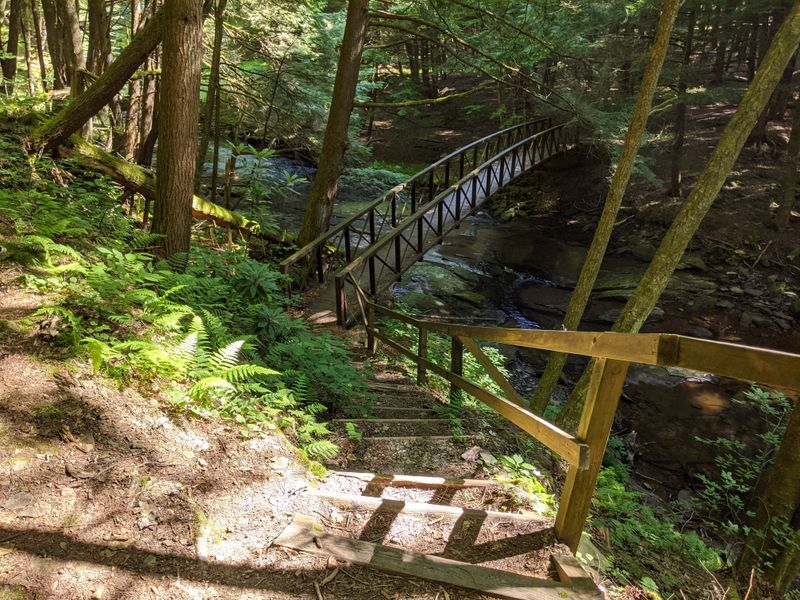
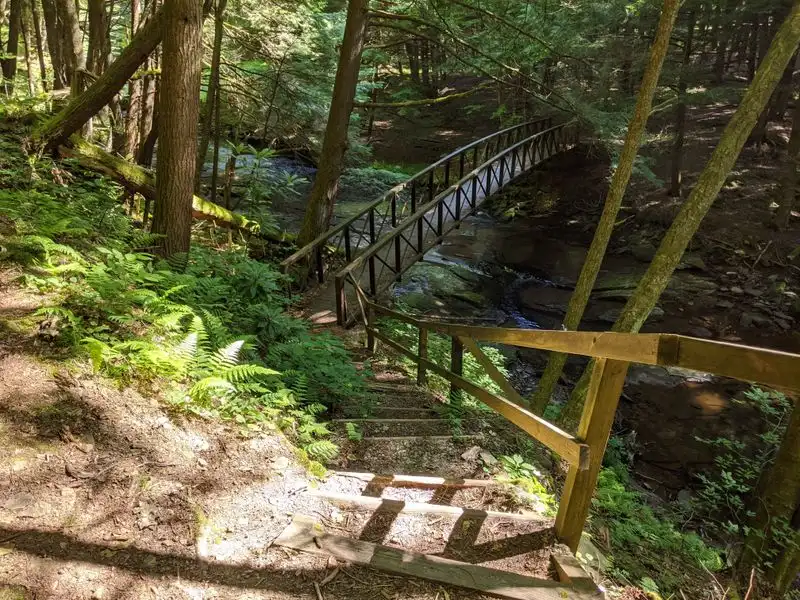
This loop weaves together old growth highlights with approachable mileage, offering a sampler of Cook Forest’s terrain. You will cross creeks on rustic bridges, climb gentle ridges, and descend into cool hollows lined with ferns.
Trail blazes and new signage make navigation straightforward even with low cell signal.
Expect roots, rocks, and occasional blowdowns that keep you alert without feeling technical. After rains, slick stones and mud demand careful footing.
The payoff is constant: massive trunks, soft duff, and birdsong echoing like a canopy choir.
Bring a paper map from the park office and note intersections in advance. Loop options let you adjust distance on the fly, which is handy for mixed groups.
Benches at scenic nooks invite you to linger and listen to water under the boards.
Morning light through high boughs is magical, but late afternoon glows beautifully too. If you time it right, you can pair this loop with Seneca Point for a perfect day.
Snack often, hydrate, and savor the slow cadence of the forest.
Cook Forest Cabins and Campgrounds
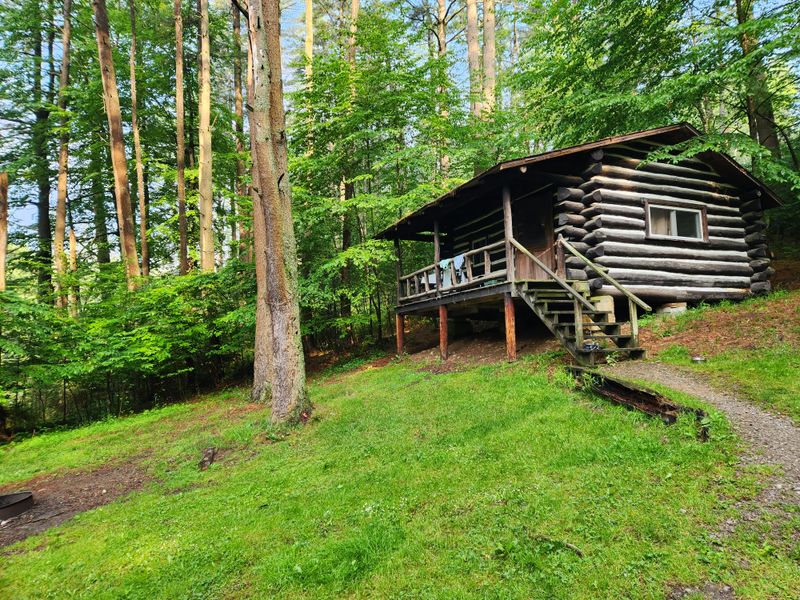
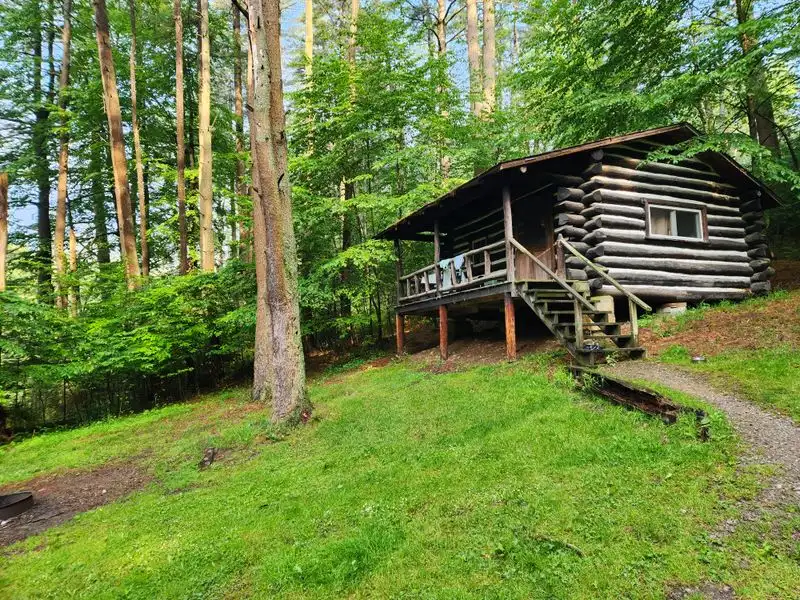
Staying overnight transforms Cook Forest from a day trip into a deep exhale. The park’s wooded campground offers non-electric loops, bird song at dawn, and trail access right from your site.
Nearby rustic cabins, some CCC-era style, wrap you in knotty charm and simple comforts.
Reserve early for summer and fall weekends because demand is high. Firewood rules protect the forest, so plan to buy local and expect variable dryness.
Bring a reliable stove and fire starters in case the wood is stubborn.
Night sounds here are a feature, not a bug: owls, rustling deer, and wind washing through pines. Respect quiet hours, keep a tidy camp, and store food securely.
Limited spacing means you will see neighbors, but most campers keep things mellow.
Mornings are best for coffee steam and cool air under towering trees. Wander directly onto nearby trails, or drive a few minutes to the river for a paddle.
Cabin or tent, you will wake up feeling part of the woods.
Toms Run and Swinging Bridge
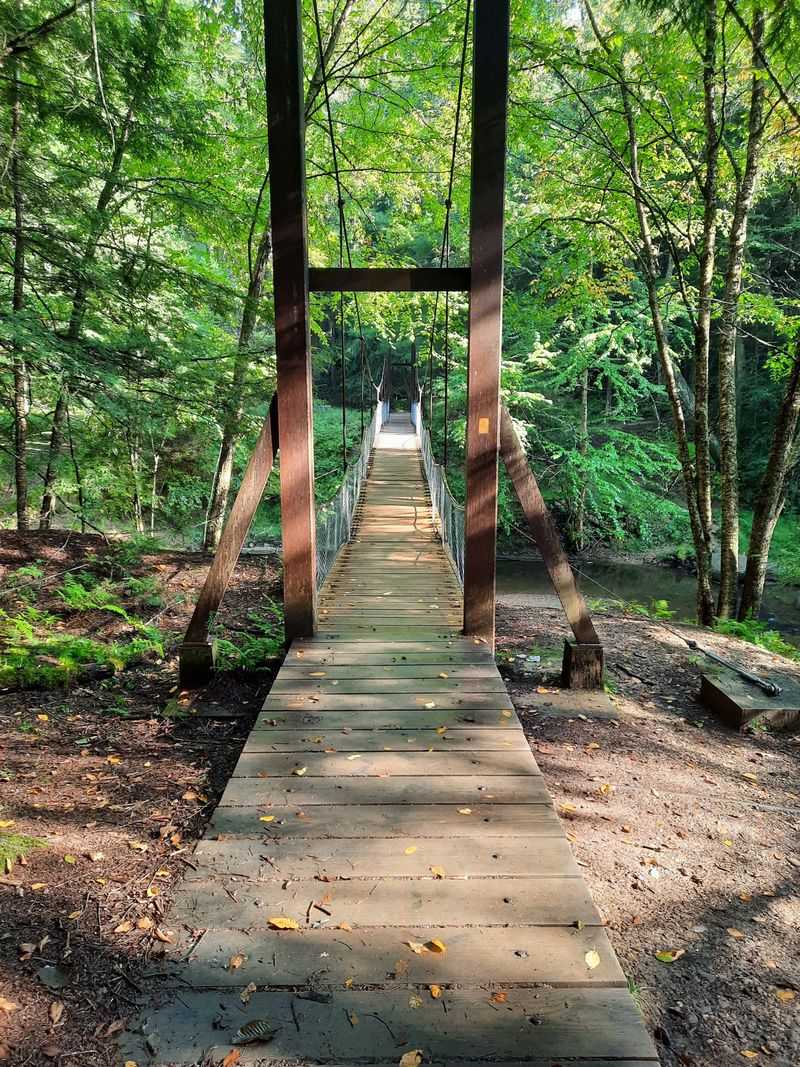
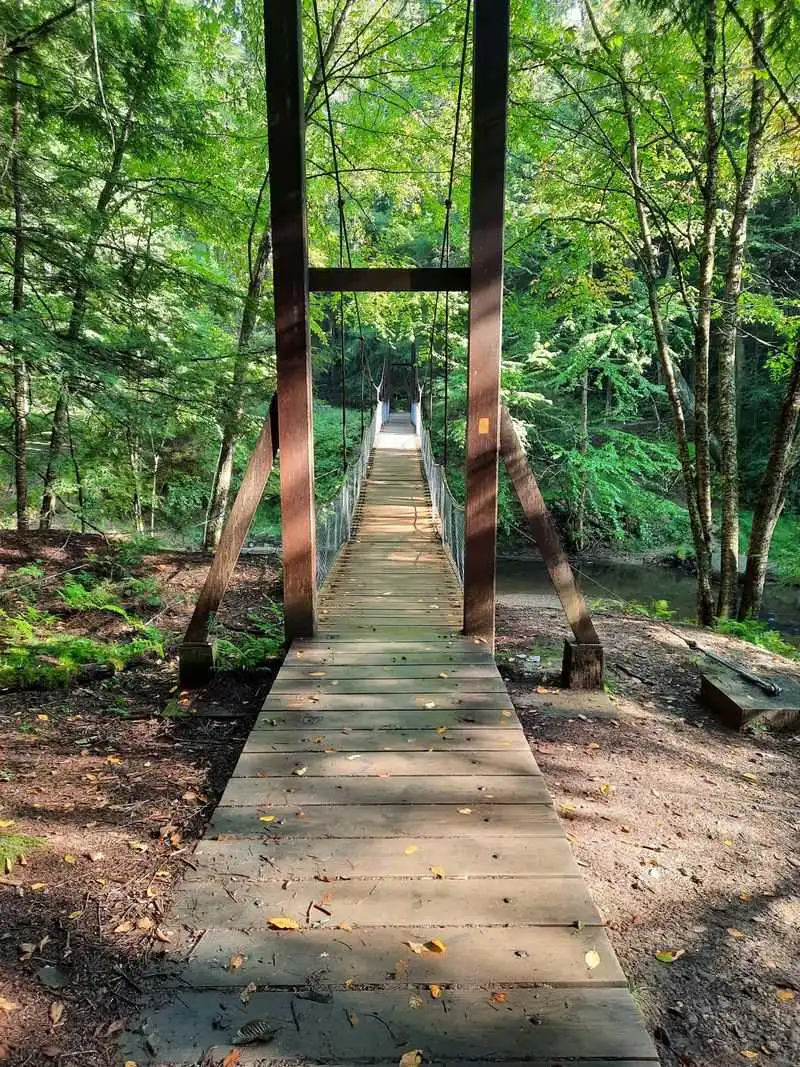
Toms Run is the park’s playful side, a lively creek threading through mossy banks and ferny bends. The swinging bridge adds just enough wobble to light up kids and grownups alike.
It is a short, rewarding detour that pairs well with longer routes nearby.
Expect shaded paths, damp air, and photogenic wooden bridges after rains. The creek runs clear, reflecting hemlock greens and sky flicker.
Slip-resistant footwear helps on slick planks and creekside rocks.
Cell service fades fast here, so screenshot maps before you head out. Trail markers are frequent, and junctions are intuitive, but staying present beats relying on bars.
Pause where sunlight pours through and you will hear water over stones like a metronome.
Go early for solitude, or near golden hour for warm, cinematic light. Pack a small towel for creekside picnics and splash breaks on hot days.
It is a simple stop that turns into a favorite memory faster than you expect.
Best Seasons and Weather Strategy
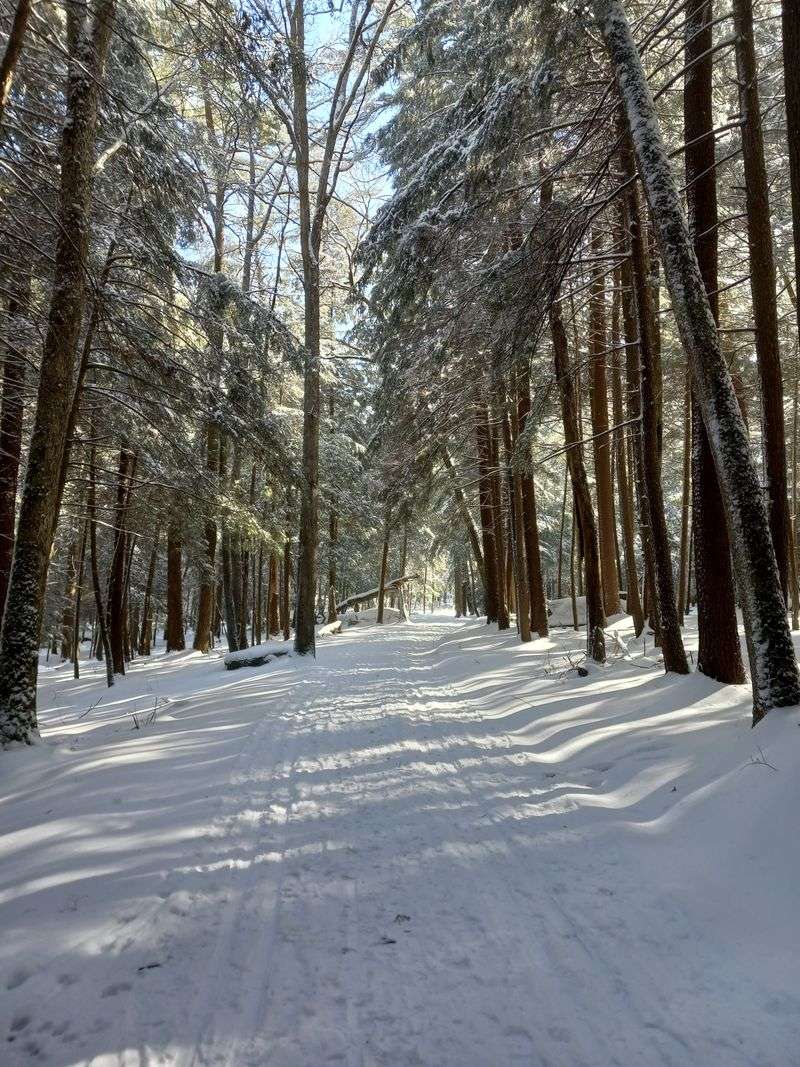
Cook Forest is a four-season park if you match plans to conditions. Spring brings rain, rushing creeks, and wildflowers under bright new needles.
Summer delivers river days and full shade, with crowds on weekends and holiday weeks.
Autumn is the showstopper, when the fire tower and Seneca Point serve up gold and scarlet patchwork. Cooler air sharpens views, and bugs calm down.
Early November can be crisp and quiet, perfect for long, contemplative walks.
Winter hushes everything under evergreen canopies and occasional snow. Microspikes can help on icy grades, and layers matter more than distance goals.
Facilities and nearby shops may run limited hours in the off season.
Check the park website for advisories, hunting seasons, and event calendars. Start early to find parking and space on popular trails.
When in doubt, bring a rain shell, warm hat, and an extra thermos, then let the weather write your story.
Wildlife Watching and Safety


Wildlife is part of the park’s heartbeat. Deer browse at dusk, songbirds stitch mornings together, and you might glimpse snakes sunning on warm stone.
With patience, quiet steps, and a respectful distance, encounters feel natural and low stress.
Use binoculars instead of phones for close looks. Stay on trails to protect ground nests and delicate plants.
Never feed animals, and secure food at camp to avoid unwanted nighttime visitors.
Snakes and bugs are common but usually not a problem if you watch where you step. Wear long pants in tall grass, carry tweezers for tick checks, and learn basic identification for peace of mind.
If you see a bear, give it space and back away slowly.
Early and late hours are prime for sightings, especially along edges near water. Move slowly, scan with your eyes before lifting the camera, and listen more than you talk.
You will leave with stories that belong to the forest as much as to you.
Accessibility and Family-Friendly Options
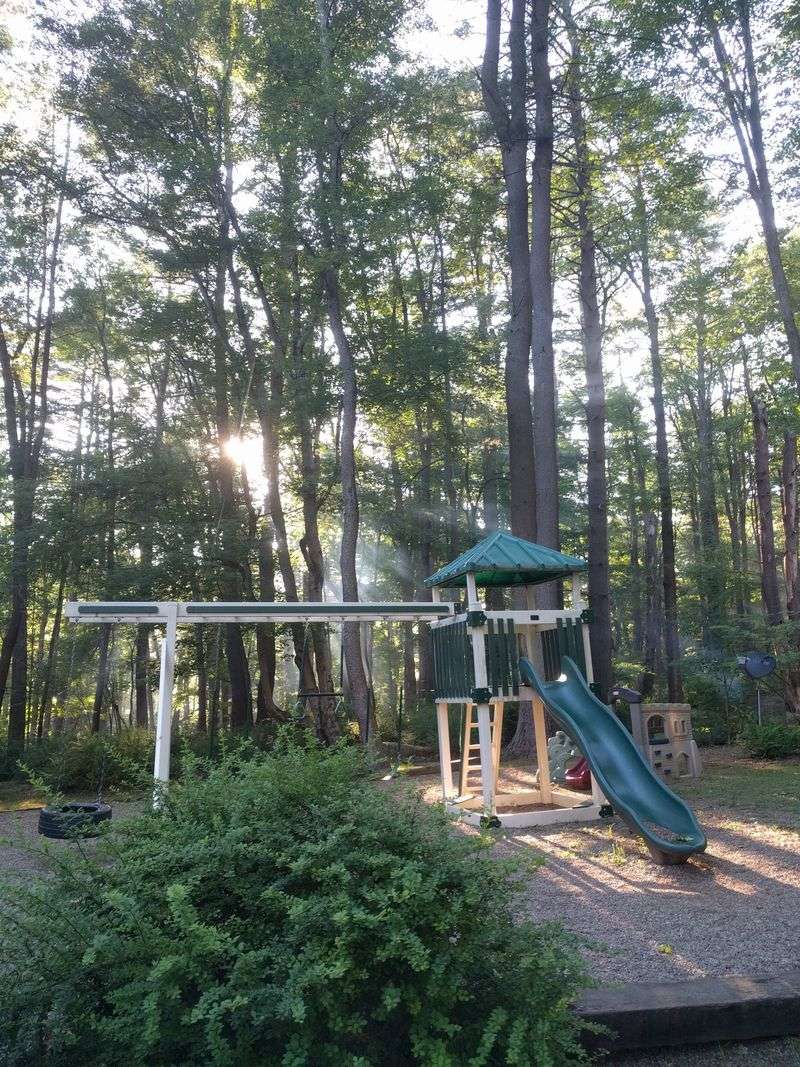
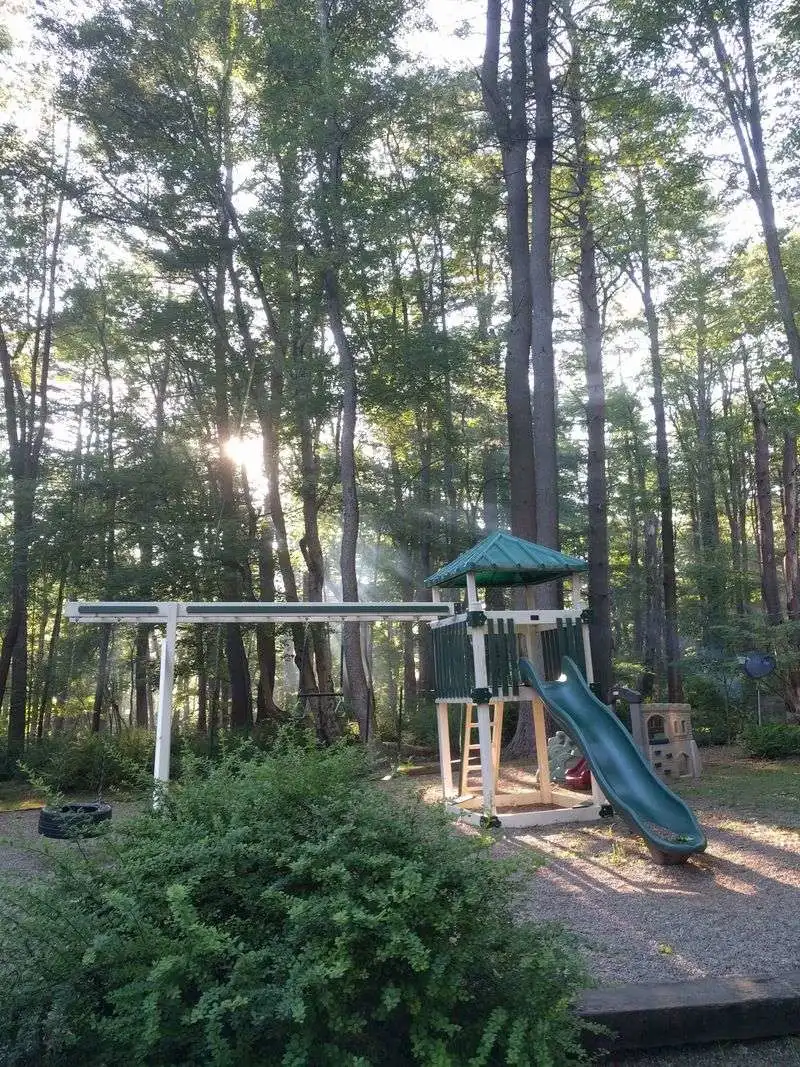
Cook Forest works hard to welcome more people into the woods. An accessible trail segment offers smooth surfacing and gentle grades so strollers and mobility devices can share the canopy.
Picnic areas, restrooms, and parking near the park office make logistics simpler with kids.
Choose shorter trails near Toms Run or the interpretive loops to keep spirits high. Bridges and rock formations add natural wow without long miles.
Wayfinding signs are clear, and rangers at the office are generous with tips and maps.
Pack snacks, layers, and a backup plan because weather and energy can shift quickly. Even a 30-minute wander can feel magical under towering trees.
Treat the visit like play, with frequent stops to look, listen, and touch textures.
Safety scales with preparation: water, sun protection, bug spray, and a small first aid kit. Keep group expectations realistic, and celebrate small wins like reaching a bridge or spotting a deer.
The goal is simple joy in a wild place that still feels gentle.