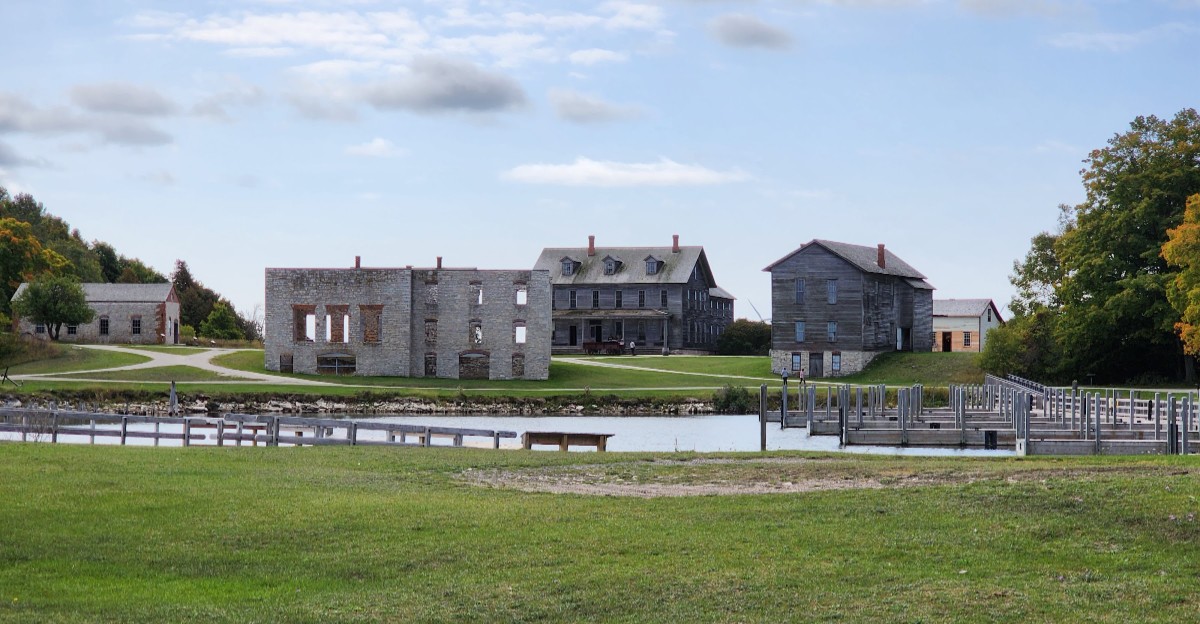
Giant stone blast furnaces still stand beside a quiet harbor shaped like a snail shell. They once cranked out nearly 230,000 tons of pig iron.
Then, in 1891, the whole town simply shut down.
About 500 people lived here during the boom years. They had a band, a baseball team, and even a horse racing track.
Today, more than 20 of their old buildings are still standing in the woods of Michigan.
I love that you can wander through an entire village that time forgot. The hotel, the company office, and worker homes are all still here.
I believe few places make history feel this close.
Add tall limestone cliffs and cedar trees older than most castles. Suddenly, a simple ghost town feels like a full adventure.
A Whole Iron Town Is Waiting For You To Wander Through It
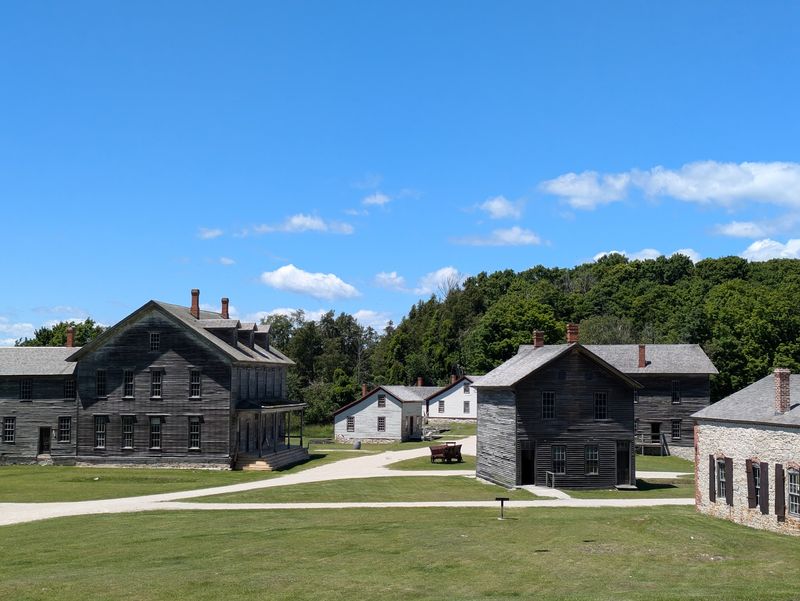
Ghost towns usually mean a few crumbling walls and a lot of guessing. Fayette Historic State Park & Townsite gives you so much more than that.
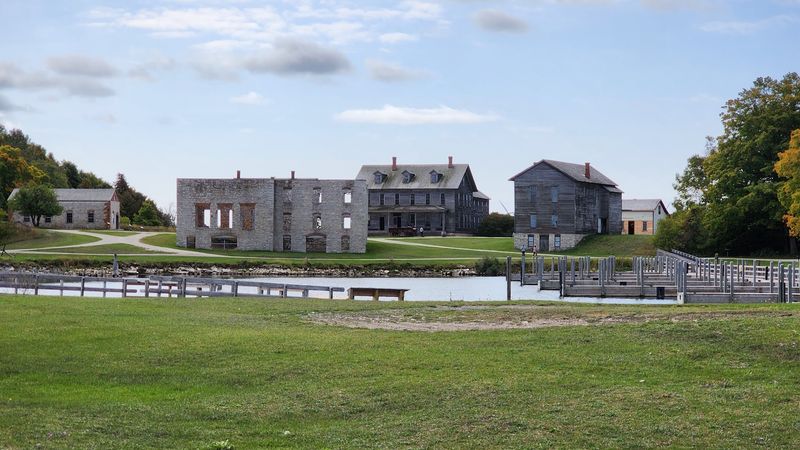
More than 20 preserved and restored buildings from the 1800s still line the shore. You’ll find a hotel, a company office, a machine shop, a warehouse, and several homes.
Families once lived ordinary lives inside these walls. Kids went to school while their parents worked the furnaces or ran the company store.
A replica school classroom shows what lessons looked like back then. A laborer’s log cabin gives you a peek at simpler, tougher living.
Here’s the best part for your wallet. Admission to the historic townsite and museum exhibits is free.
You’ll still need a Michigan Recreation Passport to drive into the park. That small step unlocks an entire village from another century.
The buildings open seasonally, usually from mid-May to mid-October. Plan your trip inside that window if you want to peek indoors.
Guided tours run mostly in summer, and they’re worth catching. A good guide turns empty rooms into stories with real faces attached.
Those Hulking Furnaces Built A Fortune In Pig Iron
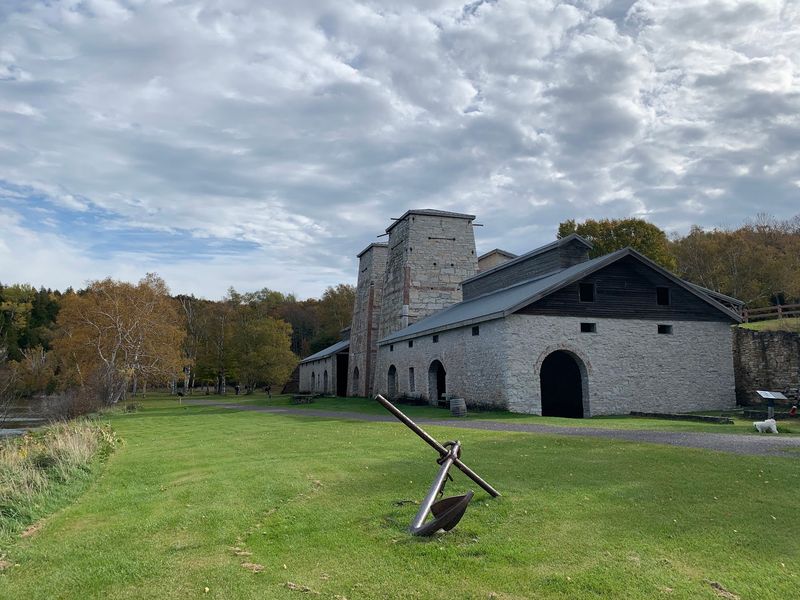
Nearly 230,000 tons of pig iron came out of this tiny town. That’s a staggering number for a place you could walk across in minutes.
The massive blast furnaces are the stars of the show. They still tower over the harbor like stone giants guarding a secret.
Fayette Brown, general manager of the Jackson Iron Company, founded the town in 1867. He picked this spot for some very smart reasons.
Nearby cliffs supplied dolomite, a type of limestone used to purify molten iron. Thick hardwood forests provided wood for charcoal fuel.
Snail Shell Harbor handled the shipping side. Boats could bring in iron ore and carry finished iron away with ease.
The iron fed America’s growing railroad and steel industries. So this quiet corner of Michigan helped build a nation on the move.
Charcoal kilns sit nearby too, and they complete the picture. Wood went in, charcoal came out, and the furnaces roared.
Standing beside these structures makes the scale hit home. It’s hard to believe all that heat and noise happened right here.
So Why Did Everyone Pack Up And Leave In 1891
For 24 years, Fayette bustled with about 500 residents. Many were immigrants from Canada, Finland, Norway, and the British Isles.
Life wasn’t all hard work, either. The town had a coronet band, a baseball team, a school, a post office, and a horse racing track.
Then the trees ran out. The surrounding forests had been cut down to feed the charcoal kilns, year after year.
New iron and steel methods also showed up and changed the game. Fayette’s charcoal approach simply couldn’t keep up with faster, cheaper competition.
The Jackson Iron Company closed its operations in 1891. Without the furnaces, there wasn’t much reason to stay.
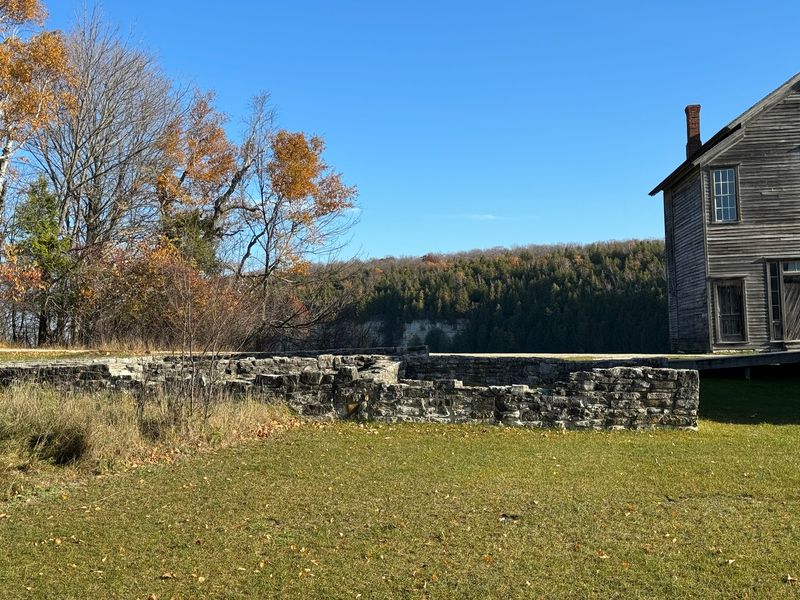
People moved on, and the buildings went quiet. Nature slowly crept back over the empty streets and yards.
I find this part of the story oddly relatable. It’s a reminder that even busy, thriving places depend on what’s around them.
Keep this history in mind as you explore. Every empty doorway suddenly feels like it has something to say.
Start With A Tiny Town That Fits On A Table
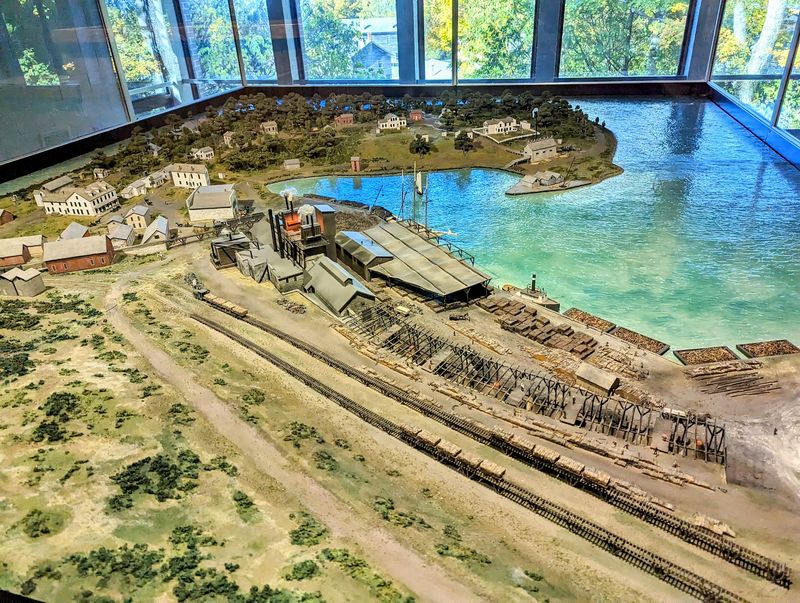
Before you roam the real streets, check out the miniature version. The A.
Gene Gazlay Visitor Center holds a detailed scale model of the 1880s company town.
Seeing it from above helps everything click. You can spot where the furnaces, homes, and docks sat in relation to each other.
Exhibits also explain the area’s ancient forest and limestone bluffs. Those natural features shaped why Fayette existed at all.
Kids especially tend to love a good model. It’s like a giant dollhouse, except this one comes with a real history lesson.
The center has a museum store for souvenirs and books. Concessions are available too, which helps when snack time sneaks up.
Modern restrooms are another quiet win. After hours of exploring old buildings, you’ll appreciate this very new convenience.
I’d suggest making this your first stop. Ten minutes here makes the rest of the townsite much easier to understand.
Then head outside with a mental map in your head. The real buildings will feel familiar, like meeting a pen pal in person.
Climb Up For Cliffside Views That Steal The Show
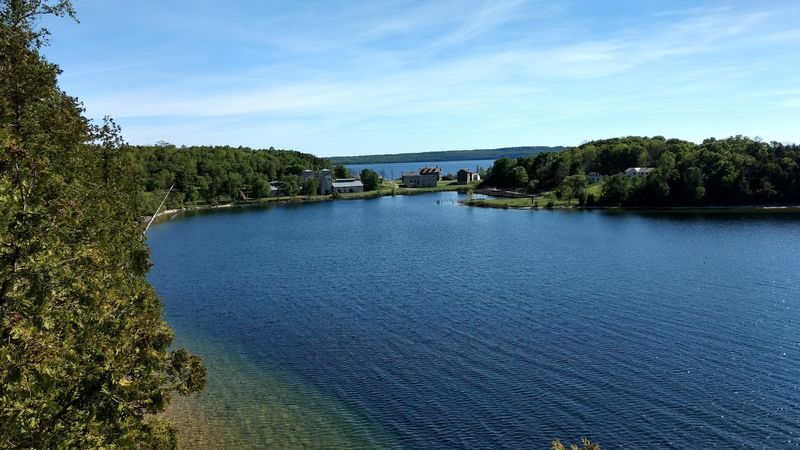
Limestone bluffs up to 90 feet high rise above the harbor. From the top, the old townsite looks like a postcard from 1880.
Fayette Historic State Park offers roughly 3.5 to 5 miles of trails. They wind through hardwood forests and along those dramatic cliff edges.
The views of Snail Shell Harbor are the real payoff. Blue water, stone furnaces, and green trees all fit into one frame.
Wear sturdy shoes and keep an eye on little ones near the edges. Those cliffs are beautiful, but they demand respect.
Here’s a jaw-dropper for tree fans. Some eastern white cedars here are more than 1,400 years old.
They rank among the oldest trees in any Michigan state park. These trees were already ancient long before anyone built a furnace.
Winter brings a fresh option. Some trails get groomed for cross-country skiing when the snow settles in.
Leashed pets are welcome on trails too. Your dog may not care about pig iron, but it will love the smells.
Grab A Paddle Because That Harbor Is Calling
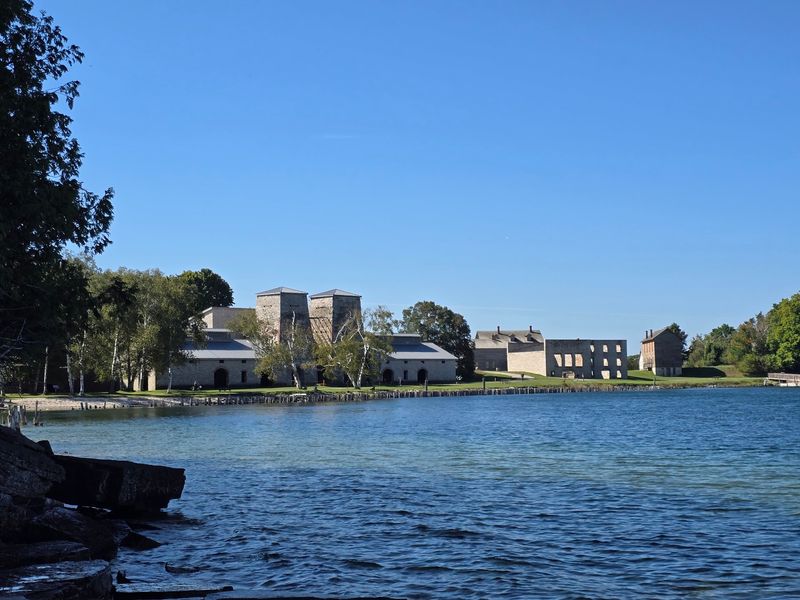
Snail Shell Harbor earned its name from its curly shape. It also happens to be a wonderful spot for kayaking, canoeing, and stand-up paddleboarding.
Paddling past the old furnaces gives you a whole new angle. You’ll see the town the way sailors once did.
Boaters have options too. The marina offers 15 transient slips with electrical pedestals and Wi-Fi.
Slips open from early May to early November. That’s a long season for a spot this far north.
Curious about what’s under the surface? Scuba diving and snorkeling are allowed during specific times with a fee and permit.
One rule is firm. Any submerged artifacts must stay exactly where they are.
Anglers can try their luck in Big Bay de Noc and Little Bay de Noc. Both are known for excellent fishing.
Would you rather stay on land? E-bike rentals are available at the park for easy cruising.
Sunset At The Swim Beach Is A Strong Way To End The Day
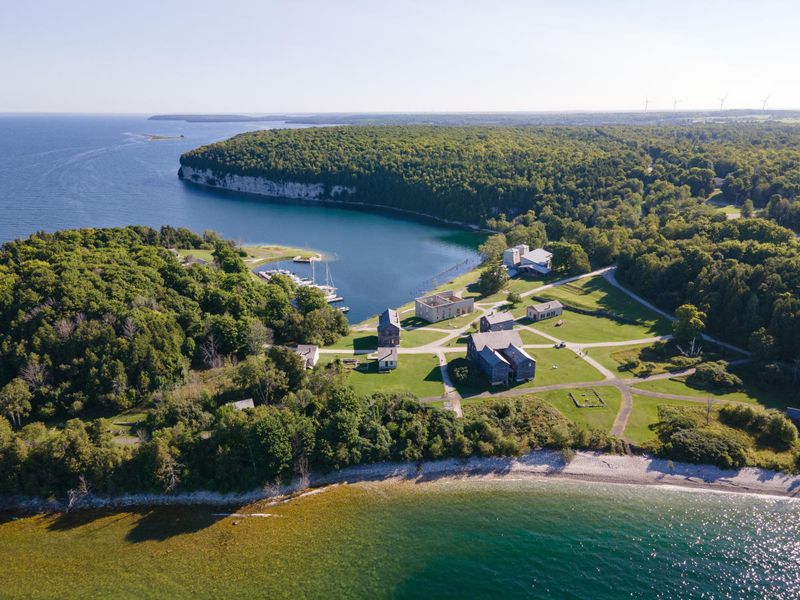
After a day of history lessons, your feet will want a break. The designated swim beach is ready to help.
It’s a popular spot for picnics and splashing. Pack sandwiches and let the kids burn off their last bit of energy.
Evenings bring another reason to linger. The beach is known as a lovely place to watch the sun go down.
The park sits along Big Bay de Noc on Lake Michigan. That big water makes for a wide, open sky.
Now for a quirky stop. Slag Beach is scattered with leftover furnace waste that looks like glassy cinder.
It’s basically trash from the 1800s that turned oddly pretty. Only in a ghost town does garbage become a sightseeing spot.
A quick note for dog owners matters here. Pets aren’t allowed on swimming beaches or inside historic buildings.
So plan your pup’s fun around the trails and day-use areas. Everyone stays happy, and the sand stays clean.
Stay Overnight And Let The Ghost Town Be Your Neighbor
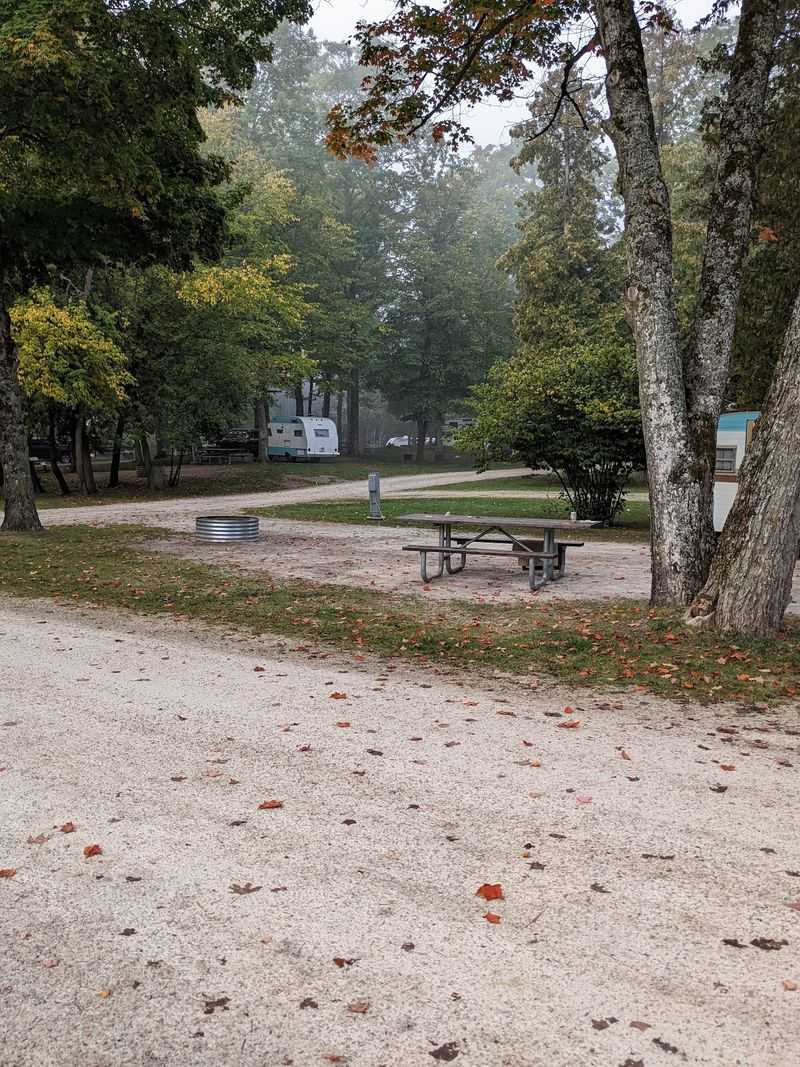
Few campgrounds come with a historic village next door. The Fayette Modern Campground offers 61 sites for that rare experience.
You’ll find both 20/30-amp and 20/30/50-amp pull-through options. Each site includes a picnic table and fire circle.
Showers and restrooms are on hand too. Roughing it doesn’t have to mean skipping a hot rinse.
Hammock camping is offered for those who like to sway. Boat camping in Snail Shell Harbor is another fun twist.
Not a tent person? The Furnace Hill Lodge rents year-round and sleeps up to 10 people.
It includes a full kitchen and modern amenities. That makes it great for family reunions or a big group trip.
The campground runs seasonally, usually mid-May to mid-October. Book early during summer if you have your heart set on it.
Park grounds open daily from 8 a.m. to 10 p.m. ET.
Overnight guests get the bonus of quiet mornings by the harbor.
Lantern Hikes, Fall Fun, And A Paranormal Night Fill The Calendar
Late January brings lantern-lit hikes and skiing through the snowy townsite. Glowing paths and old buildings make a magical winter scene.
Summer gets silly with Christmas in mid-June. Campers decorate their sites like it’s the holidays.
Early August hosts Heritage Day with 19th-century activities. It’s a fun way to see how Fayette families spent their days.
Mid-September turns spooky with the Paranormal Event. Pre-registration is required, so don’t wait too long to sign up.
The Annual Fall Fest arrives in early October. Expect hayrides, pumpkin decorating, and a costume contest.
Getting here is part of the adventure. Fayette Historic State Park & Townsite sits at 4785 II Road, Garden, MI 49835.
It’s on the Garden Peninsula in Michigan’s Upper Peninsula. The park rests between Snail Shell Harbor and Sand Bay.
The state bought the site in 1959 to protect it. It joined the National Register of Historic Places in 1970, and honestly, the ghosts seem pleased.