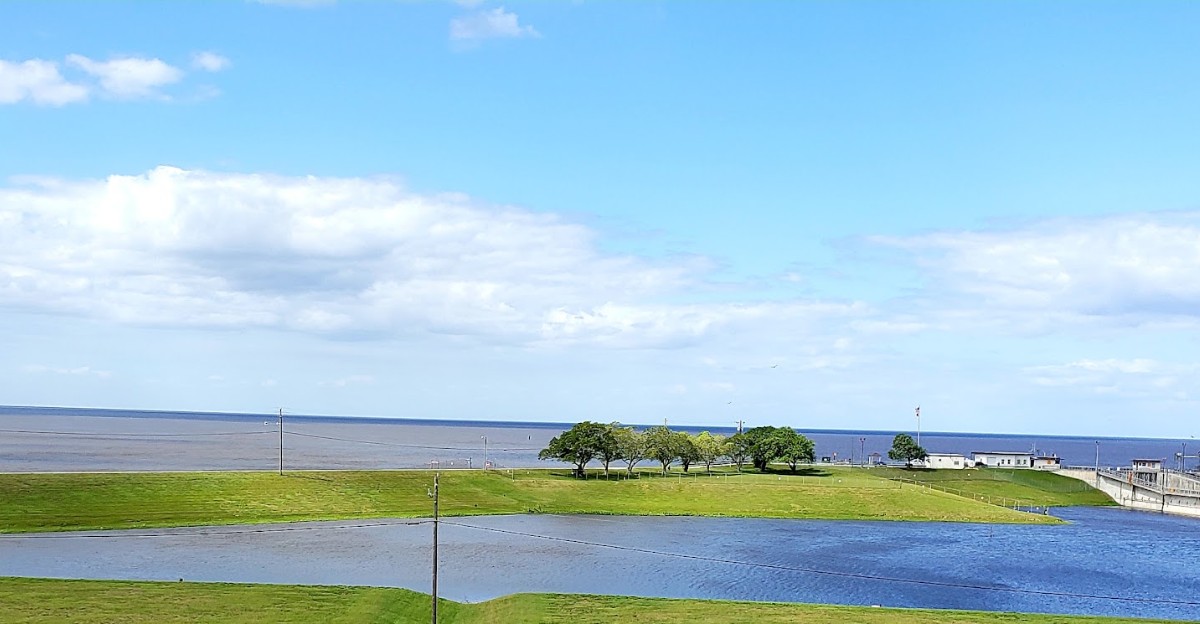
A hurricane once pushed lake water over a dirt levee only five to eight feet tall. The surge didn’t stop at the edge of the water.
It rolled across farm towns and kept them underwater for weeks.
Some of those communities had names most people today have never heard, like Chosen and Okeelanta. A few were rebuilt.
Others simply faded off the map.
I can’t imagine standing on a quiet grassy bank and knowing what happened right below it. Yet that is exactly what this spot in Florida offers.
The calm view hides one of the hardest stories the state ever lived through.
I believe some places deserve more than a glance from a car window. This one asks you to slow down, look closer, and remember.
So what really lies beneath that long green wall?
That Long Green Hill Is Holding Back A Whole Lake
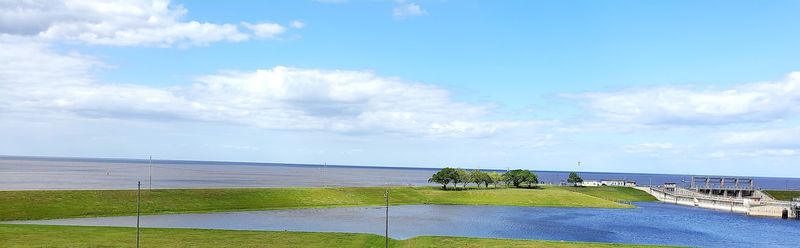
Drive around Lake Okeechobee and you’ll notice something odd. A tall, grassy ridge keeps blocking your view of the water.
That ridge is the Herbert Hoover Dike, and it wraps around most of the lake. It stretches roughly 140 miles, which is longer than many road trips.
From the road, it looks like a gentle hill covered in grass. In reality, it’s a giant flood barrier built by the U.S.
Army Corps of Engineers.
Its job is simple to explain but huge in scale. The dike keeps a shallow, wind-pushed lake from spilling into the towns and farms nearby.
Lake Okeechobee is the biggest freshwater lake in Florida. When strong storms blow across it, the water can slosh like a bathtub tipped to one side.
People once learned that lesson the hardest way possible. The dike exists because of what happened before it was built.
So the next time that green wall blocks your lake view, give it a little credit. It’s quietly doing one of the most important jobs in South Florida.
And underneath all that grass sits a story worth knowing. The rest of this list tells it.
One September Night Rewrote The Map Of South Florida

September 16, 1928, started like many late-summer days in South Florida. By nightfall, a Category 4 hurricane was tearing across the region.
The storm hit hardest along the southern shore of Lake Okeechobee. Its powerful winds shoved the lake’s water south, straight toward the farm towns.
Back then, only small earthen dikes protected those communities. They stood just five to eight feet high, which wasn’t nearly enough.
The lake water rose over them in a massive surge. Reports describe water reaching about ten feet, and as much as twenty feet in some places.
Families had very little warning and almost nowhere to go. The land around the lake is flat, so the water spread fast and far.
Floodwater covered an area about 75 miles wide around the lake’s southern end. It stayed for several weeks, making rescue and recovery painfully slow.
Historians often call it Florida’s Forgotten Storm. That nickname feels strange once you learn how big it was.
It ranks among the worst natural disasters in U.S. history. Knowing that date changes how the quiet lake looks today.
Some Towns Got Rebuilt, And Some Simply Slipped Away
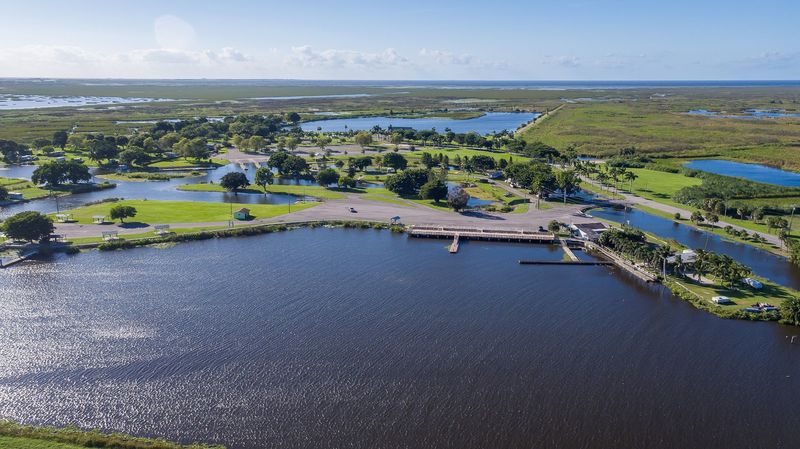
Belle Glade, Canal Point, Chosen, Pahokee, and South Bay. Those were among the hardest-hit communities when the lake broke loose in 1928.
The list keeps going, too. Bean City, Okeelanta, Ritta Island, Lake Harbor, Sand Cut, Kreamer Island, and Port Mayaca all faced destruction.
Belle Glade and Pahokee eventually came back. Today they’re still home to families, schools, and businesses along the lake.
Other places weren’t so lucky. Some became ghost towns, and others were largely erased from the landscape.
Have you ever heard of Chosen or Okeelanta? Most people haven’t, and that’s part of what makes this history so haunting.
The later dike construction changed the land even more. In some spots, like Kreamer Island, it cut off access to former communities.
That’s why this story is often described as lying beneath the dike. Bits of old Florida sit just out of view, under grass, water, or farmland.
Reading these names out loud is a small way to keep them alive. Each one was somebody’s hometown.
The Human Cost Still Calls For Remembering
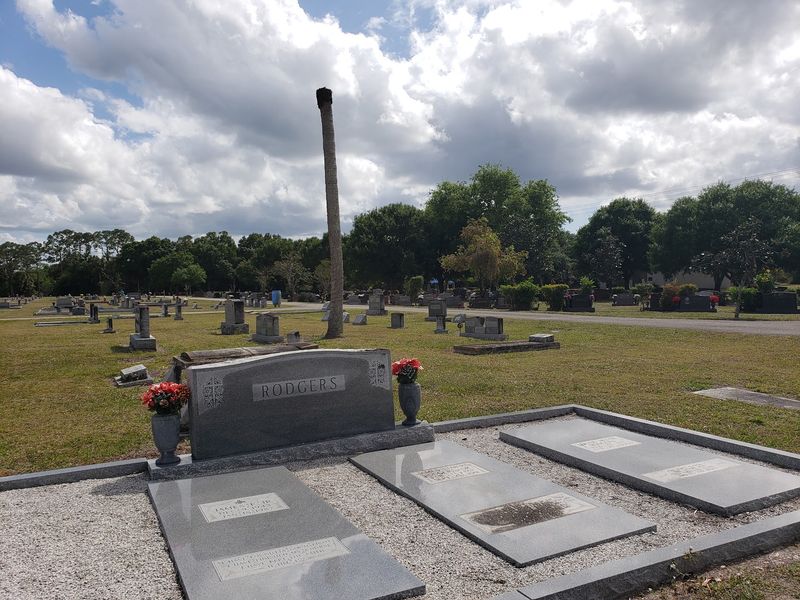
An estimated 2,500 to 3,000 people lost their lives in Florida during the 1928 storm. Those numbers are hard to even picture.
Most of the victims were non-white migrant farm workers. They had come to the rich soil around the lake to plant and harvest crops.
Many were buried in mass graves after the flood. For a long time, their stories received far less attention than they deserved.
Thankfully, that has started to change. Memorials now honor the victims, including sites at Port Mayaca Cemetery and in West Palm Beach.
Visiting one of these memorials adds real weight to a trip along the lake. It turns a scenic drive into a moment of respect.
Bring kids, too, if you can. This is history they won’t always find in a textbook, and it’s close to home for Floridians.
I like that these places ask for nothing fancy. Just a few quiet minutes and a willingness to listen.
Remembering the workers who built this farming region matters. Their story is part of why the dike stands today.
Old-School Engineering Left Some Homework For Later
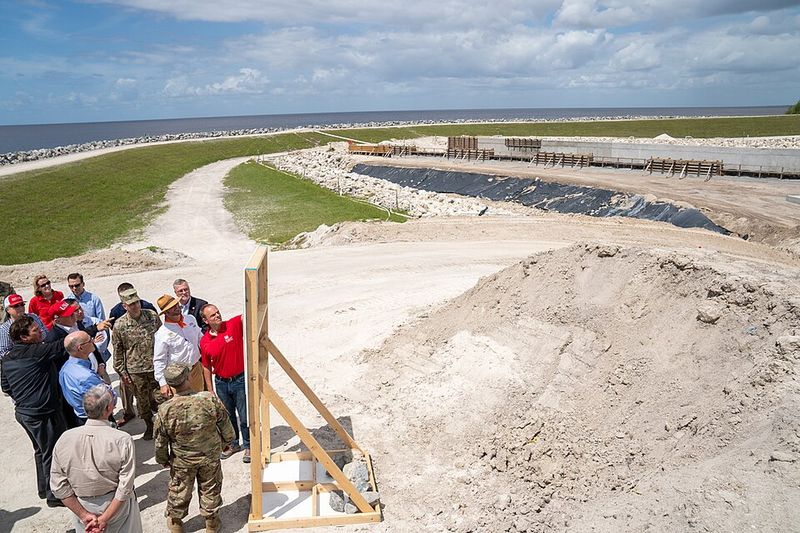
Here’s a fun engineering twist. The original dike was built by scooping up shell, rock, and gravel from the area.
Those materials let water pass through more easily than engineers would like. Experts call that being pervious, and it can lead to seepage.
Seepage happens when water slowly works its way through or under a barrier. Over many years, it can weaken an earthen wall.
Modern standards wouldn’t allow those original methods today. Engineers now understand seepage much better than crews did in the 1930s.
That doesn’t make the old builders careless. They worked with the tools and science they had, and they moved fast for a good reason.
Because of that history, the dike has needed upgrades over time. The Corps has carried out major repair and strengthening work to bring it closer to modern standards.
It’s a good reminder that safety projects never really end. A wall this long needs regular checkups, just like a family car.
So when you see work crews or fresh repairs along the Herbert Hoover Dike, that’s a good sign. Someone’s keeping an eye on it.
Your Sneakers Can Follow The Top Of History
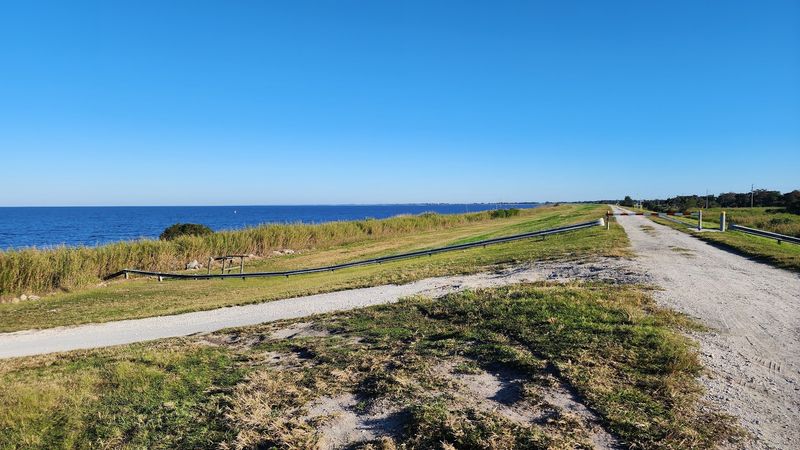
The top of the dike isn’t just for engineers. Much of it carries the Lake Okeechobee Scenic Trail, part of the Florida National Scenic Trail.
Walkers and cyclists use the trail to see the lake from above. The height gives you views that are hard to get anywhere else in such flat country.
Look for wading birds, turtles, and wide open sky. On a clear day, the water seems to stretch on forever.
Bring plenty of water and sun protection. Shade is limited up there, and South Florida heat doesn’t play around.
Morning and late afternoon tend to be more comfortable. Midday sun can turn a pleasant stroll into a sweaty slog fast.
Some sections may close for repairs or maintenance. It’s smart to check for trail updates from the Army Corps of Engineers before heading out.
Here’s the part I like most. You’re literally standing on the answer to the 1928 disaster while enjoying a peaceful view.
That mix of beauty and history makes every step feel a bit more meaningful. Not many trails can say that.
Plan A Visit That Honors The Story Behind The View
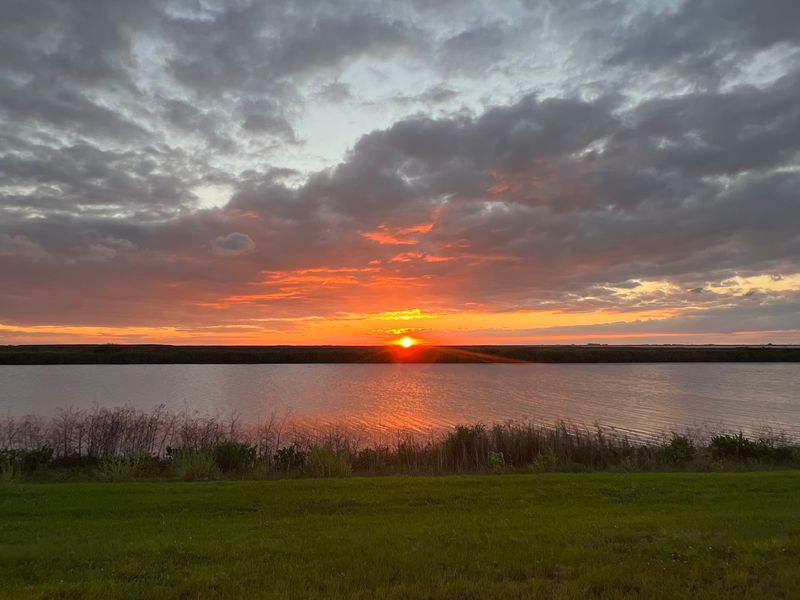
A trip here works best with a little homework. Learn the names of the lost towns before you go, and the landscape starts talking back.
One stretch is listed simply as Herbert Hoover Dike, Lake Okeechobee, Florida 33440. That puts you near the lake’s southwestern side, close to Clewiston.
From there, you can loop toward South Bay, Belle Glade, and Pahokee. Each stop adds another piece of the 1928 story.
Leave time for a memorial visit if you can. Port Mayaca Cemetery sits on the lake’s eastern side and honors storm victims.
Pack snacks, water, binoculars, and a camera. Wildlife and wide lake views make the drive worth stopping for again and again.
Keep an eye on the weather, especially during hurricane season. The irony of getting caught in a storm here would be a bit much.
Most of all, slow down. The Herbert Hoover Dike rewards people who take a moment to think about what came before it.
Florida has flashier attractions, sure. Few of them hold this much history under a simple carpet of grass.