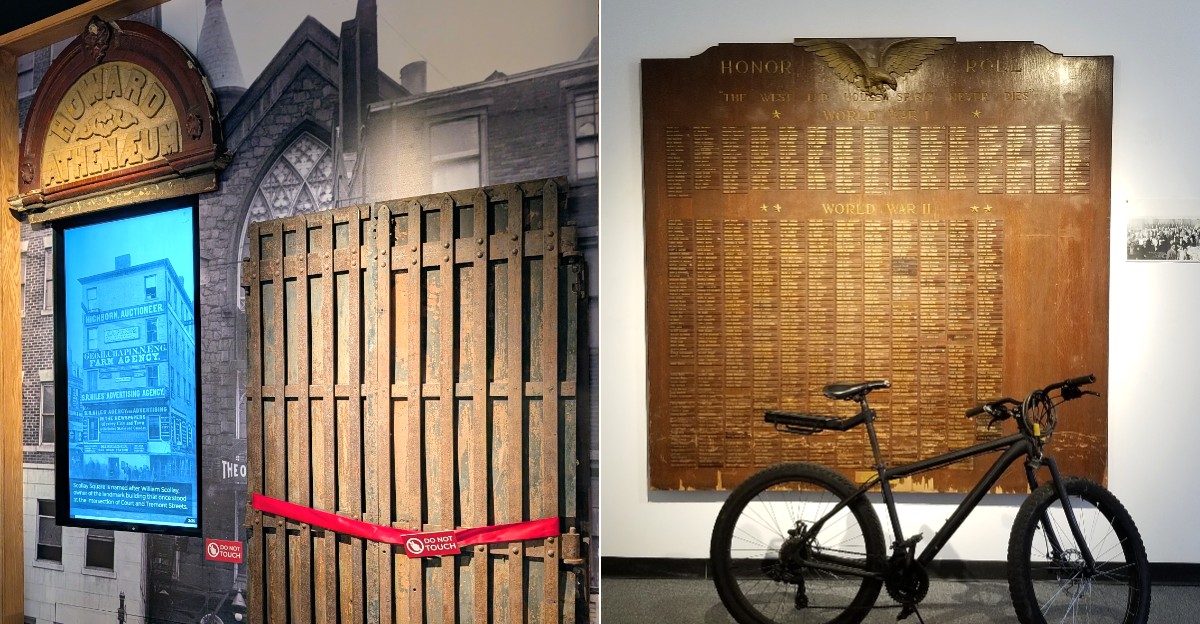
In 1958, thousands of families got eviction notices telling them their whole neighborhood was coming down. Over 300 buildings vanished across about 46 acres.
Roughly 2,700 families had to pack up and leave.
I can’t imagine coming home to a letter like that. Many of those families believed they could return once the new buildings went up.
That promise never came true.
Today, the spot holds towers, hospital buildings, and modern housing. Most people rushing past have no clue a lively, mixed immigrant community once filled those streets.
I believe that silence is the strangest part of the story.
One small museum in Massachusetts refuses to let the memory fade. It collects photos, objects, and voices from the people who lived there.
So what exactly was lost, and why does it still matter?
A Small Museum Keeps A Vanished Neighborhood Talking
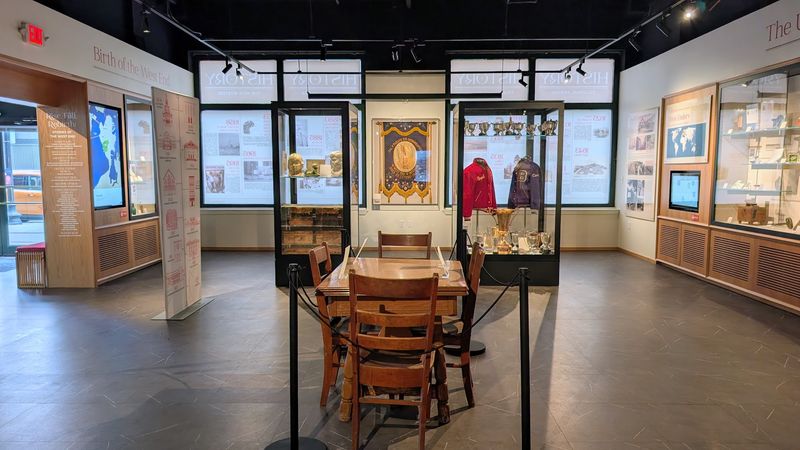
Some museums guard royal crowns or dinosaur bones. The West End Museum guards something harder to hold, which is the memory of an entire Boston neighborhood.
Its mission is simple and bold. The museum collects, preserves, and shares the history and culture of Boston’s West End.
It also looks at the bigger picture of city planning. Exhibits explore urban renewal, development, and the activism that pushed back against it.
That focus makes it unusual in Massachusetts. Few places tell the story of a neighborhood that no longer exists on the map.
The museum also asks visitors to do something. It challenges people to take an active role in shaping their own communities.
I like that it doesn’t just look backward. The lessons here feel useful for anyone who cares about their street, their town, or their city hall.
The space is compact, so you won’t need a whole day. A focused visit can still leave you with a head full of questions.
Plan to read slowly, though. The stories here reward patience, and rushing past them would miss the point entirely.
Bring curiosity. You’ll likely leave seeing Boston’s skyline a little differently than before.
Four Centuries Of Stories Fit Into One Exhibit Room
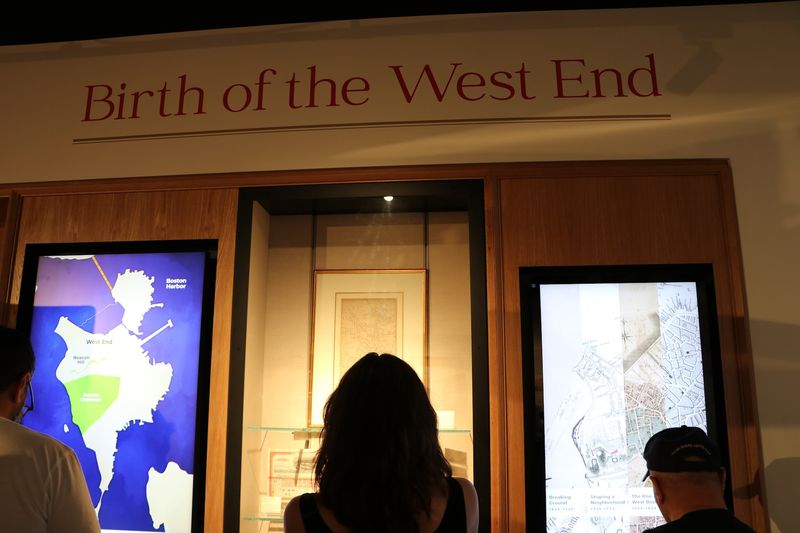
Four hundred years is a lot of history for one room. The permanent exhibit, Rise, Fall, Rebirth: Stories of the West End, takes on that challenge without blinking.
It walks you through the neighborhood’s full arc. You’ll meet the residents, see how outsiders mischaracterized them, and learn how the area was torn down.
The exhibit doesn’t stop at the bulldozers. It also covers the West End’s modern identity, which many people forget even exists.
Information comes in several forms. There are interpretive panels, videos, artifacts, and interactive digital materials to explore.
That mix helps a lot. Readers can soak up the panels, while hands-on learners can tap through the digital displays.
Kids who get bored by text walls may perk up at the screens. Adults who love details will find plenty to chew on.
The title itself tells you the shape of the story. Rise, then fall, then rebirth.
My tip is to start with the earliest material and move forward in order. The destruction hits harder once you know what life looked like before it.
Give each section a few honest minutes. The payoff is worth it.
Meet The Neighbors Who Made The Old West End Hum
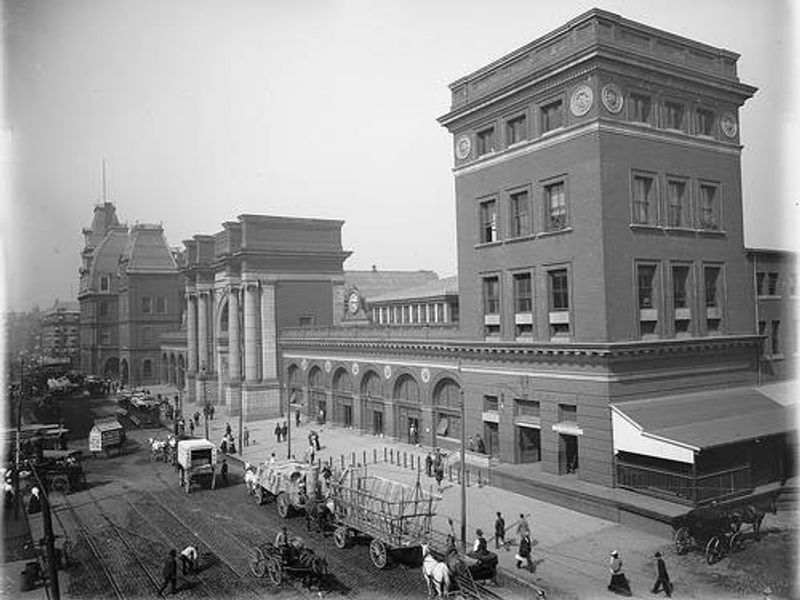
Irish, Jewish, Italian, Polish, and Black American families all shared these crowded streets. The West End was a working-class immigrant neighborhood packed with different cultures.
Wealthy Bostonians often called it a slum. The people who actually lived there saw a close-knit home with deep roots.
That gap in viewpoints is a big theme here. The West End Museum shows how labels from outsiders helped justify tearing the area down.
The neighborhood’s past goes deeper than the 1950s. After the American Revolution, the West End became an important home for free Black citizens.
It also played a role in Boston’s huge immigrant era. Newcomers arrived, settled, worked, and built lives in these blocks.
The museum even highlights the area’s contributions to innovations in the city. A so-called slum turned out to be pretty productive.
I think this is the heart of the whole visit. Once you know the faces and families, the demolition stops feeling like a planning chart.
It starts feeling personal. That’s exactly why the museum spends so much time on everyday people.
Look for the names. They matter.
The Eviction Notices Arrived On A Single Spring Day
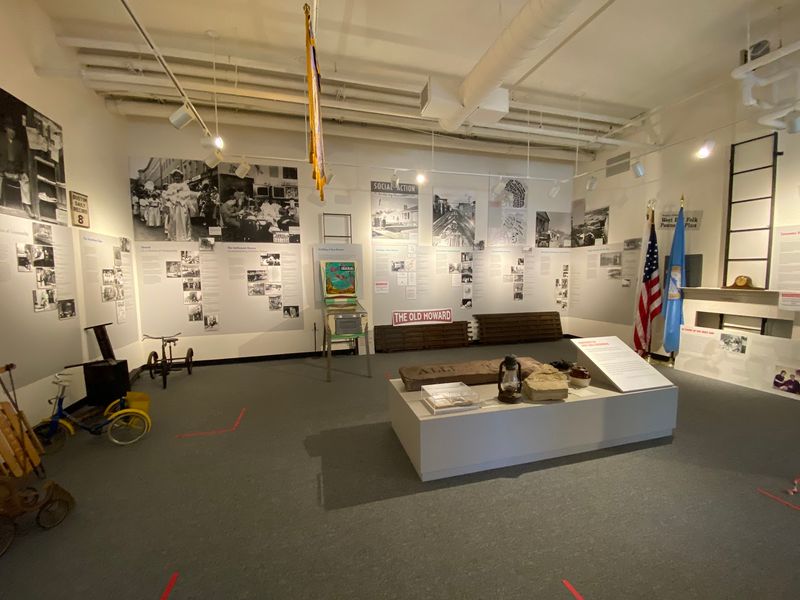
April 25, 1958, changed everything. That’s when West End residents received eviction notices.
The city had announced its renewal plans on April 11, 1953. Mayor John Hynes backed the project as part of a New Boston push.
The goal was to lure suburban families back with modern living spaces. Leaders also wanted to clear areas they considered slums.
Demolition ran from 1958 to about 1962. More than 300 buildings came down across roughly 46 to 48 acres.
Somewhere between 12,000 and 14,000 people were displaced. That’s around 2,700 families sent looking for new homes.
Relocation help was often thin. Many families saw their rent more than double after the move.
Plenty of them couldn’t afford the new luxury high-rises built on their old blocks. Many had believed they would return, but that never happened.
The numbers feel cold on paper. The West End Museum gives them weight by tying them to real households.
Today the project is widely seen as a major planning mistake. That’s a tough lesson, and Boston learned it the hard way.
Government Center Rose Where Scollay Square Once Partied
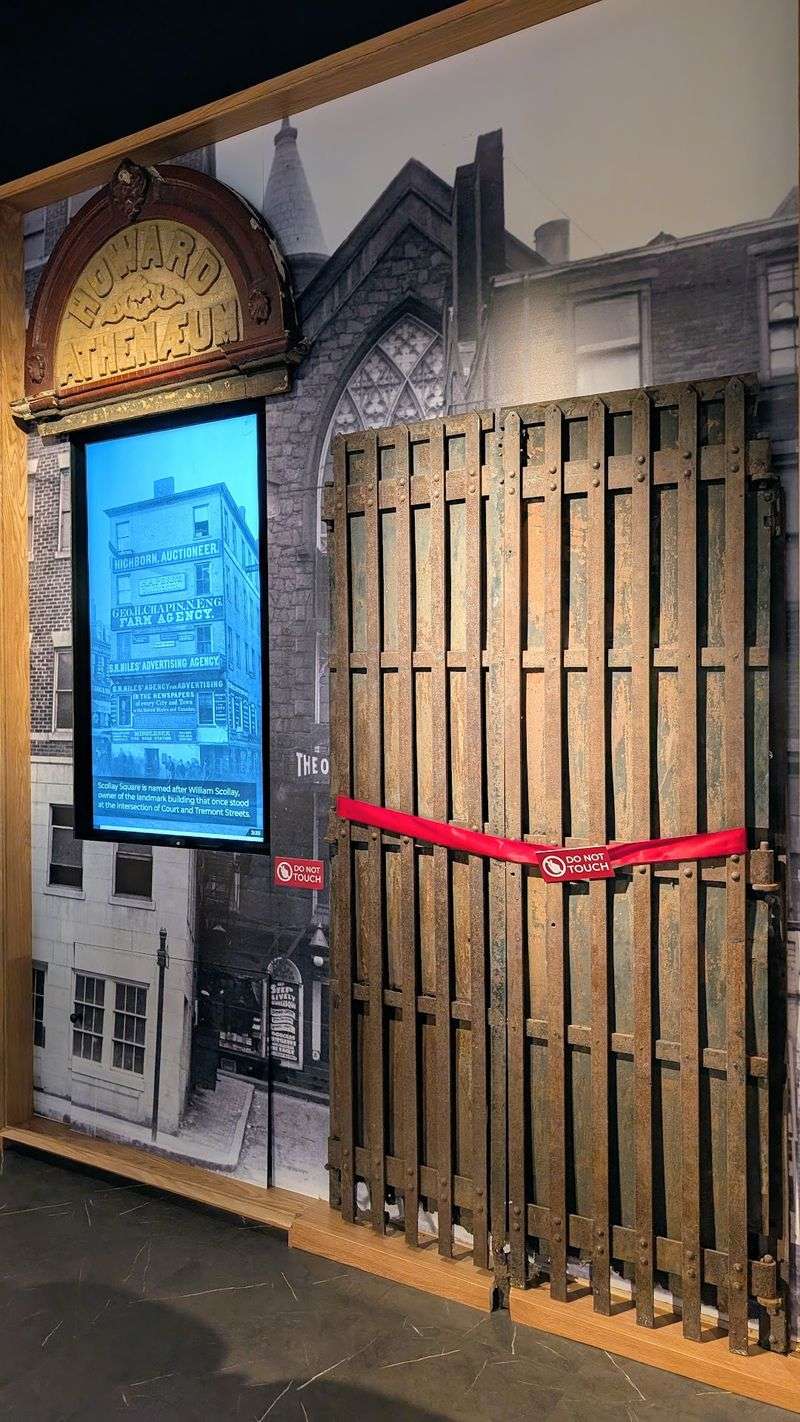
Boston City Hall’s famous concrete shape sits on ground that once looked completely different. The broader Government Center project also reshaped Scollay Square.
Scollay Square was a lively commercial district known for entertainment. It was swept up in the same wave of change.
In its place came City Hall, City Hall Plaza, and the John Fitzgerald Kennedy Federal Building. Most of Government Center was finished by 1968.
The old West End itself gave way to other projects too. Massachusetts General Hospital expanded, and residential towers like Charles River Park went up.
Here’s a fun way to use this history. After your visit, walk past these buildings and try to picture the streets underneath.
It’s a strange mental exercise. Familiar landmarks suddenly feel like a thin top layer over a much older story.
Boston also took notes from the experience. Later renewal efforts, including in Charlestown, leaned toward preserving more of what already stood.
So the West End’s loss shaped other neighborhoods’ futures. That’s a bittersweet kind of legacy.
Not bad for a place many people barely remember.
Short Films Do Some Heavy Lifting Here
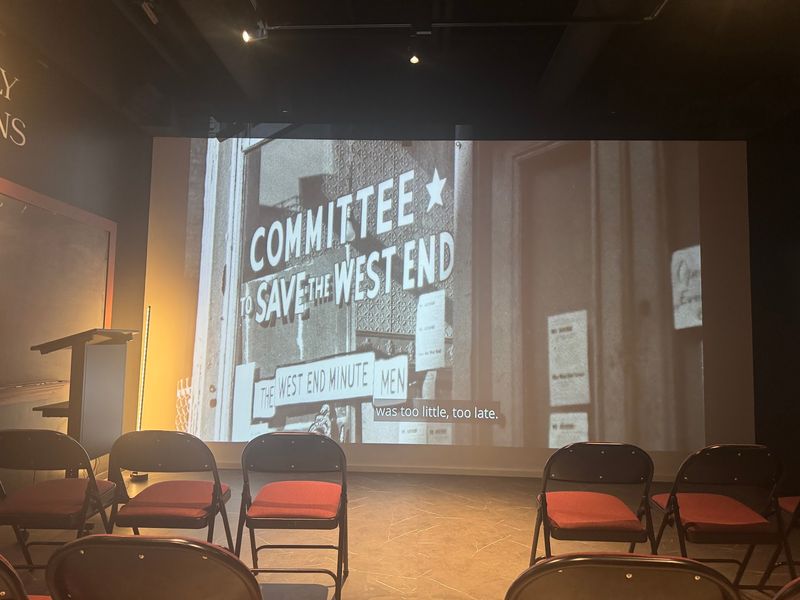
Sometimes a screen tells a story faster than any sign could. The West End Museum includes a video exhibition gallery filled with short films about the neighborhood’s history.
Moving pictures bring a different energy. You can see the streets, hear the voices, and catch the mood of a time long gone.
Videos also appear inside the permanent exhibit. They sit alongside artifacts and panels, so the story keeps shifting formats.
That variety helps the visit flow. Your eyes get a break from reading, and your brain stays switched on.
I like watching a film before diving deep into the displays. Context makes every object afterward feel more meaningful.
Families with younger kids may especially appreciate this part. A short film is an easier entry point than a long label.
Grab a seat if one is available, and give it your full attention. These clips aren’t filler.
They carry real memories from real West Enders. Some details stick with you long after the screen goes dark.
Just maybe skip checking your phone during this part. The West End deserves your eyes.
Rotating Exhibits Keep Giving You A Reason To Return
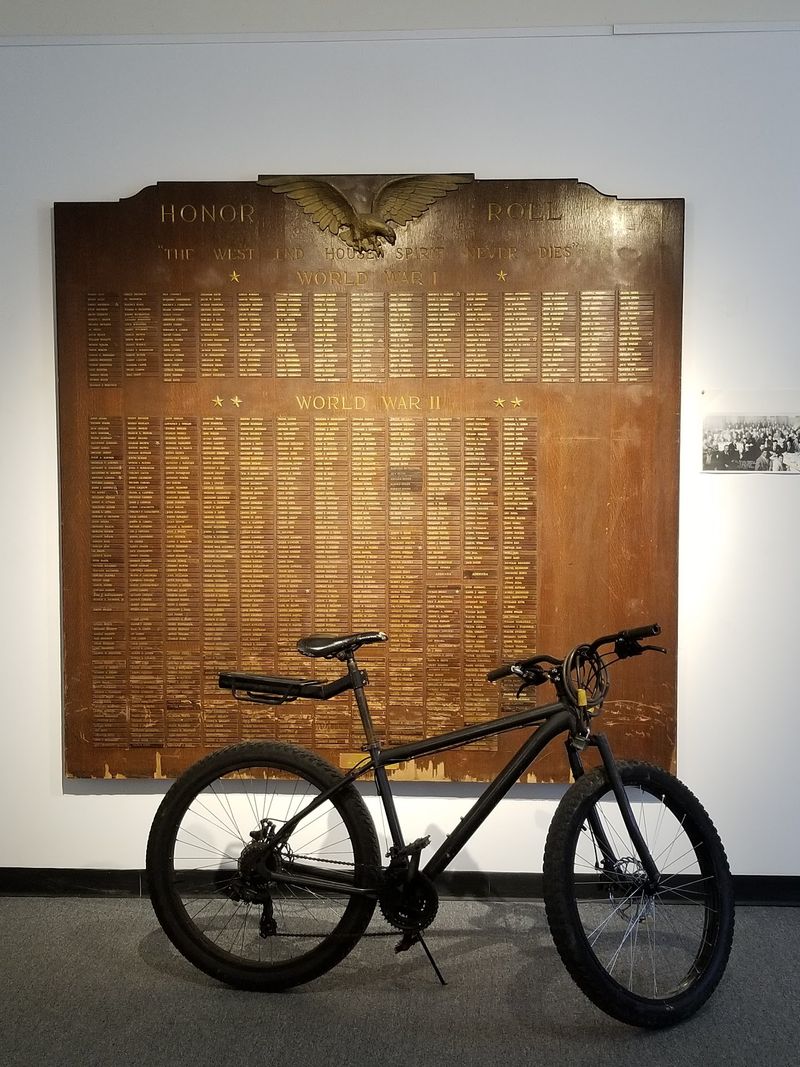
One visit might not be enough. The museum hosts rotating exhibits, so the walls don’t stay the same forever.
Past and current examples show the range. Queer History West End shines a light on LGBTQ stories tied to the neighborhood.
Another, Portrait Project: Honoring 250 Years of Changemakers in Boston, celebrates people who pushed the city forward. That fits nicely with the museum’s activist spirit.
These shows prove the West End story has many angles. Housing is part of it, but so are identity, art, and community leadership.
A smart move is checking what’s on display before you go. Exhibits change, and you might catch something brand new.
Locals in Massachusetts have a real advantage here. Popping in every few months could become an easy, low-stress habit.
Visitors from farther away still benefit too. Whatever’s hanging during your trip adds a fresh layer to the permanent story.
I love when a small museum keeps evolving. It shows the people behind it are still digging, still learning, and still curious.
That energy is contagious. Expect to leave with a few new names to look up.
Talks And Walking Tours Turn History Into Conversation
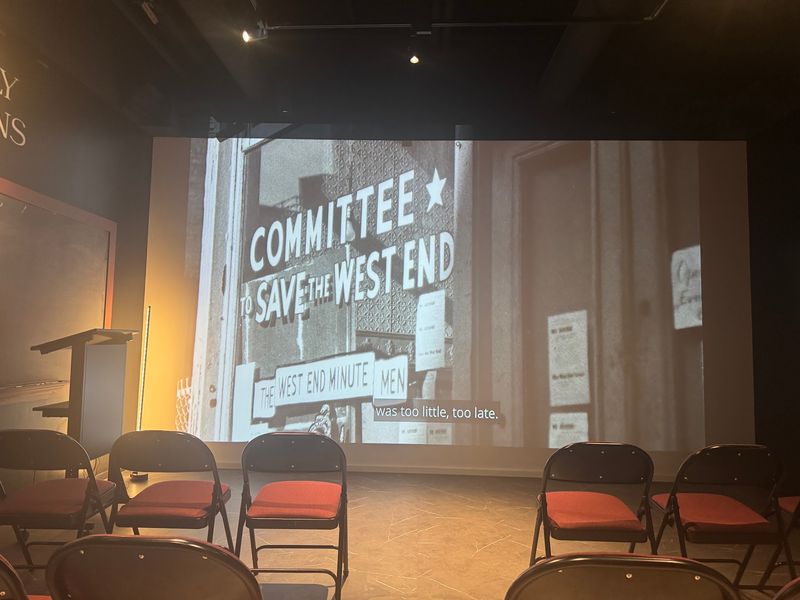
History hits differently when you’re standing on the actual ground. The museum offers tours, both in person and virtual, plus talks and community events.
In-person tours let you connect the exhibits to real streets. Suddenly that modern tower has a backstory you can’t unsee.
Virtual options open the door for people far away. You don’t have to live in Boston to learn about its lost neighborhood.
Talks bring in fresh perspectives on the area and its story. They’re a great fit for anyone who likes asking questions out loud.
Community events add a social side to the experience. Learning with neighbors often feels livelier than learning alone.
Schedules change, so check upcoming programs before planning around one. A little homework can line up a great afternoon.
I think these programs are where the mission really comes alive. The museum wants people to shape their communities, and conversation is where that begins.
Urban planning fans will feel right at home. Curious beginners are welcome too.
Nobody needs a degree to care about where people get to live. That question belongs to all of us.
Plan Your Visit Around These Easy Details
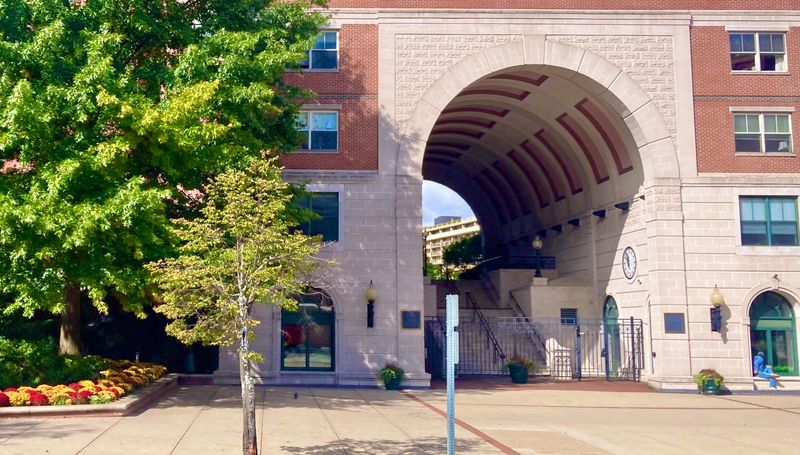
Finding the museum is easier once you know one trick. The address is 150 Staniford Street, Suite 7, Boston, MA 02114, but the entrance sits along Lomasney Way.
It’s close to Massachusetts General Hospital and not far from Government Center. That makes it handy to pair with a downtown Boston day.
The museum reopened on May 23, 2024. A flood had closed it back in January 2022.
It’s typically open Wednesday through Sunday and closed Mondays and Tuesdays. Hours can shift, so double-check before heading over.
Admission has standard and discounted rates for veterans, seniors, and students. Members, displaced West Enders, and kids under 10 get in free.
Even better, the museum runs on a pay-what-you-can basis. Nobody should miss this story because of cost.
Parking nearby can be tricky in this part of the city. Public transit or walking may save you a headache.
Leave time to wander the surrounding blocks afterward. Knowing what used to stand there makes even a quick stroll feel meaningful.
The West End Museum is small. Its story is enormous.