A routine landfill cleanup in May 1962 lit a fire that is still burning today. It slipped into an old coal seam and never came back out.
More than six decades later, it’s still smoldering under the hills of Pennsylvania.
The town above it once had roughly a thousand people. Now only a handful remain.
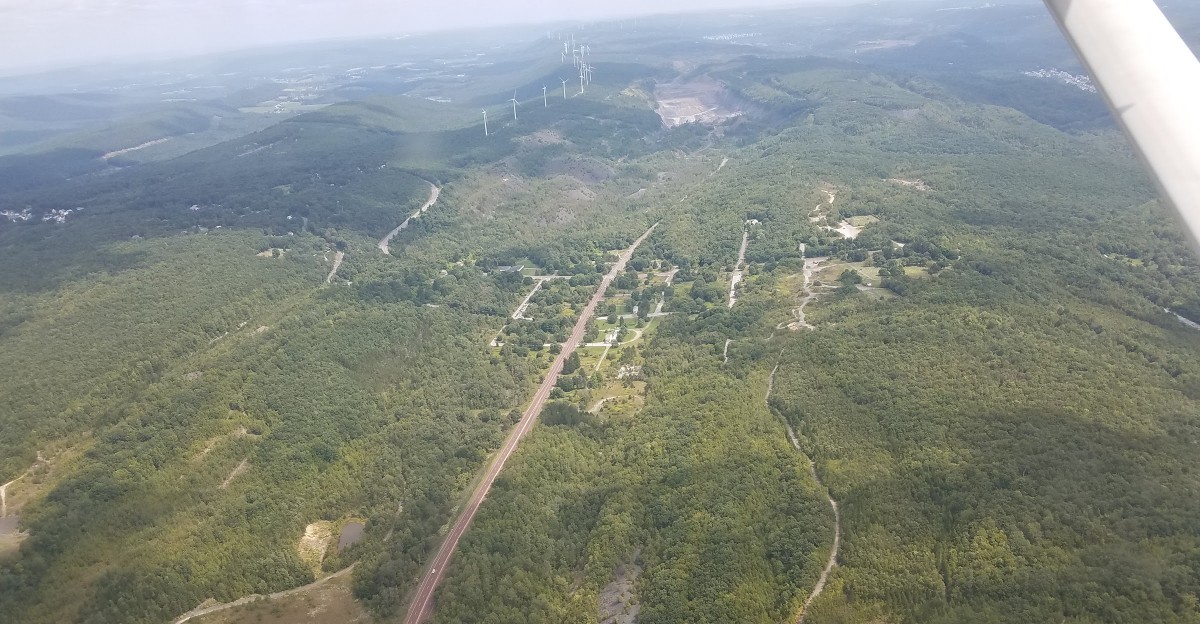
Streets still cut through the woods, but most of the houses that lined them are long gone.
I can’t imagine shoveling snow and noticing it melting faster in one weird spot. That kind of detail turns a quiet borough into a real-life puzzle.
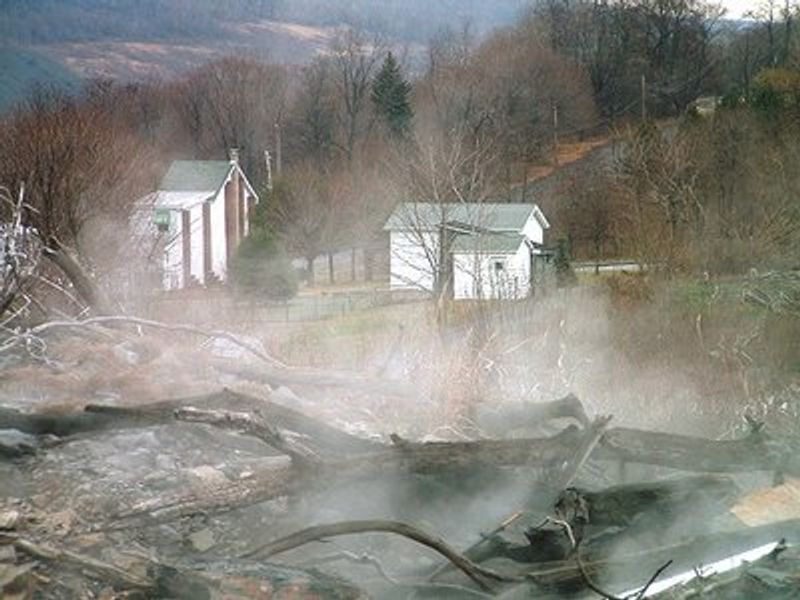
Steam has drifted up from cracks in the ground here for years.
And the story keeps shifting the longer you look at it.
A Spring Cleanup Lit A Fire That Never Went Out
Nobody in Centralia, Pennsylvania set out to make history in May 1962. Workers burned trash at a landfill ahead of Memorial Day, a common cleanup method back then.
The problem was where that landfill sat. It filled an old strip mine pit, and an unsealed opening led to abandoned coal mines below.
The flames found that gap and crept into the coal seam. From there, the fire had miles of tunnels and fuel to explore.
Crews tried to put it out in those early years. Their attempts didn’t work, and money often ran short before the job got finished.
That’s what makes the start of this story so jarring. It wasn’t a dramatic explosion or a lightning strike, just a routine chore gone sideways.
For nearly twenty years, people kept living their lives above it. Many hoped the fire would simply burn itself out and leave them alone.
It didn’t. The blaze kept moving through the old mine workings, slowly and quietly, like an uninvited guest who refuses to leave.
Every other chapter of Centralia traces back to that one spring afternoon. Few towns can point to a single moment that changed everything quite so clearly.
The Backyard Moment That Made The Whole Country Pay Attention
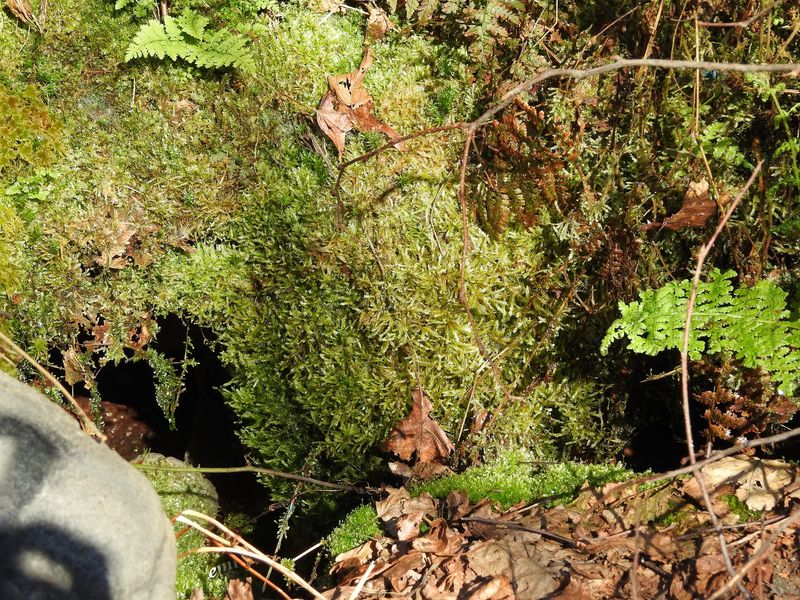
Valentine’s Day in 1981 started out ordinary for a 12-year-old named Todd Domboski. He was playing in his grandmother’s backyard in Centralia when the ground suddenly gave way.
A sinkhole opened beneath him. Todd grabbed onto exposed tree roots and held tight until his cousin pulled him out.
Reports describe the hole as about 150 feet deep. Hot steam poured from it, carrying dangerous levels of carbon monoxide.
That close call made headlines across the nation. Suddenly, the fire wasn’t an abstract worry tucked under the ground anymore.
Think about how fast that shifts things. A kid playing outside nearly vanished into a smoking hole in an everyday yard.
For many families, this was the turning point. The danger had moved from rumor to something everyone could see, smell, and fear.
The story still gets told because it puts a human face on the fire. Numbers about mine tunnels are hard to picture, but a boy clinging to roots is not.
Thankfully, Todd made it out safe. His scare, though, pushed Centralia toward the biggest decision in its history.
Washington Wrote A Check, And Families Started Packing
In 1984, Congress set aside $42 million to help people leave. The program was voluntary, offering to buy homes and businesses so families could relocate.
Plenty of people said yes. Toxic gases had been seeping into some homes, and the risk of more sinkholes wasn’t going away.
Between 1985 and 1991, 545 homes and businesses were acquired. After each purchase, the buildings came down.
That number really sinks in once you think about it. Whole blocks of porches, kitchens, and front steps disappeared one after another.
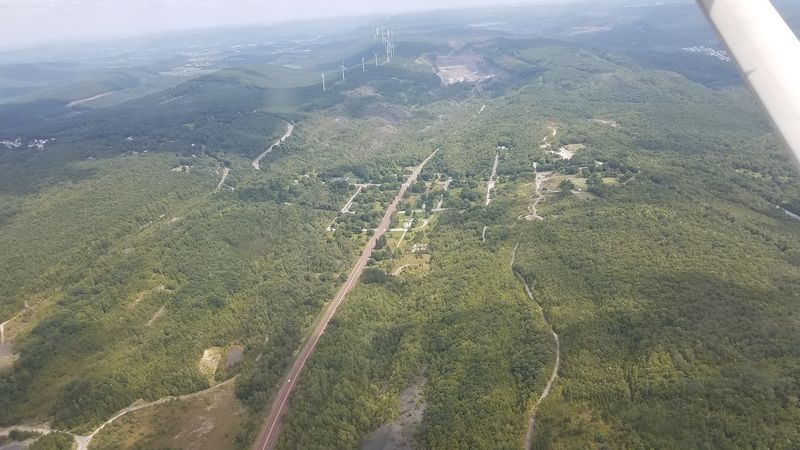
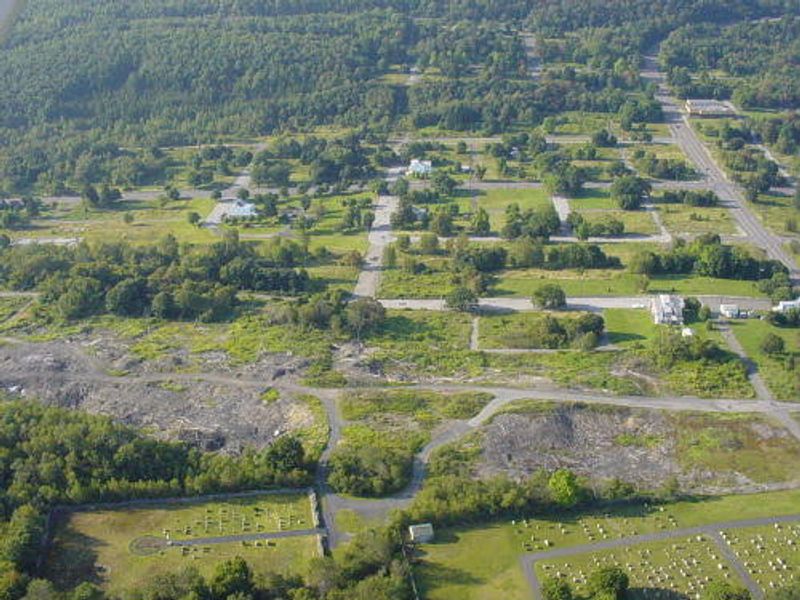
What’s left today is an odd sight in Pennsylvania. Paved streets still run in neat lines, yet the lots beside them have mostly turned to grass and young trees.
Some driveways lead to nothing at all. It’s a little like a board game after someone swept most of the pieces off the table.
The buyout didn’t end the story, though. A few residents chose to stay put, and that choice would spark years of legal fights.
Still, this era marks the moment Centralia, Pennsylvania shifted from a struggling town to a near-empty one.
Even Your Mail Couldn’t Find This Place Anymore
Losing a ZIP code sounds like a paperwork problem. For Centralia, it was a sign of how far the town had faded.
In 1992, the Commonwealth of Pennsylvania used eminent domain to condemn the remaining properties in the borough. That was a huge step, even after the buyout years.
Then in 2002, the U.S. Postal Service discontinued ZIP code 17927.
Centralia lost its own postal identity.
Remaining residents had to rely on addresses tied to nearby towns. Imagine telling a delivery driver your town technically exists but your mailbox doesn’t.
Here’s a fun twist, though. Centralia is still officially a borough in Columbia County, even without its own ZIP code.
That makes it one of the strangest places on any map. It exists on paper but has almost nothing a typical town would have.
You can find it near the meeting point of PA Route 61 and PA Route 42. The location is easy to spot, even if the town itself is mostly woods and empty streets now.
A town can lose its mail, its buildings, and most of its people. Somehow, Centralia still refuses to vanish completely.
A Handful Of Neighbors Refused To Budge
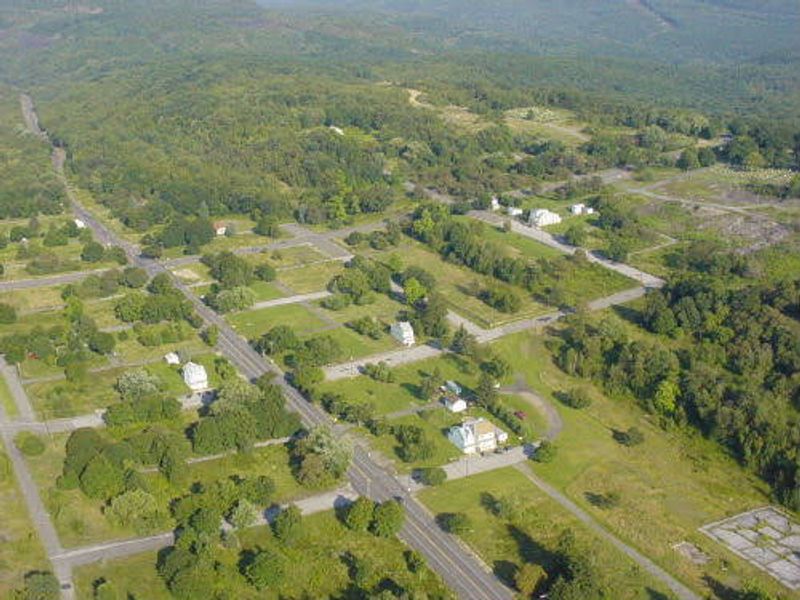
Stubborn might be the kindest word for Centralia’s last residents. Admiring might be better.
After the state condemned their properties, a small group fought back in court. Those legal battles dragged on for about three decades.
In October 2013, a settlement was finally reached with seven remaining residents. They could stay in their homes for the rest of their lives.
There was a catch, of course. Once they’re gone, ownership passes to the state, and the houses come down.
The census counted five residents in 2020. That makes Centralia the least populated municipality in Pennsylvania, which is quite a title to hold.
It’s hard not to respect that kind of loyalty. These folks chose home over convenience, even with a fire burning far below.
If you visit, please remember real people still live there. Their homes are private, so admire from the road and keep your curiosity polite.
Their story adds warmth to a place mostly known for smoke and sinkholes. Behind every headline about Centralia sits a family that simply loved where they lived.
The Famous Painted Road Got Buried Under Dirt
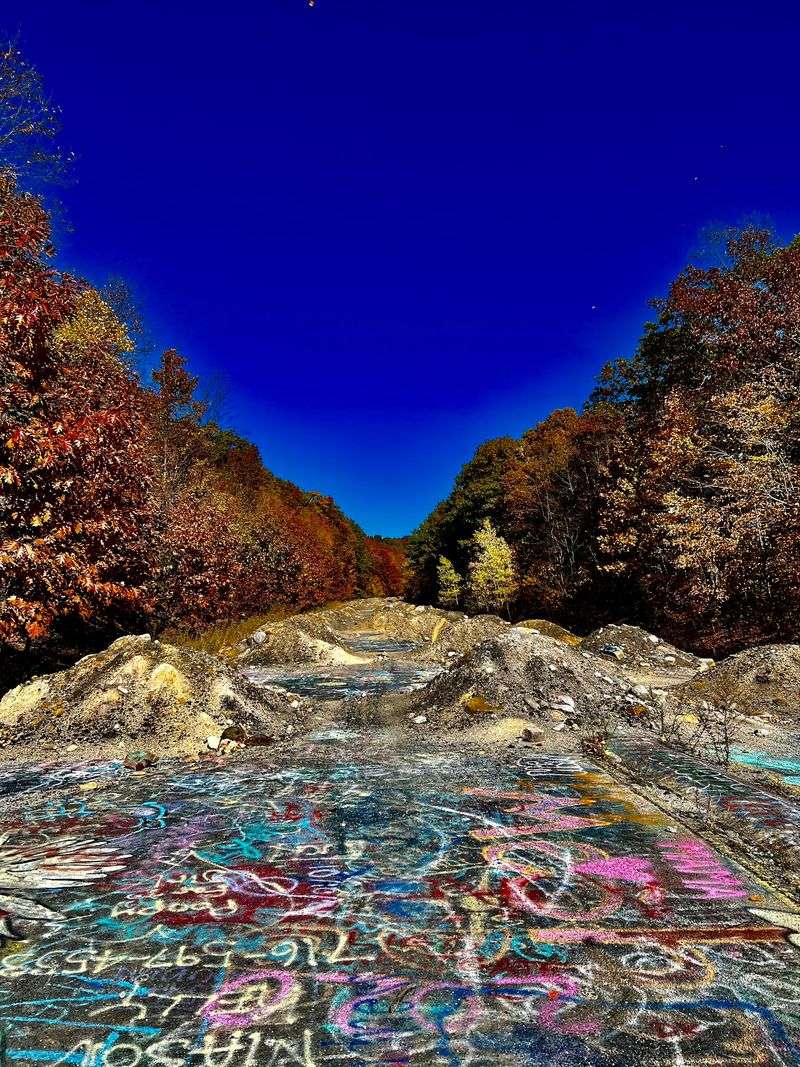
For years, the most colorful thing in Centralia was a broken road. A stretch of old Route 61 had buckled and cracked from the fire, so it was closed in the early 1990s.
Visitors then turned it into a giant art project. Layers of spray paint covered the pavement, and it earned the nickname Graffiti Highway.
It became a weird road trip favorite. People came to see messages, doodles, and bright designs splashed across warped asphalt.
That chapter closed in April 2020. The property owners covered the road with dirt, citing safety concerns and trespassing.
So if old photos have you dreaming of a rainbow highway, adjust your expectations. The paint is hidden now, and the spot is private property.
Honestly, that fits Centralia’s whole personality. Things here have a habit of disappearing, whether it’s houses, ZIP codes, or famous graffiti.
Public roads still pass through the borough. Stick to those and enjoy the strange quiet instead of chasing the old highway.
The Graffiti Highway lives on in pictures shared online. It’s a fun piece of Centralia lore, even if the real thing now sleeps under a blanket of soil.
Steam Still Drifts From The Ground On Chilly Days
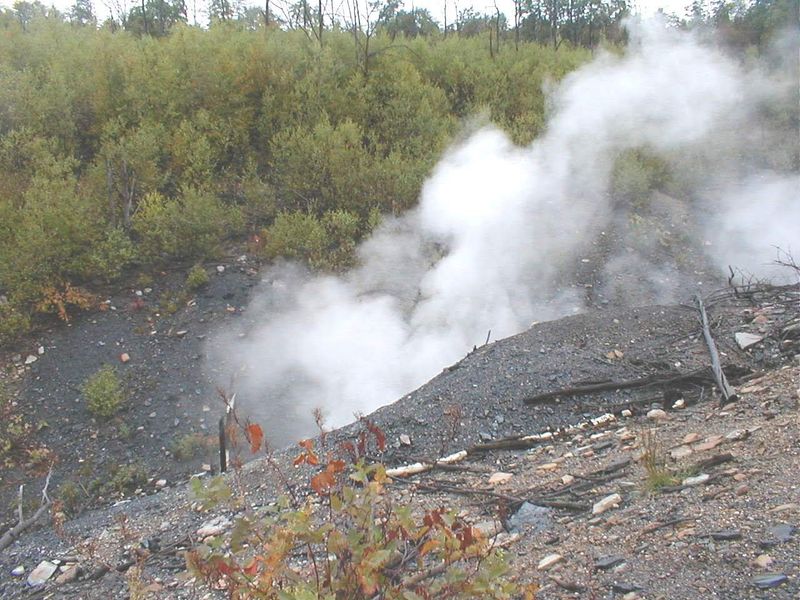
Don’t expect roaring flames. The fire in Centralia burns deep underground, so what reaches the surface is far more subtle.
Steam and smoke have risen from cracks in the earth at times. Those spots are reminders of the heat moving through old coal seams below.
Snow tells part of the story too. Some areas have shown melted patches while the ground around them stays white.
That’s a pretty wild clue to spot on a winter walk. Nature basically hands you a heat map without any fancy gear.
The fire stretches under a wide area, reaching depths of up to 300 feet. Estimates suggest it could keep going for another 100 to 250 years.
That timeline is almost hard to wrap your head around. Your great-great-grandkids could visit Pennsylvania and find it still smoldering.
Activity can shift over time, so steam isn’t guaranteed on any given day. Cooler weather tends to make any vapor easier to notice.
Even when nothing is rising, the quiet landscape speaks loudly. Knowing what’s happening below changes how every patch of grass looks.
The Church On The Hill And Quiet Cemeteries Keep Watch
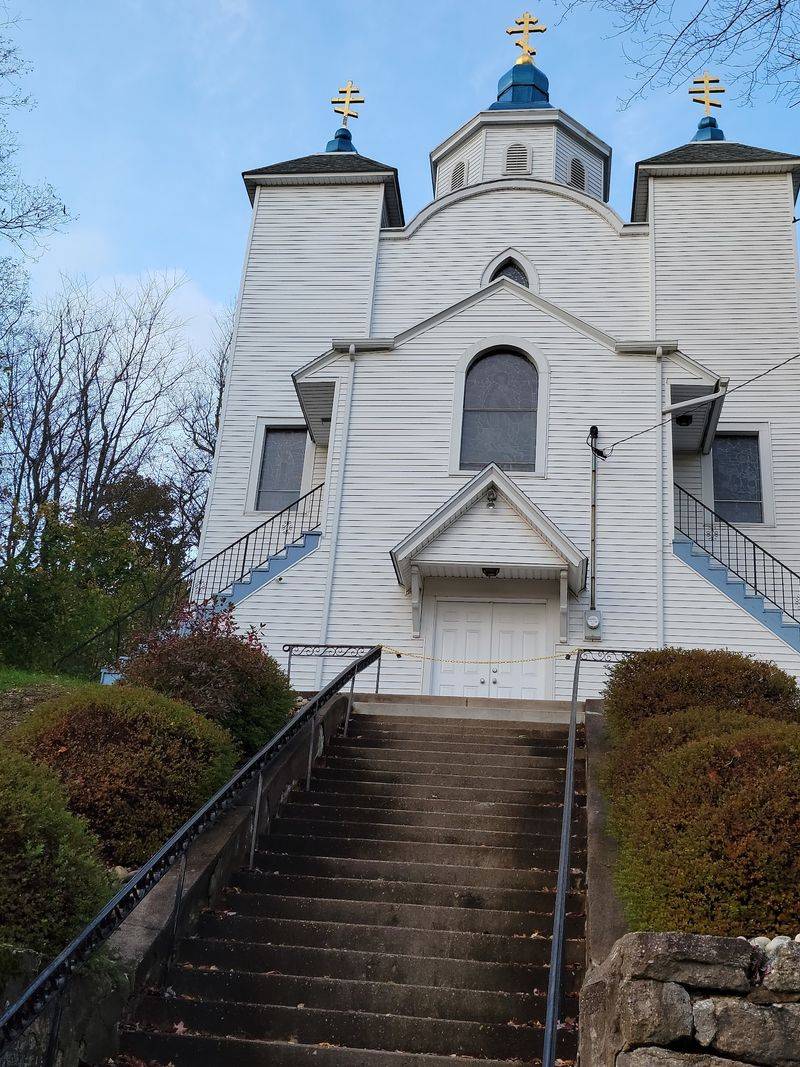
Few buildings remain standing in Centralia, which makes the ones that do stand out. A church on a hill and several cemeteries are among the most visible landmarks.
These places carry a lot of meaning. They connect the town to generations of families who built lives in this coal mining community.
Cemeteries are often where former residents and their relatives return. They’re sacred spaces, not photo props, so treat them with care.
Walk gently, keep voices low, and leave everything as you found it. That small bit of respect goes a long way here.
From higher ground, you can get a sense of how much the town has changed. Empty lots and trees now fill spaces once crowded with homes.
I believe these spots are the heart of Centralia’s story. Smoke and sinkholes grab headlines, but these grounds hold the memories.
Visiting them feels less like sightseeing and more like paying respects. That shift in mood surprises many people who show up expecting only spooky thrills.
It’s a reminder that this was a real town with real roots. Those roots still run deep, right alongside the fire.
Stay Smart Because The Ground Here Plays By Its Own Rules
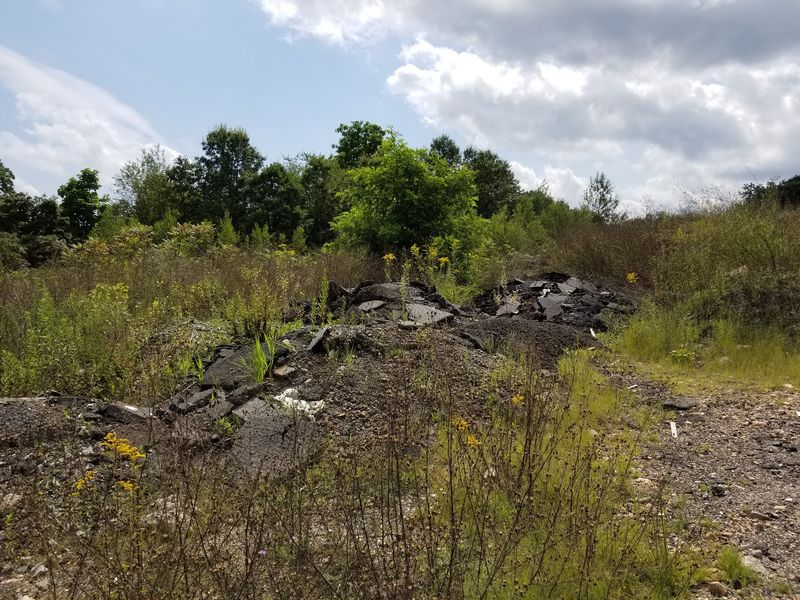
Curiosity is great, but common sense matters more in Centralia. The ground here can sink without warning, and invisible gases are a real concern.
Carbon monoxide has no smell and can collect in low spots. Carbon dioxide and methane can also pose risks near venting areas.
So stick to main roads and established paths. Keep a healthy distance from any steam, cracks, or warm-looking patches of earth.
Pay attention to posted warnings and respect private property. Much of the land is owned by the state or others, and some homes are still lived in.
Leave the sneaky shortcuts to cartoon characters. Wandering off into the brush is how a cool day trip turns into a bad story.
Plan ahead before you go, too. There are no shops or restaurants in Centralia, so bring water and snacks along.
Nearby towns in Columbia and Schuylkill counties can fill in the gaps. That makes it easy to pair a stop here with a broader Pennsylvania road trip.
Treat the visit with care and you’ll leave with a truly unforgettable story. Few places let you stand above a fire that started in 1962.