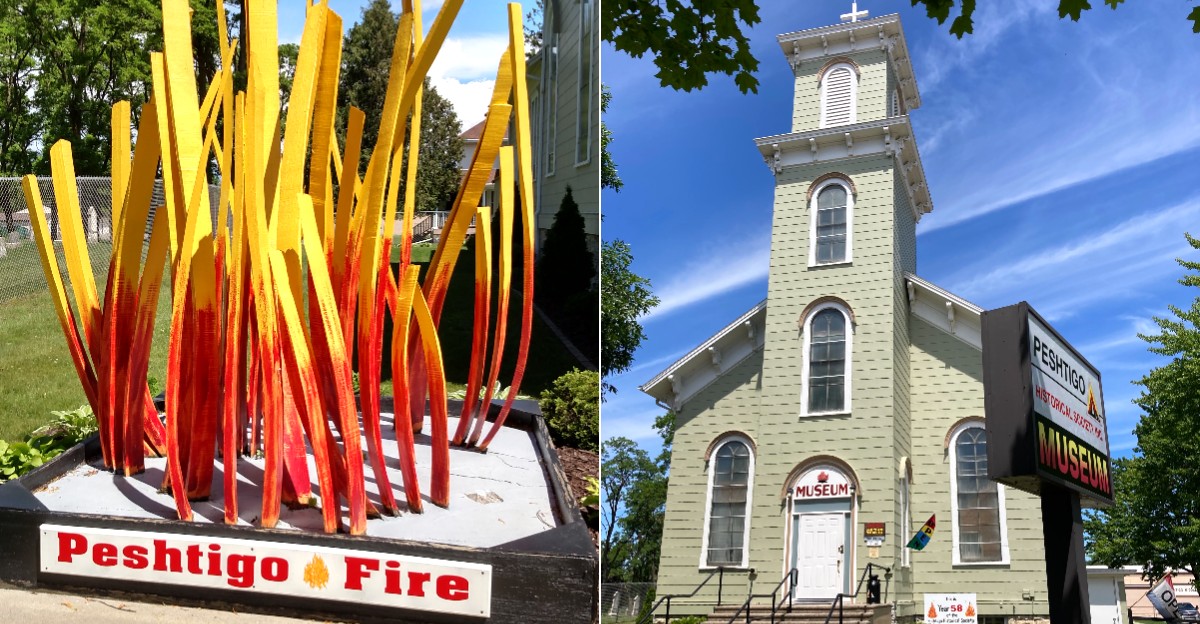
On the night of October 8, 1871, a wall of flame roared through northeastern Wisconsin and changed a community forever.
The Peshtigo Fire remains the deadliest wildfire in American history, yet it is often overshadowed by the Great Chicago Fire that broke out the same night.
The Peshtigo Fire Museum keeps that story alive inside a former church in the rebuilt town.
Exhibits include artifacts that survived the blaze, along with personal accounts that bring the tragedy to life.
Next door, a cemetery holds a mass grave for victims who could never be identified.
Plan a quiet visit, read the stories slowly, and leave with a deeper appreciation for this little Wisconsin town.
A Quiet Doorway Into a Devastating Story
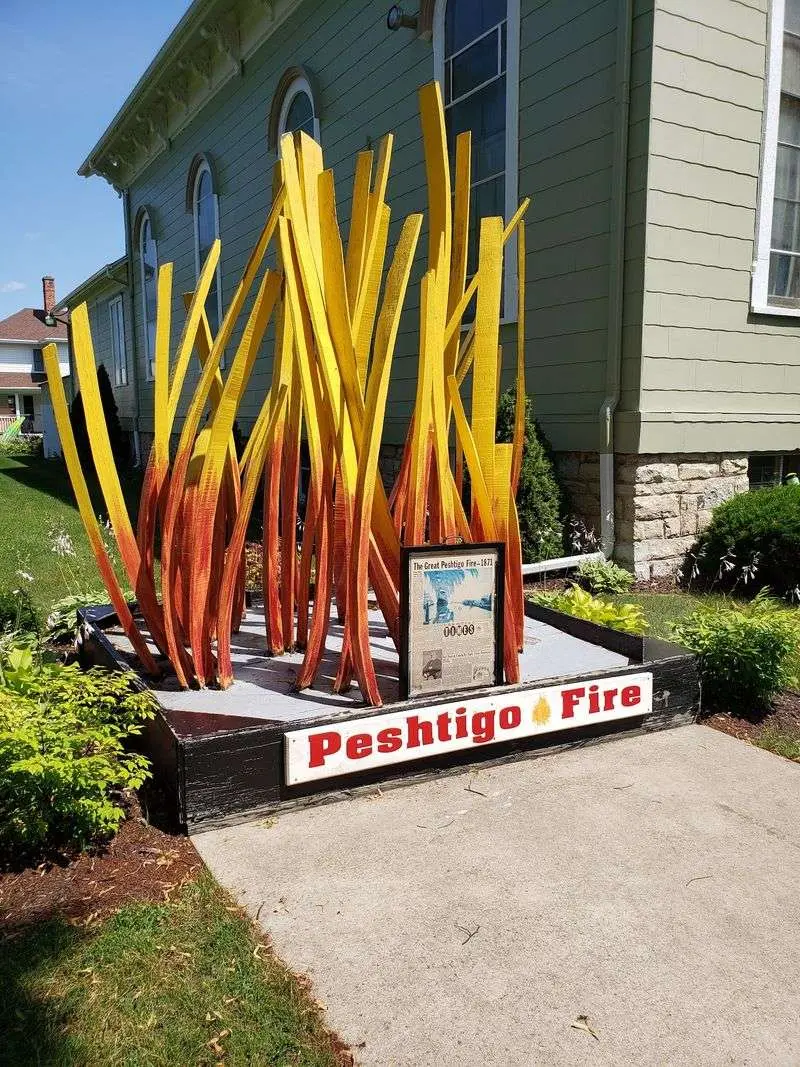
A quiet museum entrance offers little warning of the powerful story waiting inside. Behind the doors, local history becomes a close look at a community struck by sudden disaster.
The Peshtigo Fire Museum stands at 400 Oconto Ave, Peshtigo, WI 54157. Its collection introduces the fire of October 8, 1871, while also showing everyday life before and after that night.
The building itself adds another layer of history because the museum occupies a former church. Rather than expecting a large modern attraction, arrive ready for a community collection shaped by donated objects and local care.
Start by asking a volunteer how the displays are arranged and where to find the main fire exhibits. That simple question can help you understand the collection before exploring rooms filled with unfamiliar household tools and keepsakes.
Visitors often describe the interior as larger and fuller than they expected from outside. Give yourself time to look beyond the first room instead of treating the entrance area as the whole experience.
The best approach is slow and curious, with room for both learning and reflection. You are entering a place that preserves more than a disaster date; it holds pieces of the lives surrounding that event for future generations to understand.
The Night Fire Overwhelmed a Community
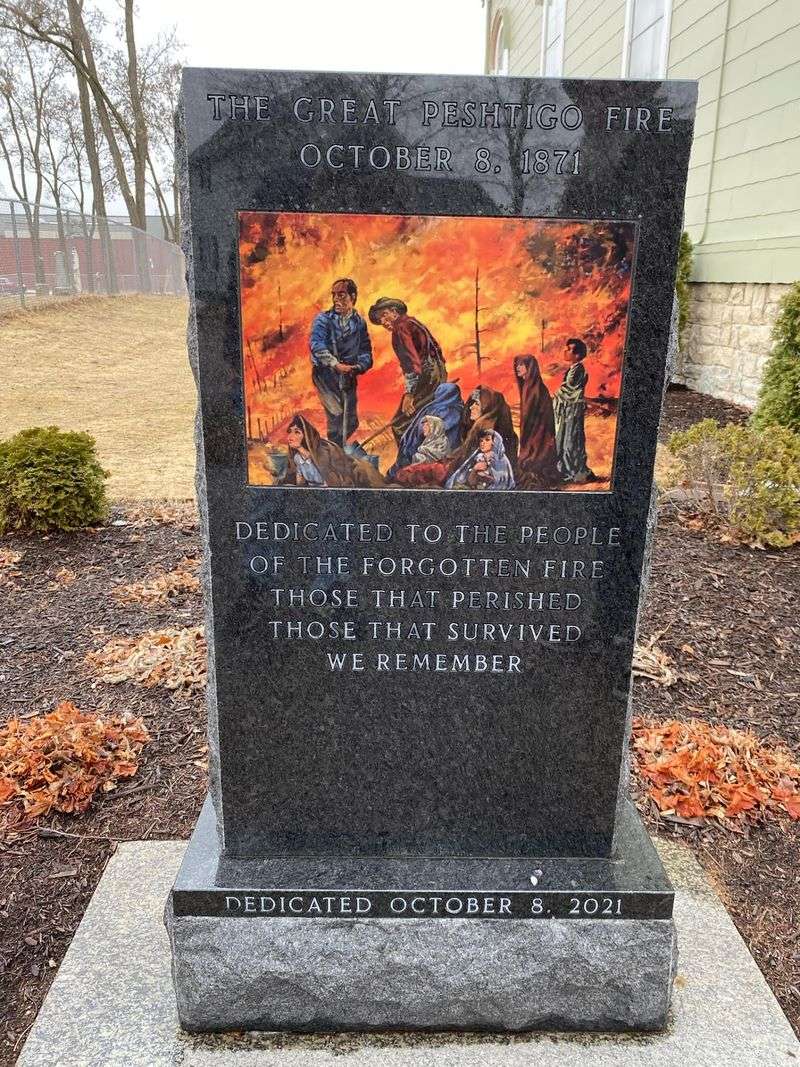
October 8, 1871, began as an ordinary date and ended as a turning point for thousands of people. The museum helps visitors understand how dry conditions, strong winds, and widespread burning created a deadly disaster.
Forests, wooden buildings, and leftover material from logging provided fuel across the region. As flames spread, people faced smoke, extreme heat, and very little time to find safety.
The destruction reached well beyond one town, affecting nearby settlements and rural families. Although the article title suggests everything vanished, the fuller story includes survivors, scattered remains, and the difficult work of rebuilding.
Death toll estimates vary because records were incomplete and some victims could not be identified. What is clear is that this disaster is widely recognized as the deadliest fire in United States history.
Read the main historical displays before moving into the smaller personal stories. Knowing the date, weather conditions, and scale of destruction makes individual objects easier to understand.
For younger visitors, explain that several dangerous conditions came together rather than presenting the event as a simple accident. The museum offers a useful setting for discussing how communities remember disasters without reducing complicated history to one dramatic sentence or a single number on a classroom worksheet alone.
Another Famous Fire Shared the Date
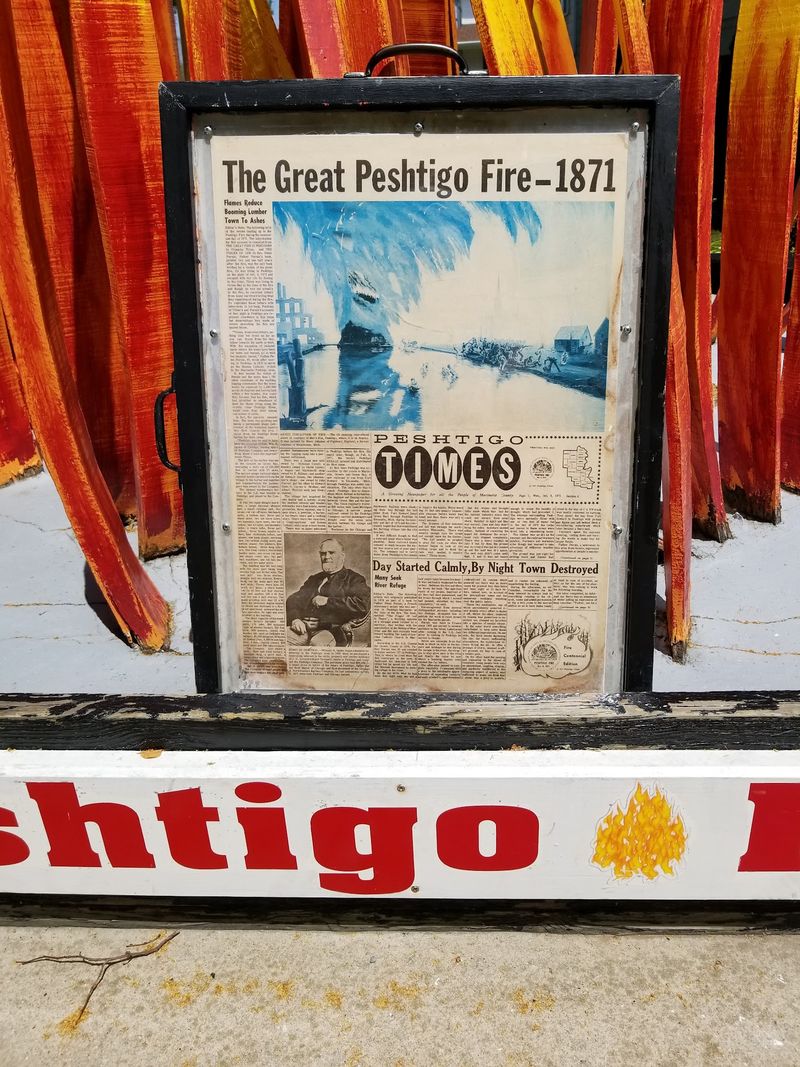
One date connects two disasters, but their places in public memory are very different. The Great Chicago Fire began on the same day as the blaze remembered here, October 8, 1871.
Many visitors arrive knowing the Chicago story from school while knowing little about the far deadlier forest fire. That contrast makes the museum especially valuable for anyone trying to understand a missing chapter of American history.
The comparison should not become a contest over which community suffered more. Instead, it shows how a famous city disaster can overshadow terrible losses in smaller towns and rural areas.
As you explore, ask volunteers how they explain the shared date and the differences between the events. Their answer can help separate the museum’s local focus from the broader story most people already recognize.
Families can use this connection as an easy starting point before discussing more difficult details. A child who has studied Chicago may feel more comfortable learning something unfamiliar through a date they remember.
Keep your attention on the people represented in the collection rather than only comparing death tolls. The strongest lesson is that public attention does not measure human loss, and less familiar communities deserve space in the nation’s memory alongside its better known historic places.
Small Objects Make the Past Feel Close
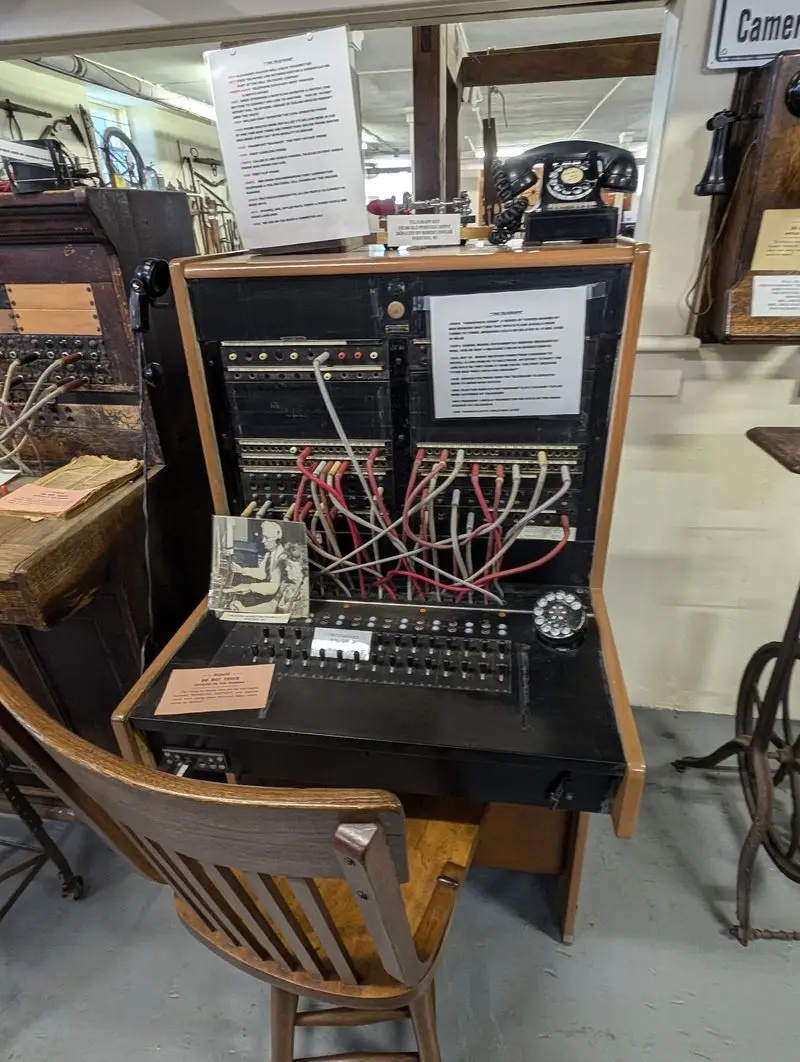
An ordinary object can become unforgettable when you learn what happened around it. The collection includes fire related material alongside many donated items that show daily life across different periods.
Look closely at labels before assuming an old object survived the disaster. Some pieces connect directly to the fire, while others help explain the community’s wider history and changing habits.
That distinction matters because several visitors describe the museum as a broad local history collection. Arriving with that expectation prevents disappointment if you pictured every case holding burned remains from one night.
Household goods and everyday tools can still deepen your understanding of the tragedy. They remind you that the people affected had meals to prepare, work to finish, children to raise, and homes to maintain.
Ask a volunteer which objects have a documented connection to the fire and what is known about their owners. A clear explanation often adds more meaning than a quick glance at a crowded display.
Keep hands away from artifacts, even when they appear sturdy or sit within easy reach. Many are fragile, and their value lies in the stories they carry rather than how impressive they look, making careful observation the best way to appreciate them during your visit with others.
Human Voices Bring the History to Life
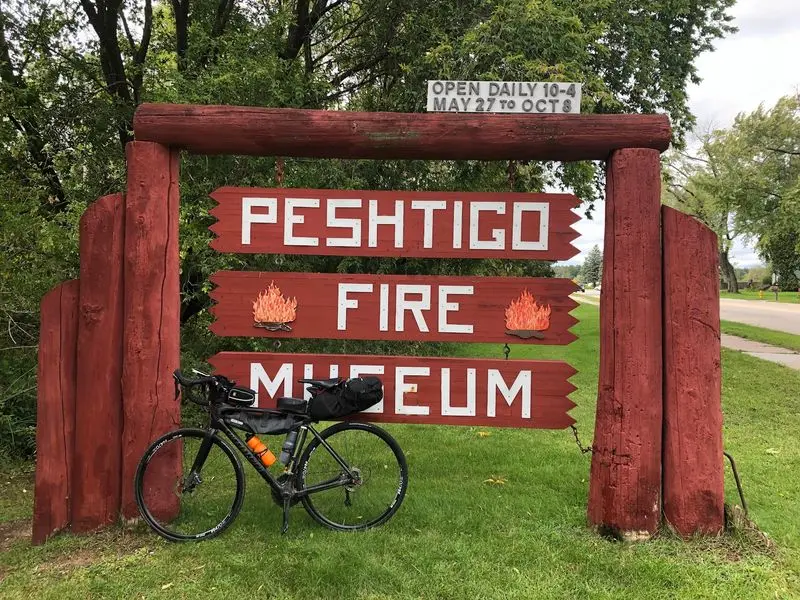
A thoughtful explanation can turn a room of old objects into a story you remember for years. Visitor reviews repeatedly praise the volunteers for their knowledge, kindness, and willingness to answer questions.
Rather than rushing past the welcome, take a moment to hear an introduction if one is available. It can provide the background needed to connect fire history, family accounts, and the wider collection.
Some visitors report choosing between a guided introduction and exploring on their own. Availability can depend on staffing, so ask what help is offered instead of assuming a full tour will always be possible.
Bring questions that invite explanation, such as how survivors found safety or how families rebuilt their lives. You can also ask which stories are supported by records and which details remain uncertain.
For school groups or families, mention the children’s ages before a discussion begins. Reviewers describe guides adjusting information for different ages, which can make a difficult subject easier to understand.
Remember that volunteer time is a gift, especially when the museum is busy. Listen patiently, share the space with other visitors, and allow room for quiet moments when a personal story carries more weight than another fact, date, or number could convey on its own.
The Cemetery Gives Remembrance a Place
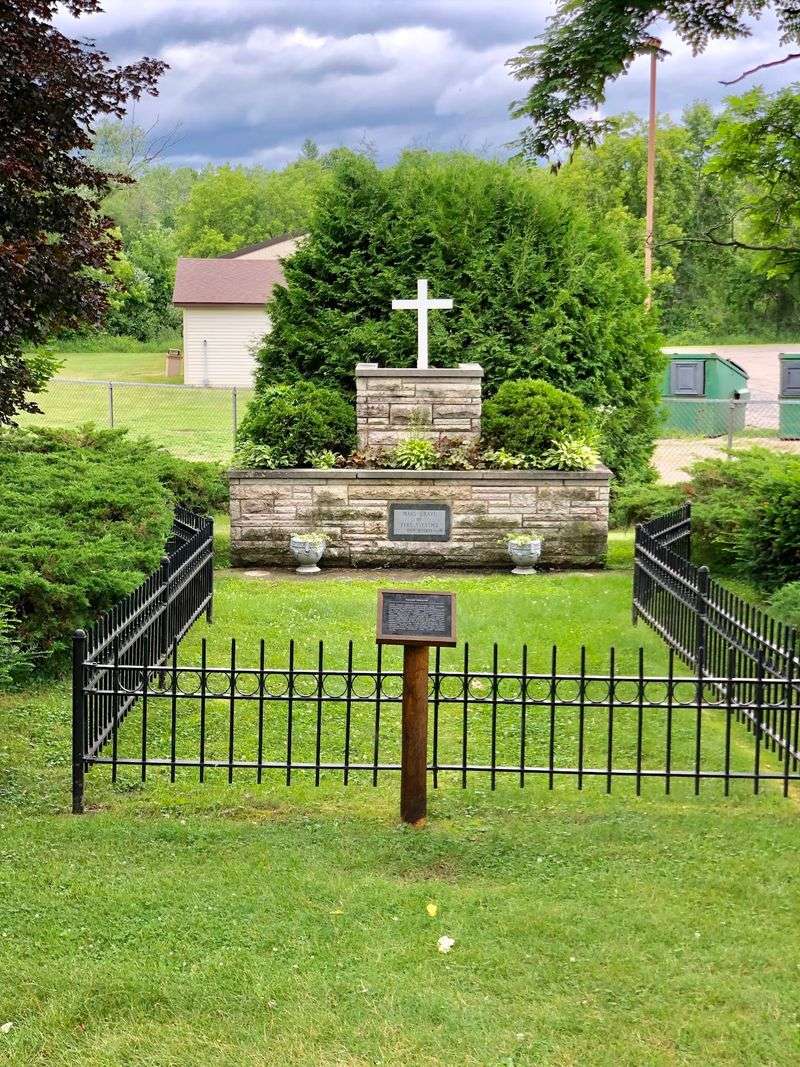
Outside, the mood changes from learning about the past to standing beside its lasting traces. The cemetery associated with the museum offers a place to remember people who died in the fire.
A mass grave holds victims whose bodies could not be identified after the disaster. Published accounts commonly describe about 350 people buried there, though visitor recollections sometimes give different totals.
Read the memorial information rather than relying only on numbers repeated in reviews. Individual markers and historical signs help restore names, family ties, and personal meaning to a tragedy of enormous scale.
Allow enough time to walk slowly instead of squeezing the grounds into the final minutes before closing. Visitors have reported limited access near closing time, so ask staff about the cemetery schedule when you arrive.
Keep voices low, stay on appropriate walking routes, and avoid touching or climbing on markers. If you take photographs, treat the setting as a burial ground rather than a dramatic background.
Families may want to explain the purpose of the visit before stepping outside. A simple conversation about remembrance can help children understand why this part of the experience feels different from looking at exhibits, and why quiet respect matters even when the people buried here are strangers.
Curious Kids Need a Thoughtful Approach
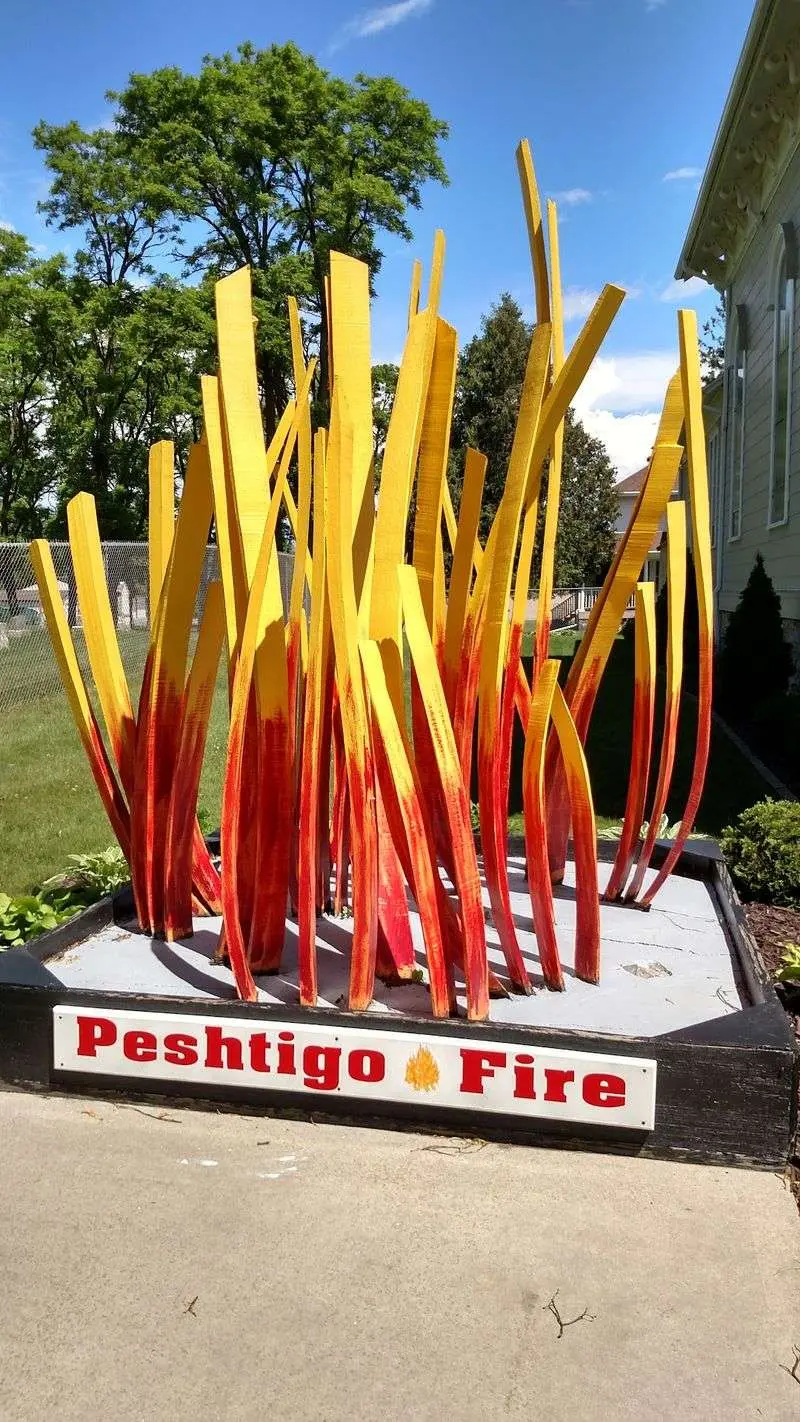
Curiosity can open the door to learning, but this subject also asks families to use care. The displays combine interesting everyday objects with stories of death, survival, and major loss.
Several visitors mention a scavenger hunt that helped children stay engaged during their visit. Ask whether it is currently available, since activities and materials may change with staffing or the season.
Older children who enjoy history may find plenty to discuss without needing a long formal lesson. Let them choose an object, read its label, and explain what it suggests about life in the past.
Very young children may need closer supervision because some fragile items are within reaching distance. Set a clear rule about looking without touching before entering the exhibit areas.
Keep descriptions of the disaster simple and respond honestly to questions without adding frightening detail. Taking a short break can help if the cemetery or personal stories become upsetting.
Visitors also report stairs leading to parts of the collection, which may affect families using strollers. Contact the museum about current access arrangements rather than assuming every display is equally easy to reach, and plan a visit that fits your family’s comfort, attention span, and ability to move through the building safely together without rushing.
A Little Planning Makes the Visit Better
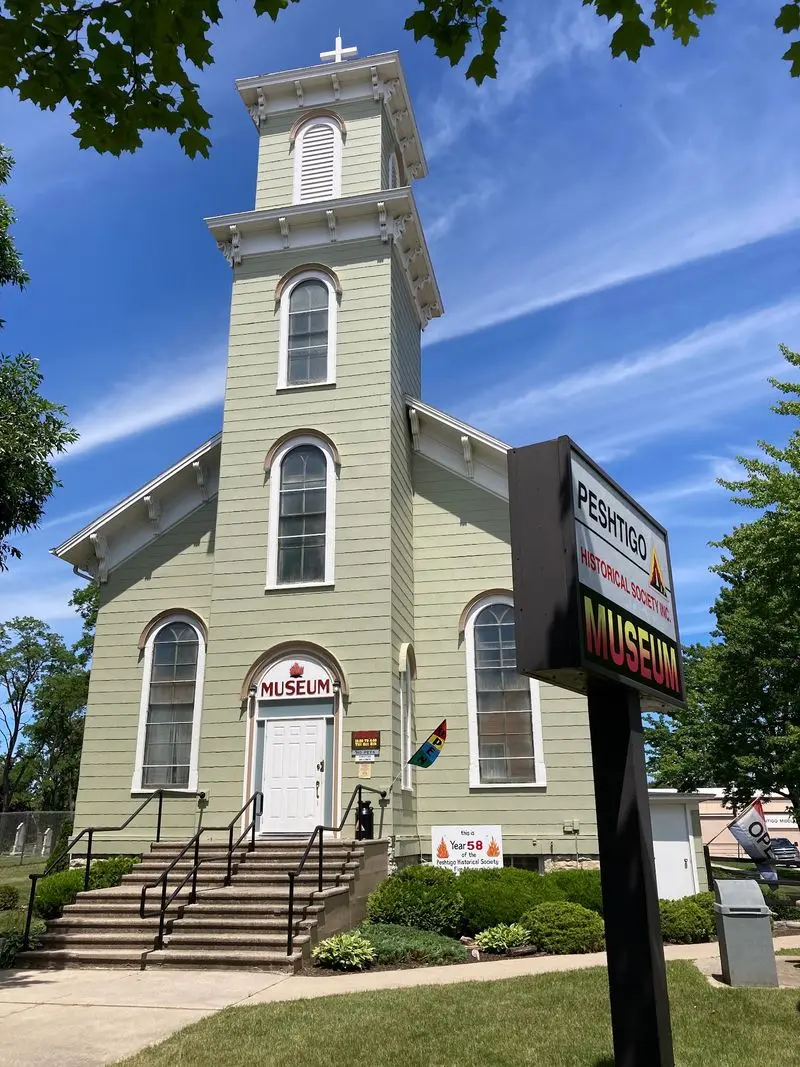
A little preparation helps you spend your time learning instead of arriving at a locked door. The museum has seasonal operations, and posted daily hours should not be treated as a promise of year round access.
The supplied listing shows opening hours of 10 AM to 4 PM, Monday through Saturday, with Sunday closed. Check the official website, peshtigofiremuseum.com, or call 715-582-3244 before traveling, especially outside the summer visiting season.
Visitor accounts describe admission as free or supported through voluntary donations. Confirm the current arrangement and consider contributing if your budget allows, since community support helps preserve the collection.
Plan at least an hour for a general look at the exhibits and grounds. People who enjoy reading labels or speaking with volunteers may prefer two hours or more.
Arrive well before closing so the cemetery does not become a rushed final stop. If stairs, walking distances, or seating are concerns, ask about access before making firm plans.
Leave room afterward to talk about what you learned, especially when visiting with children. The most meaningful souvenir may be a clearer understanding of a disaster that deserves remembrance, along with appreciation for the people who continue keeping its history available to new generations of visitors today and tomorrow.