A floodwall may sound like an odd place to find a work of art, but Portsmouth turned one into a colorful walk through its past.
The Portsmouth Floodwall Mural stretches about 1,500 feet, giving visitors room to wander, spot tiny details, and learn local stories without buying a ticket or keeping up with a guide.
Some paintings feel almost life sized, while nearby signs help explain the people and events on the wall, so even a quick stop can turn into a fun lesson.
You can choose your own pace, take photos, or simply enjoy the changing scenes, and that freedom makes the mural especially inviting for families, curious travelers, and anyone who likes discovering something memorable in an everyday place.
Unlike art locked behind a door, the wall is there whenever you arrive, ready to reward a slow look with a face, a scene, or a small surprise you might otherwise walk past.
A Floodwall That Became a Canvas
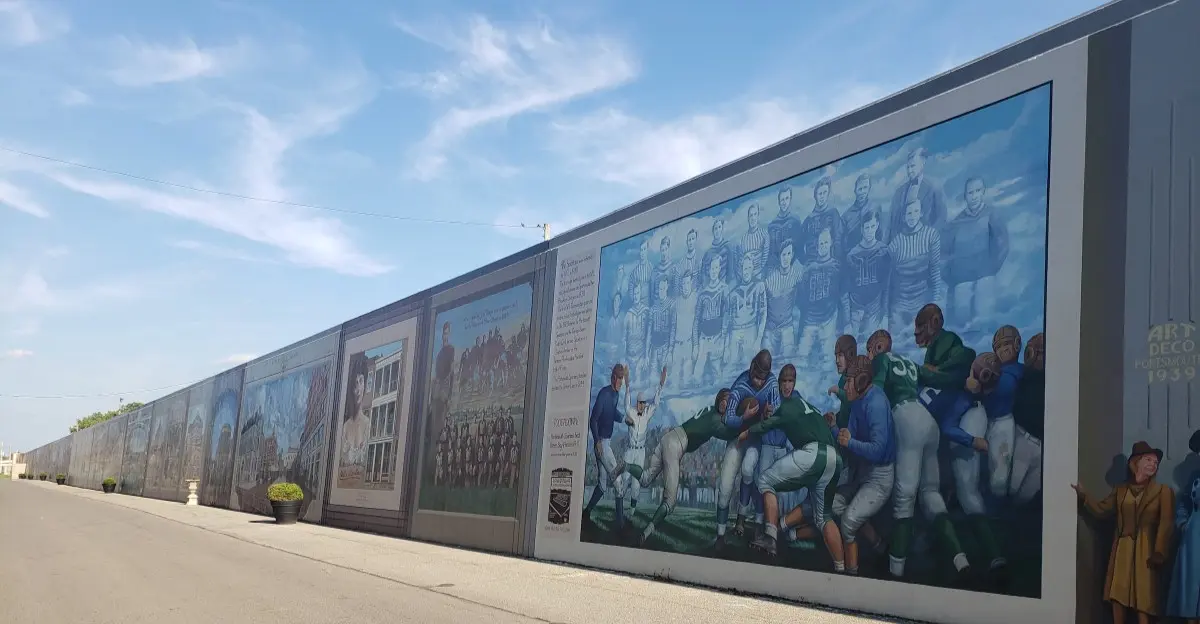
Imagine walking beside a wall that seems to keep telling stories long after you expect it to end. At the Portsmouth Floodwall Mural, a structure built for protection also serves as a giant outdoor canvas. Its painted stretch runs about 1,500 feet, so a quick glance cannot do it justice.
Find the mural along Front St, Portsmouth, OH 45662, and plan to explore on foot rather than trying to study it from a moving car. Walking lets you pause when a face, building, or bright patch of color catches your eye. You do not need to follow a strict route to enjoy the art.
The long format is part of the fun. Instead of facing one picture, you move through a series of scenes, almost like turning pages in an enormous book. Give yourself room to stop, step back, and see how each painted section fits against the next.
A good first visit can be as short or as leisurely as you like. If time is tight, choose a few panels and read their nearby explanations. If you have an hour, keep walking and watch the story grow.
Bring comfortable shoes, especially if you hope to see the full painted stretch. There is no need to rush a wall this long.
Local History in Full Color
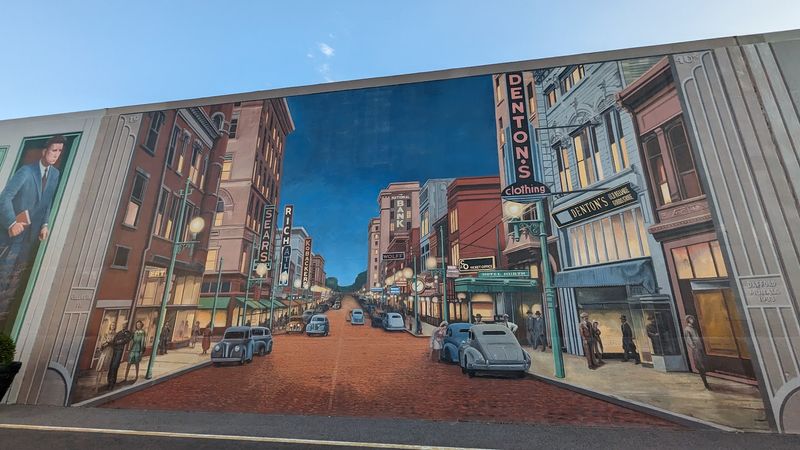
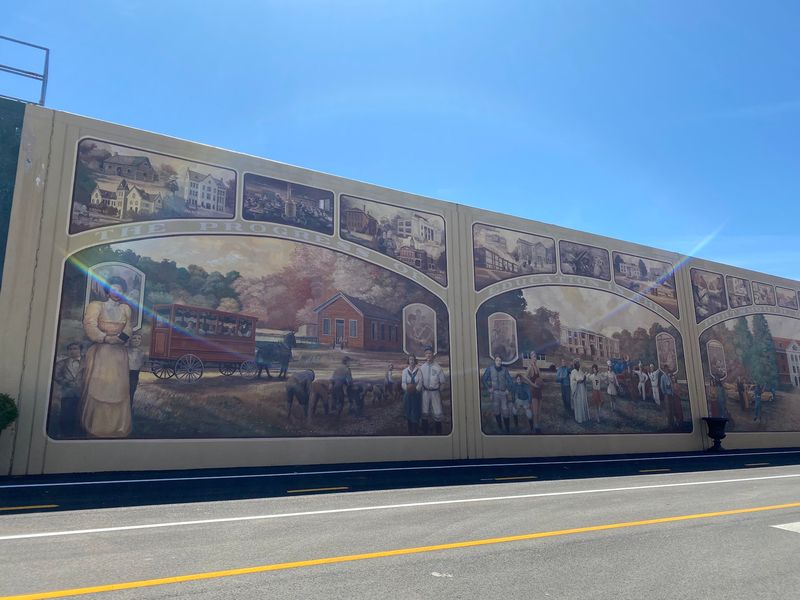
A painted street scene can make the past feel closer than a page of dates ever could. The floodwall’s panels show episodes from Portsmouth’s history through people, buildings, work, and daily life. Together, they turn a plain barrier into a story visitors can follow outdoors.
Look closely before reading a sign. What are the people wearing, and what might their surroundings tell you about their time? Making your own guess first turns each stop into a small discovery.
Then check the information posted near the paintings to see what you noticed and what you missed. Visitors often praise these explanations because they give the pictures more meaning. Children can join in by picking one detail to find in every scene, such as a tool, an animal, or a familiar shape.
No history background is needed. The pictures offer an easy starting point, while the written stories add names and context for anyone who wants more. You can spend longer with a scene that interests you and pass quickly by one that does not.
Try comparing the earliest looking scenes with the later ones. Changes in clothes, transportation, and buildings can help show how a community grows. By the end of your walk, the wall may feel less like a single artwork and more like a neighbor sharing memories.
Small Details That Reward a Second Look
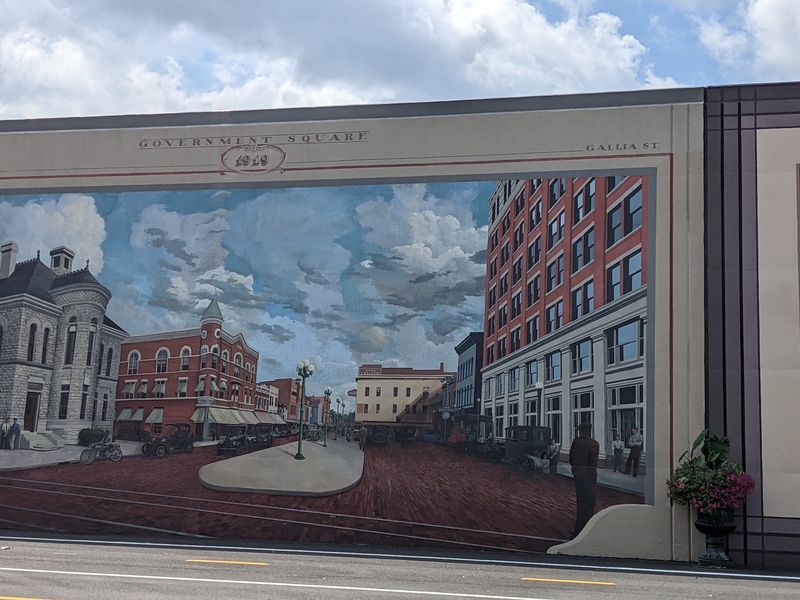
Spotting a tiny surprise in a huge painting feels a bit like winning a quiet treasure hunt. The Portsmouth Floodwall Mural rewards careful eyes with lifelike faces and details that may disappear when you hurry past. Some repeat visitors say they notice something new on every walk.
One visitor favorite is a painted cat tucked into the artwork. Finding it can become a playful goal, but there is no need to turn the whole visit into a race. The real pleasure comes from slowing down enough to notice what the artist placed around each main scene.
Try viewing a panel from two distances. Stand back first to understand the full picture, then move closer to inspect expressions, objects, and painted textures. A scene that seems simple from afar may hold several small stories.
Photos can help you remember a favorite discovery. Take one wide shot for context and another focused on the detail that caught your attention. Keep the sidewalk clear while you stop, so other people can enjoy the wall too.
If you visit with someone else, choose different panels and share what you found afterward. You may be surprised by how much one person spots that the other overlooks. That exchange is part of the charm of seeing this art in person rather than scrolling past a picture.
An Artist’s Work on a Grand Scale
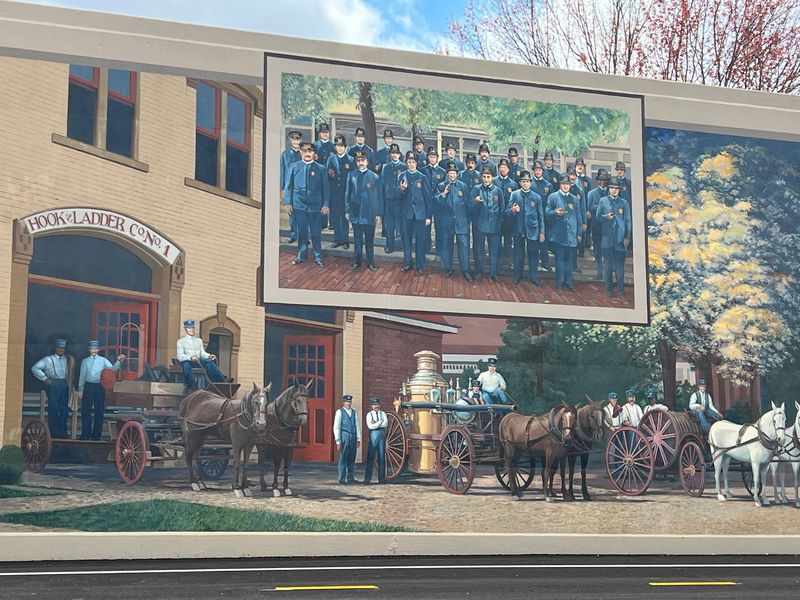
Painting a picture is one thing; carrying a story across a massive floodwall is another. Artist Robert Dafford created the Portsmouth murals, bringing careful detail to a surface most people would otherwise walk past. The size makes his work impressive, but the close-up moments give it heart.
As you walk, notice how the scenes invite you to keep moving. A face draws you toward one panel, while a new setting pulls you toward the next. That rhythm makes the long wall feel less like an obstacle and more like an open-air gallery.
Look for places where painted depth makes a flat surface seem deeper. Figures and buildings can appear surprisingly solid from the right angle. Step back safely to appreciate the illusion without losing sight of the wall’s real purpose as a flood barrier.
It is also worth thinking about the patience behind each scene. Large paintings require planning as well as skill, especially when the subject must remain clear to people walking by. Taking a few minutes with one panel shows more of that effort than a fast photo of the entire stretch.
Pick a favorite scene before you leave. You do not need to know painting terms to explain why it works for you. A strong expression, clever detail, or familiar feeling is reason enough.
Read the Signs, Then Hear the Stories
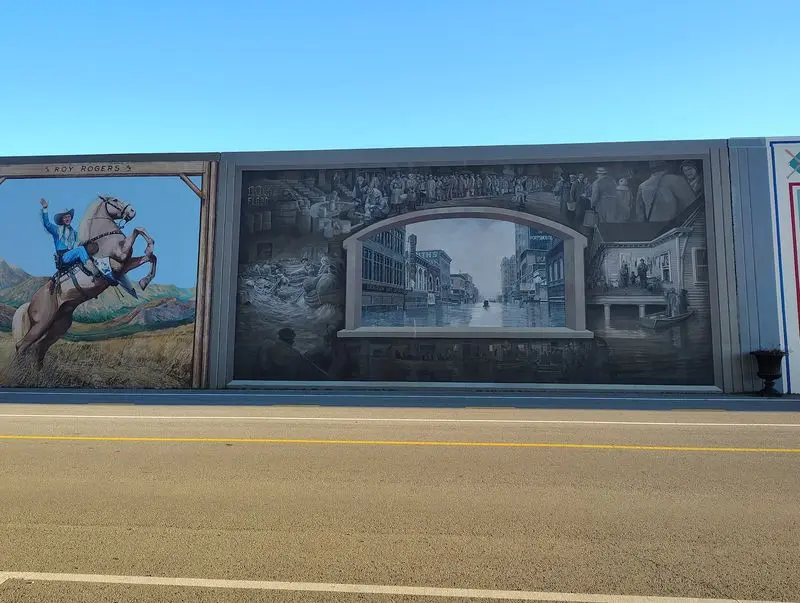
Ever looked at a painting and wished someone could explain the scene? Here, interpretive signs along the route help connect the images to the events and people they show. Visitors have also reported using a phone-based audio tour for another way to follow the stories.
Begin with a panel that grabs your attention, then find its explanation. You can read just a little or linger over every detail. That choice makes the walk work for both curious children and adults who love local history.
If you prefer listening, check the mural’s official website for current audio tour information before you arrive. Charge your phone and bring headphones if you plan to use it. A downloaded or loaded page is easier to manage when you would rather watch the artwork than fuss with your screen.
Signs are especially useful when painted scenes show unfamiliar places or jobs. They can turn a striking image into a clearer account of how people lived and worked. Try discussing one surprising fact with your group before moving on.
There is no test at the end of the wall. Skipping some text is fine, and returning to a favorite story is fine too. The best pace is the one that leaves you interested in what the next panel might reveal.
A Free Visit on Your Schedule
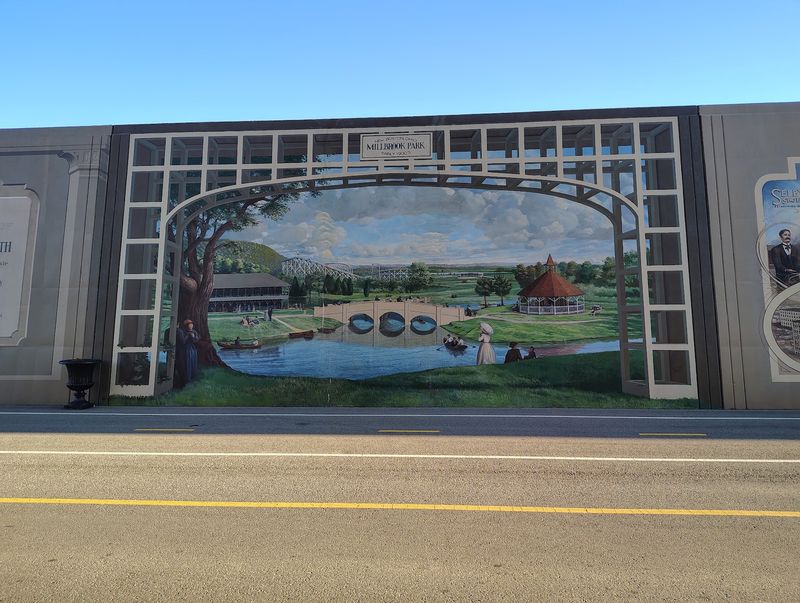
Your wallet can stay in your pocket while you explore this outdoor attraction. There is no admission ticket for seeing the floodwall paintings, and the site is listed as open 24 hours. That flexibility is handy when a trip leaves you with an unexpected hour to fill.
Daylight is the easiest time to see the painted details and read the signs. An early visit may give you a quieter walk, while later light can change how the colors look in photos. Check the weather before setting out, since the artwork is outdoors and you will be exposed to sun or rain.
Bring water on a warm day and wear shoes you can walk in comfortably. You can take in a few panels during a brief stop or allow more time for the whole route. Visitors who read every explanation may want an hour or two.
Free access does not mean you need to see everything at once. If your group gets tired, turn around when you are ready and leave the remaining scenes for another visit. A relaxed walk is more fun than racing to finish.
After dark, use your own judgment about visibility and conditions. The listed hours describe access, not a promise that every detail will be easy to see at night. For a first visit, clear daylight is a practical choice.
More Than One Side to Explore
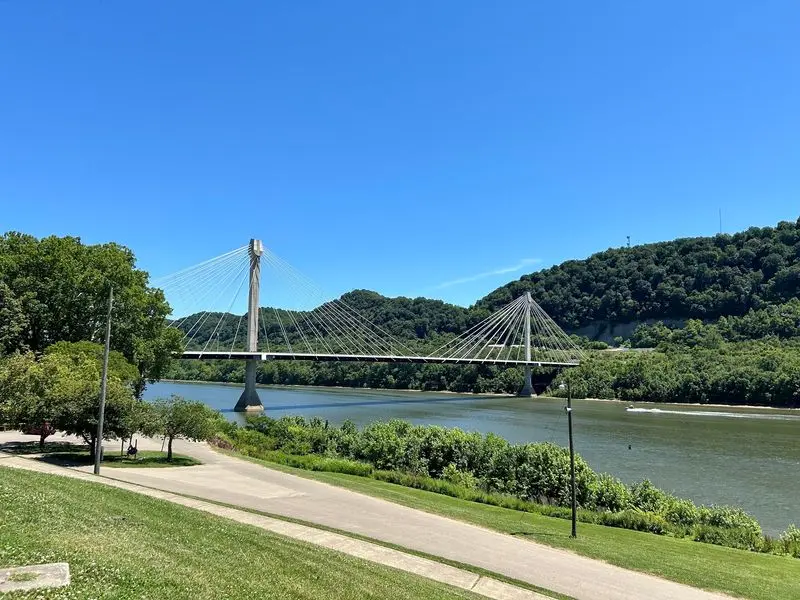
The painted side can hold your attention so well that you might forget to look beyond it. Visitors point out that there is more to explore on the other side of the floodwall, where the river adds another view to the outing. Checking both sides can make the stop feel richer without adding a ticket cost.
Finish a section of paintings before heading through an available passage. Notice how different the setting feels when you leave the busy pictures and face the open water. That change of pace can be welcome after reading several panels in a row.
Keep an eye on your group near crossings and any traffic. Use marked routes and follow posted signs rather than looking for a shortcut over a barrier. Floodwalls serve a serious job, even when colorful art makes them inviting.
The river view also gives you a chance to think about why a floodwall stands here at all. The structure protects the community, while its artwork shares community history. Seeing both sides helps those two purposes make sense together.
If you are short on time, choose a small stretch of mural and add a look at the water. You will still get a taste of the art and its setting. On a longer visit, save enough energy to retrace your steps without rushing.
Make the Walk Your Own
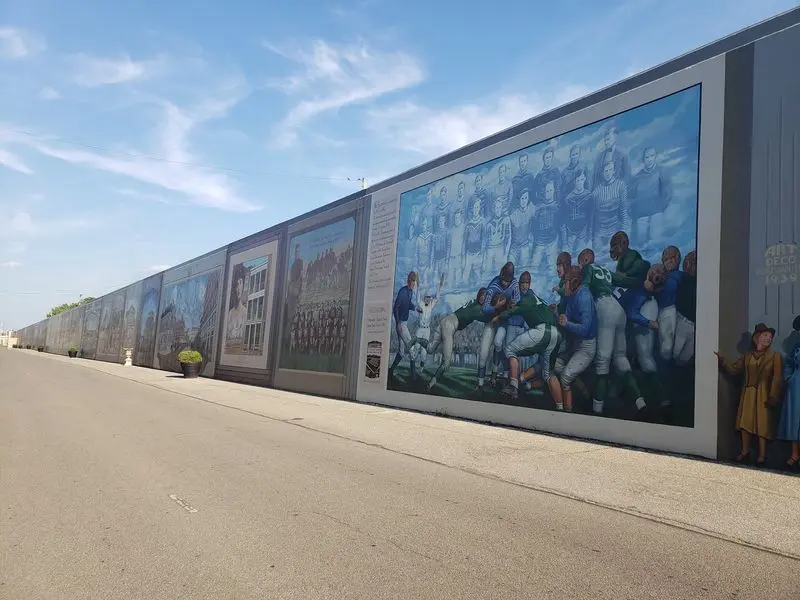
No two people have to enjoy the mural in exactly the same way. One visitor may want every historical note, while another might be happiest hunting for painted details. The long outdoor layout gives both plenty to do.
For a family visit, ask each person to choose one favorite scene and explain why. Younger children can point out colors, animals, or faces instead of reading every sign. That simple game keeps the walk lively without turning it into homework.
Travelers who want photos can plan for wide views as well as close-ups. A person standing near the artwork can help show its size, but give everyone room to pass. Take pictures from a safe spot and avoid stepping into the road for a better angle.
Some visitors report seating along the route and describe the walk as wheelchair accessible. Conditions and access can change, so check current details if your plans depend on a particular route or resting place. Choosing a shorter section is another sensible way to manage energy.
Most of all, let curiosity set your pace. Stop when a scene makes you smile, read when you want an answer, and move on when you are ready. The mural asks for attention, not a perfect plan, and even a modest walk can leave a lasting memory.