

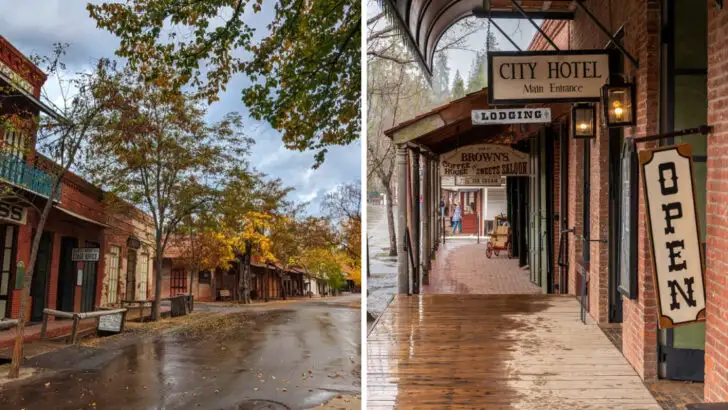
Ready to time travel without a DeLorean or a history degree?
Columbia State Historic Park in the Sierra foothills lets you step straight into the 1850s, where wooden boardwalks creak under your boots and the clang of a blacksmith rings down the street.
You can pan for gold, ride a thundering stagecoach, and chat with costumed locals who make the Gold Rush feel alive.
If you have been craving a real Wild West experience that is easy to reach and endlessly photogenic, this overlooked park is your ticket.
Stroll the wooden boardwalks on Main Street
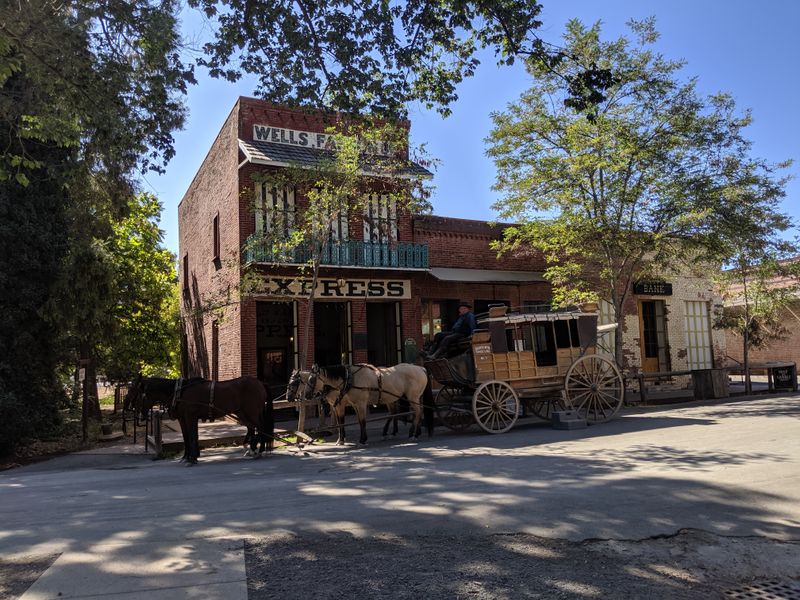
Start on Main Street, where the boardwalk planks flex softly under your steps and the storefronts wear their weathered paint like a badge of honor. You will notice hand-lettered signs and glass windows that ripple with antique imperfections, reflecting a slice of sky and the red brick across the lane. Every door feels like a threshold into some half-whispered tale, and you can almost hear the clink of coins and the murmur of miners swapping rumors.
Keep your pace slow so the details can settle in. The buildings are not re-creations, they are survivors, stitched back together with care and historic respect, steady enough to hold your curiosity. If you lean on the rail and listen, the street will give you a soundscape: a wagon groan, a laugh from the saloon, maybe the ring of a hammer from a distant forge.
It is easy to treat Main Street as a museum corridor, but resist that impulse and engage. Peek inside the general store and read the labels with their no-nonsense fonts. Ask a costumed shopkeeper about where people would have found flour or candles when freight arrived late and tempers ran thin.
Photographers love this stretch at golden hour, when sun slants between eaves and lifts the grain in the wood. Step back and line up the false fronts, their proud rectangular brows drawing a skyline that still echoes ambition. You might meet a guide who invites you to a tour, or a school group wide-eyed at the notion of a town built on luck and dust.
Before you turn the corner, look down. Boot prints and the pattern of wagon wheels appear after a dry breeze. You will carry the street with you, not as a postcard, but as a living hallway connecting today to a million footsteps ago.
Pan for gold at the troughs
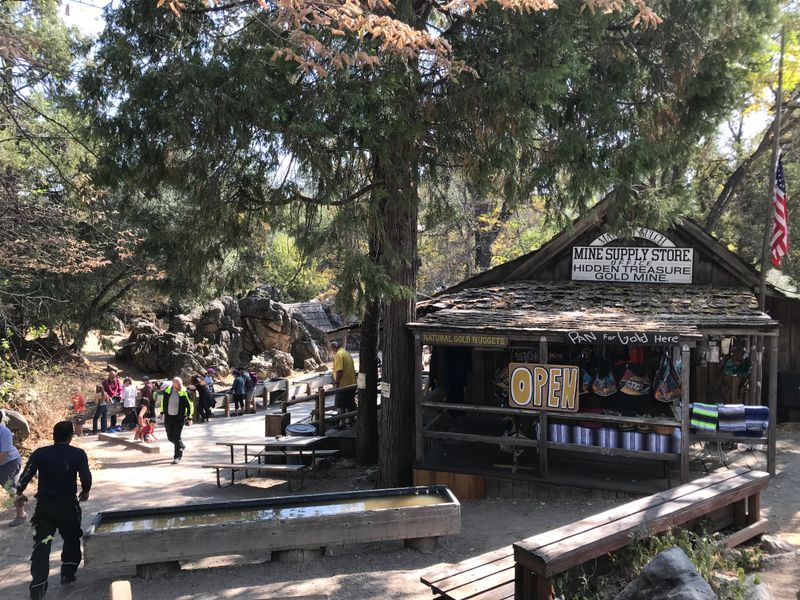
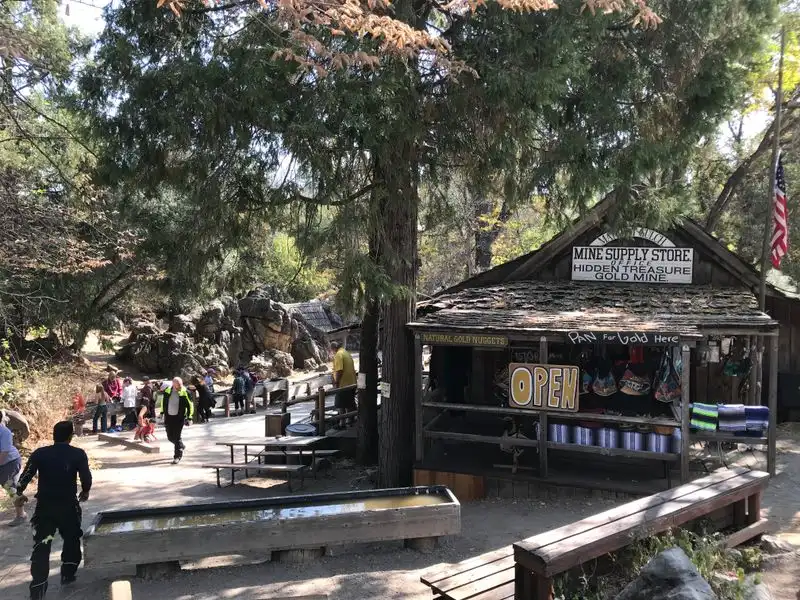
Your fingers will learn the rhythm before your brain does. Swirl the pan, tip it just so, let water carry away the light sand while the heavy bits settle. You will catch yourself holding your breath, eyes scanning for that stubborn glint that refuses to wash out with the rest of the world.
At Columbia State Historic Park, the troughs are shallow and the lessons are patient. A friendly interpreter shows you the shake, the settle, and the gentle sweep that reveals the truth at the bottom. You might only find tiny flakes, but they have a way of feeling like a private sunrise, proof that persistence pays.
Kids lock in fast because the process is tactile and immediate. Adults warm up once they learn that finesse beats force, and that success lives in a delicate wrist. You will trade tips with strangers, laugh at a pan full of mud, then gasp when a fleck flashes like it has something to say.
Gold fever is not a myth. It sneaks up on you while water trickles over your knuckles and the afternoon hum gathers in the trees. One more try, you tell yourself, and another after that, until the trough becomes a tiny theatre of hopes and small victories.
When you step away, you leave richer in practice if not in coin. The routine smooths your thinking and puts you in conversation with everyone who ever stood here, patient, stubborn, eager. Pocket your speck, if rules allow, or just carry the sparkle in memory where it will not tarnish.
Ride the stagecoach down a dusty lane
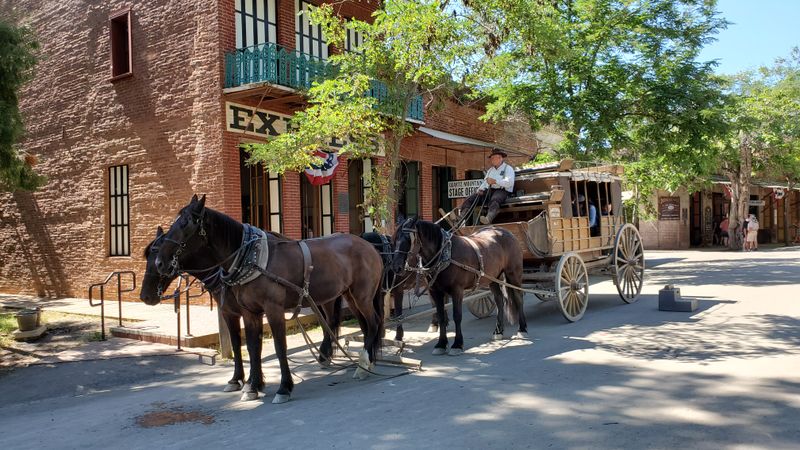
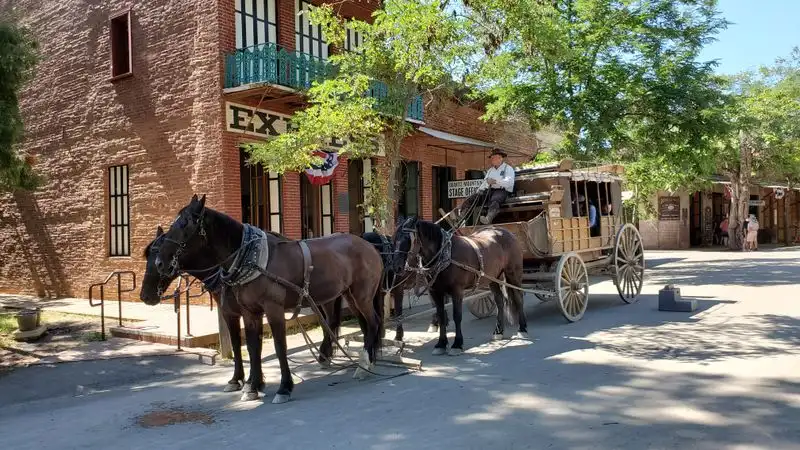
Climb into the stagecoach and feel the door thunk shut, a wooden punctuation mark that sets your heart to the proper tempo. The driver flicks the reins, hooves drum, and dust rises in soft clouds that taste a little like history and sunshine. Laughter bounces inside the coach as wheels find ruts that every pioneer would recognize.
There is nothing passive about this ride. It sways, it rattles, it negotiates with the lane in a language of bounce and grit. You look out the window and catch flashes of oak trees and false fronts sliding past like scenes from an old film reel that forgot to fade.
Listen for the leather straps creaking, the horses snorting, and the quiet communication between driver and team. You are inside a machine that once made distance feel shorter and danger feel normal. If you love stories, this is research you can actually feel in your bones.
Sometimes there is a friendly stickup reenactment that adds a wink to the thrill. No one is really in peril, but your pulse might skip anyway because the choreography is convincing and the dust turns every silhouette dramatic. It ends with grins and a tip of the hat, the way good theatre should.
Back on solid ground, you will step a little wider, like someone who has traveled. The coach leaves tracks that soften within minutes, but the cadence lingers longer than you expect. Keep that rhythm as you walk the boardwalk again, now tuned to hoofbeats and the stubborn joy of movement.
Meet costumed interpreters who keep 1850s life alive
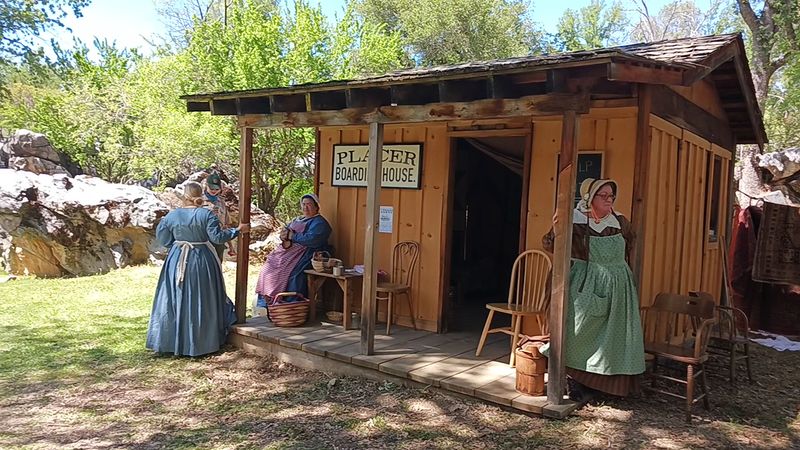
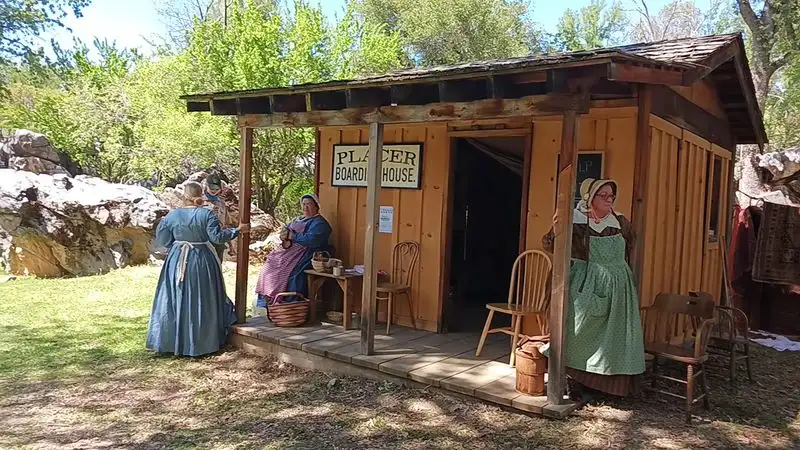
You will know you have crossed into story country when the first interpreter tips a hat or adjusts a bonnet and speaks to you like the 1850s never left. These are not props, they are people who have studied the small habits that make a time believable. Ask a question and watch their eyes brighten because curiosity is the currency they love most.
They do more than recite facts. They show you how to fold newspaper into a seed packet, or how a ledger tracks credit when cash ran thin. You might learn why a shop opens late on supply day, or how a miner repairs a torn boot with patience and a needle that has already seen too much.
Their voices carry the creak of floorboards and the weight of weather. They can tell you which season brought the most hope, and which months tested every neighborly promise. You will laugh at a joke that still works and wince at a reality that should not be forgotten.
Because the park opens at ten, mornings often begin with calm conversations before the crowds gather. Use that window to linger, to follow a thread from soap-making to mail routes to dances that turned rough weeks into smoother ones. The interpreters will walk you there without ever breaking the spell.
Say thank you when you wander on, because they are keeping an ember burning. The 1850s are less about costumes and more about choices in tight circumstances. Leave with new questions and a sense that the past is not behind you, it is beside you, nudging you to pay attention.
Step into the blacksmith shop
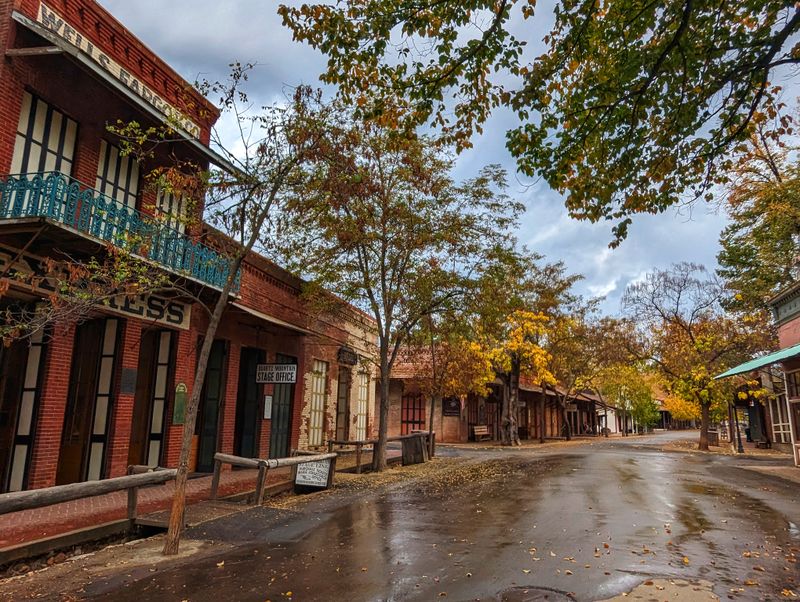
The blacksmith shop breathes with coal and heat, a place where iron softens and time folds. Stand a few feet back and feel the forge push warmth against your cheeks while the anvil keeps a steady heartbeat under the hammer. Sparks leap like tiny comets, and everyone leans in, synchronized by the music of work.
Watch the smith draw a bar from the fire, orange and obedient, then shape it in decisive strokes. Each blow narrows a choice, turning raw potential into a hinge, a hook, a tool that earns its keep. You will understand why this skill anchored a town long before convenience could be boxed and shipped.
Ask about the tools lining the walls, their handles polished by decades of use. The tongs clamp with a personality that only repetition can teach, and the hammers hang like a choir waiting for their solo. You will learn the difference between temper and quench, between patience and waste.
There is a quiet generosity in the explanations, even as the work demands focus. The smith will pause to show you the color that tells truth, the point where iron listens best. You might catch the smell of hot metal fading into air, a scent that is oddly hopeful.
When the finished piece cools, it carries the memory of heat and decision. You will walk out with a new respect for the weight of hinges and the humble heroism of everyday objects. The door swings easier once you have met the person who can make a hinge sing.
Explore the restored hotels and saloons
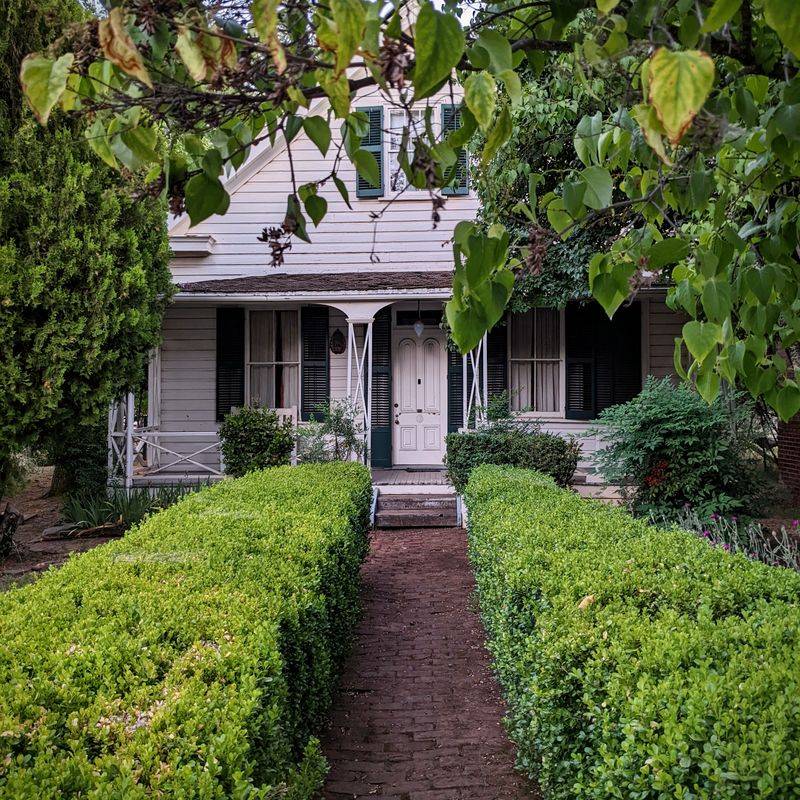
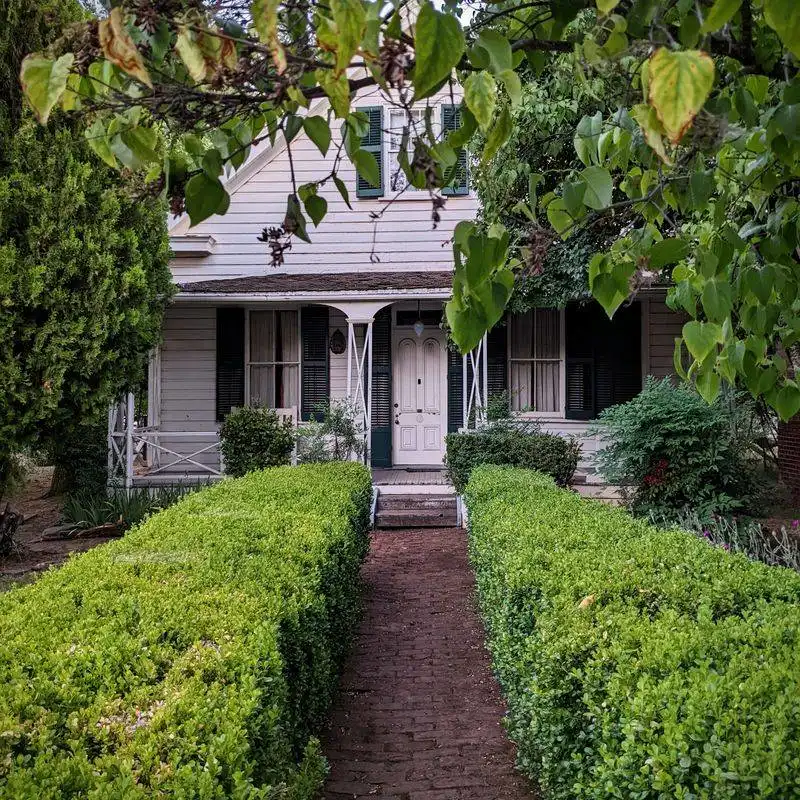
Push open a saloon door and the room answers with a hush that feels rehearsed. Light slips through lace and lands on a polished bar that could tell better stories than any guidebook. Chairs scrape, someone laughs, and you can almost taste the relief of miners who finally quit the dig for the day.
In the hotels, stairways climb with a courteous creak to narrow hallways lined with wallpaper that favors patterns over restraint. Peek into a room where a pitcher and bowl wait patiently for the ritual of washing away dust. You will notice how small the beds are and how big the dreams must have been.
Ask about who stayed and why. The clerk might weave tales of merchants, gamblers, and newlyweds staking claims on luck. You will hear how a roof, clean sheets, and a decent meal could turn a hard week back toward hope.
Saloon games still whisper from the corners. A checkerboard sits mid-match, bottles hold labels that announce pride, and the brass foot rail invites a stance that says you belong. You might learn a house rule or two, the kind that kept the peace when tempers ran hot.
As you leave, the air outside feels both brighter and thinner. Those rooms keep their cool, not just from shade, but from the gravity of shared stories. You will carry the saloon laugh and the hotel creak with you, souvenirs that fit any pocket.
Follow a guided walking tour
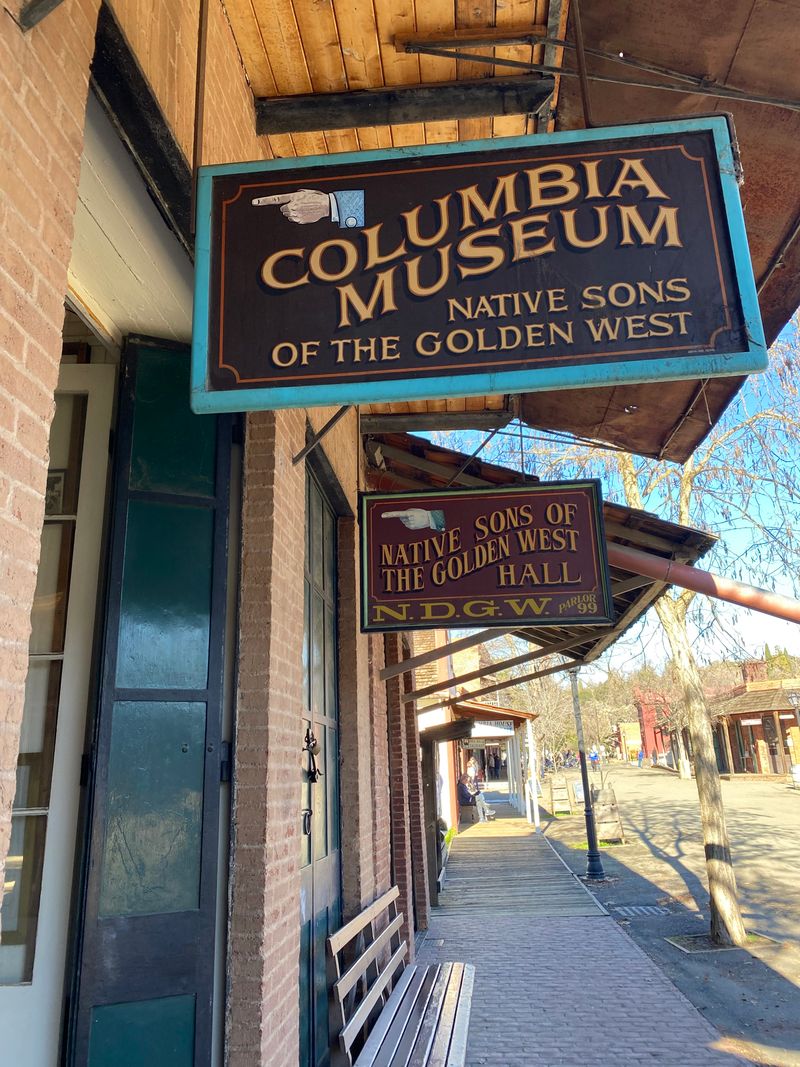
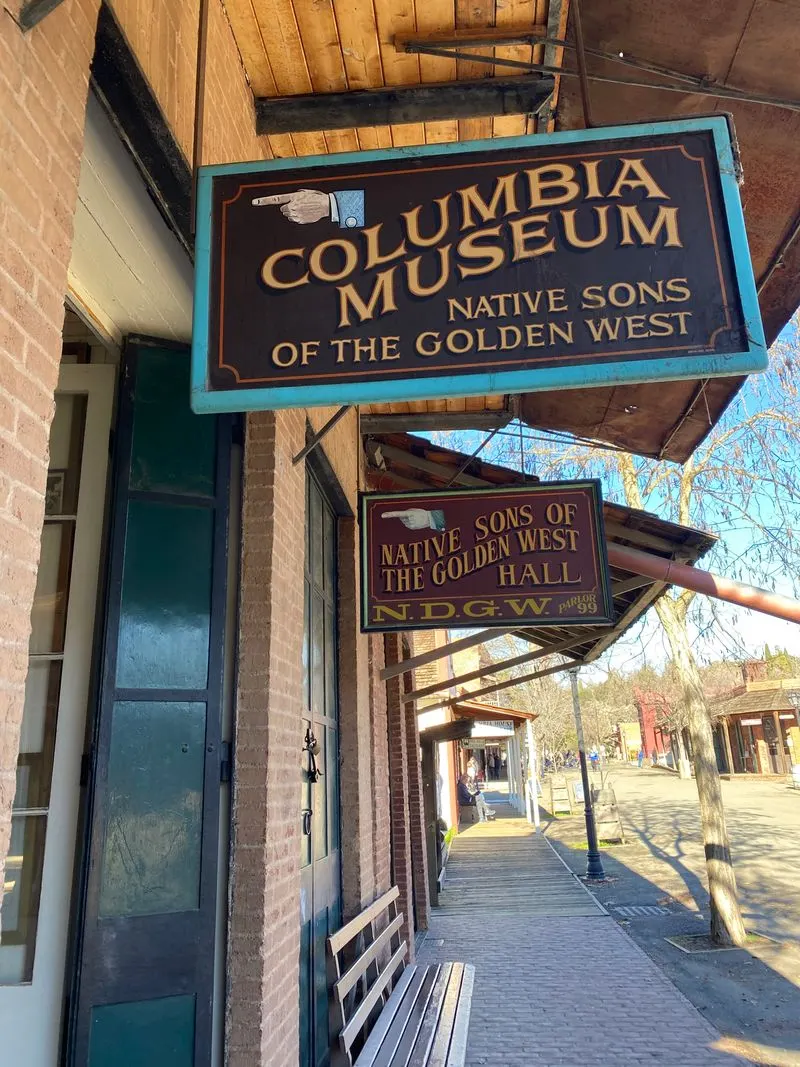
Guided tours turn the park into a map of moments you might otherwise miss. A ranger gathers a small group under the trees, checks the time, and sets off at a friendly pace that welcomes questions. You will hear about fires survived, industries tried and abandoned, and the everyday math of communities that refused to quit.
Stops feel like chapters. At each building, the guide points out a brick that survived a flood or a window that carries old glass with waves like quiet water. You learn how the town flexed with boom and bust, and how preservation chose patience over shortcuts.
Expect humor and a little myth-busting. Legends shrink to size, but they do not lose their shine. You will discover how routes shifted when the stage came through, and why some businesses faced the street the way they did.
The best part is how questions ripple. Ask one thing and the guide will connect it to three others, and soon the whole group is swapping ideas like neighbors on a porch. The park opens at ten, so midday light dresses the brick warmly while you listen.
When the tour ends, you will look at the same corners and see more. The buildings stop being background and start acting like characters with arcs and scars. Head back along the boardwalk with fresh curiosity whispering directions in your ear.
Savor sweets and general store treasures
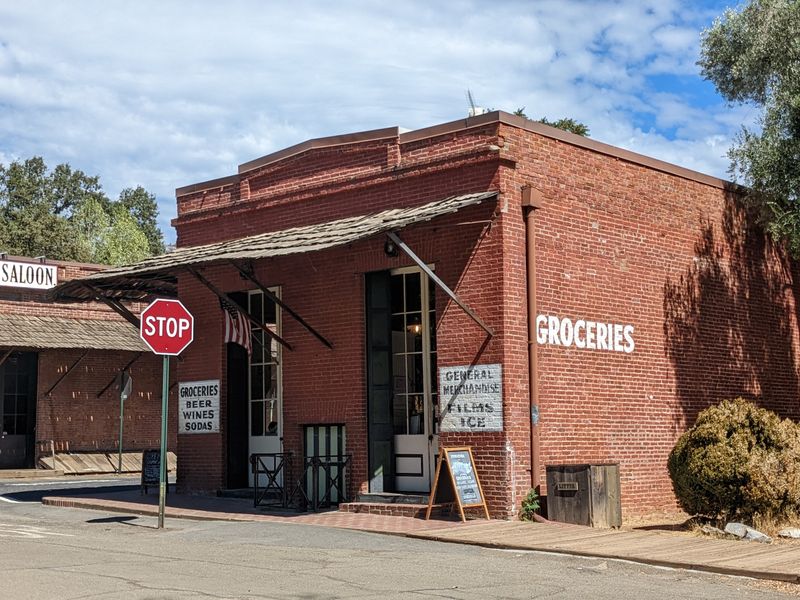
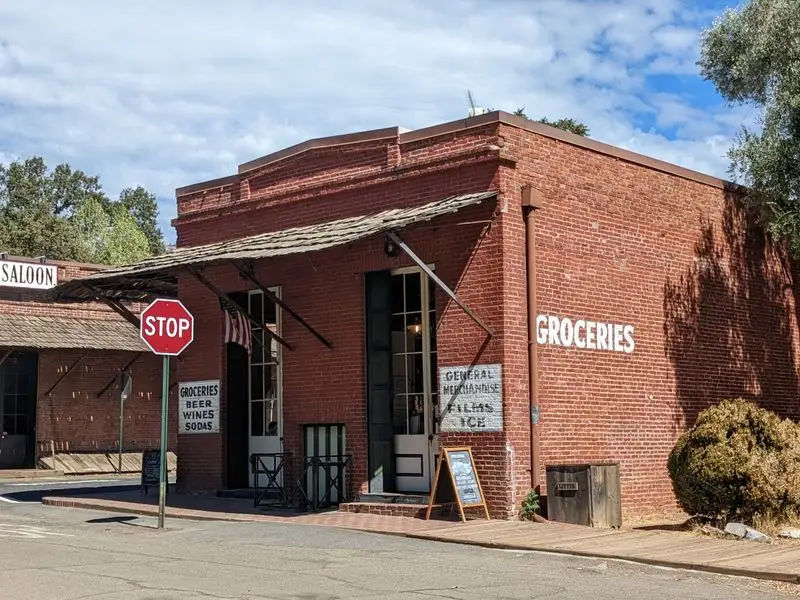
The general store is a reliable cure for low spirits. Glass jars line the counter like cheerful planets, each filled with taffy, humbugs, or bright drops that catch the light. You will feel ten again as you weigh a paper bag in your palm and negotiate with yourself about one more scoop.
Beyond candy, there are shelves of practical wonders. Hand-labeled soaps, tin cups, enamelware, and small tools that look ready for another lifetime of service. You will pick up an item, imagine who first needed it, and realize you have stepped into a thoughtful conversation with utility.
Prices and packaging nod to the past without pretending it is still the present. Staff are quick with a story about who made the fudge or where the recipe traveled from. Ask for recommendations and you will likely leave with something you did not know you needed.
This is also where you can find small gifts that carry real weight. A simple toy top becomes a memory engine, and a jar of jam turns breakfast into a tiny celebration. If you are road-tripping, stash a few treats for the next leg so the ride home keeps a little of the park’s sweetness.
Step back onto the boardwalk savoring a caramel that softens the edges of the day. The bag crackles, the sun is kind, and the street looks friendlier than ever. That is the magic of a good store: it equips you for delight and sends you on your way.
Plan your visit like a local
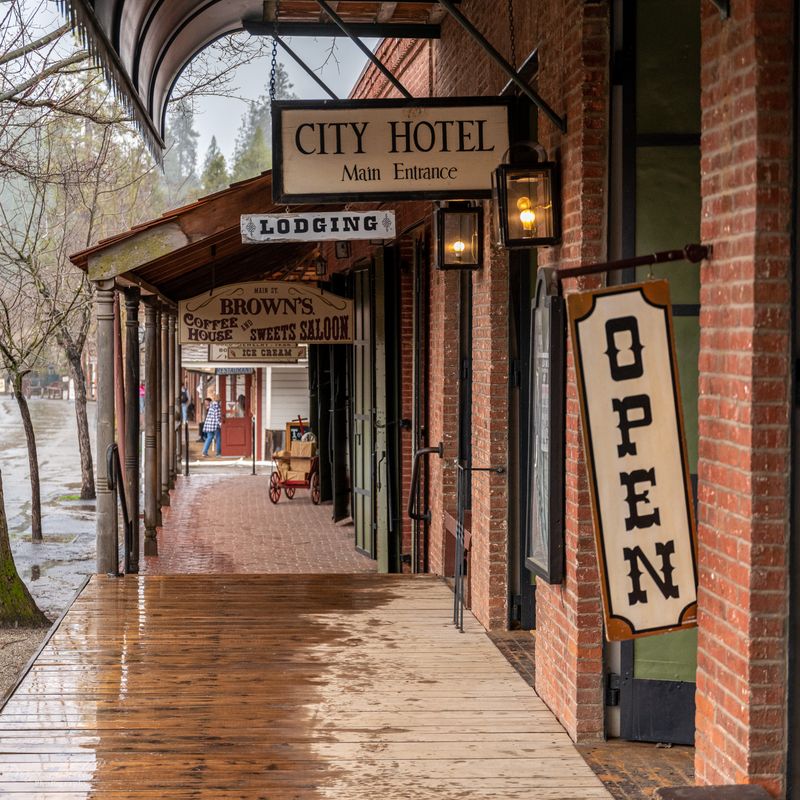
Columbia State Historic Park sits at 11259 Jackson St, with boardwalks that wake up at ten and settle down at four. Aim for a morning arrival so you can catch the first demonstrations before midday crowds. Parking is straightforward, but weekends draw families, so patience is as useful as sunscreen.
Wear comfortable shoes because you will wander, pause, and wander again. Shade comes and goes, and the Sierra sun works steadily even in cooler months. A water bottle and a hat will keep your energy available for the fun parts, like panning and tours that reward your attention.
Call +1 209-588-9128 or check the website for updates, especially around holidays and special events. Hours hold steady across the week, but certain demonstrations rotate and that matters if you have your heart set on something specific. If you travel with kids, plan a snack break in the middle so curiosity does not crash.
Build your route loosely and leave room for serendipity. A conversation with a costumed interpreter might become the highlight, or a stagecoach opening might line up perfectly with your walk. The town rewards people who let the day arrange itself.
Before you leave, take five quiet minutes on a bench and look down the street. Notice the seams where restoration meets endurance. You will head out with dust on your shoes and a better sense of how a place teaches patience and pride to anyone willing to listen.