
Pennsylvania is home to architecture that spans centuries, styles, and ambitions. From grand industrial-era estates to carefully preserved historic buildings, the state offers landmarks that reward visitors who take the time to see them up close rather than from a distance.
What makes these places stand out is how architecture here often reflects deeper stories of innovation, wealth, faith, and community. Design and history intersect in ways that feel tangible, whether in stone, steel, or carefully crafted interiors.
For travelers interested in structure as much as scenery, these architectural wonders reveal a side of Pennsylvania that feels both enduring and unexpectedly diverse.
Fallingwater
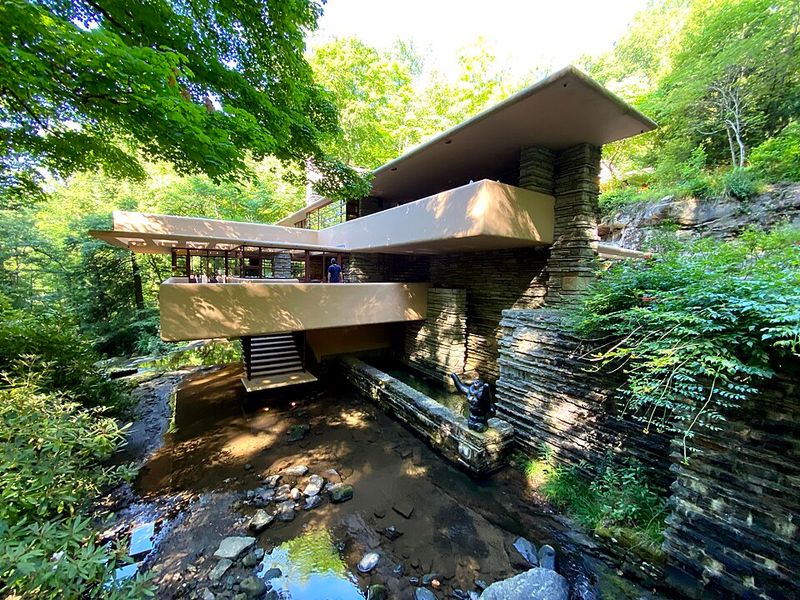
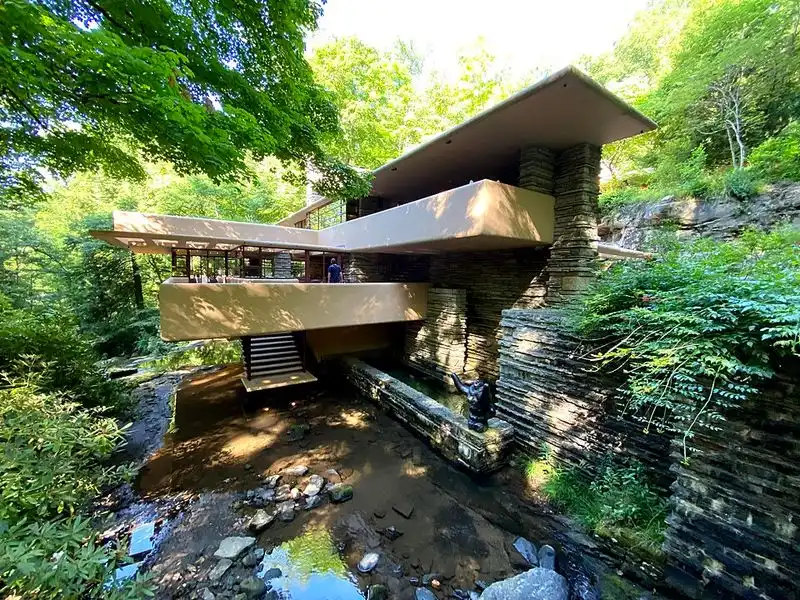
Frank Lloyd Wright’s Fallingwater stands as a testament to innovative design and harmony with nature. Nestled in the forests of southwestern Pennsylvania, this house appears to float above a waterfall, offering visitors a unique blend of modern architecture and natural beauty.
It’s a masterpiece that perfectly illustrates Wright’s philosophy of organic architecture.The cantilevered design allows the house to extend over the falls, creating a visual symphony of stone, glass, and water. Inside, the open floor plan and integration with the landscape provide a sense of peace and tranquility.
Visitors often find themselves mesmerized by how the structure seems to grow from the earth itself.Recognized as a National Historic Landmark, Fallingwater has inspired countless architects and artists since its completion in 1937. It’s not only a symbol of architectural brilliance but also a reflection of the timeless relationship between human creativity and the environment.
Whether you’re admiring its exterior form or exploring its thoughtfully designed interior, Fallingwater is a must-see for anyone interested in the art of building.
The Kinzua Bridge
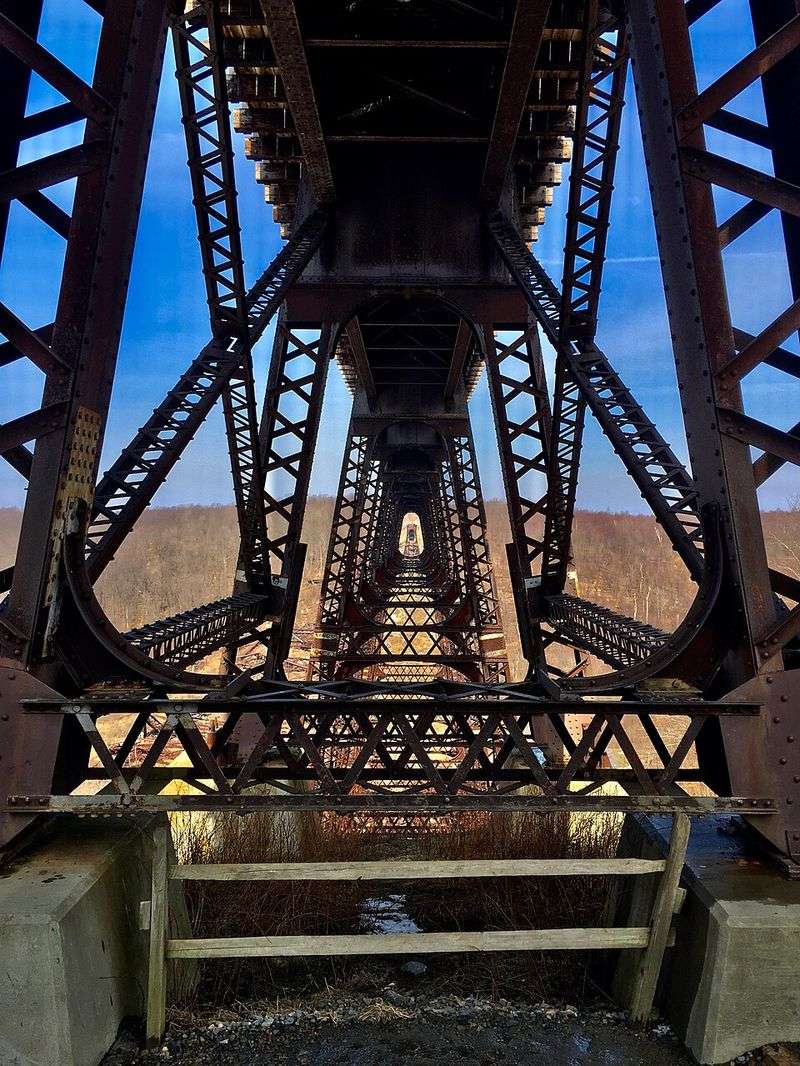
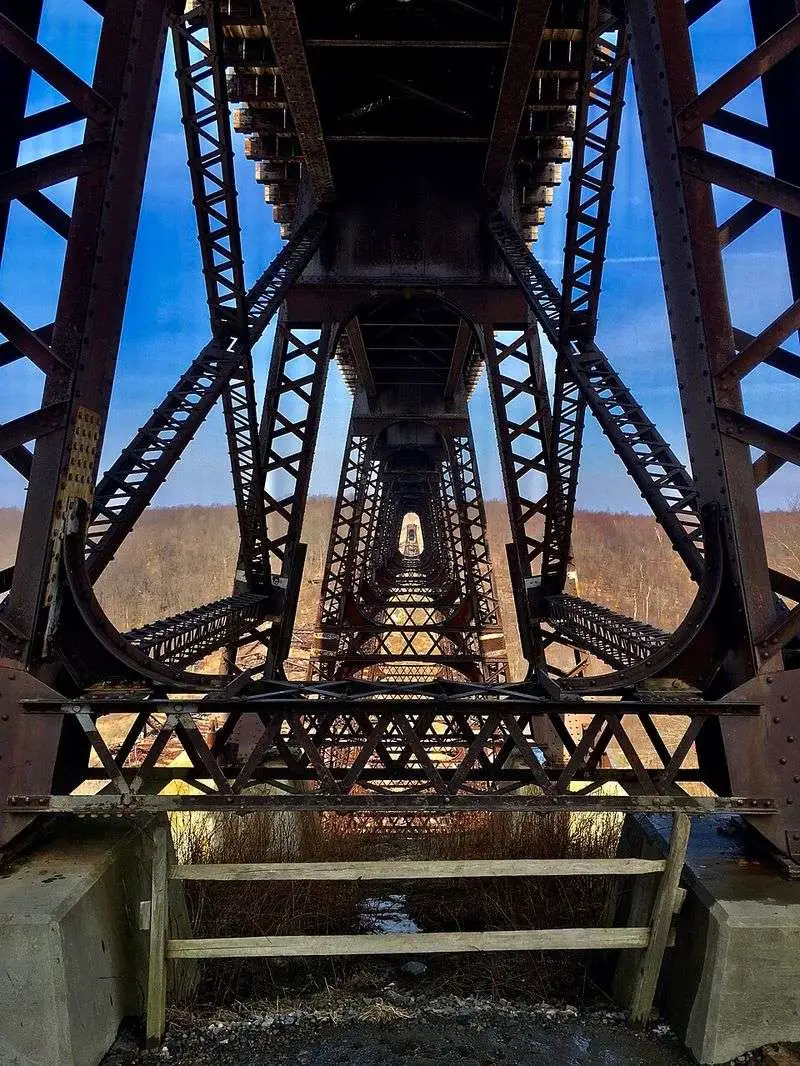
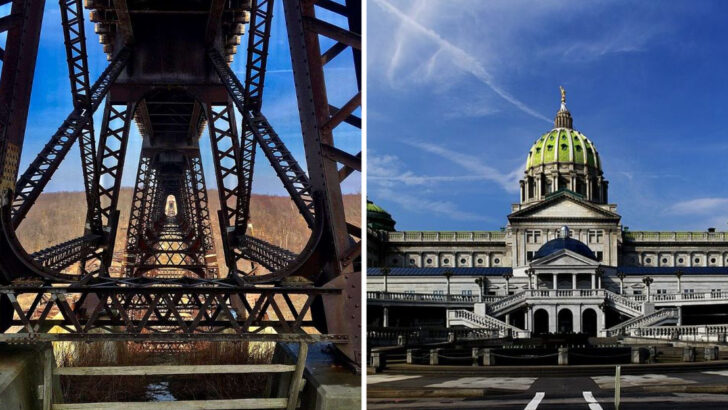
Once the world’s longest and tallest railway bridge, the Kinzua Bridge now offers a unique vantage point to appreciate the engineering prowess of the past. After a tornado partially destroyed the bridge in 2003, it was transformed into the Kinzua Bridge Skywalk, allowing visitors to walk out over the gorge on the remaining towers.Standing 225 feet above the Kinzua Creek Valley, the skywalk features a glass-bottomed section that provides a thrilling view of the forest floor below.
It’s an exhilarating experience that combines history, engineering, and natural beauty.The area is not only a marvel of civil engineering but also a testament to nature’s power and the resilience of human innovation. Educational exhibits along the skywalk offer insights into the bridge’s history and the transformative impact of the tornado.
Visiting the Kinzua Bridge Skywalk is a journey into Pennsylvania’s industrial past with a modern twist that honors both its triumphs and tragedies.
Philadelphia City Hall
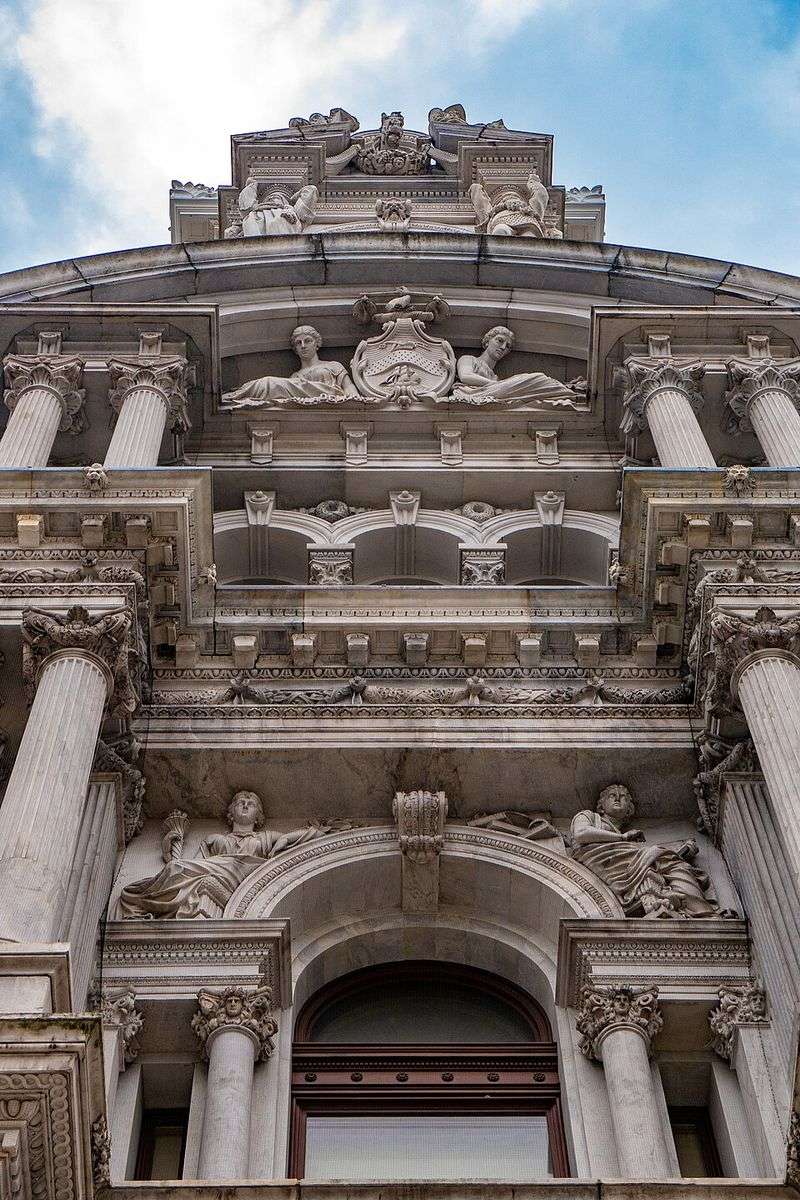
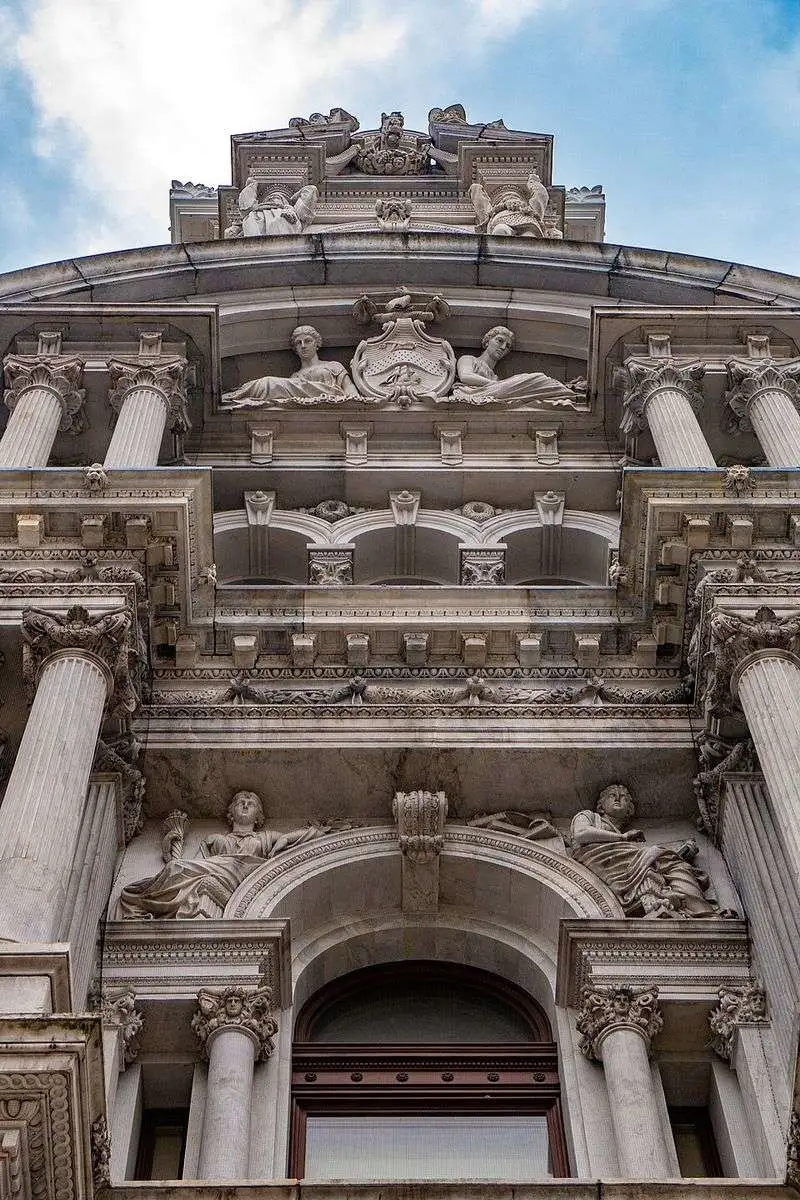
Philadelphia City Hall stands as a grand testament to the city’s historical significance and architectural ambition. Completed in 1901, this massive structure is adorned with elaborate sculptures and a towering clock tower crowned by a statue of William Penn.The building’s Second Empire architectural style is complemented by intricate carvings and sculptures representing the city’s rich cultural heritage.
Inside, the grand staircases and luxurious chambers evoke the opulence of a bygone era, inviting exploration and admiration.Visitors can take guided tours to learn more about its history and even ascend to the top of the clock tower for a panoramic view of Philadelphia. As one of the largest municipal buildings in the United States, Philadelphia City Hall is not just an architectural gem but a living piece of the city’s vibrant history.
It’s a must-see for anyone visiting the City of Brotherly Love.
The Barnes Foundation
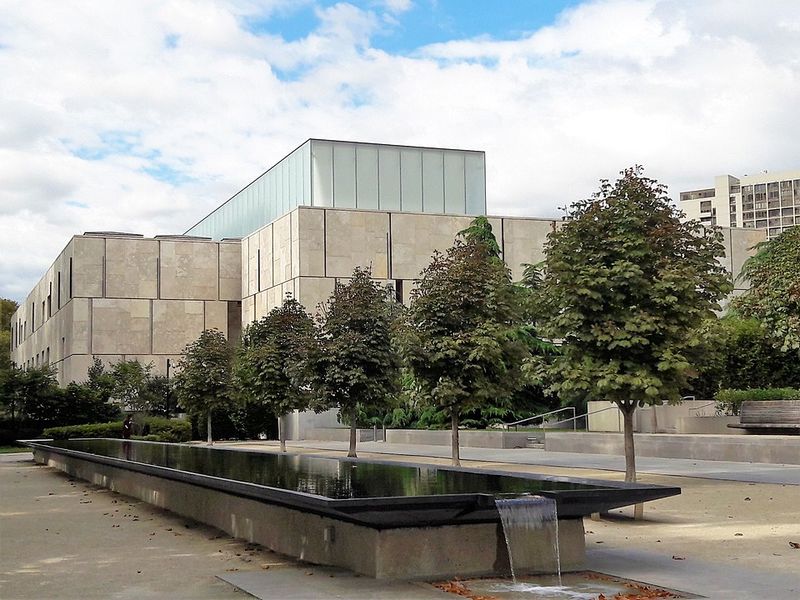
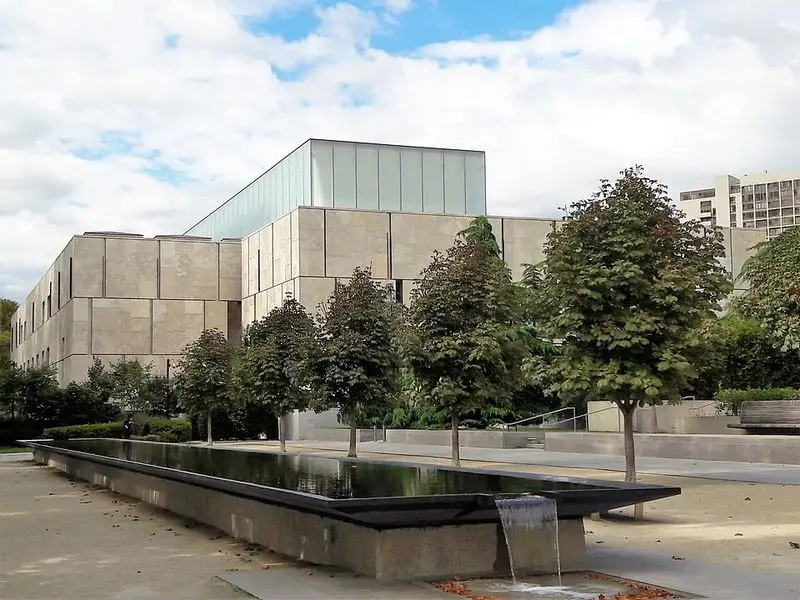
The Barnes Foundation is more than just an art museum; it’s a visionary space that challenges traditional notions of art display and curation. Located in Philadelphia, the building itself is a modern masterpiece, designed by architects Tod Williams and Billie Tsien.Inside, the collection features works by renowned artists such as Renoir, Cézanne, and Picasso.
What sets The Barnes Foundation apart is the way these masterpieces are arranged. Rather than following a chronological or thematic order, the art is displayed in “ensembles” that encourage visitors to make new connections and insights.The museum’s serene garden and innovative architecture provide a calming backdrop to the vibrant works inside, creating a holistic experience that nourishes both mind and spirit.
It’s a place where art, architecture, and nature come together, offering a fresh perspective on artistic expression. The Barnes Foundation invites visitors to engage with art in a way that feels both personal and profound.
Longwood Gardens Conservatory
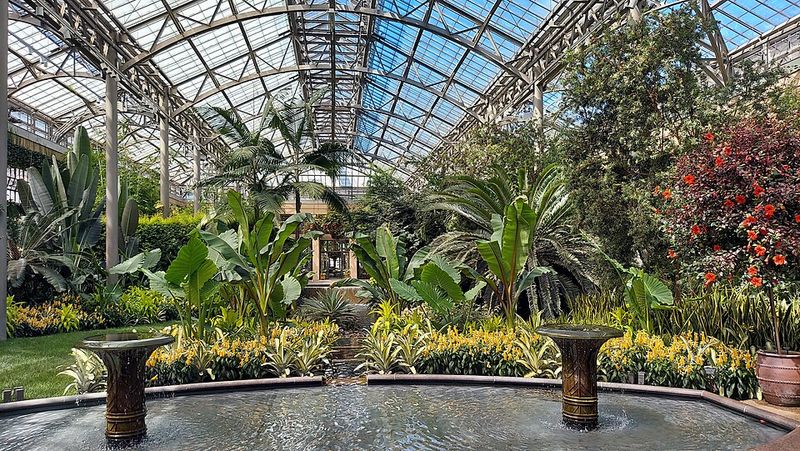
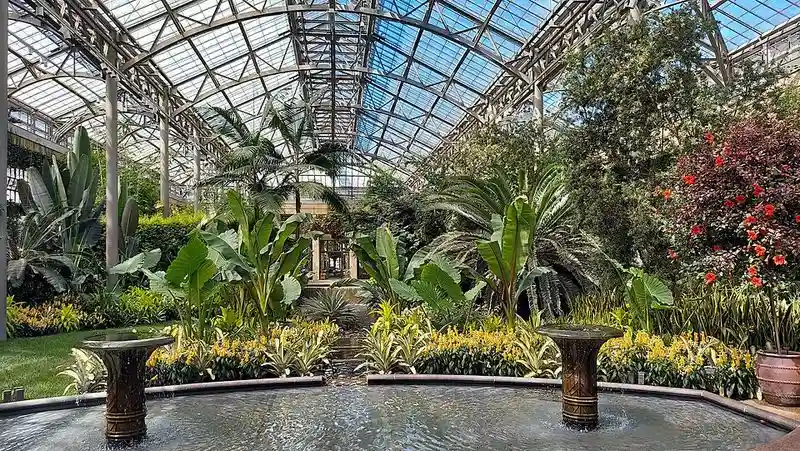
A visit to Longwood Gardens Conservatory is like stepping into a botanical paradise. This glass-encased marvel in Kennett Square, Pennsylvania, houses over 4,600 different types of plants, making it one of the most celebrated horticultural displays in the world.Inside, you’ll find expertly curated gardens that change with the seasons, offering a year-round feast for the senses.
From tropical orchids to Mediterranean flora, the conservatory’s diverse collection is a testament to the beauty and complexity of plant life.The architecture itself is a masterpiece, with expansive glass walls and intricate ironwork that blend seamlessly with the vibrant displays. It’s a place where nature and architecture coexist in perfect harmony, providing a tranquil escape that inspires visitors to reconnect with the natural world.
Longwood Gardens Conservatory is not just a feast for the eyes but a nurturing space for the soul.
The Union Trust Building
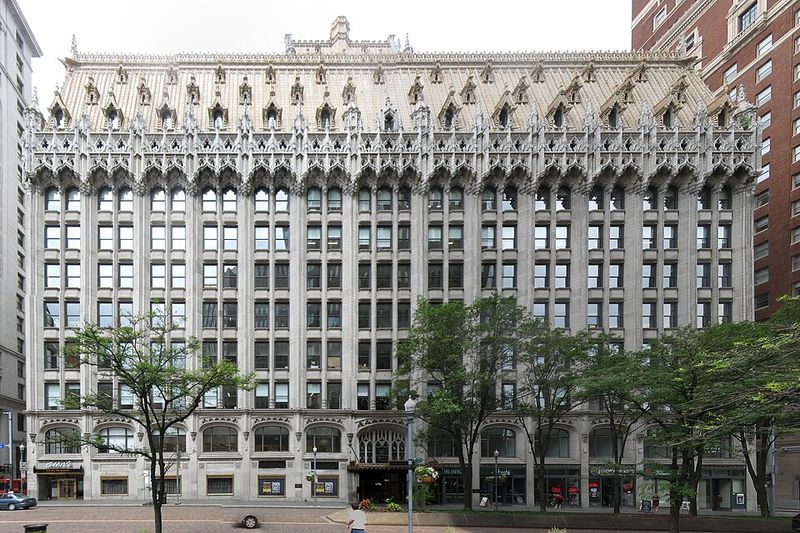
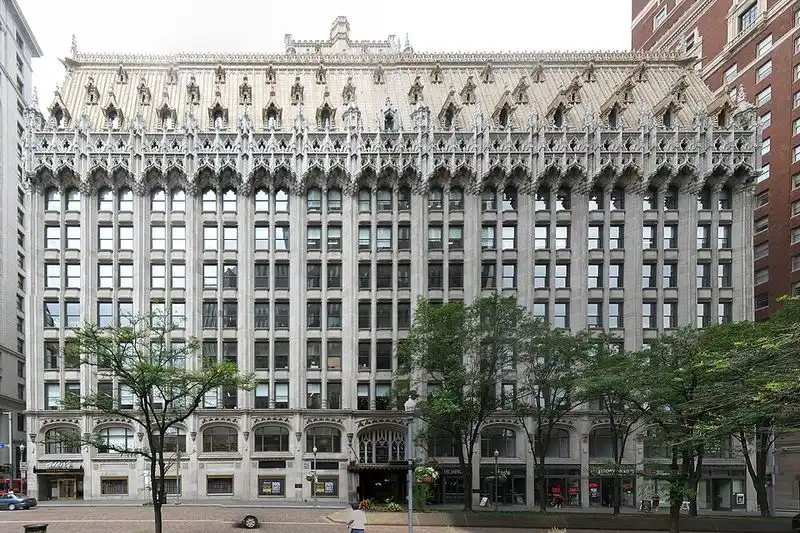
The Union Trust Building in Pittsburgh is a stunning example of neo-Gothic architecture. Its intricate design and attention to detail make it a standout in the city’s skyline.
Originally built in 1915, its grandeur has been preserved and celebrated through careful restoration.The building’s exterior is adorned with lavish stone carvings, while the interior dazzles with a grand rotunda and intricate vaulted ceilings. The Union Trust Building is a vivid reminder of Pittsburgh’s rich industrial history and architectural legacy.Visitors are often surprised by the elegance and craftsmanship on display, which harken back to an era when buildings were as much about artistry as functionality.
Today, it serves as a vibrant hub for business and commerce, seamlessly blending historical charm with modern amenities. The Union Trust Building is a magnificent symbol of Pittsburgh’s architectural heritage.
The State Museum of Pennsylvania
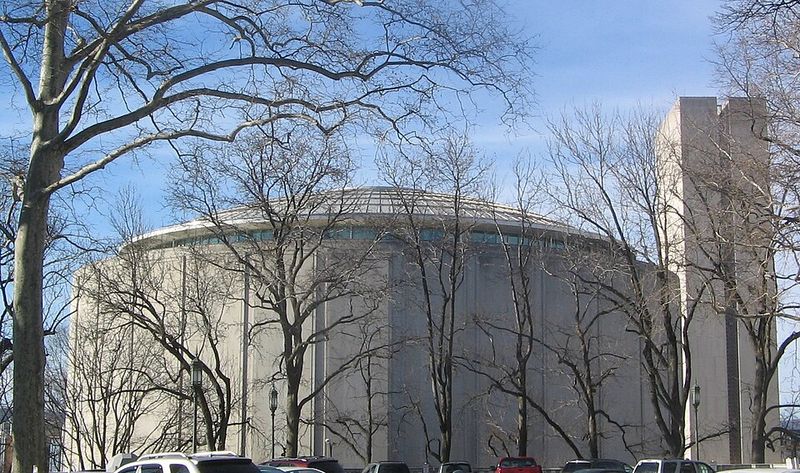
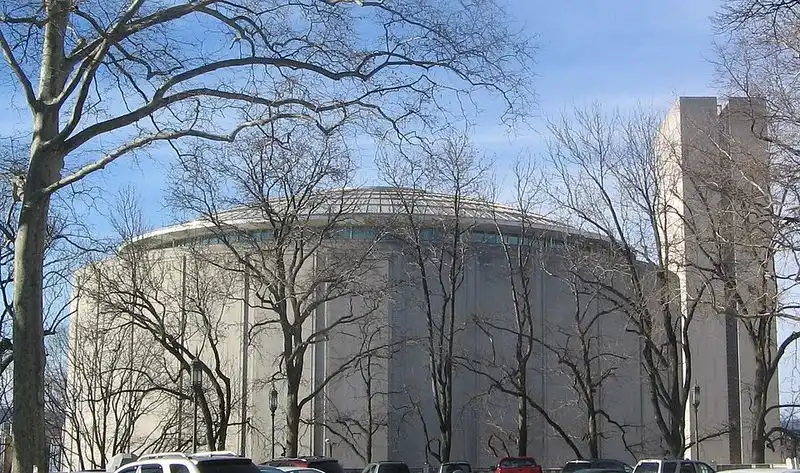
The State Museum of Pennsylvania offers a fascinating glimpse into the state’s rich history, art, and culture. Located in the capital city of Harrisburg, the museum’s modernist design stands as a beacon of education and exploration.Inside, visitors are treated to a diverse array of exhibits, ranging from Pennsylvania’s natural history to its industrial achievements.
The museum’s planetarium is a particular highlight, providing an immersive experience that delights both children and adults alike.Its architecture reflects the forward-thinking spirit of Pennsylvania, with clean lines and open spaces that encourage discovery and reflection. Whether you’re delving into prehistoric artifacts or exploring contemporary art, the museum provides a comprehensive view of the state’s past and present.
It’s a place where learning meets inspiration, inviting all who enter to connect with Pennsylvania’s dynamic story.
Beth Sholom Synagogue
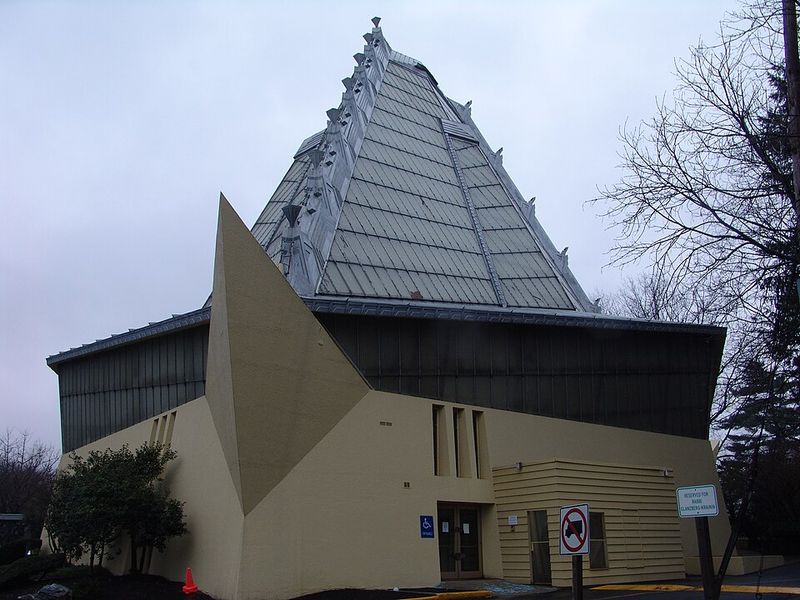
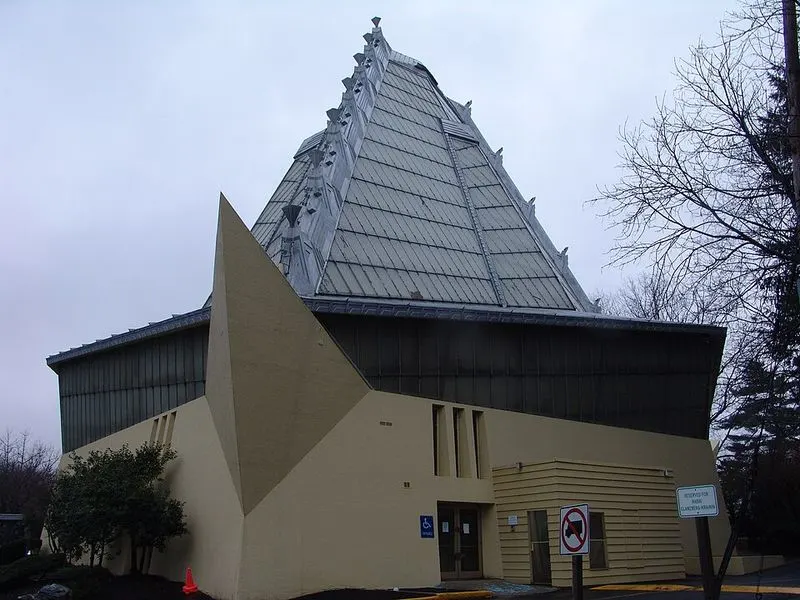
Beth Sholom Synagogue in Elkins Park is not just a place of worship; it’s a visionary architectural achievement. Designed by Frank Lloyd Wright, this synagogue is often described as a “praying hands” structure due to its striking, upward-reaching design.The synagogue’s bold geometric forms and innovative use of materials create a space that is both spiritual and awe-inspiring.
Inside, the interplay of light and shadow enhances the sense of reverence and tranquility, making it a unique environment for reflection and community gathering.Completed in 1959, Beth Sholom is a National Historic Landmark and a testament to Wright’s ability to blend form and function. It’s a place where architecture transcends its physical boundaries, offering a spiritual experience that resonates with visitors of all faiths.
This synagogue is a shining example of how architecture can elevate the human spirit.
The Cathedral of Learning
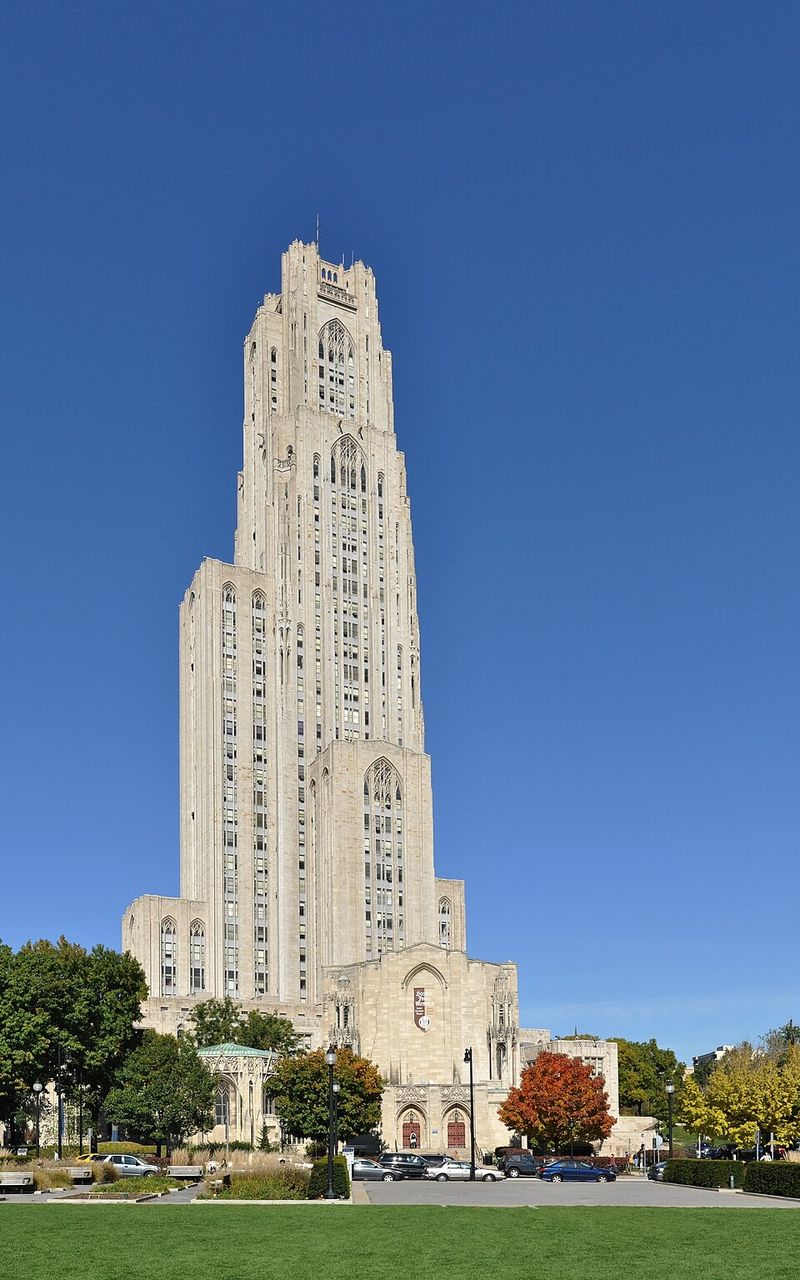
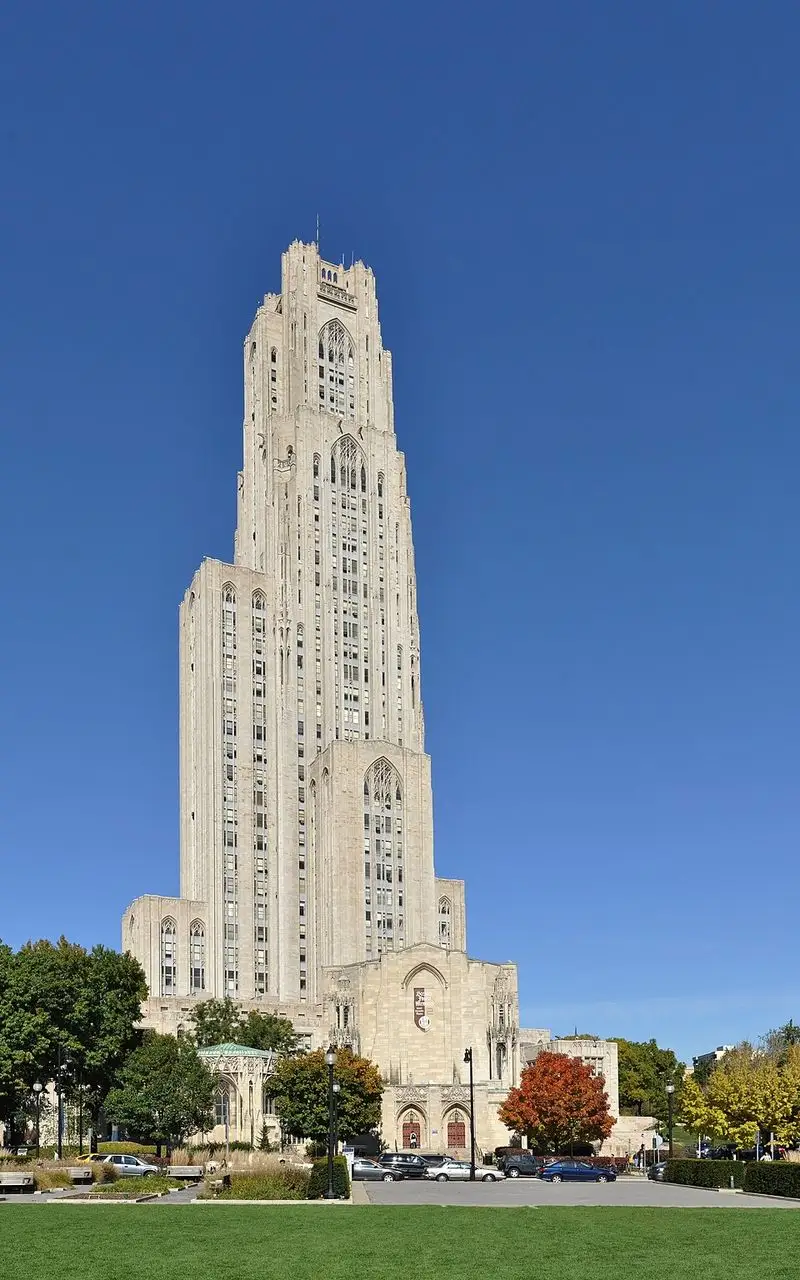
The Cathedral of Learning in Pittsburgh is more than just an academic building; it’s an iconic symbol of the University of Pittsburgh and a testament to Gothic Revival architecture. Standing at 535 feet, it’s the tallest educational building in the Western Hemisphere.Each floor of this impressive structure is filled with classrooms and spaces that reflect different cultural heritages, known as the Nationality Rooms.
These rooms offer a unique glimpse into the history and traditions of various countries, adding an educational layer to its architectural beauty.Beyond its grand exterior, the Cathedral of Learning serves as a hub for students and faculty, where history, culture, and education intersect. Its towering presence and intricate design make it a must-visit for those exploring Pittsburgh, inviting all who enter to be inspired by its grandeur and purpose.
It’s a building that captures the imagination and fuels the pursuit of knowledge.
The Eastern State Penitentiary
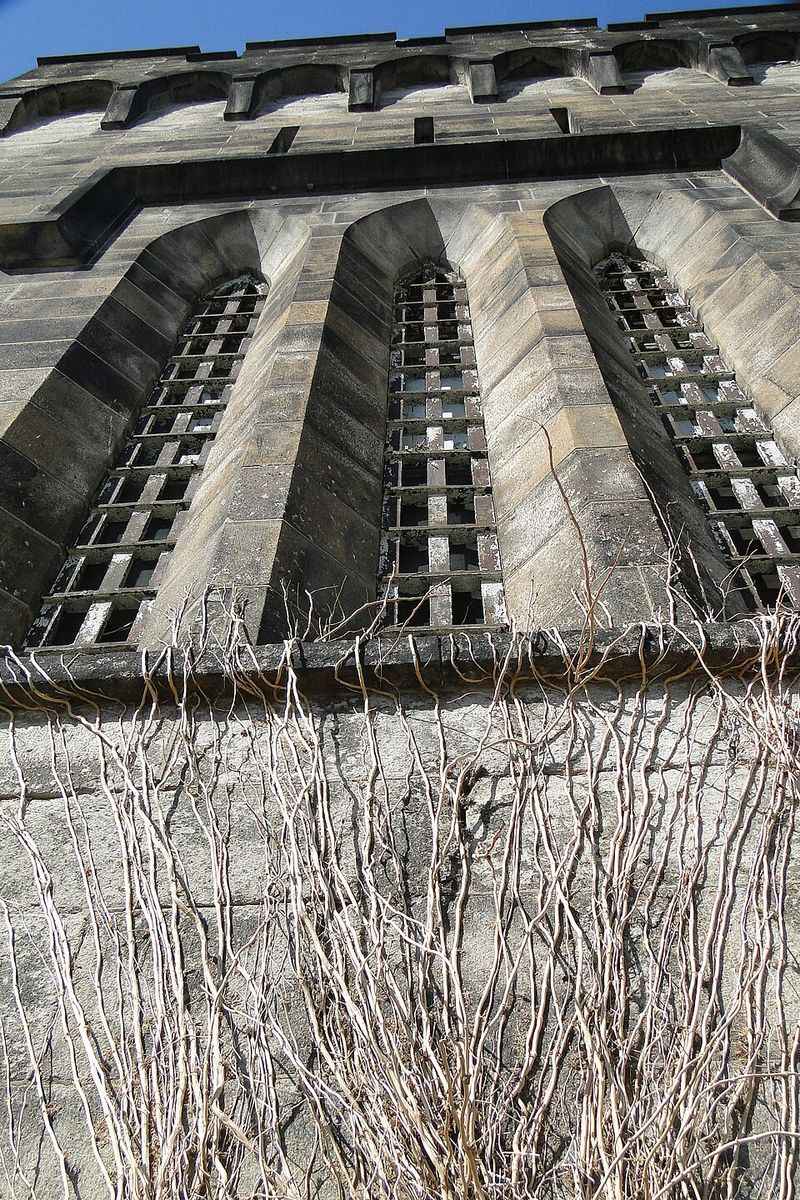
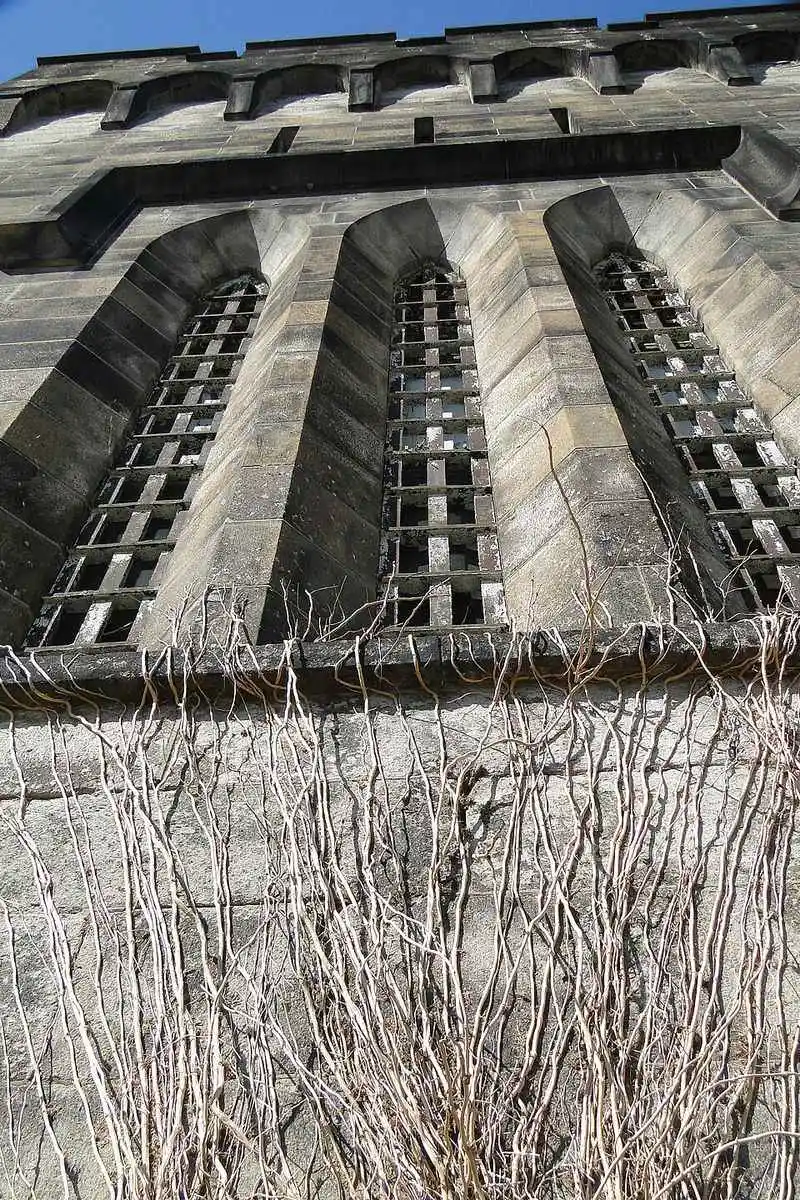
Eastern State Penitentiary in Philadelphia is a haunting reminder of the past and a landmark in prison reform history. Opened in 1829, it was once the most famous and expensive prison in the world, designed to inspire penitence in its inmates through solitary confinement.Today, the crumbling walls and deserted cells provide a chilling backdrop for tours and exhibits that explore its historical significance.
Visitors can wander through the eerie corridors and imagine the lives of those who were once confined within its imposing structure.The architectural design was revolutionary for its time, reflecting the Quaker belief in reform and rehabilitation. Eastern State Penitentiary is a powerful symbol of the evolving attitudes towards crime and punishment, offering a poignant reflection on the balance of justice and humanity.
It’s a place where history comes alive, leaving visitors both intrigued and contemplative.
The Pennsylvania State Capitol


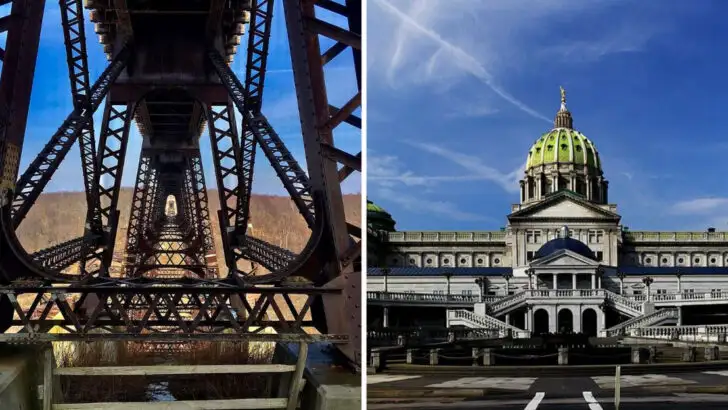
The Pennsylvania State Capitol in Harrisburg is a true architectural gem, often compared to a “palace of art.” Completed in 1906, its Beaux-Arts style combines classical and Renaissance influences, creating a building of unmatched elegance and grace.Its grand dome, inspired by St. Peter’s Basilica in Vatican City, is a centerpiece that commands attention. Inside, the opulent chambers and halls are adorned with exquisite murals, sculptures, and stained glass, each telling a part of Pennsylvania’s story.Visitors are welcome to explore the Capitol’s rich history and art, guided by tours that reveal its hidden gems and fascinating stories.
The Pennsylvania State Capitol is not just a seat of government; it’s a monument to creativity, culture, and the enduring spirit of the Keystone State. It’s a place where politics meets artistry, offering a visual feast that celebrates Pennsylvania’s heritage.
The Andy Warhol Museum
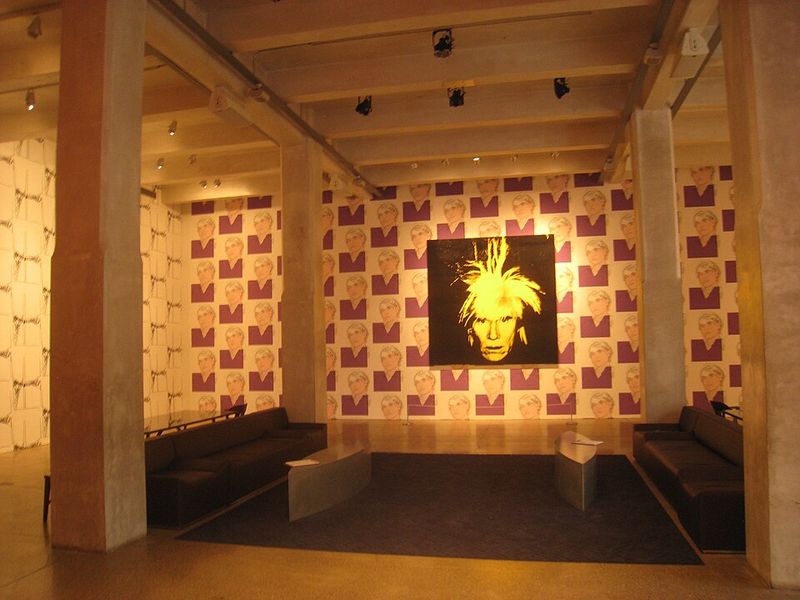
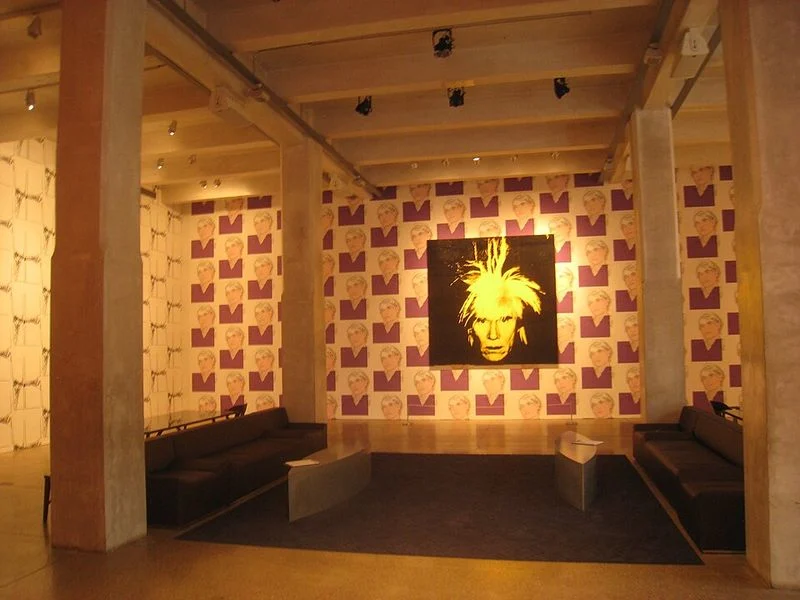
The Andy Warhol Museum in Pittsburgh is a vibrant tribute to one of the most influential artists of the 20th century. As the largest museum in North America dedicated to a single artist, it offers an unparalleled exploration of Warhol’s creative genius.Set in a converted warehouse, the museum’s industrial architecture complements Warhol’s avant-garde style.
Inside, visitors can explore a vast collection of art, films, and personal artifacts that provide insight into his life and work.The museum invites visitors to engage with Warhol’s legacy in an immersive environment that celebrates creativity and innovation. It’s a cultural treasure trove that captures the spirit of an artist who redefined modern art.
For anyone interested in art and pop culture, The Andy Warhol Museum is an essential stop in Pittsburgh’s cultural landscape.
Philadelphia’s Magic Gardens
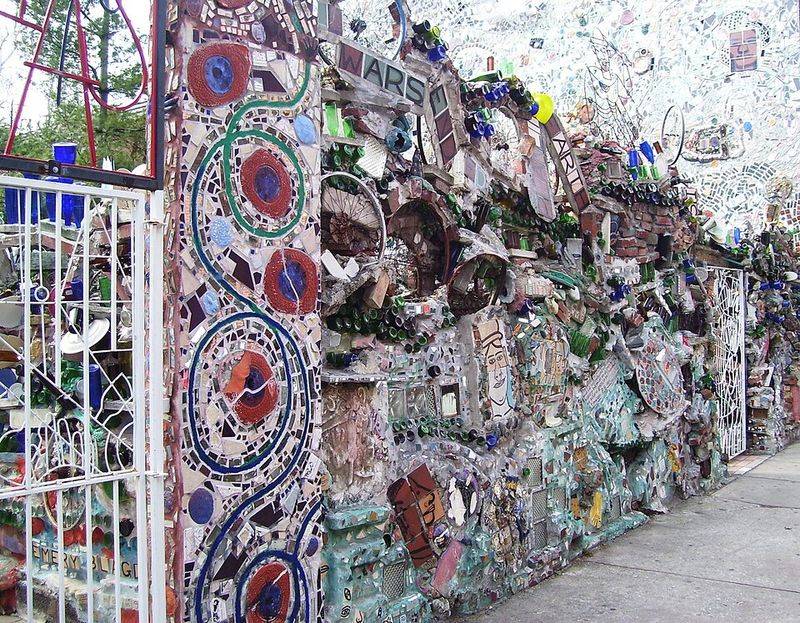
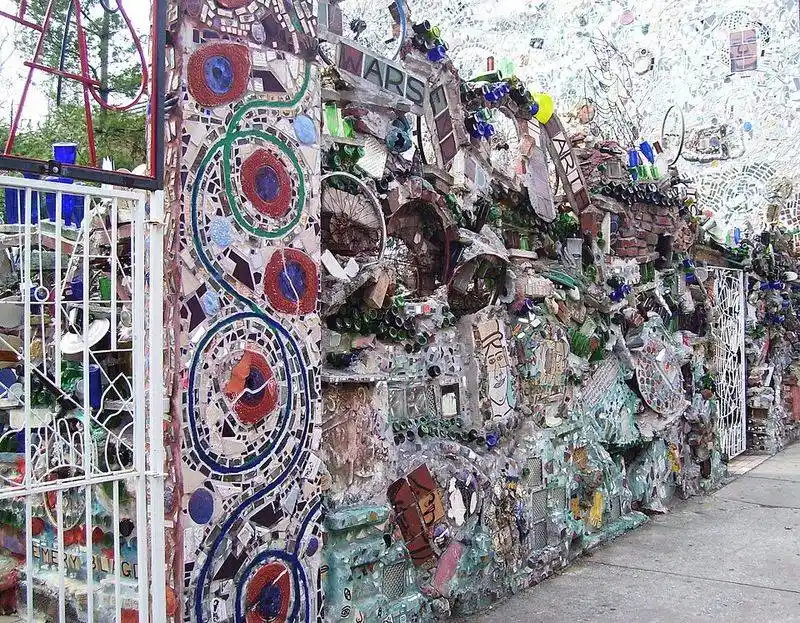
Philadelphia’s Magic Gardens is a unique and captivating space that transforms ordinary urban elements into a colorful wonderland. Created by artist Isaiah Zagar, this outdoor art environment covers half a city block with intricate mosaics made from tiles, mirrors, and found objects.The gardens are a feast for the senses, offering a whimsical exploration of art and creativity.
As you wander through the vibrant installations, you’ll discover hidden details and unexpected surprises that invite contemplation and delight.Zagar’s work is both a personal and communal expression, reflecting the diverse and vibrant spirit of the city. Philadelphia’s Magic Gardens is more than just a visual spectacle; it’s a celebration of imagination and community, inviting visitors to experience art in a way that feels both accessible and extraordinary.
It’s a must-visit for anyone looking to experience the artistic heart of Philadelphia.
Nemacolin Woodlands Resort
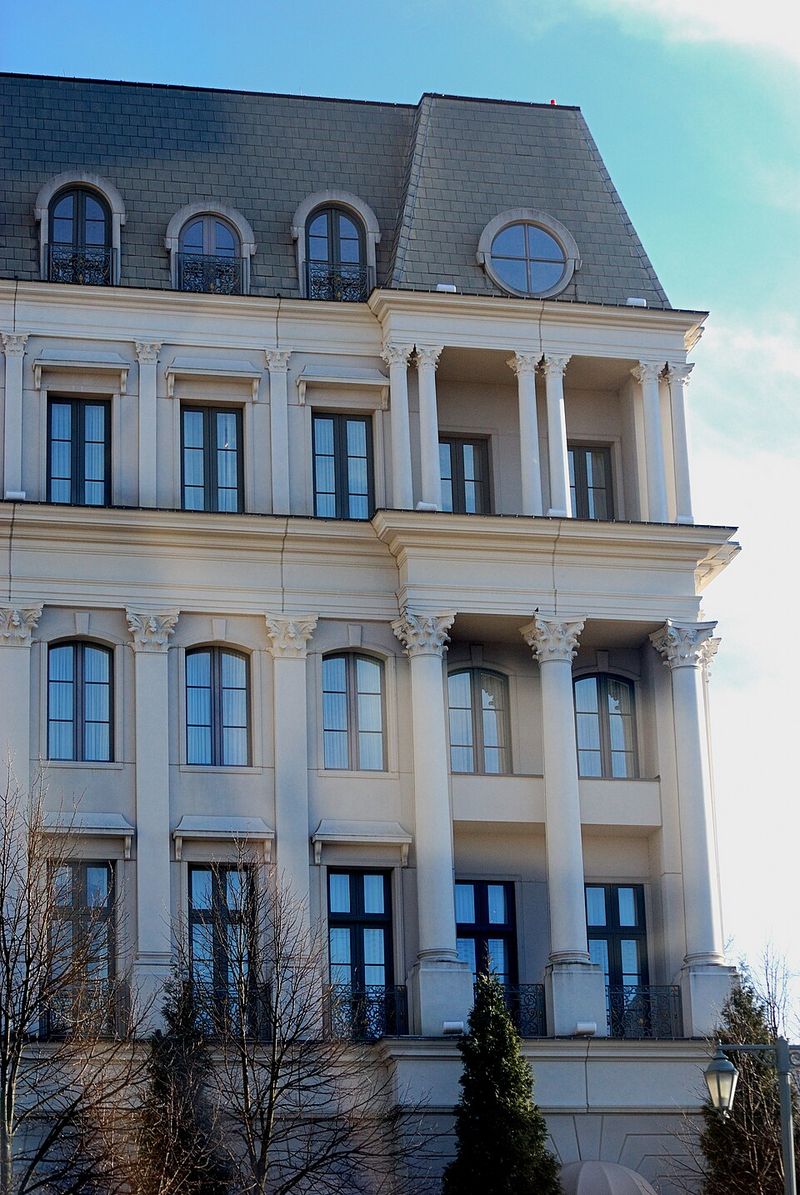
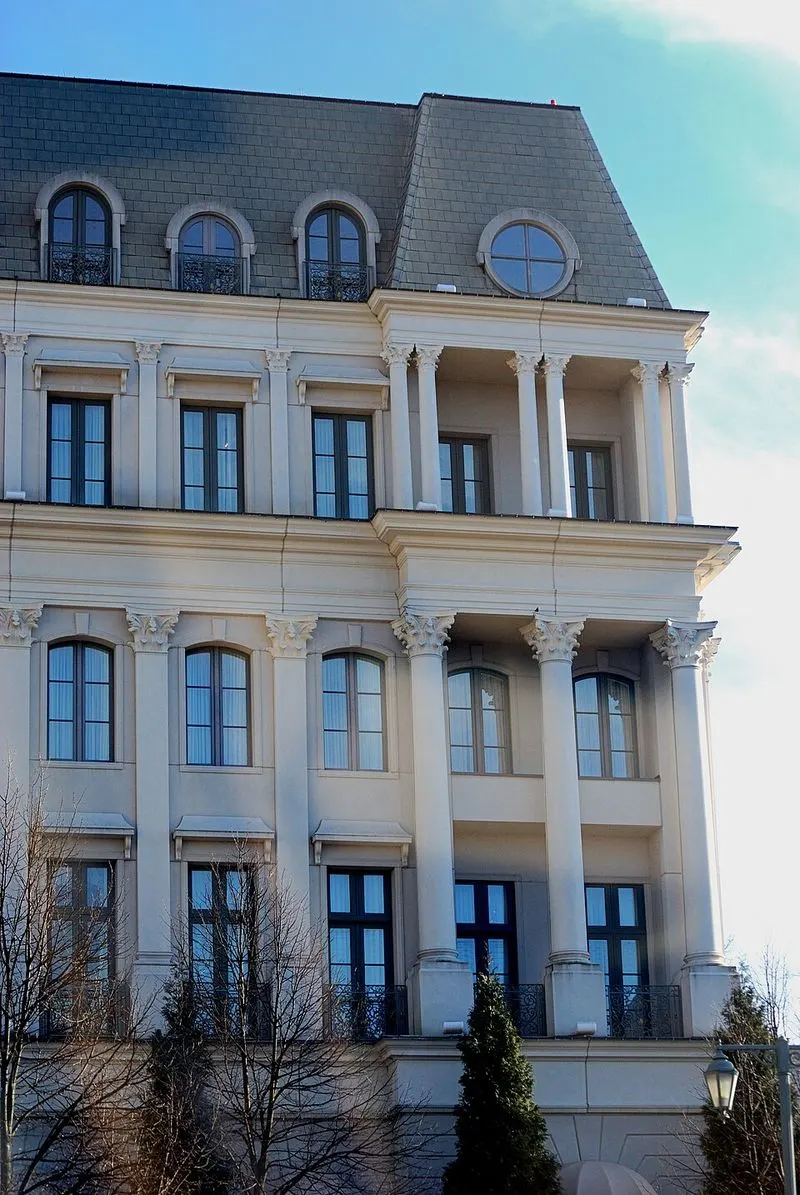
Nemacolin Woodlands Resort is a luxurious getaway nestled in the picturesque hills of southwestern Pennsylvania. Known for its elegant architecture and world-class amenities, it provides a serene escape with a touch of grandeur.The resort’s design blends classic elegance with modern comfort, offering guests a unique experience that includes opulent accommodations, fine dining, and an array of recreational activities.
From its stunning facade to its meticulously landscaped gardens, every detail reflects a commitment to luxury and relaxation.Whether you’re indulging in spa treatments or exploring the scenic outdoor trails, Nemacolin Woodlands Resort promises an unforgettable experience that caters to all senses. It’s a place where architecture meets hospitality, creating a sanctuary that invites guests to unwind and enjoy the finer things in life.
Perfect for a romantic retreat or a family vacation, Nemacolin embodies the art of living well.
Reading Pagoda


The Reading Pagoda is a beloved landmark that offers a touch of the Far East in the heart of Pennsylvania. Perched atop Mount Penn, this seven-story structure was completed in 1908 and has been captivating visitors with its unique Japanese architectural style ever since.The pagoda provides panoramic views of the city of Reading and the surrounding countryside, making it a popular spot for photography and sightseeing.
Its vibrant red exterior and traditional design elements stand in striking contrast to the natural landscape, creating a picturesque setting that is both exotic and tranquil.Built initially as a luxury resort, the Reading Pagoda has become a symbol of cultural diversity and creativity in the region. Visitors are welcome to explore its various levels and learn about its fascinating history.
It’s a place that sparks curiosity and offers a unique perspective on Pennsylvania’s cultural tapestry.