
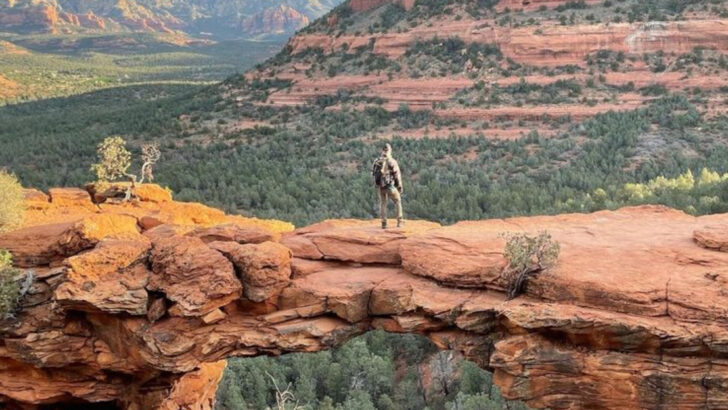
March is prime time for Arizona trails, with cool mornings, wildflower pops, and crowd levels you can actually manage if you plan it right. Short routes here still deliver towering red rock views, slot canyon drama, and summit panoramas worth the early alarm.
You will get practical, on-the-ground tips that help you move faster, stay safe, and squeeze more scenery into fewer miles. Lace up and grab a light layer, because these picks make every step count.
Camelback Mountain via Echo Canyon (Phoenix)
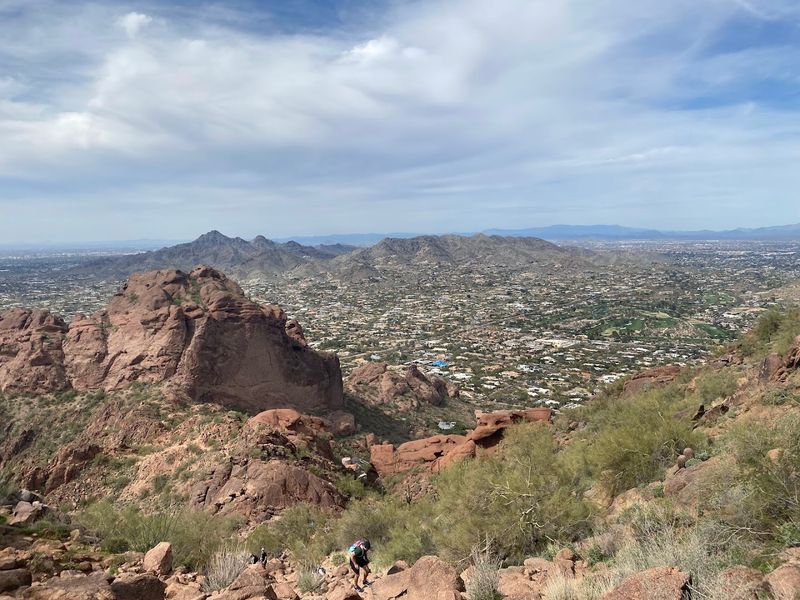
Steep stairs carved in red rock and metal rails set the tone right away, so start slow and warm up the calves. Early March brings cool shade on the first pitch, plus glimpses of wildflowers tucked between boulders.
Pack grippy shoes and light gloves for the rail sections, then stash them once the grade eases near the saddle. Water is non negotiable, and one liter per person is the bare minimum for this short but intense climb.
Timing is everything. Hit the trail by civil twilight to snag parking and watch Phoenix wake as the skyline glows.
On the summit block, wind can cut through thin layers, so a compact wind shell earns its spot. Take a mental snapshot of your line down, because rock scrambles read differently in reverse.
Photos look best just after sunrise when shadows sculpt the rocks. For pacing, treat the first third like a workout and the last stretch like a puzzle.
If crowds stack up at the rails, step aside and breathe instead of burning energy waiting. You will finish with jelly legs and a grin, surprised how much terrain fits into a couple of miles.
Piestewa Peak Summit Trail (Phoenix)
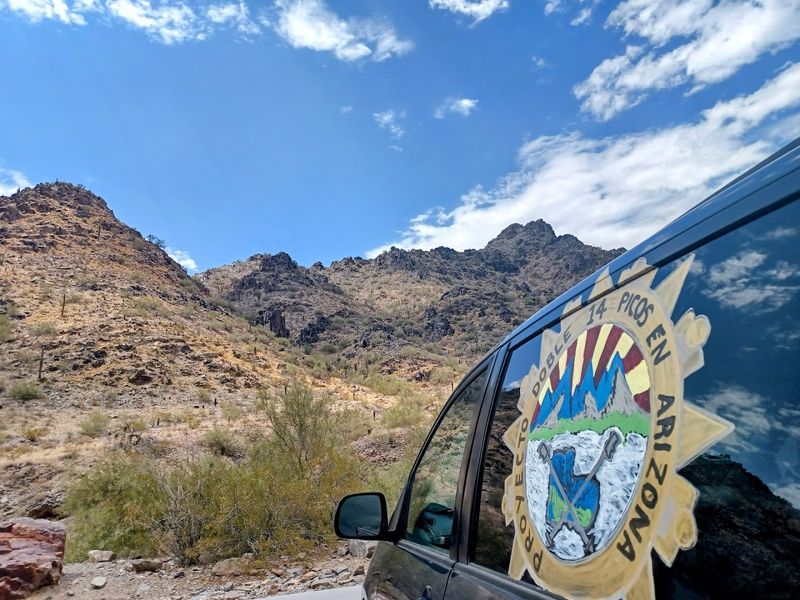
Stone steps stack relentlessly here, so cadence beats speed. Aim for a conversational pace until the midpoint benches, where you can sip water and shake out quads.
March mornings feel crisp, but sun exposure climbs quickly, making a brimmed hat and sunglasses essential. Traction is straightforward, yet the final rocky pitch rewards careful foot placement and short, efficient strides.
Parking fills before 7 am on weekends, so weekday dawn starts shine. Wayfinding is simple, and the reward is a 360-degree city panorama that punches well above the mileage.
Bring a small snack for the summit, something you can eat one-handed while turning with the view. Keep earbuds pocketed, because hearing hikers above helps on narrow passes.
On the descent, shorten steps to protect knees and use poles if you like them on hardpack. Photo ops land best just after sunrise, when the city hazes gold and the ridges ripple with shadow.
Spot blooming brittlebush near trail edges, but stay off cryptobiotic soil. In less than two hours, you will get a sweat-drenched workout, a skyline tour, and confidence for bigger spring routes.
Cathedral Rock via Templeton and Baldwin Loop (Sedona)
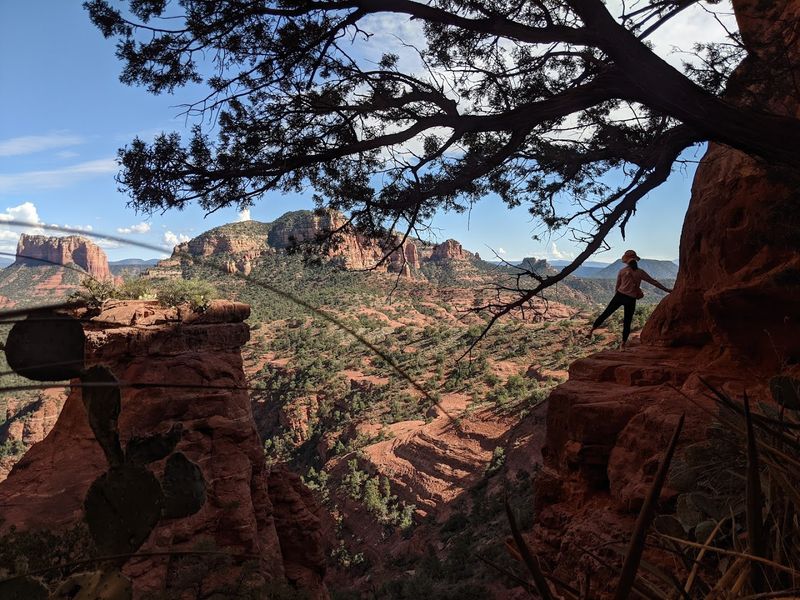
Sedona’s slickrock behaves like sandpaper when dry, so trust your footing and keep steps short on steeper rolls. Linking Templeton and Baldwin keeps crowds lower while delivering full-framed views of Cathedral’s towers.
March adds cool air and running creek sounds, with cottonwoods leafing near the water. Pack a small towel or sandals if you plan a quick creek dip, then dry feet before returning to sandstone.
Start mid afternoon to catch warm light on the red walls, then loop clockwise for easier navigation. Photo stops abound near open shelves where the spires line up cleanly.
Save snacks for a quiet perch above the creek, where wind is calmer and chatter fades. Poles can help on sandy descents, but stash them for slickrock scrambles to keep hands free.
Trail etiquette matters on narrow cuts near the water. Step aside for uphill hikers and keep voices low to hear bikers on shared sections.
You will squeeze iconic scenery into a compact route without the bottleneck of the direct scramble. Finish with a stop in Village of Oak Creek for coffee while sunset dusts the buttes orange and rose.
Devils Bridge via Dry Creek and Chuckwagon (Sedona)
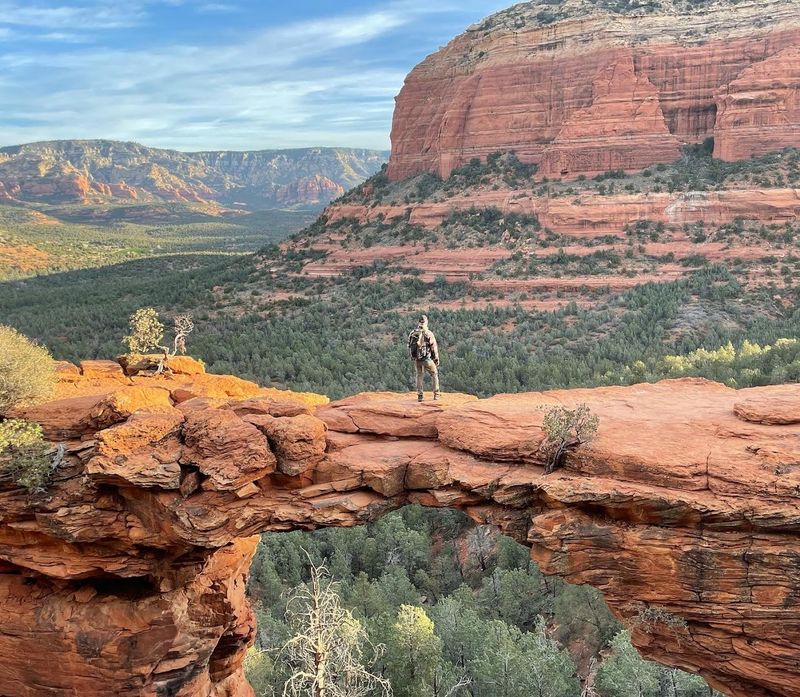
Arches steal the show, but the approach determines how calm your experience feels. Skip the road walk by starting from Chuckwagon, where singletrack meanders through juniper and views stack early.
March mornings are cool, making the final staircase up to the bridge far more pleasant. Bring patience for the short queue on top, and have your photo stance picked before it is your turn.
Foot traffic ebbs after sunrise, so hit it just before first light or closer to mid morning. Wear sticky rubber for the stair-like rock, and keep packs slim so balance feels natural.
Hydration is still key even on cool days, especially as the sun finds the open slickrock. Tuck a microfiber cloth to wipe red dust off camera lenses for sharper shots.
On the return, add a tiny detour to snag side views of the arch that most visitors miss. Poles are optional, but they help on the chunky descent.
You will cover modest miles yet bank a bucket-list image without pushing an all-day effort. Leave no trace by staying on durable rock and giving the cliff edge generous space.
West Fork of Oak Creek (Sedona)
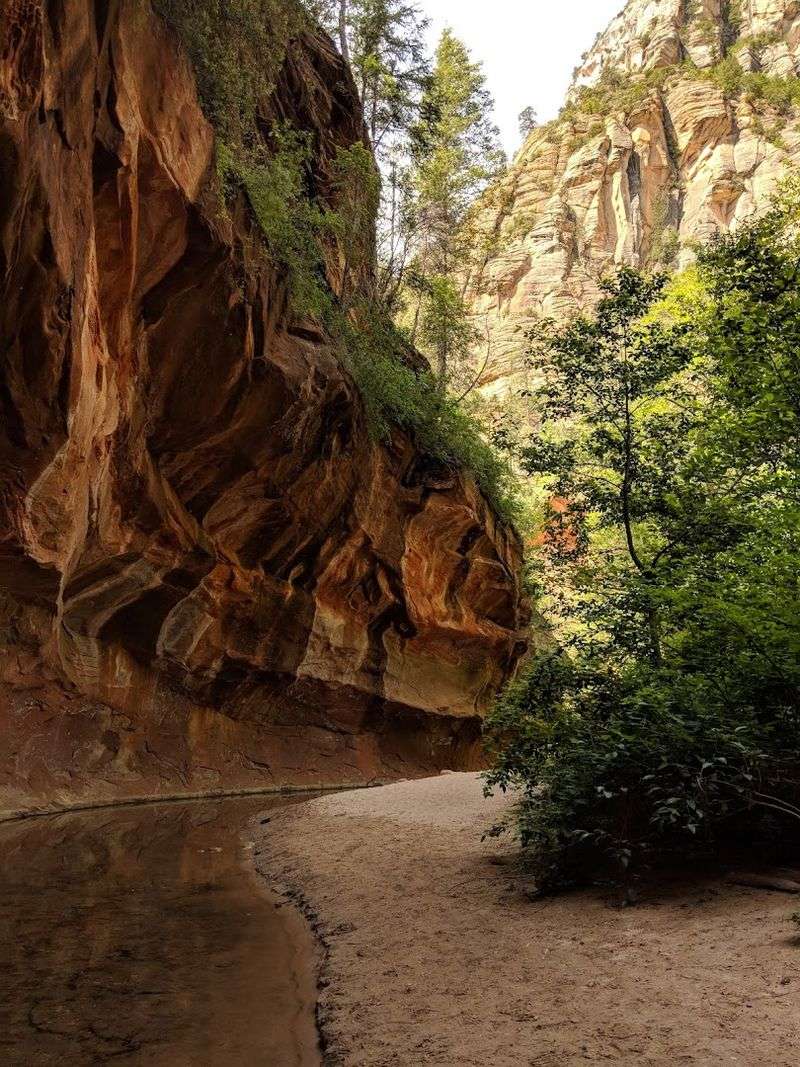
Canyon walls rise like amphitheaters here, and the soundtrack is water over stone. Expect repeated creek crossings that feel brisk in March, so bring neoprene socks or quick-draining shoes.
Keep a steady rhythm through shallow sections, using poles to probe depth and stabilize on slick cobbles. Dry bags for phone and keys are cheap insurance if a foot slips.
The first mile serves constant postcards, so do not rush to push deeper unless crowds thin. Shoulders relax in the shaded narrows, and temperatures hold pleasantly cool all day.
Snack breaks work best on sunlit sandbars where you can warm toes and reset layers. Watch for icier patches lingering in mornings after cold nights.
Photography rewards patience; look for reflected light painting the walls peach and gold. Footwork stays simple, but wet feet slow pace, so plan time accordingly.
You will finish surprisingly refreshed, miles short but senses full, like a mini-retreat you earned. Pack microtrash out and keep crossings efficient to preserve banks and fragile plants.
Tom’s Thumb via Tom’s Thumb Trailhead (Scottsdale McDowell Sonoran Preserve)
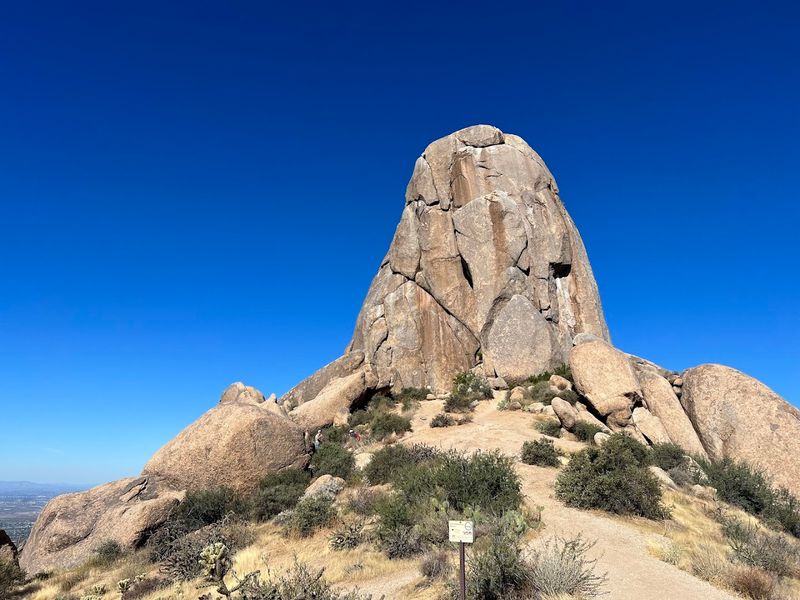
Granite boulders crowd the skyline, and the trail climbs methodically with clean switchbacks. March mornings feel perfect for steady pacing, so settle into a gear you can hold for 45 minutes.
The Thumb appears and disappears as the ridge turns, keeping motivation high. Carry at least a liter and a wind layer, since breezes funnel across the saddle.
Grip is excellent on the coarse granite, but ball-bearing gravel lurks on corners, so shorten strides downhill. Bouldering areas near the top invite detours, though stick to signed paths to protect crusts.
The viewpoint below the formation offers the best scale for photos, especially with scattered wildflowers. Poles are handy on the way down if knees prefer a little support.
Parking is ample compared to city summits, yet sunrise still buys solitude. A compact snack and time cap keep this outing under two hours while packing in outsized views.
You will tag a distinct landmark and feel like you toured a sculpture garden carved by wind. Leave with light legs and a plan to return for neighboring loops.
Havasu Falls Day Hike Alternative: Hualapai Hilltop to First Switchbacks Preview (Supai region)
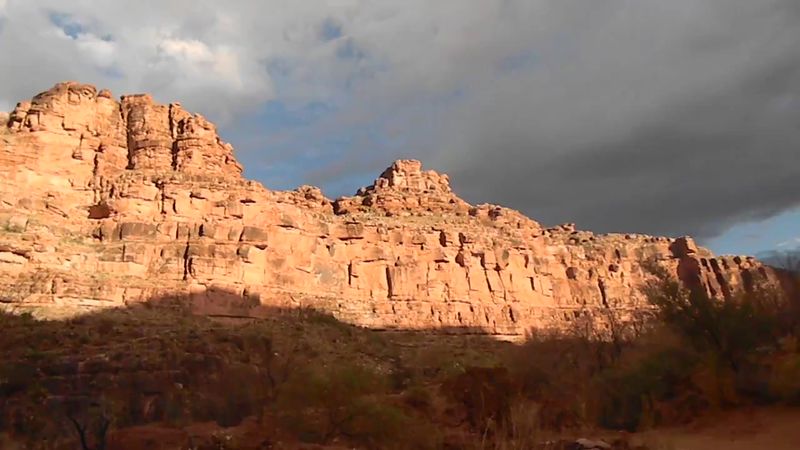
Permits make the classic waterfalls a long game, so a short preview from Hualapai Hilltop scratches the itch responsibly. The first switchbacks deliver sweeping canyon depth without committing to the full trek.
Start at first light in March for cooler air and empty pullouts, then set a firm turnaround time. Shoes with rock plates protect feet on gravelly corners and scattered mule prints.
Navigation is obvious early, and the payoff comes fast as the canyon yawns wider. Pack eye protection, because gusts carry grit that stings.
Bring a headlamp even for short outings, since desert weather and time drift happen. Respect closures and posted rules, keeping this as a reconnaissance outing, not a shortcut.
Photos pop from the upper bends where the trail stacks like ribbons against the wall. Hydration stays crucial, and a salty snack helps if you are moving quickly.
You will step away with a sense of scale and a smarter plan for a permitted return. Keep goals modest, enjoy the drama, and leave the place better than you found it.
Superstition Mountains: Hieroglyphic Trail (Gold Canyon)
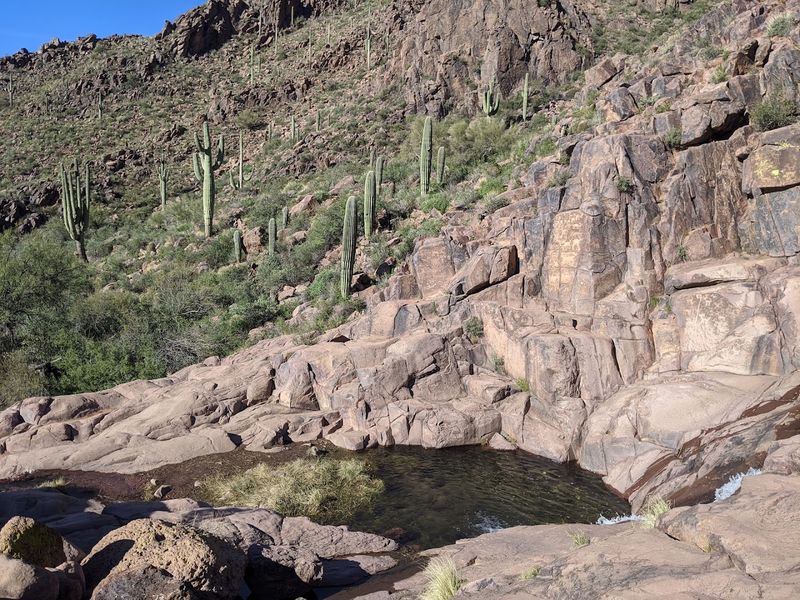
Petroglyph panels appear sooner than you expect, etched across dark desert varnish near seasonal pools. March often brings trickles of water in the slickrock bowls, plus carpets of poppies after wet winters.
Start early and keep voices low at the panels, treating the space like an outdoor gallery. Shoes with good edges help when you step onto polished rock to view carvings safely.
The grade is gentle by Superstition standards, which makes this a perfect quick-hit outing. Pack a sit pad so you can linger without cold stone stealing body heat.
Family groups love this trail, so patience pays off in tight sections. A microfiber cloth again saves photos from dust and fingerprints.
Beyond the main panels, scout short spurs for basalt textures and wider canyon views. Watch for bees near pools and give them room.
You will leave with history, geology, and scenery packed neatly into a small mileage window. Keep snacks simple, trash packed out, and stories ready for the drive home.
Lost Dutchman State Park: Treasure Loop via Jacob’s Crosscut (Apache Junction)
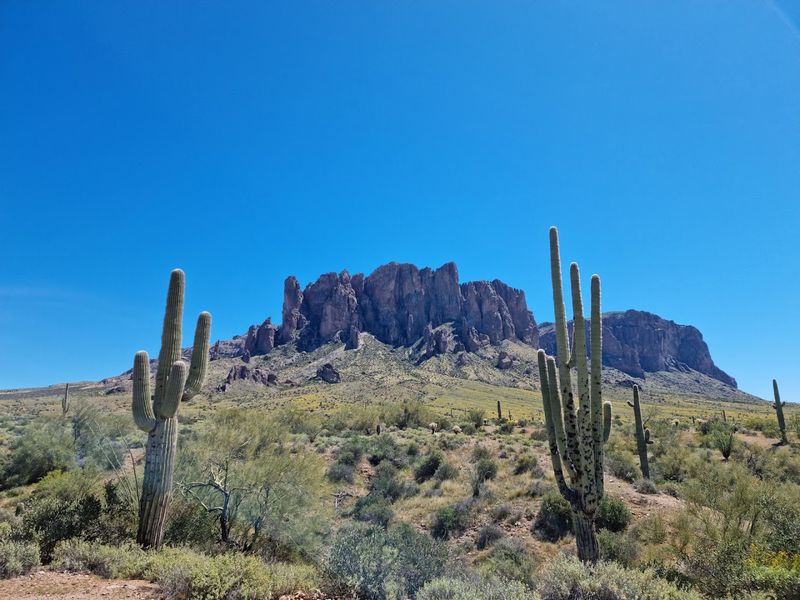
Front-row views of the Superstitions arrive almost immediately, which is why this loop earns its name. The mileage stays friendly, yet the scenery feels like a much bigger outing.
March can deliver electric wildflowers here, so walk soft, avoid stepping off trail, and soak the color from designated pullouts. Start clockwise for a steady warmup, then enjoy mellow descents with the cliffs towering beside you.
Water and sun protection still matter even with gentle grades, especially if you stop for lots of photos. Wayfinding is easy, but snap a junction photo to keep your loop on track without unfolding a map.
The Jacob’s Crosscut segment opens wider views toward the Valley, perfect for a quick snack. Keep an ear out for quail rustling through creosote at your feet.
Footing is mostly crushed granite with occasional rock gardens that reward steady steps. Poles help if you are managing knees or a recovering ankle.
You will finish feeling like you did a victory lap around a cathedral of stone, all in under half a morning. Save time for the visitor center to learn trail history and current blooms.
Spur Cross Conservation Area: Dragonfly Loop (Cave Creek)
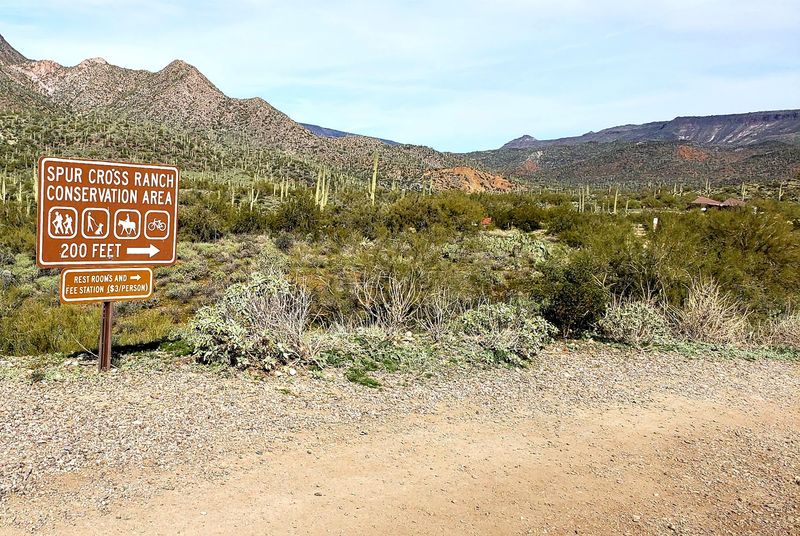
Desert meets riparian here, giving you saguaros on hillsides and a ribbon of water under cottonwoods. Short creek crossings cool ankles in March, so quick-dry socks are a smart upgrade.
The loop delivers petroglyphs, birdsong, and broad vistas without heavy climbing. Keep a relaxed pace and pause where the trail brushes the creek for reflections and shade.
Parking is limited on weekends, so arrive early or pick a weekday. A small field guide or bird app turns this into a pocket-size wildlife tour.
Trails can be pebbly, so poles help with balance if you are carrying a kid or camera gear. Respect closed restoration areas to protect the corridor that makes this place special.
Photos land best when high clouds soften light over the hills. Plan a short snack stop at the high point to watch hawks ride thermals.
You will log modest miles yet collect a sampler of Sonoran life, from carvings to cactus blooms. Leave space in your plan to wander spur paths that reconnect cleanly to the main loop.
Sunset Crater and Lava Flow Trail add-on at Bonito Park (Flagstaff area)
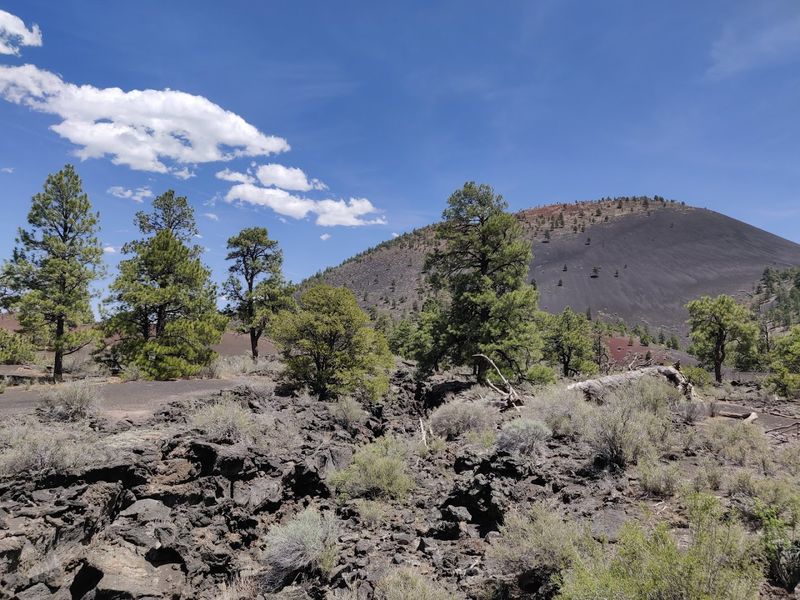
Black cinders and twisted lava make every step feel like a field trip to another planet. The Lava Flow Trail is short, level, and wildly photogenic, perfect for a March stop when Flagstaff air still bites.
Add a brisk lap around Bonito Park pullouts for snowy views of the Peaks if roads are open. Closed-cell foam insoles help on cinders, which can feel pokey through thin shoes.
Interpretive signs repay slow reading, turning a quick walk into a compressed geology lesson. Winds run cold across the lava, so bring a beanie even when Phoenix feels warm.
Footing is easy, yet staying on trail protects fragile surfaces that record every footprint. A thermos of something hot makes the overlook linger comfortably.
Golden hour paints the cinders amber and highlights textures in the aa flows. Keep camera exposure a touch lower to preserve sky color against the dark ground.
You will step away feeling like you covered centuries in minutes, miles light but mind full. Swing by the visitor center for eruption history and current conditions before you roll on.