
If you think history is just dusty dates and names, Arkansas is ready to change your mind.
These museums turn local stories into vivid experiences you can see, hear, and even touch.
You will step into cabins, board submarines, and trace footsteps across ancient ground.
Get ready to feel connected to the past in ways that actually stick with you.
Crystal Bridges Museum of American Art — Bentonville
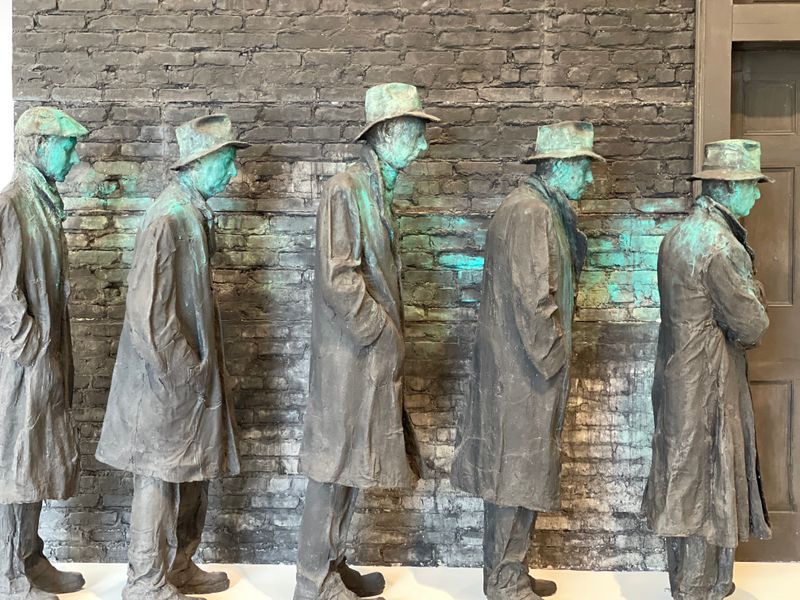
You walk into Crystal Bridges and the first thing that hits you is light. The building frames nature like it is part of the collection, so every canvas and sculpture feels alive with context. Art here is not an academic puzzle. It is a story about people, place, and the emotions that move both. You will read about a painter, then look up and see the Ozarks mirrored in the water outside. Suddenly the past is not distant. It is right beside you, breathing.
Galleries move in eras, but the connections run across time. A portrait from the early republic sits near a contemporary piece and they start a conversation you can actually hear in your head. Questions bubble up without effort. Who gets seen, who gets heard, and how does that change what America looks like.
Wall texts are crisp and human, and the audio guides sound like a friend explaining why a brushstroke matters. You follow those threads onto the trails, where art hides in the trees and the air smells like rain.
Temporary exhibitions push the story further, especially around identity and everyday life. Quilts speak about labor and love. Photographs turn a street corner into a stage where courage and doubt share the light.
Kids are not bored because the museum invites them to think with their hands and eyes, not just sit still. Even the cafe becomes part of the narrative, serving local flavors that root you here. Before leaving, you may notice a painting you passed first thing and see it differently. That second look feels like the museum’s secret gift.
United States Marshals Museum — Fort Smith
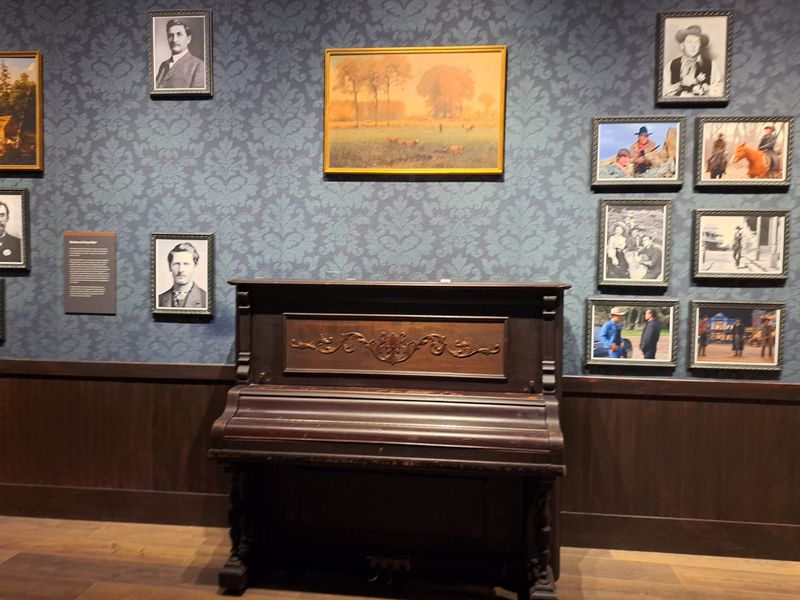
Justice becomes a story you can step into at the National U.S. Marshals Museum. As doors open, you face a sweeping timeline that feels less like a lecture and more like a chase. You trace badges across centuries, from frontier grit to modern complexity. The exhibits lean on real voices and case files, so you meet people, not just policies. You hear a marshal’s promise, then see what it cost to keep it. Suddenly the job looks human, risky, and stubbornly hopeful.
Interactive stations let you weigh choices under pressure. Do you wait for backup or move now. What does duty look like when the line is thin. Touchscreens pull up maps of the Indian Territory and you watch jurisdiction expand and contract like a living thing. Artifacts hold weight here.
A worn pair of spurs says more than a paragraph ever could. The sound design hums like distance under the floorboards, guiding you from station to station without rushing your questions.
Stories of notable marshals, including Bass Reeves, anchor the narrative with courage that pushes beyond myth. The museum does not dodge hard truths, either. It addresses race, law, and power with clarity that respects visitors. Kids get to try problem solving and see how teamwork matters, while adults find nuance in legal history.
Windows frame the Arkansas River as if to remind you that geography shapes justice. You leave with a sense of duty reframed as service, not swagger. It sticks on the drive home.
Shiloh Museum of Ozark History — Springdale

At the Shiloh Museum of Ozark History, ordinary life gets the spotlight it deserves. Instead of grand battles, you find kitchen tables, porches, and photo albums where whole worlds unfold. You can almost hear creek water and screen doors in the galleries. The curators lean into voices from the region, so stories feel spoken, not scripted. A single lunch pail can carry decades of work and hope. You slow down and listen because the details keep tugging at your sleeve.
Historic buildings on the grounds let you move through time with your own footsteps. A cabin frames the wind just right and suddenly you understand why a wall was placed there. The schoolhouse is small but full of echoes you can measure by breath.
Photographs line the walls like relatives at a reunion, crowding close with jokes and secrets. Farm tools sit ready, asking you to imagine calluses and seasons. The museum connects these pieces with clear labels that never talk down. It is local pride without gloss.
Workshops and talks invite you to bring your own family stories into the mix. Kids draw maps of where their people came from. Adults compare recipes that traveled in pockets and purses.
The result is a living archive that keeps growing. You leave seeing the Ozarks less as a backdrop and more as a character with stubborn charm. The museum earns your trust by showing how small choices build a community. That truth settles in quietly and stays.
Historic Arkansas Museum — Little Rock
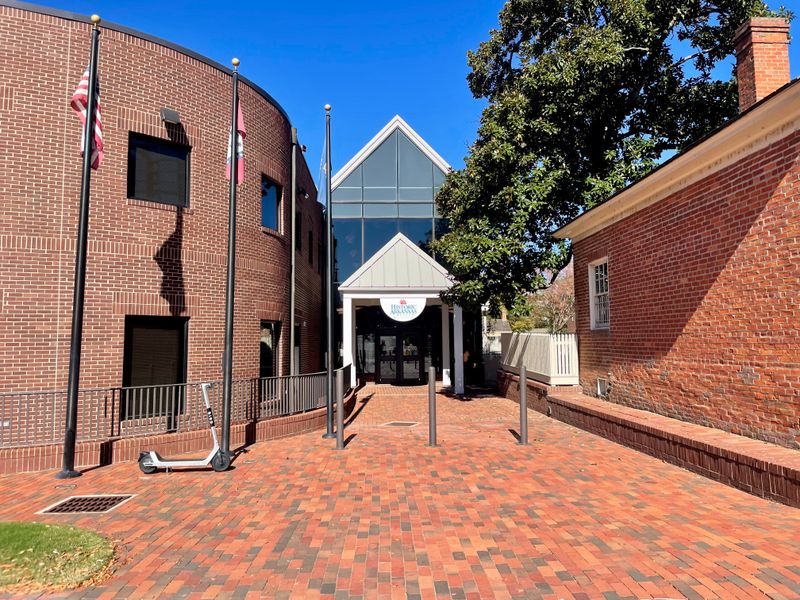
Set on a real city block, the Historic Arkansas Museum lets you roam between past and present without losing your bearings. Costumed interpreters greet you with stories that feel like neighbors talking across a fence. You step into kitchens where iron skillets speak of mornings that never stopped. In the blacksmith shop, each hammer strike writes a line you can feel in your ribs. The breeze lifts smoke and history together. Nothing is pretending here. It is lived space, kept alive.
Inside the galleries, artifacts line up with context that lands. A dress is not just fabric. It is a map of trade, class, and care stitched into the hem. A child’s toy explains how time was invented at home, one chore at a moment.
Hands-on stations invite small experiments that turn curiosity into memory. You can trace a tool’s journey from river to shop to table and back again. The museum’s tone stays warm, never stiff. It trusts you to connect the dots.
Walking the block at sunset feels like a curtain call for a day you did not realize you were part of. You start guessing the chores you would take on here and which neighbor would loan sugar.
Guides weave in frontier politics and regional trade so you see how Little Rock became crossroads and community. Kids latch onto the tactile pieces, while adults catch the policy threads. Everyone leaves with a favorite doorway or scent of wood smoke. The city around you looks different after that.
Hampson Archeological Museum State Park — Wilson
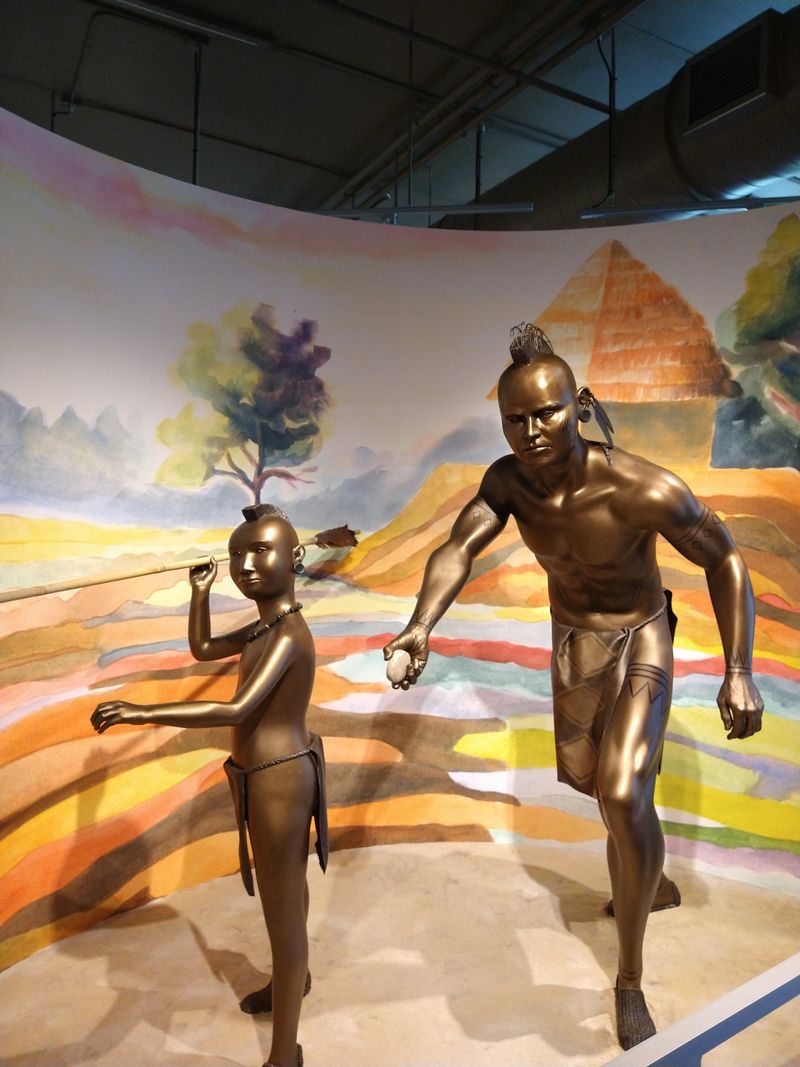
The Hampson Archeological Museum tells a river story with clay and patience. Pottery bowls curve like currents, and their designs read like quiet sentences about belief, trade, and food. You stand close and notice fingerprints pressed into time. Tools rest in glass, sharp with purpose even now. The labels give context without choking wonder. Suddenly daily life feels visible in the shine of a pot rim. You picture hands lifting water, passing meals, and teaching children by doing.
Large graphics map the village layout so you can see homes, fields, and plazas holding a rhythm older than the county lines. Ceremonial objects hint at ceremony and governance, making clear that art and authority braided together.
The museum grounds look toward the Delta that fed these communities, and that view is not decoration. It is evidence. Archeology here never treats people like puzzles. It treats them like neighbors whose words survived in clay and shell. You leave the gallery and the air carries history in its heat.
Interactive exhibits let kids match shards to patterns, turning careful observation into a game that rewards patience. Adults will appreciate how trade networks stretched wide, proving this was a thriving culture, not a footnote.
The narrative refuses the idea of emptiness before Europeans, showing complex cities with rules, rituals, and resilience. That shift matters. It changes how you see the ground under every step. By the exit, you realize the museum has given you a new lens. You will not forget it.
Parkin Archeological State Park — Parkin
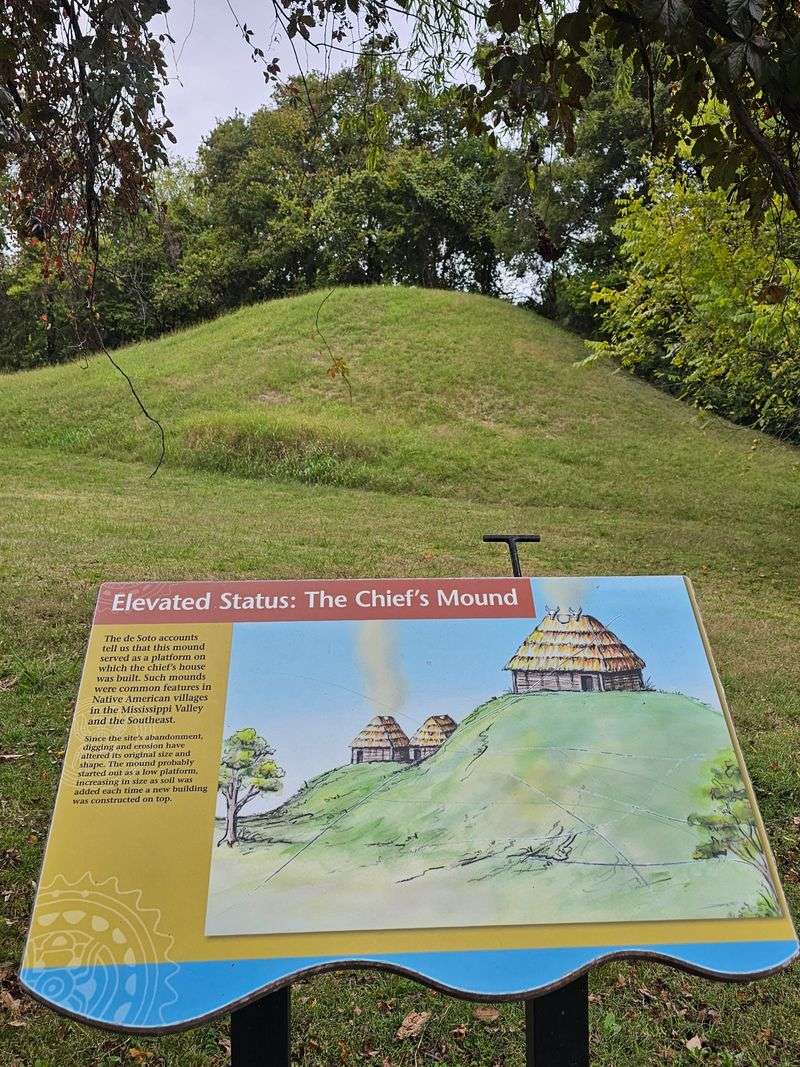
At Parkin Archeological State Park, the site itself tells the strongest story. You walk where a Mississippian village stood and feel scale in your legs, not just your eyes. The mound lifts the horizon a little and your imagination climbs with it. Inside the interpretive center, exhibits lay out daily life with steady clarity. Storage pits turn into lesson plans about harvest and risk. Palisades become a conversation about safety and power. The past begins to feel local.
Guides connect archeology with detective work you can follow. A post hole is not exciting until someone shows you the house implied by its pattern. Then a neighborhood appears. Trade items link to rivers and trails that still shape the map today.
The ground is evidence, and the museum helps you read it without rushing. Kids gravitate to hands-on sorting. Adults lean in at the excavation photos, trying to catch the precise moment clues become stories worth keeping.
Walking the trail, you hear insects and wind and it feels right that history has a soundtrack. The park honors the complexity of the people who lived here, refusing to flatten them into symbols. You leave understanding community as planned space, shared labor, and values made visible.
That understanding has a way of following you home, into neighborhoods you already know. The museum does not end at the door. It keeps living in how you notice land and listen to silence.
Helena Museum of Phillips County — Helena
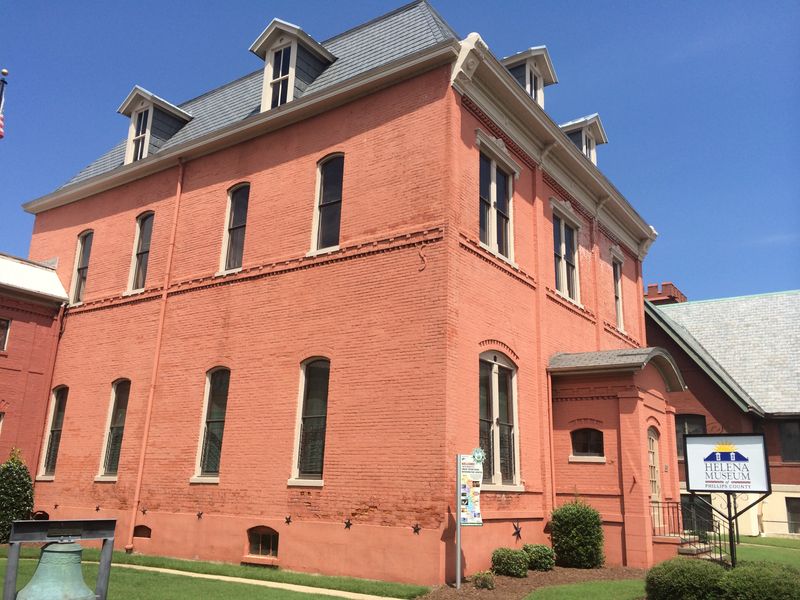
The Helena Museum of Phillips County feels like opening a well loved attic where every object knows a story. You move from Civil War artifacts to Delta music to cotton ledgers without whiplash because the through line is people. Labels connect local rooms to national hallways. A uniform here meets a newspaper headline there. Small items, like a stamped ticket, collapse distance in a single glance. The building creaks a little and it fits the mood perfectly. You feel welcomed into memory.
The museum shines when it ties Helena’s river life to American change. Steamboats, trade, and flood control are not background noise. They are plot twists that shaped families and fortunes. Photographs carry faces across a century with direct eye contact you cannot dodge.
You get the sense of a town that was never small in spirit, only in population. The Civil War sections handle grief and strategy without drama, letting letters and artifacts speak softly. That softness lands harder than any trumpet.
One gallery leans into arts and civic groups, proving that culture blooms even when money tightens. School groups find a lot to touch and ask about, while history buffs chase footnotes through display cases.
Staff and volunteers know the stories like cousins and gladly point you toward a detail you might miss. The museum invites you to map your own family onto the Delta’s currents. You leave seeing Helena as a hinge between river and nation. It is a good feeling to carry.
Arkansas Inland Maritime Museum — North Little Rock
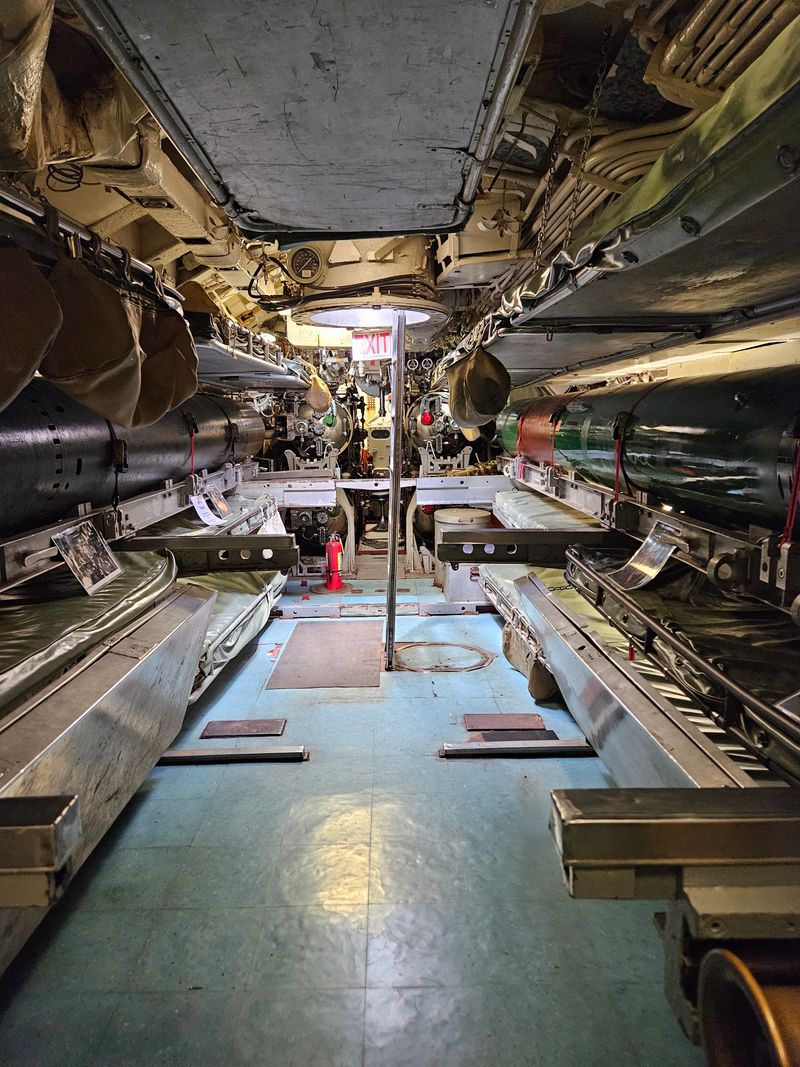
History turns solid under your feet at the Arkansas Inland Maritime Museum. You step aboard a World War II submarine and the air changes, tight and electric. Narrow corridors frame every choice with inches to spare. Gauges blink like quiet stars. You reach out without thinking and steady yourself on steel that learned patience at sea. Guides speak from experience and training, making technical details feel like stories from a friend who served.
On deck, the Arkansas River rolls by, tying inland life to ocean duty. The museum’s exhibits connect shipbuilding, logistics, and strategy so you see how a landlocked state matters on a global stage. Photos of crew members put names to bunks barely longer than a nap.
Kids count valves and ask the best questions. Adults picture night watches and letters home. The contrast between open sky and cramped quarters sticks with you. It is empathy by design, accomplished with rivets and rhythm.
Beyond the sub, other vessels and displays widen the narrative to include industry, training, and civic memory. You hear how volunteers keep ships alive, bolt by bolt, so the public can learn at full scale. Interactive stations let you try periscope views and communication drills that are surprisingly hard.
The museum balances pride with honesty about cost and risk. By the time you step back onto the pier, the river looks like a highway for history. You will glance at bridges differently for a while.
Museum of Discovery — Little Rock
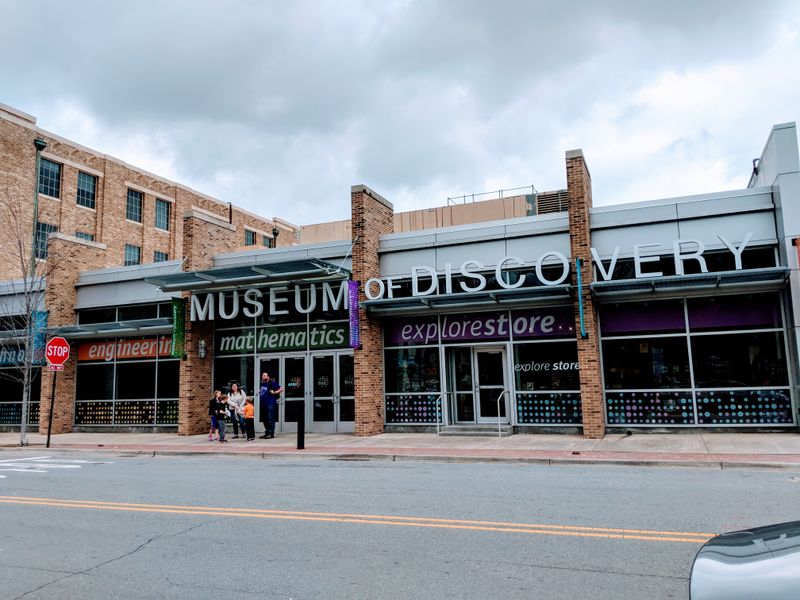
The Museum of Discovery blends science with story so curiosity has something solid to hold. You walk in and hear the happy chaos of experiments clicking into place. Hands reach for levers, sparks of understanding jump, and nobody is told to hush their wonder. Exhibits link local inventors and industries to bigger breakthroughs, proving progress is a neighborhood project. You try a station and feel the math in your muscles. That feeling makes ideas stick.
History weaves through the science without slowing it down. A display about extreme weather turns into a conversation about Arkansas communities adapting together. Energy exhibits connect dams, homes, and innovation in a clean arc that respects your intelligence.
Staff float like helpful comets, orbiting where questions cluster. They hand over just enough guidance to let you own the aha. Kids and adults trade places as learners, which might be the best magic here. Discovery becomes a family habit.
Temporary shows keep the pace fresh, pulling in themes like health tech or robotics with local angles. You can build, test, fail, and try again without judgment, which mirrors how real breakthroughs happen. The museum is careful with accessibility, offering clear signage and spaces that welcome different learning styles.
By the exit, a simple timeline ties personal tinkering to statewide change. You leave ready to notice patterns in traffic lights and kitchen gadgets. That is the museum’s quiet victory. It trains your attention to keep exploring.