

Across the United States, Art Deco buildings stand as striking reminders of an era defined by glamour, geometry, and bold design. Facades shimmer with ornate details, stepped silhouettes, and intricate motifs that feel elegant, confident, and unmistakably 1920s–30s. Walking past these structures is like flipping through a history book told entirely in stone, glass, and metal.
Many of these landmarks combine architectural ambition with cultural significance, reflecting the optimism and creativity of the time. From theaters and hotels to office towers and civic buildings, each showcases craftsmanship and style that are timeless and visually captivating. Architecture enthusiasts often find themselves lingering, camera in hand, soaking in the lines, textures, and decorative flourishes.
Chrysler Building – New York City, NY
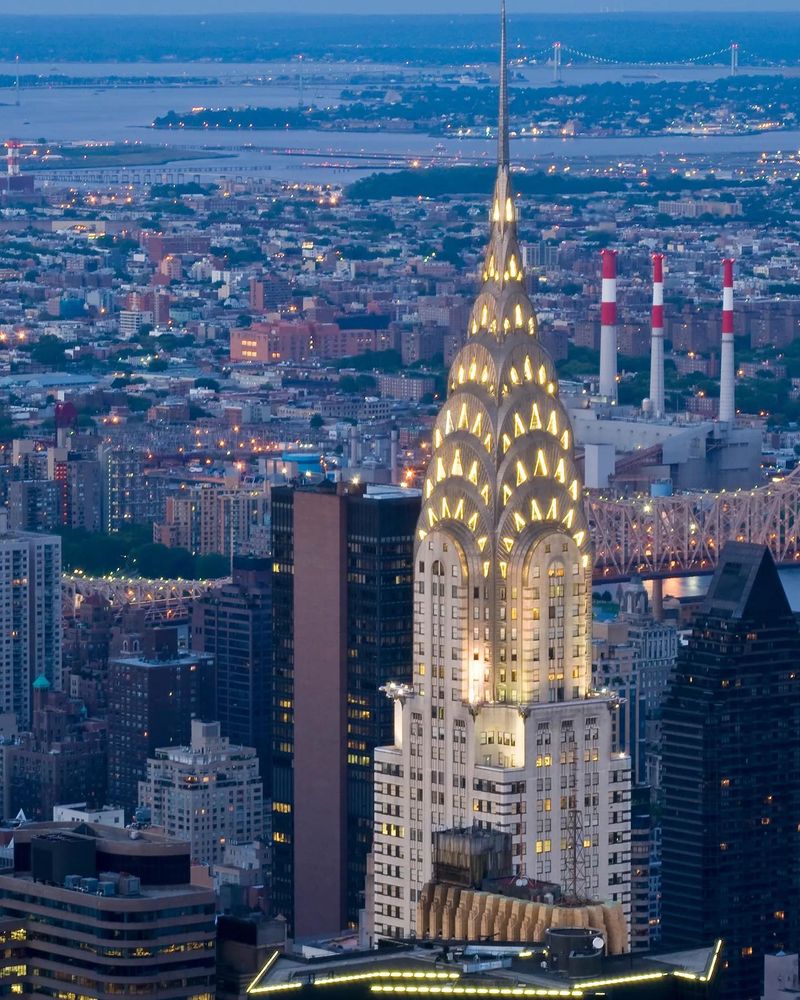
Gazing up at the Chrysler Building, one can’t help but marvel at its breathtaking crown, adorned with a series of terraced arches. Each detail of this masterpiece is a tribute to the 1920s Jazz Age, showcasing the era’s fascination with machinery and progress.
The building’s metallic top gleams in the sunlight, capturing the spirit of innovation that New York City embodies. Inside, Art Deco features continue with ornate elevator doors and lavish lobbies.
As one of the most recognizable silhouettes in the world, this skyscraper remains a symbol of architectural ambition. Its elegance is a testament to the visionary minds of its creators, making it a must-see for any architecture enthusiast.
Empire State Building – New York City, NY
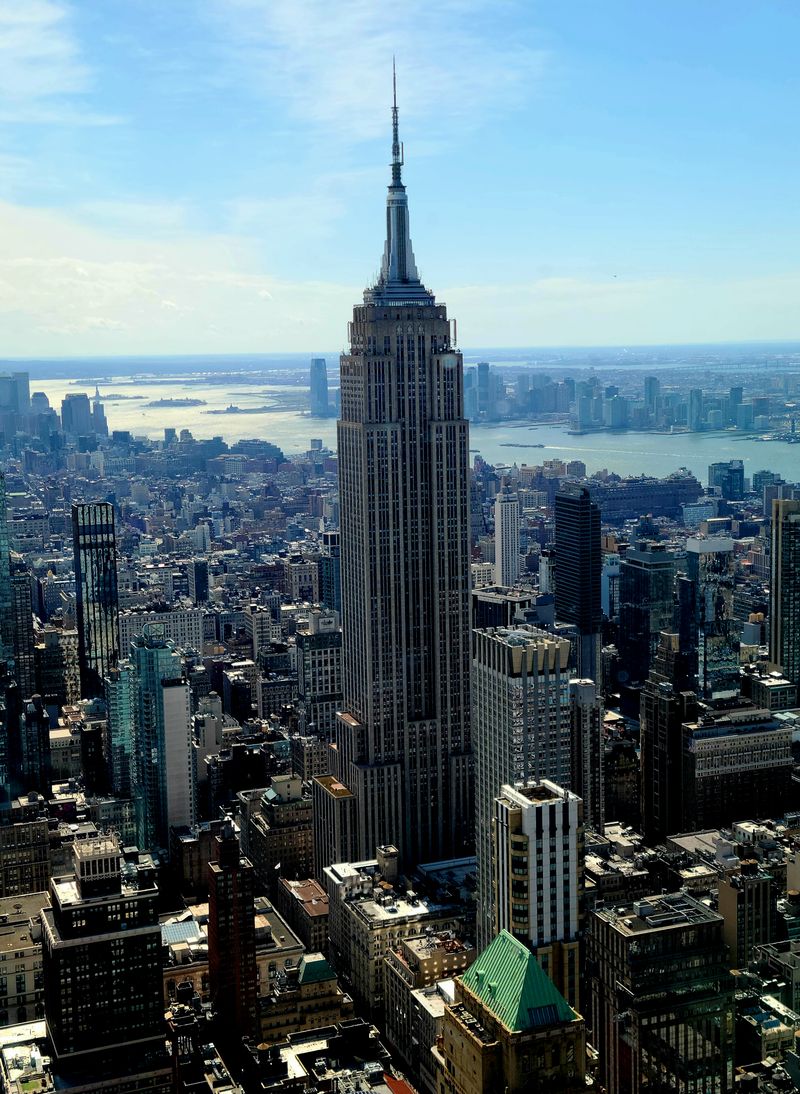
The Empire State Building stands as a towering icon of Art Deco grandeur, its silhouette a familiar sight in countless films. Each element of its design speaks to the ambition of the era.
From its symmetrical lines to the soaring spire, every aspect was crafted to reflect the optimism of the 1930s. Inside, the timeless elegance continues with sleek, streamlined details.
Visitors are drawn to its observation decks, where breathtaking views of New York City unfold. It’s not just a building; it’s a story of perseverance and innovation, capturing the heart and soul of a city always reaching for the sky.
Guardian Building – Detroit, MI
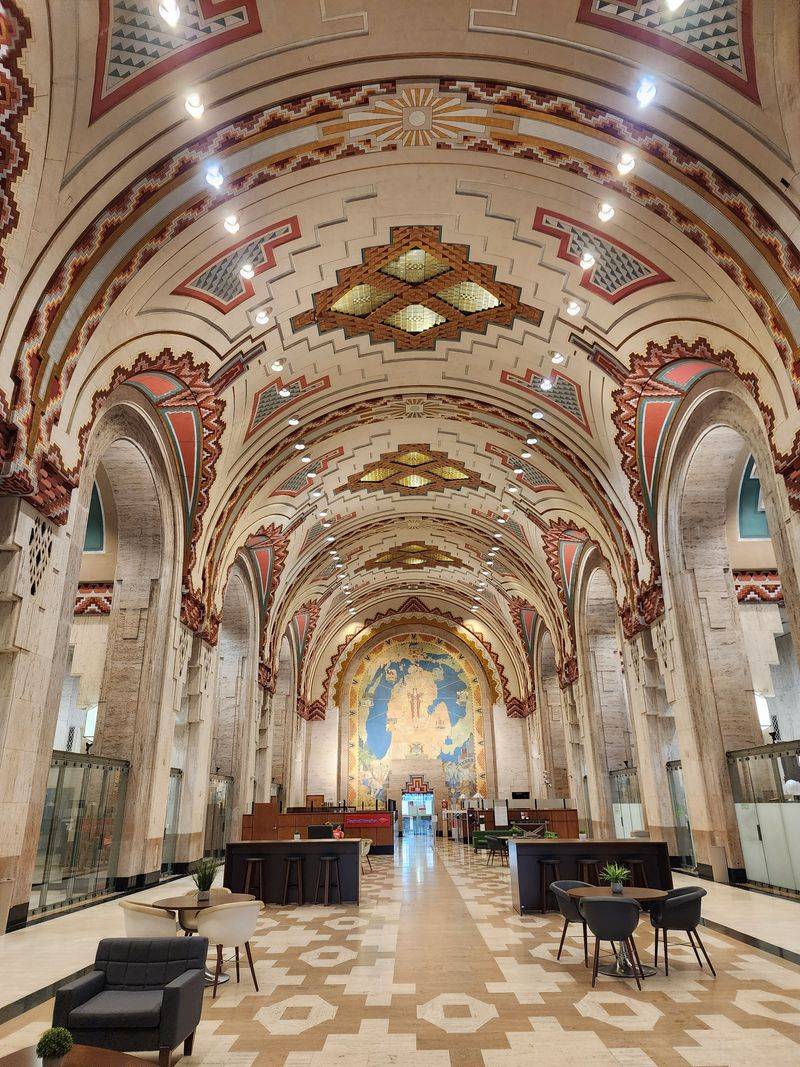
Known as the “Cathedral of Finance,” the Guardian Building in Detroit is an Art Deco marvel. Its vibrant facade combines bold colors with unique geometric patterns.
Inside, the lobby dazzles with elaborate ceilings and Native American-inspired designs. The blend of artistry and functionality creates an inspiring space, reflecting the city’s industrial prowess.
This architectural wonder stands as a symbol of Detroit’s rich history and innovation. Visitors are drawn to its intricate details, finding beauty in every corner, making it an essential stop for those exploring the city’s architectural treasures.
Miami Beach Architectural District – Miami Beach, FL
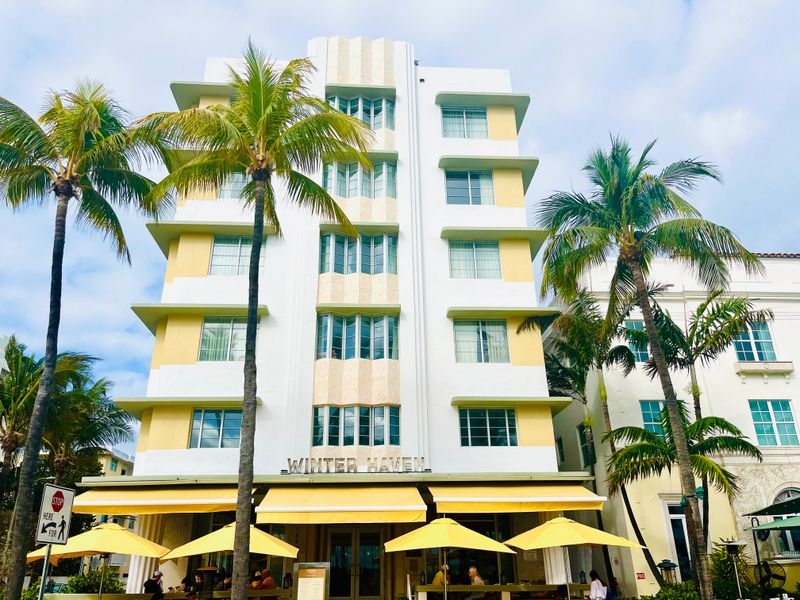
In the heart of Miami Beach, the Architectural District is a vibrant snapshot of Art Deco design. Pastel-colored buildings line the streets, each a testament to the bold style of the 1930s.
Nautical themes and streamlined forms capture the essence of seaside glamour. Walking through this district, one can feel the lively spirit that defines Miami’s unique architectural landscape.
The preservation of these buildings showcases the city’s dedication to its history, offering a visual feast for those who appreciate design. It’s a place where the past and present beautifully coexist, alive with color and creativity.
Carew Tower – Cincinnati, OH
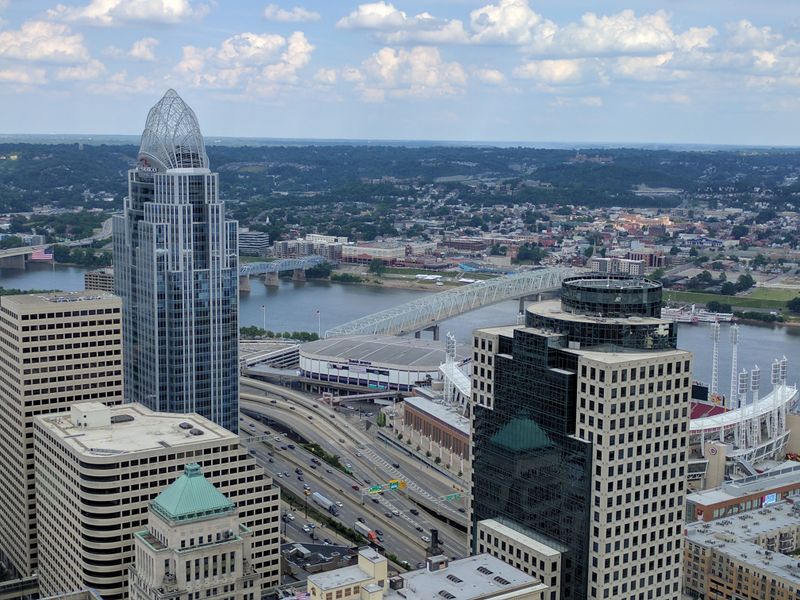
As Cincinnati’s tallest building, the Carew Tower offers a stunning example of Art Deco sophistication. Its design blends classic elements with modern touches.
The tower’s facade features intricate patterns and rich materials, echoing the grandeur of the 1930s. Inside, visitors find lavish spaces that reflect the elegance of the era.
From the observation deck, sweeping views of the city unfold, offering a unique perspective on Cincinnati’s landscape. This skyscraper stands as a testament to architectural ambition and artistic expression, capturing the essence of its time.
Niagara Mohawk Building – Syracuse, NY
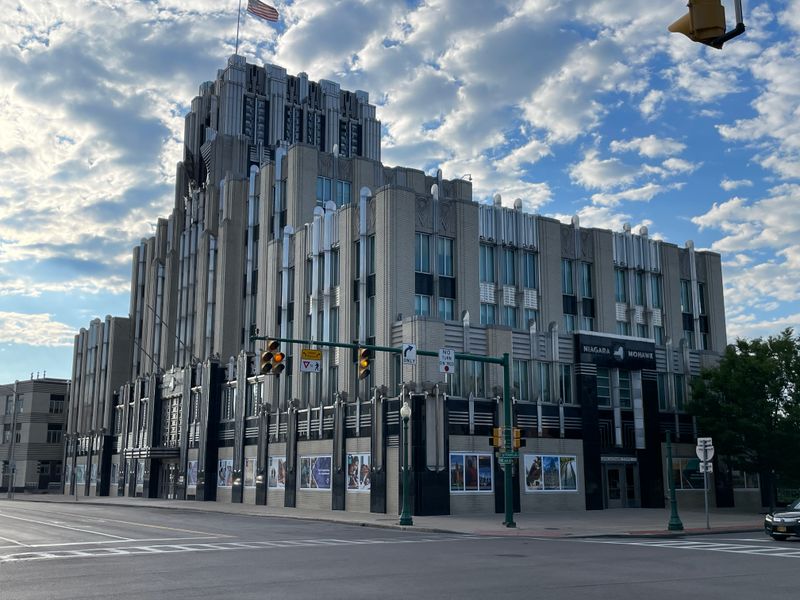
In Syracuse, the Niagara Mohawk Building captures attention with its bold Art Deco design. The entrance, with its dramatic lighting and motifs, serves as a gateway to a world of elegance.
Constructed in the 1930s, this building symbolizes the power and progress of the electrical age. Inside, the grandeur continues with intricate details and rich materials.
Its facade is a testament to creativity and craftsmanship, reflecting the innovative spirit of its time. For those who appreciate design and history, this building offers an insightful glimpse into the world of Art Deco architecture.
Buffalo City Hall – Buffalo, NY
Buffalo City Hall stands as a monumental example of Art Deco architecture, with its intricate facade and symbolic motifs. This towering structure commands attention in the city’s civic center.
Inside, the grand lobby echoes the style of the exterior, with detailed murals and rich materials. Each element speaks to the city’s history and aspirations.
The building serves not just as a government hub but as a symbol of Buffalo’s architectural legacy. It invites visitors to explore its halls and appreciate the artistry that defines its unique character.
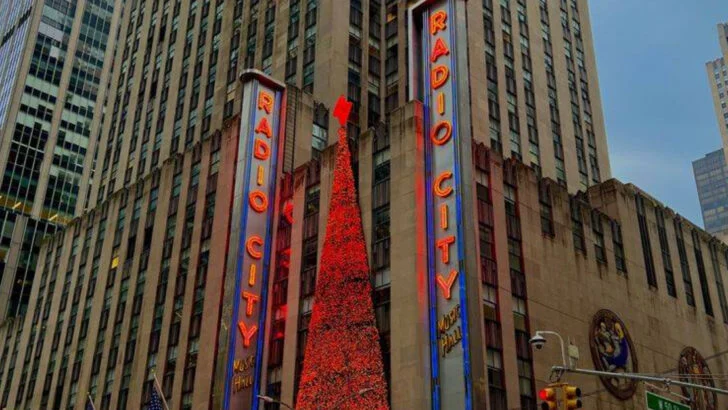
Radio City Music Hall – New York City, NY
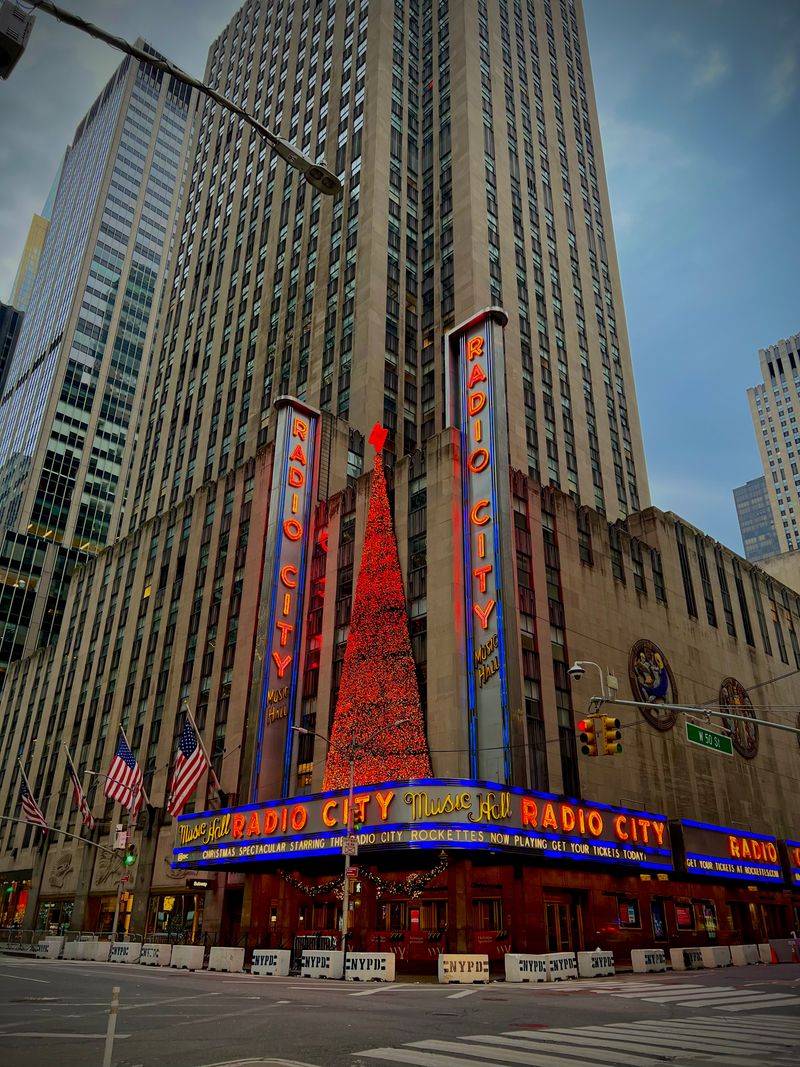
Radio City Music Hall is synonymous with glamour and entertainment. Its iconic marquee lights up the streets of New York City, inviting audiences to experience its opulent Art Deco interiors.
The theater’s design combines sleek lines with luxurious materials, creating an ambiance that reflects the excitement of the stage. Each detail, from the grand staircase to the intricate murals, embodies the elegance of the era.
As a venue for world-class performances, it continues to be a beacon of culture and creativity. This historic space offers both nostalgia and inspiration, capturing the heart of Art Deco design.
Foshay Tower – Minneapolis, MN
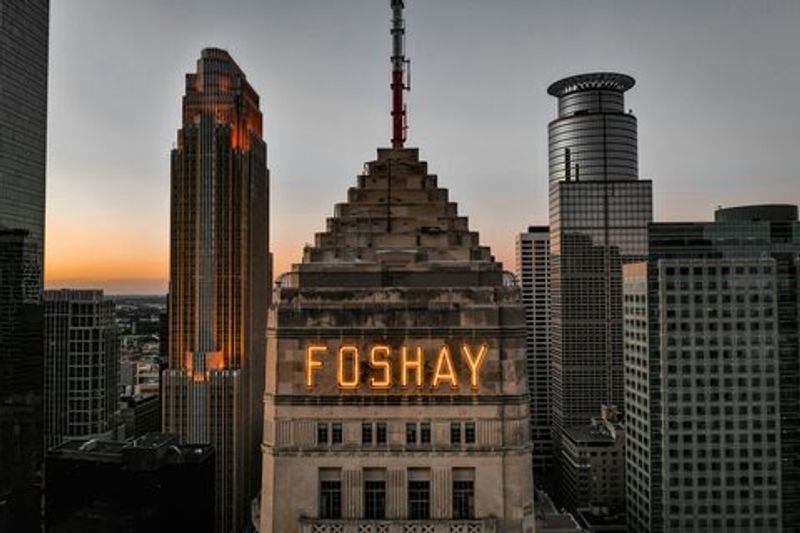
The Foshay Tower in Minneapolis offers a fascinating glimpse into the world of Art Deco design. Its slim silhouette and intricate detailing make it a standout in the city skyline.
Originally inspired by the Washington Monument, the tower features luxurious materials and elegant lines. The observation deck provides panoramic views, offering visitors a unique perspective.
Its rich history as one of the tallest buildings in the Midwest adds to its charm. For architecture fans, this tower is not just a building but a piece of the city’s storied past, blending style with substance.
American Radiator Building – New York City, NY
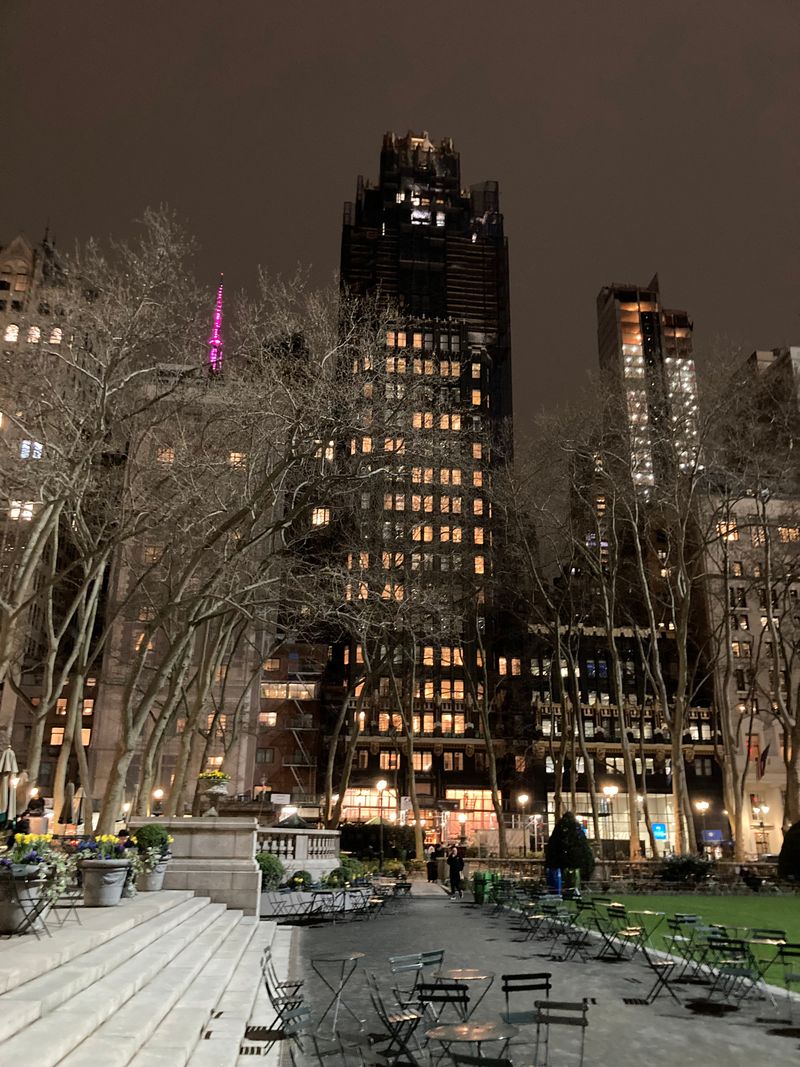
With its striking black and gold facade, the American Radiator Building in New York City commands attention. This distinctive skyscraper uses color contrast and geometric forms to make a bold statement.
The building’s design reflects the industrial power of the early 20th century, with gilded details that add a touch of opulence. Inside, the theme continues with elegant decor and rich textures.
Its blend of industrial strength and artistic flair makes it a compelling example of Art Deco architecture. For those captivated by design, this building offers an intriguing look at the intersection of function and style.
Paramount Building – New York City, NY
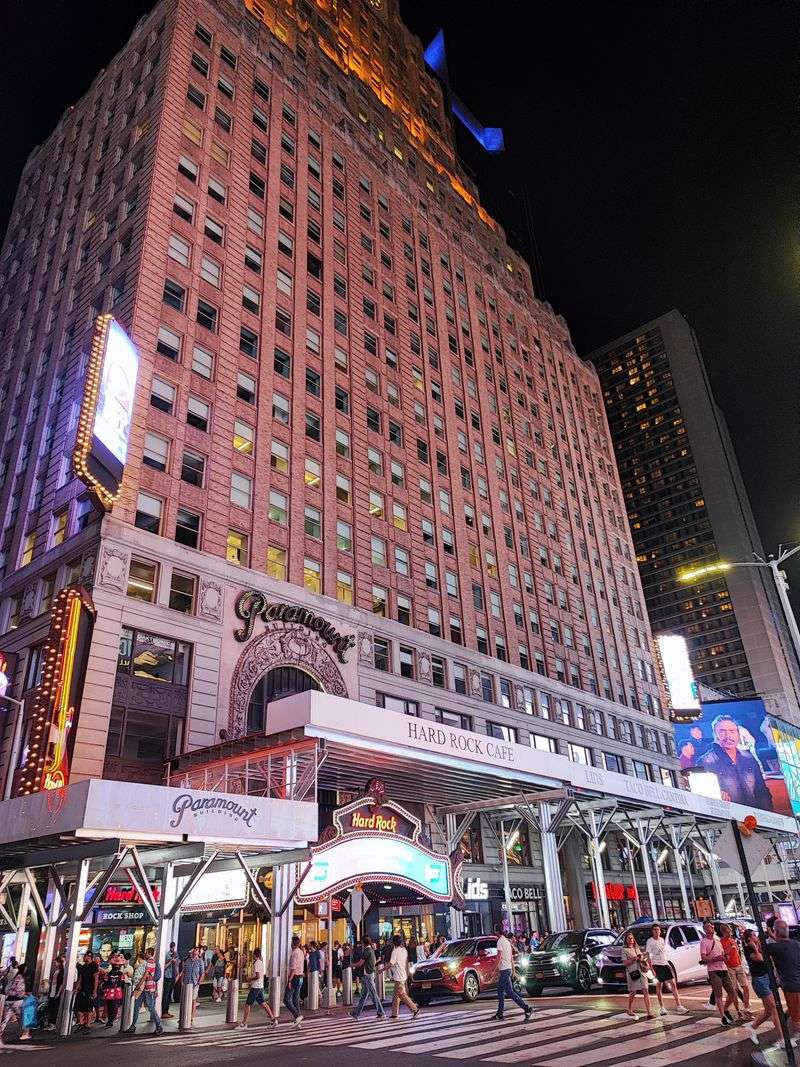
In the heart of Times Square, the Paramount Building stands as a tribute to the golden age of cinema. Its grand facade, complete with a striking clock tower, captures the essence of Art Deco design.
The theater’s ornate detailing reflects the opulence of the 1920s, offering a glimpse into a world of entertainment and glamour. Inside, the style continues with luxurious finishes and elegant decor.
Though transformed over the years, its legacy as a cultural landmark endures. For those fascinated by the history of film and design, this building provides an inspiring look at a bygone era.
Wiltern Theatre – Los Angeles, CA
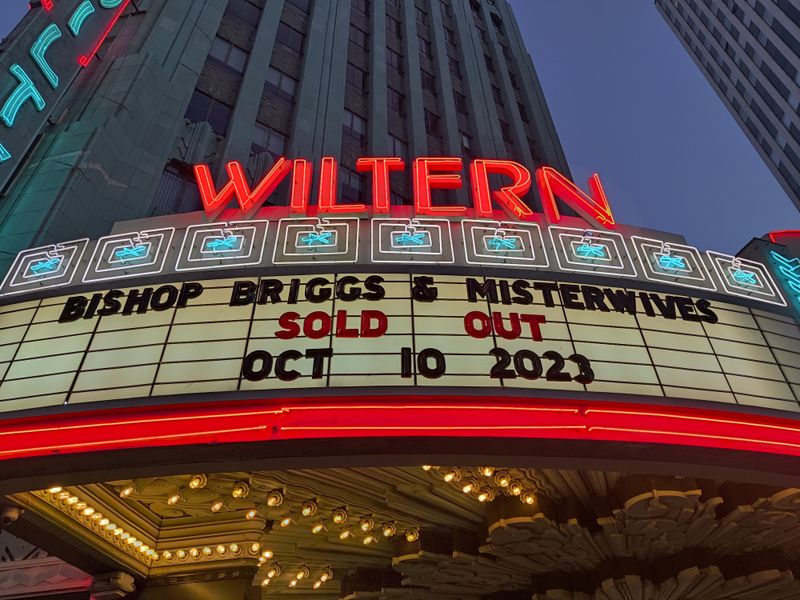
The Wiltern Theatre in Los Angeles is a beloved venue, known for its stunning Art Deco architecture. Its facade, with detailed patterns and elegant lines, sets the stage for what lies within.
Inside, the theater features intricate detailing, with murals and fixtures that reflect the glamour of the 1930s. The ambiance is both timeless and inviting, capturing the spirit of performance.
As a cultural hub, it continues to host a variety of events, drawing audiences into its world of artistic expression. The Wiltern is not just a building but an experience, a celebration of design and creativity.