A piece of stone can look ordinary until you notice a tiny shell, ridge, or imprint pressed into its surface. At Caesar Creek State Park in Ohio, that moment can become part of the adventure, thanks to a designated fossil collecting area where visitors can search for ancient remains and, when permitted under current rules, take eligible finds home.
Located at 8570 E State Route 73 in Waynesville, the park offers more than wooded trails and shoreline views. Along the fossil area, a careful eye can turn loose rock into a small window into Ohio’s distant past.
It is the kind of activity that encourages children and adults to slow down, examine each find, and wonder about the world that existed here millions of years ago. Before you start searching, be sure to check the current collecting rules and any permit requirements, then see what fascinating pieces of history might be waiting underfoot.
Start With Permission, Then Start the Adventure
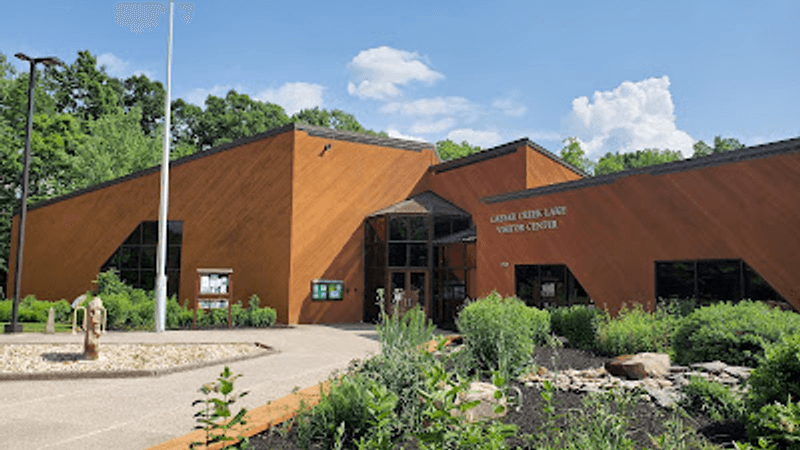
The best treasure hunts begin with a little homework, especially when your treasure is older than the dinosaurs. Before searching at Caesar Creek State Park, make your first stop the U.S.
Army Corps of Engineers visitor center associated with Caesar Creek Lake.
Fossil collecting in the designated spillway area requires a permit, historically available without a fee through the Corps. Confirm the current process, visitor center hours, and any access restrictions before leaving home, since procedures can change.
Ask staff where collecting is allowed and which fossils may leave with you. The park address, 8570 E State Route 73, Waynesville, is useful for planning, but it should not replace directions to the approved collecting area.
That brief conversation can save a long walk in the wrong direction and help protect a remarkable outdoor classroom. Keep your permit handy, follow posted instructions, and let everyone in your group hear the rules.
Once the practical details are settled, you can focus on the fun part: spotting tiny traces of ancient life among ordinary looking stones scattered across the exposed ground beneath your feet.
Read an Ancient Ocean in the Spillway Rocks
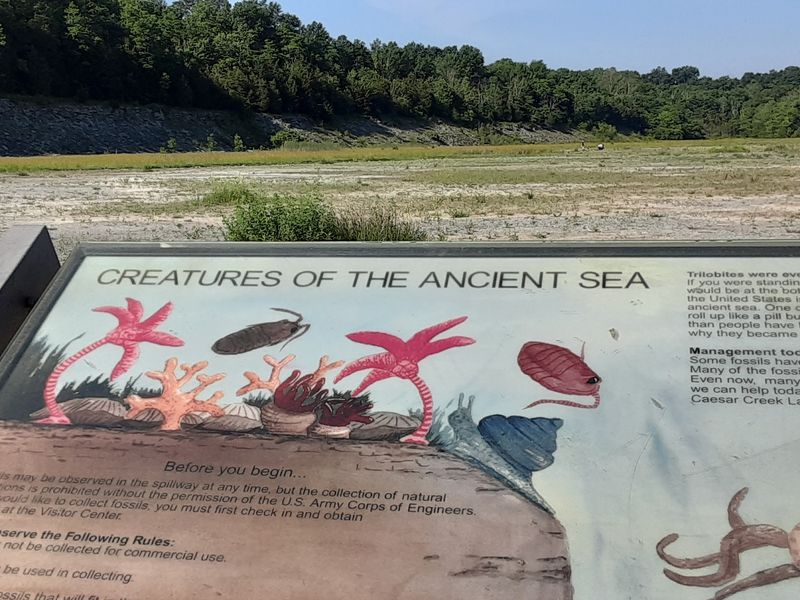
An ocean once covered ground that now sits far from the coast. Around Caesar Creek State Park, exposed rocks preserve evidence of a shallow sea from the Ordovician Period, roughly 450 million years ago, when unfamiliar creatures lived beneath the water.
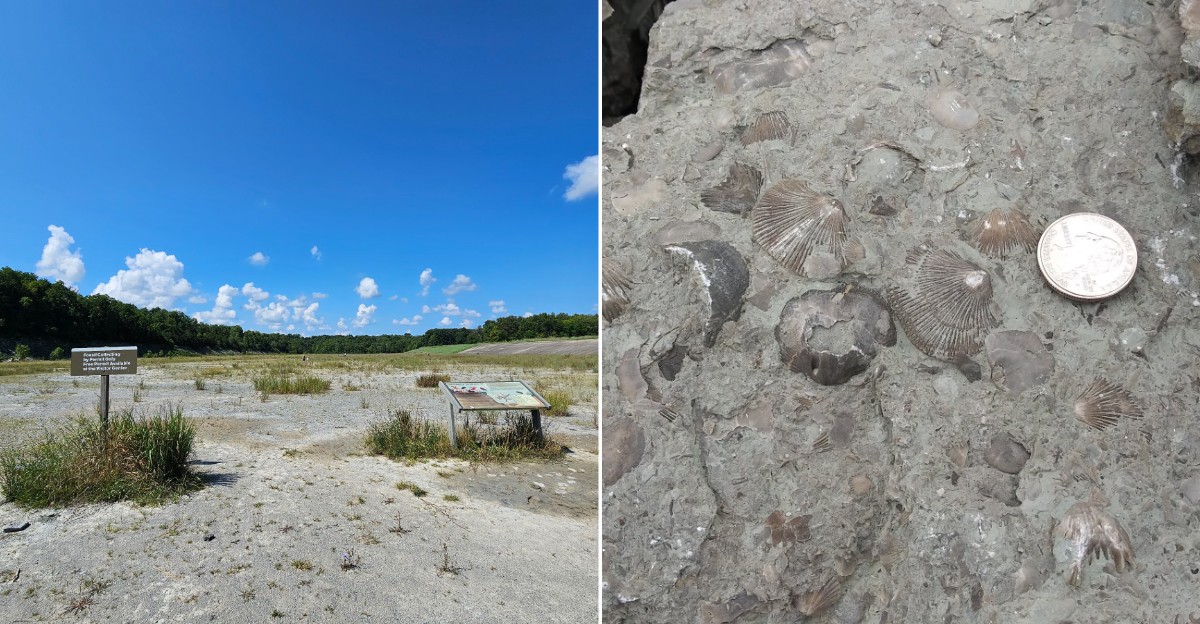
The designated fossil collecting area lies in the spillway associated with Caesar Creek Dam. Construction exposed layers of limestone and shale, giving visitors a chance to see ancient material that would otherwise remain hidden beneath soil and plants.
Pause before searching and look across the rock surface. Some layers appear solid, while others break into thinner pieces, and loose fragments may reveal shapes that stand out from the surrounding stone.
You do not need to understand every geological term to enjoy the scene. Think of the exposed layers as pages from a very old book, with each fossil offering a small clue about its setting.
Stay within the approved area, avoid unstable edges, and resist pulling material from rock faces. The reward is not just something to carry home, but a clearer picture of the Ohio landscape before people existed.
Find Shell Shapes That Hide in Plain Sight
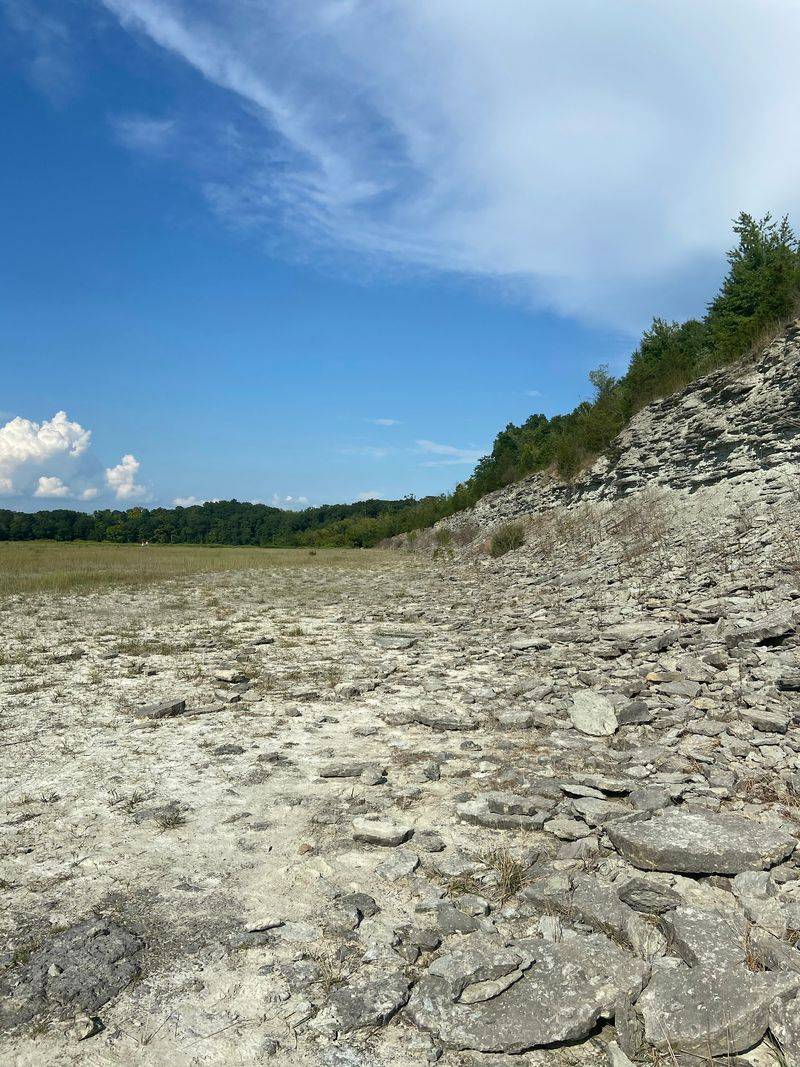
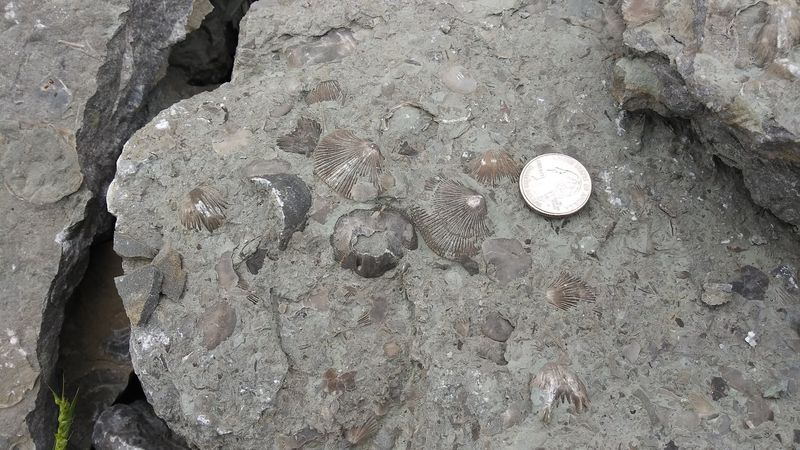
A familiar shell shape can make your first discovery feel surprisingly personal. Among the fossils associated with Caesar Creek State Park, brachiopods offer a good starting point because their ribbed shells often stand out against the pale surrounding rock.
Although they can resemble clams, brachiopods belong to a different animal group. Their shells protected small marine creatures that gathered food from seawater, leaving behind durable parts that sometimes became preserved in sediment.
Scan loose stones slowly instead of racing across the collecting area. Look for curved outlines, raised ridges, or a shell impression, then turn an eligible loose piece gently in your hand without striking or scraping it.
A complete shell is exciting, but a clear fragment can teach you just as much about shape and texture. Bring a small notebook and sketch what you notice before deciding whether the find fits current collection rules.
At the designated spillway, a modest discovery can turn an ordinary afternoon into a conversation about ancient oceans. You may never look at a simple rock quite the same way again after noticing those tiny ribs and curves.
Spot Tiny Patterns From Colonial Sea Animals
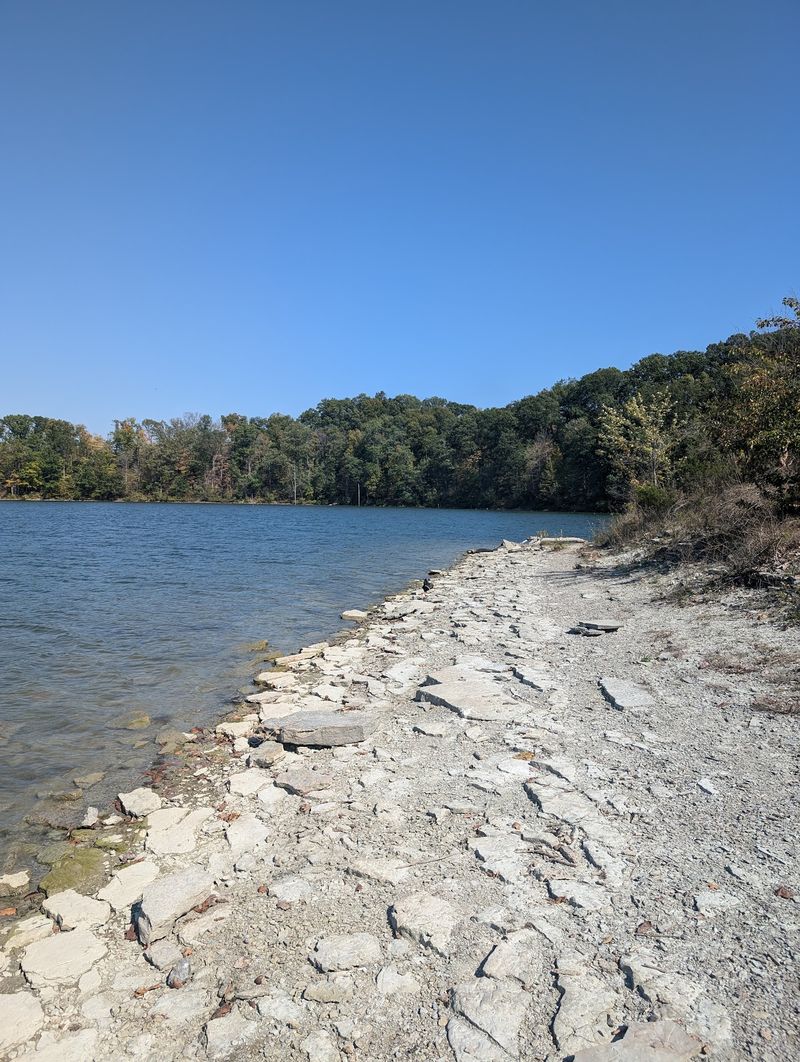
Some of the most interesting discoveries look more like patterned twigs than animals. Bryozoan fossils found in the Caesar Creek region can show branching forms or textured patches, reminders of tiny creatures that lived together in colonies beneath an ancient sea.
Each colony contained many small animals rather than one large creature. Their shared skeletons created shapes that can seem plantlike at first, making these fossils especially fun to examine with a hand lens.
At Caesar Creek State Park’s designated collecting area, study loose fragments for repeated dots, delicate branches, or fine surface patterns. Weathering can blur the details, so do not assume every textured stone is a fossil or every branchlike mark is a bryozoan.
Photograph uncertain finds in natural light and ask knowledgeable staff for help when available. Avoid cleaning with harsh chemicals or trying to expose a pattern by breaking the rock.
A quiet few minutes of close looking often reveals more than hurried searching. These small structures add another chapter to the story of the old seabed, showing how much life could fit into a surprisingly small space underwater.
Keep the Trilobite Dream in Perspective
A trilobite is the kind of fossil that can send imaginations running. These extinct marine animals wore jointed outer shells, and their segmented shapes make them some of the most recognizable creatures from ancient seas.
Trilobite remains occur in the fossil record of southwestern Ohio, but finding a complete specimen is not something to expect from a casual visit. Fragments are more realistic possibilities, and many outings produce other fossils instead.
At Caesar Creek State Park, let the possibility add excitement without turning your search into a competition. Examine loose material carefully, follow permit conditions, and never break rock or dig in hopes of uncovering a prize.
If something looks unusual, photograph it before moving it and check with staff about identification and whether it may be collected. Leave anything that falls outside the rules where it belongs.
A rare discovery deserves careful handling, not a rushed pocket transfer. Even if no trilobite appears, the search sharpens your attention and introduces you to the variety of life once found here.
Sometimes the best souvenir is a better eye for the unexpected tiny details.
Take Home Only What the Rules Allow
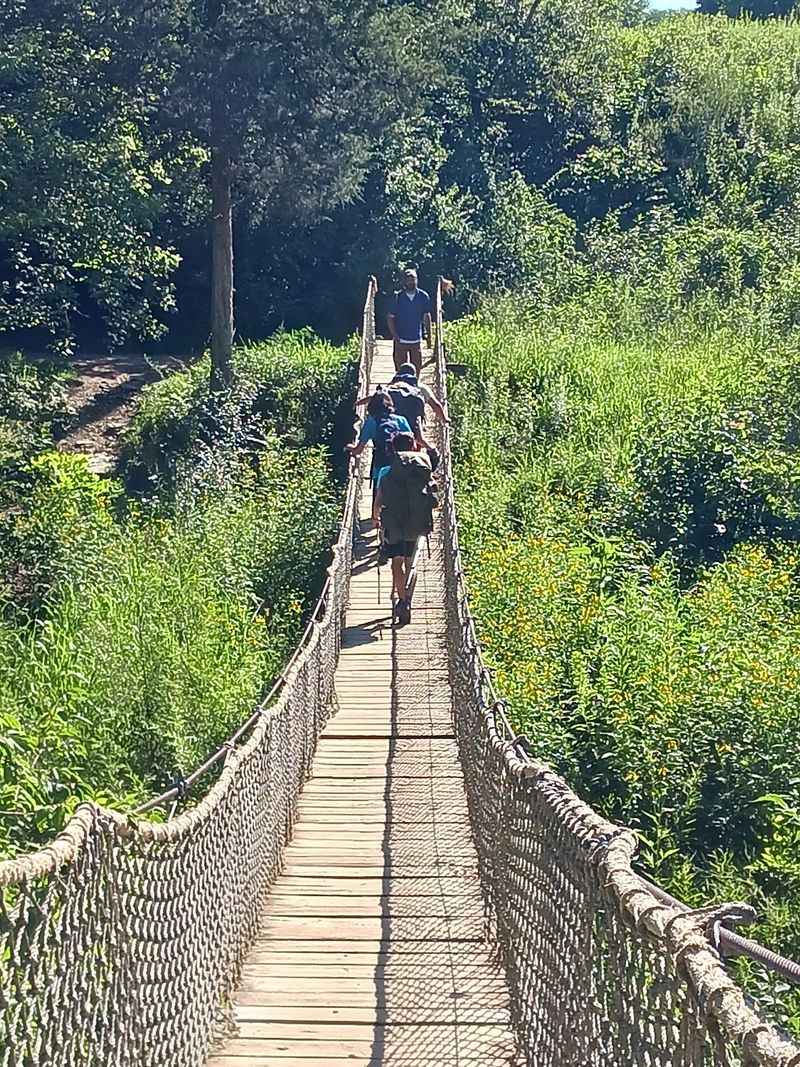
There is a special thrill in holding a souvenir that nobody made in a factory. Fossil collecting at Caesar Creek can offer that experience, but permission to take something home applies only within the designated area and under specific conditions.
Historically, the collecting guidelines have allowed eligible fossils small enough to fit in the palm of your hand. Confirm the current size limit and all other restrictions when obtaining your permit, rather than relying on an old travel article.
Collection is not an invitation to chip away at bedrock, excavate the ground, or carry off large slabs. Follow the rules on tools and methods, and leave oversized or otherwise restricted specimens for others to see.
Choose a few meaningful finds instead of treating the spillway like a shopping cart. Wrap permitted pieces separately so they do not rub together, and label them with the date and location once home.
A small stone with a clear shell impression can be plenty. Its value lies in the story you learned and the care you took, not in how heavy your collecting bag feels afterward either.
Pack for Sunshine, Sharp Stones, and Slow Looking
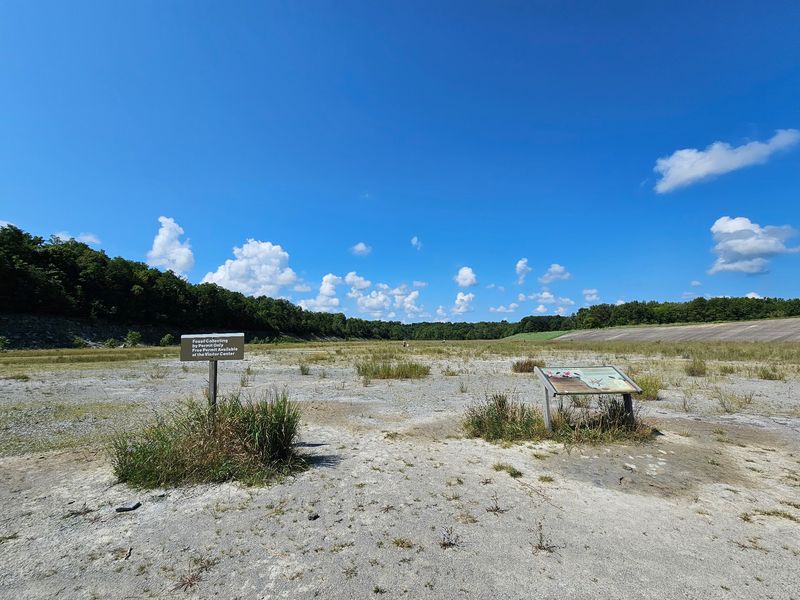
A rocky afternoon feels much better when your feet are happy and your water bottle is full. The exposed fossil collecting ground near Caesar Creek State Park calls for practical preparation, especially during warm weather or after recent rain.
Wear sturdy closed shoes with dependable grip, since loose fragments and uneven surfaces can make footing awkward. Pack drinking water, sunscreen, a hat, and a small hand lens, which lets you study details without damaging your find.
A notebook, pencil, and phone camera are useful companions. Leave hammers, chisels, and digging equipment out of your fossil hunting plan, and ask staff about any restrictions on other items before entering the designated area.
Check the forecast and current access conditions before your visit, including any closures connected with spillway operations. Turn back if conditions feel unsafe, and do not enter flowing water or restricted sections.
Give yourself time for breaks rather than setting a strict collecting goal. Comfortable preparation leaves more room for the experience itself: crouching beside a pale stone, noticing a shell outline, and realizing that a tiny detail survived an extraordinary length of time.
Finish With Lake Views and a Fossil Story
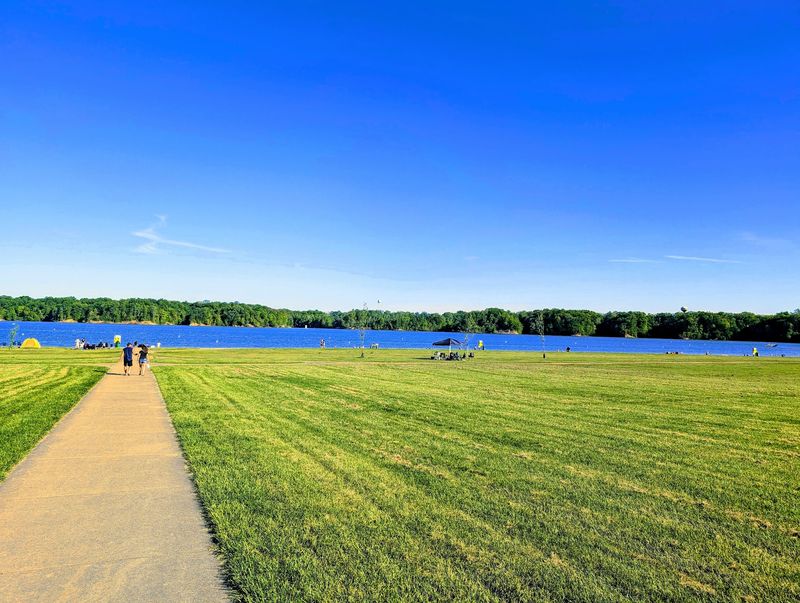
After an hour of watching the ground, looking across open water feels like a reset. Caesar Creek State Park offers more than fossil hunting, so leave time to enjoy the lake scenery and turn your collecting trip into a fuller outdoor visit.
Choose an open picnic area or an accessible shoreline viewpoint, following current park signs and conditions. A packed sandwich and a cool drink can feel especially welcome after walking over exposed rock in the sun.
Spread out photographs or permitted finds carefully and talk through what caught your attention. Keep fossils away from the water and avoid washing away delicate details, since a little attached rock or sediment may help with later identification.
Before heading home, record where and when each legal specimen was collected, using the designated area’s name rather than guessing at a precise rock layer. Store the pieces somewhere dry and protected.
The park at 8570 E State Route 73, Waynesville, becomes more than a stop on a map when your visit ends with a story: an ancient sea, a patient search, and a small discovery worth remembering.