

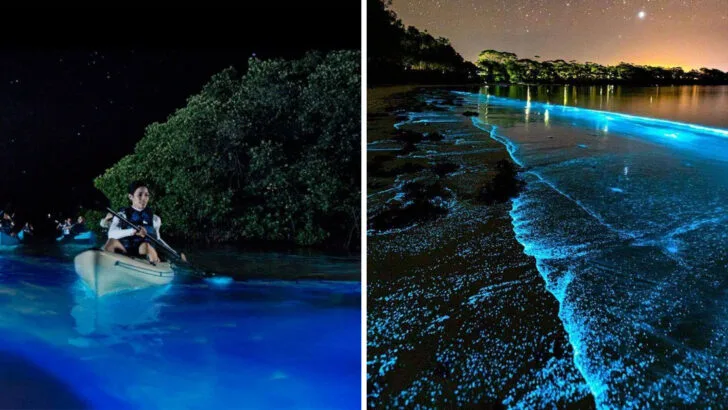
Picture a quiet Florida shoreline where every ripple suddenly ignites with electric blue light.
When night falls on the Indian River Lagoon, the water sparks like liquid stars, and it feels like stepping into a dream you can touch.
This rare glow is more than a pretty trick of the eye, it is a living phenomenon you can stir with your paddle or fingertips.
If you are ready to chase wonder, this is where it begins.
A Nighttime Phenomenon That Feels Otherworldly
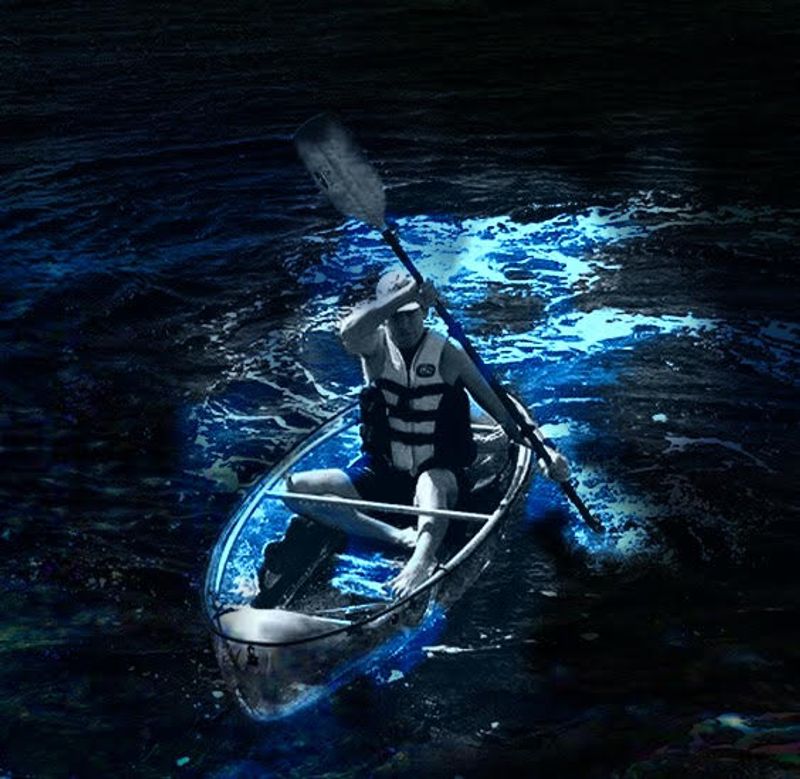
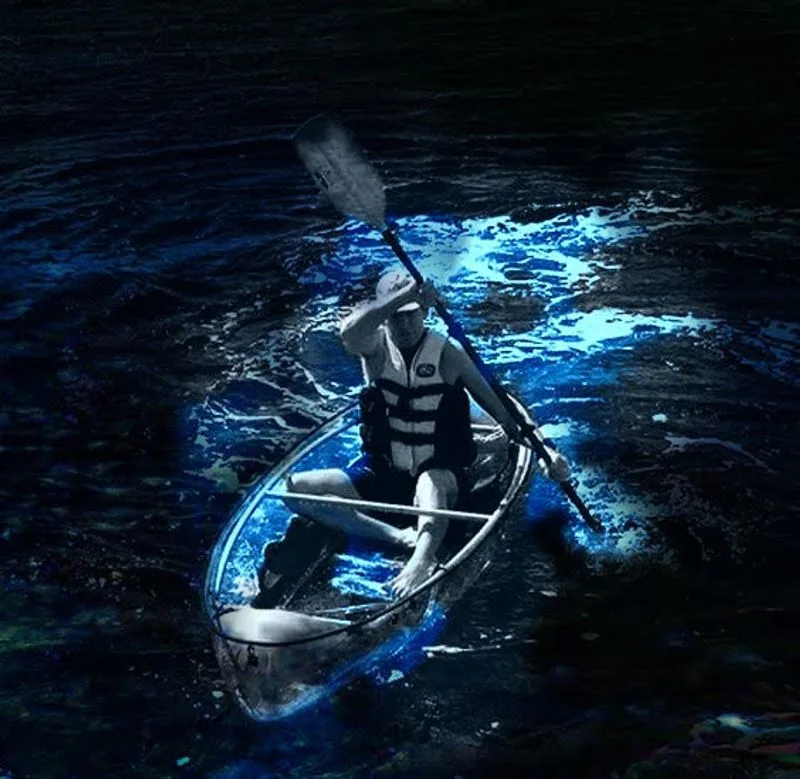
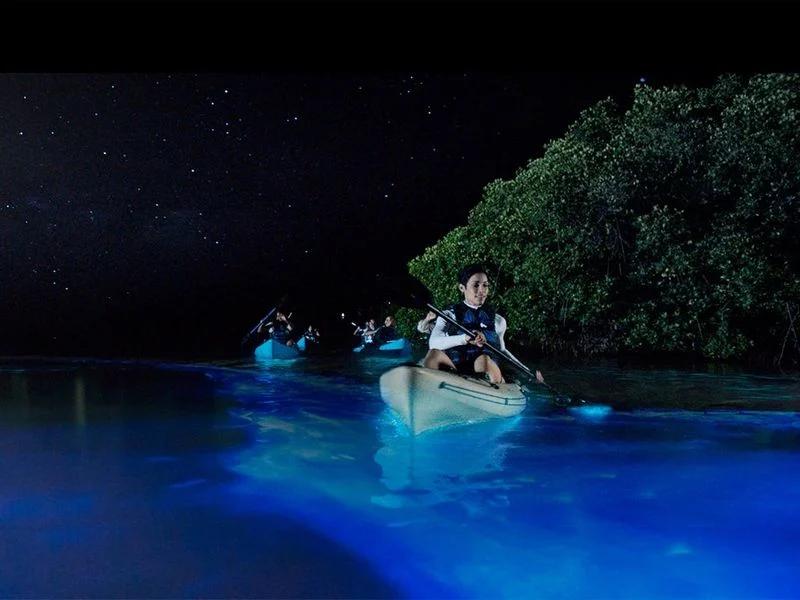
Imagine drifting over calm water, and with a single paddle stroke, the lagoon bursts into electric blue light. You lift your blade and droplets fall like sparks, each splash winking alive before fading into darkness. It feels unreal, as if you are writing glowing letters across the surface, and the lagoon answers with a pulse of color that follows your every movement.
There is a hush at night here, broken by soft currents and the quick dart of mullet that flare neon as they leap. Every swirl becomes a halo, and fish outline themselves in luminous blue, sketching invisible paths beneath your kayak. You wave a hand over the side and a constellation blooms, proof that you are crossing a living sky turned upside down.
The first time you see it, your senses rebel because the water looks alive in a way daytime never promises. It is not a light show you watch from a distance, but something you trigger, and that immediacy sinks in fast. You realize the lagoon is responsive, tuned finely to touch, current, and sound, and you cannot help chasing more light.
Some nights are brighter than others, but even a subtle glow feels intimate, like a whispered secret you caught by luck. The more you move, the more it gleams, a quiet reminder that small gestures can awaken vast beauty. Out here, surrounded by mangroves and night air, the blue wakes up awe you forgot you still had.
What Makes the Indian River Lagoon So Unique
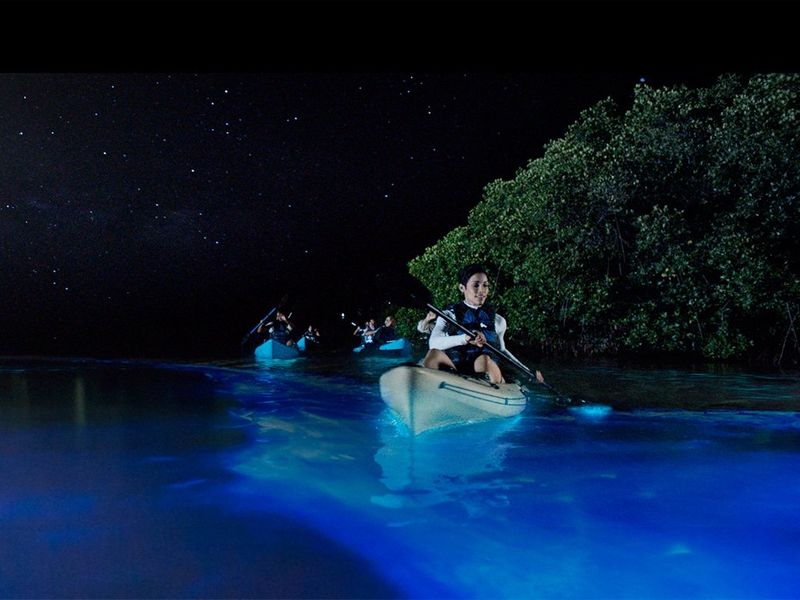
The Indian River Lagoon stretches along Florida’s Atlantic coast, a long mosaic of habitats where salt and freshwater mingle. This is an estuary, and that blend creates a buffet of nutrients and microhabitats. Mangroves, seagrass beds, oyster reefs, and sandy flats layer together like a living patchwork, each one sheltering species that thrive on the edges.
You feel the richness the moment you glide over seagrass and see schools of baitfish scatter ahead. Dolphins patrol channels, manatees graze slow, and wading birds stalk the shallows with quiet precision. That density of life is not coincidence, it is the product of temperature gradients, tidal flow, and a coastline that funnels energy into sheltered waters.
For bioluminescence, the lagoon’s gentle circulation and shallow depth are a gift. Warm months concentrate microscopic drifters in quiet coves where wind breaks and currents ease. Because these waters are protected and complex, plankton can flourish, feeding and reproducing in numbers that turn darkness into light.
Seagrass meadows act like underwater cities, slowing water, trapping particles, and providing surfaces for microorganisms to cling to. Mangroves drop leaves that decompose into dissolved nutrients, fueling base level productivity. When you add sunlight, long days, and Florida’s heat, you get a recipe that incubates life in astonishing variety.
The Science Behind the Electric Blue Glow
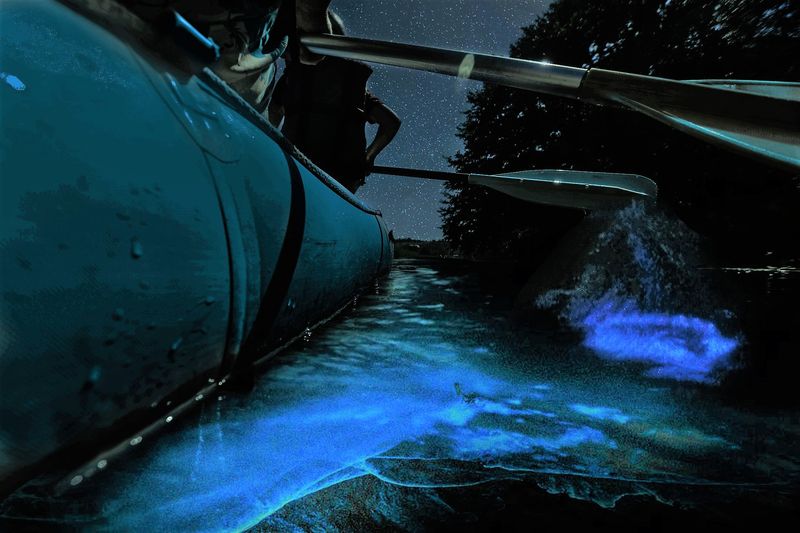
That electric blue is not magic, it is bioluminescence, a natural light produced by tiny organisms when disturbed. In the Indian River Lagoon, most of the glow comes from single celled plankton known as dinoflagellates. When water moves around them, they respond with a flash that lasts a heartbeat, bright enough to trace motion.
The trigger is mechanical stress on the cell membrane. Imagine shear forces from a paddle stroke or a fish sprint, which cause ion channels to open in the dinoflagellate’s outer layer. This sets off a cascade that acidifies a small compartment, activating the enzyme luciferase to act on luciferin, releasing energy as blue light.
Blue travels well underwater, so the wavelength is not random. It cuts through darkness efficiently, making each swirl and splash feel amplified. Because the flashes are brief, they flicker like sparks, which is why moving objects look outlined then vanish as quickly as they appeared.
This response may help the plankton by startling predators or attracting larger hunters that scare smaller grazers away. Whatever the evolutionary tradeoff, you witness it as a living physics lesson. The more you interact, the more light you coax, turning water into a responsive screen written by motion and chemistry.
Meet the Microscopic Stars: Dinoflagellates
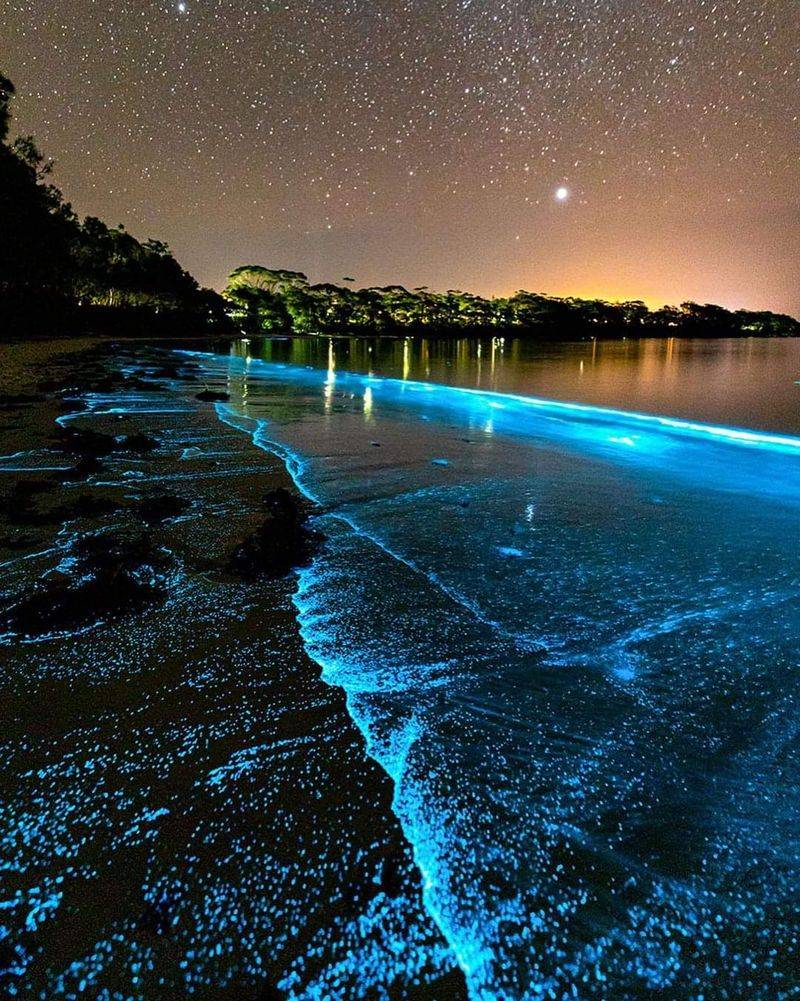
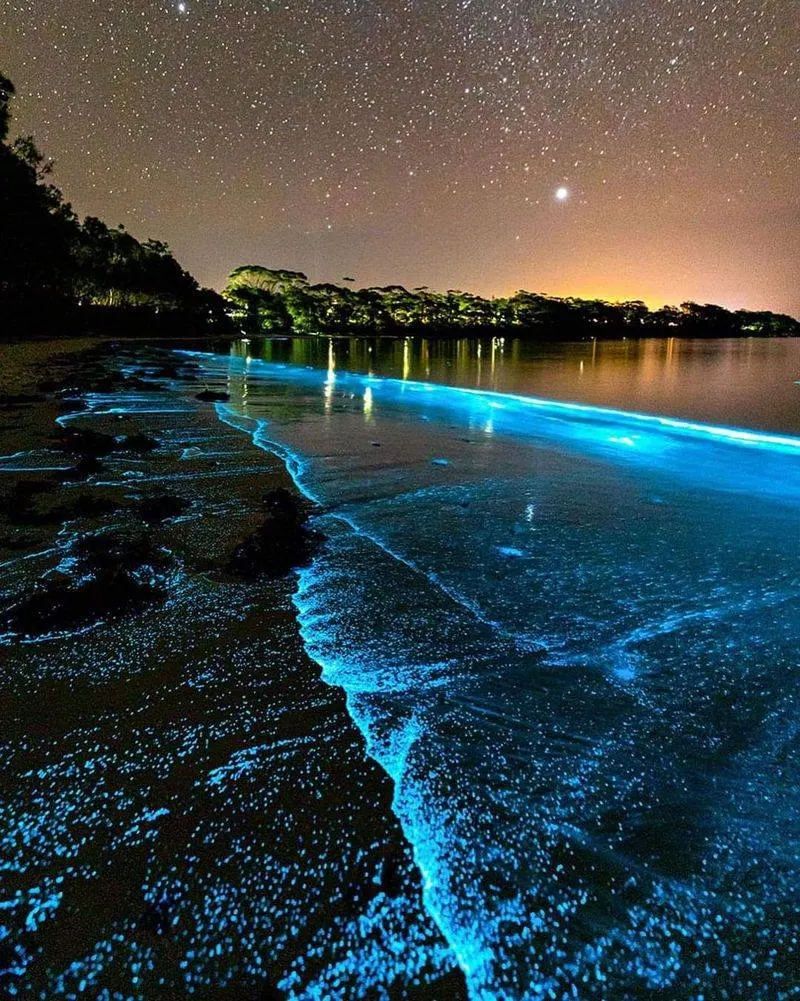
In summer, one name often takes center stage in the lagoon’s glow, Pyrodinium bahamense. This dinoflagellate is famed for bright flashes that register as intense blue, even in subtly stirred water. Under a microscope, it looks like a tiny spinning top with protective plates, perfectly built for drifting and responding to motion.
These organisms photosynthesize during the day, storing energy that can later be released as light. At night, when a fish darts or your paddle slices past, they fire off microbursts of luminescence. You get the impression of glowing fish, but it is really the water lighting up around them as countless cells react together.
Dinoflagellates play more roles than nighttime artists. They form the base of the food web, feeding small grazers that in turn support fish and larger predators. Their presence signals a productive system, but it also demands balance, since excess nutrients can push blooms beyond healthy levels.
When conditions align, these plankton multiply, creating the dense concentrations that make the lagoon sparkle bright. Not every night features the same species or intensity, but Pyrodinium is a frequent star. Learning its name turns the glow from mystery into acquaintance, like recognizing a friend by the way they light up the room.
When and Why the Lagoon Glows Brightest
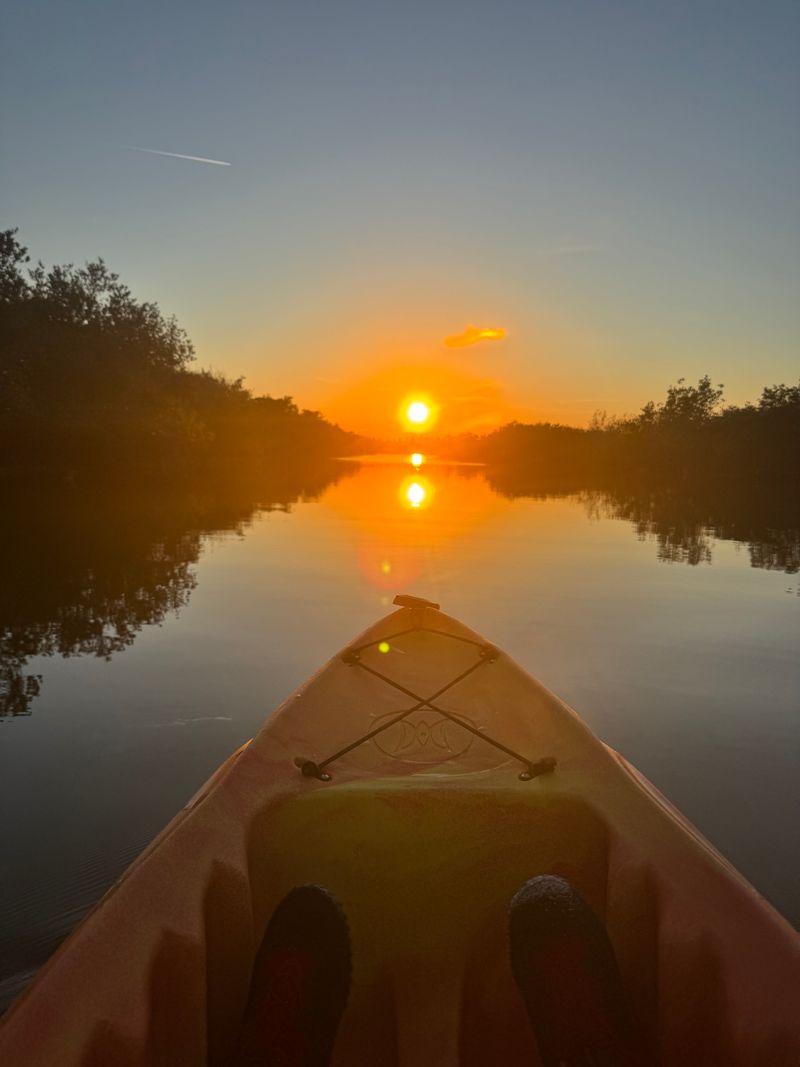
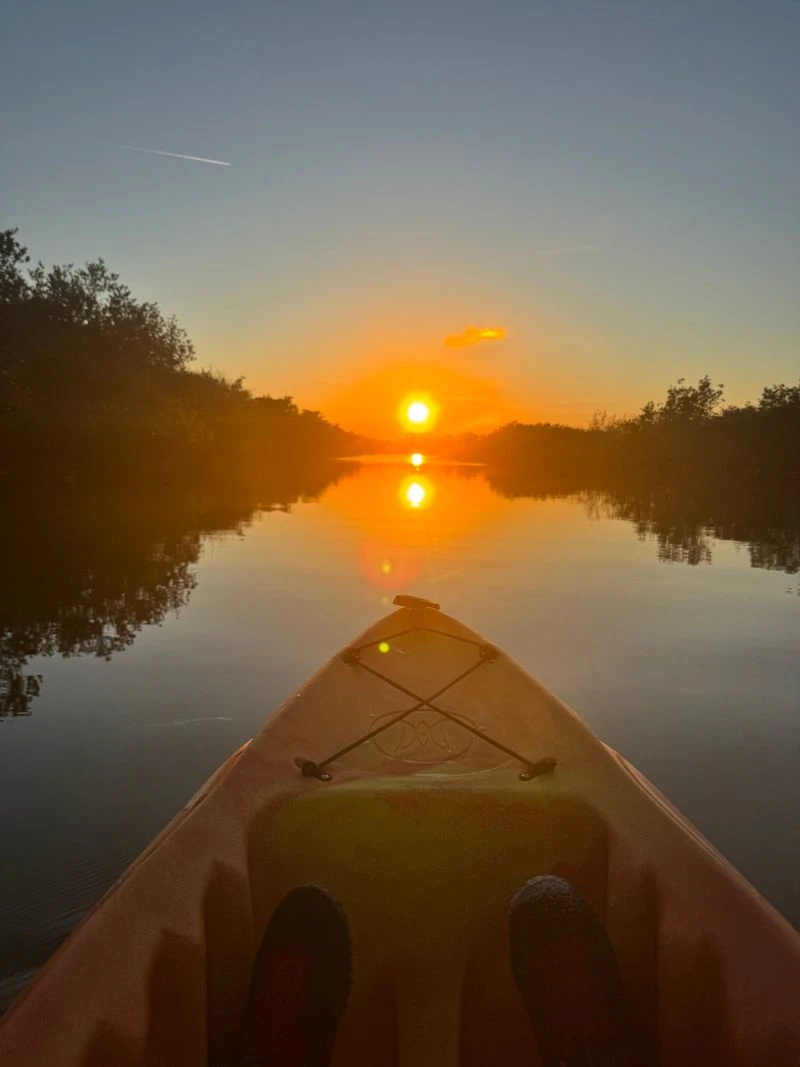
Peak season typically runs from late spring through summer into early fall, when water warms and days stretch long. Warm temperatures speed plankton growth and metabolism, loading the lagoon with potential for light. When sunsets give way to muggy nights, the stage is set for bright, reactive flashes with every splash.
Salinity matters too, because dinoflagellates thrive within certain ranges. Heavy rain can freshen surface layers and dilute salt, sometimes dimming displays, while dry spells stabilize salinity and help blooms persist. Nutrients from natural sources feed the plankton, but too many can push ecosystems out of balance.
Wind and current can concentrate or scatter these microorganisms. Sheltered coves, canals, and mangrove lined backwaters often shine because they retain dense drifts of plankton. After several calm days, the glow can feel especially intense, like a stored secret finally let loose under the stars.
Time of night also plays a role, with darkness after full sunset giving your eyes a chance to adjust. You will notice the glow most in areas shaded from stray lights. Watch the forecast, track water temperatures, and aim for stretches of warm, calm weather to maximize your chances.
Best Places to See Bioluminescence in the Indian River Lagoon
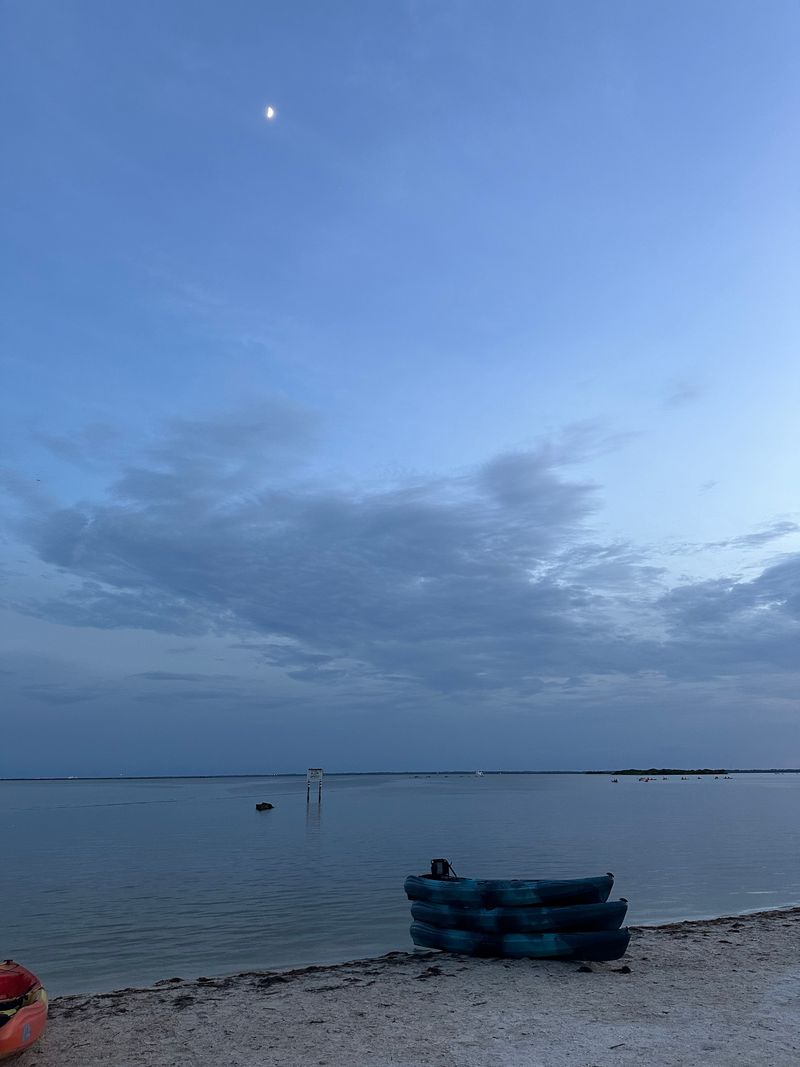
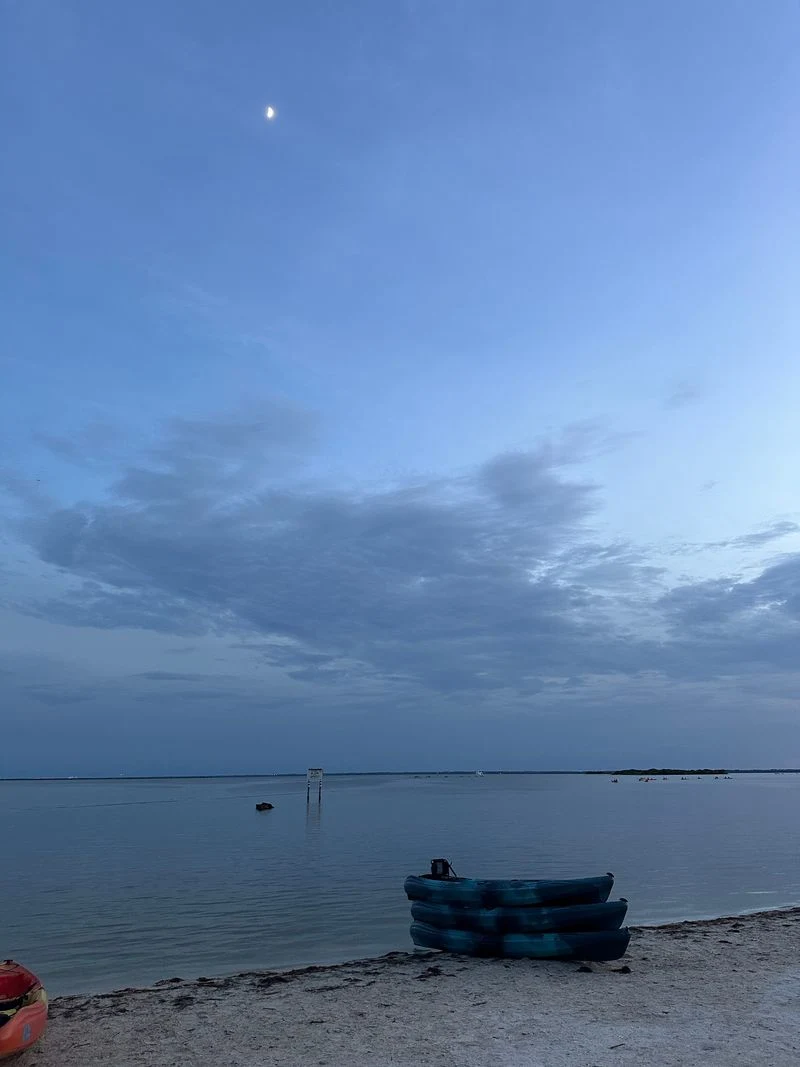
Merritt Island is a favorite because protective shorelines and quiet coves keep water calm and plankton dense. Near the wildlife refuge, you can slip into water that feels like liquid fireworks with each paddle sweep. Launch spots vary, but guides know the hidden nooks where wind drops and the blue comes alive.
The Banana River, part of the larger lagoon system, often delivers dazzling runs along mangrove edges. Here, canals and lagoons create pockets where dinoflagellates collect like glitter in a bowl. Titusville offers convenient access points and tour operators who time outings for darker nights and gentler tides.
Look for places shielded from streetlights and boat traffic. Back channels, narrow cuts, and sheltered bays give you the quiet you need for the glow to stand out. Local outfitters can steer you away from bright marinas and into shadowed water where every fish writes its neon signature.
You can also explore mosquito impoundments and shallow flats when water levels allow. These areas hold heat and limit flushing, encouraging concentrations of plankton. The best locations change with seasons and weather, so a little local knowledge goes a long way toward lighting your night.
Kayaking Through Liquid Light
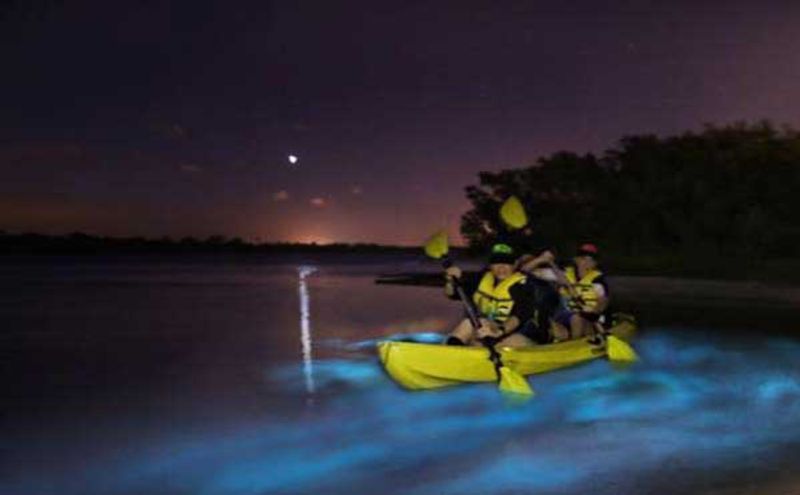
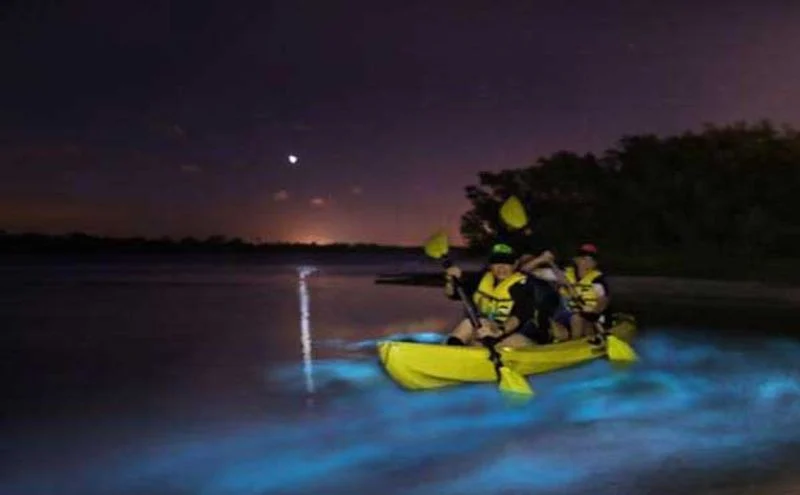
Sliding a kayak into the lagoon after sunset feels like joining a secret club. The first stroke carves a glowing path, and the hull leaves a luminous tail like a comet on water. Every movement is visible, from a flick of your wrist to the turn of your bow.
Paddleboarding works too, letting you stand and watch the glow burst beneath your feet. Fish streak past as blue dashes, and shrimp spark at the edges of your wake. It is a full body experience, because the lagoon is reacting to you in real time.
Guided night tours provide red safe lights, route planning, and local knowledge about wind and tide. You learn to move slow, pause often, and let your eyes adjust fully to the dark. That patience pays off when the water suddenly flares brighter, like the lagoon took a deep breath and exhaled light.
Bring quiet, low light gear and avoid bright headlamps that wash out the effect. Wear quick dry layers and secure phones in waterproof cases so you can focus on the show. It is intimate, low impact, and unforgettably immersive, the kind of adventure you carry home in your muscles and your memory.
How Weather, Moonlight, and Timing Matter
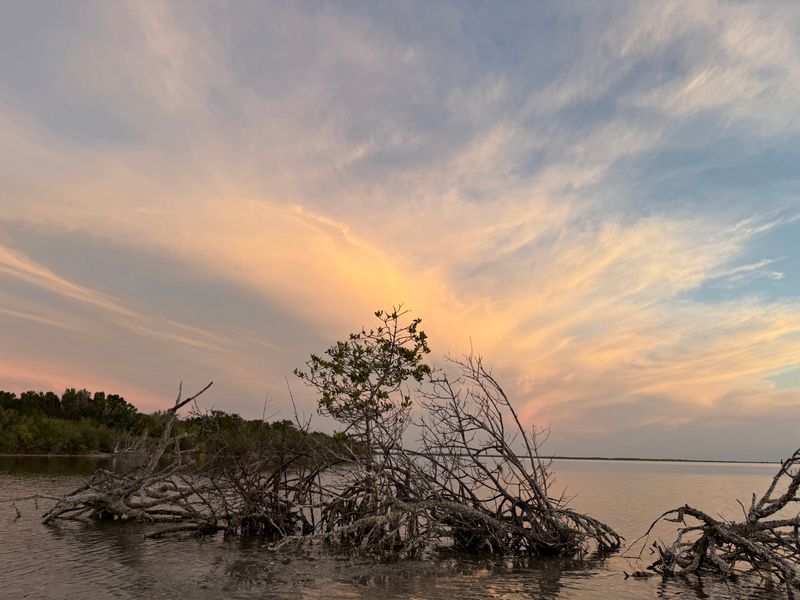
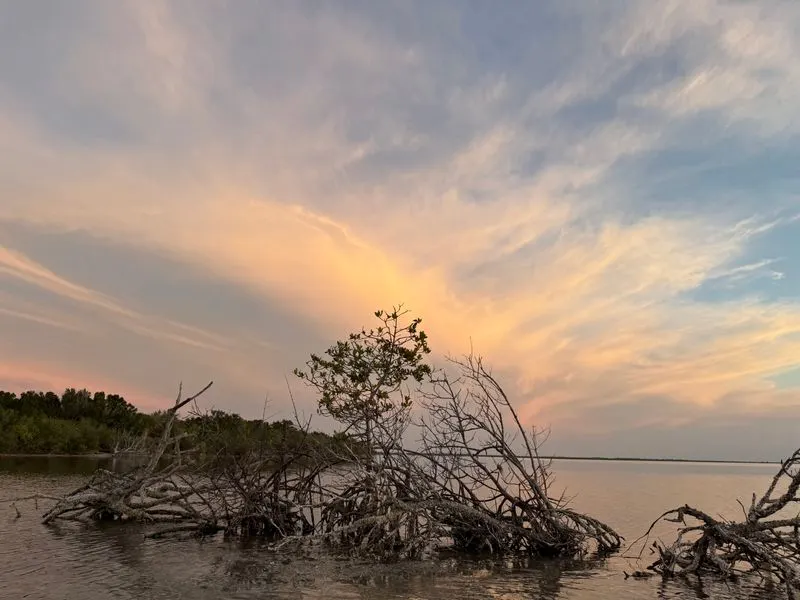
Darkness is your friend, so aim for new moon windows when the sky is ink black. Even a bright half moon can soften the effect, turning sharp flashes into gentle glows. Cloud cover can help by hiding stray light, as long as storms stay away.
Calm water shows bioluminescence best because small disturbances read clearly. On windy nights, chop can trigger constant low level sparkle that hides the drama of individual strokes. Choose sheltered creeks and mangrove lined canals to find velvet smooth surfaces that respond cleanly to motion.
Timing matters within the night too. Give your eyes a full fifteen minutes to adjust, and minimize white light from phones or lamps. Start just after civil twilight when boat traffic drops and you can read the water without glare.
Recent weather shapes the bloom. Several calm, warm days can build brighter nights, while heavy rain may dilute salinity and dim the show. Watch tide charts, wind forecasts, and lunar cycles together, and you will stack the deck in favor of a bright blue symphony.
Protecting a Fragile Natural Wonder
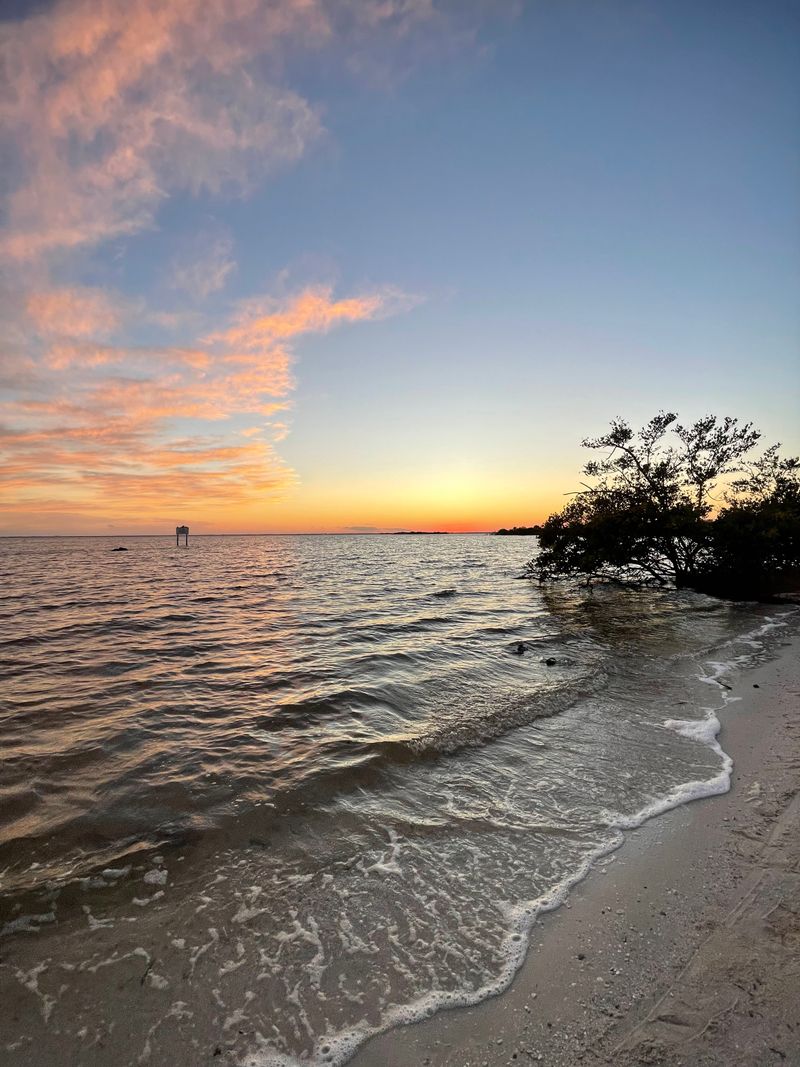
The glow depends on a healthy lagoon, and that means clean water, thriving seagrass, and balanced nutrients. Pollution, runoff, and failing septic systems can fuel harmful blooms that smother light and life. You can help by choosing reef safe sunscreens, packing out trash, and supporting local groups restoring seagrass and oysters.
Boat wakes and prop scars tear through shallow habitats where young fish and invertebrates grow. Slow speeds in sensitive areas protect wildlife and keep sediments from clouding the water. Kayaks and paddleboards already tread lightly, but you can go even softer by avoiding groundings and steering clear of manatees.
Community efforts matter, from upgrading wastewater infrastructure to planting living shorelines. Native vegetation absorbs runoff and stabilizes banks, reducing the nutrient pulses that stress the lagoon. When you join a cleanup or donate to restoration projects, you are investing in future blue nights.
Respect wildlife viewing guidelines and keep lights low at night. Choose tour operators that follow eco friendly practices and share conservation messages. The lagoon gives you wonder with every spark, and your choices help make sure it keeps glowing for everyone who needs a little magic.