
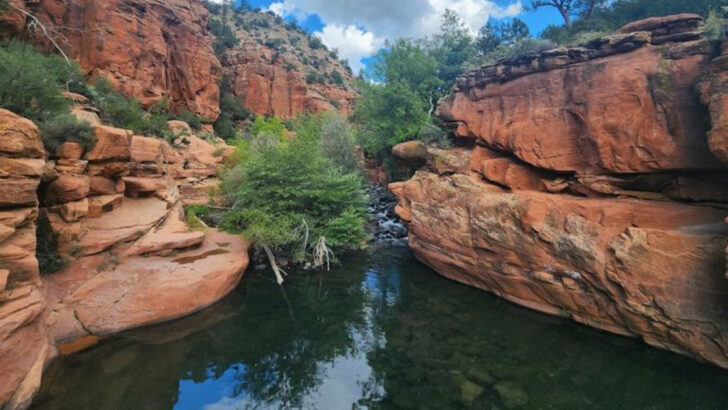
Imagine trudging through sun-scorched Arizona desert, red rocks towering around you, and then suddenly hearing the sound of rushing water.
That’s exactly what happens on the Bell Trail near Sedona, where a 3-mile hike through rugged terrain leads to a stunning, hidden swimming hole carved inside a canyon.
Wet Beaver Creek rewards every sweaty step with cool, crystal-clear water that feels almost magical against the desert heat.
Whether you’re an experienced hiker or just looking for an unforgettable outdoor adventure, this trail delivers one of Arizona’s most surprising and satisfying experiences.
Bell Trail: Where Desert Meets an Unexpected Oasis
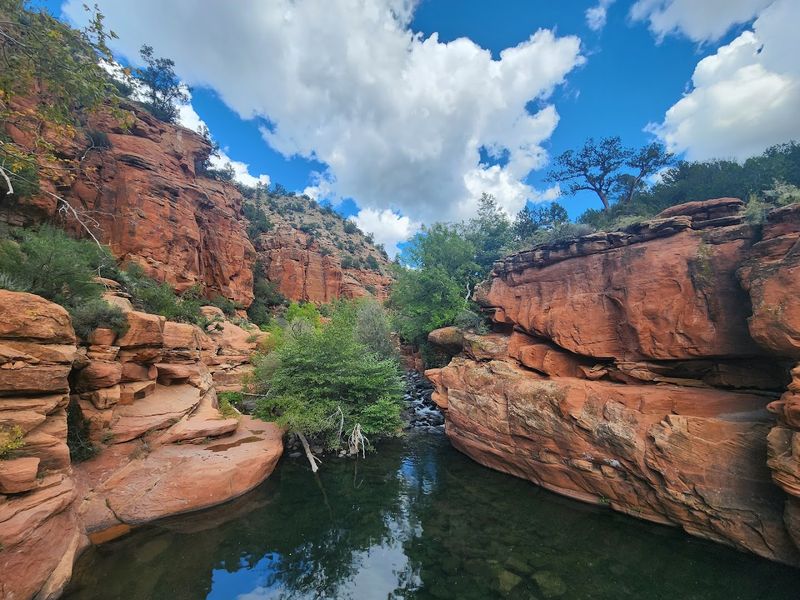
Picture this: you’re surrounded by nothing but baking red rock, prickly pear cactus, and the kind of silence that only exists deep in the Arizona desert. Then, around a bend in the canyon, the sound of trickling water drifts toward you, and suddenly everything changes.
That dramatic moment is what makes the Bell Trail one of Arizona’s most talked-about hikes.
Wet Beaver Creek’s hidden swimming hole sits tucked inside a shaded canyon, completely invisible from the trailhead. The contrast between the searing desert heat and the cool, green oasis waiting at the end is almost hard to believe until you’re standing right in front of it.
It’s the kind of reward that makes every blister totally worth it.
Hikers from all over the country seek out this trail because it delivers two experiences in one: a challenging, scenic desert trek and a refreshing natural pool. You don’t need to be an elite athlete to enjoy it, just a love for the outdoors and a willingness to walk three miles through spectacular Arizona scenery.
The Bell Trail is proof that the best things really are worth working for.
Location and Overview of Bell Trail
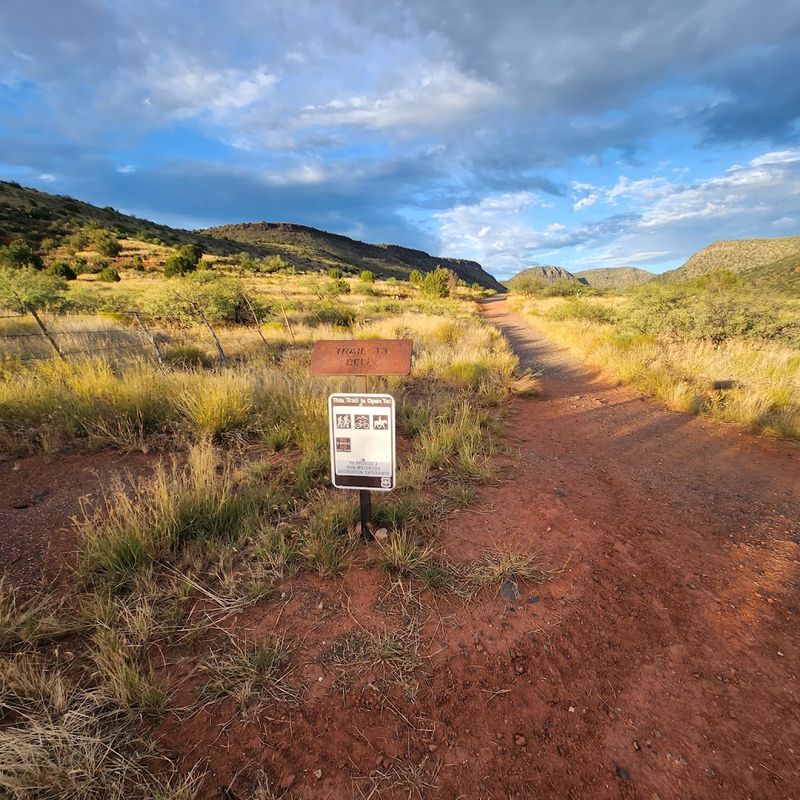
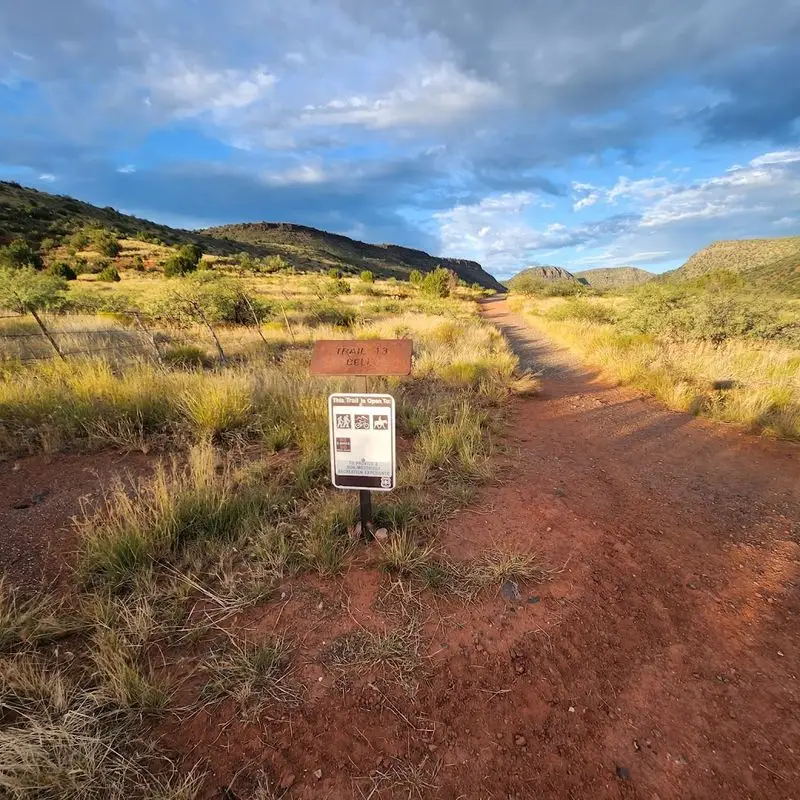
Tucked about 14 miles southeast of Sedona on Forest Road 618, the Bell Trail trailhead sits within the Coconino National Forest, making it surprisingly easy to reach from major Arizona cities. Phoenix is roughly 90 minutes away, and Flagstaff is just about an hour’s drive, meaning this trail is a realistic day-trip destination for a huge chunk of the state’s population.
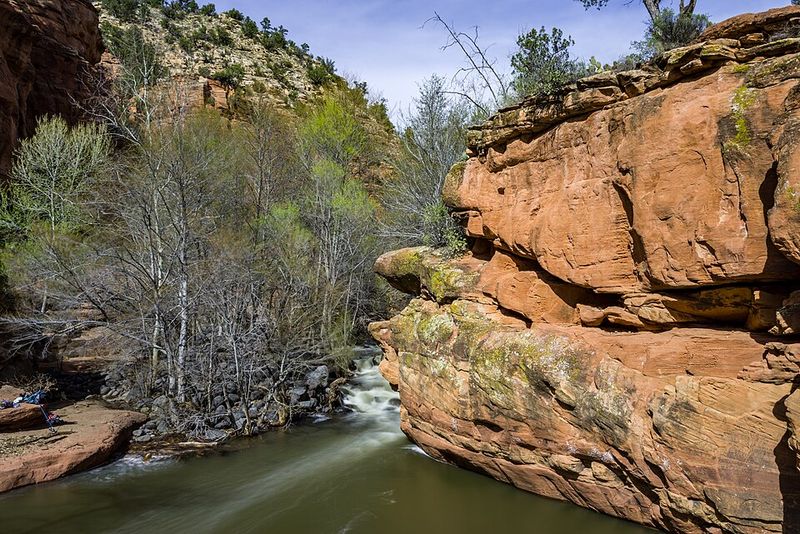
The trail follows Wet Beaver Creek through a stunning sandstone canyon, offering constant visual drama as the walls close in around you. Unlike some of Sedona’s more crowded red-rock trails, Bell Trail has a slightly off-the-beaten-path feel that attracts hikers who want scenery without the shoulder-to-shoulder crowds.
That said, it’s no secret spot, so expect company especially on weekends.
What really sets this trail apart is how it blends classic Arizona desert scenery with a riparian, water-fed environment. The creek creates a ribbon of green life cutting through the dry landscape, supporting cottonwood trees, willows, and wildlife you simply won’t find elsewhere on the Colorado Plateau.
For anyone exploring Sedona’s outdoor offerings, Bell Trail deserves a top spot on the list.
Trail Difficulty and What to Expect on the Hike
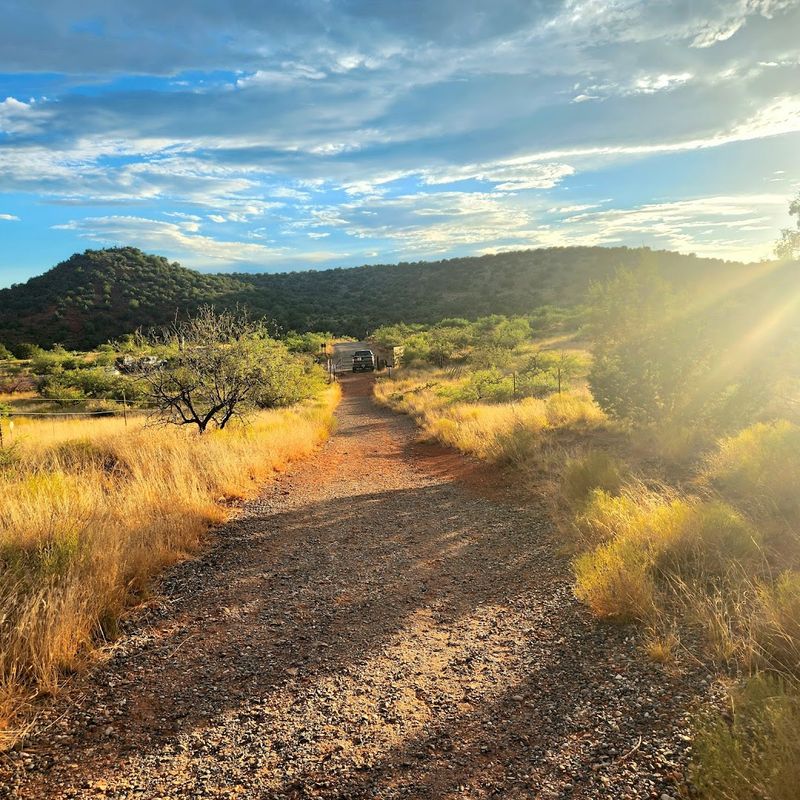
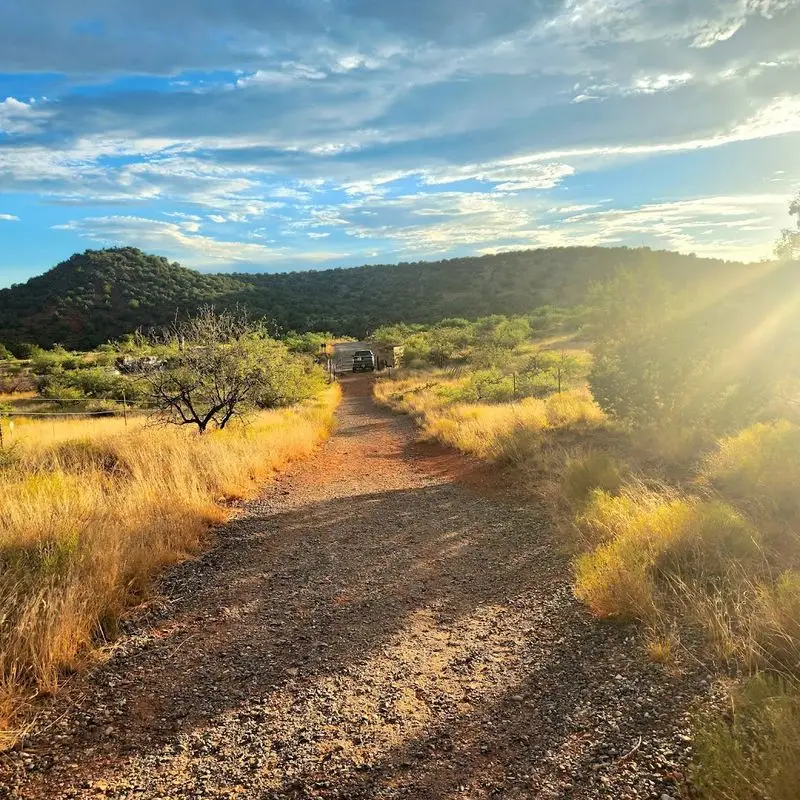
Bell Trail clocks in at roughly 3 miles each way, giving you a 6-mile round trip that most moderately fit hikers can handle in three to four hours. The elevation gain is relatively modest, around 400 feet total, which means you won’t be gasping for air on steep switchbacks.
Still, don’t let the gentle numbers fool you into leaving your water bottle behind.
The terrain keeps things interesting the entire way. You’ll cross Wet Beaver Creek multiple times, hop over rocky sections, navigate sandy stretches, and scramble up a few natural rock steps.
Footwear with good traction is genuinely important here, especially near the creek where smooth sandstone gets slippery fast. Flip-flops are a recipe for a twisted ankle.
Summer hiking on this trail deserves special caution. Temperatures regularly top 100 degrees Fahrenheit in June through August, and much of the trail is fully exposed to the sun.
Experienced hikers recommend starting before 7 a.m. during summer months to beat the worst heat. Spring and fall offer far more forgiving conditions, with cooler air and gorgeous light filtering through the canyon walls in the late afternoon.
The Desert Environment and Scenery Along the Way
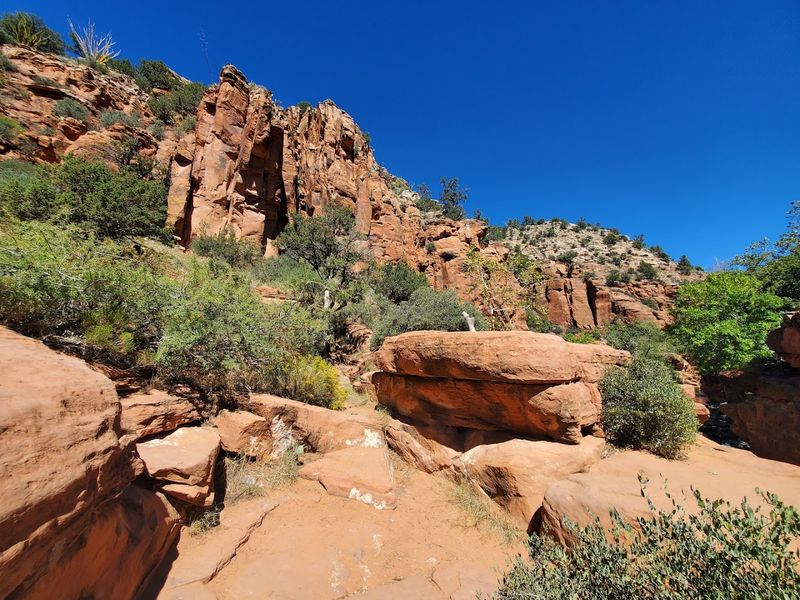
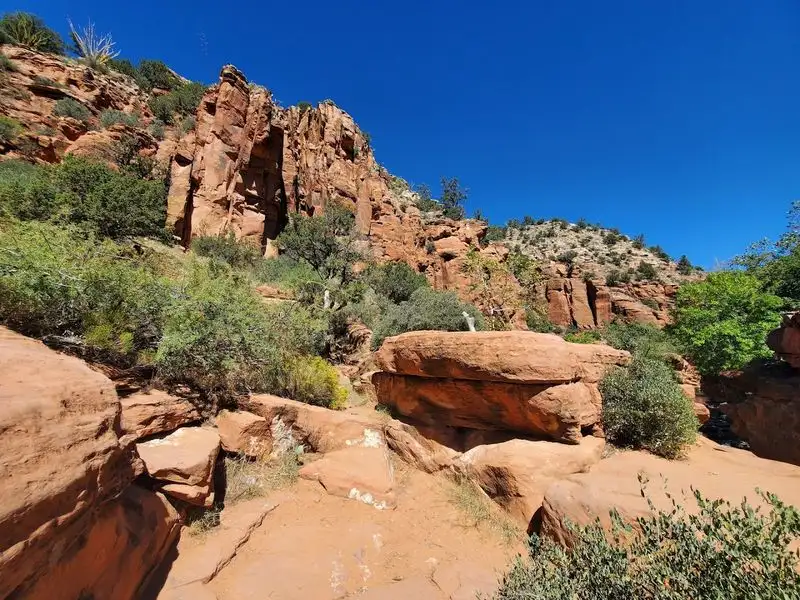
Few trails in Arizona pack this much visual variety into a single hike. Right from the trailhead, you’re greeted by towering red and orange sandstone walls that glow like embers in the morning light.
The rock formations along Bell Trail belong to the same geological story as Sedona’s famous buttes, carved over millions of years by wind, water, and time.
Desert plants line the trail with surprising diversity. Prickly pear and cholla cactus dot the drier sections, while manzanita and scrub oak create low, tangled thickets that provide occasional shade.
As you move deeper into the canyon and closer to the creek, the vegetation shifts dramatically. Cottonwood trees appear first, their silvery leaves rustling even in the lightest breeze, followed by willows that drape over the water like nature’s own curtain.
Wildlife enthusiasts will love keeping their eyes open along the way. Mule deer, great blue herons, and a surprising variety of songbirds call this riparian corridor home.
Lizards dart across sun-warmed rocks, and if you’re very lucky, you might spot a black hawk riding thermals above the canyon rim. The trail is essentially a living, breathing nature documentary playing out around you at every step.
The Reward: A Hidden Swimming Hole Inside the Canyon
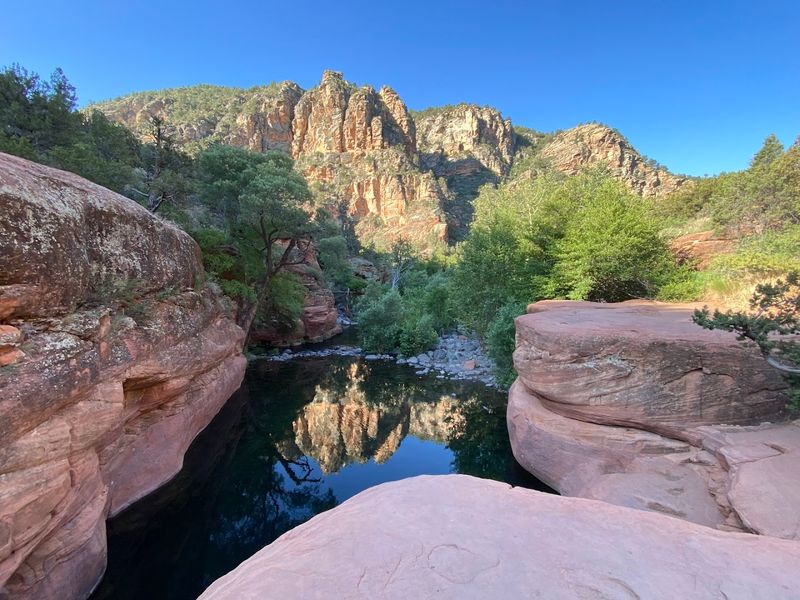
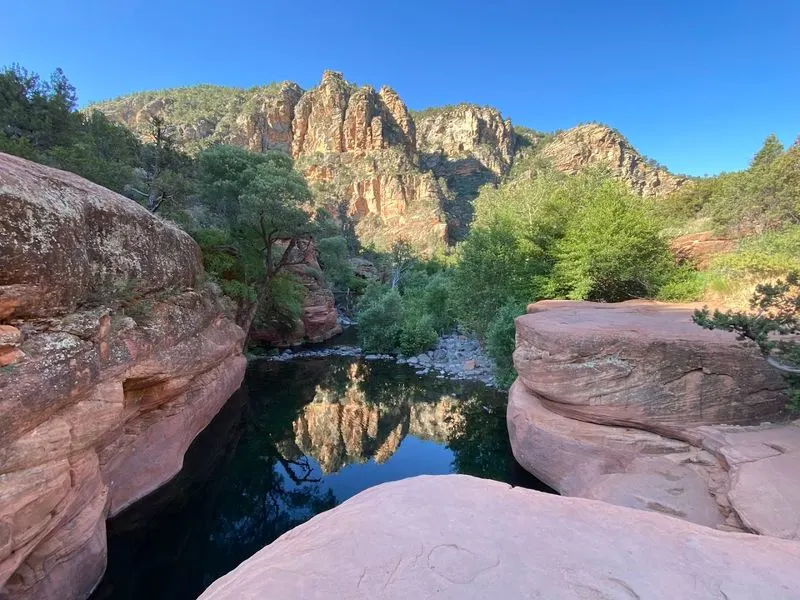
After three miles of desert hiking, the swimming hole at the end of Bell Trail hits differently than any pool you’ve ever jumped into. The water is startlingly clear, fed by Wet Beaver Creek’s year-round flow, and it pools naturally between smooth sandstone walls that have been sculpted into gentle curves by centuries of rushing water.
The shade from the canyon walls keeps the temperature refreshingly cool even in mid-summer.
The swimming area isn’t enormous, but it’s absolutely perfect for what it is. Depths vary depending on the season and recent rainfall, ranging from shallow wading spots to deeper sections where you can actually swim a few strokes.
Many hikers simply sit on the warm, flat rocks at the edge and dangle their feet in while eating lunch. Others wade in fully clothed because, honestly, why not?
What makes this spot feel genuinely magical is the silence. Once the other hikers settle in and conversations fade, all you hear is water moving over rock and the occasional bird call echoing off the canyon walls.
No road noise, no crowds, no distractions. Just you, the water, and one of the most quietly spectacular corners of the American Southwest.
Best Times to Hike and Swim at Bell Trail
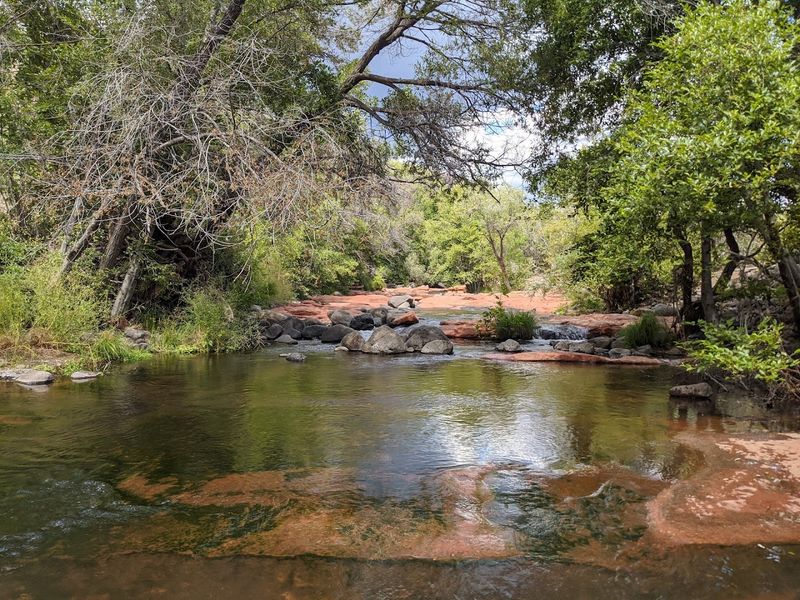
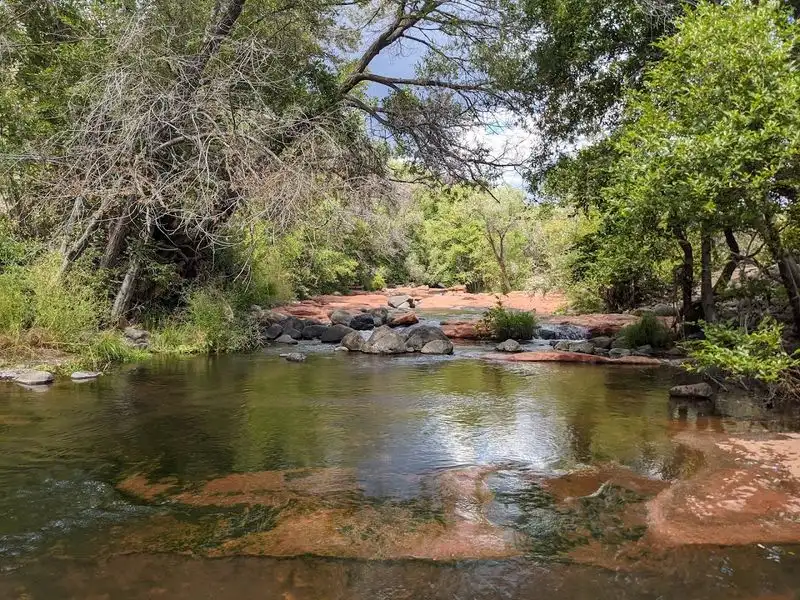
Timing your visit to Bell Trail can make the difference between a miserable slog and an absolutely unforgettable adventure. Spring, particularly April and May, is widely considered the sweet spot.
Temperatures are mild, wildflowers bloom along the creek banks, and winter snowmelt keeps the water levels high, giving you the deepest and most swimmable pool at the end of the hike.
Early mornings are your best friend regardless of what season you visit. The canyon fills with golden light during the first hour after sunrise, creating photography conditions that serious outdoor photographers drive hours to capture.
Starting early also means you’ll reach the swimming hole before the midday crowds stake their claim on the best rocks.
Late summer brings monsoon season to Arizona, which adds a complicated variable. Flash flooding is a real and serious danger in canyon areas after heavy rain, and Wet Beaver Creek can rise dramatically and quickly.
Always check weather forecasts before heading out between July and September. Fall hiking, from October through November, offers another excellent window with cooling temperatures and a spectacular show of golden cottonwood leaves reflecting off the creek’s surface.
Safety Tips and Trail Etiquette to Know Before You Go
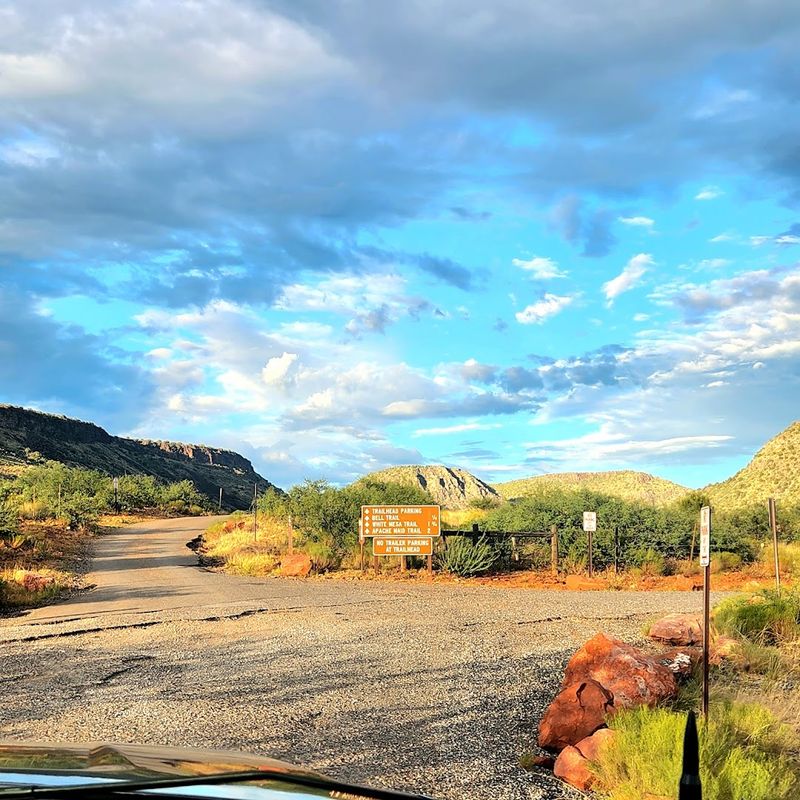
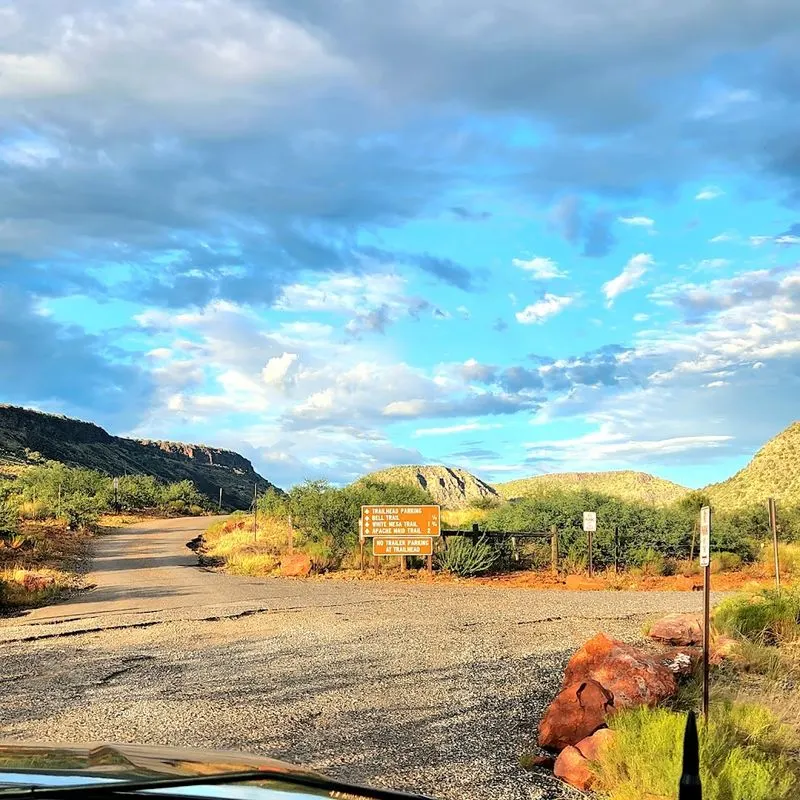
Water is not optional on this hike, it’s survival gear. Most outdoor experts recommend carrying at least two liters per person for a desert hike of this length, and more if temperatures are above 85 degrees.
Dehydration sneaks up fast in dry Arizona air, especially when you’re distracted by the incredible scenery around every corner.
Sun protection deserves equal attention. A wide-brimmed hat, UV-rated clothing, and SPF 50 sunscreen applied generously before you start will save you from a painful souvenir sunburn.
Sunglasses that block UV rays are also worth packing since the reflected light off sandstone and water can be surprisingly intense. Sturdy, closed-toe hiking shoes with ankle support are strongly recommended over sandals or sneakers.
At the swimming hole, remember there’s no lifeguard on duty and water depth can be deceiving. Check the bottom before jumping in, and keep a close eye on children near the water’s edge.
Trail etiquette matters too: pack out every piece of trash, keep voices at a reasonable level, yield to uphill hikers, and resist the urge to pick or disturb plants and wildlife. Leaving the place exactly as you found it means the next hiker gets the same magical experience you did.
Environmental and Cultural Context of Wet Beaver Creek
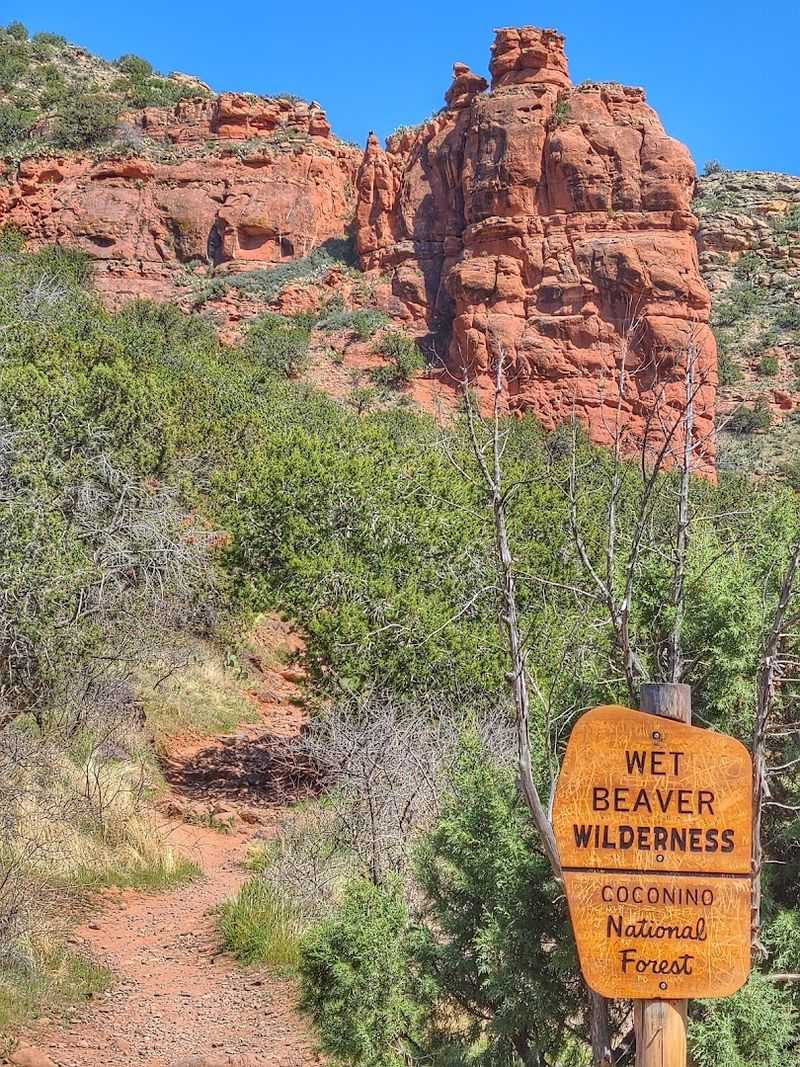
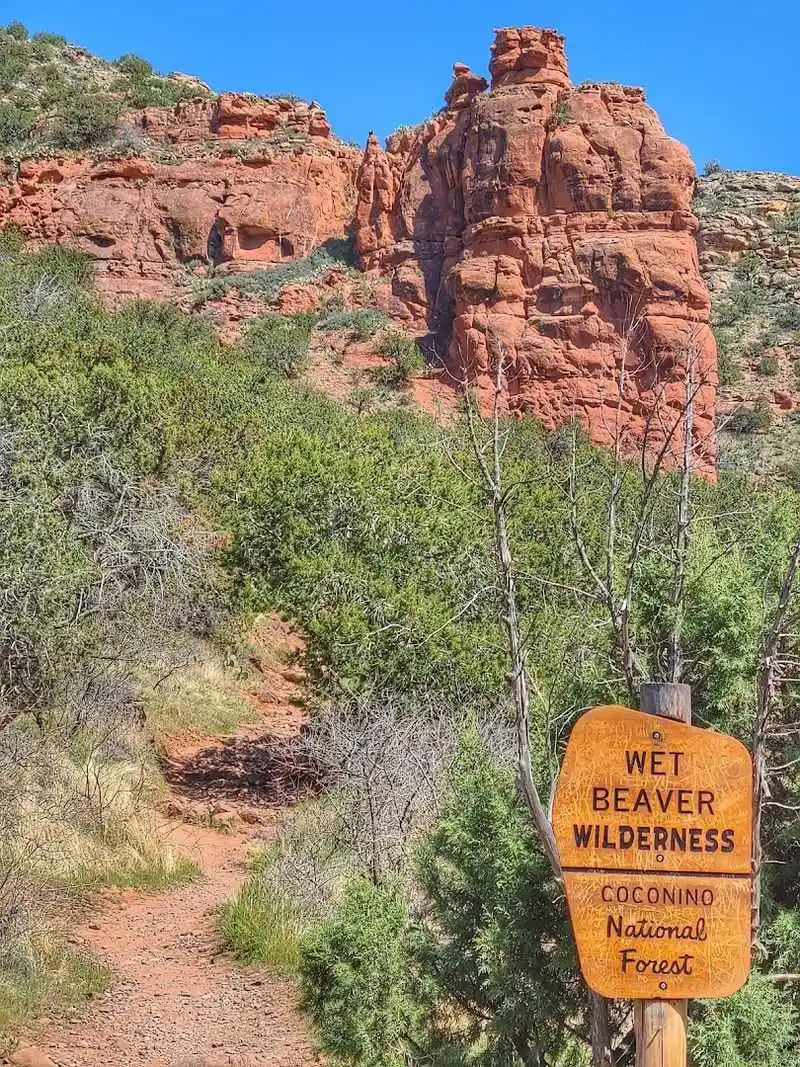
Wet Beaver Creek isn’t just a pretty backdrop for hikers. It’s a critical ecological artery running through one of Arizona’s most biologically rich landscapes.
Riparian zones like this one, areas where water meets dry land, support a disproportionately large share of Arizona’s plant and animal species despite covering less than one percent of the state’s total land area. That makes this creek genuinely irreplaceable.
The Yavapai-Apache Nation has deep cultural ties to this region, and the land around Sedona holds spiritual significance that predates any modern hiking trail. Visitors exploring these areas carry a responsibility to approach the landscape with respect, not just for the environment but for the living cultural heritage connected to this land.
Treating the trail gently is an act of both ecological and cultural stewardship.
Conservation organizations and the U.S. Forest Service actively work to protect the riparian habitat along Wet Beaver Creek from invasive plant species and overuse.
Staying on marked trails, avoiding trampling creek-bank vegetation, and never removing rocks or plants are simple actions that collectively make a significant difference. The more visitors understand what they’re walking through, the more likely they are to become advocates for protecting it long after they’ve driven home.
How to Get There and Logistics for Your Visit
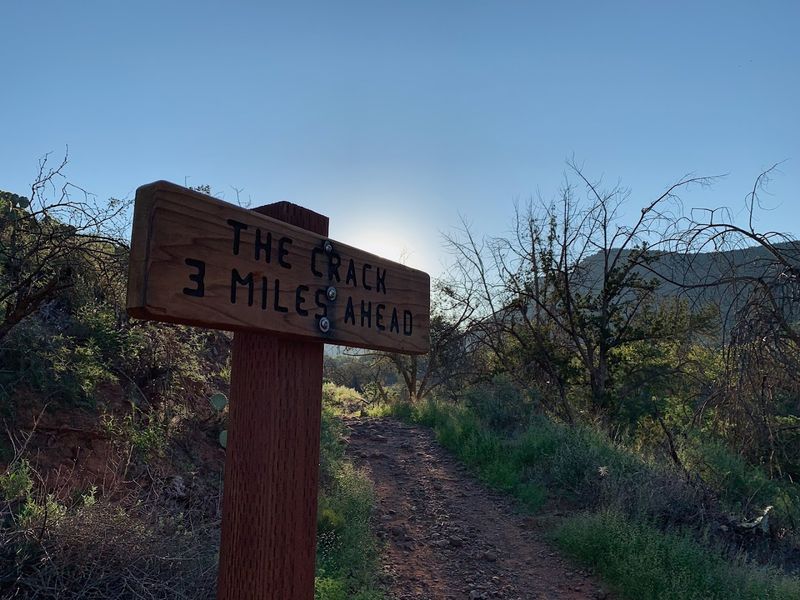
Getting to Bell Trail is straightforward once you know the route. From Sedona, head south on Highway 179 toward the Village of Oak Creek, then continue to Interstate 17 south.
Take Exit 298 at Cornville Road and follow signs toward Beaver Creek. Turn onto Forest Road 618 and drive roughly 2 miles to the Bell Trail trailhead parking area.
The road is paved most of the way and accessible by standard passenger vehicles.
A Red Rock Pass or America the Beautiful Pass is required for parking at the trailhead. Day passes typically cost around five to seven dollars and can be purchased at self-pay stations at the lot.
Annual passes covering all federal recreation areas are a worthwhile investment if you plan to hike multiple Arizona trails throughout the year.
Pack smart before leaving the car. A dry bag or waterproof pouch for your phone and wallet is essential since creek crossings and swimming make water exposure likely.
Bring a towel, a change of dry clothes, and a light snack for the turnaround point. Cell service at the trailhead is limited, so download offline maps before you arrive.
Arriving by 7 a.m. on weekends almost guarantees you a parking spot without the stress of circling a full lot.
Local Tips and Hidden Gems Along Bell Trail
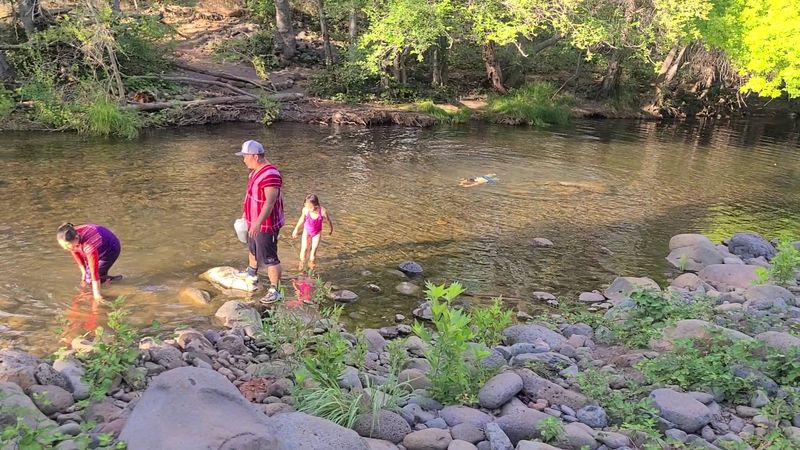
Seasoned Bell Trail regulars have a few tricks up their sleeves that can seriously upgrade your experience. The flat sandstone ledges just before the main swimming hole make exceptional lunch spots with natural shade and a canyon view that would cost you serious money at a Sedona restaurant.
Getting there before 10 a.m. means you’ll have your pick of the best seats.
Photography enthusiasts should plan to be at the swimming hole in the late morning, when the sun angles down into the canyon just enough to light the water without harsh overhead shadows. The reflection of the orange walls in the clear pool creates images that look almost too beautiful to be real.
A polarizing filter on your camera lens will cut the water glare and reveal the creek bottom’s incredible detail.
Beyond Bell Trail itself, the surrounding area has more to offer curious explorers. The nearby Beaver Creek Campground provides a comfortable base for multi-day adventures.
The Weir Trail, which branches off from Bell Trail, offers a shorter alternative with its own scenic creek views. And if you’re driving back through the Verde Valley, the Montezuma Castle National Monument is only a short detour away, adding a fascinating ancient history angle to your outdoor day trip.
Plan Your Bell Trail Adventure with Confidence
There’s something genuinely rare about a hike that delivers on every promise it makes. Bell Trail earns its reputation not through Instagram hype but through a simple, honest formula: work hard, sweat a little, and find yourself standing beside one of Arizona’s most beautiful natural swimming holes.
That feeling of earned reward is something no luxury resort can replicate.
Planning ahead makes all the difference between a stressful outing and a seamless adventure. Book your visit for a weekday in April or October if your schedule allows.
Pack enough water, protect your skin from the sun, wear the right shoes, and download your offline maps the night before. These small preparations compound into a dramatically better experience on the trail.
Arizona’s outdoor spaces are extraordinary, but they’re also fragile. Every hiker who visits Bell Trail becomes a temporary steward of something truly special.
Carry out your trash, be kind to fellow hikers, and leave the swimming hole looking exactly as beautiful as you found it. When you drive home with tired legs and a sun-warmed smile, you’ll already be thinking about when you can come back, and that’s the truest sign of a trail worth every single step.