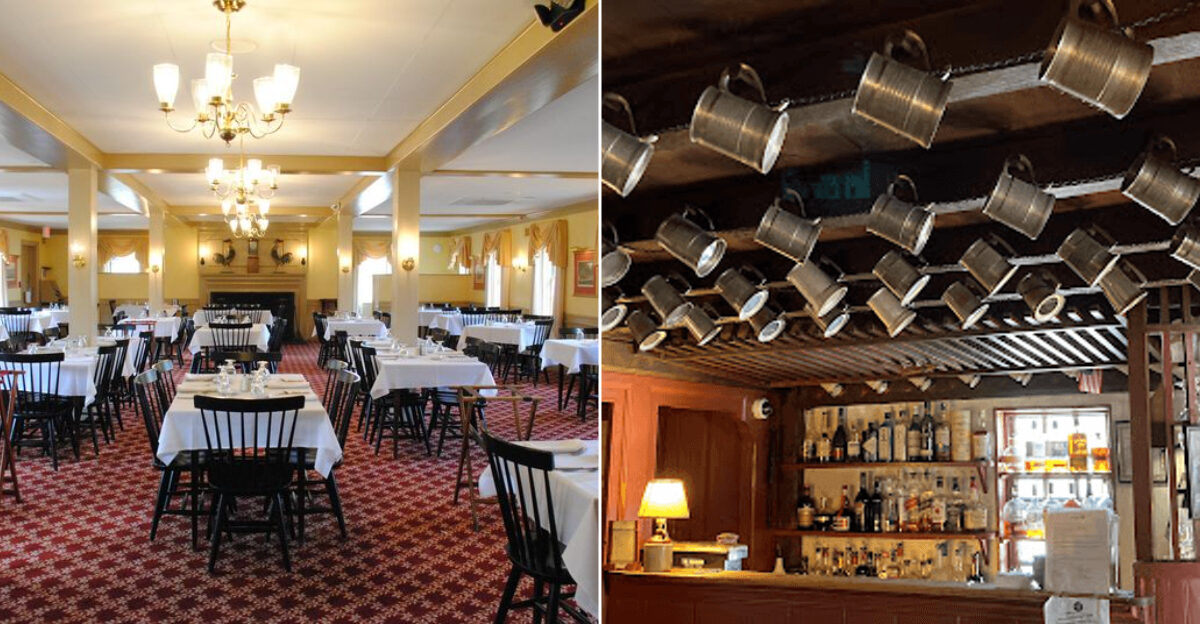
Dinner feels different when the walls around you have been standing since before the United States existed. At Longfellow’s Wayside Inn in Sudbury, Massachusetts, guests can sit down for a meal inside a building dating to 1716, surrounded by wide-plank floors, exposed beams, and the quiet character of centuries past.
Located at 72 Wayside Inn Rd, this historic Massachusetts tavern pairs its old-world setting with classic New England cooking. The creak of wooden floors, the glow of warm dining rooms, and the simple pleasure of lingering over a hearty meal make the experience feel far removed from an ordinary restaurant visit.
There is something wonderfully tangible about eating in a place where generations of travelers have passed through the same doors. History is not tucked behind glass here; it is part of the room, the meal, and the atmosphere.
Once you settle in, even more details of this remarkable Sudbury landmark begin to come into view.
Dinner Beneath Centuries-Old Beams
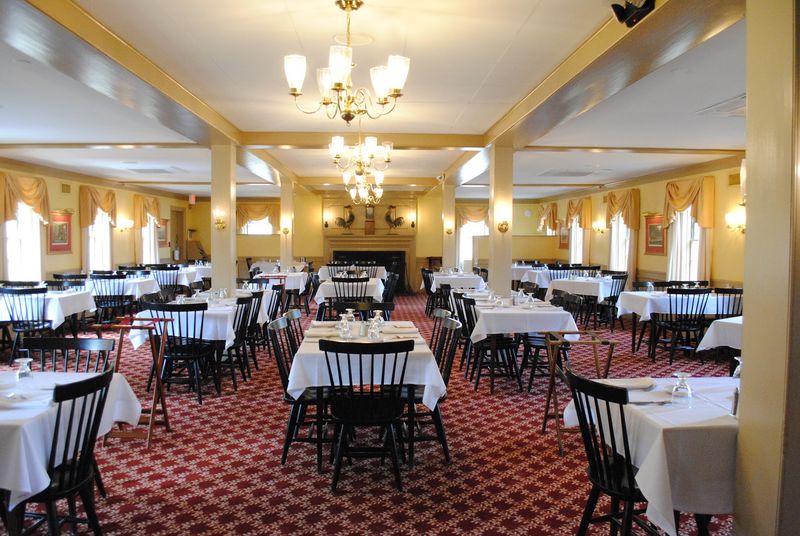
The room feels hushed at first, as if everyone knows the walls have been listening for more than 300 years. A dinner here begins with the glow of old wood, low ceilings, and the soft clink of plates in rooms that still feel close to colonial New England.
Longfellow’s Wayside Inn at 72 Wayside Inn Rd in Sudbury traces its roots to 1716, when the Howe family home became a place of rest for travelers. Today, guests can sit inside that living piece of history while ordering familiar dishes like Yankee pot roast, chicken pot pie, or clam chowder.
Ask for a quieter dining room if you want the full old-inn mood, especially during a birthday, anniversary, or winter dinner. Reservations are smart because the atmosphere draws locals, history lovers, and families.
The food matters, but the setting is the memory you carry home afterward.
New England Comfort on the Plate

A cold afternoon suddenly feels friendlier when a basket of rolls and small muffins lands on the table. That simple start says a lot about the kitchen at Longfellow’s Wayside Inn, where the menu leans into comfort rather than flash.
Visitors often come looking for old New England flavors, and the inn answers with dishes such as Yankee pot roast, French onion soup, roast duck, chowder, baked seafood, and chicken pot pie. Seasonal choices and vegetarian dishes may appear too, though classic meat and seafood plates are usually the stars.
Portions can be filling, so plan like you would for Sunday supper at a relative’s house. If you want a sure bet, many regulars praise the pot roast, rolls, muffins, apple pie, and strawberry shortcake.
Prices can feel higher than a casual tavern, but the historic setting gives the meal a sense of occasion.
A Literary Room With a Famous Name
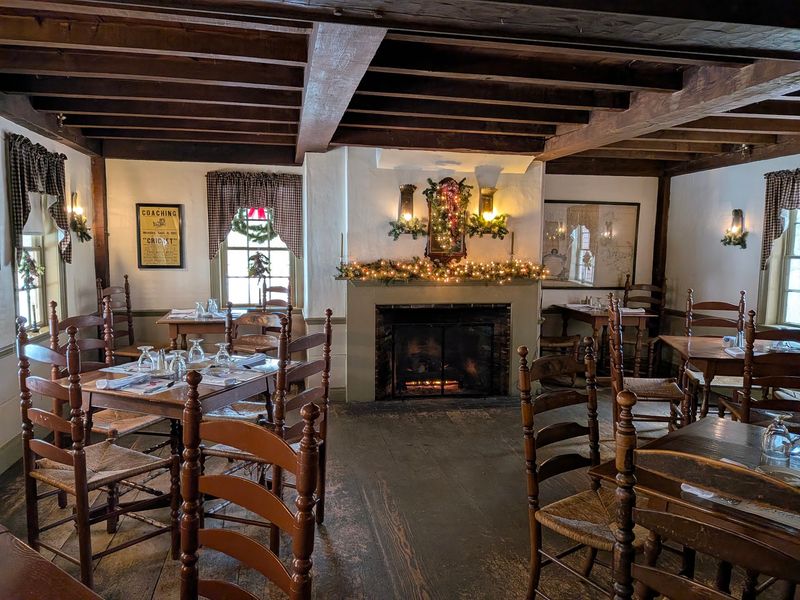
Some places make you lower your voice without anyone asking. The parlor connected to Henry Wadsworth Longfellow has that effect, not because it feels fancy, but because it carries the calm weight of a story that became part of American literature.
Longfellow visited the inn in the 1800s and later used it as the setting for his poetry collection, Tales of a Wayside Inn. Before that fame, the property was known as Howe’s Tavern, a stop for travelers along the old road through Sudbury.
The poet’s work helped turn the inn into a landmark people still seek out today.
Even if you have not read the poems, pause near the historic rooms and imagine travelers trading news by firelight. A self-guided walk can make dinner feel richer because you begin noticing portraits, fireplaces, and uneven floors.
The visit becomes more than a meal, it becomes a quiet meeting with memory.
A Tavern Bar That Still Feels Colonial
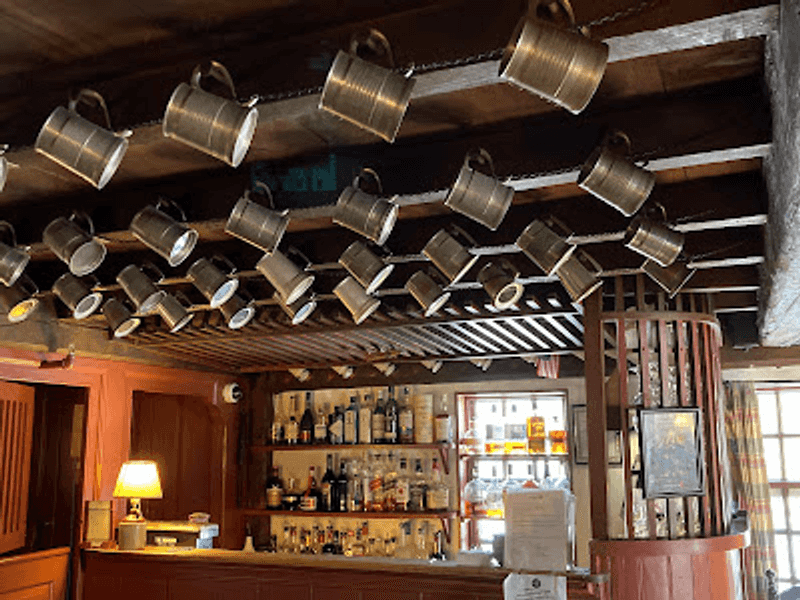
The bar has the snug feeling of a secret, the kind of room where a storm outside would only make the evening better. Low beams, small tables, and a fireplace give the Old Bar Room a strong sense of tavern life before modern highways changed travel.
At Longfellow’s Wayside Inn, the bar connects directly to the inn’s past as a stagecoach stop on the Old Boston Post Road. Guests can order drinks in a setting that feels much older than the usual restaurant lounge.
Historic-style beverages sometimes appear on the drink list, along with beer, wine, cocktails, and lighter bites.
It is a good option if you want atmosphere without a full formal dinner. Arrive early if you hope for a seat, since small historic rooms fill quickly.
For a relaxed visit, try a drink, share an appetizer, and let the creaky charm do most of the talking.
Henry Ford’s Preserved New England Village
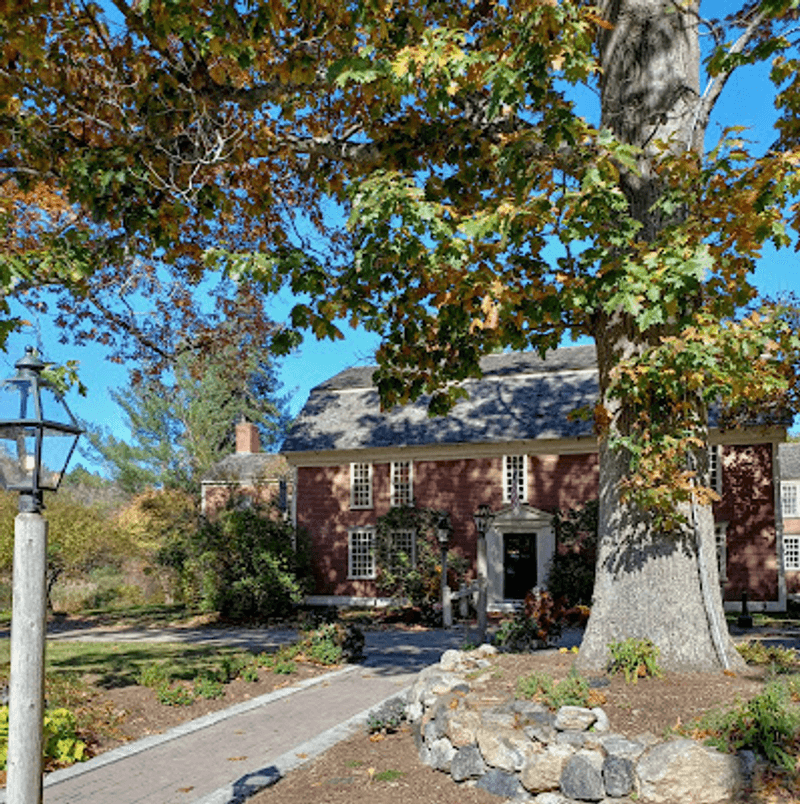
A surprise waits beyond the dining room: the property feels like a small preserved village. Paths, lawns, old buildings, and quiet corners make it easy to forget that busy modern Massachusetts is only a short drive away.
Henry Ford bought Longfellow’s Wayside Inn in 1923 and helped protect it as a living museum of American history. His work shaped much of what visitors see today, including nearby historic structures and carefully kept grounds.
Instead of saving only one old building, the property became a place where people could walk through different pieces of New England’s past.
Give yourself time before or after your meal to explore. Comfortable shoes help because the grounds invite slow wandering, photos, and stops at places like the chapel, schoolhouse, and mill area.
Families, couples, and history fans can all enjoy the space without needing a formal tour, though asking staff about self-guided options is a smart move.
The Grist Mill Down the Road
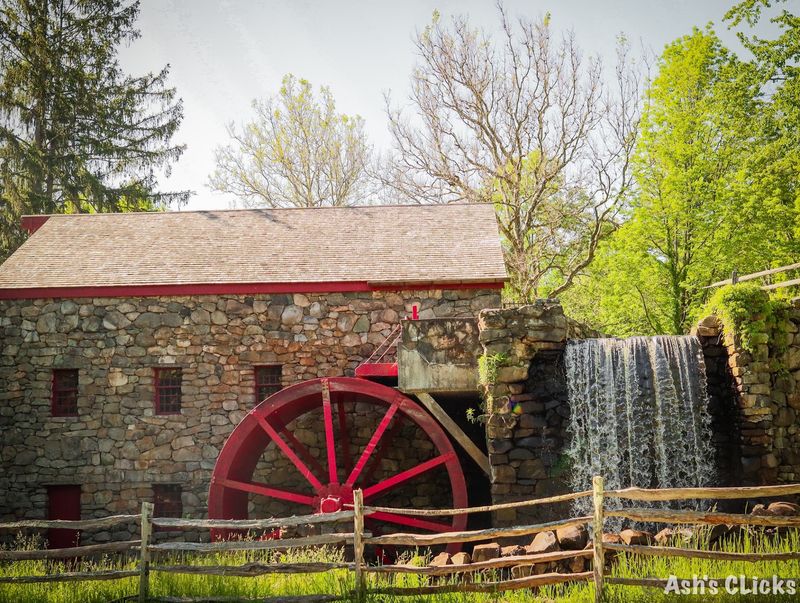
Water changes the mood here. A short trip from the inn brings you to the Wayside Inn Grist Mill, where the pond, trees, stonework, and waterwheel create one of the most photographed scenes in Sudbury.
The mill was built in 1929 as part of Henry Ford’s vision for the property, and it still connects beautifully to the inn’s food story. Flour from the mill has been used in the kitchen, giving the breadbasket and baked goods a deeper local link.
Even when the mill is not operating for visitors, the setting is worth the stop.
Plan to visit in daylight, especially if you enjoy photos, sketching, or a peaceful walk after lunch. Fall color makes the scene especially striking, while spring and summer bring soft greens around the water.
It is an easy add-on that turns dinner at Longfellow’s Wayside Inn into a fuller countryside outing.
A Chapel Made for Quiet Moments

The little white chapel looks like it belongs on a postcard someone saved in a family Bible. Set near the inn’s grounds, the Martha-Mary Chapel adds a peaceful note to a visit that already feels rich with history.
Built under Henry Ford’s direction in 1940, the chapel has become a beloved spot for weddings and quiet photographs. Its clean lines, soft setting, and old-fashioned charm fit naturally with the wider Longfellow’s Wayside Inn property.
Many guests who come for dinner end up walking over just to see it in person.
If you are visiting for a celebration, the chapel area gives your outing a graceful pause before dessert or after a meal. Be respectful if a wedding or private event is taking place, since the site is often used for special days.
For travelers, it offers another reason to slow down and enjoy the grounds.
The Redstone Schoolhouse Connection
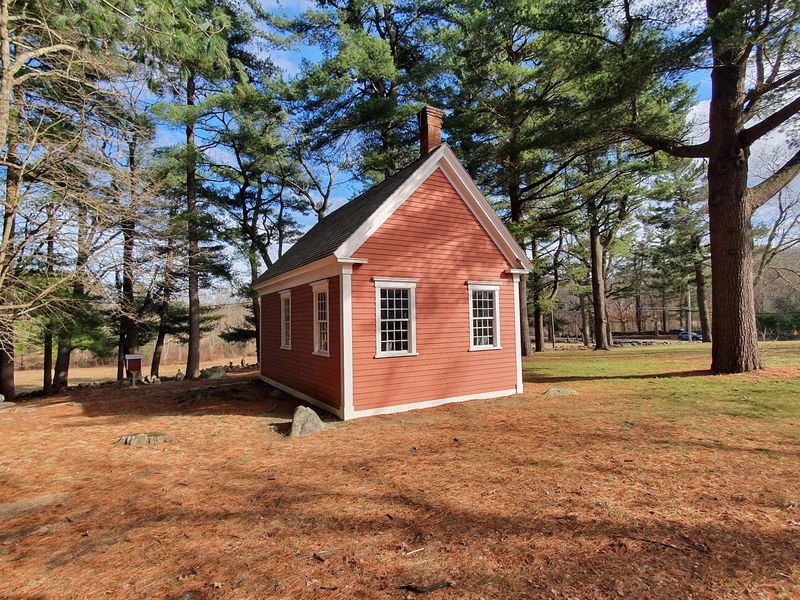
A tiny red schoolhouse can make grown adults grin like they have stepped into a nursery rhyme. Near Longfellow’s Wayside Inn, the Redstone Schoolhouse brings a playful piece of Americana to the historic property.
Henry Ford moved the building to the inn’s grounds, and it is often linked with the famous Mary Had a Little Lamb story. Whether visitors come for the rhyme, the architecture, or a quick family photo, the schoolhouse adds a lighter touch to the more serious colonial history nearby.
Kids usually enjoy it because it feels easy to understand at a glance.
Pair the stop with the grist mill and chapel for a simple walking route around the property. The building is especially fun for families, teachers, and anyone who likes small historic landmarks with big cultural meaning.
After dinner, it can spark the kind of quick conversation that makes a trip feel personal.
Seasonal Events With Old New England Spirit
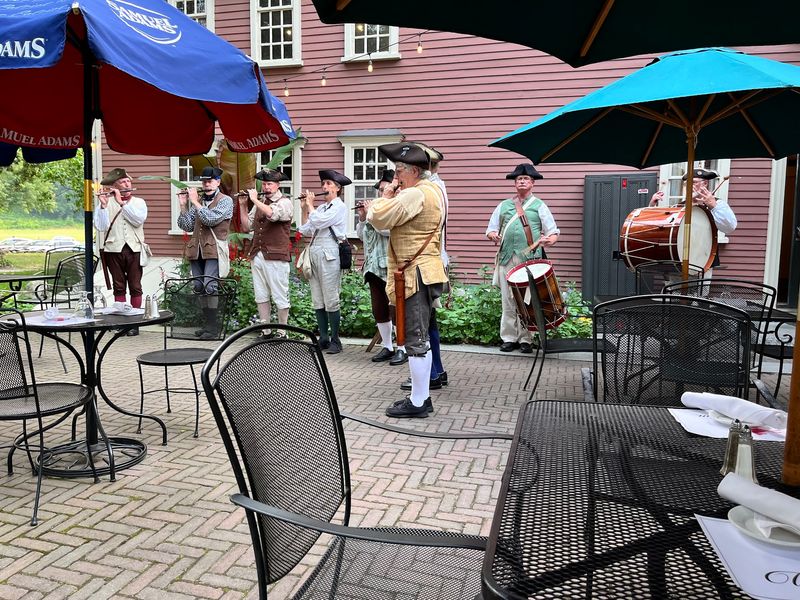
The quiet grounds can suddenly fill with music, laughter, and the snap of history coming alive. Seasonal events at Longfellow’s Wayside Inn give visitors a reason to return when the calendar changes.
Depending on the year, the inn and its property may host programs such as colonial-themed gatherings, family days, music, craft markets, holiday meals, or historical demonstrations. Past events have celebrated early Massachusetts life with activities like fife and drum music, old skills, and outdoor fun.
The setting makes these events feel more natural than a classroom lesson.
Check the inn’s official website before going, since event dates, menus, and access can change. Arrive early for parking and leave time to walk the grounds before your reservation.
A festival day can be busier than a regular meal, but it also shows why this Sudbury landmark still feels active, not frozen behind glass.
Overnight Stays Inside the Story
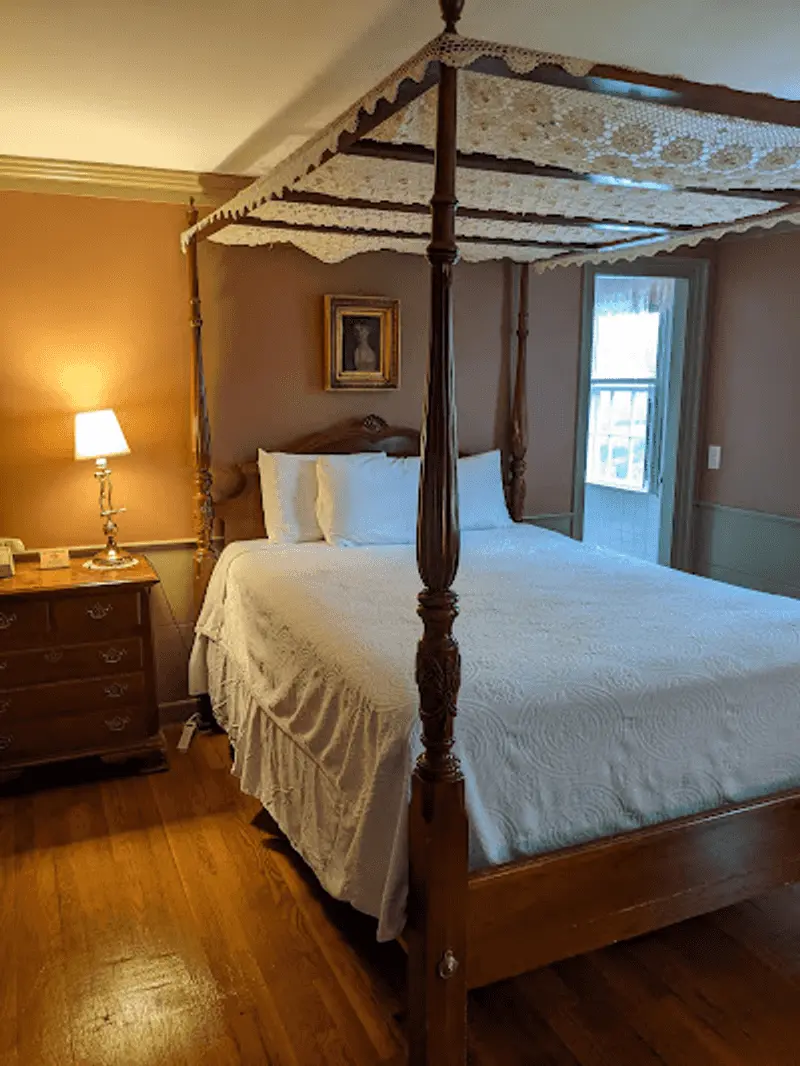
Night adds another layer to an old inn. After the dinner guests leave and the halls grow still, staying at Longfellow’s Wayside Inn can make the property feel less like a landmark and more like a time capsule.
The inn offers cozy guest rooms with antique style, historic character, and a quieter pace than a chain hotel. Some rooms include exposed beams, low ceilings, wide-plank floors, and period-inspired furnishings.
Modern travelers still get needed comforts, but the real appeal is sleeping in a place tied to centuries of hospitality.
Book ahead if you want the most historic rooms, since they can be popular for anniversaries, holidays, and special weekend trips. Light sleepers should remember that old buildings may creak, settle, and carry sound differently.
For the right guest, that is part of the charm. Breakfast, a walk on the grounds, and one last look at the inn make the morning feel gently removed from everyday life.