

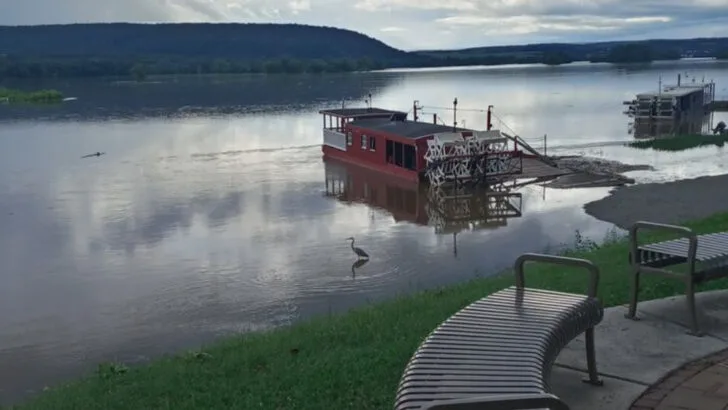
Some places feel like time machines, and the Millersburg Ferry is one of them.
Here, the Susquehanna glides under wooden paddlewheels that still churn as they did for generations.
You can drive on, step aboard, and watch the shoreline slip by at a gentle, old fashioned pace.
If you crave history you can touch and scenery you can savor, this crossing is your ride.
A living link to 1817

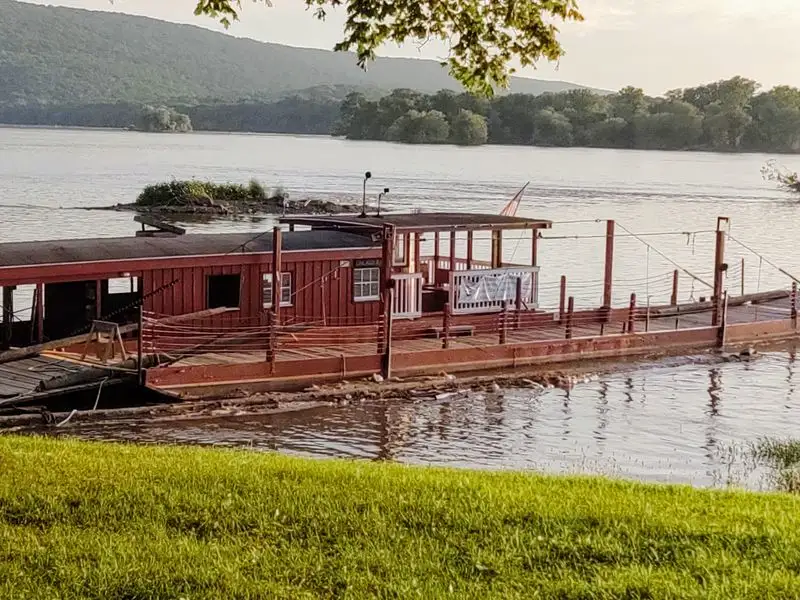
Some history sits behind glass, but the Millersburg Ferry moves under its own power and lets you stand on deck. Operating since 1817, this wooden paddlewheel ferry carries the weight of Pennsylvania’s river heritage with every turn of its wheels.
When you step aboard, the hum of the engine and the creak of timbers make the past feel present in the best way.
You are not rushed here. The crew often shares stories about the Falcon and the Roaring Bull, the two boats that shuttle between Millersburg and Liverpool.
If the timing is right, a captain might even let a young helper hold the wheel for a moment, which is the kind of memory that stays long after the river mist fades.
The ride is simple and beautiful. You feel the Susquehanna’s breadth and see how communities once depended on ferries before bridges stitched the banks together.
Looking back at Millersburg, the town’s charm sharpens, and ahead, the campground landing and ice cream promises a sweet pause.
This is a crossing for motorists and wanderers alike, whether you roll your motorcycle on board or walk on with camera in hand. The pace, usually 10 to 30 minutes depending on river levels and conditions, invites you to breathe and watch the water riffle past the paddle blades.
On a sunny day, the reflections shimmer and everything slows just enough to reset your senses.
Bring questions. The crew is friendly, and volunteers sometimes add historical color with dates, names, and anecdotes you will not find in textbooks.
You will learn why maintaining wooden paddlewheels matters and how careful stewardship keeps this service safe and reliable.
Hours shift with the season, often midweek through Sunday in summer, so you will want to check their website or social pages before you go. If the ferry is closed, the riverfront park still rewards you with swings, walking paths, and interpretive signs that sketch the story.
Either way, you come away with a deeper connection to a river that has shaped lives and livelihoods for centuries.
How to ride and what to expect

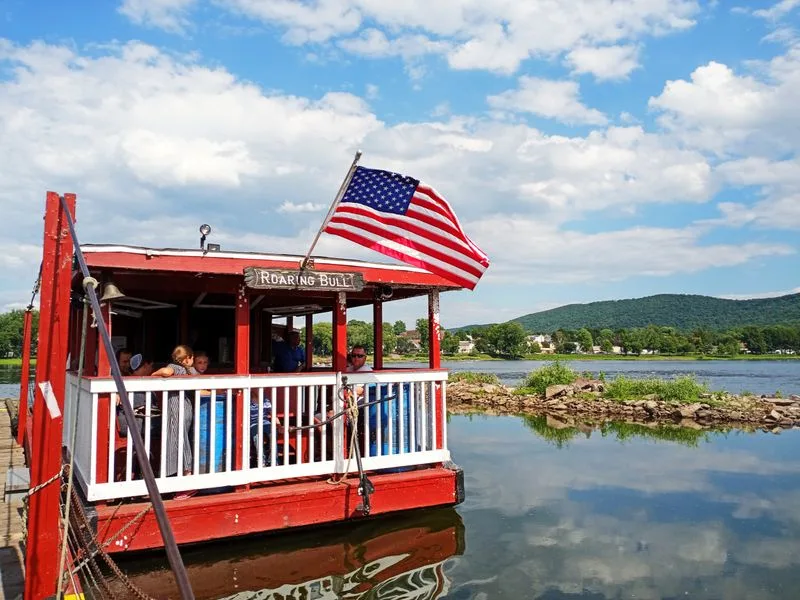
First time crossing? It is easier than you think.
Follow River St to the Millersburg landing and you will find the ferry slip, signs, and usually a few cars queued. Walk ons line up to the side while attendants guide vehicles onto the wooden deck with calm hand signals.
Once aboard, you will feel the deck settle and the crew secure safety chains. Find a spot along the rail or settle by your vehicle, then take in the wide Susquehanna views as the paddlewheels begin to churn.
You will notice the ferry’s easy pace, a steady glide that makes ten to thirty minutes feel like a gracious pause in the day.
Expect friendly conversation. The crew is known for sharing stories and answering questions, and on family friendly days kids might get a quick turn at the wheel under a captain’s watch.
Cameras come out as herons skim the water and the river breeze keeps temperatures comfortable.
Costs vary for cars, motorcycles, and pedestrians, with walk on fares especially budget friendly. Bring cash just in case, and arrive with patience if a full load means waiting one cycle.
Motorcyclists should take it slow on gravel approaches and mind the hill at the eastern landing.
On the Liverpool side, you roll into a campground where a small store and ice cream stand await. Some visitors stretch their legs, grab a cone, and ride back for a round trip experience.
The return leg gives a different angle on Millersburg’s shoreline, the park, and the hills beyond.
Hours shift with river levels and weather, so you should confirm current schedules online or by phone before heading out. Even when closed, the Millersburg riverfront park offers picnic tables, swings, interpretive signs, and an easy stroll along the bank.
Whether you cross once or linger all afternoon, the routine is simple, safe, and refreshingly old school.
The boats: Falcon and Roaring Bull

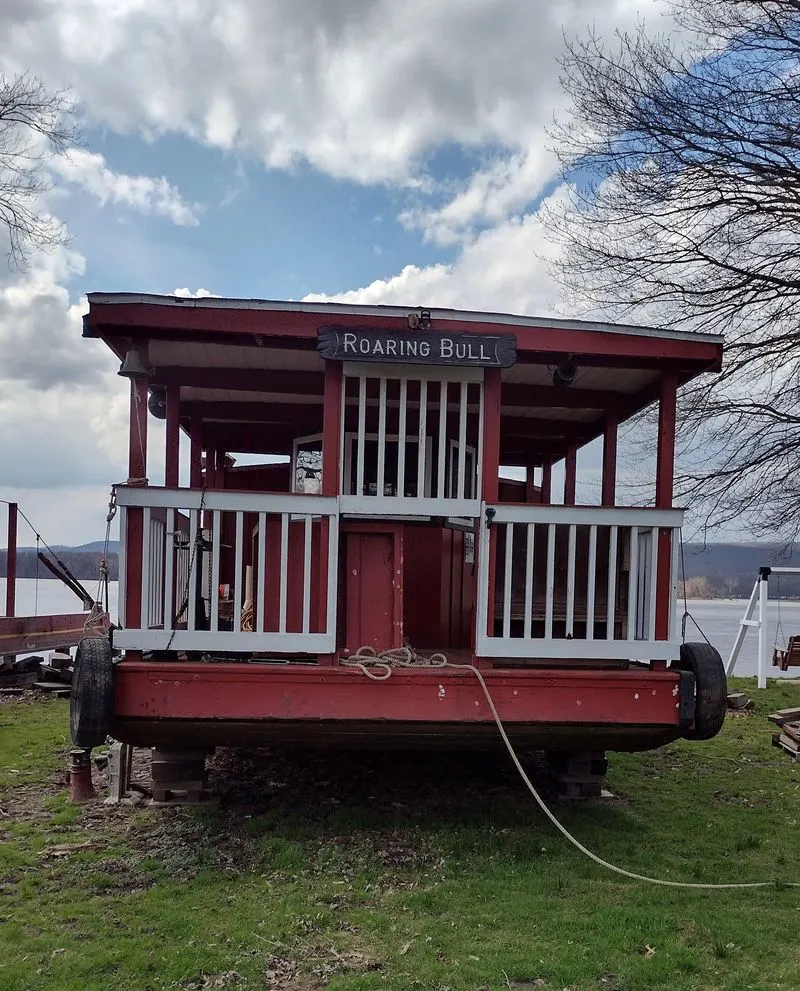
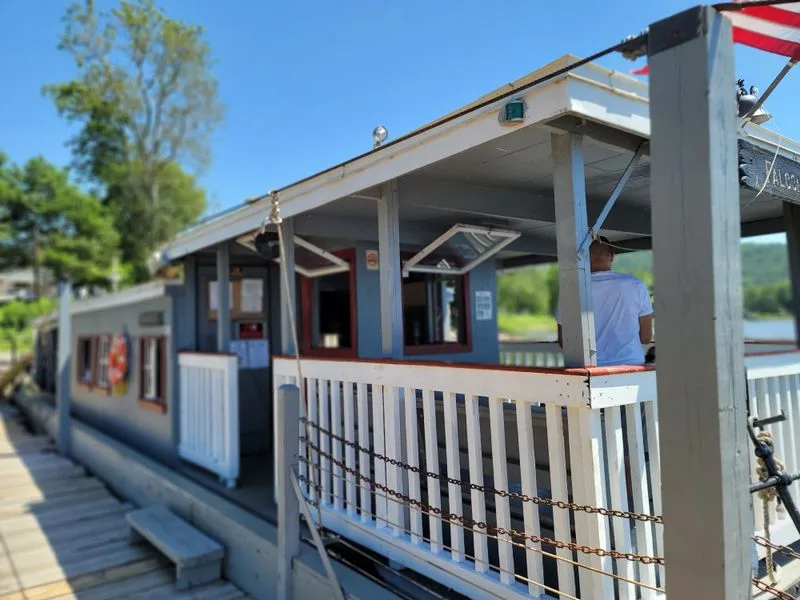
The Millersburg Ferry fleet is small in number and big in character. Two wooden paddlewheel boats, the Falcon and the Roaring Bull, share the duty of carrying people and vehicles across the Susquehanna.
Their names sound bold because the boats are a rare blend of muscle and heritage.
Stand near the stern and watch the paddlewheels bite into the river. The rhythm is mesmerizing, a steady whump and churn that feels both mechanical and organic.
You can trace the carpentry in the deck planks and admire the functional simplicity that keeps these boats reliable.
Each vessel tells its own story through details. From the classic lettering to the utilitarian guardrails, nothing tries to be fancy, yet everything serves a purpose.
Maintenance is constant, with volunteers and crew preserving woodwork, updating safety gear, and keeping engines purring.
When only one boat is running, the other rests or undergoes work to stay in top condition. That rotation helps the service keep pace with demand on sunny weekends and quieter weekdays.
If you are into engineering, ask the crew about torque, river depth, and how these wheels manage current and wind.
Photos practically compose themselves here. The wheels throw off droplets that catch the light, and the river’s surface ripples into layered patterns.
Get a close shot of the paddles, then step back for a wide angle that includes the green banks and distant town.
Most modern ferries rely on propellers, but this pair holds to the traditional wheel for authenticity and style. That choice preserves a tactile connection to the earliest days of the crossing, when horsepower literally meant horses towing scows.
Today, the Falcon and the Roaring Bull keep that lineage alive with every crossing you take.
Views from the Susquehanna

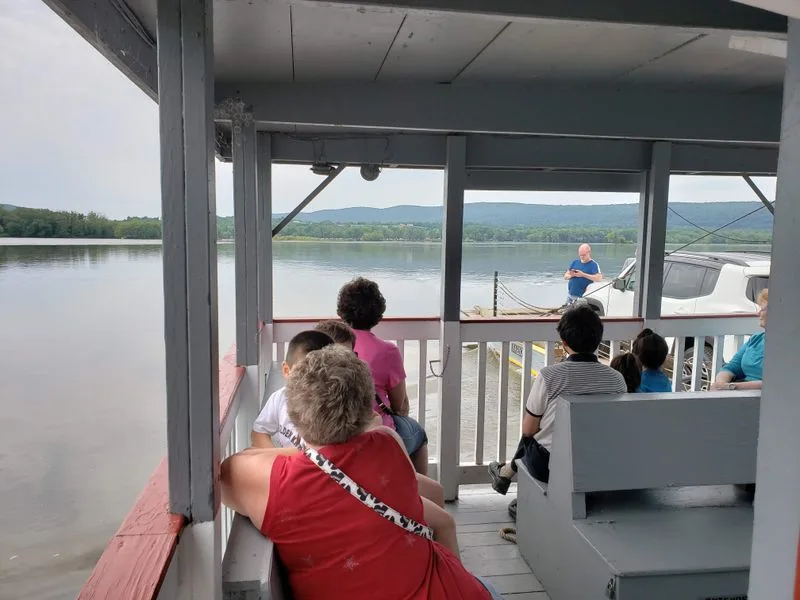
Some rides are transportation, but this one is a moving overlook. From the deck, the Susquehanna stretches wide and calm, layered with reflections that shift as clouds pass.
Bald eagles and herons sometimes arc overhead while fishermen trace quiet lines along the banks.
Look back toward Millersburg and you will see a postcard scene. The riverfront park, swings, and shaded benches line the shore, and the town’s rooftops peek from the trees.
Farther off, hills rise in soft folds, catching evening light that turns the water copper.
Turn forward and the Liverpool landing appears, tucked near the campground. The approach slows, and you can watch the paddlewheel water patterns tighten as the captain aligns for the ramp.
That is when you notice how much skill goes into something that appears effortless from shore.
Sunset is a favorite time. Golden light warms the deck boards, and every ripple carries color.
On bright mornings, the river looks glassy and blue, and the breeze clears the last of your sleepiness.
Bring a camera or just your eyes. Frames present themselves constantly: a motorcycle queued on deck, a family pointing at birds, the honest textures of wood and steel.
Even on overcast days, mist brings a moody beauty that suits the ferry’s historic silhouette.
The crossing is short, but the perspective lingers. You see how the river ties communities together and how this ferry keeps a tradition visible, audible, and shared.
It is a simple pleasure, which is exactly why it feels rare and special.
Millersburg riverfront park and stroll

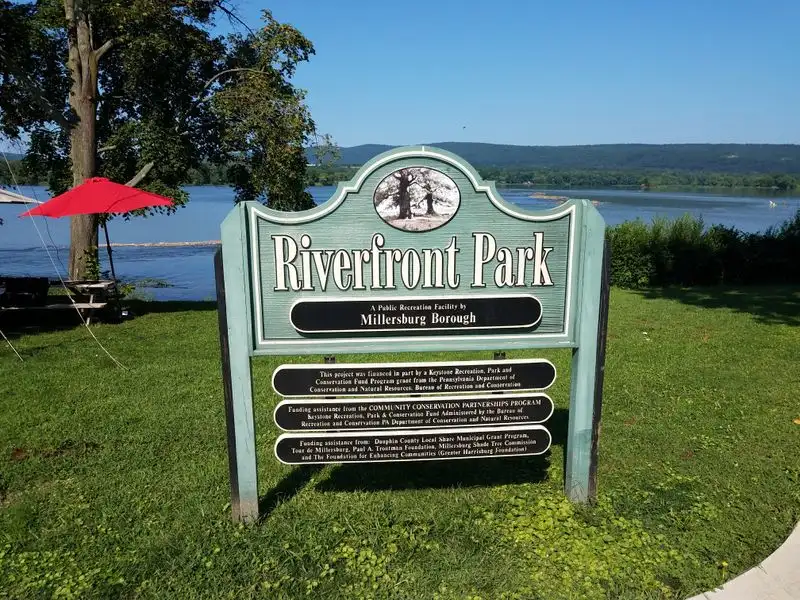
Even if the ferry is not running, the Millersburg riverfront park gives you a reason to linger. A paved path traces the bank with benches and two person swings that sway as the water moves by.
It is the kind of place where a simple walk turns into an hour because the view keeps asking for one more minute.
Interpretive signs add context. You can read about the ferry’s early days, the evolution from flatboats to paddlewheels, and the role this crossing played in daily life.
History feels approachable when you can glance up from a panel and see the water that shaped it.
Picnic tables invite snacks or a full lunch. On warm days, families spread out under the trees while anglers cast quietly from the edge.
The atmosphere is welcoming and low key, with polite dogs, friendly greetings, and plenty of space to breathe.
If you are waiting a cycle, the swings are perfect. You can watch the boat depart, track it mid river, and time your return to the ramp when you see the wheel wash nearing shore.
The cadence of arrivals and departures becomes part of the park’s rhythm.
Parking is straightforward but can be limited during peak hours, so a little patience helps. Keep an eye on children near the water, and wear shoes that handle occasional gravel and damp spots.
Morning and late afternoon deliver lovely light for photos without harsh glare.
When you finally board, the park remains your backdrop, a green ribbon along the Millersburg side. And if your visit happens off season, the stroll itself is worth the trip, offering peace, river air, and a front row seat to a Pennsylvania tradition that still rolls with the current.
Family friendly moments on deck

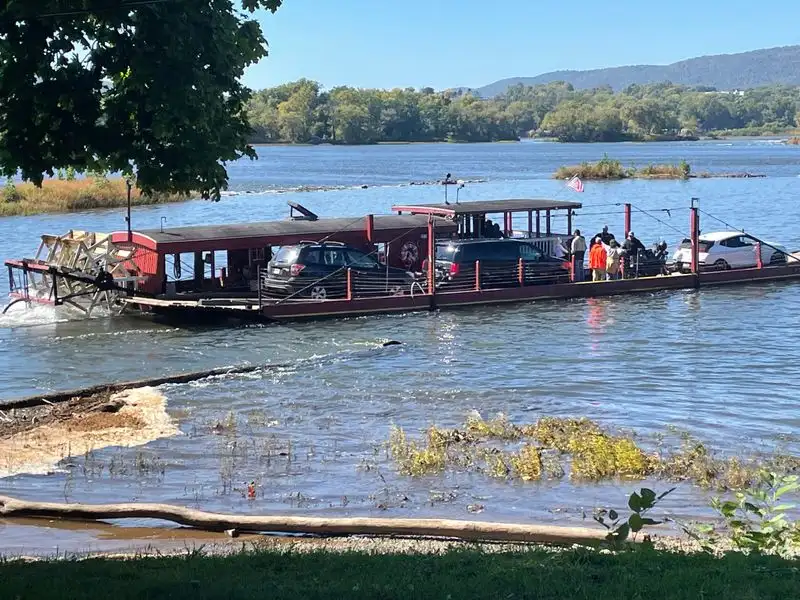
Kids remember sensations, and this ferry offers plenty. The steady thrum underfoot, the whoosh of the paddlewheel, and the captain’s easy smile turn a short ride into a story they will retell.
Parents relax because the crew is attentive and the pace is calm.
On some trips, little ones can take a brief turn at the helm with a hand over theirs. It is a confidence spark, safe and supervised, and it makes a great photo.
Teens gravitate to the rail for selfies with river light and spray in the background.
Bring sunscreen, hats, and a light layer if the breeze picks up. Strollers roll aboard easily, and walk on fares are kind to family budgets.
You can ride one way, explore the campground store for ice cream, and hop back for a full loop without turning the day into logistics.
Questions are welcome, and the crew seems to enjoy curiosity. You might hear about river levels, why the wheel is the size it is, or how they judge approach angles in wind.
Learning sneaks in alongside play, which is the best kind of family outing.
Safety is straightforward: listen to instructions, keep hands inside rails, and mind small feet on damp deck boards. The boat is compact, so it is easy to keep everyone in view.
On busy days, arrive a little early so you can board together without feeling rushed.
When you disembark, the day does not end. Millersburg’s park invites a post ride picnic, and the Liverpool side tempts with treats.
Simple, affordable, and full of heart, this crossing proves you do not need much more than a river and a good crew to make memories.
Motorcycles, cars, and walk ons

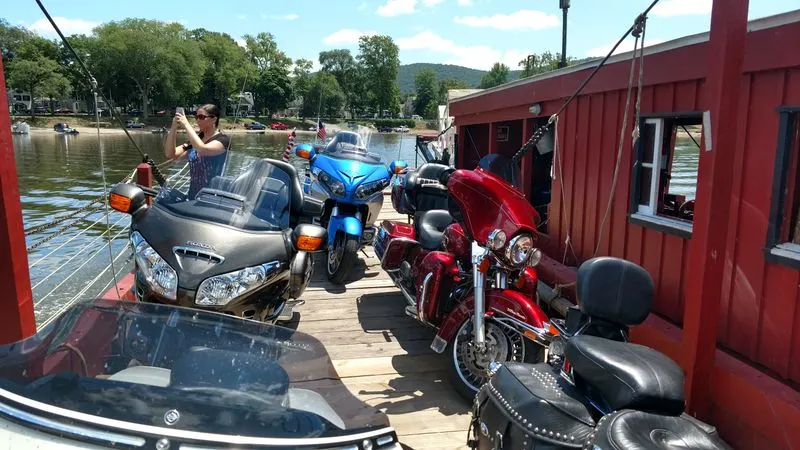
One charm of the Millersburg Ferry is how it welcomes different kinds of travelers. Motorcycles rumble up the ramp, cars ease aboard, and walk ons line the rail with cameras ready.
The crew orchestrates the load, tucking vehicles carefully to balance weight and leave room for feet to wander.
Riders appreciate the novelty. It is not every day you park a bike on timber with a river swirling below, and that thrill turns into a grin as soon as the wheels start turning.
Newer riders should take it slow because gravel and a brief hill on the eastern landing require smooth throttle and steady feet.
For drivers, the process is simple. Follow hand signals, set the brake, and enjoy the view while the chains go up.
Walk ons get the same river magic without worrying about parking, and fares make a spontaneous ride feel like easy splurge.
The deck is compact, so patience keeps everything friendly. If the load is full, you may wait one cycle, which is a fine excuse to sit on a swing and watch the boat mid river.
The trade off for intimacy is that every spot has a view and the crew can chat without shouting.
Weather and river depth can affect operations, which is why checking the website or calling ahead is wise. When conditions are right, the crossing is smooth and unhurried, with the paddlewheel’s rhythm setting the tone.
You roll off refreshed, the simple movement across water lingering longer than you expect.
Whether you arrive on two wheels, four, or just your own two feet, the welcome feels the same. Respect the space, follow the crew’s guidance, and you will get the most out of a tradition that thrives on cooperation.
It is transportation, yes, but it is also a small community that forms for twenty minutes at a time on a wooden deck above a historic river.
Planning your visit


A smooth day on the Millersburg Ferry starts with a quick plan. Check millersburgferry.org or the Facebook page for seasonal hours, weather updates, and river conditions.
Summer schedules often run midweek through Sunday with midday windows, but days and times can shift with water levels.
Pack light but smart. Sunscreen, water, a hat, and maybe a light jacket cover most scenarios, and non slip shoes help on damp boards.
Bring cash for fares and a treat at the campground store, though cards may be accepted depending on the day.
Parking at the Millersburg landing is straightforward but can fill on sunny weekends, so arrive a touch early. If you have little ones or older travelers, that buffer makes the boarding process relaxed rather than rushed.
The riverfront park provides shade, swings, and interpretive signs if you need to wait a cycle.
If the ferry is unexpectedly closed, do not write the day off. The park walk is lovely, the town is friendly, and watching volunteers work on the boats can be a show in itself.
Take photos of the paddlewheels at rest and plan to return when the water cooperates.
Photography fans should aim for morning or golden hour, when light turns the Susquehanna into a mirror. Bring a cloth to wipe lens spray near the stern and consider a wider lens to capture deck life and shorelines.
Respect fellow passengers by keeping tripods compact and out of the way.
Most of all, budget time to linger. The crossing is short, but conversations and views stretch it pleasantly.
With a little planning and a flexible attitude, you get a ride that feels like a gift from another century and a reminder that simple experiences still have the power to move you.
Why it matters

Keeping a wooden paddlewheel ferry running in the twenty first century is not easy. It takes volunteers, skilled crew, funding, and a community that believes history should be felt, not only studied.
Every successful crossing proves the idea right in the smiles of passengers leaning over the rail.
Places like this create belonging. You meet someone new, swap a story, and share a view that looks like it could be 1910 or 2026 depending on where you focus.
That continuity gives comfort, especially when so much else moves fast and digital.
There is educational value you can sense. Kids hear engines, see gears, and understand currents in a way a diagram cannot deliver.
Adults pick up nuance about river towns, trade, and how transportation shaped settlement patterns along the Susquehanna.
Tourism dollars matter too. Walk on fares, car crossings, and ice cream cones ripple outward to local shops and services on both banks.
Supporting the ferry means supporting a network of small businesses that keep these towns vibrant.
Preservation is also about craft. Wood needs care, paint needs renewing, and safety standards evolve.
By maintaining the Falcon and the Roaring Bull, the team protects skills that would otherwise fade and shows how tradition and regulation can coexist.
When you ride, you become part of the story. Your presence helps fund the next coat of paint and the next bearing replacement, and your word of mouth invites the next family aboard.
That is why this ferry matters: it is history in motion, community in miniature, and proof that simple, shared experiences can still carry us across.