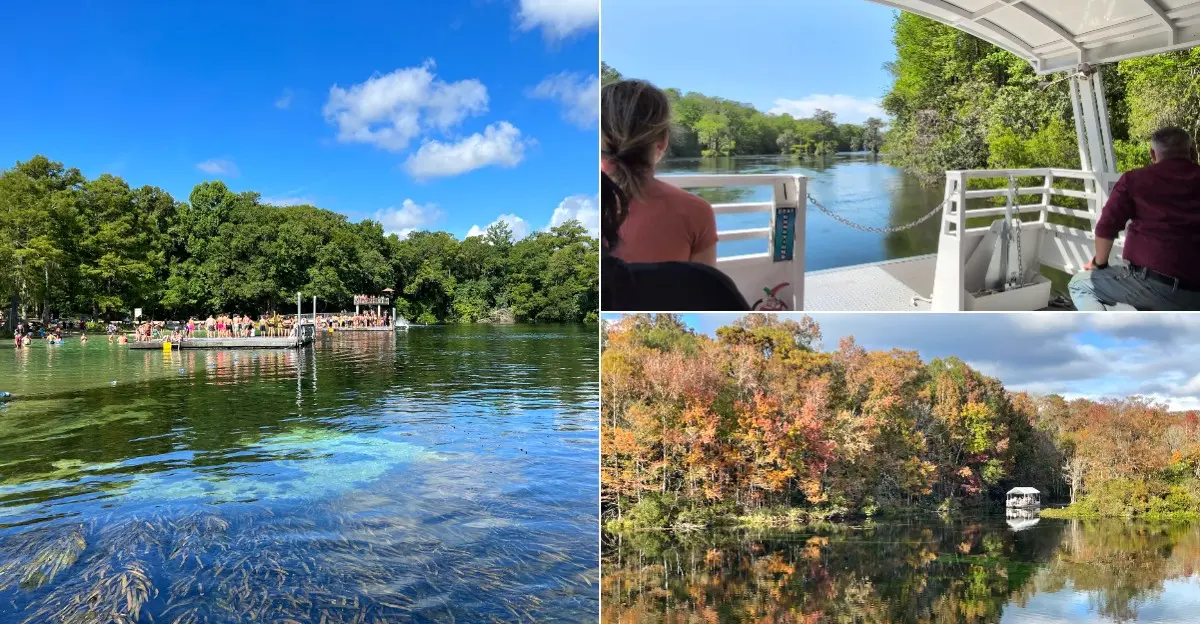
Crystal-clear water, towering cypress trees, and the call of wading birds make this North Florida spring feel almost prehistoric.
Wakulla Springs, about 15 miles south of Tallahassee, is one of the largest and deepest freshwater springs in the world.
It is the centerpiece of Edward Ball Wakulla Springs State Park, where families can swim in a roped-off area with a classic diving platform.
Guided river boat tours glide past alligators, turtles, herons, and, especially in cooler months, gentle manatees.
The historic 1937 lodge adds old Florida charm, with its tiled ceilings and a dining room overlooking the grounds.
Bring swimsuits, sunscreen, and a sense of adventure for a day where wildlife watching and splashing around go hand in hand.
A Spring That Belongs to Wildlife
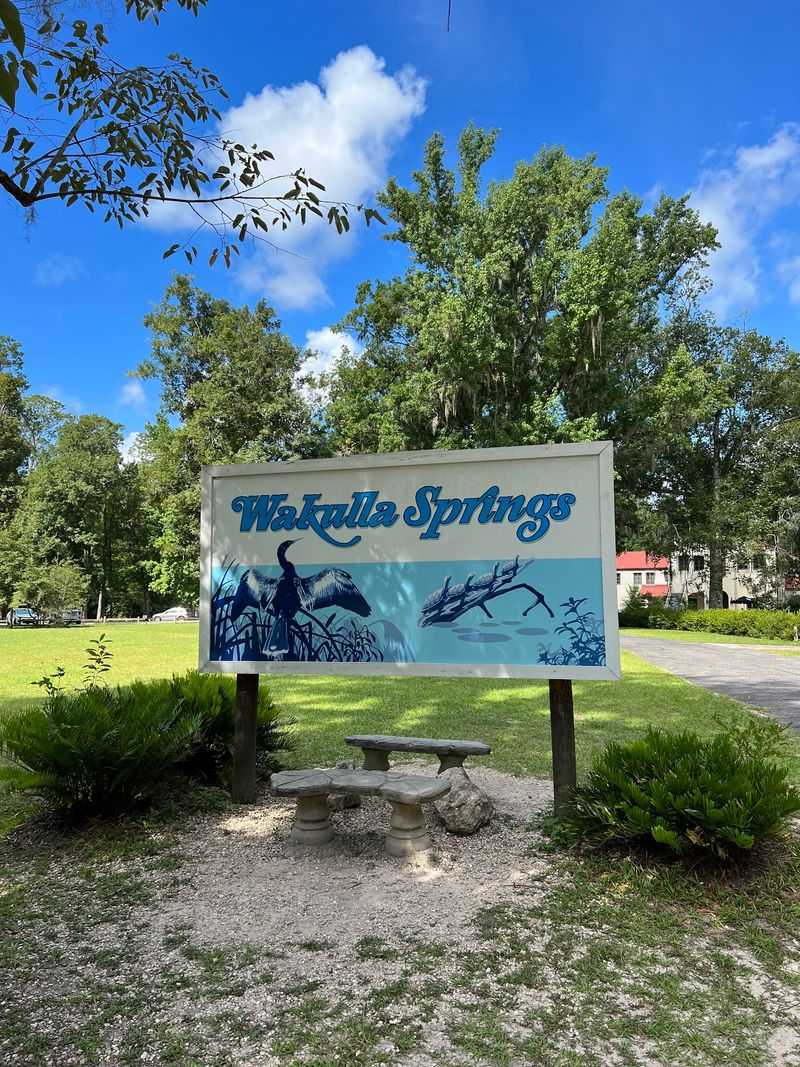
The first look at the water can feel like an invitation.
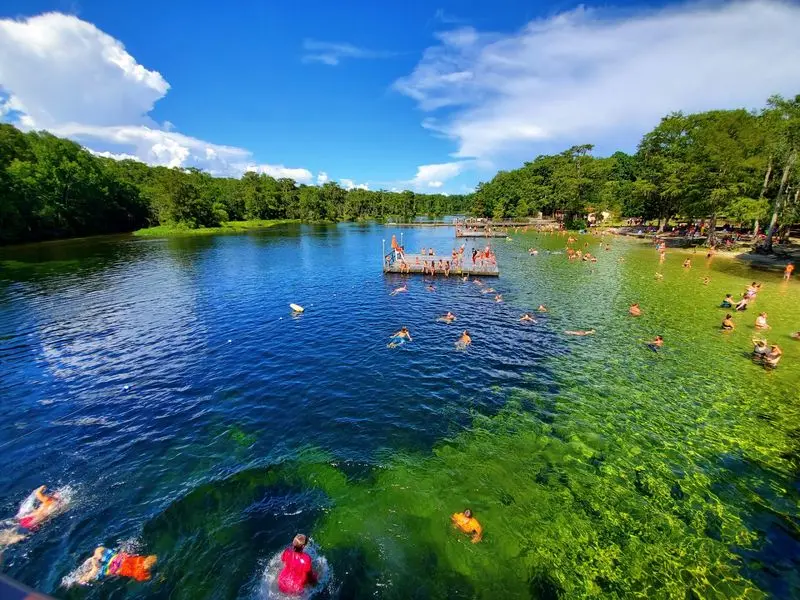
It is clear, cool, and surrounded by trees, with a swimming area that draws families on warm days.
Yet Wakulla Springs Florida is more than a place to splash.
The spring is a major opening of the Floridan Aquifer, and its water forms the Wakulla River.
That connection matters because animals can use the river and spring too.
Manatees may appear in the water, while alligators are part of the wider freshwater habitat.
Seeing either one is never guaranteed.
Wildlife moves on its own schedule, and conditions can change from day to day.
For visitors, the key is to treat the swimming area as a marked place within a living ecosystem.
Check current park signs and staff directions before entering.
Stay within areas open for swimming, and leave any closed water alone, even if it looks calm.
Keep food and trash out of the water so animals are not drawn toward people.
If you notice wildlife nearby, get out or move away calmly and tell park staff.
A little awareness lets you enjoy the spring without expecting it to behave like a backyard pool.
The best visit leaves both swimmers and animals with plenty of room.
Manatees Are Visitors, Not Swimming Partners
A round nose breaking the surface can turn an ordinary swim day into a story you tell for years.
Manatees are large aquatic mammals that must come up for air.
When they travel through spring and river water, a quiet visitor might spot a back, a snout, or a broad tail.
Give that animal the space to choose its own path.
Do not swim toward it, touch it, block its route, or try to pose for a close photo.
Even a calm approach can interrupt its movement or rest.
Watch from a safe distance instead, and follow any directions from park staff.
Remember that a manatee sighting is a bonus, not a promise.
Water clarity, season, and the animal’s travels all affect what you may see.
If you want to look for wildlife, pause on shore and scan the surface rather than searching by swimming into deeper or restricted water.
Keep voices low if people nearby are watching the same animal.
Point it out without starting a rush toward the shoreline.
Tell children that the kindest way to meet a wild manatee is to let it pass without attention.
You still get a memorable moment, and the animal keeps control of its journey.
That is a fair deal for a creature sharing the water with us.
Alligators Call for Extra Space
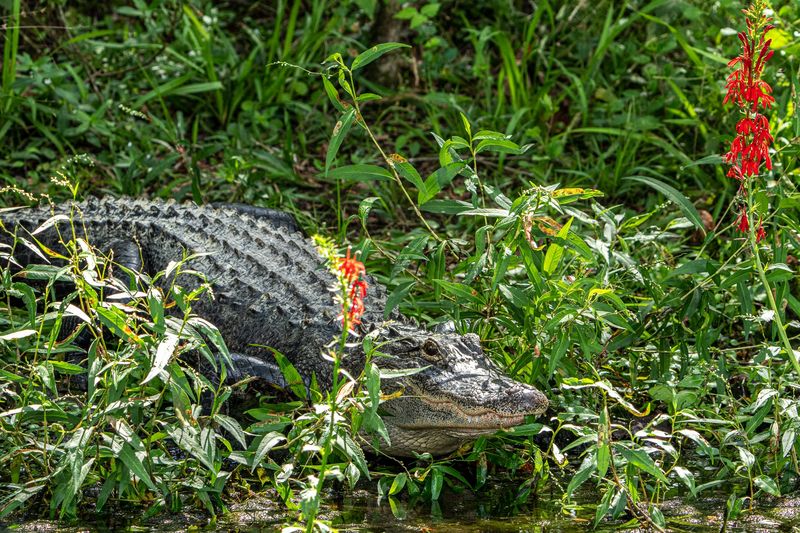
A dark shape along the bank deserves a second look from far away, not a closer swim.
Alligators live in Florida’s freshwater habitats, and they can move between land and water.
They may be hard to notice when only their eyes and snout show above the surface.
Use the marked swimming area, obey closures, and never enter water where an alligator has been reported.
Park staff know the local rules and can respond to sightings.
Tell them what you saw rather than trying to investigate it yourself.
Keep children close and make sure everyone knows where the swimming boundary is.
Never feed an alligator, even from shore.
Food can teach it to approach people, putting both the animal and future visitors at risk.
Leave fish scraps, snacks, and bait out of the water as well.
Pets should stay under control and away from the water’s edge where park rules allow them.
If an alligator appears near swimmers, leave the water calmly and give it a wide path.
Do not splash toward it or stop for a better picture.
The goal is not to guess whether it seems friendly.
The goal is to avoid an encounter altogether.
Respecting its space makes the spring safer for people and keeps a wild animal wild.
The Swim Boundary Has a Purpose
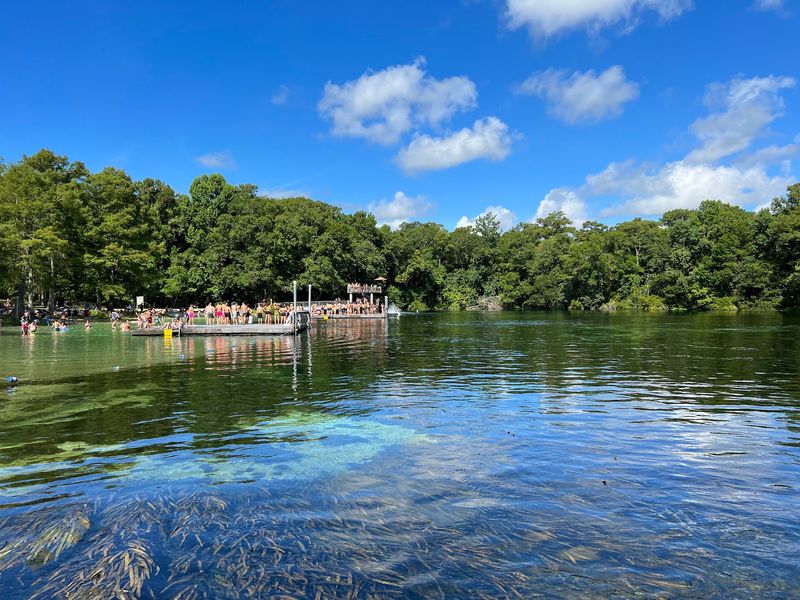
A rope, sign, or posted rule may seem less exciting than the water beyond it.
Still, the swimming boundary is one of the most useful things to notice when you arrive.
It shows where visitors are allowed to enter and helps separate recreation from other parts of the spring and river.
Before anyone gets wet, find the current swimming area and read every posted notice.
Ask staff if a sign is unclear.
Rules and access can change, so a photo or tip from an older trip may be out of date.
A closed area stays off limits even when you cannot see an animal.
Set a simple meeting spot on shore for your group.
Show younger swimmers where the boundary runs, and remind them not to follow a toy or friend past it.
Keep watching children closely, even if they can swim well.
Natural water does not have the same conditions as a familiar pool.
Save wildlife watching for places where it is allowed and safe to stand.
From shore, you can often see more by waiting quietly than by moving around in the water.
Following the boundary is not about missing out.
It helps everyone enjoy the part of the spring meant for swimming while giving animals room elsewhere.
That small choice can shape your whole visit.
Clear Water Can Hide a Lot
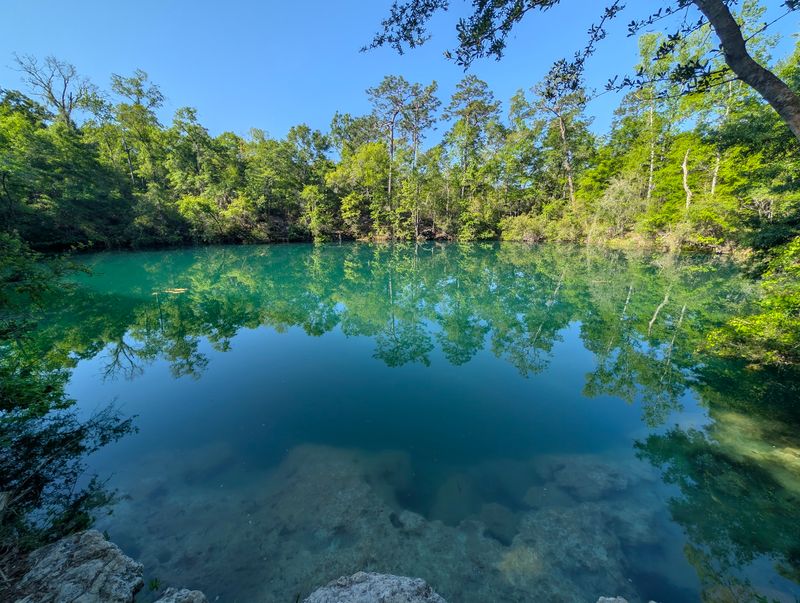
Sunlight can make a spring look as simple as a giant glass bowl.
Look longer, though, and you may notice darker patches, changing depth, and reflections that make distance hard to judge.
Clear water lets you see plenty, but it does not show every condition at once.
Enter only where swimming is permitted, and test your footing carefully.
Do not assume the bottom stays level just because it looks close.
Spring water can also feel chilly compared with the air, especially when you first get in.
Ease into it and take a break if you feel cold or tired.
A buddy makes it easier to notice when someone needs help.
Agree to check on each other, and keep young swimmers within close reach of a responsible adult.
Use a properly fitted life jacket for anyone who needs one, following park rules for swimming gear.
Wildlife is another reason to pay attention to your surroundings.
Stop and look around now and then instead of staring only at the bottom.
If you spot an animal, create distance and alert staff when needed.
You do not have to be afraid of every shadow.
You simply need to remember that beautiful, transparent water is still natural water.
A thoughtful swim starts with noticing what is around you.
Watch the River Without Entering It
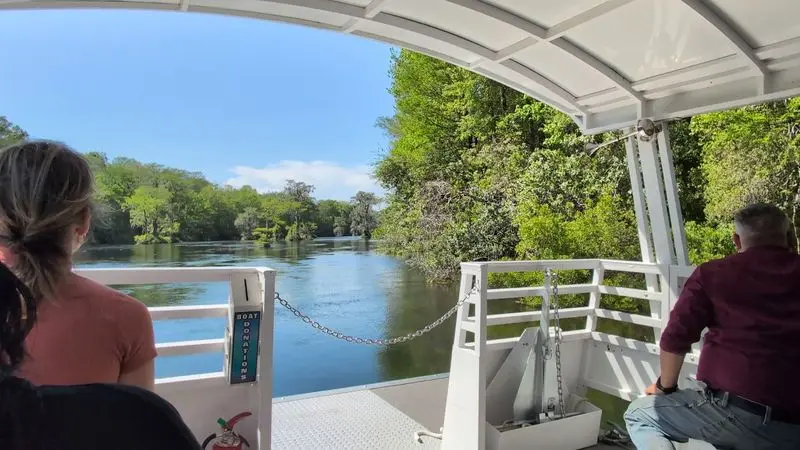
Sometimes the best wildlife view starts when you put down your towel and step back from the water.
A quiet spot on shore gives you time to watch the river’s surface for ripples, birds, or an animal coming up for air.
You can enjoy the scene without entering an area meant for wildlife.
Look slowly rather than searching for a perfect photo right away.
Manatees may be easier to notice when they surface, while an alligator might be seen resting near a bank.
Neither sighting is certain, and both deserve plenty of space.
Stay on approved paths and viewing areas, and follow staff instructions.
If your group includes children, turn watching into a gentle game.
Ask them to describe a ripple or a bird call without running toward it.
Binoculars can help everyone see farther while staying put.
Keep voices at a normal level and avoid tossing anything into the water.
Remember that a still animal may be resting, not inviting attention.
Never try to make it move for a picture.
Take the wider view instead: trees, spring water, and the chance to notice something wild at its own pace.
When you leave without disturbing the scene, you have done more than take a break from swimming.
You have been a good guest in a shared habitat.
Small Habits Keep Animals Wild
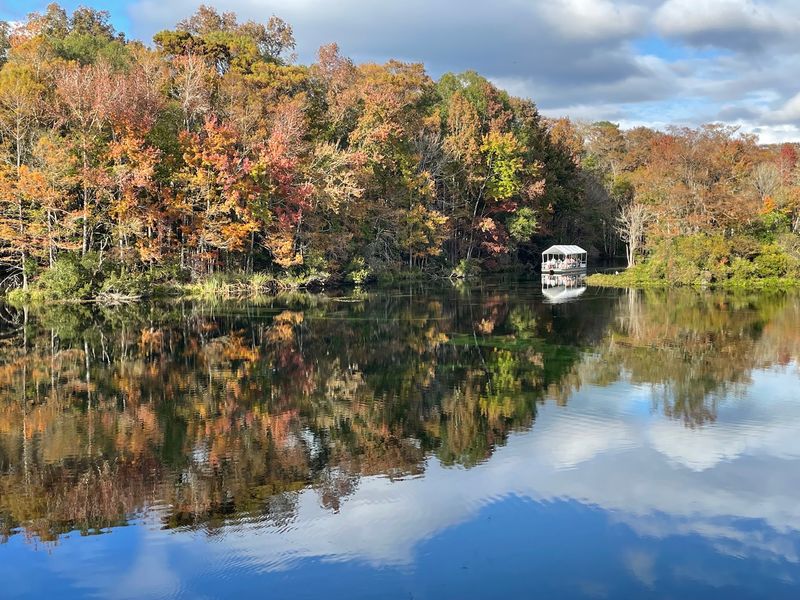
A dropped snack can have a bigger effect than you might expect.
Food left near the spring can attract animals toward busy places, and wrappers can end up in the water.
Keeping a tidy shore is a simple way to care for the creatures that share this habitat.
Pack snacks so they are easy to put away, and use bins where the park provides them.
If a bin is full, take your trash with you.
Never offer food to an alligator, a manatee, or another wild animal.
Watching it eat may sound fun, but getting used to people can put wildlife in danger.
Give animals space on land as well as in water.
Stay on approved routes instead of cutting through plants along the bank.
Follow posted rules about pets, fishing, and where belongings may go.
Those details help keep crowded areas orderly and protect places where animals may travel.
Before leaving, take a quick look around your spot.
Collect bottle caps, small toys, and anything else that could wash away.
Make the check a job for the whole group, so children can help too.
It takes less than a minute and gives them a useful lesson: sharing water means looking after the shore.
Clean habits make visits better for the next swimmers and the next wild visitor.
Plan for a Swim and a Surprise
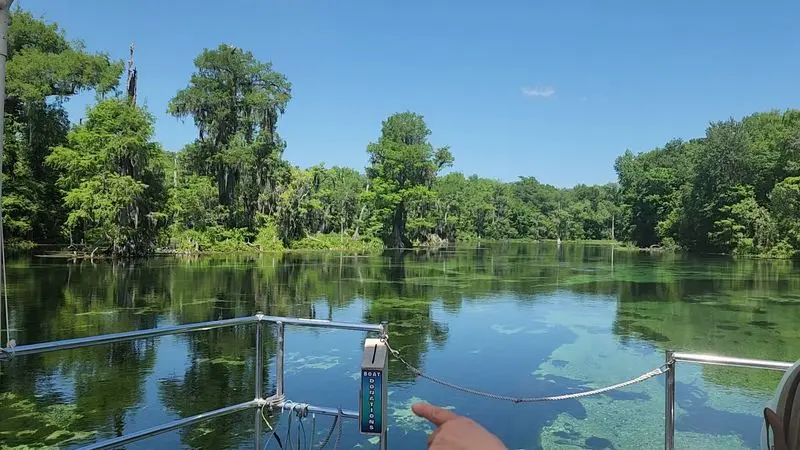
Some days bring a swim, a picnic, and no animal sightings at all.
Other days, a dark shape or a manatee’s breath becomes the moment everyone remembers.
A good plan works for both kinds of visits, because wildlife never follows a visitor’s schedule.
Check current park information before traveling, including swimming access, hours, rules, and any posted alerts.
Pack drinking water, sun protection, towels, and swimming gear that meets park rules.
If someone in your group is a cautious swimmer, discuss how long they want to stay in and where they feel comfortable.
On arrival, locate the permitted swimming area and any staff station.
Tell children what to do if they see an animal: stop moving toward it, give it space, and let an adult know.
Adults should report a nearby alligator or another safety concern to staff and follow their directions.
Leave time for simply looking around, even if the water is calling.
A few minutes of watching from shore can help your group settle in and notice what is happening nearby.
If conditions change, be willing to skip the swim.
Going home with a story about respecting wildlife is better than forcing a plan that no longer feels safe.
The spring will still be worth seeing.