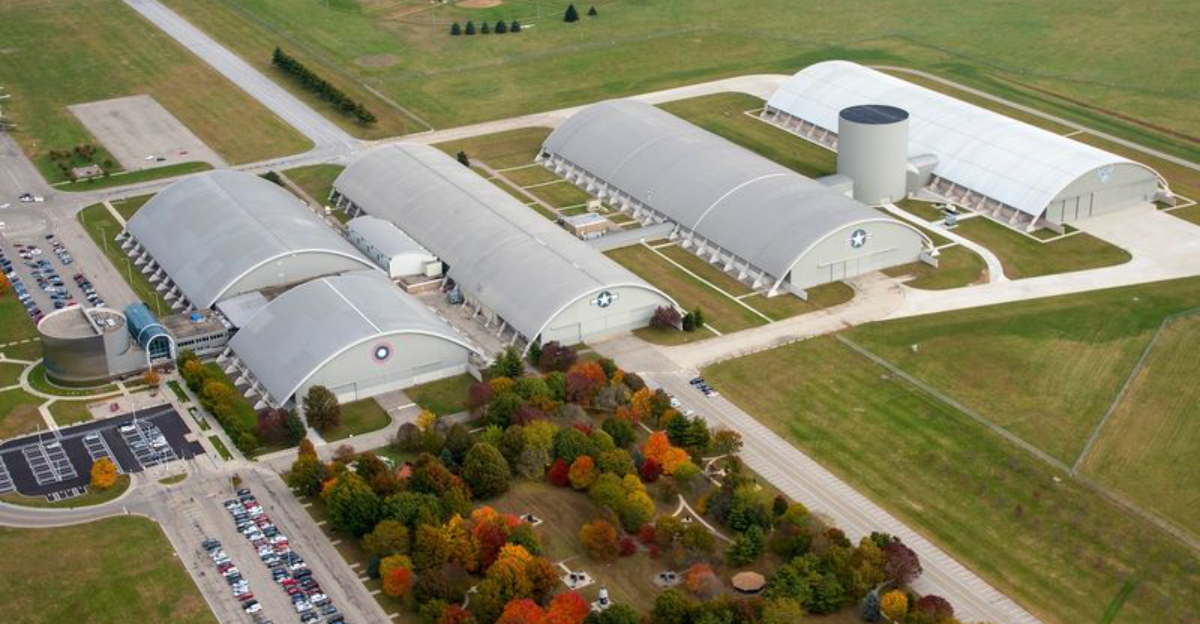
Aviation fans from across America have crowned the National Museum of the United States Air Force in Dayton, Ohio as one of the nation’s absolute best aviation museums.
This incredible place houses hundreds of historic aircraft spanning more than a century of flight, from the Wright brothers’ early creations to cutting-edge modern jets.
What makes this museum truly special is that you can explore four massive hangars filled with legendary planes, presidential aircraft, and even spacecraft completely free of charge.
Whether you’re a serious aviation enthusiast or just curious about flight history, this Dayton destination delivers an unforgettable journey through the skies.
World’s Oldest and Largest Military Aviation Museum
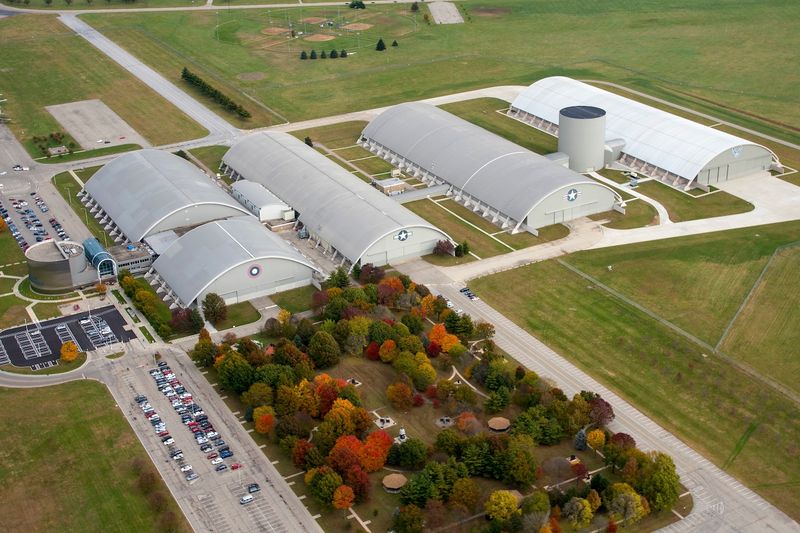
Standing proudly in Dayton, Ohio, this museum holds a remarkable double honor that no other facility can claim. As both the oldest and largest military aviation museum on the entire planet, it represents more than a century of dedication to preserving flight history.
The journey begins with the Wright brothers’ earliest experiments right in nearby Dayton and extends all the way to today’s most advanced stealth technology. Every era of aviation development gets its own spotlight, from fragile wooden biplanes to supersonic jets.
The museum’s founders understood that future generations needed to see these incredible machines that changed warfare forever.
What truly sets this place apart is the sheer scale and authenticity of the collection. Real aircraft that flew real missions hang overhead and sit at eye level.
History surrounds you in three-dimensional glory, making every visit feel like stepping into a time machine that spans from 1903 to the present day.
Massive Collection of Aircraft and Missiles
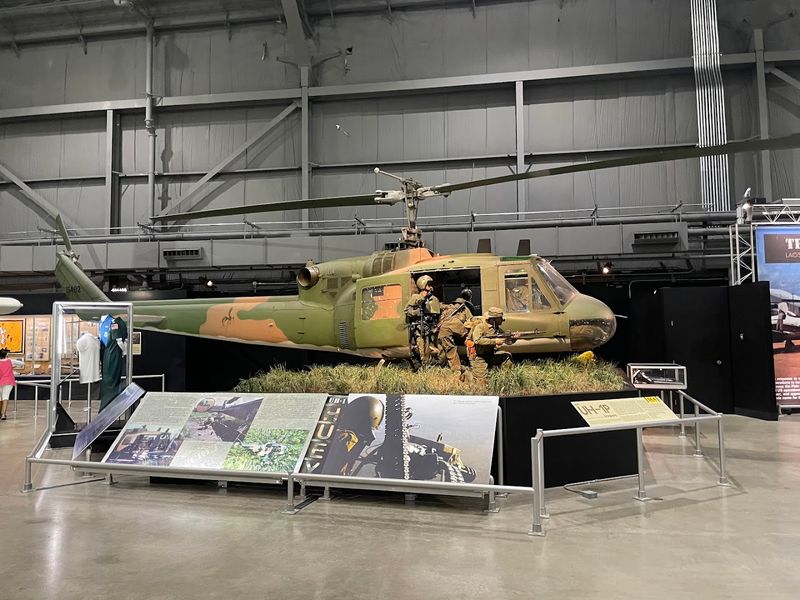
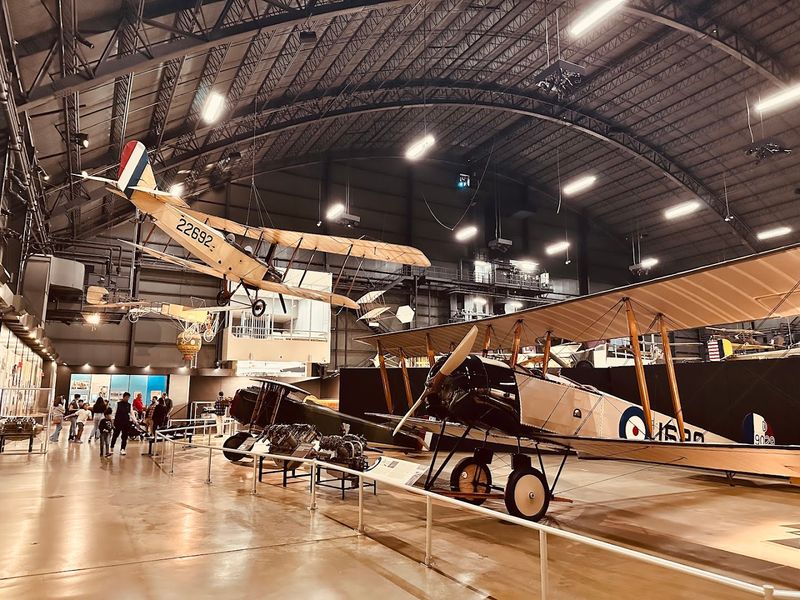
Imagine walking into a space where over 350 aerospace vehicles surround you from every angle. Bombers with wingspans wider than your house hang from the ceiling while sleek fighter jets point skyward.
Missiles stand sentinel alongside spacecraft that once touched the edge of our atmosphere.
This staggering collection makes the museum one of the most comprehensive aviation exhibits anywhere on Earth. You won’t find another place where so many legendary flying machines gather under one roof.
Each aircraft tells its own story of innovation, bravery, and technological breakthrough.
The variety is absolutely mind-blowing. One moment you’re examining a World War II heavy bomber, and the next you’re standing beneath a Cold War reconnaissance plane.
Kids especially love seeing the different sizes and shapes of aircraft from different eras. Military history buffs can spend hours reading the detailed placards explaining each vehicle’s unique role in American defense and exploration history.
Four Huge Indoor Hangars of Exhibits
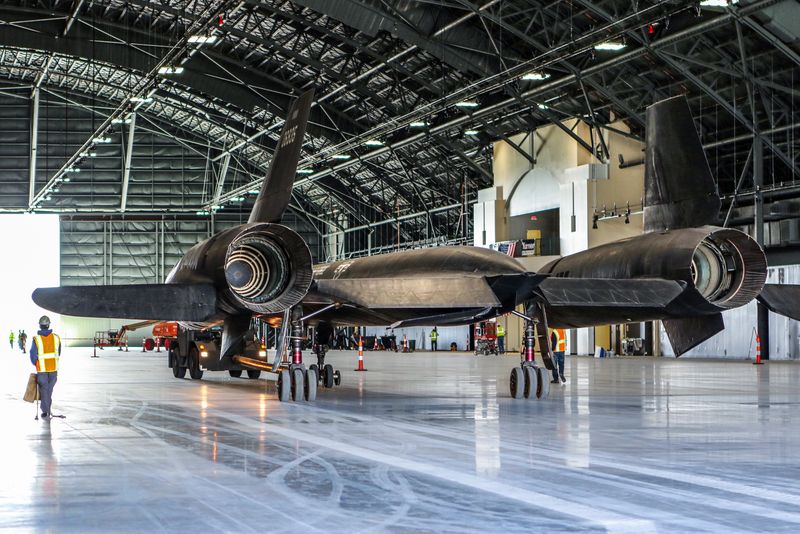
Picture four football fields stacked with flying machines, and you’ll start to understand the museum’s incredible size. Each enormous hangar focuses on a different chapter of aviation history, creating a chronological walking tour through time.
Early aviation pioneers get their own dedicated space, while World War II aircraft command another massive hall.
The Cold War era occupies its own impressive building filled with spy planes and nuclear deterrence systems. Modern airpower showcases the latest technology in a fourth hangar that feels like something from a science fiction movie.
This brilliant layout helps visitors understand how aviation evolved decade by decade.
Smart planning makes navigation surprisingly easy despite the enormous size. Clear signage guides you from one era to the next without backtracking.
The indoor climate control means you can explore comfortably year-round, rain or shine. Many families appreciate being able to take breaks between hangars, making the experience manageable even for younger children with shorter attention spans.
Rare and Historic Aircraft Displays
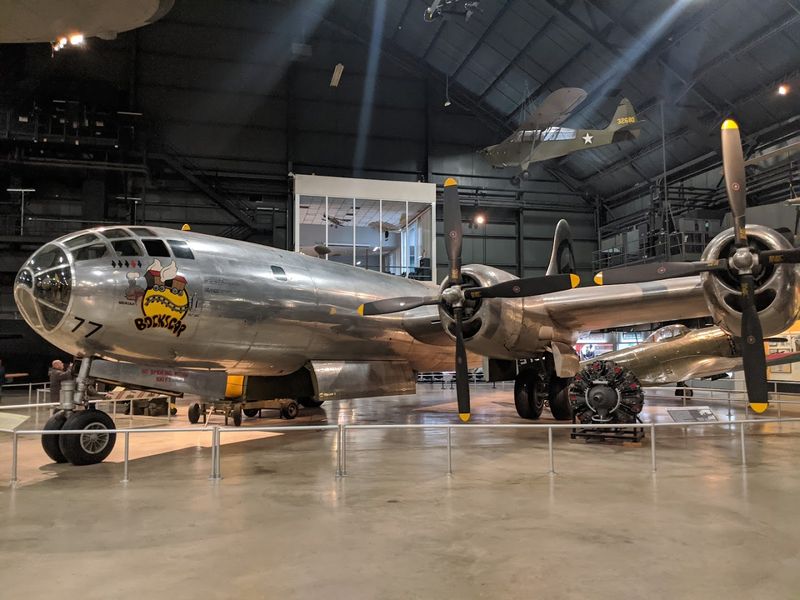
Some aircraft are so rare and historically significant that seeing them in person feels almost surreal. The B-29 Bockscar sits quietly in the museum, yet this exact plane dropped the atomic bomb on Nagasaki in 1945, helping to end World War II.
Standing beneath its silver wings gives you chills when you realize what role it played in world history.
The museum also houses cutting-edge stealth fighters like the F-117 Nighthawk and the sleek F-22 Raptor. These planes were once top-secret weapons that enemies couldn’t detect on radar.
Now you can walk right up to them and examine their angular, futuristic designs up close.
Many of these aircraft are the only surviving examples of their kind. Preservationists work tirelessly to maintain them in pristine condition.
Photography is encouraged, so bring your camera to capture these once-in-a-lifetime moments with machines that literally changed the course of human events.
Presidential Aircraft Gallery
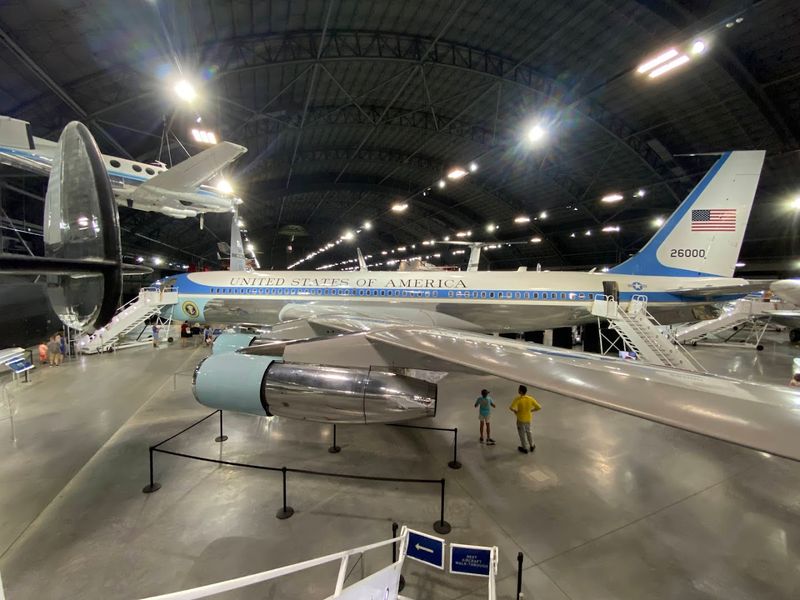
Walking through actual Air Force One planes used by American presidents ranks among the museum’s most popular experiences. These aren’t replicas or models—they’re the real deal, complete with presidential seals and period-appropriate furnishings.
You can peer into the same cabins where presidents made world-changing decisions while flying above the clouds.
The collection includes aircraft used during some of America’s most dramatic moments. Imagine sitting in the same plane that carried a president during the Cold War or the Vietnam era.
Each aircraft reflects the technology and style of its time, from mid-century modern interiors to early communication systems.
Tour guides share fascinating stories about historic flights and presidential travel quirks. Some presidents preferred certain seats, while others held important meetings in the airborne conference rooms.
Kids get excited seeing where presidents actually sat and slept during long international trips, making American history tangible and real rather than just dates in a textbook.
Cold War Gallery Experience
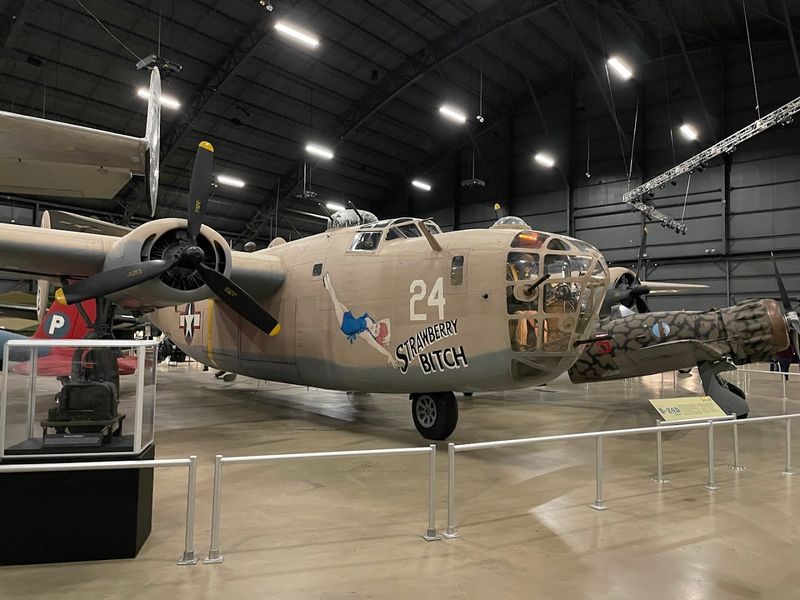
Few museum exhibits capture the tension and drama of the Cold War quite like this massive gallery. Nuclear missiles stand alongside reconnaissance aircraft that spied on Soviet installations, while displays explain the terrifying concept of mutually assured destruction.
The atmosphere feels appropriately serious and sobering as you walk among weapons designed to prevent World War III.
Aircraft from both American and Soviet forces create striking contrasts in design philosophy and engineering approaches. You’ll see the famous U-2 spy plane that flew impossibly high missions over enemy territory.
Berlin Airlift cargo planes remind visitors how America fed a blockaded city from the skies.
Interactive displays help younger visitors understand this tense period without being frightened. Educational programs explain how deterrence worked and why these weapons systems hopefully prevented more catastrophic conflicts.
Veterans who served during this era often share powerful memories with their families while viewing the very aircraft types they once flew or maintained.
Space and Missile Exhibits
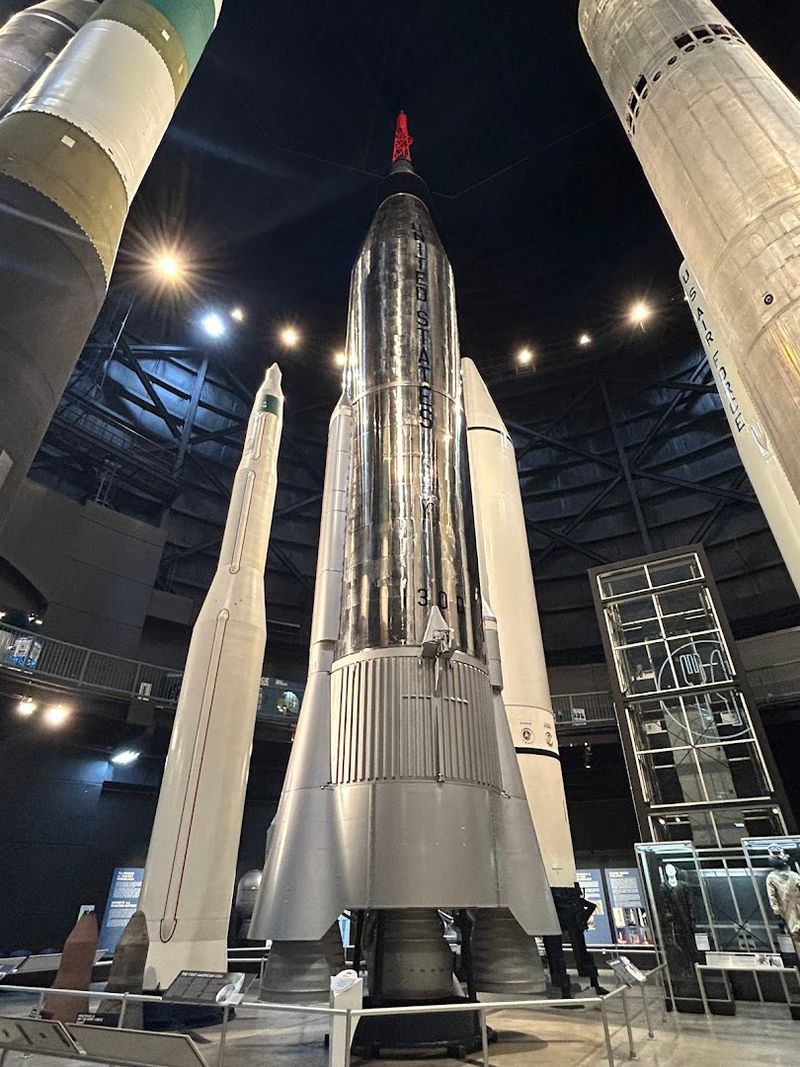
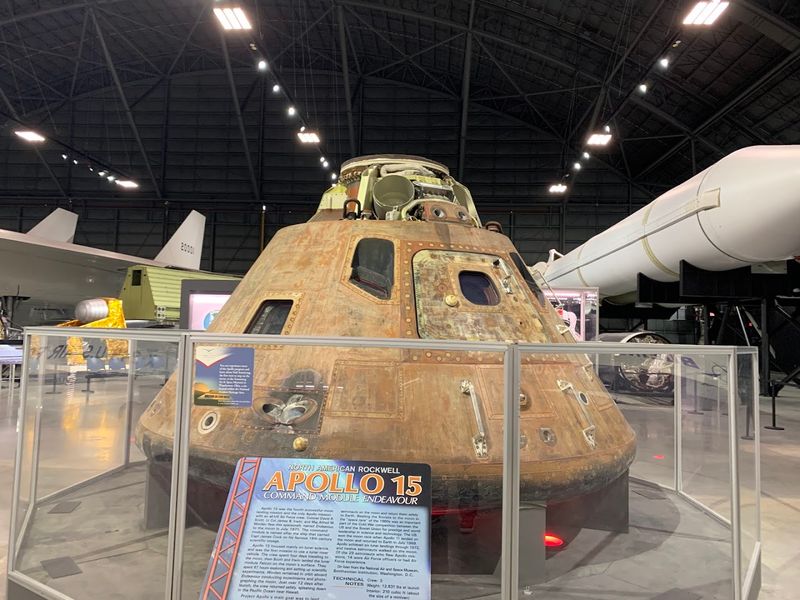
Before NASA dominated headlines, the United States Air Force pioneered much of America’s early space exploration work. This gallery showcases that lesser-known history through impressive rocket displays and spacecraft technology.
Towering missiles that once launched satellites into orbit stand ready to inspire future engineers and astronauts.
The connection between military aviation and space exploration becomes crystal clear as you examine the exhibits. Many early astronauts were Air Force test pilots who pushed aircraft to the edge of space.
The technology developed for high-altitude reconnaissance directly influenced spacecraft design and life support systems.
Hands-on displays let visitors understand rocket propulsion and orbital mechanics in simple terms. Kids especially enjoy learning about the challenges of launching objects into space and bringing them safely back to Earth.
This section proves that the Air Force’s contributions to human spaceflight deserve recognition alongside NASA’s more famous achievements in the space race against the Soviet Union.
Interactive and Educational Experiences
Static displays only tell part of the story—interactive experiences bring aviation history to life in thrilling ways. Flight simulators let visitors experience what it feels like to pilot different aircraft types, from World War II fighters to modern jets.
The realistic motion and controls give you new appreciation for the skill required to fly these complex machines.
Educational programs run throughout the day, offering everything from guided tours to hands-on demonstrations. Knowledgeable staff and volunteers explain complex concepts in simple language that even elementary students can grasp.
Special workshops teach principles of flight, aerodynamics, and engineering through fun activities and experiments.
The museum regularly updates its interactive offerings to keep pace with technology. Touch screens provide detailed information about specific aircraft and missions.
Some exhibits feature augmented reality experiences that overlay historical footage onto modern displays. These engaging elements ensure that even visitors who aren’t naturally interested in military history find something fascinating and memorable to take home from their museum visit.
Free Admission and Free Parking
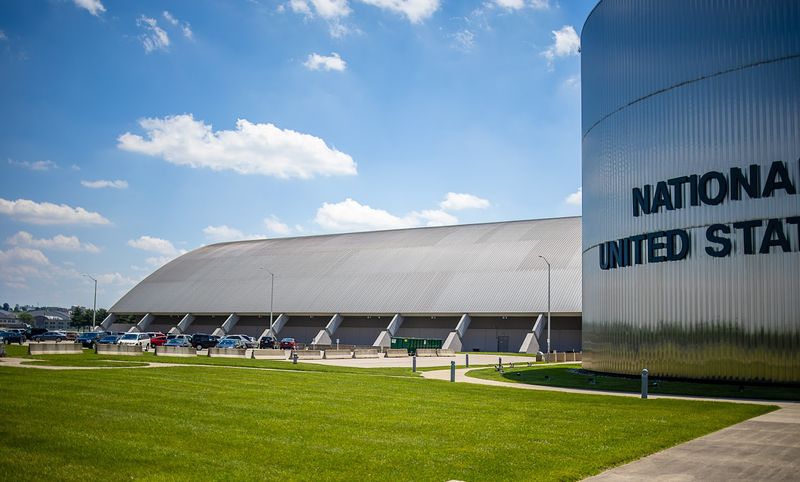
Here’s a pleasant shock for budget-conscious families: this world-class museum charges absolutely nothing for admission or parking. Zero dollars.
While other major museums charge twenty or thirty dollars per person, you can explore hundreds of historic aircraft without spending a penny. This generosity makes the museum accessible to everyone regardless of financial circumstances.
The free admission policy reflects the museum’s mission to educate all Americans about Air Force history and heritage. School groups, military families, and tourists from across the globe can all enjoy the same incredible experience.
Parking lots accommodate hundreds of vehicles right next to the entrance, eliminating long walks with tired children.
Some special experiences like certain simulators or theater presentations may charge small fees, but the core museum remains completely free. Most visitors save their money for the excellent gift shop instead.
This pricing structure makes the museum one of America’s best vacation values, especially for families looking to stretch their travel budgets while still enjoying top-tier educational attractions.
Visitor Info and Tips
Located at 1100 Spaatz Street on Wright-Patterson Air Force Base in Dayton, Ohio, the museum welcomes visitors daily from 9:00 AM to 5:00 PM. Plan accordingly as the museum closes on Thanksgiving, Christmas, and New Year’s Day.
Getting there is straightforward with clear highway signage directing you to the base entrance.
Smart visitors budget at least three to six hours for their visit, though serious aviation fans often need a full day. The museum’s enormous size means you’ll walk several miles if you explore thoroughly.
Comfortable walking shoes are absolutely essential—your feet will thank you after a few hours of concrete floors and hangar exploration.
Arriving early helps you beat the crowds, especially during summer vacation and holidays. The museum provides wheelchairs and strollers for visitors who need them.
Pack snacks and drinks, though a cafe offers refreshments if you prefer. Photography is encouraged throughout the museum, so charge your camera batteries and clear your memory cards before visiting this extraordinary tribute to American aviation excellence.