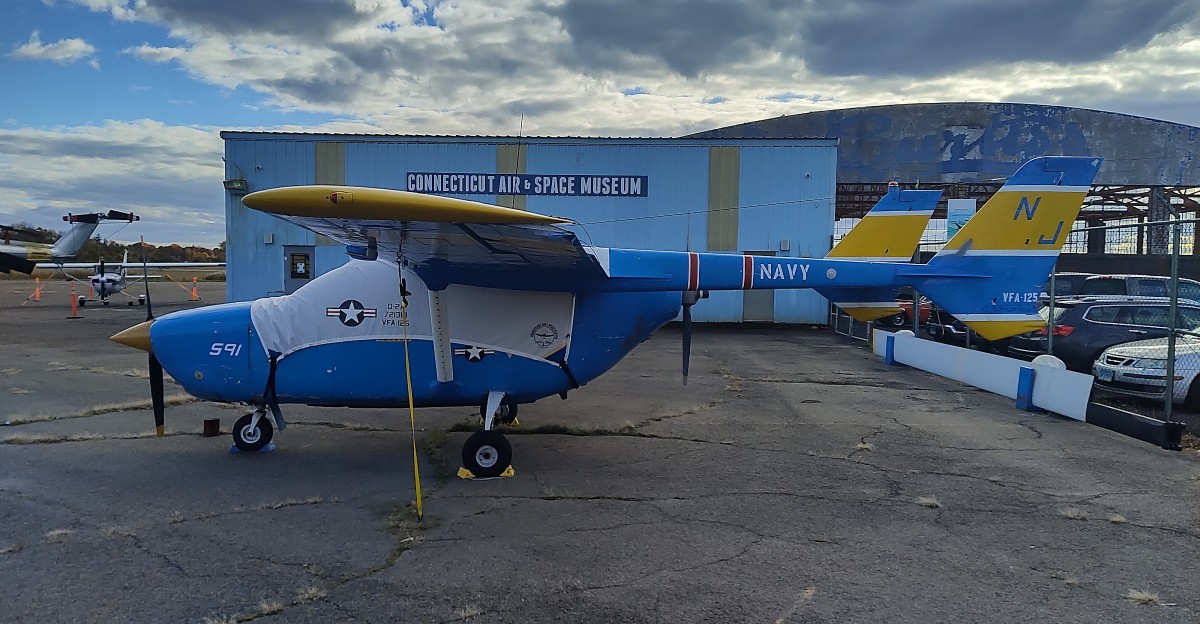
Some museums keep their airplanes behind ropes and glass. This one in Stratford lets kids climb into cockpits and chat with volunteers who have actually turned wrenches on the planes.
Right outside the door, small aircraft taxi past and take off from a working airfield. Inside, a World War II fighter sits at the center of the room, still in the middle of a careful restoration.
There are models of a flying machine from a Connecticut aviator that some people believe flew before the famous brothers from Ohio. You will also find a hangar with roots going back to the early days of flight.
Stick around to learn when the doors open, what admission costs, which special weekends are worth planning around, and why a small building packs so much aviation history into one afternoon.
A Small Building With a Big Address
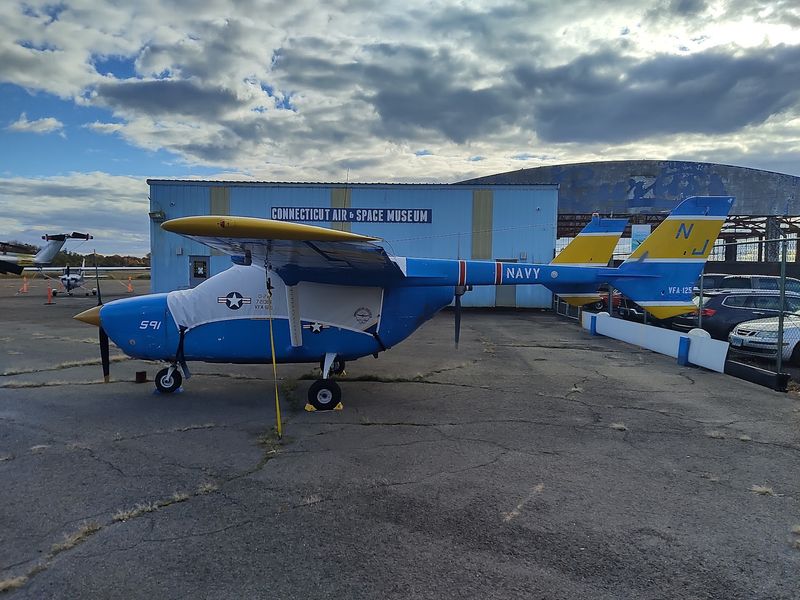
Easy to miss from the road, the Connecticut Air & Space Center sits at 225 B Main Street, Stratford, CT 06615, USA. It shares the area with Sikorsky Memorial Airport, so the runway is practically part of the exhibit.
The museum is small, and the volunteers are open about that. It is a one-building space, not a sprawling campus with dozens of hangars.
That size works in its favor, though. Everything is close enough to study carefully, and nobody needs a map to find the star attractions.
The center moved to its current home in May of 2021. Before that, it was based in Building 6 of the old Army Engine Plant in town.
Since the move, the team has assembled multiple aircraft and added fresh displays. The whole operation is run by volunteers, which makes every improvement a real labor of love.
Set expectations right and this spot shines. Think of it as a focused, hands-on look at Connecticut flight history rather than a giant national museum, and the visit lands smoothly.
The Corsair Takes Center Stage
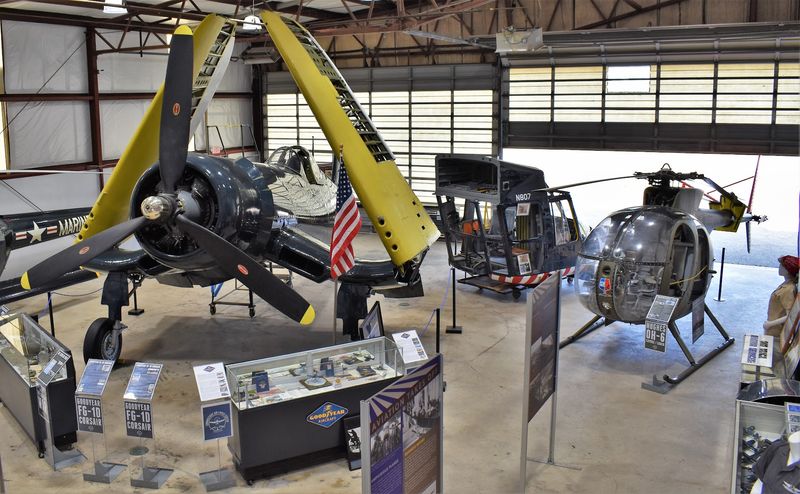
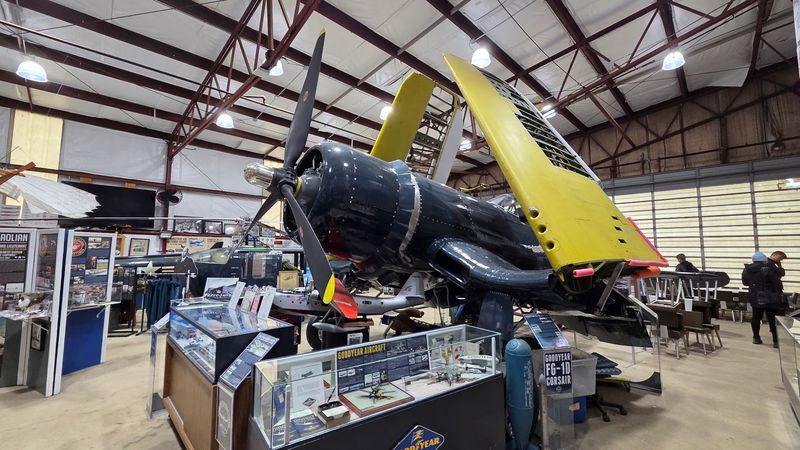
Gull wings, a long nose, and a big wartime reputation. The F4U Corsair is the centerpiece of the museum, and it is hard to look anywhere else once inside.
The plane is partially restored, which is part of the fun. Guests can see real progress on a historic fighter instead of a finished, untouchable showpiece.
Volunteers who worked on the aircraft are often around to explain the process. They point out details down to the nuts and bolts, including spots where bullet holes were patched.
Here is a local twist worth knowing. This particular Corsair was built by Goodyear, but Vought once had a factory right across the street.
Many Corsairs rolled out of that Stratford plant during World War II. Dioramas inside show how the factory was set up in the 1940s and how planes were moved across the road to the airport.
On some days, the cockpit is open for a peek inside. Few things beat sitting where a wartime pilot once sat, so ask a volunteer if that option is available.
Did Flight Begin in Connecticut?
Most history books give the first powered flight to the Wright brothers in North Carolina. This museum tells another story that many people have never heard.
Gustave Whitehead was an aviator tied to the Bridgeport and Stratford area. His supporters believe he made controlled flights in Connecticut before 1903.
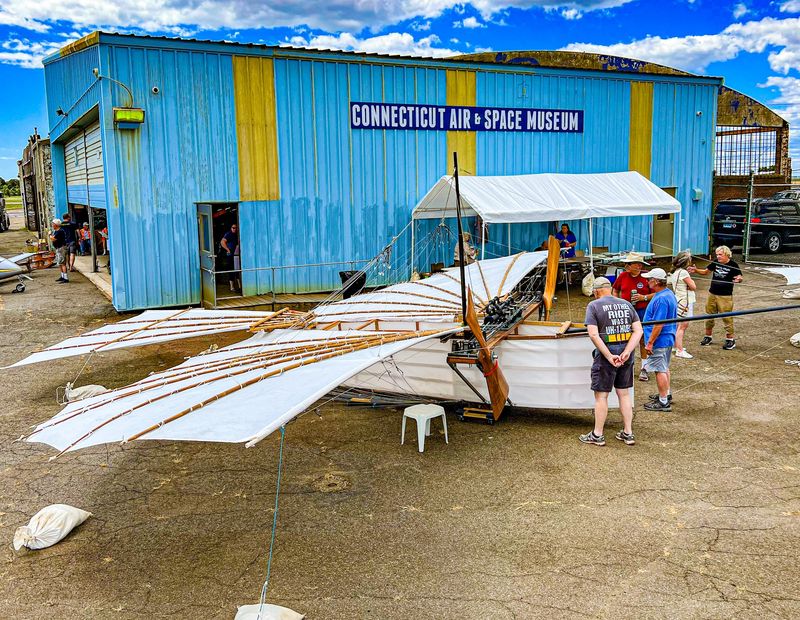
The museum displays model recreations of his aircraft. These help guests understand what his early design looked like and how it was meant to work.
The topic is still debated, and that is part of what makes it interesting. Hearing the case laid out by people who care deeply about it is a lively history lesson.
There is even a local connection to modern testing. A replica of a Whitehead design was flown in the 1980s, adding real-world spark to the old claims.
The center also hosts a Whitehead Fly-In event that celebrates this legacy. Shiny sport planes arrive, and the past and present of flight meet on the same patch of tarmac.
Come with questions, and leave ready to start some friendly arguments at dinner.
Cockpits Made for Climbing
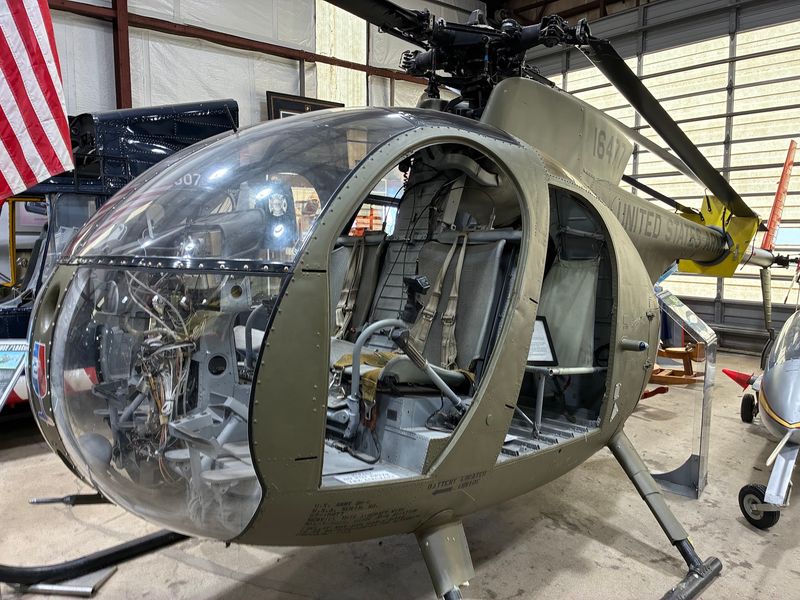
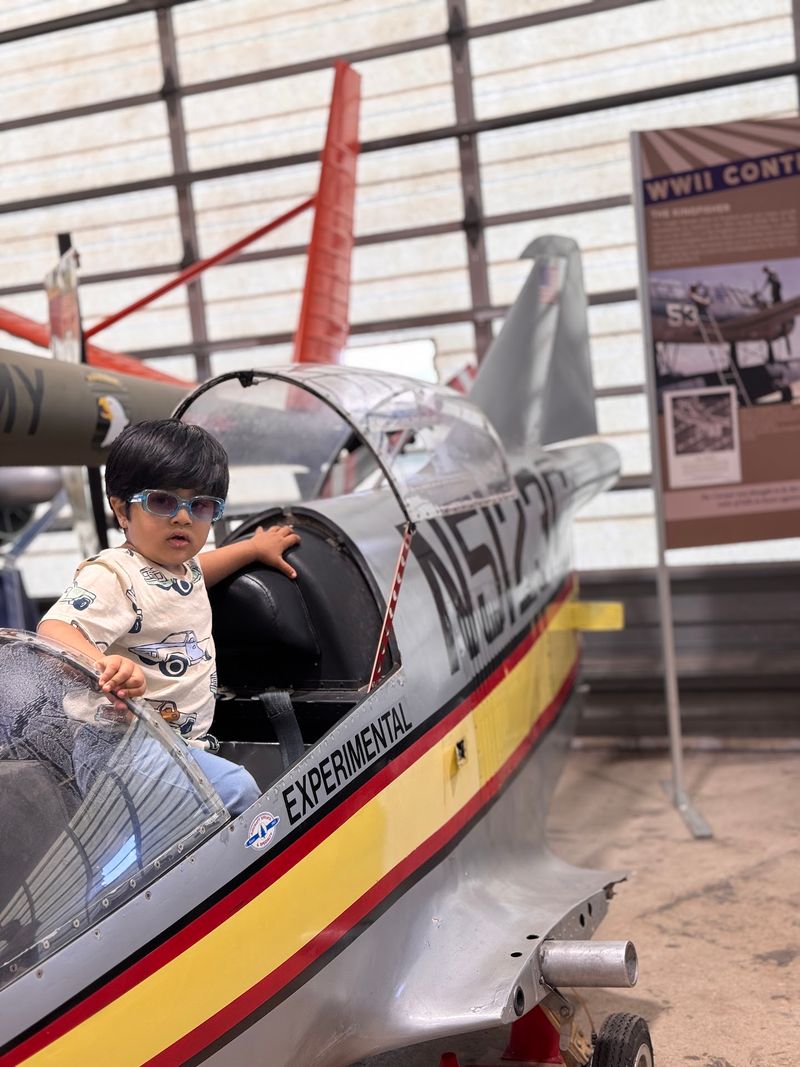
Hands-off rules are mostly missing here, and that is the whole point. Many of the aircraft can be explored up close, and some allow guests to climb right into the cockpit.
Families with little airplane fans tend to have a great time. Toddlers and preschoolers can sit in the pilot seat of several machines, which feels like a dream come true for a young flyer.
Helicopters and small planes are part of the collection. Seeing their controls and seats from the inside shows how cramped and clever early aircraft design really was.
Interactive displays add more to explore between the bigger pieces. Kids can bounce from one exhibit to the next without losing interest.
A quick tip for parents is to bring a camera with plenty of storage. Cockpit photos are a guaranteed favorite.
Grown-ups get plenty out of it too. Plenty of adults admit they also wanted to sit in the seat, and nobody here will judge them for asking politely.
Volunteers With Real Flight Stories
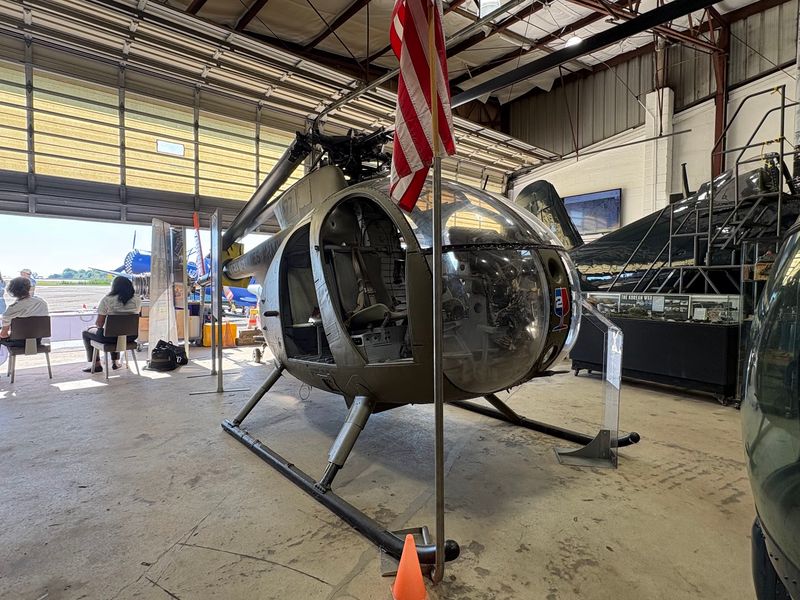
Behind every great small museum is a crew of people who just will not stop talking about airplanes. Here, that is a very good thing.
The Connecticut Air & Space Center is run entirely by volunteers. Many of them hold deep knowledge of aviation and military history, and some have personal ties to the machines on display.
Some volunteers helped repair the aircraft themselves. Others have flying backgrounds, so their stories come from experience rather than a script.
Guests often find the tour guides are the highlight of the trip. A good guide turns a single plane into a half-hour story about wars, factories, and pilots.
Topics cover a wide stretch of history. Artifacts and stories reach across World War I, World War II, Korea, and Vietnam.
Volunteers even share tips about other aviation events in the region. One guide is known for pointing people toward air shows in places like Reading, Pennsylvania, and Rhinebeck, New York.
Bring curiosity and a few questions. The answers are usually longer and better than expected.
Front Row Seats to a Working Runway
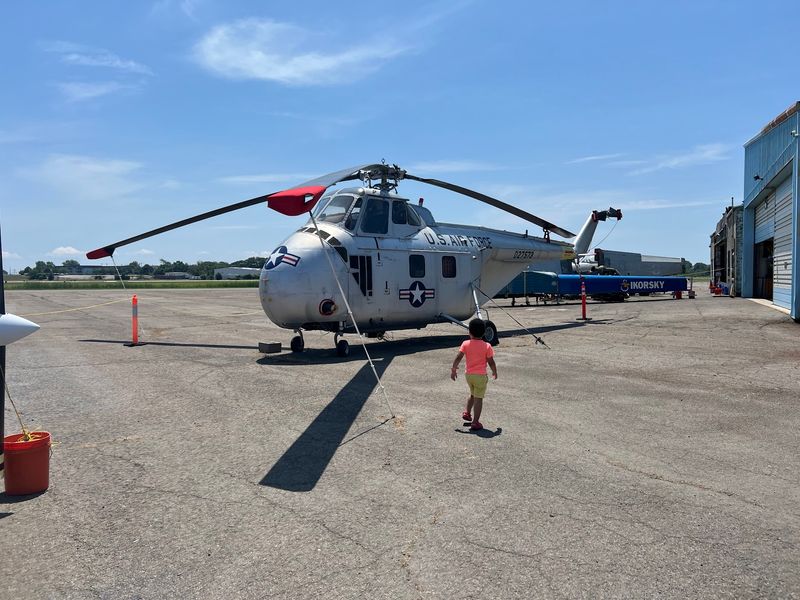
Some exhibits move on their own schedule. Right beside the outdoor display area is an active taxiway at Sikorsky Memorial Airport.
Private planes come and go throughout the day. Guests can pull up a chair outside and watch aircraft taxi, take off, and land.
This makes the visit feel alive. One moment you are looking at a World War II artifact, and the next a modern plane rolls past the fence.
Several aircraft also sit outside for close viewing. Walking among them while live traffic moves nearby connects old aviation with the present day.
Kids especially love this part. It gives them a chance to see how planes actually operate rather than just how they look standing still.
A practical tip is to plan some extra time outdoors on a clear day. Weekend traffic at the airport can be steady, and the show costs nothing beyond admission.
Patience gets rewarded out here. Wait a few minutes, and something with wings usually comes along to say hello.
The Curtiss Hangar Waiting for Its Comeback
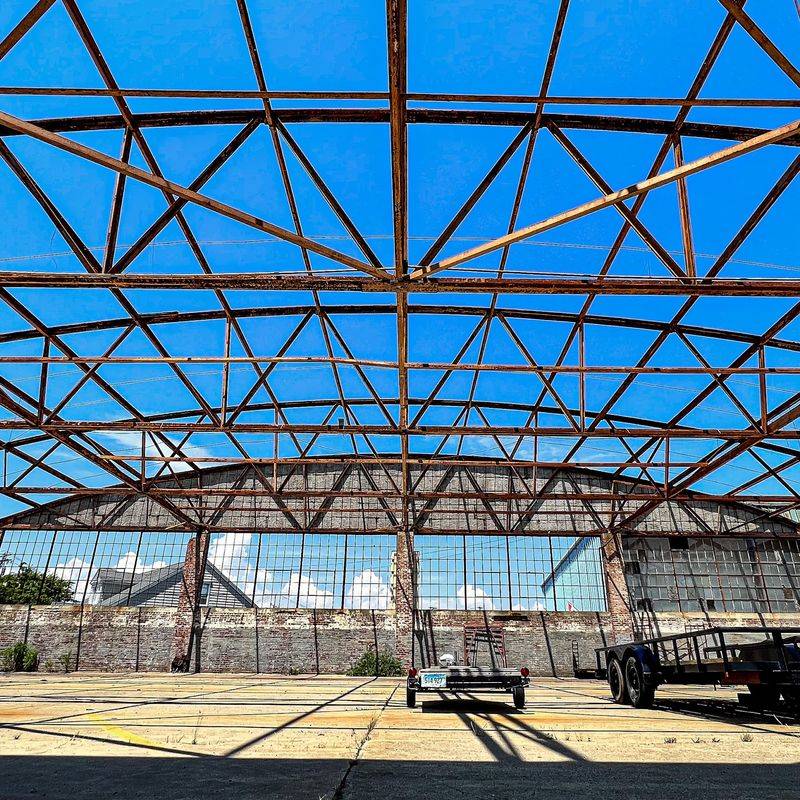
Old buildings can hold just as much history as old airplanes. Next to the museum stands the historic Curtiss hangar, a piece of the area’s early aviation past.
Guests cannot go inside the hangar right now. Even from the outside, it is a striking reminder of how long flight has shaped Stratford.
The museum has big hopes for this structure. The volunteers are fundraising to restore it so the center can finally have a larger space to display more aircraft and exhibits.
That matters because the current building is tight. Some aircraft and artifacts simply do not have room to be shown yet.
Supporting the museum helps move that plan forward. Paying admission, joining as a member, or donating all chip in toward the restoration goal.
History buffs should take a moment to study the building while visiting. It is a rare chance to see an important aviation site before its next chapter begins.
Someday, this quiet hangar may become the busiest room on the property.
Stratford’s Deep Roots in Flight
Stratford is not a random place for an aviation museum. The town has been tied to aircraft building and flying for generations.
Exhibits cover the history of Sikorsky Memorial Airport and Igor Sikorsky himself. His name is closely linked to the helicopter, and his legacy is woven throughout the area.
The Vought factory story is another highlight. Detailed dioramas show how the plant operated in the 1940s and how planes were transported to the airfield.
These small models help explain a big operation. It becomes easier to understand how much wartime work happened just steps from the museum’s door.
Local artifacts fill in the rest of the picture. Collections cover both Connecticut aviation history and wider military history.
For residents, this is a chance to see their hometown in a new light. Many people live nearby for years before finally stopping in, then wish they had come sooner.
Out-of-towners get a fresh angle on Connecticut too, one that goes well beyond the usual tourist stops.
Special Weekends Worth Planning Around
A regular weekend here is fun, but themed events take things up a notch. The center hosts special days throughout the year that bring in extra aircraft and guests.
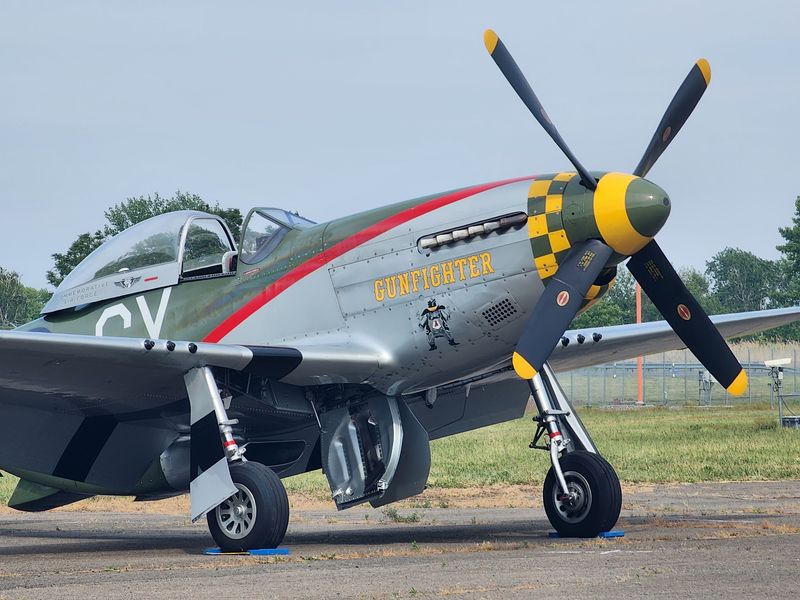
Warbird Weekend is a favorite for military aviation fans. Crews are on hand to share stories about the planes and their missions.
Helicopter Day shines a spotlight on rotor aircraft. Given the area’s Sikorsky connection, it feels like a fitting local celebration.
The Whitehead Fly-In honors Connecticut’s early aviation pioneer. Sporty planes arrive for display, making for a lively scene at the airport.
Military crews sometimes visit as well. Guests have chatted with Air Force crews right in the cockpit, which is about as close to the action as civilians get.
An annual car show adds variety for families with mixed interests. Wheels and wings share the spotlight for the day.
Check the official website before heading over. Event dates change each year, and catching one can turn a short visit into a full outing.
Know Before You Taxi Over
Timing is everything, especially at a place with weekend-only hours. The museum opens Saturday and Sunday from 10 AM to 4 PM and stays closed the rest of the week.
Admission is about $10, with a lower price for veterans. Restrooms are available on site.
Plan for roughly thirty minutes to two hours. Quick browsers finish fast, while those who chat with guides often stay much longer.
The museum is also part of the North American Reciprocal Museums network. Members of participating institutions should check whether their benefits apply.
Keep an eye out for small model aircraft. Volunteers build and paint them, and they make thoughtful gifts for engineers and aviation fans.
A restaurant called the Windsock sits next door. It is not part of the museum, but it is handy for a meal after the tour.
Finally, set the right expectations about the space theme. The focus is mostly aviation for now, with hopes of growing space exhibits later.
Come for the planes, and the stories will carry the rest of the trip home.