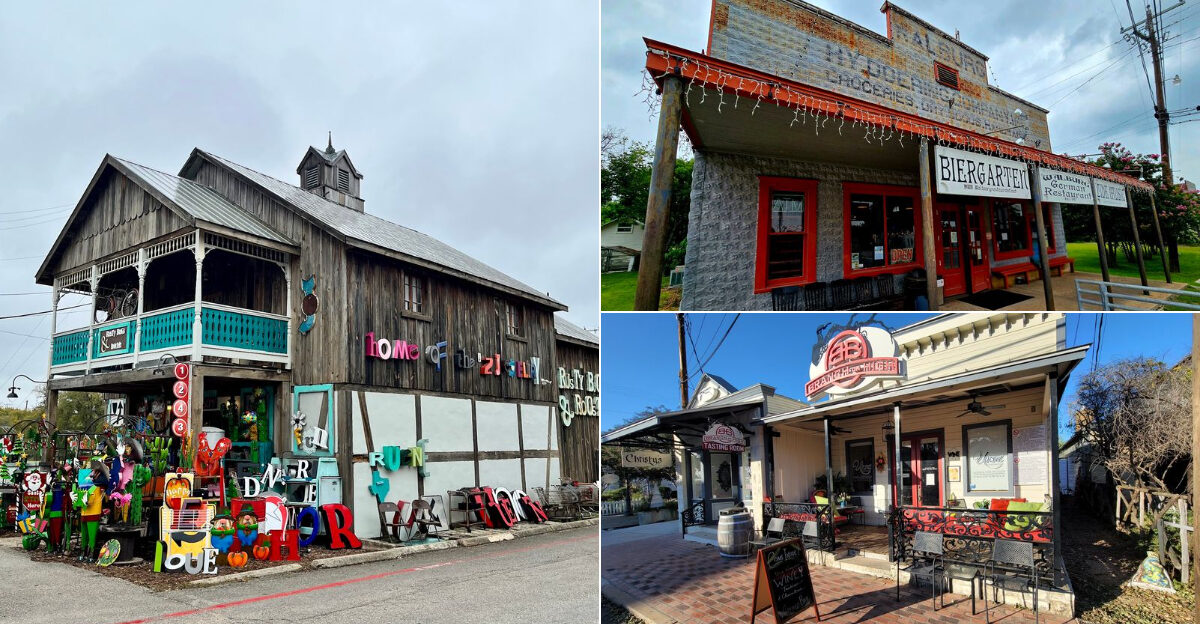
Texas is full of surprises, and some of its most charming small towns feel like little pieces of Europe tucked into the Hill Country and beyond.
German settlers helped shape parts of the state, leaving behind festive streets, old churches, dance halls, bakeries, and family traditions that still bring people together today.
In these villages, you can hear polka, eat warm pretzels, admire storybook buildings, and stroll quiet main streets without ever needing a passport, which makes them wonderful for easy weekend trips, family drives, and anyone curious about Texas history.
If you are ready for places that mix Old World character with friendly local flavor, grab your walking shoes, bring your appetite, and explore these Bavarian-feeling Texas destinations that prove adventure can be much closer than you think after one road trip across backroads, river towns, peach country, and festival stops packed with music, color, and plates of food.
1. Fredericksburg – Gillespie County
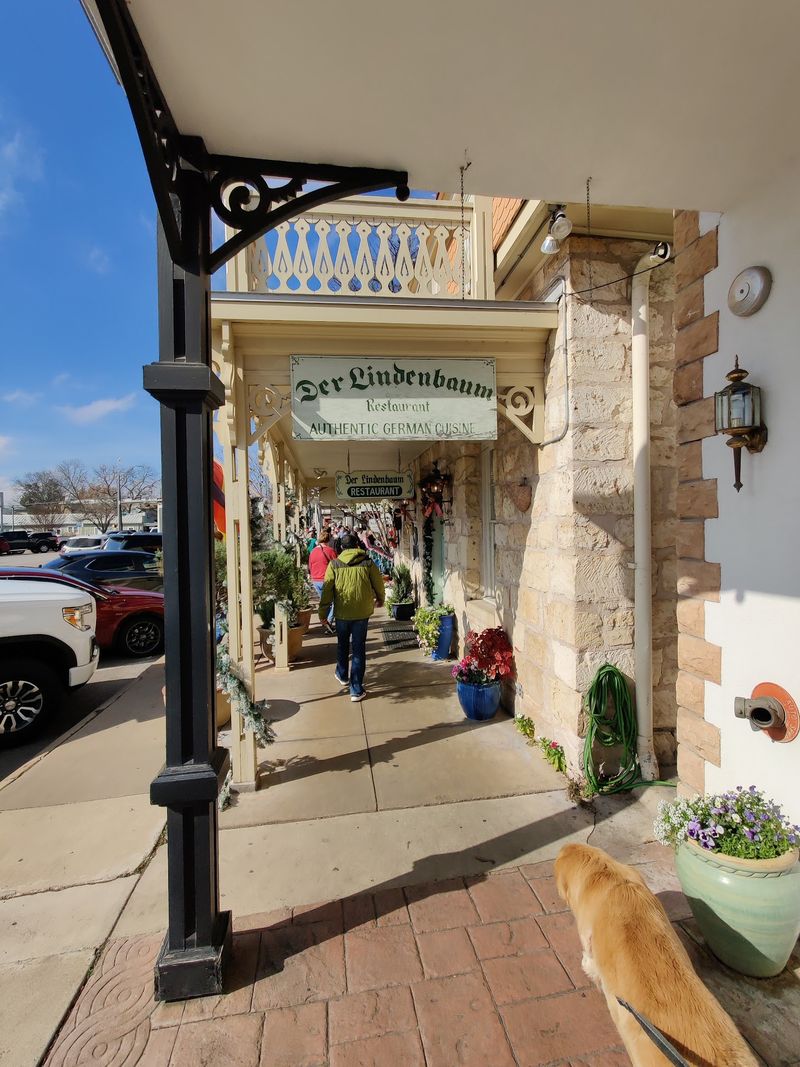
Morning light makes Fredericksburg glow with old-world charm in the heart of Gillespie County.
German roots run deep here, from the historic Vereins Kirche to bakeries serving pretzels, strudel, and strong coffee.
Walking along Main Street is one of the easiest ways to settle into the town’s European-inspired atmosphere because you can park once and spend hours exploring shops, galleries, tasting rooms, restaurants, and museums.
Historic limestone buildings give the downtown area an unmistakable character, while flower-filled sidewalks and colorful storefronts add a cheerful Hill Country touch.
Beyond downtown, the scenery becomes unmistakably Texan, with wildflower-covered roads, peach stands, vineyards, and rolling countryside surrounding the community.
Families can make a day of nearby Enchanted Rock, while history fans can visit the National Museum of the Pacific War.
Come hungry and wear comfortable shoes because Fredericksburg rewards slow exploration.
Stay through sunset if you can, when the surrounding hills glow warmly and live music, dinner, and a glass of local wine make the evening feel especially memorable.
2. New Braunfels – Comal County
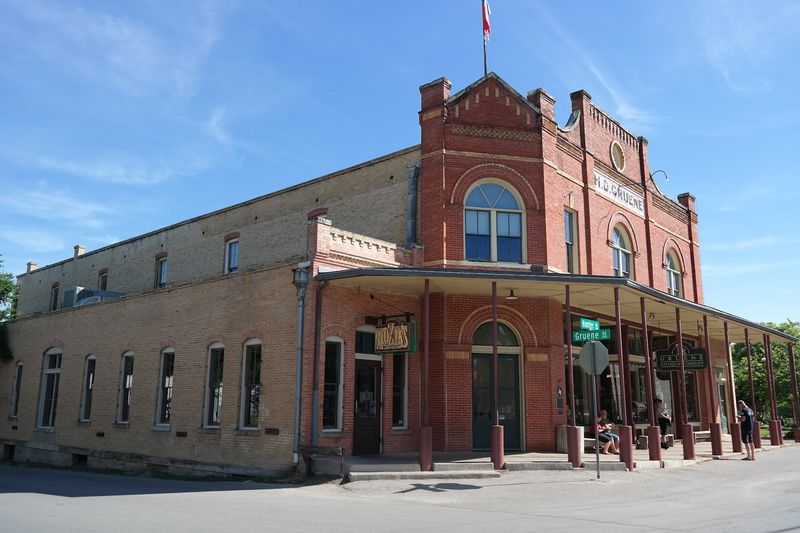
River breezes give New Braunfels a playful energy that feels both German and proudly Texan.
Founded by German settlers in Comal County, the city keeps that heritage visible through Wurstfest, polka music, traditional food, historic buildings, and a community that knows how to celebrate.
Stroll through downtown to spot older architecture, cozy cafes, specialty shops, and restaurants serving everything from sausages to modern Texas favorites.
The Comal and Guadalupe rivers make New Braunfels particularly appealing when temperatures rise, offering opportunities to float, paddle, swim, or simply relax beside the water after a hearty meal.
Families can build an entire weekend around the city’s outdoor attractions, while couples may prefer wandering downtown before settling into dinner.
If your schedule allows, plan around festival dates because Wurstfest transforms the atmosphere with music, dancing, food, and plenty of German-inspired fun.
The town becomes especially lively during major celebrations, but you do not need an event to appreciate its character.
Come ready for sunshine, river time, good food, and a surprisingly convincing blend of Bavarian tradition and Texas adventure.
3. Boerne – Kendall County
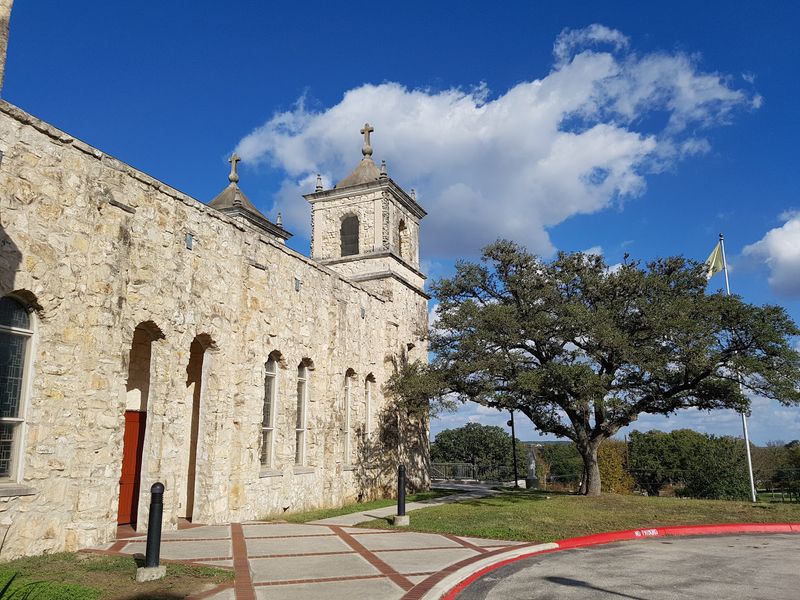
At first glance, Boerne feels polished, peaceful, and full of stories waiting in Kendall County.
Its German beginnings still show in limestone buildings, old churches, historic homes, and local menus that mix European favorites with Hill Country comfort food.
The historic district invites slow browsing, especially if you enjoy antiques, art galleries, independent shops, and shady sidewalks where you can wander without a strict schedule.
Boerne also gives outdoor lovers plenty of reasons to stay longer.
Cibolo Nature Center offers trails, creek views, native landscapes, and easy family time close to town, making it simple to balance sightseeing with fresh air.
For a fuller day, pair your downtown visit with Cave Without a Name, where underground formations provide a completely different experience from the streets above.
Then return to Boerne for dinner, dessert, or an evening stroll as the storefronts begin to glow.
The town’s appeal comes from that combination of history and natural beauty.
You can spend the morning learning about its German heritage, the afternoon outdoors, and the evening enjoying the relaxed atmosphere that makes Boerne such an inviting Hill Country destination.
4. Comfort – Kendall County
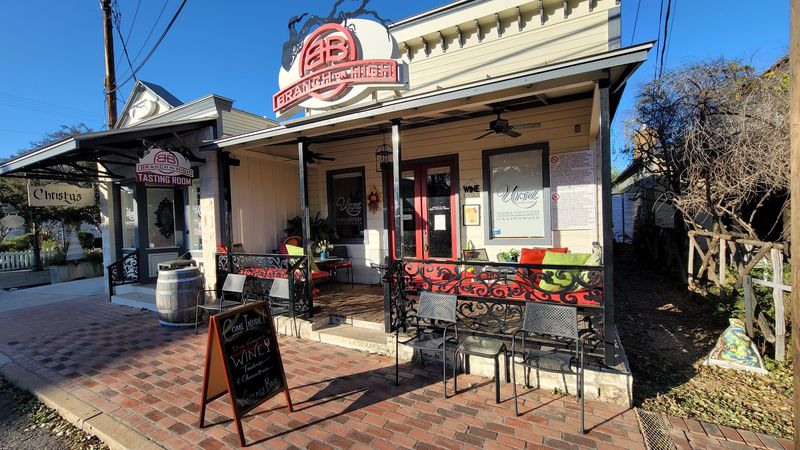
Some towns whisper instead of shout, and Comfort is one of them in Kendall County.
Though smaller and quieter than nearby hotspots, it carries a strong German-Texan spirit through historic homes, antique shops, local businesses, and welcoming inns.
High Street feels made for unhurried afternoons, coffee breaks, and finding a treasure you did not expect to bring home.
The community’s historic architecture provides much of its appeal, with preserved nineteenth-century buildings offering glimpses into the area’s early years.
History buffs can look for landmarks connected to the town’s German settlers while enjoying the peaceful atmosphere that makes walking around especially pleasant.
Food stops tend to emphasize local character rather than flashy trends, which suits Comfort’s relaxed personality perfectly.
The surrounding Hill Country also makes the town a natural base for exploring nearby wineries, scenic roads, and outdoor attractions.
If you have time, book an overnight stay rather than treating Comfort as a quick roadside stop.
The town feels different once the daytime traffic fades and evening settles over the historic streets.
That slower rhythm is precisely what makes Comfort feel like a genuine escape from the hurried pace of modern travel.
5. Castroville – Medina County
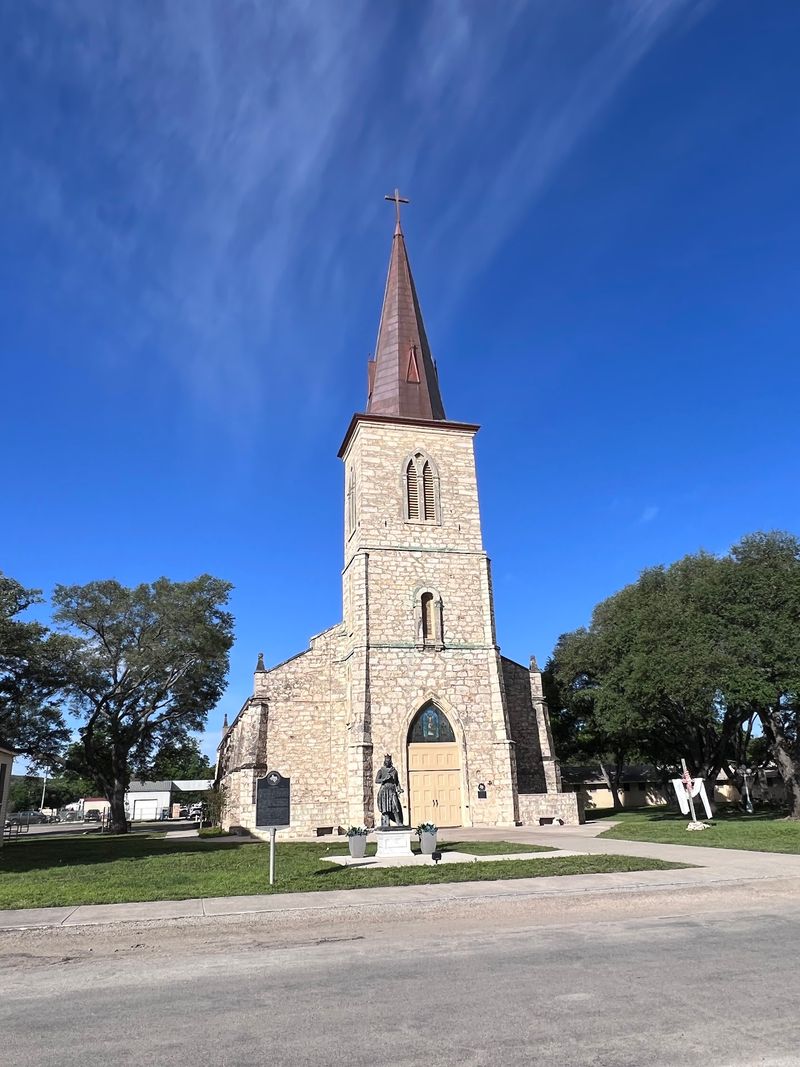
Castroville brings a surprising taste of Europe to Medina County with a distinctive identity shaped heavily by Alsatian and German influence.
The community is famous for European-style architecture, particularly charming homes, historic buildings, and landmarks that can make parts of town feel far removed from the surrounding Texas landscape.
Walking through Castroville can feel like stepping into a storybook, only with bright sunshine, ranch roads, and friendly local conversation replacing the scenery of the Old World.
Landmark Inn State Historic Site makes a smart first stop because it provides context about the community and its early settlers.
From there, explore the streets at an easy pace and look for architectural details that are easy to miss when driving.
Saint Louis Catholic Church is another important landmark worth seeing, while local cafes provide opportunities to pause over pastries, coffee, or a relaxed lunch.
Spring and fall can be especially pleasant times for exploring on foot when temperatures are more comfortable.
Bring a camera, leave room for an unplanned stop, and give yourself time to appreciate the details.
Castroville’s charm is strongest when you slow down enough to notice them.
6. Gruene – New Braunfels, Comal County
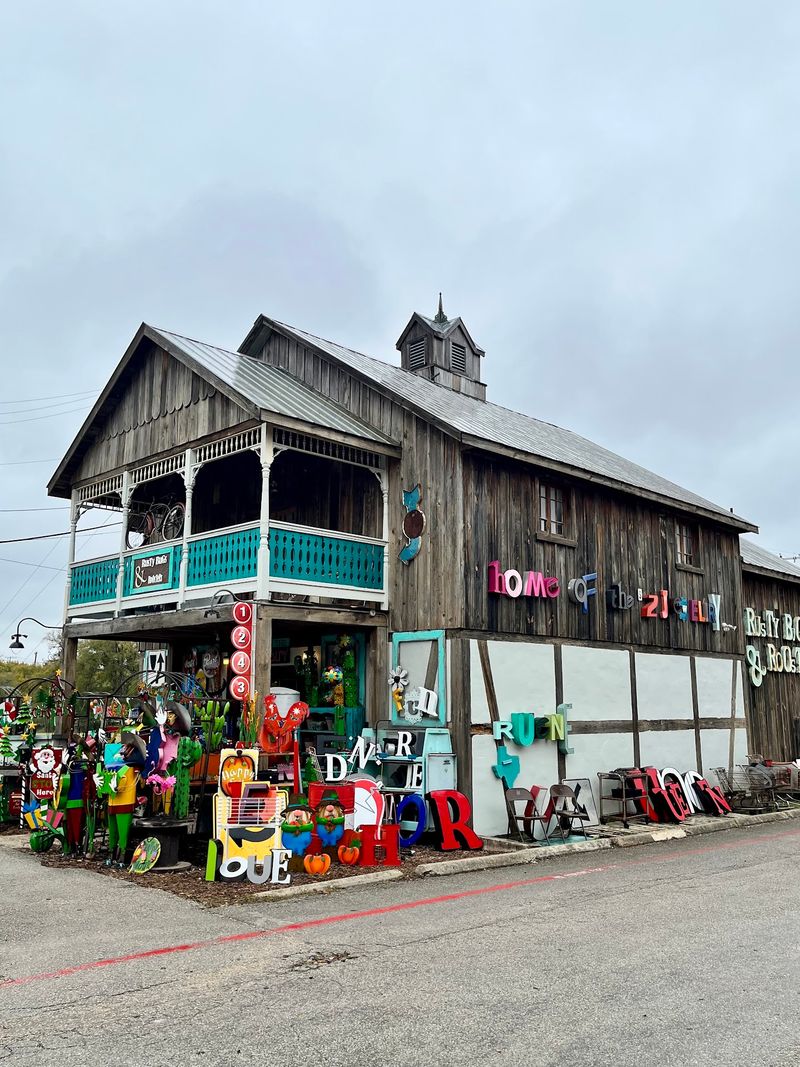
Music floats through Gruene like it never left, and that is part of the magic.
Located within New Braunfels in Comal County, this tiny historic district pairs German heritage with dance-hall fun, old storefronts, and river-town charm.
Weathered buildings, wooden porches, vintage signs, and colorful shops create a memorable backdrop for a slow afternoon of exploring.
Gruene Hall, Texas’s oldest continually operating dance hall, is the headline attraction for many visitors and remains one of the state’s most recognizable live-music venues.
Even if you do not catch a show, there is plenty to enjoy around the district, including restaurants, specialty shops, shaded sidewalks, and easy access to the Guadalupe River.
The compact layout makes it simple to wander without a detailed itinerary, although comfortable shoes are still a good idea.
Busy weekends can bring crowds, so arriving earlier can make parking and browsing much easier.
Come hungry, too, because a meal can easily become part of the experience.
Gruene’s appeal comes from the way history, music, food, and Texas culture fit together.
It may be small, but the atmosphere is big enough to fill an entire afternoon.
7. Luckenbach – Gillespie County
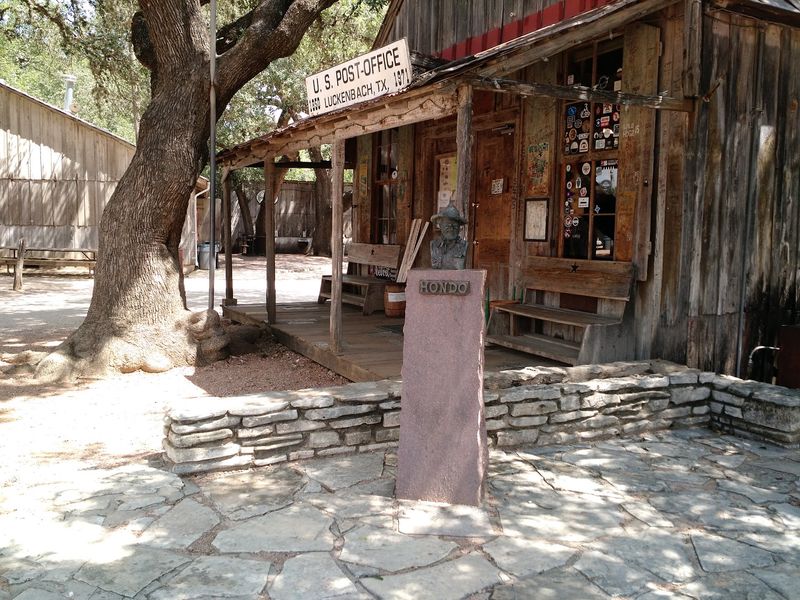
A few buildings and a giant reputation make Luckenbach unforgettable in Gillespie County.
The place is tiny, but its music-loving personality feels huge, especially when guitars start up beneath the oak trees and visitors settle in for an afternoon that seems to move at its own pace.
German heritage lingers in the Hill Country setting, while the laid-back atmosphere makes newcomers feel welcome almost immediately.
Live music remains the main reason many people make the drive, with the schedule regularly offering opportunities to hear talented Texas performers in an intimate, unpretentious setting.
There is not much to rush through, which is exactly the point.
Browse the small collection of buildings, check out the historic post office and general store, grab something to eat or drink, and then find a comfortable place to listen.
Luckenbach works particularly well for travelers who prefer experiences over packed sightseeing itineraries.
Bring cash just in case, wear boots if you want, and leave your schedule flexible.
By the time the music starts and the surrounding Hill Country settles into evening, it becomes easy to understand why such a tiny place earned such a legendary reputation.
8. Muenster – Cooke County
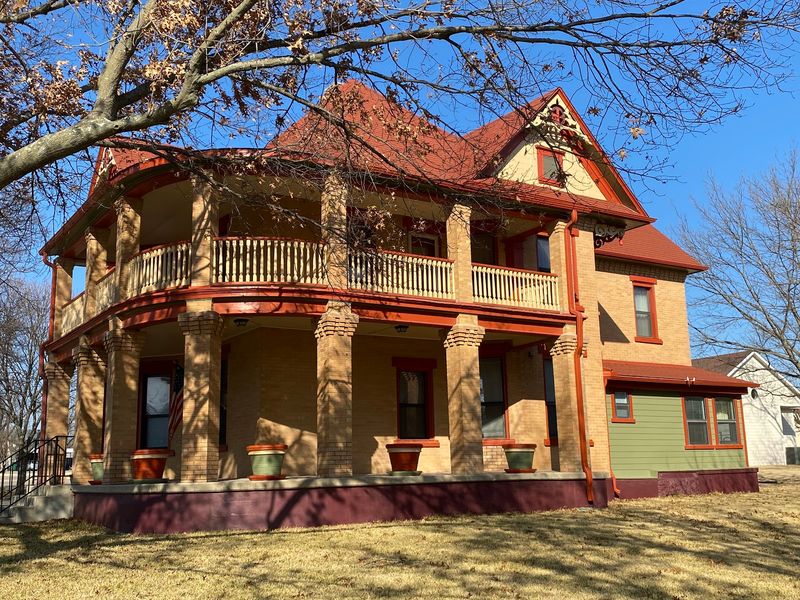
Muenster stands out in Cooke County with strong German traditions that locals proudly keep alive.
Founded by German Catholic settlers, the town has maintained a distinctive cultural identity that visitors can experience through food, festivals, churches, shops, and community traditions.
Muenster is especially well known for Germanfest, an annual celebration where music, dancing, sausage, beer, and community spirit bring the town to life.
Even outside festival season, visitors can notice the heritage in tidy streets, church steeples, local businesses, and the close-knit feeling that gives Muenster its character.
Local restaurants and markets offer opportunities to sample hearty favorites, so arrive ready for sausage, schnitzel, baked goods, and homemade desserts.
Small shops can also make it easy to find souvenirs without turning the visit into a typical shopping trip.
If you visit in spring, check the event calendar before traveling because Germanfest can draw large crowds and nearby lodging may fill quickly.
Outside major events, Muenster offers a quieter experience that lets you appreciate its history at your own pace.
It is a particularly good stop for travelers who enjoy communities where cultural traditions remain part of everyday life rather than existing only as a tourist attraction.
9. Schulenburg – Fayette County
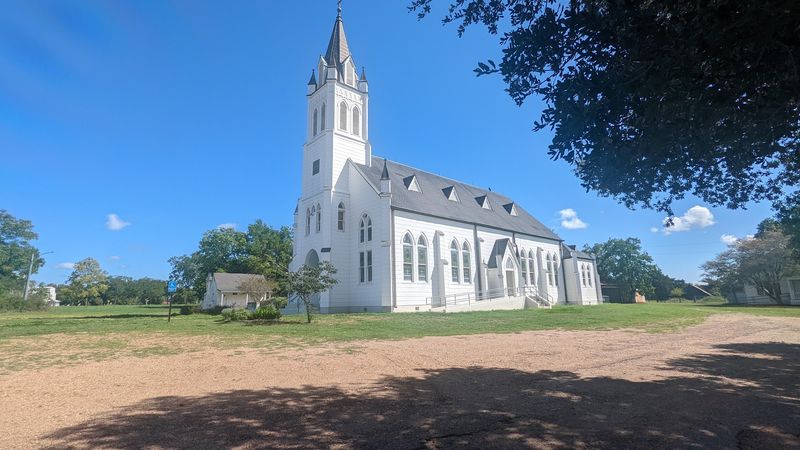
Bright painted churches give Schulenburg a special glow in Fayette County.
German and Czech influences both shape the town, creating a cultural blend that feels distinctly Central European while remaining unmistakably Texan.
Visitors often come specifically to see the famous Painted Churches, whose ornate interiors reward careful looking with elaborate colors, decorative patterns, and remarkable craftsmanship.
These churches are more than pretty photo stops; they reflect the immigrant communities that helped shape the region and preserved their traditions through faith and artistry.
Downtown Schulenburg provides another reason to slow down, with opportunities to browse antiques, enjoy baked treats, learn local history, and talk with people who know the area well.
The Stanzel Model Aircraft Museum adds an unexpected twist for travelers who enjoy quirky attractions and stories about local innovation.
Because several church sites are spread around the area, take your time driving between them rather than treating the experience like a race.
Bring a camera, dress appropriately, and remember that many of these buildings remain active places of worship.
A respectful visit makes the experience better for everyone.
Schulenburg is especially rewarding when you combine its architecture, history, food, and backroad scenery into one relaxed day.
10. Industry – Austin County
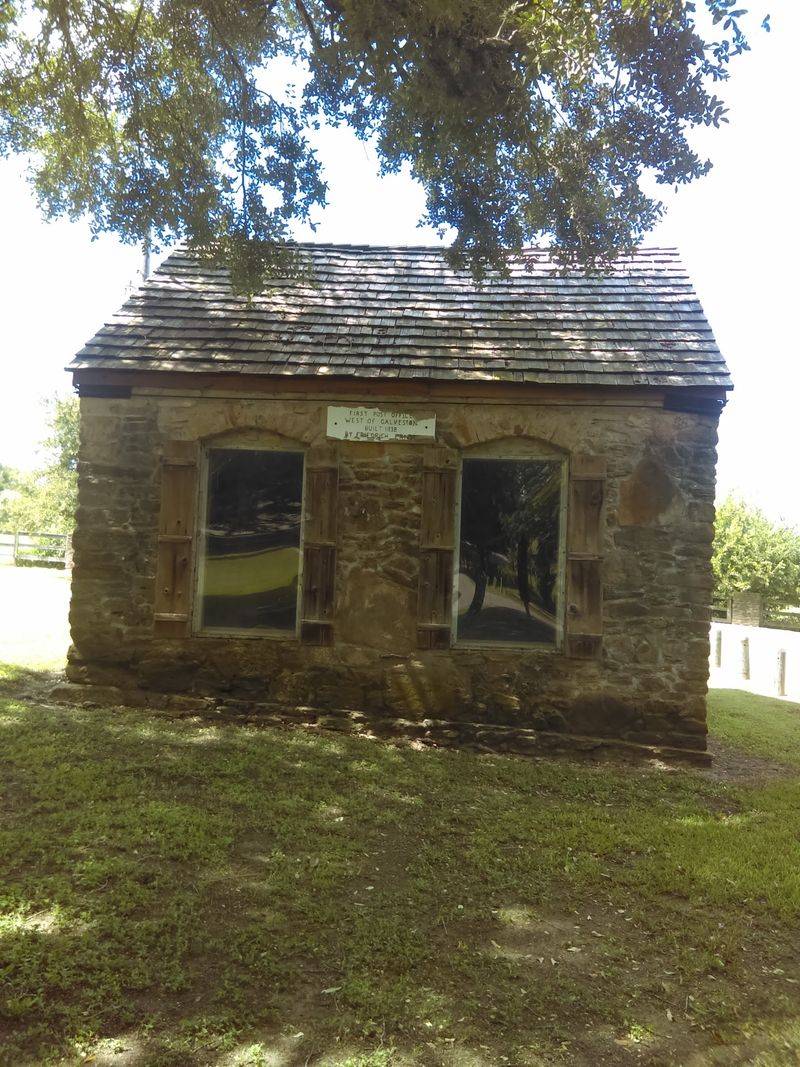
Industry may be small, but it carries deep German heritage in Austin County.
Founded by German immigrants in the nineteenth century, it is recognized as one of the oldest German settlements in Texas, giving the community an important place in the state’s immigrant history.
Unlike larger destinations with busy tourism districts, Industry offers a quieter experience built around country roads, historic sites, churches, cemeteries, and open countryside.
That slower pace makes it particularly appealing to travelers who enjoy backroad adventures and discovering places without crowds.
The community’s history becomes easier to appreciate when you take the time to notice older buildings, roadside markers, and landmarks connected to the settlers who established the area.
Industry is also conveniently positioned near destinations such as Bellville and Brenham, making it easy to include in a wider Central Texas day trip.
Pack snacks, fill up on fuel before heading into the countryside, and keep your itinerary flexible.
There may not be a long list of major attractions, but that is part of the charm.
Industry is about atmosphere, history, and scenery rather than checking off attractions.
Drive slowly, look around, and let the surrounding countryside tell part of the story.
11. Walburg – Williamson County
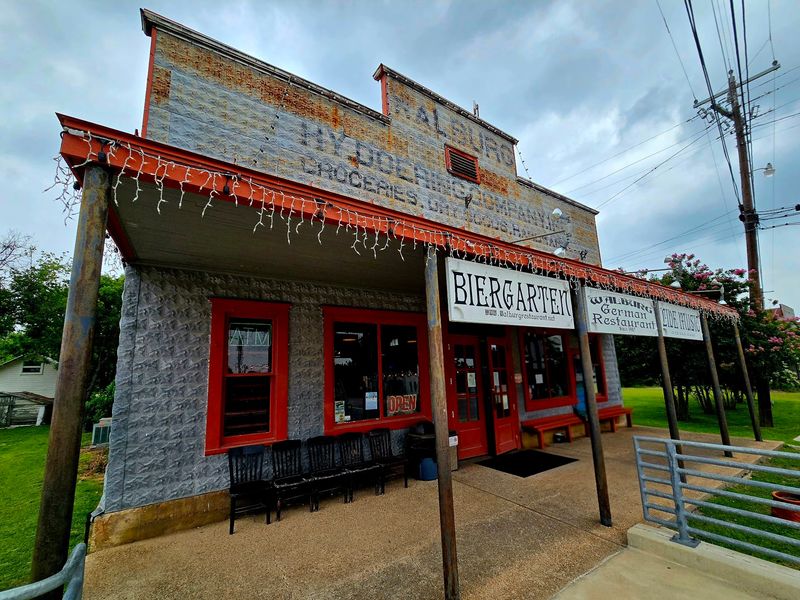
Step into Walburg and the smell of sausage can practically guide your visit through Williamson County.
This unincorporated community keeps its German roots visible through traditional food, historic buildings, local gathering places, and a famously festive spirit that makes it feel larger than its population suggests.
The historic church and welcoming community spaces give the area a traditional character without making it feel stuck in the past.
Many travelers come specifically for the German restaurant scene, which is reason enough to make the drive.
Hearty portions, sausages, schnitzel, German-style sides, and other comfort foods make Walburg a destination for anyone who believes a road trip should include a memorable meal.
Sharing plates can be a smart strategy if you want to sample several flavors without leaving completely stuffed.
Check for seasonal events before visiting because festivals and live music can add another layer of energy to the community.
Walburg also pairs nicely with nearby Georgetown, allowing travelers to combine German-Texan food and heritage with shopping, historic streets, and other Central Texas attractions.
Come hungry, bring an appetite for local character, and give yourself enough time to enjoy the meal instead of rushing back onto the highway.