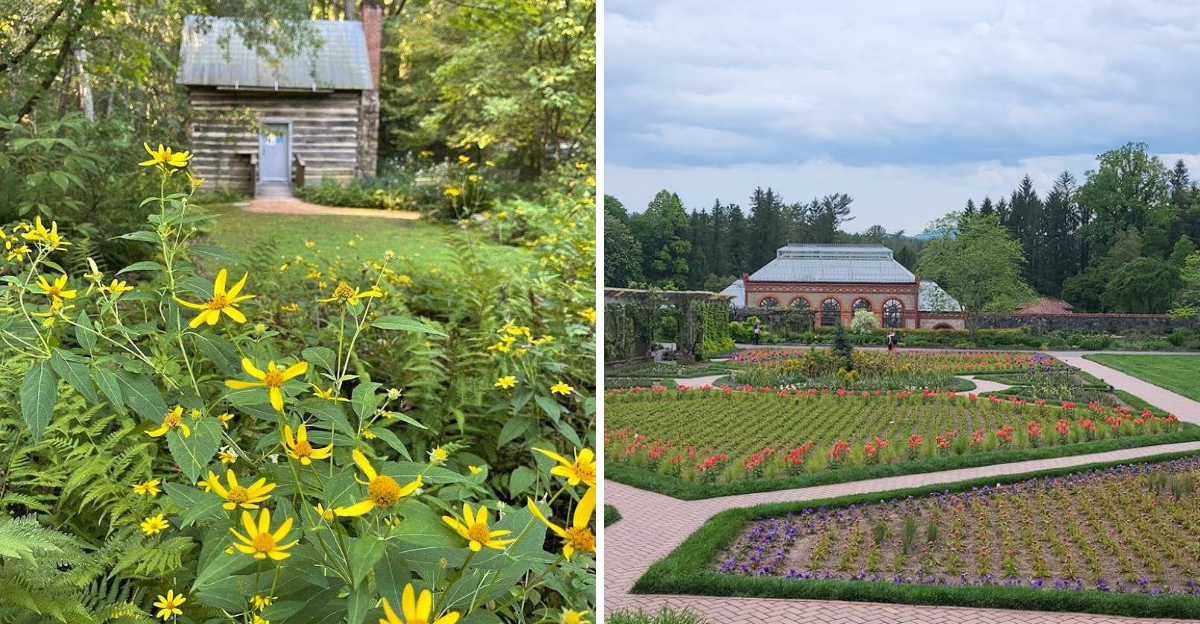
North Carolina doesn’t quietly enter spring—it erupts in color.
Across the state, gardens shake off winter and turn into waves of blooming trees, bright petals, and soft green growth. Tulips open in neat rows, azaleas spill over paths, and flowering trees turn entire walkways into glowing tunnels.
Every stop feels different. Some gardens feel grand and historic, others feel calm and hidden, but all of them pull you into the season in a way that’s hard to walk away from.
This is the time when North Carolina feels lighter, brighter, and almost unreal in its beauty. From mountain towns to coastal corners, spring turns every visit into something you remember long after you leave.
Sarah P. Duke Gardens (Durham)
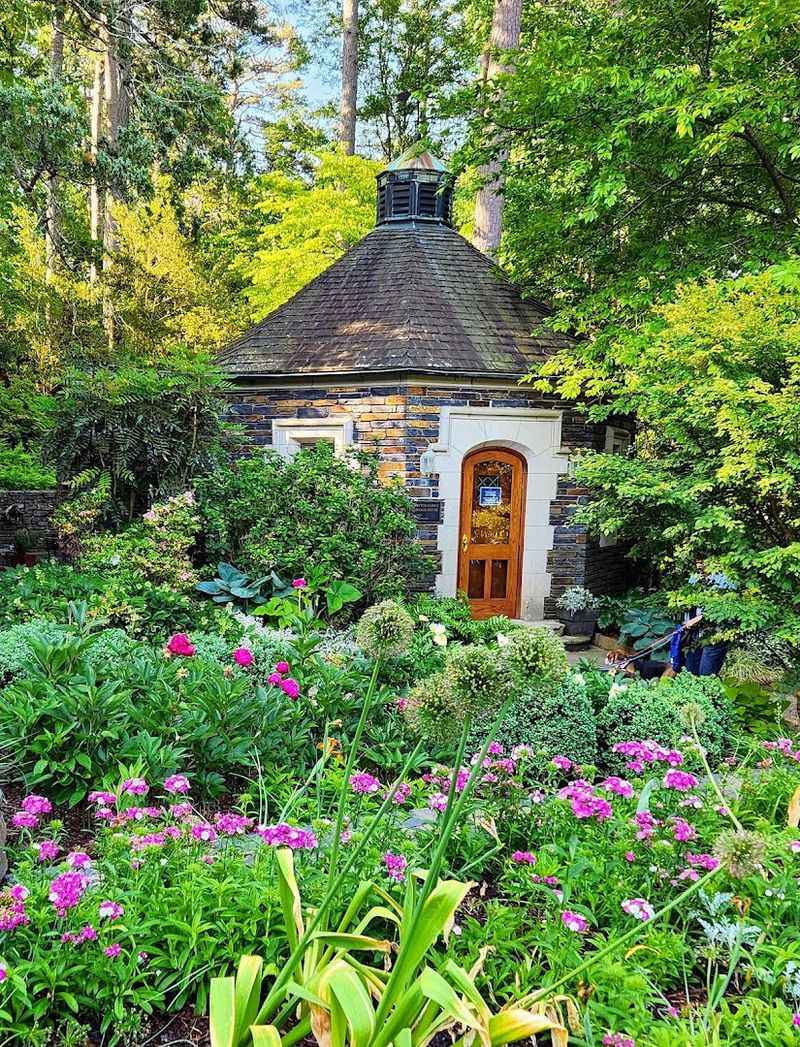
Picture yourself wandering through fifty-five acres of pure springtime magic in the heart of Durham. This iconic garden transforms into a painter’s dream when warm weather arrives, with thousands of tulips creating rivers of color alongside delicate cherry blossoms.
The terraced landscapes here aren’t just pretty to look at—they’re designed to guide you through different garden rooms, each with its own personality. You’ll find peaceful reflecting pools that mirror the blooming trees above, while winding stone paths lead you past banks of cheerful irises and clusters of vibrant azaleas.
Families love visiting on weekends when the garden hosts special spring programs and guided tours. The Blomquist Garden of Native Plants really shines this time of year with woodland wildflowers carpeting the forest floor.
Admission stays free year-round, making it easy to visit multiple times throughout bloom season. Bring a picnic blanket and spend the afternoon relaxing among some of the Southeast’s most breathtaking spring displays.
J.C. Raulston Arboretum (Raleigh)
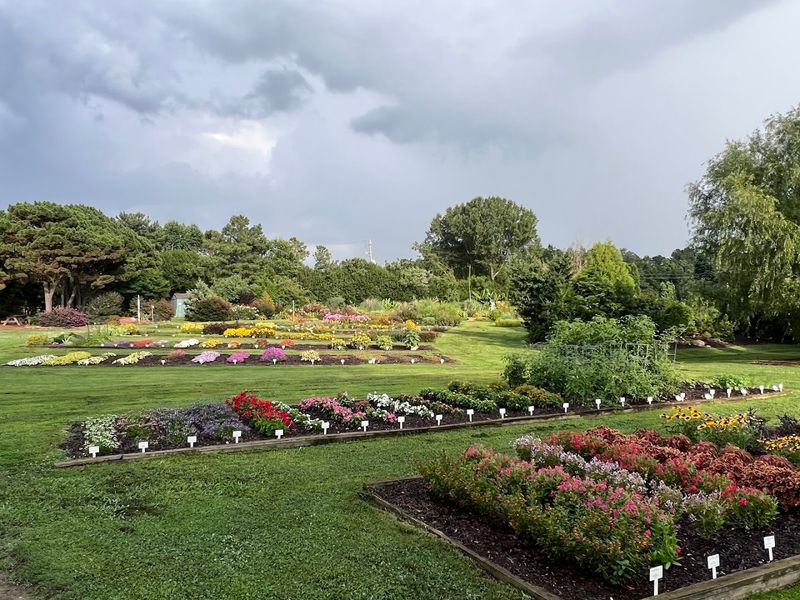
Did you know over 6,000 different plant varieties call this place home? That’s what makes the Raulston Arboretum feel like stepping into a living plant encyclopedia where spring brings out the most spectacular chapters.
Plant collectors and curious gardeners flock here to see rare specimens you won’t find at typical gardens. The magnolia collection alone includes dozens of varieties, each blooming at slightly different times to extend the viewing season.
Flowering dogwoods arch over pathways creating natural tunnels of white and pink petals.
What really sets this arboretum apart is its experimental approach—researchers here test new plant varieties to see how they perform in North Carolina’s climate. Walking through in spring means seeing the fruits of this work firsthand as unusual specimens show off their blooms.
The Japanese Garden section becomes particularly magical during peak season with carefully pruned shrubs and delicate spring bulbs. Best of all, admission costs nothing, and the grounds stay open every single day of the year.
Daniel Stowe Botanical Garden (Belmont)
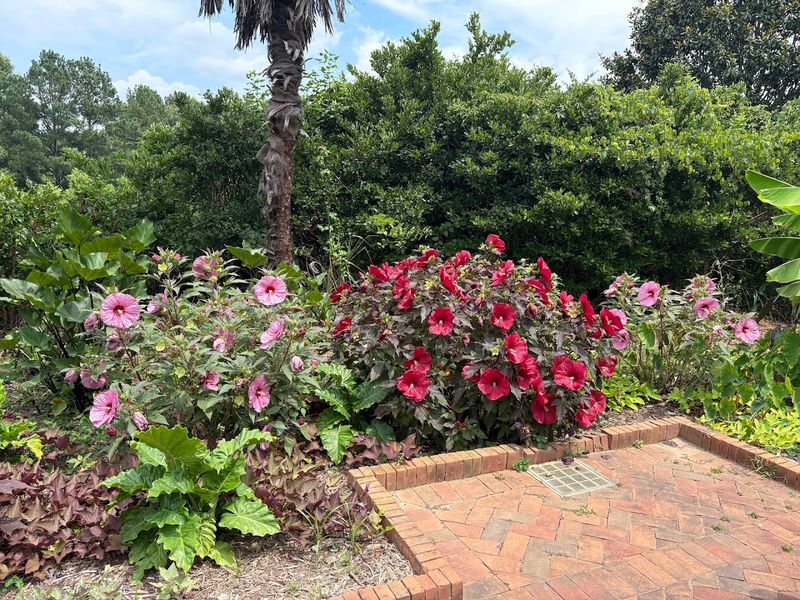
Imagine walking through fields where 500,000 spring bulbs create waves of color stretching toward the horizon. Daniel Stowe turns springtime into an art form with its famous orchid conservatory and incredible outdoor displays working together.
The formal gardens here blend European design principles with Southern charm, resulting in landscapes that feel both elegant and welcoming. Tulip borders line the paths in organized patterns, while naturalized daffodils dot the meadow areas like scattered sunshine.
Photographers arrive early in the morning to catch the soft light illuminating the flowering trees that frame Lake Wylie in the background. The Garden Pavilion offers stunning views across the entire property, perfect for understanding how everything connects.
Spring also brings the garden’s famous Orchids! event where rare tropical blooms fill the conservatory. Outside, native dogwoods and redbuds add layers of pink and white throughout the woodland areas.
Plan at least three hours for your visit because there’s truly that much to explore across these gorgeous grounds.
Biltmore Estate Gardens (Asheville)
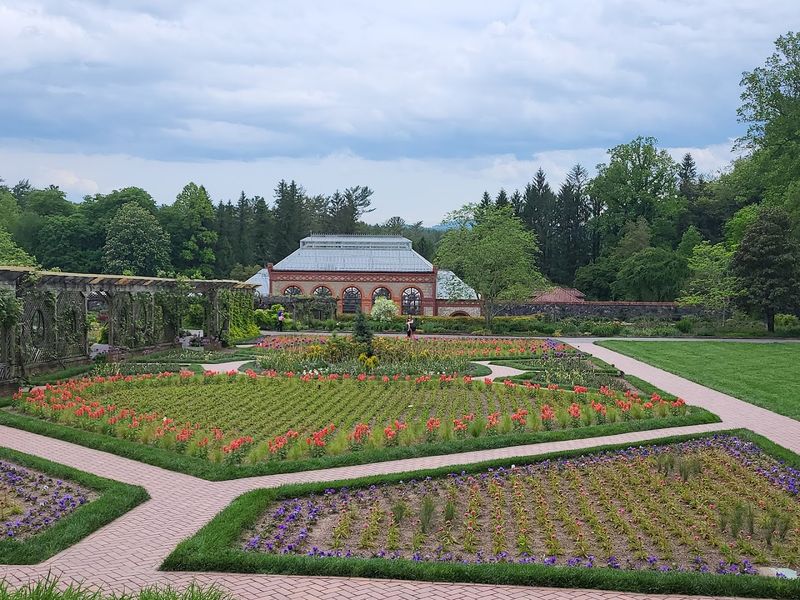
Few places can match the grandeur of gardens designed by the same landscape architect who created Central Park. Frederick Law Olmsted crafted these grounds in the 1890s, and his vision still takes your breath away every spring.
The Walled Garden alone covers four acres with carefully organized beds bursting into coordinated color schemes. Rhododendrons taller than most people create living walls of pink, purple, and red blooms that seem almost unreal in their abundance.
What makes spring here extra special is the mountain setting—azalea blooms glow against the misty Blue Ridge peaks rising behind the estate. Wisteria drapes over stone structures adding cascades of fragrant purple flowers to the already impressive display.
The Spring Garden becomes a tulip showcase with thousands of bulbs arranged in Victorian-era patterns. Walking these paths feels like time-traveling to an era when gardening was considered high art.
Estate admission includes the gardens, though visiting during weekdays helps avoid crowds. Bring comfortable shoes because these historic grounds cover more territory than you’d expect.
Airlie Gardens (Wilmington)
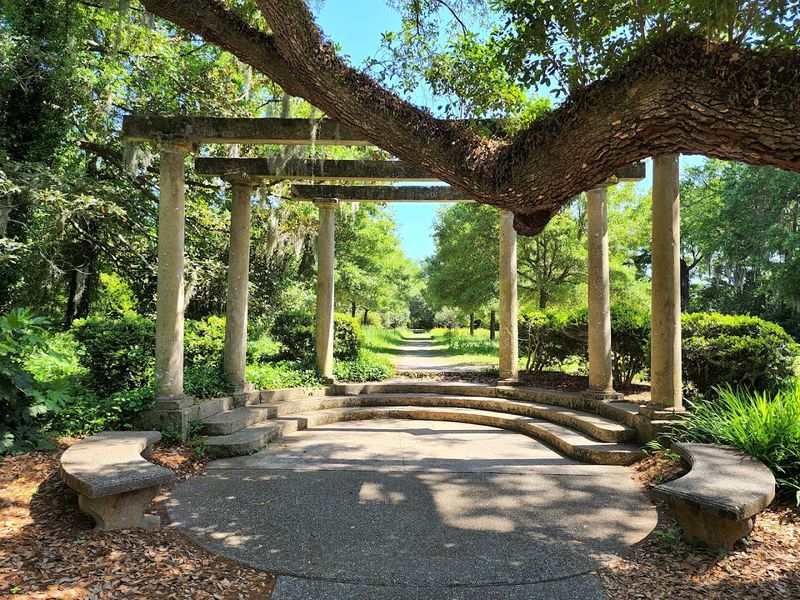
Coastal gardens have their own special atmosphere, and Airlie captures it perfectly beneath centuries-old live oaks draped in Spanish moss. Spring here feels gentler somehow, with ocean breezes carrying the sweet scent of azalea blooms through historic landscapes.
The Airlie Oak, estimated at 467 years old, anchors the property like a wise elder watching over the seasonal changes. Beneath its massive canopy, azaleas create a colorful understory that peaks in March and April with jaw-dropping displays.
Camellias start the spring show even earlier, sometimes blooming in late winter with glossy leaves setting off their perfect rose-like flowers. The formal gardens transition into naturalized areas where walking paths wind past freshwater lakes and butterfly gardens.
Wilmington’s maritime climate means spring arrives earlier here than in other parts of North Carolina, making Airlie ideal for early-season visits. The historic Corbett-Hines House adds architectural interest to your garden stroll.
Wildlife viewing opportunities abound with resident alligators and migrating birds making seasonal appearances throughout the grounds.
Reynolda Gardens (Winston-Salem)
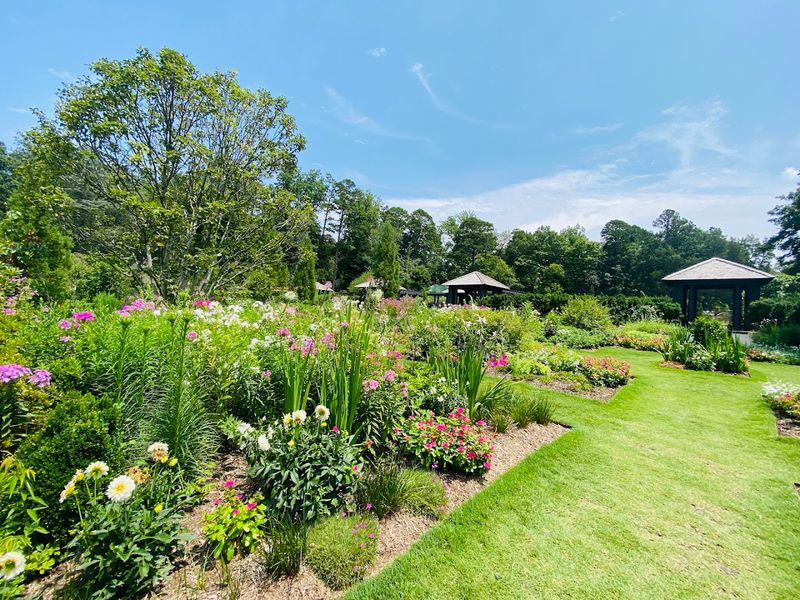
History and horticulture merge beautifully at this former Reynolds tobacco family estate where spring brings carefully restored gardens back to their original glory. Walking these grounds feels like visiting a friend’s exceptionally well-maintained backyard—if that friend happened to be fabulously wealthy in the 1920s.
The formal beds showcase classic spring combinations with tulips rising alongside emerging perennials and freshly pruned shrubs leafing out in bright green. Rose enthusiasts should visit in late spring when the collection begins its impressive display.
Unlike some larger public gardens, Reynolda maintains an intimate scale that makes it feel accessible and relaxing. You can explore the entire property in an hour or two without feeling rushed or overwhelmed.
The greenhouse conservatory operates year-round, but spring visits allow you to enjoy both indoor tropical displays and outdoor seasonal blooms. Educational programs run throughout the season, teaching visitors about historic gardening techniques and plant care.
Free admission and convenient Winston-Salem location make this garden perfect for repeat visits as different plants reach peak bloom throughout the spring months.
North Carolina Botanical Garden (Chapel Hill)
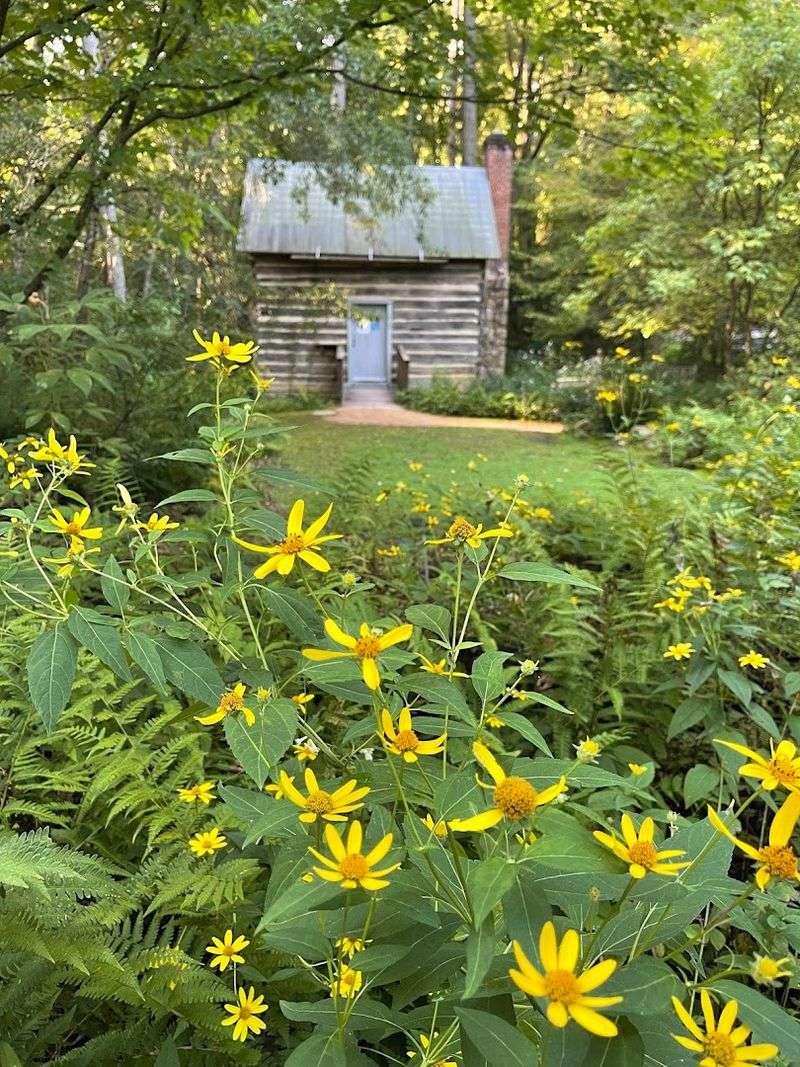
Ever wonder what North Carolina looked like before extensive development changed the landscape? This garden dedicates itself to preserving and showcasing the state’s native plant heritage, making spring visits educational adventures through natural beauty.
Woodland trails explode with wildflowers including delicate trilliums, nodding columbine, and colorful native azaleas that don’t require fancy breeding to impress. These plants evolved here over thousands of years, perfectly adapted to local conditions and supporting native wildlife.
The Totten Center features carnivorous plant collections and regional habitat displays. Outside, different garden areas represent various North Carolina ecosystems from mountain coves to coastal plains, each highlighting seasonal native blooms.
Spring peepers and early butterflies add soundtrack and movement to your garden exploration. Interpretive signs throughout the trails explain ecological relationships and conservation efforts, helping visitors understand why native plants matter.
Photography enthusiasts appreciate the natural settings that showcase plants as they actually grow in the wild. The garden’s commitment to sustainability and education sets it apart from more ornamental collections, offering a different perspective on spring beauty.
Elizabethan Gardens (Manteo)
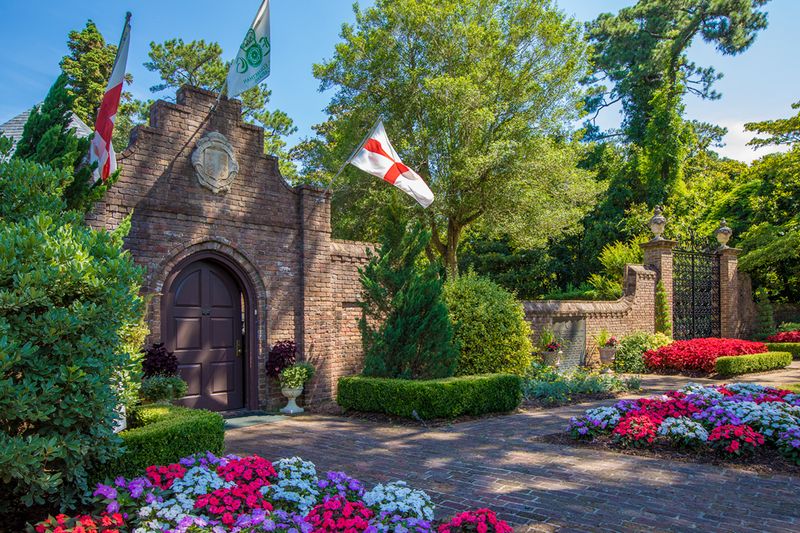
Out on the Outer Banks where salt air meets carefully cultivated beauty, this garden tells a unique story connecting English heritage with American coastal landscapes. The statue of Queen Elizabeth I watches over spring blooms that blend Old World design with New World resilience.
Classical elements like symmetrical beds and formal pathways create structure, while seasonal plantings add bursts of color adapted to maritime conditions. Spring roses begin their show in late April, taking advantage of the mild coastal climate.
Hydrangeas thrive here thanks to the humid ocean environment, though they peak slightly later in early summer. Sculpted evergreens provide year-round greenery that makes spring flowers pop even more dramatically against the structured backdrop.
The Great Lawn offers sweeping views perfect for special events and photography. Ocean breezes keep temperatures comfortable even on warmer spring days, making this a pleasant destination when inland areas might already feel hot.
Visiting here combines beach vacation vibes with serious garden appreciation. The Roanoke Island Festival Park sits nearby, allowing you to blend history and horticulture in one memorable outing.
Cape Fear Botanical Garden (Fayetteville)
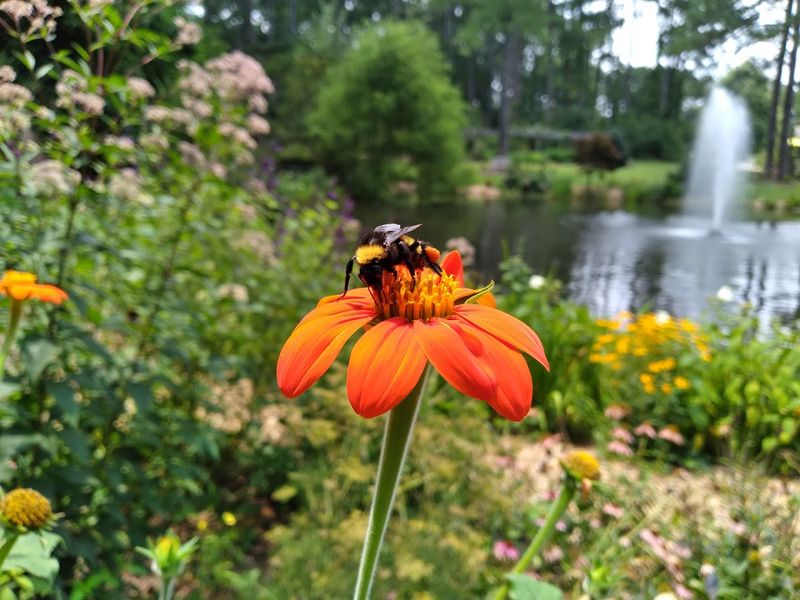
Riverside locations bring something extra to garden visits, and this Fayetteville treasure uses its Cape Fear River setting to stunning effect. Terraced gardens descend toward the water, creating layers of blooms at different elevations.
The Heritage Garden celebrates plants that have sustained people throughout history, many of which bloom prolifically in spring. Azaleas naturalized throughout the woodland areas create drifts of color beneath towering loblolly pines.
Magnolia trees, both native and cultivated varieties, perfume the air with their distinctive springtime fragrance. The Children’s Garden comes alive with interactive displays that help young visitors connect with plants through hands-on exploration.
Spring perennials fill the formal beds with coordinated color schemes that change as the season progresses. Early bloomers like daffodils and crocuses give way to later-season performers including alliums and early-summer perennials.
The garden’s commitment to sustainable practices shows in the healthy plant communities and wildlife populations. River views add peaceful water elements to your garden stroll, and benches placed throughout encourage lingering to fully absorb the seasonal beauty surrounding you.
Paul J. Ciener Botanical Garden (Kernersville)
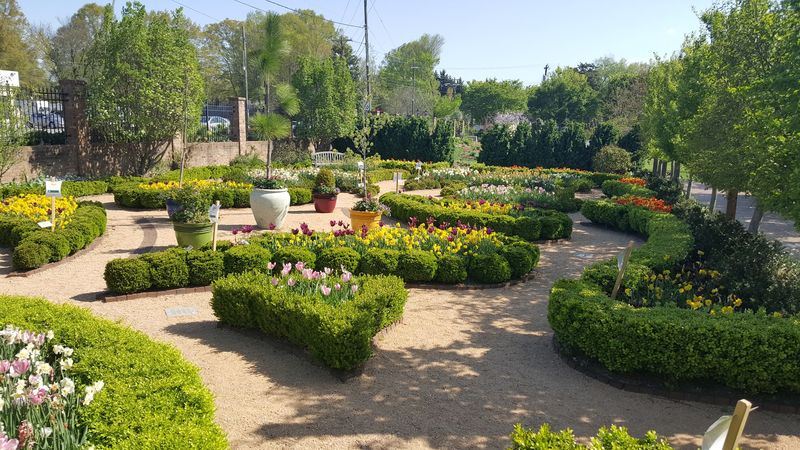
Sometimes the best surprises come in smaller packages, and this urban gem proves you don’t need hundreds of acres to create spectacular spring displays. Kernersville’s botanical garden packs impressive variety into its thoughtfully designed compact space.
Structured beds showcase peak-season combinations with early tulips transitioning into later-blooming perennials and ornamental shrubs. The garden’s curators clearly understand color theory, arranging plants to create harmonious yet exciting visual experiences.
Each garden room offers distinct character from formal plantings to more relaxed cottage-style borders. Spring brings coordinated bloom sequences carefully planned so something always steals the show throughout the entire season.
Urban gardeners find inspiration here because the scaled-down designs translate well to residential properties. Demonstration areas show practical techniques for incorporating spring bloomers into home landscapes.
The garden’s manageable size means you can visit during a lunch break or short afternoon outing without feeling rushed. Yet despite the compact footprint, you’ll discover surprising diversity and attention to detail that rewards close observation.
Spring truly represents this garden’s finest hour with every bed contributing to an orchestrated celebration of seasonal color.