Spring brings new life to Pennsylvania’s waterways, transforming lakes into sparkling showcases of nature’s renewal.
As ice melts and forests turn bright green, these bodies of water become perfect destinations for outdoor enthusiasts seeking peaceful escapes.
From massive reservoirs to intimate natural lakes, Pennsylvania offers diverse aquatic landscapes that truly come alive between March and June.
Whether you’re looking to paddle calm waters, spot migrating birds, or simply enjoy scenic shoreline walks, these eleven lakes provide unforgettable springtime experiences.
Lake Wallenpaupack
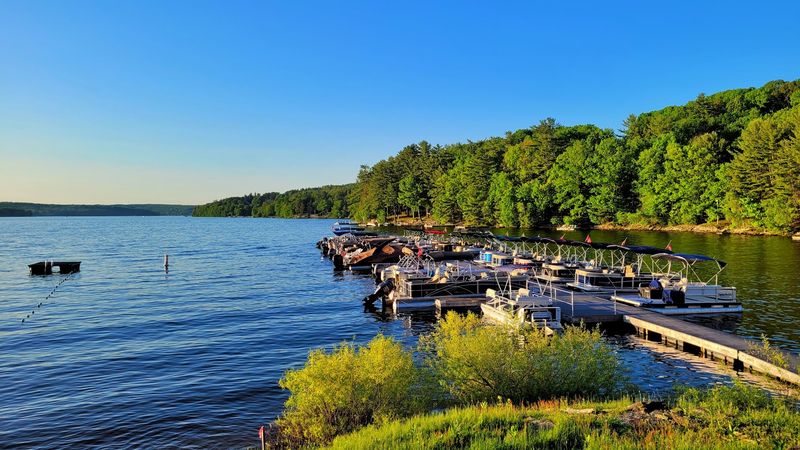
Spanning over 5,700 acres, this massive reservoir dominates the Pocono Mountains region with breathtaking vistas. Created in 1926 as a hydroelectric project, Wallenpaupack has evolved into one of the state’s premier recreational destinations.
The transformation from winter ice to spring brilliance happens gradually, revealing crystal-clear waters perfect for early-season adventures.
Springtime visitors enjoy miles of undeveloped shoreline ideal for exploration. Wildlife becomes notably active during these months, with bald eagles often spotted soaring above the water searching for fish.
The surrounding woodlands burst with wildflowers, creating colorful backdrops for photographers and nature lovers alike.
Rental facilities open their doors as temperatures warm, offering kayaks, canoes, and paddleboards for water exploration. Several marinas provide boat launches and fishing supplies for anglers targeting walleye, bass, and trout.
The 32-mile shoreline features numerous hiking trails and picnic areas where families gather to enjoy moderate weather away from summer’s heat and crowds.
Raystown Lake
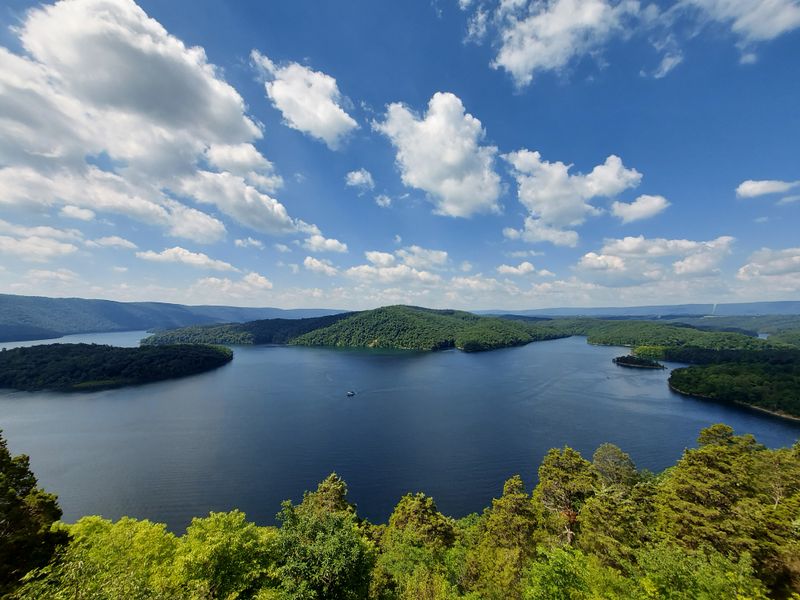
Hidden among central Pennsylvania’s mountains lies this 8,300-acre gem created by the Army Corps of Engineers. Raystown’s deep waters and numerous coves make it exceptionally appealing during spring months.
Morning mist often rises from the surface, creating mystical scenes that photographers rush to capture before the fog lifts.
Bird watchers flock here between March and May to witness spectacular migrations. Ospreys return to their nesting platforms, while warblers fill the trees with colorful plumage and melodic songs.
The lake’s 118 miles of shoreline provide endless opportunities for discovering secluded spots where nature unfolds undisturbed by heavy foot traffic.
Several campgrounds and day-use areas open their gates as warmer weather arrives. Anglers particularly enjoy the cooler water temperatures that bring fish closer to shore, making catches more frequent.
Hiking trails around the lake showcase spring wildflowers including trillium, bloodroot, and jack-in-the-pulpit. Seven modern marinas rent boats and equipment for visitors eager to explore hidden coves and islands scattered throughout the reservoir’s expanse.
Lake Nockamixon
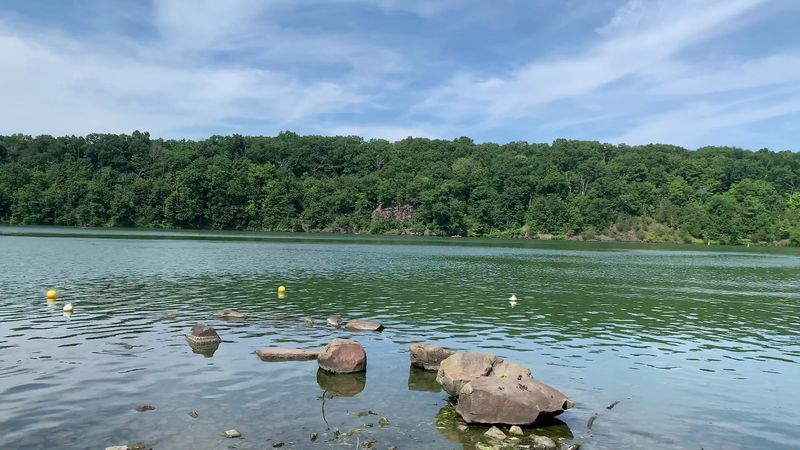
Nestled in Bucks County’s rolling landscape, this 1,450-acre reservoir offers quintessential springtime beauty. Cherry and dogwood trees surrounding the shoreline burst into bloom during April, painting the hillsides with white and pink blossoms.
The relatively shallow waters warm quickly, making it more inviting than deeper lakes for early-season swimmers and paddlers.
State park facilities include expansive picnic groves perfect for family gatherings. Multiple boat launches accommodate various watercraft, from sailboats catching spring breezes to fishing boats seeking crappie and bass.
The marina rents equipment and provides fuel for boaters planning full-day excursions on the water.
Over 10 miles of trails wind through the park, offering spectacular lakeside views and forest exploration. Cyclists particularly enjoy the paved paths that connect different recreation areas.
Spring visitors often encounter white-tailed deer, red foxes, and numerous songbird species. The beach area prepares for summer opening, but springtime offers peaceful shores for walking and wildlife observation without crowded conditions typical of warmer months.
Lake Arthur
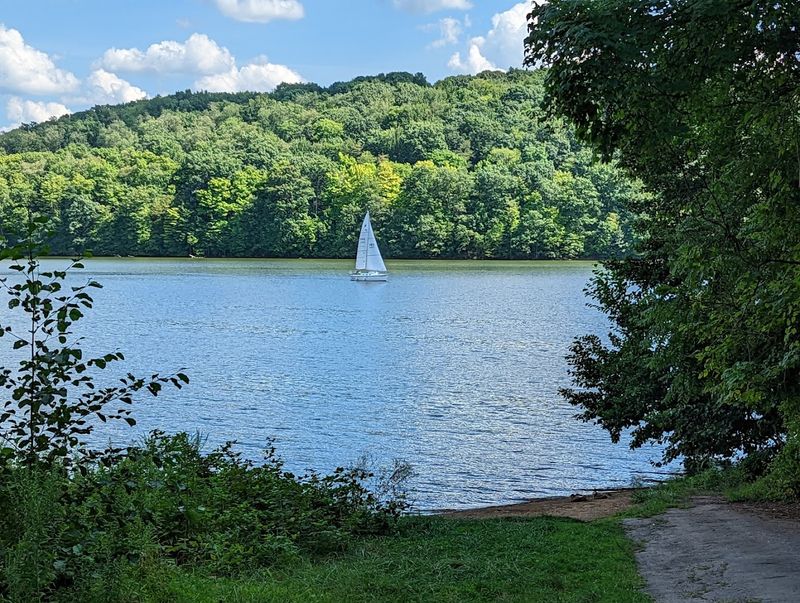
Moraine State Park’s centerpiece stretches across 3,225 acres of pristine water surrounded by conservation lands. Formed by glacial activity thousands of years ago, the landscape retains unique geological features visible during shoreline explorations.
Spring rains keep water levels high, creating ideal conditions for sailing enthusiasts who appreciate consistent breezes across the open expanse.
The park’s extensive trail system attracts cyclists from across the region. Over 7 miles of paved paths follow the northern shoreline, offering continuous water views and opportunities to spot returning waterfowl.
Mountain biking trails weave through forests showcasing emerging spring foliage, from pale green beech leaves to bright yellow forsythia blooms.
Two modern marinas serve boaters and anglers targeting muskellunge, northern pike, and various panfish species. Kayakers enjoy exploring numerous coves and inlets that remain quiet during spring months.
The park’s environmental education center offers programs about local ecology and seasonal wildlife changes. Picnic areas scattered around the lake provide perfect lunch stops for families spending full days enjoying moderate temperatures and natural beauty before summer crowds arrive.
Beltzville Lake
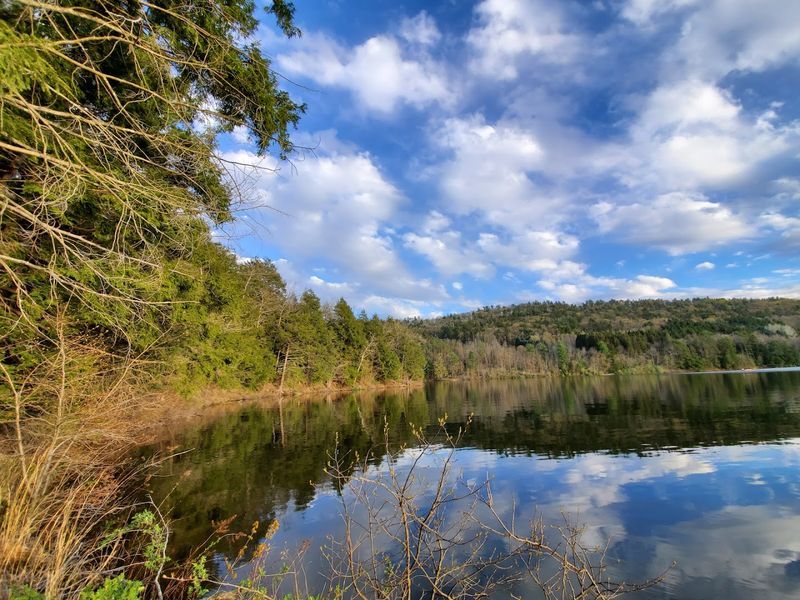
Cradled within the Pohopoco Mountains, this 949-acre reservoir offers some of the clearest water in Pennsylvania. The U.S.
Army Corps of Engineers maintains the lake primarily for flood control, but recreation opportunities abound during warmer months. Spring snowmelt from surrounding peaks feeds the lake, creating notably cool and refreshing water perfect for adventurous swimmers and paddlers.
Towamensing Trails surrounding the lake provide challenging hikes with rewarding elevation changes. Wildflowers including columbine, violets, and mayapples carpet the forest floor during April and May.
The steep hillsides showcase dramatic views of the lake nestled between mountain ridges, creating postcard-worthy scenes around every bend.
Fishing enthusiasts target stocked trout that thrive in the cold spring waters. The beach area typically opens by Memorial Day, but early visitors enjoy peaceful shoreline access without lifeguard-managed crowds.
Multiple parking areas and picnic facilities accommodate day-trippers seeking mountain lake experiences. The quiet atmosphere and crisp mountain air make this location particularly appealing for those wanting genuine escape from urban environments and everyday stress.
Promised Land Lake
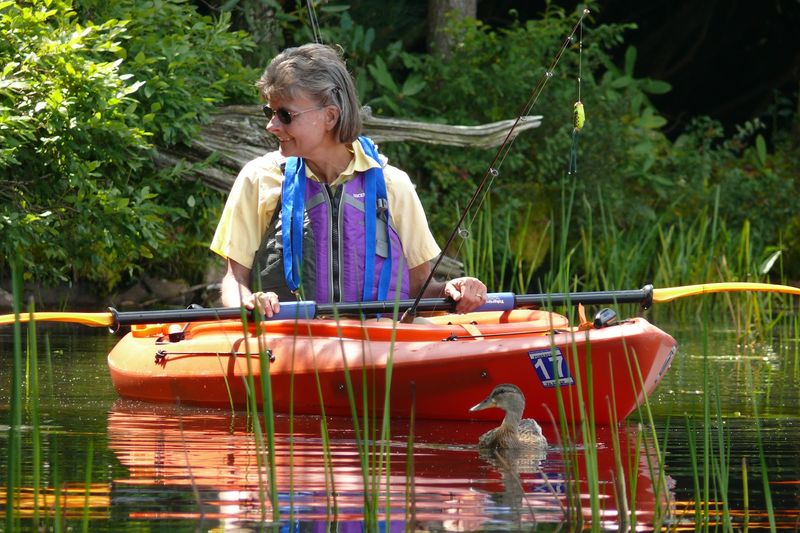
This 422-acre glacial lake sits at the heart of Promised Land State Park in the Pocono Mountains. Native Americans once inhabited these lands, and their historical presence adds mystique to the natural setting.
The lake’s relatively high elevation means spring arrives slightly later than surrounding regions, but the wait rewards visitors with spectacular displays of blooming rhododendrons and mountain laurels.
Wetlands bordering much of the shoreline create exceptional habitat for migrating birds. Great blue herons wade through shallow areas hunting for fish and frogs.
Wood ducks nest in cavities along the shore, their distinctive calls echoing across the water during early morning hours.
Two boat launches provide access for canoes and kayaks, though motor restrictions maintain peaceful conditions. The park’s 50 miles of trails include several that loop around the lake, offering intimate views of aquatic ecosystems awakening from winter dormancy.
Environmental programs teach visitors about bog ecology and native plant species. Spring camping opens in April, allowing overnight visitors to experience dawn mist rising off the lake and evening choruses of spring peepers filling the air with their high-pitched calls.
Gouldsboro Lake
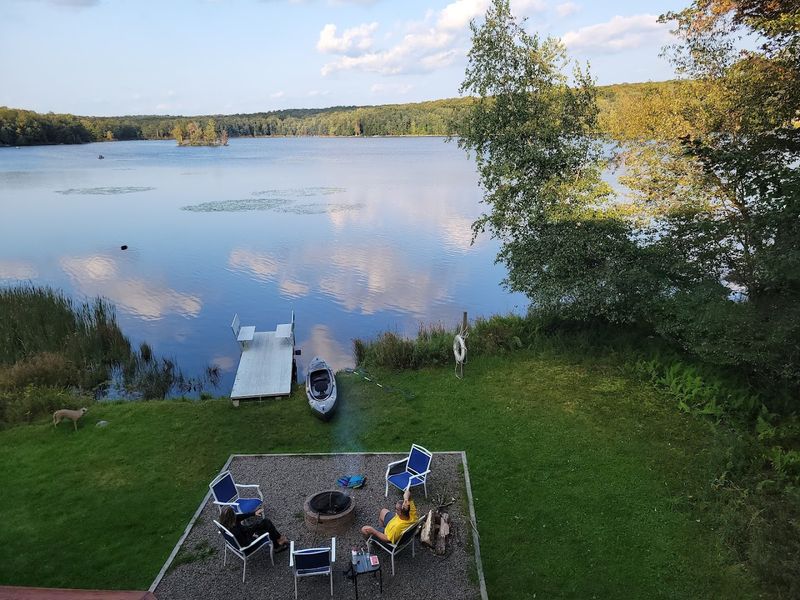
Tucked away in Gouldsboro State Park, this 250-acre lake offers intimate encounters with nature’s springtime renewal. Dense hemlock and hardwood forests surround the entire shoreline, creating a sense of wilderness rarely found in developed areas.
The relatively small size means you can paddle the perimeter in a few hours while enjoying constantly changing forest scenery.
Photography enthusiasts find endless subjects here during spring months. Morning reflections create mirror images of newly leafed trees on the glass-like surface.
Fog often lingers until mid-morning, adding ethereal quality to landscape shots. Wildlife becomes increasingly active, with beavers working on lodges and river otters occasionally spotted playing near the shore.
Anglers appreciate the lake’s reputation for producing quality bass, pickerel, and yellow perch. Fishing from shore proves productive at several accessible points around the lake.
A small beach area provides swimming opportunities once water temperatures rise. The park’s quiet atmosphere and lack of motorized boats create perfect conditions for meditation, nature study, or simply unplugging from digital distractions while surrounded by Pennsylvania’s beautiful springtime forests and pristine water.
Conneaut Lake
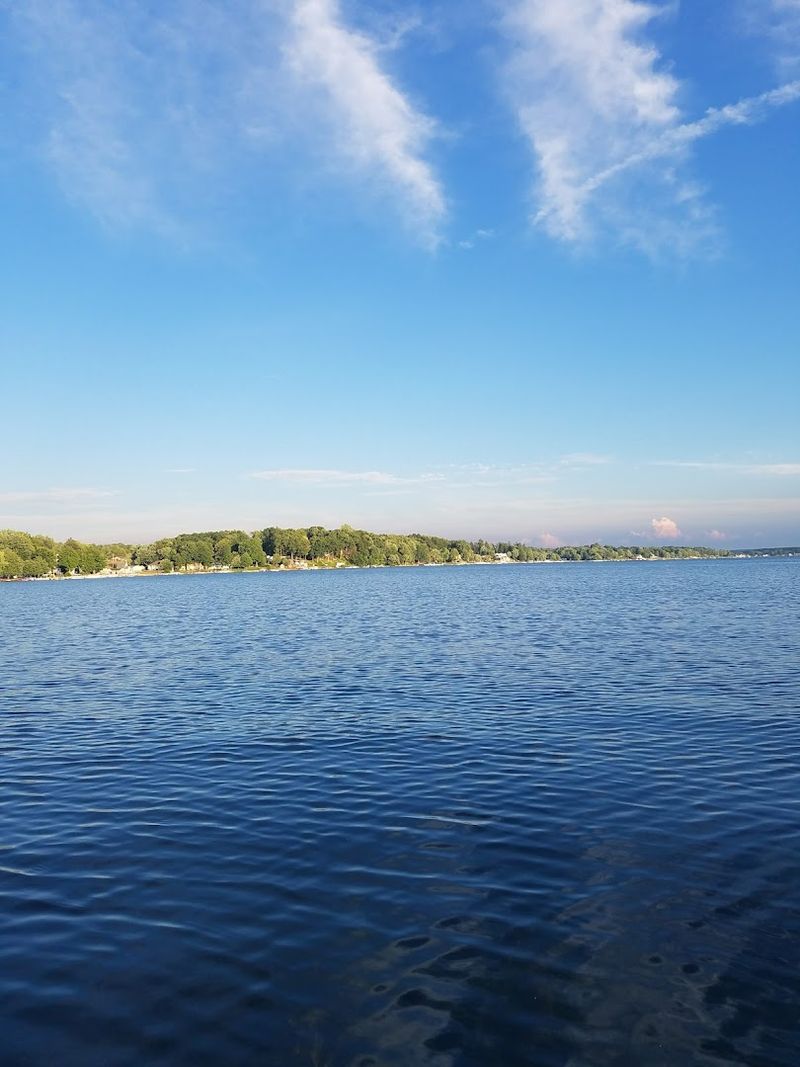
Pennsylvania’s largest natural lake covers approximately 925 acres in Crawford County. Unlike reservoir cousins, Conneaut formed naturally through glacial processes, giving it unique ecological characteristics and surprisingly diverse depth variations.
Historic resort communities dot the shoreline, their Victorian-era buildings adding nostalgic charm to springtime visits.
As temperatures warm, the lake transitions from winter quiet to recreational activity. Boat launches welcome returning seasonal residents who’ve stored watercraft during cold months.
Fishing boats appear first, with anglers pursuing walleye, yellow perch, and muskellunge in waters recently freed from ice cover. The shallow areas warm faster, attracting baitfish and the predators that follow them.
Springtime walks along the public beach and park areas reveal changing landscapes as grass greens and trees bud. Local shops and restaurants begin extended hours, though peak tourist season remains weeks away.
This transitional period offers wonderful opportunities to enjoy lakefront amenities without summer crowds. Several historic hotels and bed-and-breakfasts open their doors, welcoming guests seeking peaceful weekends exploring natural beauty and small-town hospitality that has defined this lake community for over a century.
Presque Isle Bay
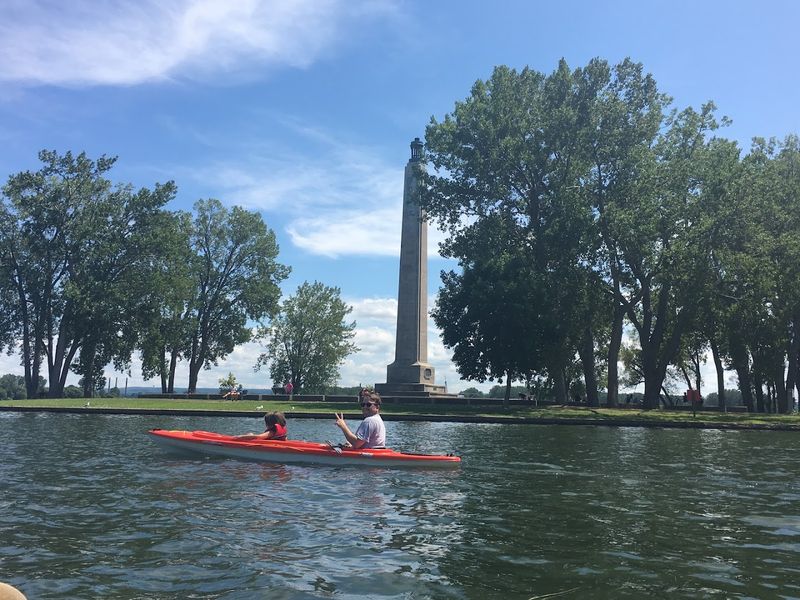
Where Presque Isle’s famous peninsula curves protectively around this sheltered bay, springtime creates exceptional conditions for nature observation. Connected to mighty Lake Erie, the bay benefits from the Great Lake’s ecological richness while maintaining calmer waters ideal for paddling and sailing.
Temperatures moderate more slowly here than inland lakes, but spring migration spectacles justify any lingering chill.
Birdwatchers from across North America visit during April and May to witness incredible migrations. Over 320 bird species have been documented in the area, with spring bringing dramatic flights of warblers, waterfowl, and raptors.
The peninsula serves as crucial stopover habitat for exhausted travelers crossing Lake Erie, creating concentration points where rare species appear regularly.
Multiple beaches begin preparations for summer visitors, but spring offers peaceful shoreline walking without crowds. Fishing piers provide access to excellent smallmouth bass, yellow perch, and walleye populations.
The park’s paved multi-use trail connects beaches, wetlands, and forest areas across 13 miles of scenic terrain. Sunset viewing becomes increasingly popular as days lengthen, with the western sky painting brilliant colors across the bay’s calm waters.
Tuscarora Lake
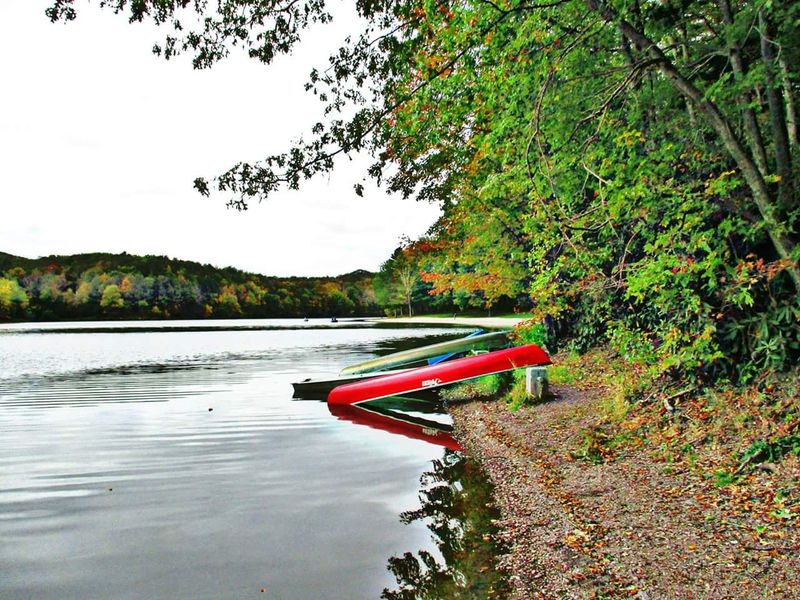
Deep within Tuscarora State Park, this 96-acre lake embodies tranquil forest-surrounded beauty. The intimate size creates a sense of discovery, as if you’ve stumbled upon a hidden mountain pool rather than a developed recreation area.
Old-growth trees tower over much of the shoreline, their massive trunks and spreading branches creating cathedral-like spaces beneath the forest canopy.
Spring wildflower displays rival any in Pennsylvania. Trillium, jack-in-the-pulpit, and Solomon’s seal bloom along hiking trails that circle the lake.
Ferns unfurl their delicate fronds while skunk cabbage emerges in wetland areas, its unusual flowers appearing before most other plants awaken. Nature photographers find subjects at every turn during this season of rapid growth and change.
A small boat launch accommodates non-motorized watercraft, maintaining the peaceful atmosphere. Anglers wade into shallow areas casting for bass and panfish while herons hunt from fallen logs.
The park’s rustic camping areas open seasonally, though spring visitors often have sites to themselves. This lesser-known destination rewards those willing to venture off main tourist routes with authentic wilderness experiences and stunning seasonal beauty unmarred by commercial development or overcrowding.
Frances Slocum Lake
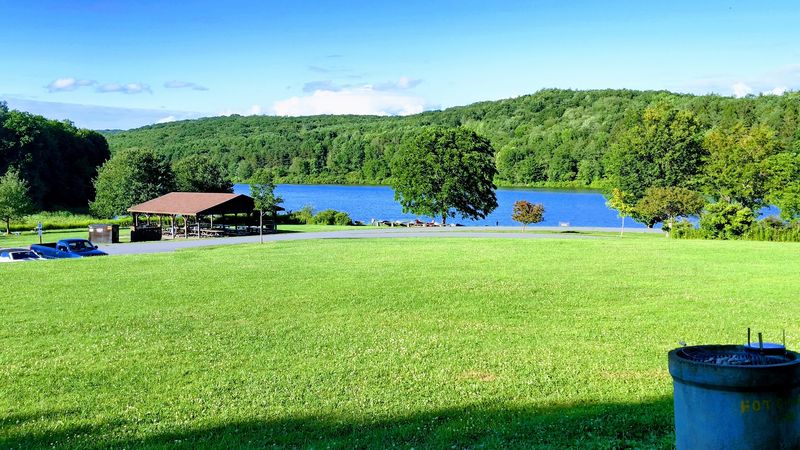
Named for a colonial woman captured by Native Americans in 1778, this 165-acre lake carries fascinating historical significance alongside natural beauty. Located within Frances Slocum State Park in Luzerne County, the lake provides accessible outdoor recreation close to populated areas while maintaining surprisingly wild character.
Spring visitors often have the park largely to themselves, enjoying facilities and trails without summer crowds.
The lake’s irregular shape creates numerous coves and inlets perfect for kayak exploration. Each bend reveals new perspectives on forested shorelines and aquatic habitats.
Turtles bask on logs while great blue herons stalk fish in shallow waters. Spring peepers create deafening choruses after sunset, their calls signaling the season’s arrival more reliably than any calendar date.
Well-maintained trails offer easy hiking suitable for families with young children. Interpretive signs teach visitors about local ecology and the area’s rich history.
A modern boat rental facility provides kayaks and canoes for those without personal equipment. Picnic pavilions and playgrounds make this destination particularly family-friendly.
The combination of convenient amenities and genuine natural beauty creates perfect conditions for introducing children to outdoor recreation and environmental appreciation.