
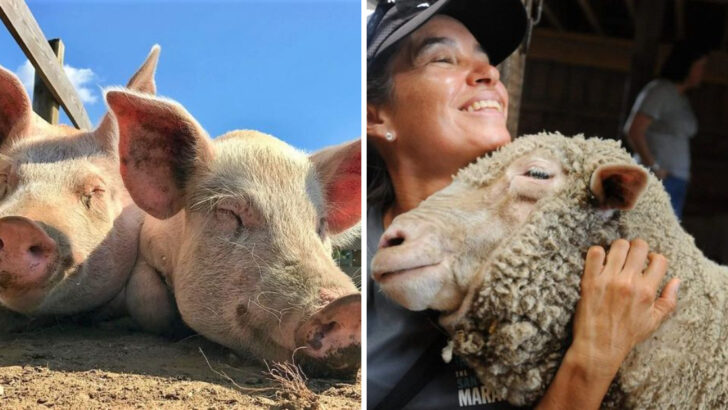
Some places have the rare power to change how you see the world, and animal sanctuaries are exactly that kind of place.
Across the United States, hundreds of rescued animals find safety, care, and love at facilities dedicated to giving them a second chance.
Whether you’re passionate about farm animals, big cats, wolves, or primates, there’s a sanctuary out there waiting to offer you a truly meaningful experience.
Pack your curiosity and get ready to meet some incredible animals whose stories will stay with you long after you leave.
Best Friends Animal Sanctuary (Kanab, Utah)
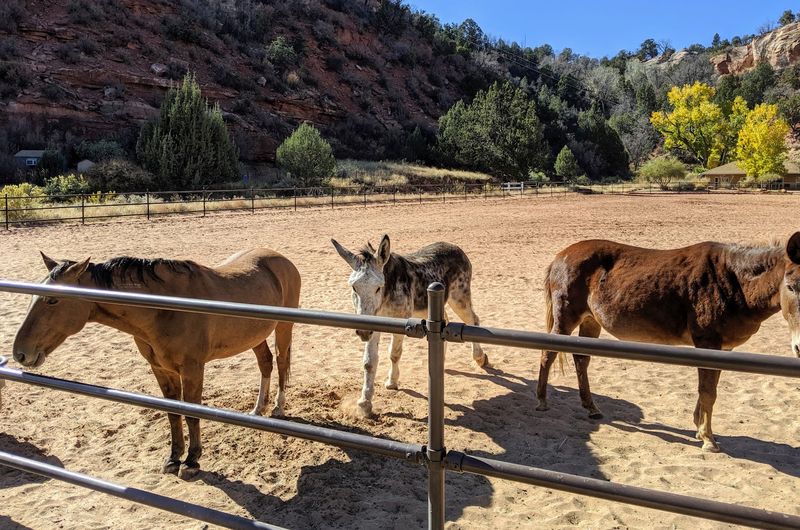
Tucked inside the stunning red-rock canyons of southern Utah, Best Friends Animal Sanctuary feels like a place where hope has a permanent address. It’s one of the largest no-kill animal sanctuaries in the entire country, caring for up to 1,600 rescued animals at any given time.
Dogs, cats, horses, birds, rabbits, and even pot-bellied pigs call this remarkable place home.
Visitors can join guided tours that take you behind the scenes of daily animal care operations. Volunteer programs let you spend real, hands-on time with the animals, whether that means walking dogs, socializing cats, or helping with horse care.
You can even book an overnight stay nearby and spend multiple days soaking in the experience.
Best Friends has played a major role in pushing the no-kill movement forward across the nation. Their advocacy work has helped entire cities achieve no-kill status for shelter animals.
Visiting here isn’t just a fun outing — it’s a reminder that when communities come together, thousands of lives can be saved. If you only visit one sanctuary in your lifetime, make it this one.
Turpentine Creek Wildlife Refuge (Eureka Springs, Arkansas)
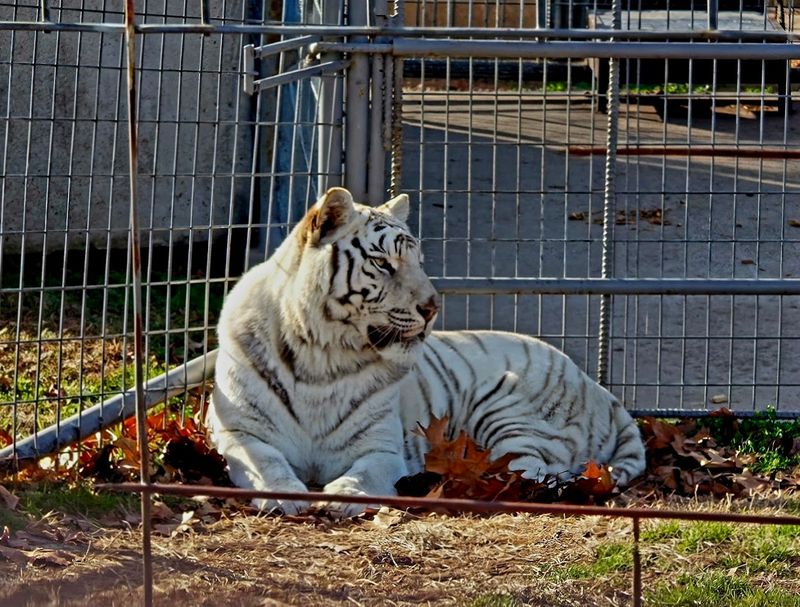
Imagine standing just a few feet away from a full-grown tiger who was once kept in someone’s backyard. That’s the kind of eye-opening experience Turpentine Creek Wildlife Refuge delivers on its sprawling 459-acre property in the Ozark Mountains of Arkansas.
The refuge primarily cares for big cats — tigers, lions, leopards, and cougars — rescued from dangerous and inappropriate private ownership situations.
Every animal here has a backstory that highlights the very real problems of the exotic pet trade. Educational tours guide visitors through the refuge, explaining how these animals ended up here and what it takes to care for them properly for the rest of their lives.
The habitats are designed to be spacious and as natural as possible, giving the animals room to truly live rather than merely survive.
Founded in 1992 by the Turpentine Creek family, the refuge has grown into one of the most respected big cat sanctuaries in the Southeast. Overnight lodging is available on-site, which means you can wake up to the sound of lions in the morning.
Few travel experiences compare to that kind of wild, unforgettable morning wake-up call.
Woodstock Farm Sanctuary (High Falls, New York)
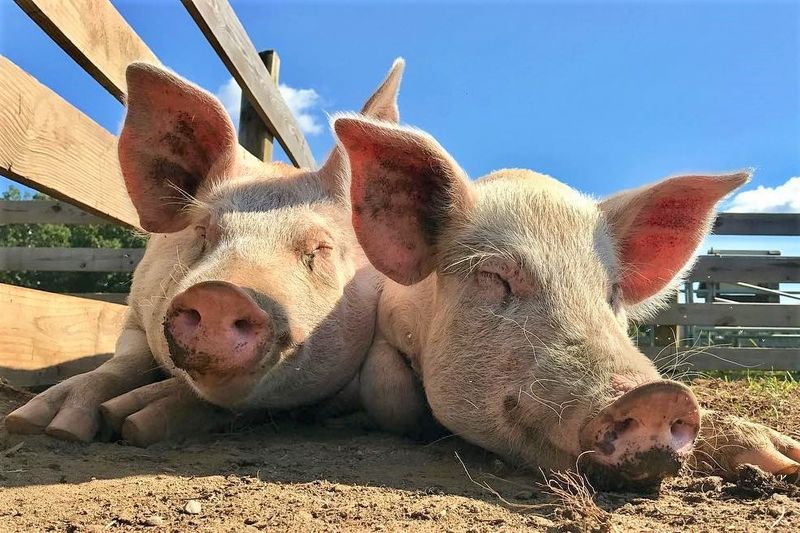
Not all sanctuaries are about wild animals. Some of the most powerful rescue stories belong to the animals most people never think twice about — cows, pigs, chickens, and goats.
Woodstock Farm Sanctuary in High Falls, New York, has been championing those stories since 2004, offering 150 scenic acres of refuge in the heart of the Hudson Valley.
Each animal here has been rescued from factory farms, slaughterhouses, or severe neglect. When you meet a pig named after a rock star or scratch a goat behind the ears, it becomes hard to see farm animals the same way again.
The sanctuary runs educational tours designed to spark conversations about compassion, ethical food choices, and the realities of industrial agriculture.
Special events throughout the year attract visitors of all ages and backgrounds. From holiday celebrations to yoga with the animals, there’s always something happening at Woodstock that makes the visit feel fresh and engaging.
The staff and volunteers are passionate and knowledgeable, happy to share each animal’s individual story. A trip here has a way of quietly shifting your perspective — not through lectures, but through simple, honest connection with living beings who deserve better.
Farm Sanctuary (Watkins Glen, New York)
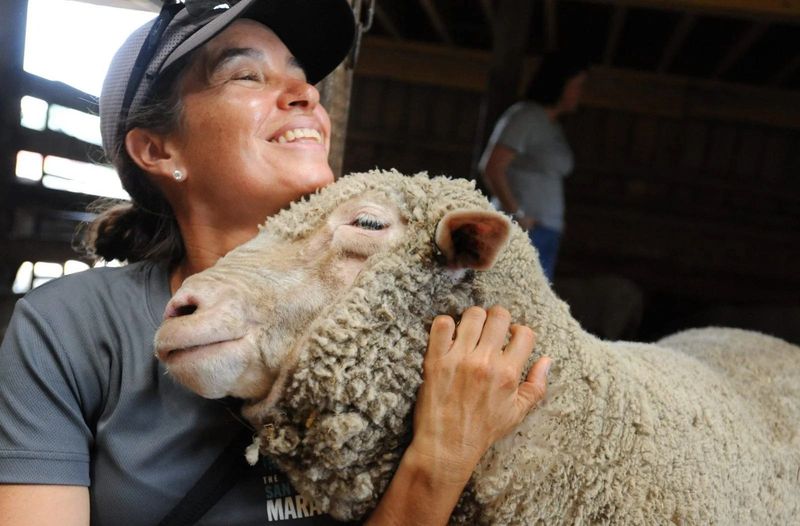
Perched above the gorgeous Finger Lakes region of upstate New York, Farm Sanctuary has been one of the most influential voices for farm animal welfare in the United States since 1986. The 275-acre property shelters hundreds of rescued cows, pigs, turkeys, sheep, and chickens, each one living out their days with dignity and care.
What sets Farm Sanctuary apart is the combination of rescue work and powerful advocacy. Founder Gene Baur literally pulled animals from stockyard dumpsters in the early days to bring attention to factory farming conditions.
That scrappy, passionate spirit still drives the organization today, making every visit feel meaningful rather than just scenic.
Guided tours walk you through the barns and pastures where you can meet the resident animals up close. Overnight stays in the on-site bed and breakfast put you right in the middle of sanctuary life, with morning chores and evening strolls among the animals available to guests.
Farm Sanctuary also hosts special seasonal events, making it a destination worth returning to across different times of year. For anyone curious about where their food comes from and how animals experience the world, this place offers perspective that’s hard to find anywhere else.
Animal Place (Grass Valley, California)
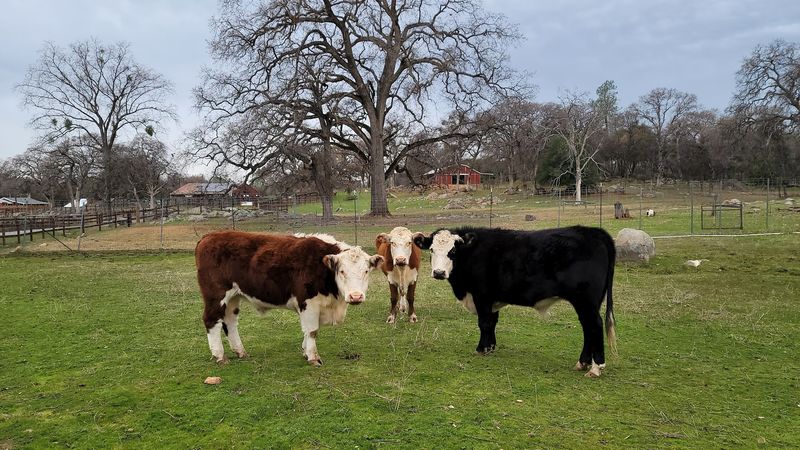
Founded in 1989, Animal Place holds the distinction of being one of the oldest farm animal sanctuaries in the United States. Spread across approximately 600 acres in the foothills of the Sierra Nevada, this California sanctuary provides a permanent home for hundreds of animals rescued from neglect, abuse, and the harsh realities of industrial food production.
Chickens, cows, pigs, goats, and turkeys wander freely across the property, living lives that look nothing like their origins. The sanctuary’s educational programs are designed to connect the dots between what’s on your plate and the animals behind it — not in a guilt-tripping way, but through honest storytelling and real animal encounters.
Visitors consistently describe leaving with a new sense of awareness they didn’t expect to find.
Animal Place also runs an adoption program, placing farm animals in approved sanctuaries and homes when space allows. Their outreach efforts extend beyond the property through school programs and community events throughout Northern California.
Weekend tours are available and tend to fill up quickly, so booking in advance is a smart move. The combination of wide-open land, friendly animals, and knowledgeable guides makes Animal Place one of the most complete farm sanctuary experiences on the West Coast.
Wild Spirit Wolf Sanctuary (Candy Kitchen, New Mexico)
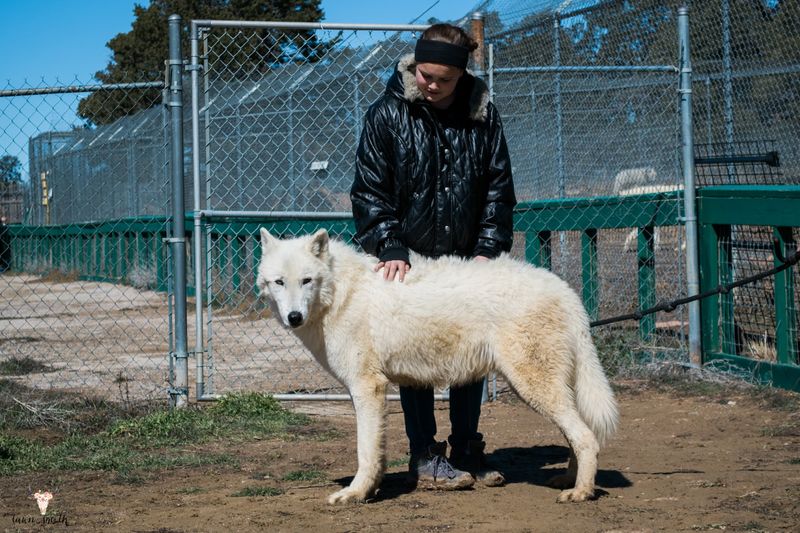
There’s something ancient and stirring about being close to a wolf. At Wild Spirit Wolf Sanctuary in the remote high desert of Candy Kitchen, New Mexico, that experience becomes surprisingly accessible.
The sanctuary is home to more than 60 rescued wolves and wolf-dogs — animals that were born in captivity and can never be released into the wild, but deserve far better than a chain or a small cage.
Guided tours last about two hours and take small groups through the property to meet the residents. Many of the wolves and wolf-dogs come close to the fence, especially if they’ve bonded with staff over time.
Photography enthusiasts absolutely love visiting here because the lighting, landscapes, and animal subjects combine for truly stunning shots.
The sanctuary does an excellent job explaining why captive wolves and wolf-dogs end up in rescue situations in the first place. The exotic pet trade creates animals that are too wild for domestic life but too accustomed to humans for the wilderness.
Wild Spirit gives these animals a dignified middle ground. Overnight glamping accommodations are available, and waking up to the sound of wolves howling across the desert at night is the kind of experience you’ll be telling people about for years.
Black Pine Animal Sanctuary (Albion, Indiana)
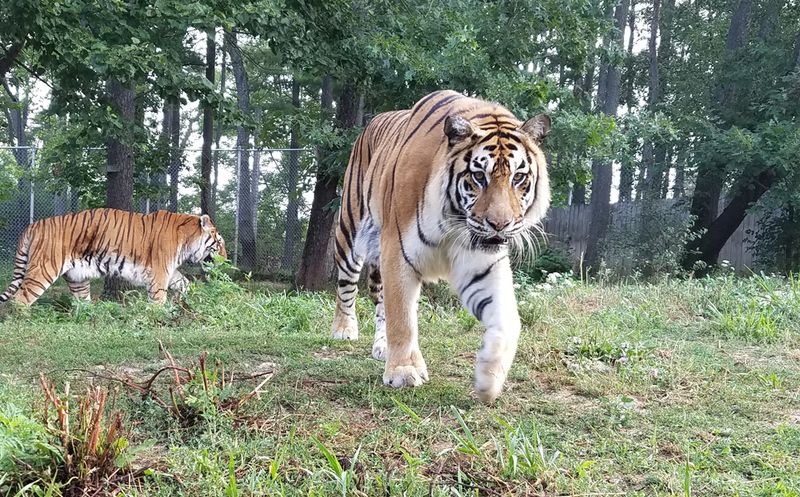
Hidden away in the quiet countryside of northeastern Indiana, Black Pine Animal Sanctuary punches well above its weight when it comes to the variety and number of animals it cares for. Around 75 to 100 exotic animals — including tigers, bears, primates, and reptiles — live here after being rescued from private ownership, roadside zoos, or the entertainment industry.
The sanctuary runs guided walking tours that move at a relaxed pace, giving visitors time to really observe the animals and ask questions. Guides are enthusiastic and deeply knowledgeable, sharing each animal’s background story in a way that makes the rescue mission feel personal rather than abstract.
Kids especially tend to connect with the stories of the animals they meet face to face.
Black Pine operates as a true no-breeding, no-selling facility, which means every animal that arrives stays for life. That commitment to permanent care is something the sanctuary takes seriously and communicates clearly to every visitor.
The property may not be as large as some of the massive sanctuaries out further west, but the intimacy of the experience here is genuinely special. For Midwest families looking for a meaningful day trip that goes beyond a typical zoo visit, Black Pine delivers something far more thoughtful and lasting.
D.E.L.T.A. Rescue (Acton, California)
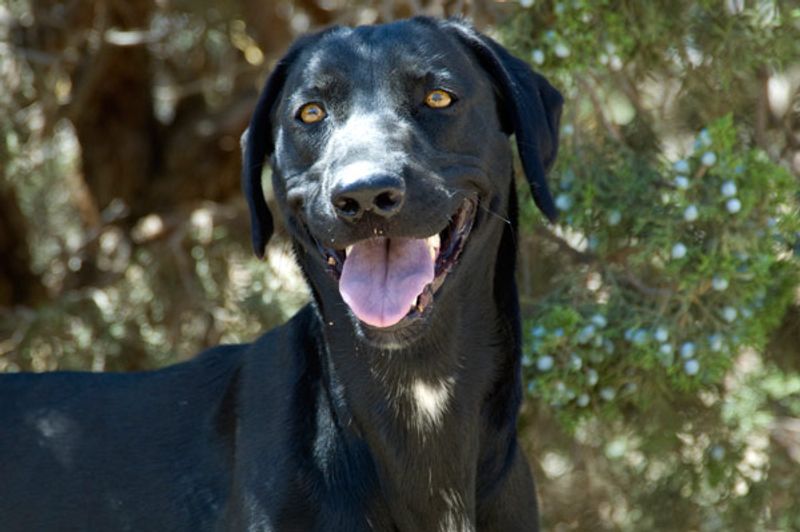
Most people think of big cat or bear sanctuaries when they imagine animal rescue at a massive scale. D.E.L.T.A.
Rescue in Acton, California, flips that expectation entirely — this place is all about dogs and cats, and it does it bigger than anyone else on the planet. With more than 1,500 rescued dogs and cats living across 150 acres, it’s widely recognized as the largest no-kill, care-for-life sanctuary of its kind in the world.
Founded by Leo Grillo in 1979, D.E.L.T.A. (Dedication and Everlasting Love to Animals) was built on a simple but radical idea: every rescued animal deserves a permanent home, even if no one adopts them. Animals here are never euthanized for space or time.
They live out their full natural lives with veterinary care, food, and companionship.
Visiting D.E.L.T.A. Rescue is a moving experience that dog and cat lovers find deeply emotional.
The sheer scale of the operation — the barking, the purring, the wagging tails everywhere you look — is overwhelming in the best possible way. Tours are available and give visitors a real sense of the daily commitment required to sustain an operation this large.
For anyone who has ever loved a pet, this place feels like a dream made real.
Carolina Tiger Rescue (Pittsboro, North Carolina)
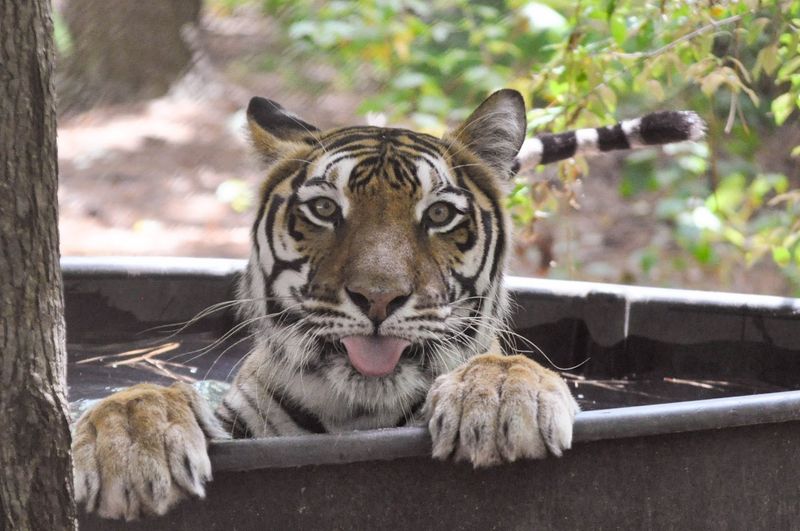
Carolina Tiger Rescue sits on 55 acres of wooded land in Pittsboro, North Carolina, and has been providing lifelong care to rescued big cats since 1977. Tigers, lions, leopards, caracals, servals, and binturongs all call this sanctuary home — each one with a history that reflects the serious problems caused by private ownership of exotic animals in the United States.
Tours here are intentionally kept small, usually limited to groups of around 12 people. That intimate format creates a much more personal experience than you’d find at a larger facility.
Guides share detailed stories about each animal, connecting visitors to the individual behind the species. Nighttime tours are also available and offer a completely different atmosphere — hearing big cats vocalize in the dark is genuinely thrilling.
The sanctuary’s educational mission is front and center throughout every visit. Staff members are passionate about explaining why big cats do not make suitable pets and what happens when people try to keep them anyway.
Carolina Tiger Rescue also advocates for stronger federal laws to restrict private ownership of exotic animals. Visiting here supports that important work directly.
For families, couples, or solo travelers in the Research Triangle area, this is one of the most meaningful half-day experiences the region has to offer.
The Wild Animal Sanctuary (Keenesburg, Colorado)
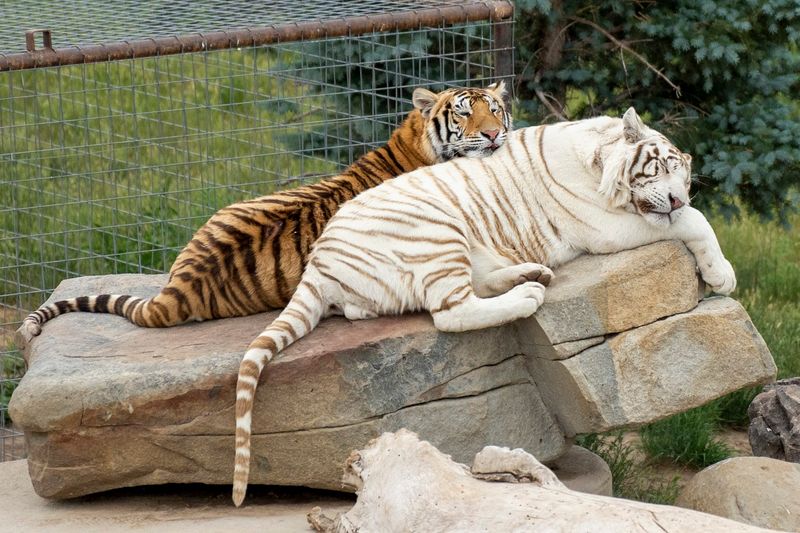
Walking above hundreds of acres of open plains while lions, wolves, bears, and tigers roam freely below you is not something most people ever expect to experience in Colorado. The Wild Animal Sanctuary in Keenesburg makes exactly that possible through an ingenious elevated boardwalk system that stretches nearly two miles over the animals’ habitats.
Visitors observe from above, which means the animals are never disturbed by human foot traffic at ground level.
The sanctuary spans more than 10,000 acres across two Colorado locations and cares for over 500 rescued animals. Many came from roadside zoos, private collections, or law enforcement seizures where they were living in terrible conditions.
The transformation in their behavior and health after arriving at the sanctuary is one of the most compelling parts of the story guides share during visits.
The boardwalk experience is genuinely unlike anything at a traditional zoo. Animals move freely across wide open land, and you might spot a grizzly bear napping in the sun or a pack of wolves trotting across the grass far below your feet.
The sanctuary is open year-round and is suitable for all ages. Bring binoculars for the best views, and plan to spend at least three to four hours to take it all in properly.
Elephant Sanctuary in Tennessee (Hohenwald, Tennessee)
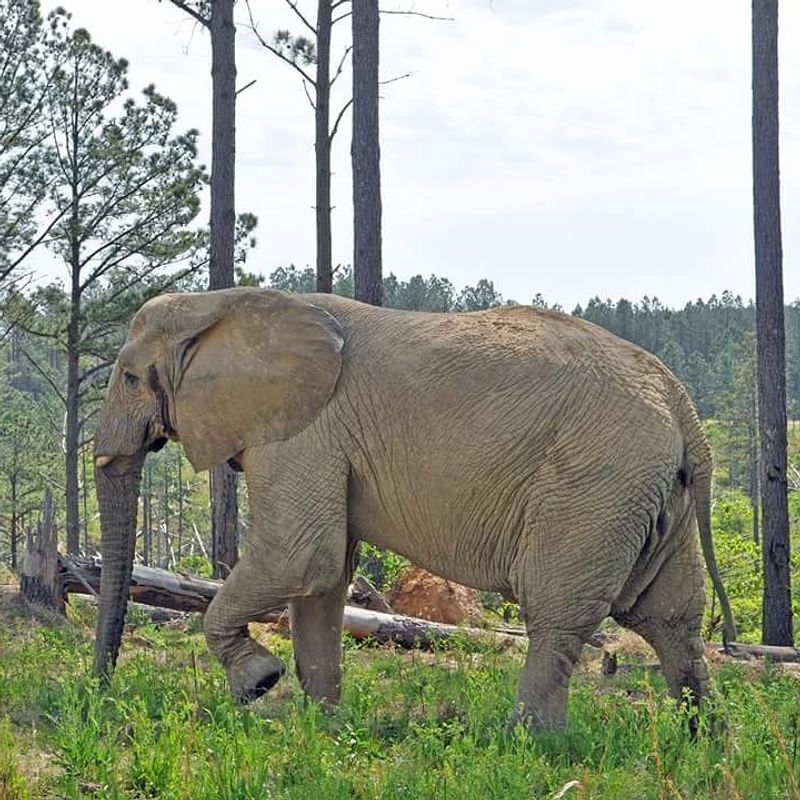
Covering nearly 2,700 acres of rolling Tennessee hills, the Elephant Sanctuary in Hohenwald is the largest natural habitat refuge for elephants in North America. Since opening in 1995, it has provided a peaceful retirement to elephants rescued from circuses, zoos, and entertainment facilities where they spent decades performing or living in inadequate conditions.
The contrast between their former lives and their new freedom here is profound.
Because the sanctuary prioritizes the elephants’ wellbeing above all else, it is not open for traditional public tours. The animals need space and calm to recover from years of stress, and constant visitor traffic would undermine that healing process.
However, a free educational discovery center located in downtown Hohenwald offers an excellent alternative for curious visitors.
The discovery center features live video feeds from the sanctuary property, allowing you to watch the elephants move through the landscape in real time. Exhibits explain elephant behavior, biology, and the history of each resident.
It’s a thoughtful, respectful way to experience these magnificent animals without disturbing their peace. The sanctuary also streams footage online, building a global community of elephant fans who follow individual animals over the years.
For anyone who loves elephants, Hohenwald is absolutely worth the trip to this quiet corner of middle Tennessee.
Lions Tigers & Bears (Alpine, California)
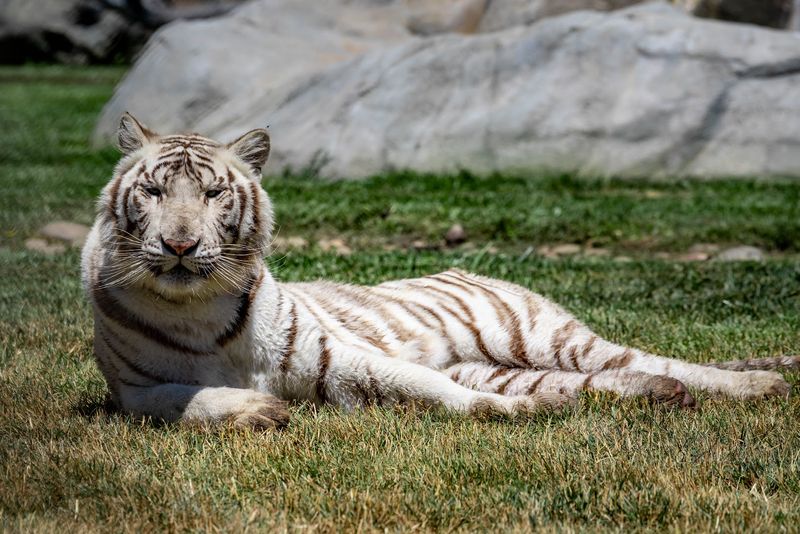
Just 40 miles east of San Diego in the chaparral hills of Alpine, California, Lions Tigers & Bears has been rescuing exotic animals since 2002. Founded by Bobbi Brink, the sanctuary is fully accredited by the Global Federation of Animal Sanctuaries and cares for big cats, bears, and other exotic animals that were once kept in private collections, roadside zoos, or abusive entertainment settings.
What makes a visit here especially worthwhile is the quality of the educational experience. Tour guides don’t just point at animals — they walk you through the specific rescue story behind each one, explaining the systemic issues that led to the animal’s suffering in the first place.
The goal isn’t just to show you something cool; it’s to help you understand why these animals need protection and what you can do to support that cause.
The sanctuary is home to a diverse mix of residents including African lions, Bengal tigers, black bears, and even a coatimundi. Habitats are thoughtfully designed with enrichment features that encourage natural behaviors.
Visitor groups are kept small to maintain a respectful atmosphere. The combination of San Diego-area weather, beautiful landscape, and meaningful animal encounters makes Lions Tigers & Bears one of the most rewarding sanctuaries to visit on the entire West Coast.
Oswald’s Bear Ranch (Newberry, Michigan)
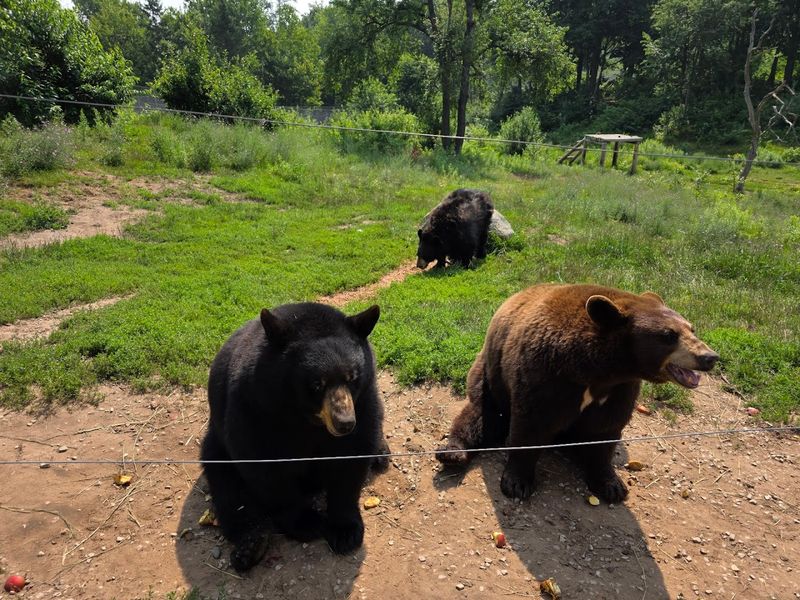
Michigan’s Upper Peninsula is already known for its rugged beauty, but Oswald’s Bear Ranch adds something truly extraordinary to the experience. Billing itself as America’s largest bear sanctuary, this 240-acre property in Newberry is home to dozens of rescued black bears living in spacious, forested habitats that feel far more like their natural environment than any zoo exhibit could replicate.
Visitors can watch daily feeding sessions where the bears’ personalities really come through — some are bold and playful, others shy and observant. Elevated viewing platforms give excellent sightlines into the habitats without crowding the animals.
The bears often come surprisingly close, especially during feeding time, creating photo opportunities that wildlife photographers travel long distances to capture.
The ranch is family-owned and operated, and that personal touch is evident in every aspect of the visit. Staff members know each bear individually and are happy to share stories about how they arrived and how they’ve settled into sanctuary life.
Cubs occasionally arrive at the ranch after being orphaned in the wild, and watching them grow over successive visits is something regular guests look forward to year after year. If you’re planning a trip through the Upper Peninsula, Oswald’s Bear Ranch is the kind of unexpected gem that turns a good road trip into a truly memorable one.
International Wolf Center (Ely, Minnesota)
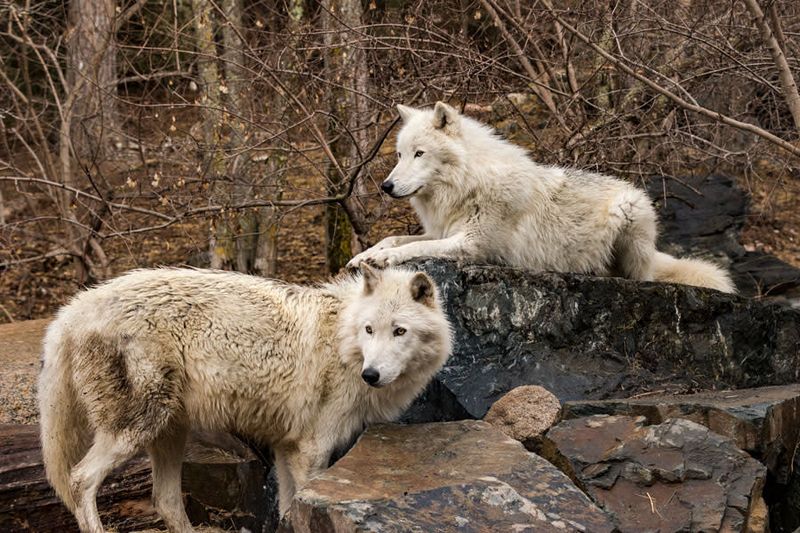
Wolves have always occupied a complicated place in American culture — feared, hunted, misunderstood, and yet deeply fascinating to nearly everyone who encounters them. The International Wolf Center in Ely, Minnesota, sits right at the heart of that conversation, blending sanctuary care with world-class education to create one of the most intellectually engaging animal experiences in the country.
Resident ambassador wolves live in a large naturalistic habitat on the property and can be observed through large viewing windows and during outdoor programs. These wolves are not wild — they were born in captivity and serve as living ambassadors for their species, helping visitors understand wolf behavior, pack dynamics, and the ecological role wolves play in healthy ecosystems.
The programming is genuinely fascinating for adults and kids alike.
Ely itself is a beautiful small town deep in the Minnesota wilderness, surrounded by lakes and the Boundary Waters Canoe Area. Combining a visit to the wolf center with a few days of paddling or hiking makes for an exceptional outdoor adventure.
The center offers howling events, behind-the-scenes tours, and special wolf-focused educational weekends throughout the year. For anyone who has ever felt a pull toward these iconic animals, the International Wolf Center is an experience that delivers on every level.
Catskill Animal Sanctuary (Saugerties, New York)
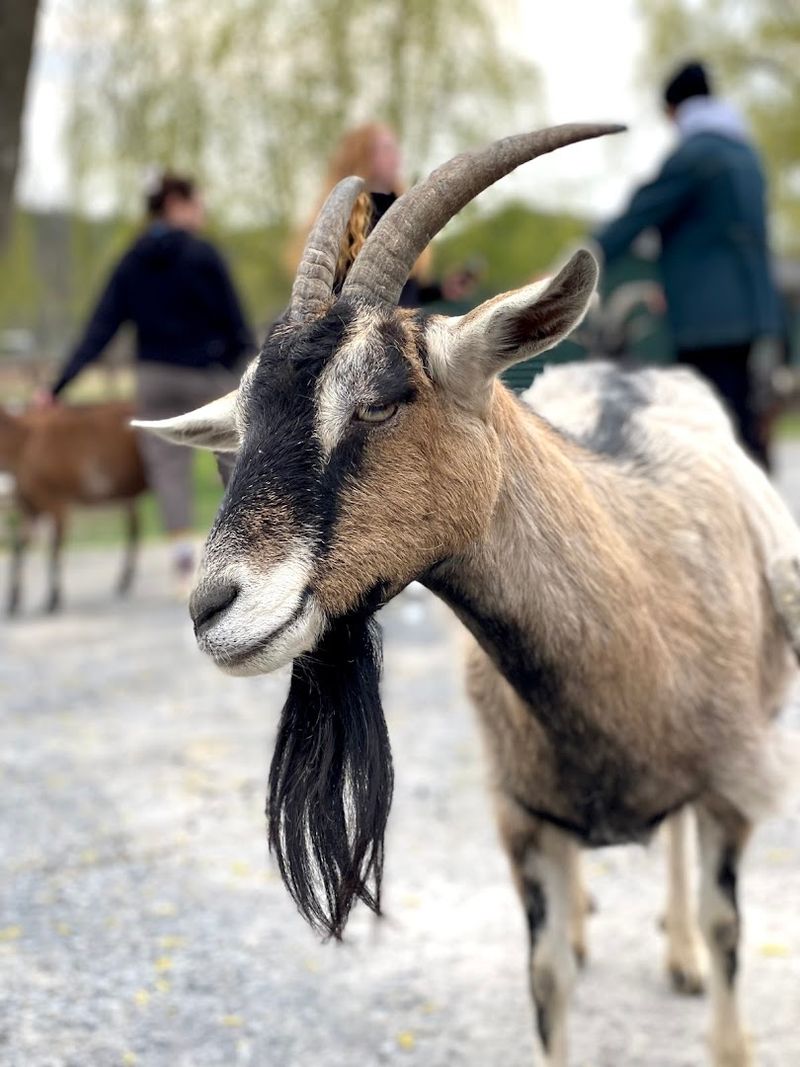
Saugerties, New York, might not be the first place you’d expect to find a transformative animal experience, but Catskill Animal Sanctuary has been quietly doing remarkable work there since 2001. Spread across more than 150 acres in the shadow of the Catskill Mountains, the sanctuary rescues farm animals from abuse, neglect, and industrial agriculture, giving them a chance to live full, peaceful lives.
Guided tours here have a warm, unhurried quality that sets them apart from more commercial animal attractions. You might spend ten minutes with a three-legged goat who loves chin scratches, or hear the story of a cow who was rescued from a flood.
Every animal has a name and a history, and the staff shares those stories with genuine affection and care.
The sanctuary also places a strong emphasis on sustainable living and plant-based eating, hosting cooking demonstrations, farm-to-table events, and educational workshops throughout the year. It’s a place that invites visitors to think about the connections between food systems, animal welfare, and personal choices — all without being preachy about it.
The Hudson Valley setting is absolutely beautiful, especially in fall when the leaves are turning. Combining a Catskill Animal Sanctuary visit with a weekend in the region makes for a wonderfully rich and meaningful getaway.
Chimp Haven (Keithville, Louisiana)
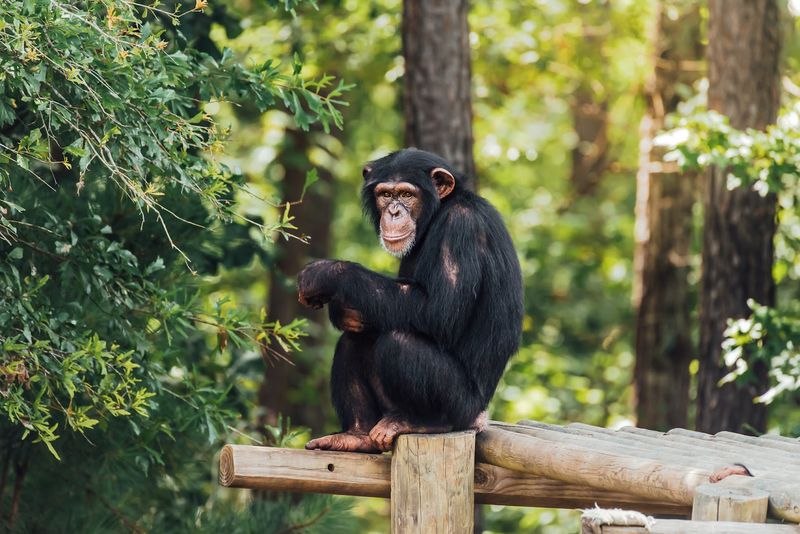
Chimp Haven in Keithville, Louisiana, holds a distinction that is both impressive and sobering: it is the largest chimpanzee sanctuary in the world. Home to more than 300 chimpanzees retired from biomedical research facilities, Chimp Haven offers these intelligent, social animals the chance to finally live on their own terms after years spent in laboratory settings.
The contrast between their former lives and their current freedom is striking.
The sanctuary operates under a federal contract as the National Chimpanzee Sanctuary, meaning it plays an official role in the U.S. government’s commitment to retiring research chimps humanely. Educational programs and special visitor events give the public a chance to observe the chimpanzees in their outdoor forest habitats and learn about primate cognition, social behavior, and conservation challenges facing wild chimp populations in Africa.
Watching a group of chimpanzees interact — grooming each other, playing, solving puzzles, and navigating their social hierarchies — is a humbling reminder of how close our evolutionary connection to them really is. Chimp Haven’s staff includes primatologists, veterinarians, and dedicated caregivers who treat each chimpanzee as an individual with unique needs and personality traits.
Supporting or visiting Chimp Haven is one of the most direct ways to contribute to the welfare of animals who gave so much in the name of human medical progress.
Center for Great Apes (Wauchula, Florida)
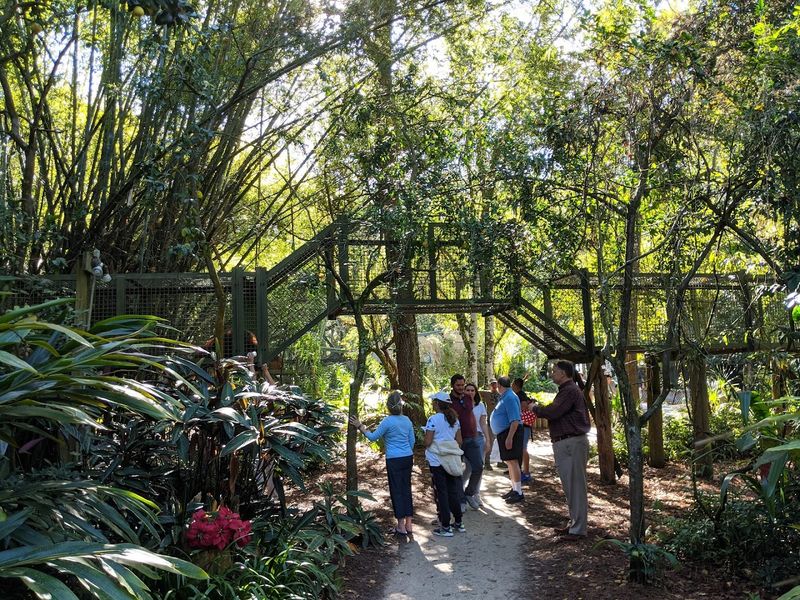
Florida might seem like an unlikely home for orangutans and chimpanzees, but the Center for Great Apes in Wauchula has been providing lifelong sanctuary to these remarkable primates since 1993. The center cares for chimpanzees and orangutans rescued from the entertainment industry, biomedical research, and the exotic pet trade — animals whose early lives looked nothing like what nature intended for them.
The habitats here are genuinely impressive. Interconnected domed enclosures rise high into the Florida sky, connected by tunnels and towers that allow the apes to move freely and express their natural climbing instincts.
Watching an orangutan navigate these structures with fluid, effortless grace is one of the most visually captivating things you can witness at any animal facility in the country.
Because the center prioritizes the apes’ wellbeing, public visits are limited to special educational events rather than regular open tours. This selectiveness is intentional — too much human interaction can be stressful for animals who spent years being treated as performers or novelties.
The center’s website keeps an updated calendar of public event dates. Booking early is essential since spots fill quickly.
Few places in the United States offer the combination of primate diversity, habitat quality, and genuine sanctuary philosophy that makes the Center for Great Apes so uniquely worth seeking out.
Barn Sanctuary (Chelsea, Michigan)
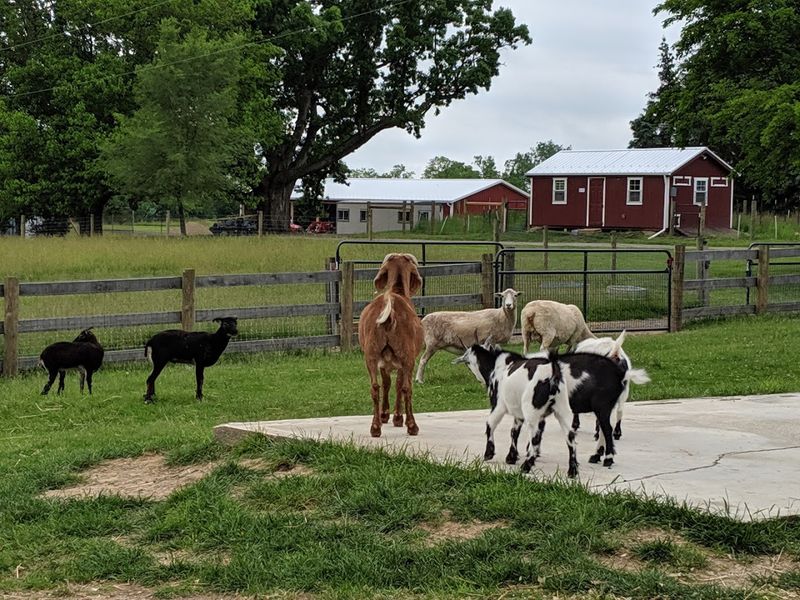
There’s something refreshingly uncomplicated about Barn Sanctuary in Chelsea, Michigan. No exotic big cats, no wolves, no elaborate boardwalks — just a peaceful Midwest farm where rescued goats, cows, pigs, and chickens live out their days in comfort, and where visitors are genuinely welcome to come say hello.
Since its founding in 2016, Barn Sanctuary has built a loyal community of supporters drawn to its warm, approachable style.
Public tours and events run throughout the warmer months, giving families, couples, and school groups the chance to walk the property and meet the animals at a relaxed pace. The staff encourages hands-on interaction where appropriate, so don’t be surprised if a curious goat decides to investigate your jacket pockets or a pig trots over to demand a scratch behind the ears.
Barn Sanctuary also hosts special events like yoga with the animals, holiday celebrations, and fundraising dinners that bring the local community together around a shared appreciation for animal welfare. The Chelsea location is conveniently close to Ann Arbor, making it an easy and rewarding day trip from one of Michigan’s most vibrant college towns.
For families looking for a wholesome, meaningful outing that leaves everyone feeling genuinely happy, Barn Sanctuary delivers exactly that kind of simple, joyful experience every single time.