While Pennsylvania’s cities bustle with modern life, a remarkable farming tradition continues to thrive just outside the urban sprawl. Shady Brook Farm in Yardley represents more than 300 acres of agricultural heritage that connects families to the land and their food sources.
This working farm serves thousands of visitors annually while maintaining its core mission of producing quality crops and educating communities about where their food comes from. From seasonal harvests to year-round market offerings, this Pennsylvania landmark proves that farming remains vital to America’s heartland.
U-Pick Seasonal Harvest Experience
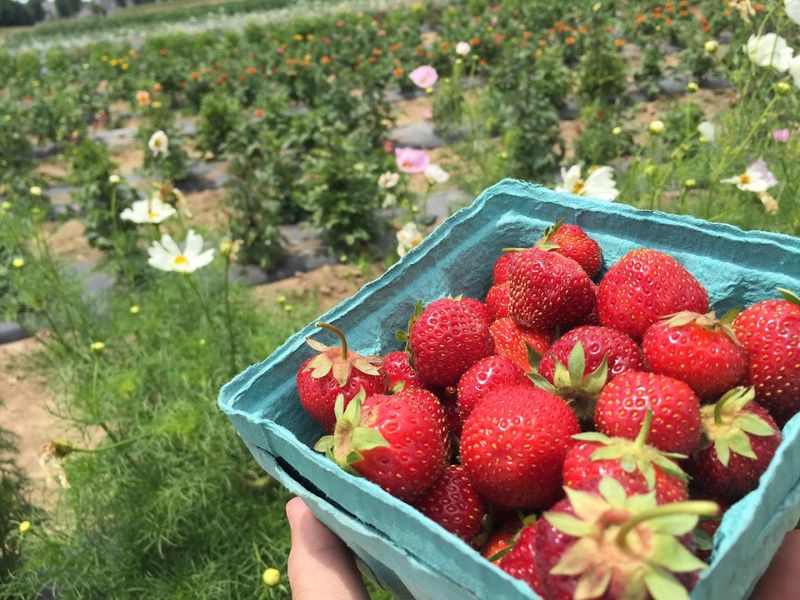
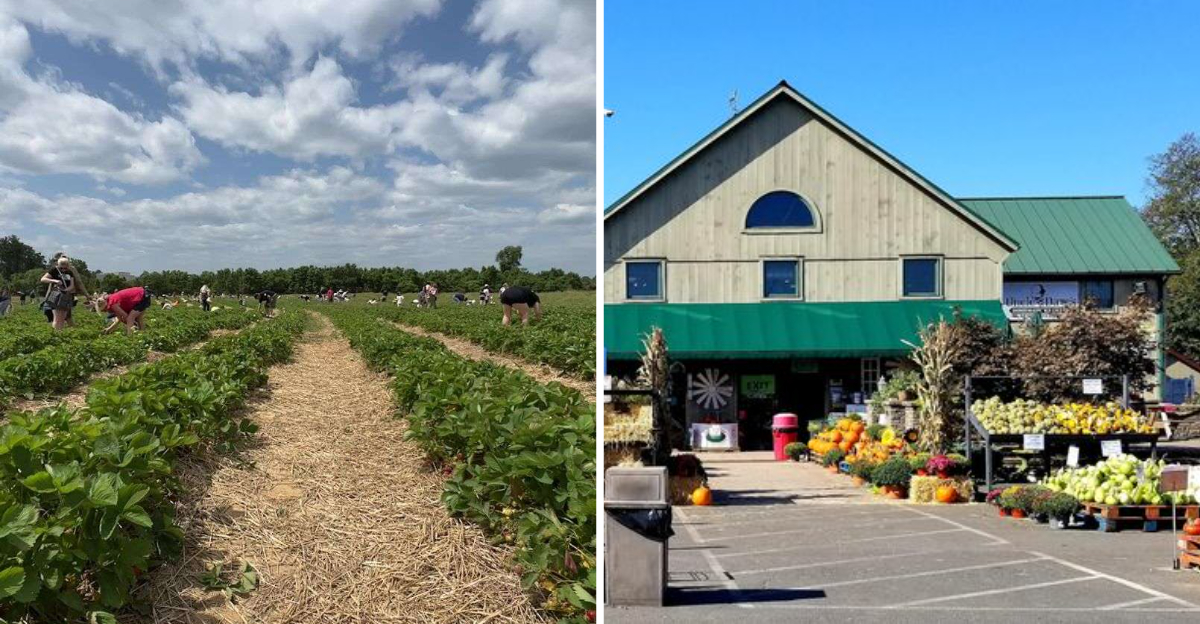
Walking through rows of ripening produce with a basket in hand connects visitors directly to their food sources. Shady Brook Farm’s U-pick program lets families harvest their own pumpkins, flowers, and seasonal crops throughout the year.
This hands-on approach teaches children and adults alike about agricultural cycles and the work required to bring food from field to table.
During peak fall season, acres of pumpkin patches become treasure hunts for families seeking the perfect jack-o-lantern. Flower fields burst with colorful blooms in spring and summer, allowing visitors to create custom bouquets.
The experience goes beyond simple picking, offering educational moments about plant growth and sustainable farming methods.
Staff members provide guidance on selecting ripe produce and proper harvesting techniques. These interactions preserve farming knowledge that might otherwise disappear in our increasingly urban society.
The U-pick tradition has remained a cornerstone of Shady Brook’s operations for decades.
Visitors often return year after year, creating family traditions around seasonal harvests. These repeated visits strengthen the bond between community members and local agriculture.
The reasonable pricing makes farm-fresh produce accessible to families of all economic backgrounds.
Farm Market and Fresh Produce
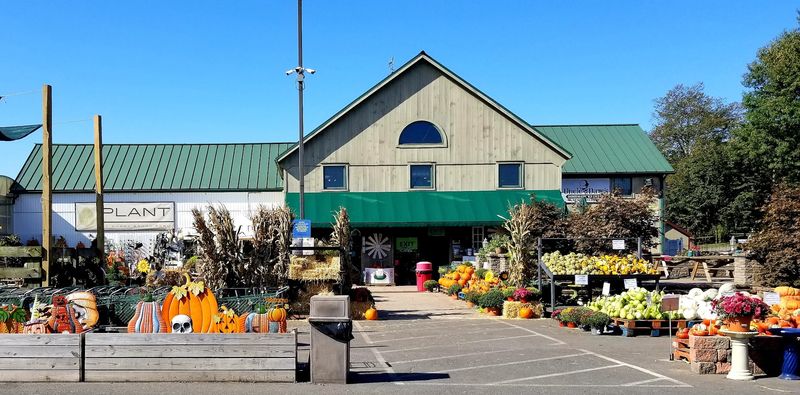
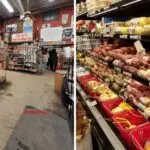
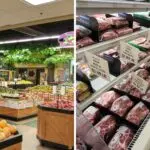
The on-site market serves as the beating heart of Shady Brook’s commitment to feeding the community year-round. Stocked with farm-grown produce alongside locally sourced goods, the market provides convenient access to fresh food.
Shoppers find everything from crisp apples to seasonal vegetables, all grown within miles of the checkout counter.
Unlike typical grocery stores, this market connects consumers directly with the farmers who grew their food. The staff can answer questions about growing methods, recipe suggestions, and the best ways to store produce.
This personal touch has become increasingly rare in modern food shopping experiences.
The market’s inventory changes with the seasons, reflecting Pennsylvania’s agricultural calendar. Spring brings tender greens and early berries, while fall showcases root vegetables and squashes.
This seasonal rotation educates shoppers about regional growing patterns and encourages eating with nature’s rhythm.
Beyond produce, the market carries artisan products from neighboring farms and local producers. Jams, honey, baked goods, and specialty items fill the shelves.
These partnerships support the broader agricultural community while offering customers unique products they can’t find elsewhere.
Holiday Light Shows Tradition

Each winter, Shady Brook transforms into a wonderland of twinkling lights that has become a regional holiday tradition. The drive-through light show features elaborate displays synchronized to music played through car radios.
Families bundle up in vehicles to experience millions of lights creating magical scenes across the farm’s sprawling acreage.
This seasonal attraction demonstrates how farms can diversify income streams while maintaining their agricultural identity. The event employs local workers and attracts thousands of visitors who also shop at the market.
Revenue generated helps sustain farming operations during slower winter months when crop production naturally decreases.
The light show includes fire pits where families can roast marshmallows and enjoy s’mores. Live music performances add warmth to cold winter evenings.
Santa Claus makes appearances, delighting children who might otherwise have limited exposure to farm settings during winter.
What started as a small display has grown into an elaborate production requiring months of planning. The commitment to excellence shows in every carefully positioned light strand.
Visitors travel from surrounding states to experience this unique combination of agriculture and holiday celebration.
Family-Friendly Agricultural Education

Modern children often grow up disconnected from the sources of their food and clothing. Shady Brook addresses this gap by offering engaging educational experiences throughout the property.
Farm animals provide opportunities for youngsters to interact with livestock, learning about animal husbandry and the work involved in raising food animals.
The playground and activity areas aren’t just entertainment—they’re designed to spark curiosity about farming life. Mining for crystals teaches geology while hayrides explain crop rotation and land management.
Each attraction incorporates subtle lessons about agriculture’s role in daily life.
School groups frequently visit for field trips that bring classroom lessons to life. Teachers appreciate the hands-on learning environment where students can touch, smell, and taste their lessons.
These experiences create lasting memories that shape how young people view farming and food production.
Weekend visitors benefit from the same educational approach wrapped in family fun. Parents discover they’re learning alongside their children as staff members share farming wisdom.
This intergenerational education helps preserve agricultural knowledge that might otherwise fade as fewer Americans work in farming.
Pumpkin Patch Legacy
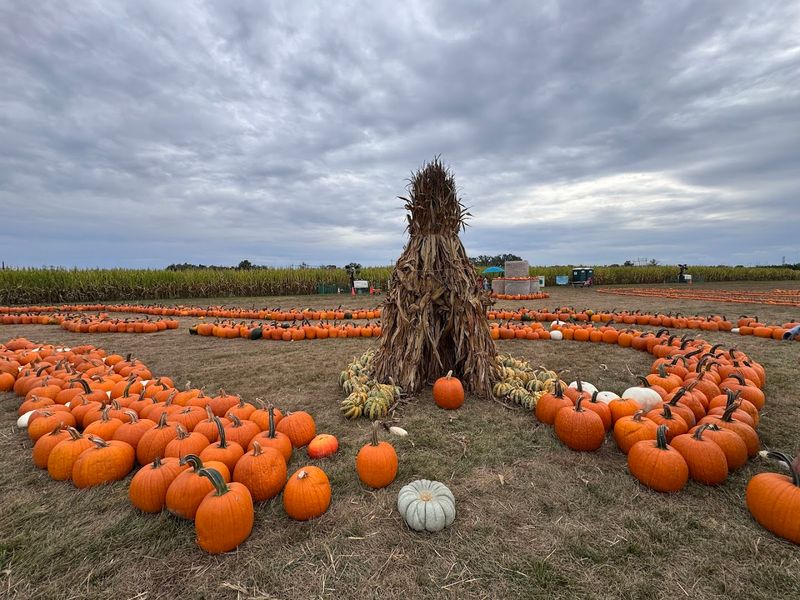
Acres of orange pumpkins spreading across Pennsylvania fields represent American autumn like few other agricultural scenes. Shady Brook’s pumpkin patches have provided Halloween centerpieces for generations of families.
The farm grows dozens of varieties, from tiny decorative gourds to massive carving pumpkins weighing over fifty pounds.
Growing quality pumpkins requires expertise passed down through farming generations. Proper soil preparation, pest management, and harvest timing all influence the final product.
The farm’s consistent quality year after year demonstrates deep agricultural knowledge and commitment to excellence.
Visitors wander through the patches, often spending hours searching for their perfect pumpkin. Children learn to identify ripe pumpkins by checking stem condition and color.
These simple lessons about produce selection build food literacy that serves people throughout their lives.
The pumpkin season generates significant revenue that helps sustain year-round operations. Beyond sales, the patches attract thousands of visitors who shop at the market and participate in other activities.
This economic impact ripples through the local community, supporting jobs and regional businesses throughout autumn months.
Farm-to-Table Deli Offerings
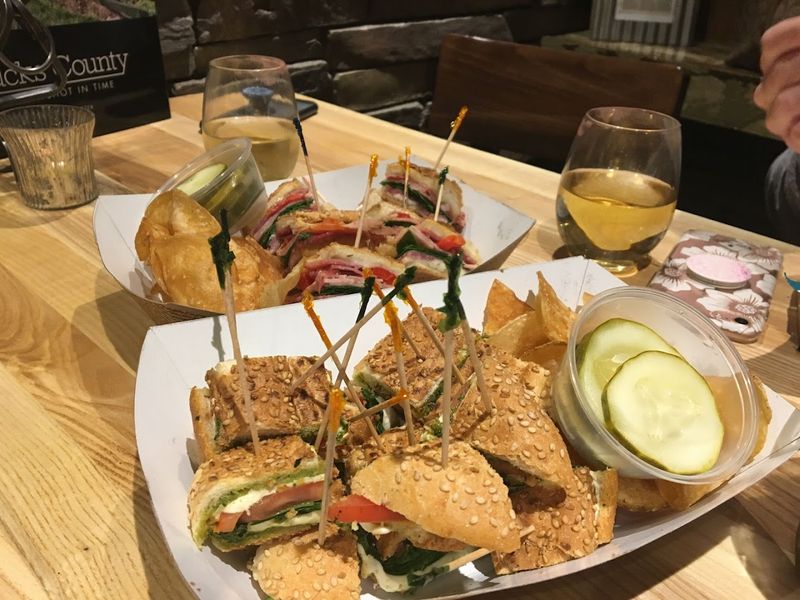
The on-site deli takes farm-fresh ingredients and transforms them into ready-to-eat meals for busy families. Using produce grown just steps away, chefs prepare sandwiches, salads, and daily specials highlighting seasonal flavors.
This farm-to-table approach delivers nutrition and taste while supporting local agriculture.
Customers appreciate knowing exactly where their food originated and who grew it. The transparency builds trust rarely found in conventional food service.
Menu items change with harvest schedules, ensuring peak freshness and encouraging diners to try new seasonal ingredients.
Generous portion sizes mentioned in reviews reflect farming values of abundance and hospitality. Fair pricing makes quality food accessible rather than treating farm-fresh as an expensive luxury.
This democratic approach to good food aligns with the farm’s mission of feeding the community.
The deli creates additional revenue streams while reducing food waste by utilizing produce that might not meet retail standards. Slightly irregular vegetables work perfectly in soups and prepared dishes.
This resourcefulness demonstrates sustainable business practices that benefit both the environment and the bottom line. Staff members take pride in creating delicious meals that showcase the farm’s harvest.
Year-Round Community Hub
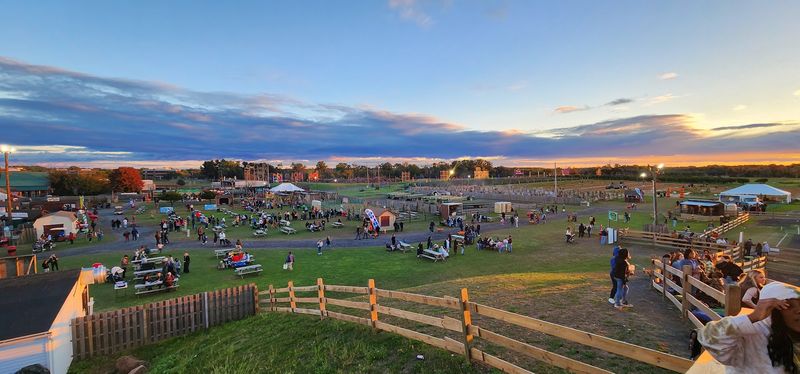
Shady Brook functions as more than a farm—it’s a gathering place where communities come together across seasons. Live music performances create festive atmospheres on weekend evenings while families enjoy food and drinks.
The pub area serves local beverages, providing relaxed spaces for adults to socialize while children explore the grounds.
Fire pits scattered throughout the property encourage lingering and conversation among strangers who bond over shared experiences. Roasting marshmallows becomes an excuse for families to slow down and connect.
These simple pleasures combat the isolation many people feel in increasingly digital lives.
The farm hosts private events and parties, offering unique venues for celebrations. Birthday gatherings, corporate events, and family reunions all find suitable spaces across the property.
This flexibility generates income while strengthening ties between the farm and surrounding communities.
Extended hours on weekends accommodate working families who can only visit during leisure time. The farm’s willingness to stay open reflects understanding of modern life’s demands.
By remaining accessible and welcoming, Shady Brook maintains relevance across generations and continues attracting new visitors who become regular customers supporting local agriculture.
Sustainable Farming Practices
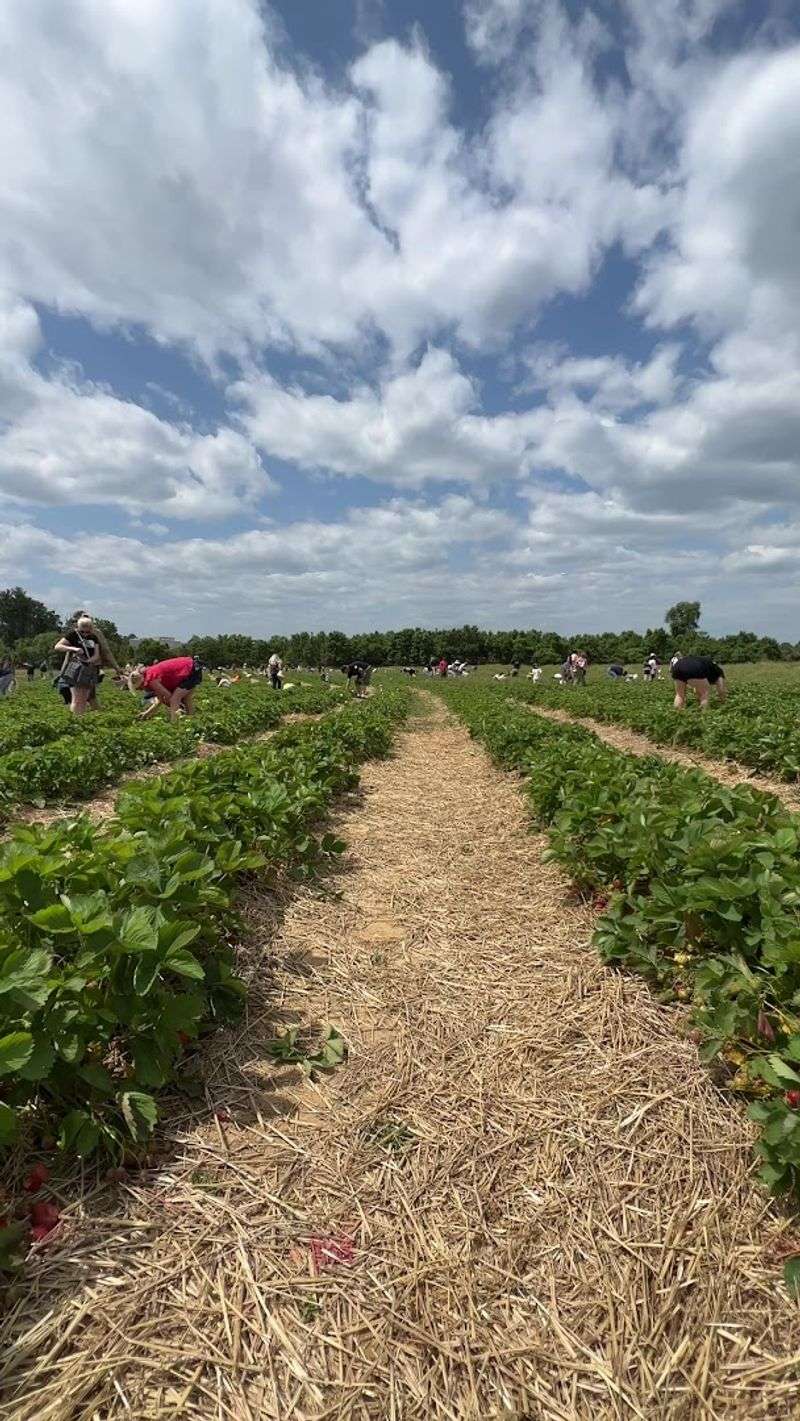
Behind the public activities lies serious agricultural work focused on environmental stewardship and sustainability. Shady Brook employs farming methods that protect soil health for future generations.
Crop rotation, careful water management, and integrated pest management all contribute to long-term land productivity.
The farm balances commercial success with ecological responsibility—a challenge facing agriculture nationwide. By demonstrating that farms can thrive while respecting environmental limits, Shady Brook serves as a model.
Younger farmers visit to learn techniques they can apply to their own operations.
Maintaining 300-plus acres as productive farmland prevents urban sprawl from consuming more Pennsylvania countryside. This land conservation benefits everyone by protecting green spaces, supporting wildlife habitats, and preserving agricultural capacity.
The farm’s continued operation ensures future generations can still access locally grown food.
Educational efforts teach visitors about sustainable agriculture’s importance for America’s food security. Understanding where food comes from and how it’s grown empowers consumers to make informed choices.
These conversations happening at Shady Brook ripple outward, influencing how people think about farming, environment, and their dietary decisions throughout their lives.
Flower Fields and Plant Nursery
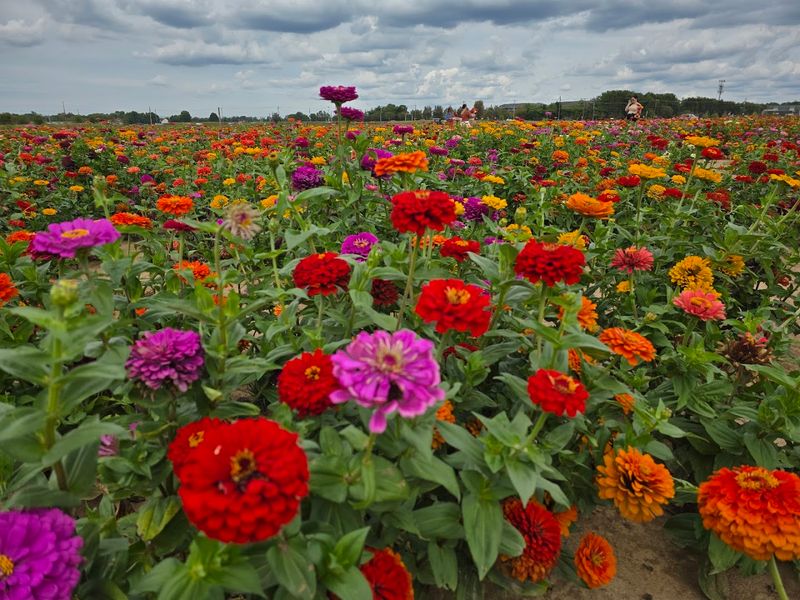
Vibrant flower fields provide beauty while serving agricultural and economic purposes at Shady Brook. The U-pick flower areas let visitors create custom bouquets from seasonal blooms.
Zinnias, sunflowers, and other varieties grow in carefully tended rows, their colors attracting both people and beneficial pollinators.
The plant nursery extends the farm’s reach into home gardening, selling seedlings and mature plants. Customers receive expert advice on varieties suited to Pennsylvania’s climate and growing conditions.
This knowledge sharing helps expand local food production as people grow vegetables in their own yards.
Flowers might seem decorative rather than essential, but they play crucial roles in farming ecosystems. They attract bees and butterflies that pollinate food crops, making flower cultivation vital for agricultural productivity.
The farm’s flower fields demonstrate this ecological interconnection while generating income from sales.
Spring visits center around selecting bedding plants and perennials for home gardens. The nursery’s reasonable prices make starting gardens affordable for beginners.
By encouraging home gardening, Shady Brook multiplies its impact on local food production. Customers who begin growing their own herbs or tomatoes develop deeper appreciation for farming’s challenges and rewards.