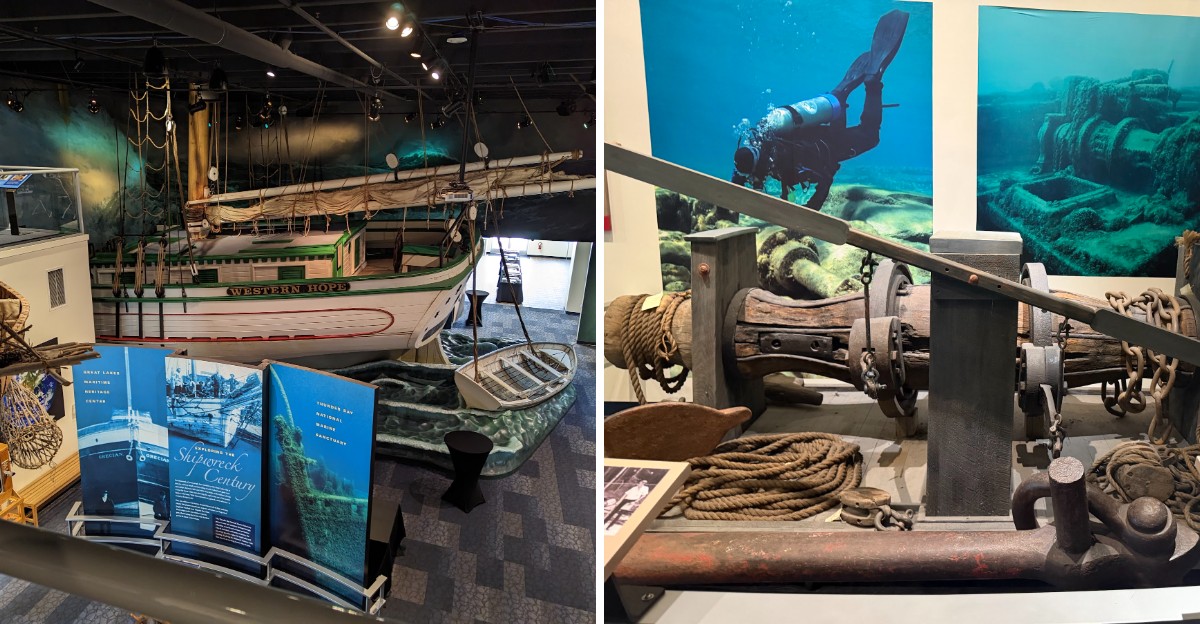
Lake Huron is hiding a whole fleet of lost stories beneath its waves.
Hundreds of ships have disappeared into these cold waters over the years, leaving behind reminders of storms, daring sailors, cargo runs, and the dangers of Great Lakes travel.
Their stories might seem locked away forever, but you can get surprisingly close to them in Alpena, Michigan.
Inside the Great Lakes Maritime Heritage Center, shipwreck history comes alive through immersive exhibits, life-size recreations, artifacts, and stories drawn from the waters of Thunder Bay.
You can experience the drama of a Great Lakes storm, step aboard a historic schooner, and see how underwater archaeologists uncover clues from the lakebed.
Best of all, you can explore this fascinating world without a wetsuit.
Get ready to go beneath the surface without ever getting wet.
Discover the Shipwreck Stories of Thunder Bay
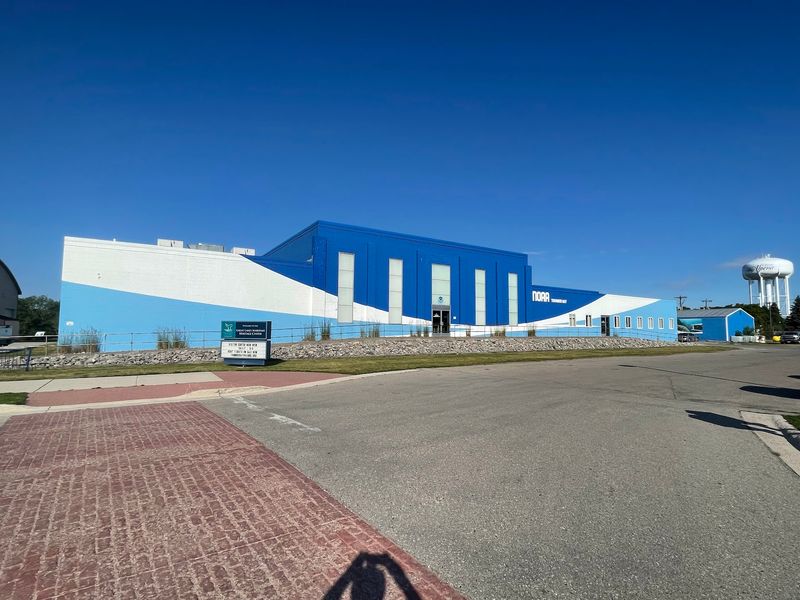
Nearly 200 shipwrecks lie in the waters around Alpena. That number surprises almost everyone who walks through the doors of the Great Lakes Maritime Heritage Center for the first time.
The museum serves as the visitor center for Thunder Bay National Marine Sanctuary, a protected area of Lake Huron managed by NOAA. Inside, you learn how this stretch of water earned the nickname Shipwreck Alley.
Wooden schooners, steel freighters, and steamers all met their end here, and many remain in amazing condition thanks to the cold, fresh water.
Think of the sanctuary as an underwater history book with chapters spread across the lakebed. The museum is where you open that book and start reading.
Displays explain who built the ships, what they carried, and how they were lost.
Start your visit by grabbing a map and reading the welcome panels near the entrance. They give a helpful overview, so every exhibit afterward makes more sense.
Kids especially enjoy spotting the names of wrecks they will see again later in the museum.
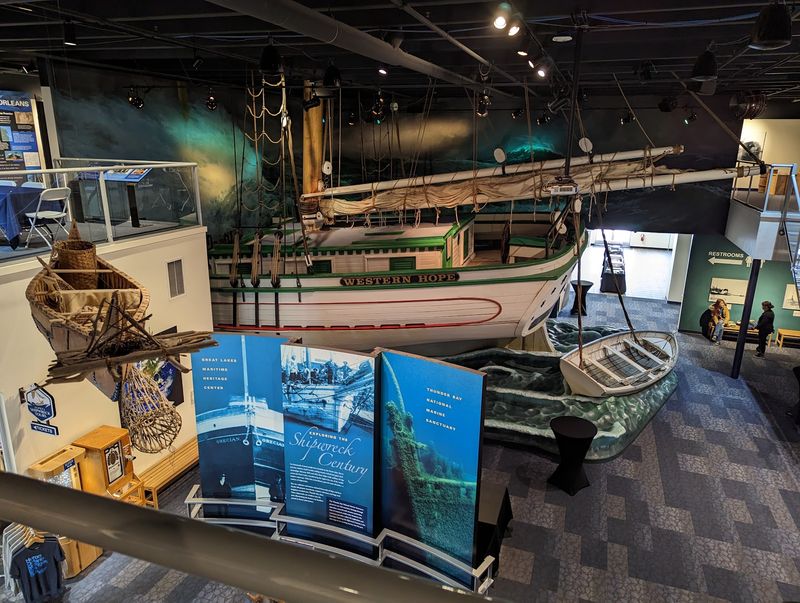
Step Aboard a Life-Size Great Lakes Schooner
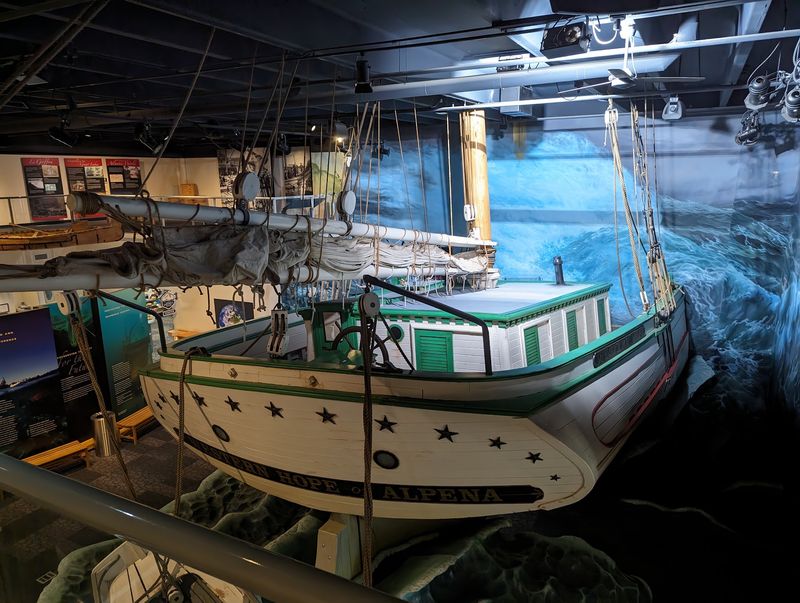
Picture yourself in 1880, hauling ropes on a wooden deck while waves slap against the hull. At the heritage center, you can get pretty close to that feeling by walking onto a full-size recreation of a Great Lakes schooner.
Schooners were the workhorses of the lakes. They carried lumber, grain, coal, and stone between busy ports, often with small crews of just a few sailors.
There was no radar, no GPS, and no weather app to warn them of trouble ahead.
Once aboard, take a moment to look around. Notice how cramped the spaces feel and how exposed the deck is to wind and weather.
Peek into the cabin area and imagine sleeping there during a long voyage.
Here is a fun tip for families: ask kids to pretend they are the captain and decide where to steer. It turns a simple walk into a mini adventure.
You will leave with real respect for the hardworking crews who sailed these waters long ago.
Experience the Fury of a Lake Huron Storm
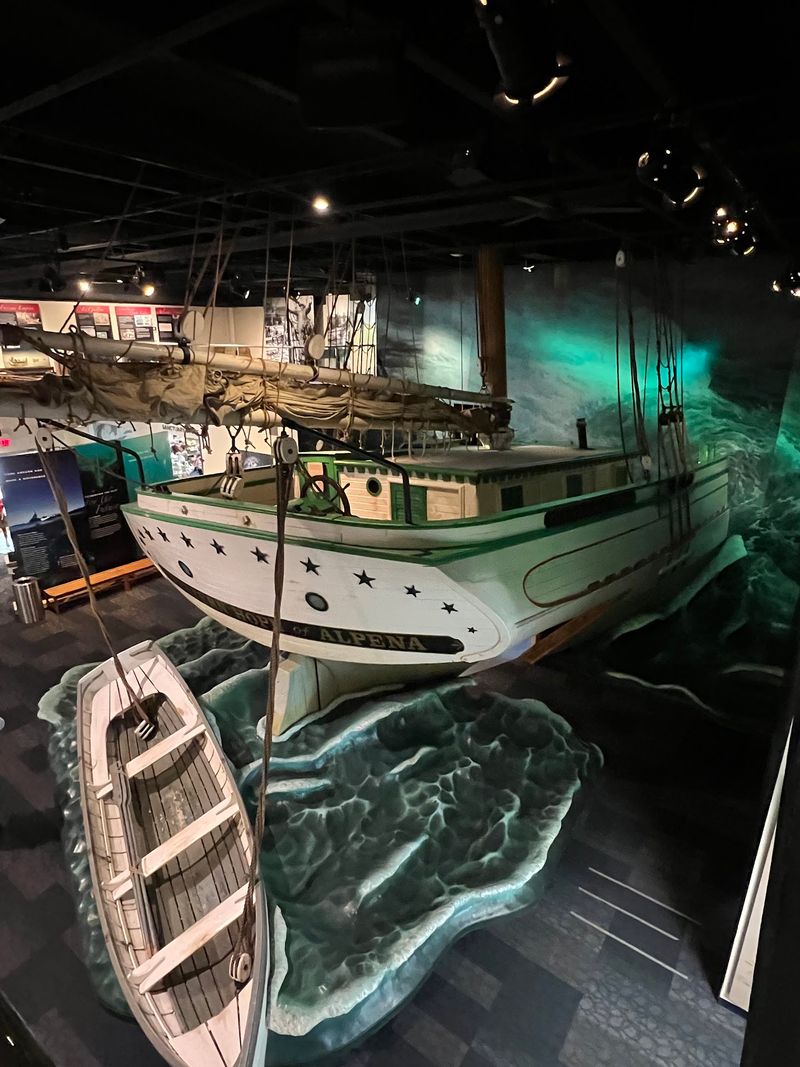
Lightning flashes. Thunder rumbles.
Wind howls through the rigging. Suddenly, you understand why sailors feared November on the Great Lakes.
One of the most memorable parts of the museum puts you right in the middle of a powerful storm. Sound and lighting effects recreate the frightening conditions crews faced when weather turned bad without warning.
It is exciting, a little spooky, and very eye-opening.
Great Lakes storms can whip up waves taller than a two-story house. Because the lakes are narrower than oceans, those waves often come close together, slamming ships again and again with little time to recover.
Many vessels in Thunder Bay sank during exactly these kinds of gales.
Younger children may find the effects a bit intense, so hold hands and talk about what is happening. Ask questions like, what would you do if your ship started taking on water?
The experience sticks with visitors long after they leave. Few exhibits explain history quite so powerfully as feeling a storm surround you.
Explore Shipwrecks Through the Dive Tubes
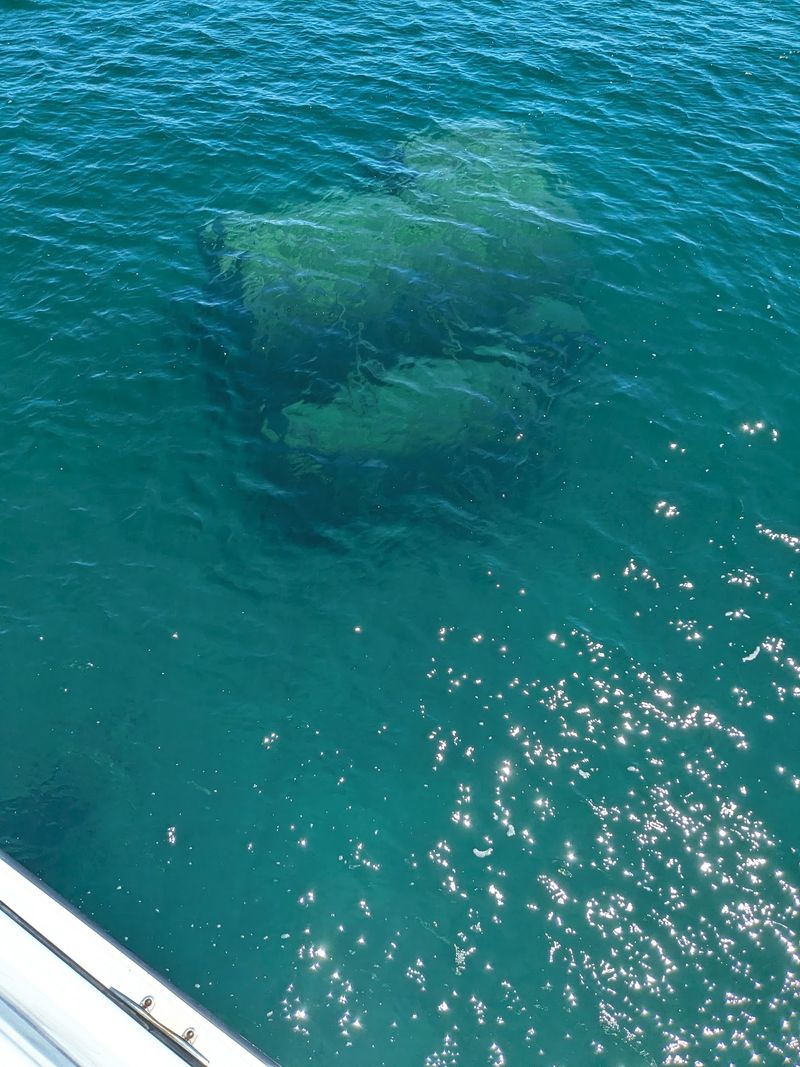
Ever wanted to scuba dive without the heavy gear or freezing water? The dive tubes at the heritage center might be the next best thing.
These clever viewing stations let you look down onto shipwreck recreations, almost like you are floating above the lakebed. You see broken timbers, scattered cargo, and the outline of a ship resting where it sank.
It feels quiet and a little mysterious, just like the real thing.
Most people never get the chance to see a Great Lakes wreck in person. Divers need special training, and Lake Huron stays chilly even in summer.
The dive tubes solve that problem and make underwater discovery possible for toddlers, grandparents, and everyone in between.
Take your time at each tube. Look closely for small details, such as anchors, chains, or tools, then try to guess what the ship was carrying.
Bringing a curious mindset makes this stop way more rewarding. Did you know?
Cold, fresh water slows decay, which is why many Thunder Bay wrecks still look so complete.
See How Underwater Archaeologists Uncover the Past
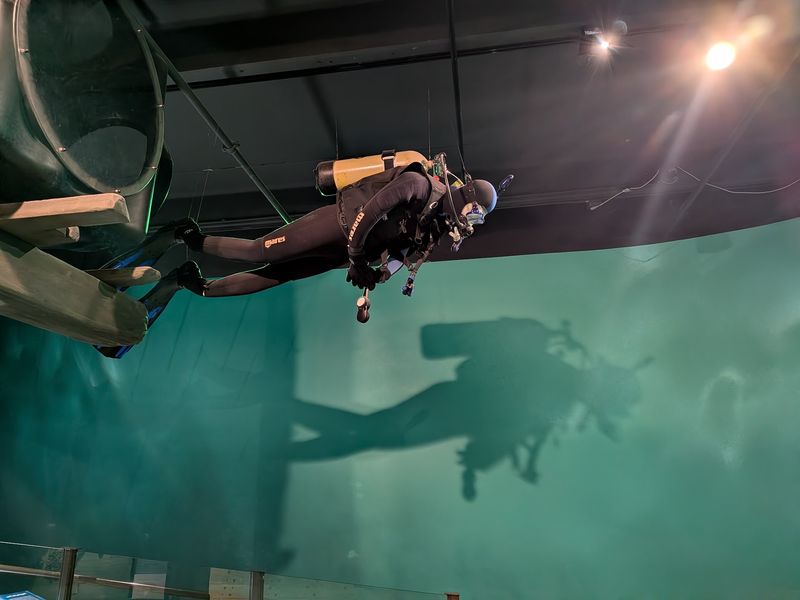
Archaeologists usually dig in dirt, right? Not always.
Some of the most exciting history detectives work underwater, and the heritage center shows exactly how they do it.
Exhibits and hands-on stations explain the tools and methods researchers use at wreck sites. Divers take careful measurements, snap thousands of photos, and use sonar to map the lake floor.
Some teams even use underwater robots called ROVs to reach wrecks too deep for people.
The big rule in underwater archaeology is simple: look, but leave things in place. Each wreck is like a time capsule, and moving objects can destroy clues about what happened.
That is why sanctuary rules protect these sites from souvenir hunters.
If your family enjoys science, spend extra time here. Try the interactive displays and see if you can figure out how a ship sank from the evidence shown.
Students working on school projects will find plenty of useful ideas. You might even discover a future career you never knew existed.
Learn Why Lake Huron Became Known for Shipwrecks
So why did so many ships sink in this one area? The answer is a mix of geography, weather, and plain old busy traffic.
Thunder Bay sits along a major shipping route connecting ports up and down the Great Lakes. During the 1800s and early 1900s, countless vessels passed by, hauling goods that helped build cities like Detroit and Chicago.
More ships meant more chances for accidents.
Add in rocky shoals, thick fog, sudden storms, and the occasional collision, and you have a recipe for disaster. Fire was another danger, especially on wooden ships carrying lumber.
The museum connects these dangers to real people. Sailors, captains, and their families depended on the lakes for a living, and each wreck represents lives changed forever.
Reading their stories adds a human side to the numbers.
Look for the wall maps showing where wrecks were found. Spotting how closely they cluster together helps the whole picture click.
It is a geography lesson and a history lesson rolled into one.
Examine Artifacts That Bring Maritime History to Life
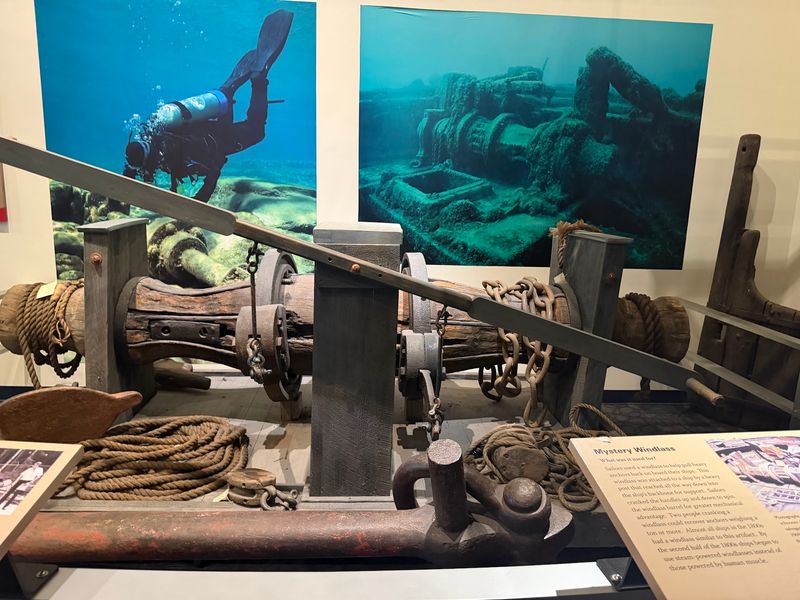
A rusty lantern. A chipped plate.
A worn boot. Small objects like these can tell surprisingly big stories.
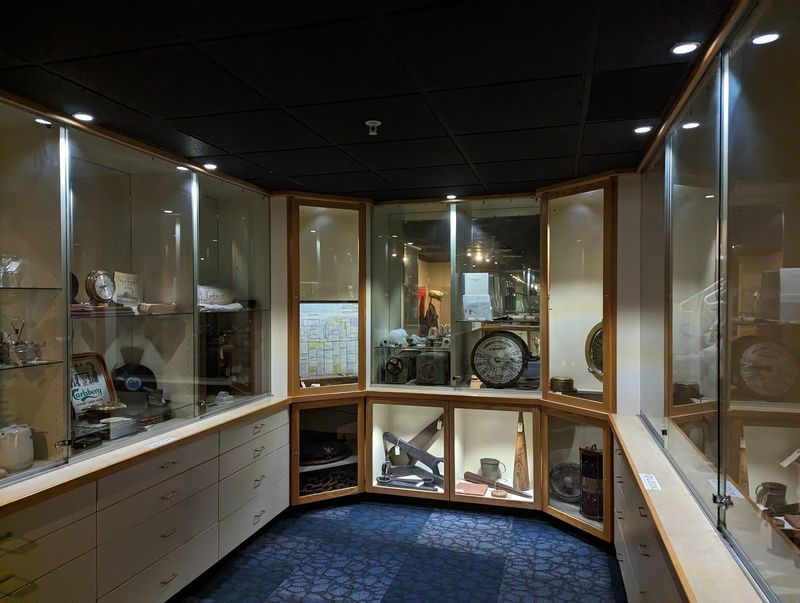
The artifact displays at the heritage center connect famous shipwrecks to the everyday lives of the people on board. You might see tools sailors used, items from a ship’s galley, or pieces of the vessels themselves.
Each object helps you imagine what a normal day on the water looked like.
Researchers treat artifacts like puzzle pieces. A maker’s mark on a dish can reveal when a ship sailed.
Damage on a beam might hint at whether the vessel hit rocks or broke apart in a storm. Put enough clues together, and a mystery starts to make sense.
Here is a helpful idea for your visit: pick one artifact and invent a short story about its owner. Who used it?
Where were they headed? Kids love this game, and adults usually get into it too.
Suddenly, those quiet glass cases feel full of voices from the past.
Continue the Adventure Along the Maritime Heritage Trail
Fresh air and more history? Yes, please.
Once you finish inside, the Great Lakes Maritime Heritage Trail waits just outside the door.
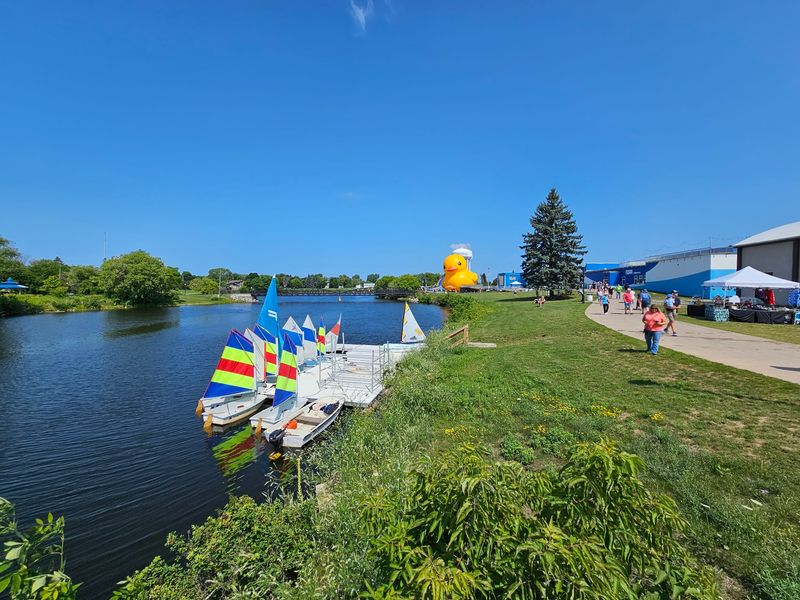
The trail follows Alpena’s waterfront along the Thunder Bay River. Interpretive signs along the way share stories about the city’s shipping past, from lumber booms to busy docks filled with vessels.
It is an easy, pleasant walk for most ages and fitness levels.
Walking the trail helps you see how closely Alpena’s growth was tied to the water. You can watch boats drift by and picture the river crowded with schooners and steamers more than a century ago.
It makes the museum’s stories feel real and local.
Wear comfortable shoes and bring a water bottle on warm days. Spring and fall bring cooler temperatures and lovely views, while summer evenings often offer gorgeous sunsets.
Benches along the way make nice spots to rest and chat about your favorite exhibits. Pack a snack, slow down, and enjoy the breeze off the river.
Plan Your Visit to the Great Lakes Maritime Heritage Center
Good news first: admission is completely free. That makes this museum one of the best bargains in northern Michigan.
You will find the center at 500 W. Fletcher Street, Alpena, MI 49707.
Call (989) 884-6200 with questions. NOAA lists it as open daily from 8 a.m. to 5 p.m., but hours and occasional closures can change, so check thunderbay.noaa.gov before you travel.
Accessibility is well covered. The building offers wheelchair-accessible entry and exhibits, along with accessible parking and restrooms.
Want to see real shipwrecks? Seasonal glass-bottom boat tours head out into Thunder Bay and pass over actual wrecks.
Visit alpenashipwrecktours.com for current schedules, prices, and departure times, and book early during summer.
Our best tip is to avoid rushing. Give yourself a couple of hours to wander the exhibits at your own pace, then stroll the waterfront trail if the weather cooperates.
Families, history fans, and curious travelers will all find plenty to love here.