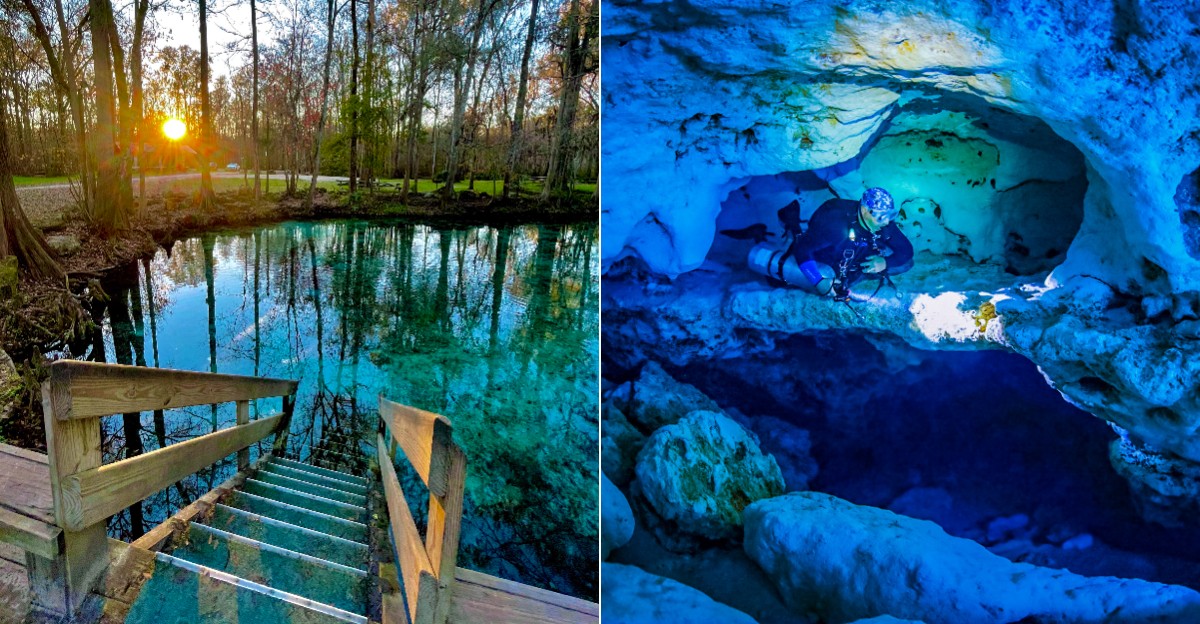
The clearest water can hide an entire world beneath the surface. At Ginnie Springs Outdoors near High Springs, Florida, sunlight slips through remarkably clear spring water before fading into a network of underwater passages that has attracted experienced cave divers from around the world.
The famous springs are more than a destination for technical diving, though.
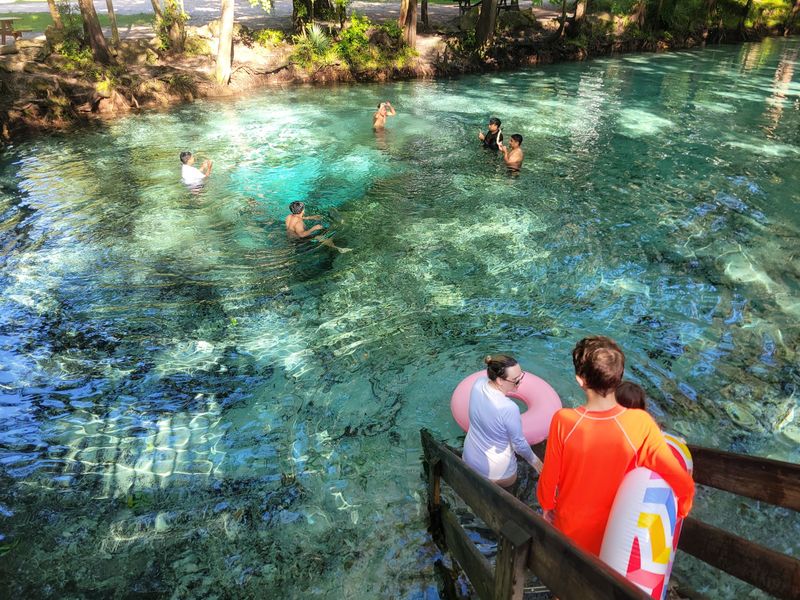
Swimmers can cool off in the refreshing water, float along the spring runs, or settle into a campsite surrounded by the quiet landscape. Above water, the setting feels peaceful; below it, the scale and mystery of the cave system tell a very different story.
Whether you come to explore the springs or simply enjoy their natural beauty, Ginnie Springs offers plenty to see and experience. There is much more waiting beneath that glassy surface, and the details make the place especially fascinating.
Water So Clear You Can See the Bottom
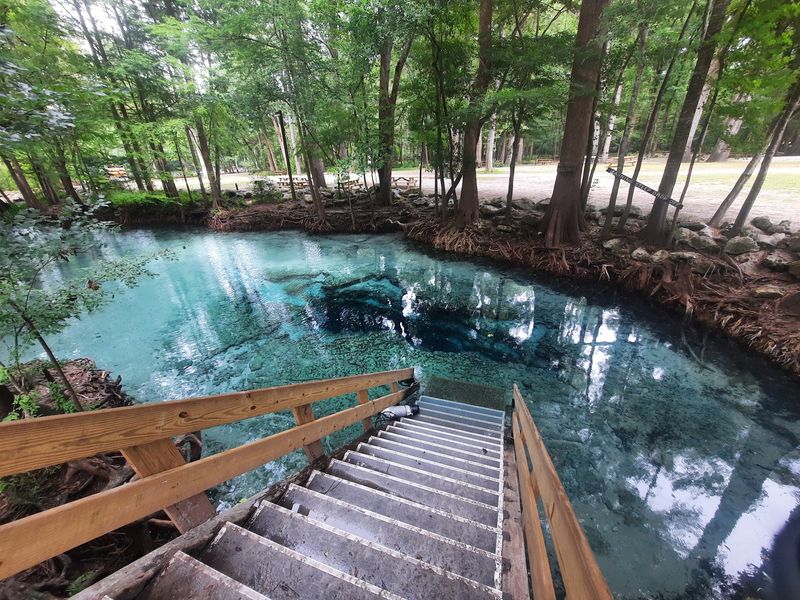
From the bank, the water can look so clear that judging its depth takes a second glance. At Ginnie Springs Outdoors, sunlight reaches through the spring pools and reveals pale sand, limestone, and swimmers moving below the surface.
Put on a mask, and small details that seemed far away suddenly come into focus.
The water stays around 72 degrees Fahrenheit throughout the year, which feels especially refreshing on a hot North Florida afternoon. That same temperature can feel chilly after a long swim, so bring a towel and something dry to wear.
Water shoes are useful, too, because some entry areas have rocks that are hard on bare feet.
Clear water is part of the fun, but it is not a reason to forget basic safety. Swim with a buddy, watch children closely, and stay within areas that match your comfort and skill.
Arriving early or visiting on a weekday may give you more room to enjoy the view. Even a short float near the surface shows why people travel here to see what lies below.
Sunbeams in the Ginnie Ballroom
A beam of sunlight slipping underwater can make a stone ceiling seem to glow. Divers call one of Ginnie Springs Outdoors’ best-known underwater spaces the Ginnie Ballroom.
Its broad cavern gives properly equipped visitors a look at the limestone world that helped make this Florida site famous.
There is an important difference between looking at a cavern entrance and swimming beneath rock. Once a ceiling is overhead, a direct rise to the surface may not be possible.
Open-water certified divers should check current site rules, depth limits, lighting requirements, and allowed routes with staff before entering. A guide or instructor can help newer divers understand what they are seeing without stretching beyond their training.
Outside the cavern, swimmers and snorkelers can still enjoy the clear spring without going under an overhead space. For divers who meet the site’s requirements, moving slowly makes the visit more memorable: watch how light crosses the rock, and keep fins away from the bottom.
The Ballroom offers a glimpse of a hidden landscape, but the smartest souvenir is a safe return to daylight.
Where the Devil’s System Begins
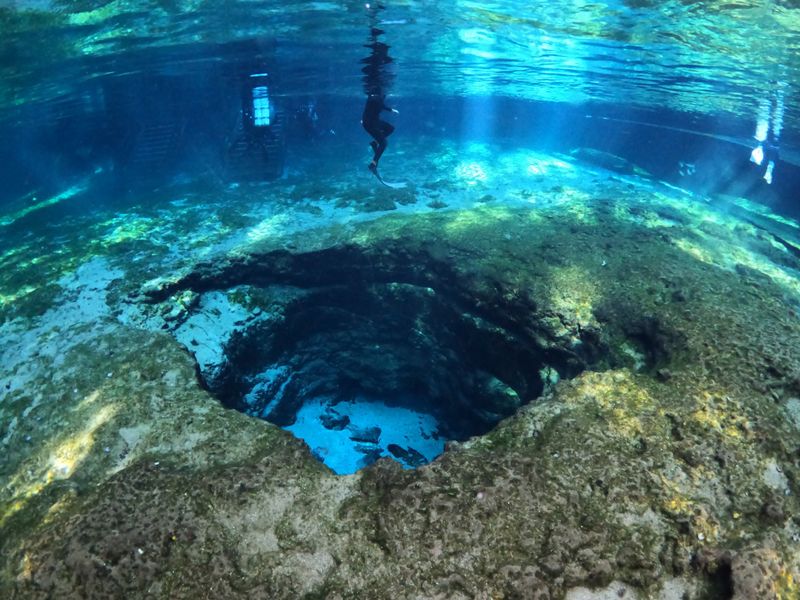
Dark openings below bright water hint at a place most visitors will never enter. The Devil’s Spring System at Ginnie Springs Outdoors includes Devil’s Eye, Devil’s Ear, and Little Devil.
Together, these spring sites lead toward underwater passages known among trained cave divers far beyond Florida.
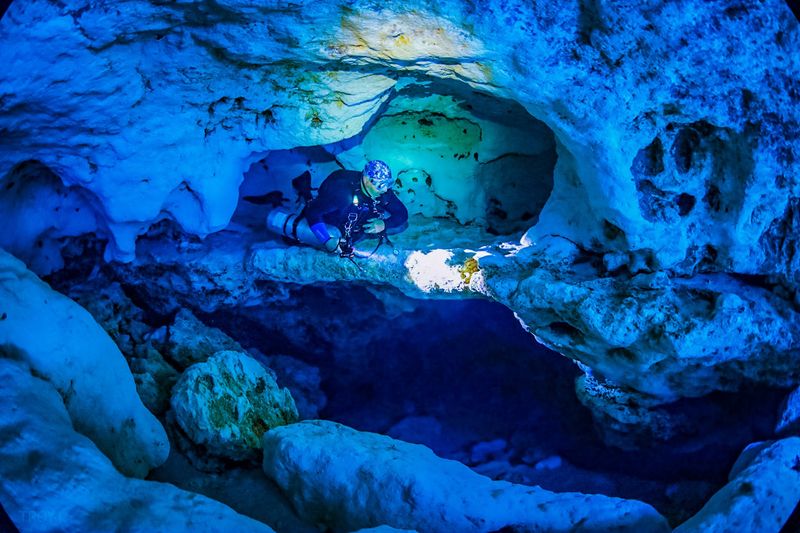
Strong spring flow and an overhead ceiling make cave diving very different from swimming or ordinary scuba diving. A diver cannot simply surface when something goes wrong inside a passage.
Cave-certified divers use special equipment, careful plans, and a continuous guide line to find their way back. No visitor should follow a diver into an opening or treat a clear entrance as proof that the route is safe.
Watching from an appropriate surface area can still be fascinating. Near Devil’s Ear, clear spring water meets the darker Santa Fe River, making the boundary between the two waters easier to notice.
Ask staff where swimming and snorkeling are permitted, and give working dive teams room to prepare. Respecting those limits lets everyone share a remarkable place without turning curiosity into danger.
A Slow Ride on the Santa Fe River
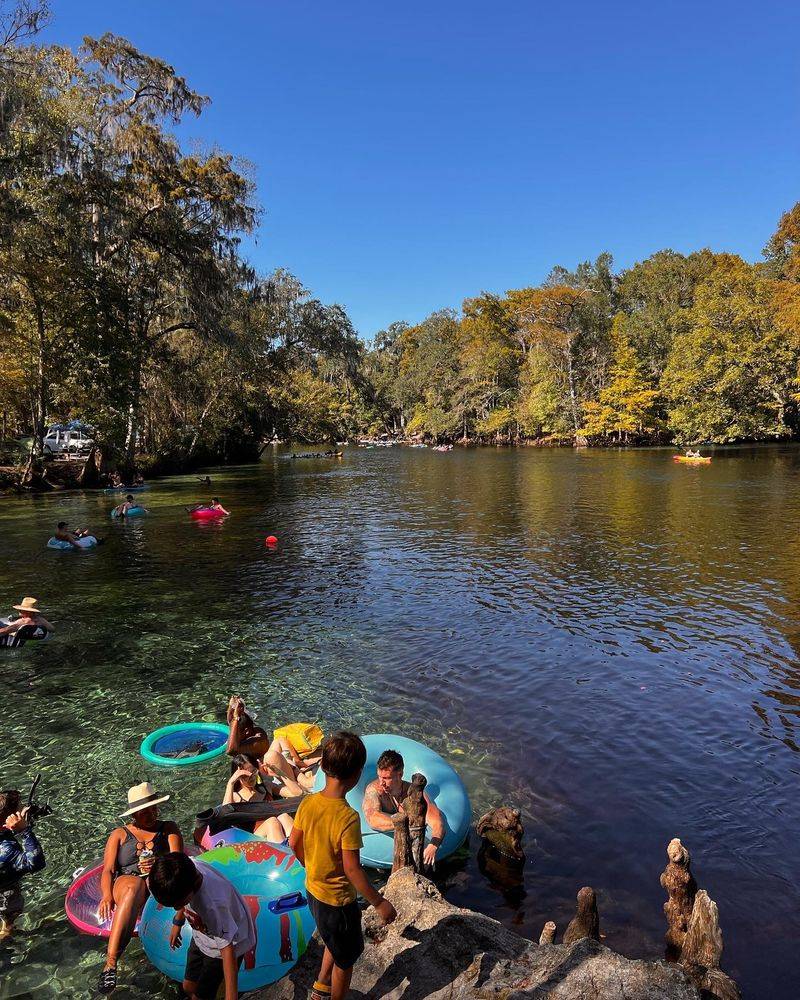
Some afternoons call for an adventure that asks almost nothing of your legs. Along the edge of Ginnie Springs Outdoors, the Santa Fe River gives visitors a chance to float past wooded banks in a tube.
Its darker water offers a striking contrast with the clear spring water nearby.
Before getting in, find out where the float starts and where you must leave the river. Ask staff about current conditions and the expected travel time, since water levels and flow can change.
Rent a tube on site if available, or check the rules before bringing your own. Keep keys and other essentials in a secure waterproof holder, and wear shoes that can handle uneven ground at the exit.
A river float feels relaxed, but it still deserves your attention. Stay with your group, watch for other people on the water, and do not rely on the current to carry you quickly.
Shade can come and go, so use sun protection and bring drinking water for afterward. The reward is a slower view of the property, with time to notice every spring run you pass.
A Snorkeler’s View of Freshwater Life
A flick of a tail can turn a quiet swim into a wildlife sighting. Beneath the surface at Ginnie Springs Outdoors, snorkelers may spot fish moving over sand and around patches of aquatic plants.
Clear water makes it easier to notice their shapes and colors without getting close.
Bring a well-fitting mask and snorkel, then give yourself a minute to float calmly before looking around. Splashing and chasing usually send animals away, while patient watching may reveal more.
Fish seen in the springs and nearby river can vary with conditions, so treat each sighting as a surprise rather than a promise. Never feed wildlife, and avoid touching plants or stirring up the bottom.
For children or first-time snorkelers, start in a permitted area where the depth feels comfortable and a supervising adult can stay close. Check the site’s guidance before entering any spring opening; snorkeling is not an invitation to swim into a cave.
Back on shore, compare what everyone noticed. One person may remember a fish, while another remembers the way sunlight changed the color of the sand.
A Campsite Close to the Water
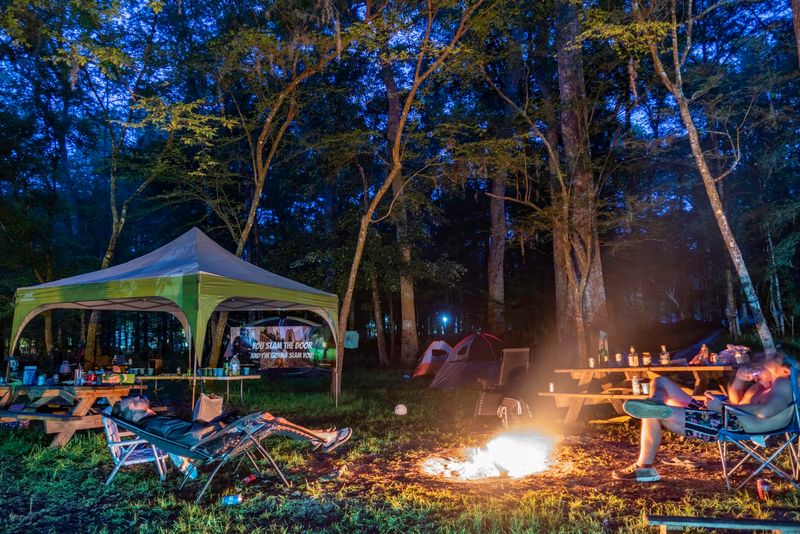
When the last swimmers leave the water, a campsite can make the day feel far from over. Ginnie Springs Outdoors offers camping that lets visitors stay near the springs and Santa Fe River instead of rushing away after an afternoon swim.
A tent under the trees brings an early start within easy reach.
Choose between available camping options by checking the current reservation details before you travel. Confirm where your site is, what facilities it includes, and which rules apply to fires, noise, vehicles, and pets.
Bring lights for the dark paths, insect repellent, and a dry layer for the evening. If you plan to cook, pack your supplies and follow the site’s rules for grills or campfires.
Campground energy can change from one night to the next, especially on busy weekends. Visitors hoping for a quieter stay may prefer a weekday and should ask about site locations when booking.
Give neighbors space, respect quiet hours, and take every bit of trash with you. Waking near the springs feels better when the grounds remain welcoming for the next camper.
An Easygoing Day for the Whole Group
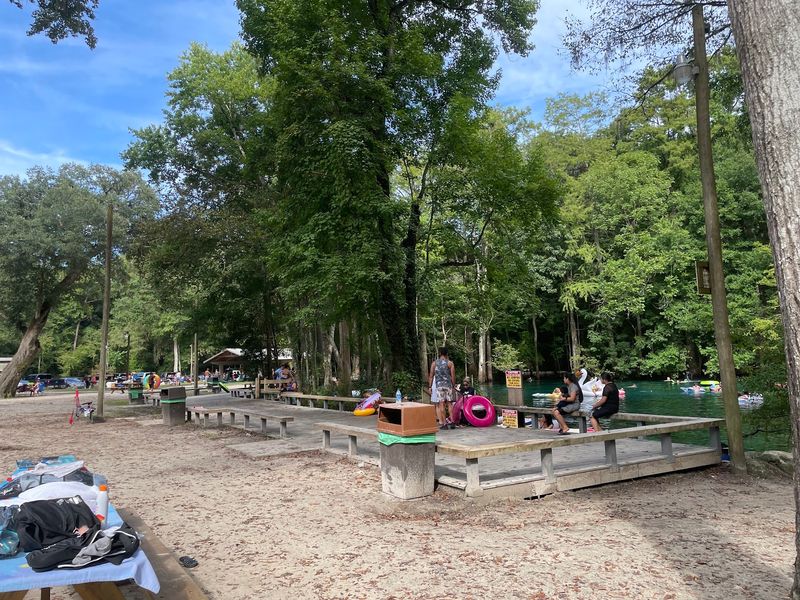
Not everyone in the car has to want the same adventure. At Ginnie Springs Outdoors, one friend can swim while another relaxes beside the water and a third gets ready to float the river.
That mix makes a group trip easier to plan, especially when ages and comfort levels differ.
Set a simple meeting spot before anyone heads toward a spring or river access point. Bring water shoes, towels, sunscreen, and enough drinking water for a long outdoor day.
Picnic areas can give the group a place to gather between activities; check current rules and availability before bringing food or a grill. Equipment rentals may help travelers who do not own tubes or snorkel gear, but calling ahead can prevent surprises.
Clear water does not remove the need for close supervision. Keep children within reach near the springs, choose swimming areas suited to their abilities, and make sure everyone knows the plan for leaving the river.
If your group prefers a calmer setting, consider an early arrival or a weekday. The best part is sharing stories afterward, even when everyone spent the afternoon doing something different.
Lessons for the Next Level of Diving
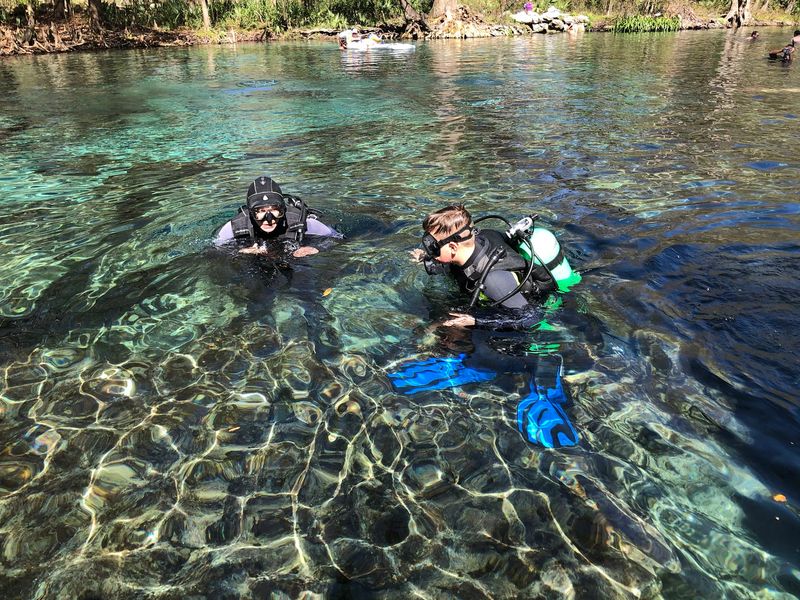
A diver’s most useful tool may be a plan made before getting wet. The cave system at Ginnie Springs Outdoors draws experienced divers and instructors who want to practice demanding skills.
For visitors interested in that path, the first step is training, not an attempt to follow someone through a spring opening.
Cavern and cave courses teach skills that ordinary open-water classes do not cover. Students learn to manage air, follow a guide line, move without clouding the water, and handle problems when surfacing is not an option.
Training is gradual, and certification for one type of dive does not grant permission for every passage. Ask a qualified instructor which course matches your experience, and confirm the site’s current diving rules before scheduling.
Even seasoned divers benefit from slowing down on arrival. Checking equipment, reviewing a route, and discussing limits with a buddy can turn excitement into better decisions.
Nondivers can watch preparations from a respectful distance and learn why the place has such a strong reputation. The cave is impressive partly because it demands care, patience, and skill from anyone who enters.
A Breather Beneath the Trees
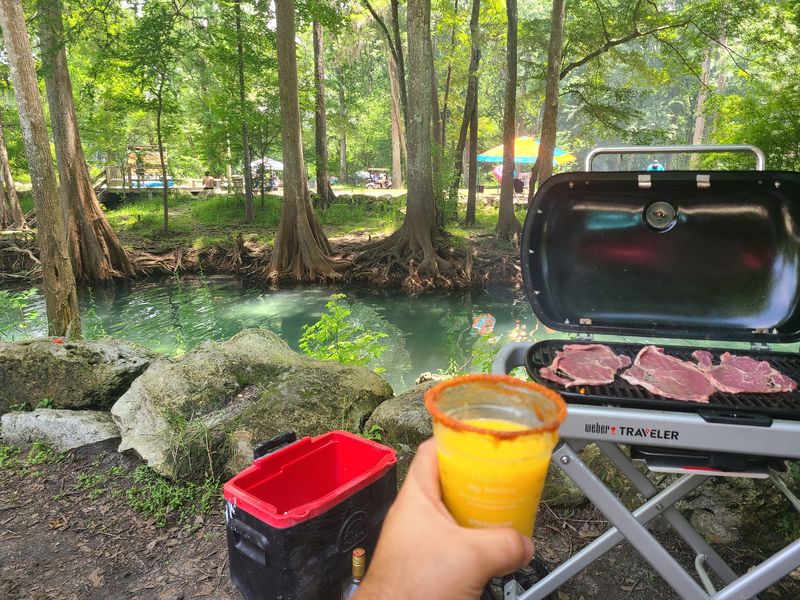
After hours in cool water, dry ground feels surprisingly inviting. The wooded setting at Ginnie Springs Outdoors offers space to pause between swimming, tubing, and watching divers prepare.
Under the trees, you can sort your gear, share a snack, or simply listen to the busy spring area from a little farther away.
Take a short walk on permitted paths and notice how the view changes between the clear pools and the Santa Fe River. Bring shoes for walking, since the ground may be uneven and damp near the water.
A picnic table can make a useful base for lunch when one is available, but never leave food or valuables unattended. Check posted signs before entering any area you are unsure about.
Florida’s shade does not stop heat, insects, or sudden rain, so pack drinking water, repellent, and a light rain layer. Keep an eye on children near every access point, even during a break from swimming.
A few quiet minutes ashore can reset the whole day. When you head back to the spring, the water and the limestone beneath it may look different from before.
Keeping the Springs Worth Exploring
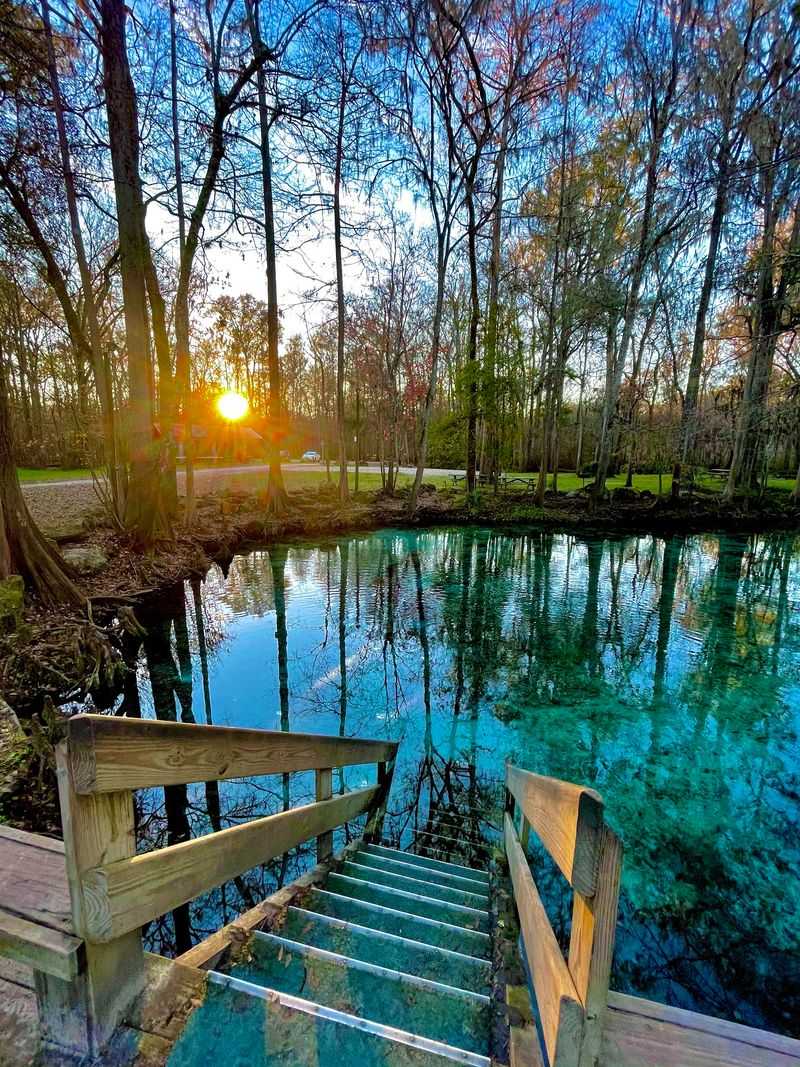
Leave a clear spring behind, and it stays in your mind long after the drive home. Ginnie Springs Outdoors is valued for water that visitors can swim in, snorkel over, and study as part of Florida’s underground water system.
The limestone passages that interest divers are also a reminder that the landscape connects above and below ground.
That connection gives small choices real meaning. Carry out wrappers and broken gear, use trash bins, and keep food and drinks from becoming litter near the water.
Give fish and other wildlife room, and avoid damaging plants along the shore. Divers should follow training limits and site rules, while all visitors should respect marked access areas.
Caring for the place is a shared job, not just a task for staff.
Before leaving, take one last look at the spring and make sure nothing from your group remains behind. If you want to understand the cave system more deeply, ask qualified divers or instructors about its geology rather than exploring an opening yourself.
The lasting appeal of Ginnie Springs depends on both wonder and restraint: enjoying what you came to see while protecting it for whoever arrives next.