South Carolina is the kind of place where a casual walk can turn into a full-blown birding obsession before your coffee even cools.
From haunting cypress swamps to salt marshes glittering with egrets, these sanctuaries serve up the sort of sightings that make you whisper, point, and immediately reach for binoculars.
If you have ever wanted a travel list with more roseate spoonbills, painted buntings, and pelican flybys than traffic lights, you are in exactly the right spot.
Grab your field guide, charge your phone, and get ready to meet eleven birding gems that locals, regulars, and very enthusiastic photographers keep recommending for good reason, because these South Carolina sanctuaries are not just pretty places to stroll.
They are the kind of memorable, wing-filled escapes that can turn even a mildly curious visitor into someone who suddenly knows the difference between a tern and a gull.
1. Cape Romain National Wildlife Refuge
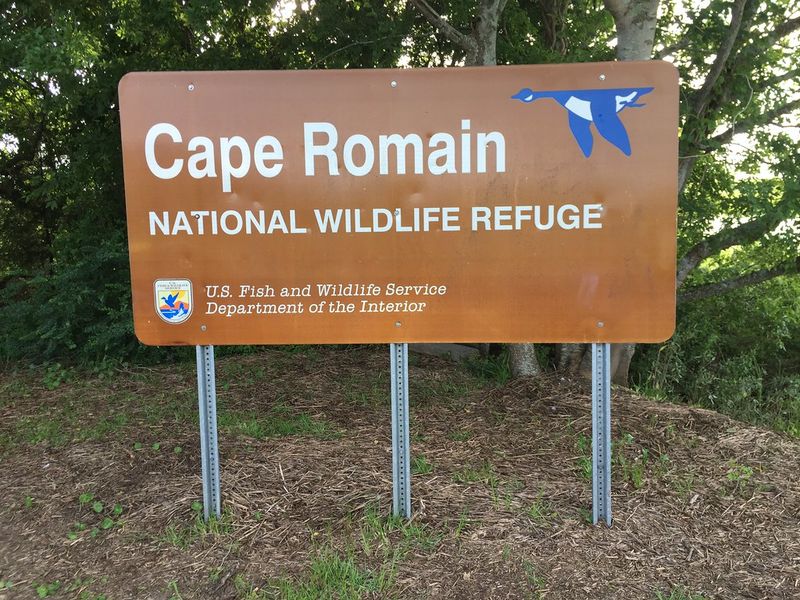
Salt air hits differently at Cape Romain, where the landscape feels built for wings and wonder.
Near Awendaw on the South Carolina coast, this vast refuge protects barrier islands, marshes, tidal creeks, and nesting habitat that support one of the richest birding areas in the state.
Bring binoculars and patience, because the reward can be brown pelicans, reddish egrets, oystercatchers, terns, and migrating shorebirds moving like living confetti across the flats.
Boat access opens the best views, especially around Bulls Island, where undeveloped beaches and maritime forest create a dramatic backdrop for every sighting.
The refuge is also famous for protecting nesting seabirds and for offering seasonal chances to spot painted buntings, bald eagles, and wading birds without city noise stealing the mood.
Sunrise feels almost theatrical here, with light pouring across the marsh while herons stalk breakfast like tiny, elegant dinosaurs.
If you like your birding with a side of wild remoteness, Cape Romain absolutely delivers.
It is the kind of place that makes you lower your voice, look longer, and wonder why your regular neighborhood ducks suddenly seem so underdressed.
2. Huntington Beach State Park
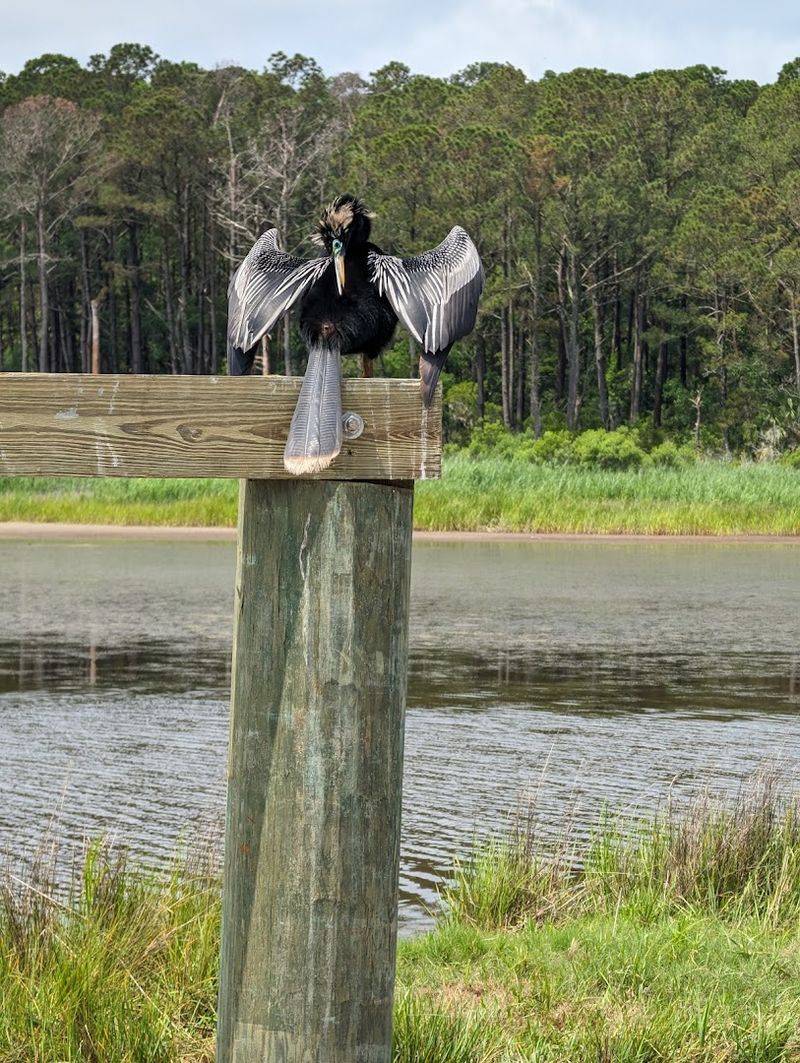
Few places make birding feel this easy, this scenic, and this likely to derail your schedule in the best way.
In Murrells Inlet, Huntington Beach State Park combines beach, freshwater lagoon, marsh, and woodland habitats, creating a buffet of options for everything from dabbling ducks to dramatic waders.
Birders come hoping for spoonbills, herons, egrets, plovers, and migrating songbirds, and many leave wondering why they did not block off the whole day.
The causeway is a favorite starting point because birds often gather close to the road, giving you unusually satisfying views without requiring a marathon hike.
The park is also known for alligator sightings, which adds a tiny jolt of respect to every waterside stop and reminds you who really owns the marsh.
During migration, the variety can be excellent, and the changing light around the lagoons keeps photographers cheerfully distracted.
There is real convenience here, with trails, observation points, and amenities that welcome both dedicated listers and curious families.
When a place offers a castle-like mansion nearby, ocean breezes, and legit birding bragging rights, recommending it becomes less a suggestion and more a public service.
3. Pinckney Island National Wildlife Refuge
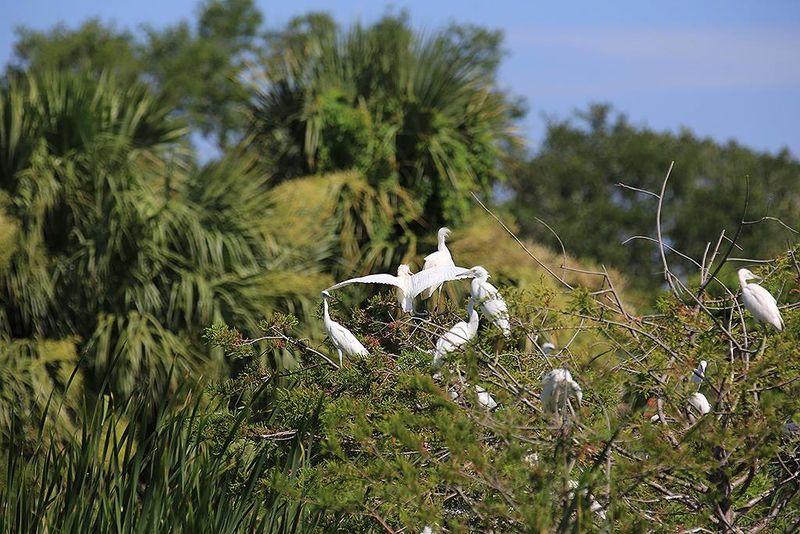
Just off the bustle of Hilton Head Island, Pinckney Island National Wildlife Refuge feels like the quieter, featherier answer to a beach vacation.
This refuge spans salt marsh, freshwater ponds, forest, and open fields between Hilton Head and the mainland, which means habitat variety is one of its biggest strengths.
Expect white ibis, herons, egrets, raptors, and seasonal songbirds, with enough action to keep both casual walkers and checklist devotees pleasantly occupied.
The trails are wide and mostly flat, making this a friendly place for a relaxed morning loop that still delivers strong wildlife viewing.
Because bicycles and walking are the main ways in, the pace stays calm, and birds often seem less rattled than they do in louder, busier parks.
Photography can be excellent around the ponds, especially when reflections sharpen and flocks gather like they have agreed on a meeting agenda.
Bring water, sun protection, and a willingness to stop often, because the refuge rewards lingering over every rustle and wingbeat.
Pinckney does not need flashy gimmicks to impress you – it simply stacks one good sighting after another until you realize your easy stroll became a very successful birding day.
4. Savannah National Wildlife Refuge
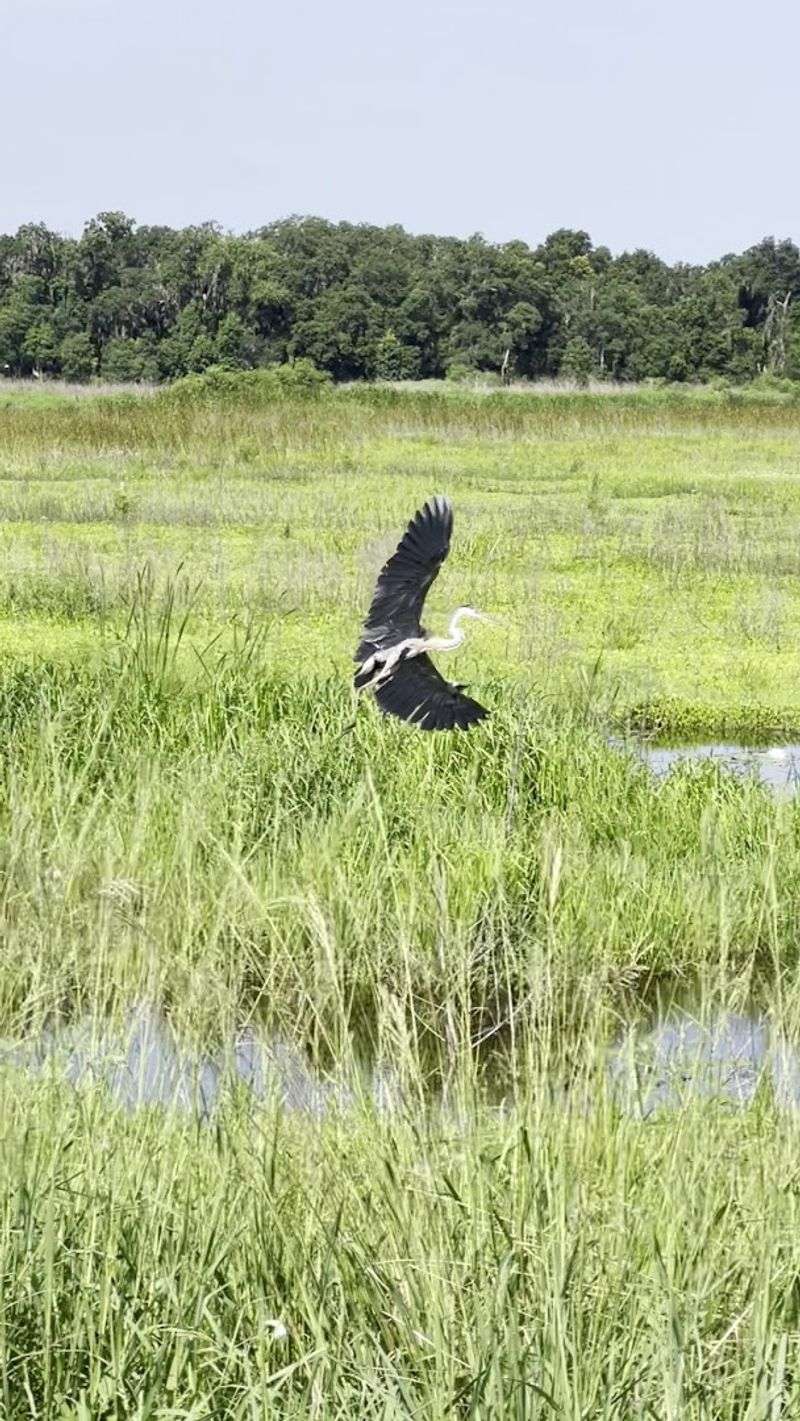
Mist over the impoundments gives Savannah National Wildlife Refuge a grand entrance, and the birds usually rise to meet the drama.
Near Hardeeville along the South Carolina and Georgia border, this massive refuge protects wetlands and managed water habitats that attract waterfowl, wading birds, raptors, and seasonal migrants in impressive numbers.
Depending on timing, you might spot wood storks, anhingas, black-necked stilts, teal, or hawks scanning the edges like patient little strategists.
The Laurel Hill Wildlife Drive is especially helpful for visitors who prefer birding from short stops rather than long treks.
Observation platforms and pullouts create strong viewing opportunities, and changing water levels can concentrate birds in ways that make even a beginner feel uncannily skilled.
Winter is a standout season for ducks, while warmer months keep the refuge lively with nesting and feeding activity across the marsh.
There is a spaciousness here that makes every flock feel bigger and every call travel farther.
If you enjoy birding with sweeping views, easy access, and the occasional sensation that you have driven directly into a nature documentary, Savannah National Wildlife Refuge earns its devoted fans.
5. Great Swamp Sanctuary
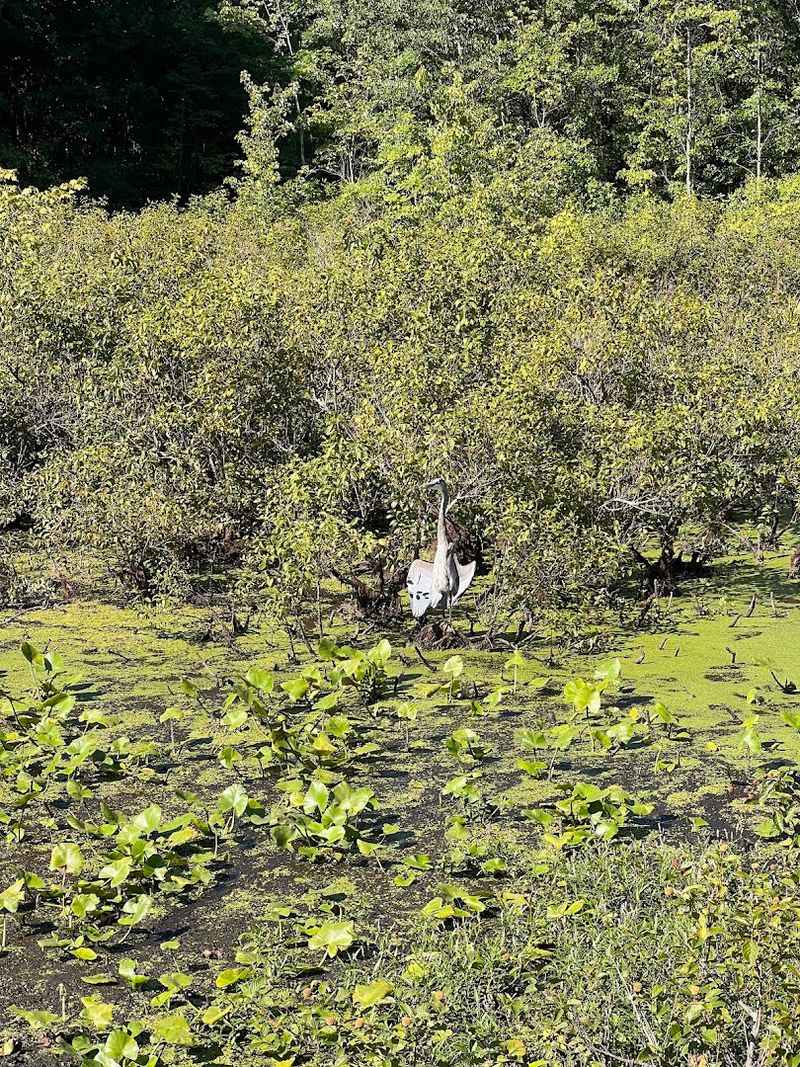
Tucked near Union in the Upstate, Great Swamp Sanctuary proves coastal fame is not required for excellent South Carolina birding.
This lesser-known preserve mixes wetland edges, woodland, and open water, creating a quieter setting where you can listen closely and notice smaller details instead of chasing crowds.
Birders often watch for herons, woodpeckers, warblers, and seasonal migrants, while the peaceful atmosphere makes every sighting feel a bit more personal.
Trails and boardwalk sections guide you through habitats that support both resident birds and species passing through during migration.
Because the sanctuary is not as heavily trafficked as some headline locations, it can be especially appealing if you prefer your birding with more birds than people and fewer loud snack wrappers.
Morning visits tend to be best, when the air is cooler and the chorus of calls helps point your eyes in the right direction.
This is a place for slowing down and letting the landscape introduce itself one flutter at a time.
Great Swamp may not shout for attention, but it quietly wins you over, then sends you home with muddy shoes, a calmer mood, and a surprisingly respectable list.
6. Francis Beidler Forest
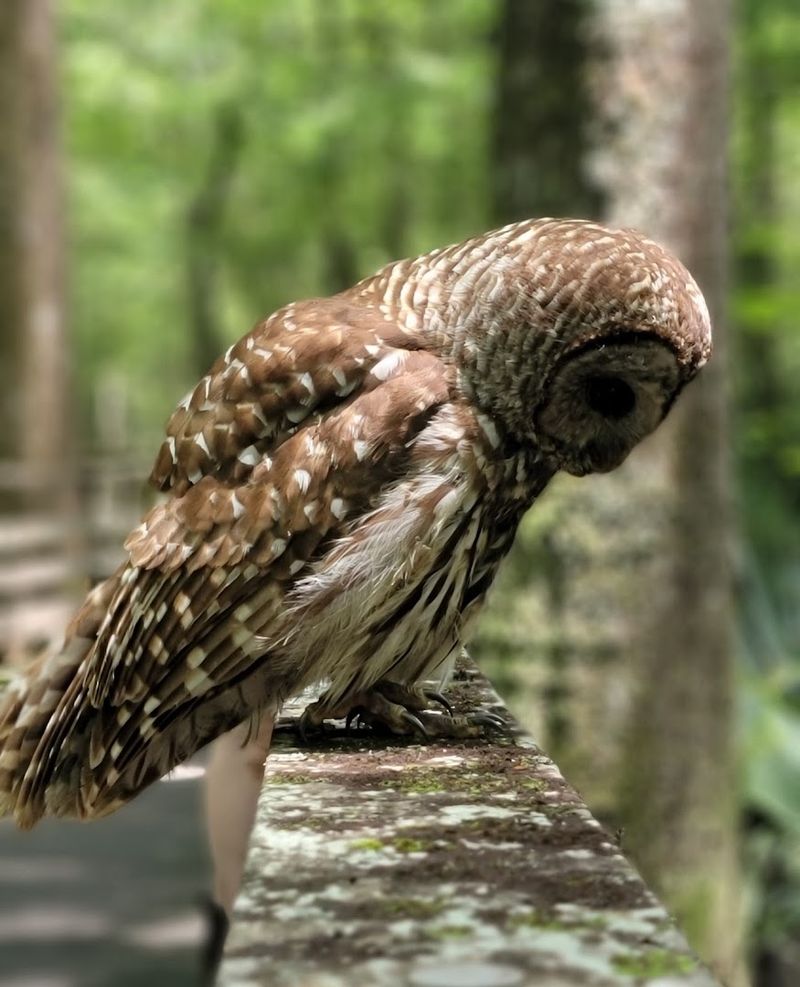
Step onto the boardwalk at Francis Beidler Forest and the whole world turns hushed, green, and gloriously prehistoric.
Located in Harleyville, this Audubon sanctuary protects one of the largest remaining old-growth cypress-tupelo swamps on Earth, which is excellent news for birds and anyone craving a little awe.
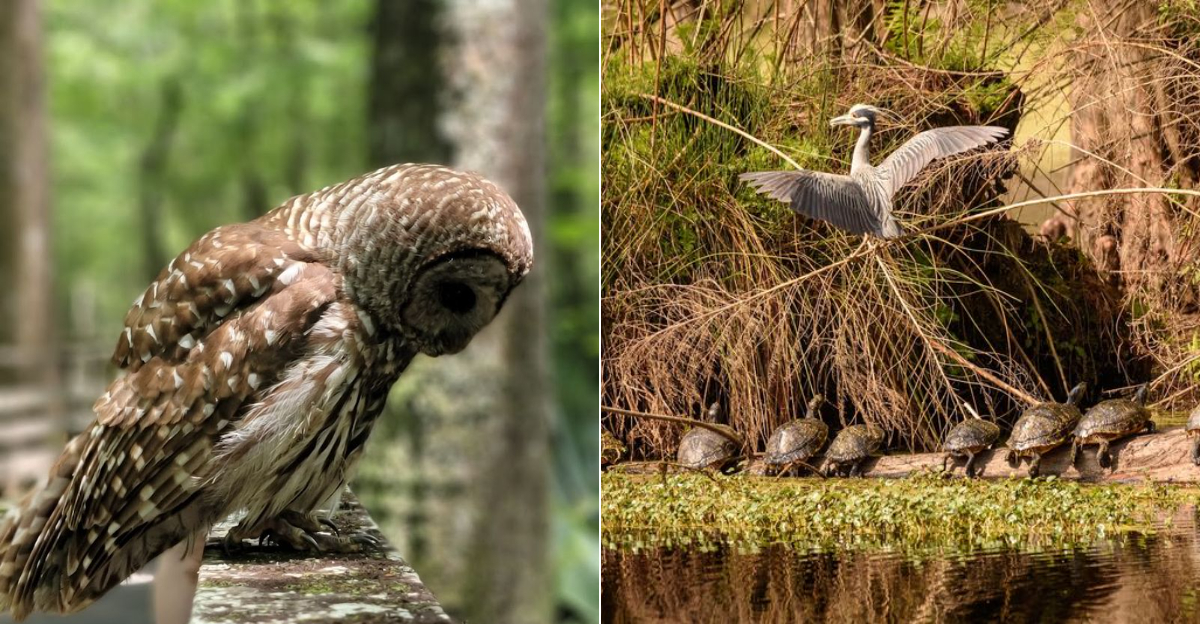
Prothonotary warblers glow like dropped sunlight here, while barred owls, pileated woodpeckers, and wood ducks add movement and surprise around nearly every bend.
The elevated boardwalk makes access easy, so you can glide through the swamp without needing canoe skills or heroic amounts of bug tolerance.
Spring is especially rewarding, but every season brings atmosphere, from summer frog choruses to winter light filtering through knobby cypress knees that look like they know secrets.
Interpretive signs help beginners stay engaged, while serious birders appreciate the habitat quality and the chance for close, respectful views.
This is birding with a cinematic setting, and the soundtrack is outstanding.
If a swamp could politely show off, Beidler would do it daily, then send you home convinced that moss and warblers are an unbeatable combination.
7. Santee Coastal Reserve
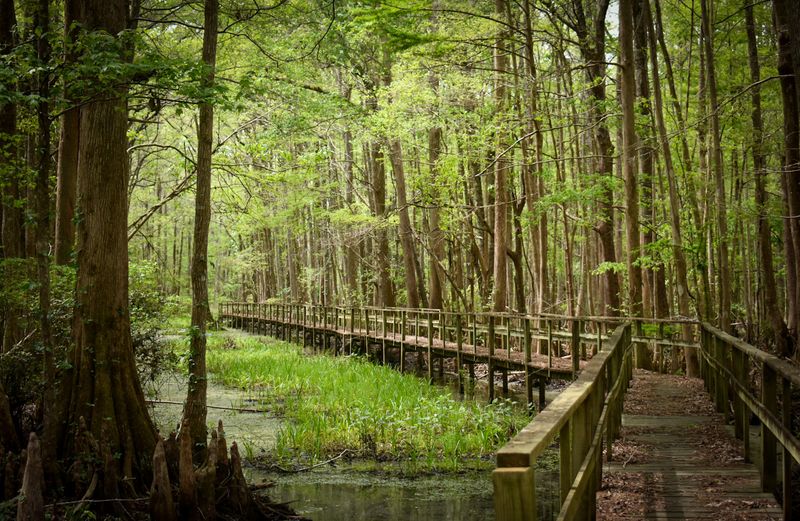
At Santee Coastal Reserve, the scenery seems determined to outdo the bird list, which is saying something.
Located near McClellanville, this protected coastal landscape includes old rice fields, freshwater wetlands, impoundments, and salt marsh, all of which combine to create habitat for an impressive range of species.
You might see ducks, bitterns, rails, wading birds, raptors, and, in the right season, colorful surprises that make every stop feel worth the dust on your car.
The reserve has a remote, lightly developed character that birders often love because it keeps the focus squarely on the habitat.
Dike roads and observation points provide strong views over the wetlands, and sunrise or late afternoon can turn the whole place golden while birds feed, glide, and generally behave like they know they are being admired.
Because this area sits within a broader wildlife-rich coast, every visit carries a little treasure-hunt excitement.
Preparation helps here, so bring water, bug spray, and realistic expectations about wanting to stay longer than planned.
Santee Coastal Reserve is not flashy, but it is deeply rewarding, and it has a knack for making a quiet day outdoors feel like you accidentally unlocked a secret birding level.
8. Bear Island Wildlife Management Area
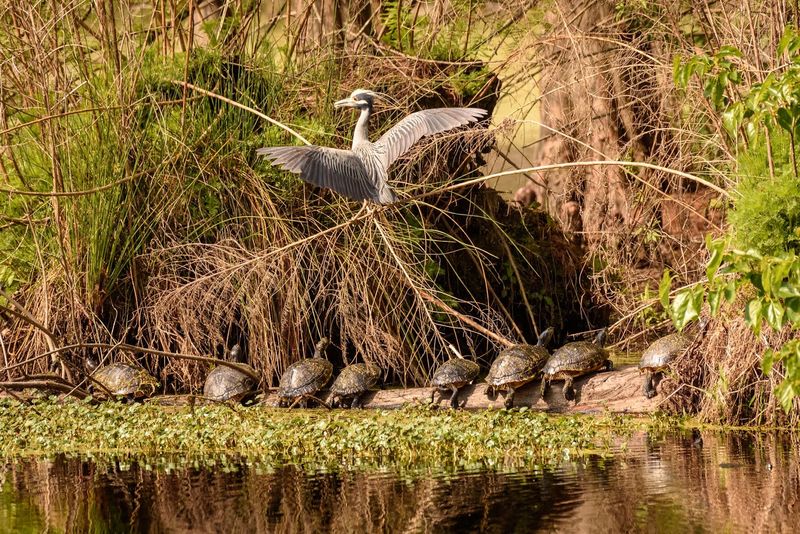
Bear Island Wildlife Management Area is where serious marsh energy meets some of the best birding habitat in the Lowcountry.
Near Green Pond in the ACE Basin region, this sprawling area includes managed impoundments, tidal marsh, and wooded patches that draw huge numbers of ducks, shorebirds, waders, and raptors through the year.
If you enjoy scanning waterlines for movement and suddenly finding far more birds than you expected, this place can feel like a jackpot with feathers.
Season and water levels matter here, so conditions shift, but that is part of what keeps regulars coming back.
The road network and observation opportunities make it possible to cover different habitats efficiently, and winter is especially productive for waterfowl and large concentrations of other wetland species.
Photographers love the open views, while birders appreciate the chance to compare species side by side instead of catching only quick flyovers.
Check access rules before you go, since wildlife management areas can have seasonal regulations that affect visits.
Once you are there, though, Bear Island offers the kind of abundance that makes you grin, whisper wow, and pretend your neck does not hurt from looking through binoculars too long.
9. Donnelley Wildlife Management Area
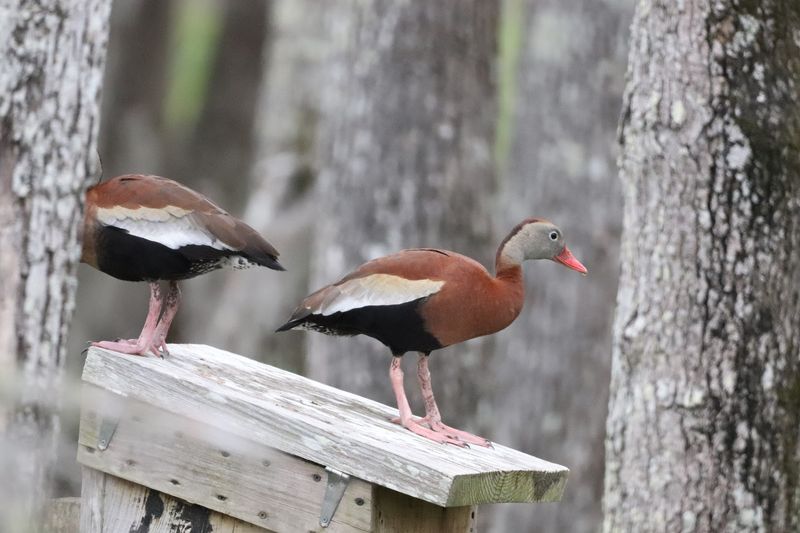
Donnelley Wildlife Management Area wastes no time showing off, especially if you arrive early with decent light and decent luck.
Near Green Pond in the ACE Basin, this former rice plantation now supports managed wetlands, ponds, dikes, and forested edges that attract an excellent mix of waterbirds, raptors, and migrating songbirds.
Roseate spoonbills, black-bellied whistling ducks, alligators, and wood storks all help give the place a reputation for high drama with very little unnecessary walking.
The wetlands loop is a favorite because it offers broad views and a reliable sense that something interesting is always just ahead.
Birders appreciate the mix of easy access and strong habitat, while photographers enjoy the way morning light skims the water and turns every egret into a glowing white punctuation mark.
It is also a useful spot for beginners, since the visibility can make identification less frustrating than in dense woods.
As with many lowcountry wetlands, conditions change, so flexibility pays off and repeat visits make sense.
Donnelley manages the rare trick of feeling relaxed and exciting at once, which is probably why so many people recommend it with the urgency normally reserved for great pie or secret fishing holes.
10. Bird Key – Stono Seabird Sanctuary
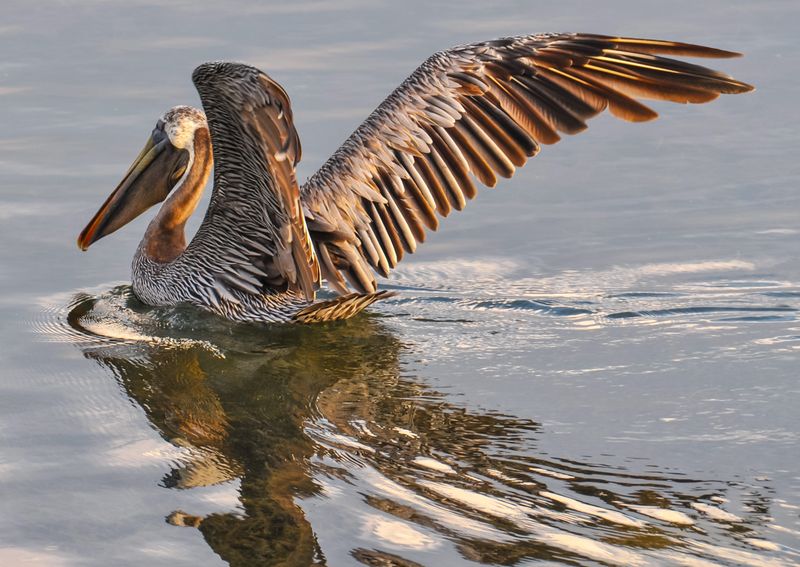
Some sanctuaries are best appreciated from a respectful distance, and Bird Key – Stono Seabird Sanctuary is a perfect example.
Near Charleston in the Stono Inlet area, this protected island provides critical nesting habitat for seabirds and shorebirds, making it more important than accessible, which is exactly the point.
During nesting season, birders watch from boats or suitable viewpoints for brown pelicans, terns, black skimmers, and other coastal specialists using the site as a safe family zone.
Because the island is managed to reduce disturbance, responsible viewing matters as much as enthusiasm.
That conservation-first approach is part of what makes the sanctuary special, since successful nesting colonies depend on people resisting the urge to get too close for the perfect photo or curious landing.
The result is a place that reminds you birding is not just about seeing wildlife, but also about giving it room to thrive.
Conditions, tides, and seasonal protections shape how you experience Bird Key, so local guidance is helpful.
Even without setting foot on the island, knowing it exists and watching its busy airspace can feel thrilling, like getting a backstage glimpse of South Carolina’s bustling seabird nursery.
11. Crab Bank Seabird Sanctuary
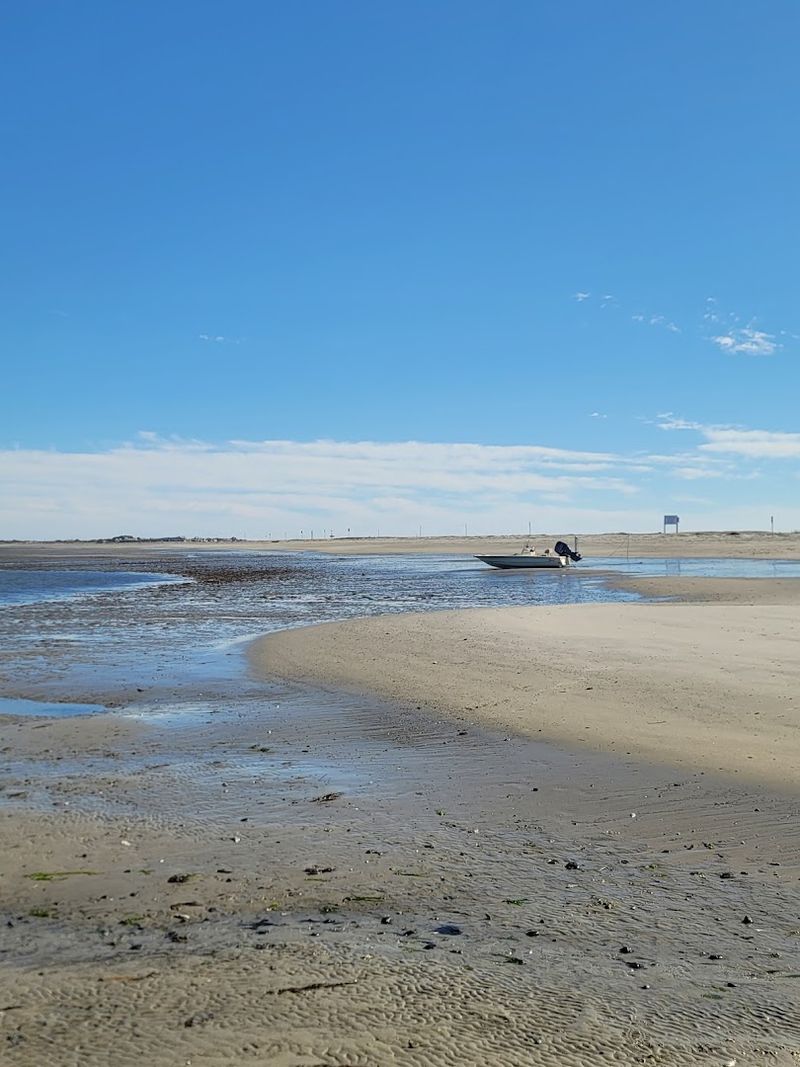
Right in Charleston Harbor, Crab Bank Seabird Sanctuary packs surprising ecological importance into one sandy, hard-working island.
Off Mount Pleasant, this restored seabird sanctuary provides nesting habitat for species that need undisturbed coastal space, including black skimmers, least terns, gull-billed terns, and other harbor-loving birds.
Its story is also a hopeful one, because restoration efforts have helped rebuild a site that is crucial for breeding birds along this busy stretch of coast.
You generally experience Crab Bank from the water or from nearby harbor vantage points rather than as a walk-up destination.
That distance can actually enhance the magic, since you get to watch colonies wheel, settle, and defend their space while the skyline and harbor traffic remind you how rare protected nesting ground really is.
It is birding with a conservation subplot, and frankly, that makes every glimpse feel more meaningful.
Timing matters most during nesting season, when activity peaks and responsible viewing becomes essential.
Crab Bank may not offer trails or picnic tables, but it delivers something better – a vivid reminder that even near a lively city, wild birds still need safe room to raise the next noisy generation.