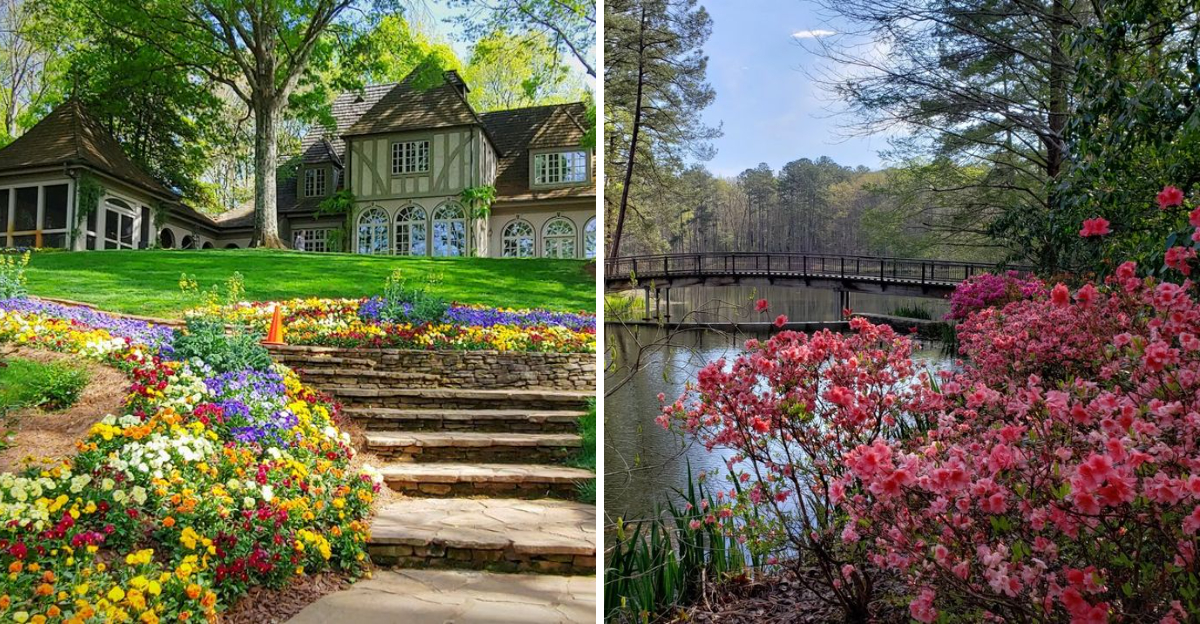
Georgia summer doesn’t gently arrive—it hits like a wall of heat.
Humidity clings, sidewalks shimmer, and the air feels thick enough to slow you down.
But step inside the state’s botanical gardens and everything changes.
Shaded paths twist under towering trees, fountains whisper, and the heat finally lets go of you for a while.
These places aren’t just pretty stops for photos. They’re quiet escapes where native plants, wild blooms, and cool forest pockets turn a brutal afternoon into something soft and slow.
Each garden feels like a different kind of relief—woodland shade, tropical glasshouses, lakeside breezes, and hidden corners that make you forget the weather outside.
Atlanta Botanical Garden (Atlanta)
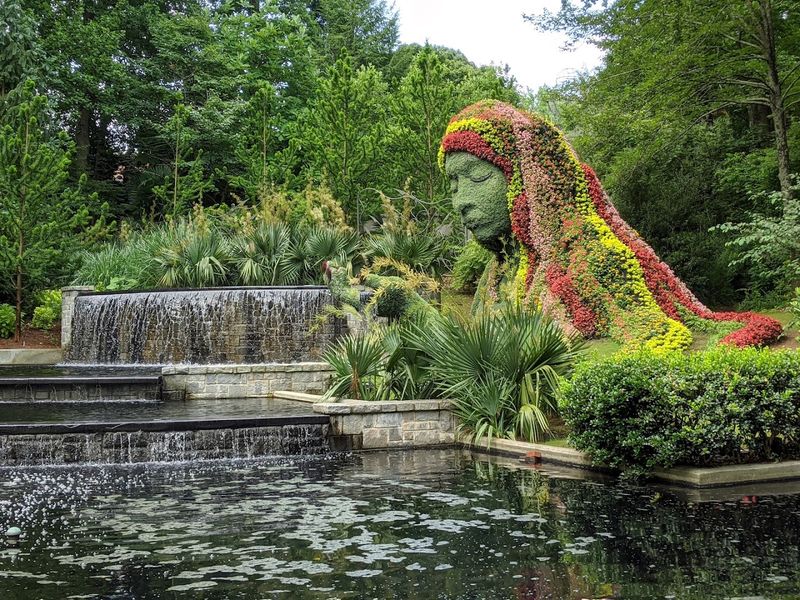
Right in the heart of Midtown Atlanta sits a tropical paradise that feels worlds away from the surrounding skyscrapers and traffic. This famous garden combines high-tech conservatories filled with exotic plants, an elevated canopy walk that lets you stroll through the treetops, and beautifully sculpted outdoor spaces that change with every season.
Summer visitors get the best of both worlds here. The shaded woodland trails provide natural cooling under dense tree cover, while the indoor plant houses recreate misty rainforest conditions that feel absolutely magical when it’s blazing hot outside.
Walking through the orchid displays or tropical rotunda feels like stepping into another climate entirely.
Families love the children’s garden, which features interactive water features perfect for hot days. The garden also hosts evening concerts and special exhibitions throughout summer, making it a cultural hotspot as well as a botanical one.
With over 30 acres to explore, you could spend an entire day here discovering something new around every corner while staying comfortably cool.
State Botanical Garden of Georgia (Athens)
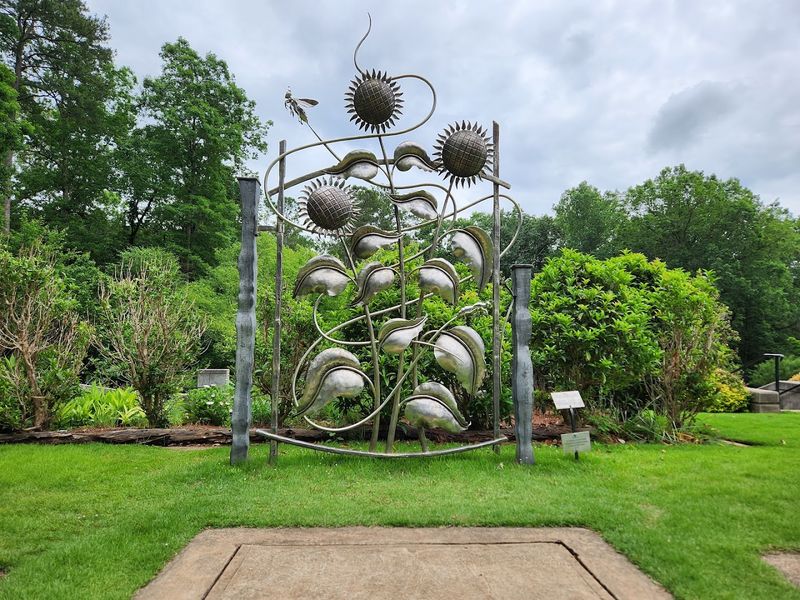
Sprawling across 313 acres near the University of Georgia campus, this garden takes a different approach than its flashier cousins. The focus here is on Georgia’s native plants and teaching visitors about local ecosystems, which makes every walk feel like a gentle science lesson wrapped in natural beauty.
What makes this garden especially perfect for summer? The extensive tree cover creates natural shade across most trails, keeping temperatures noticeably cooler than open areas.
Several paths run alongside the Middle Oconee River, where you can feel the temperature drop even more thanks to the water’s presence.
The garden features multiple themed areas, including a shade garden that demonstrates how to grow beautiful plants even in low-light conditions. There’s also a dunson native flora garden showcasing plants that naturally thrive in Georgia’s climate without extra watering or fussy care.
Students and families appreciate the educational focus, and admission is completely free, making it an accessible escape for everyone seeking summer relief.
Gibbs Gardens (Ball Ground)
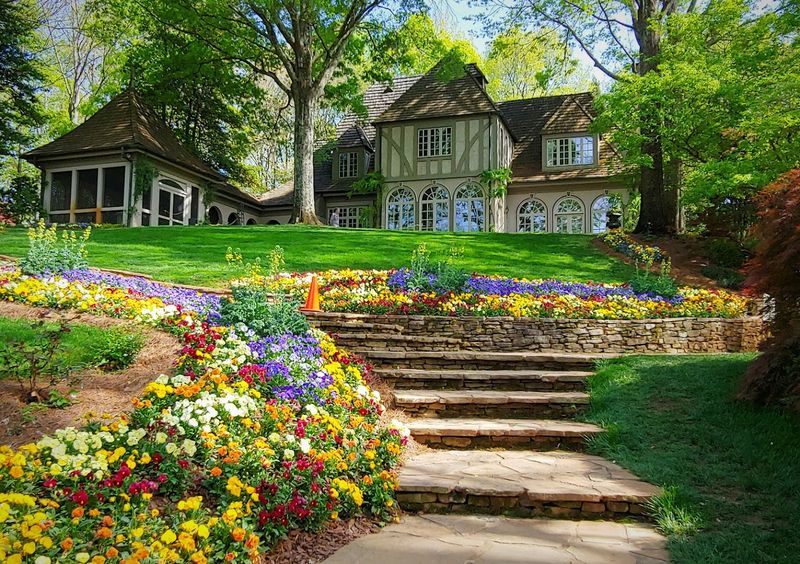
Imagine 376 acres of meticulously designed landscapes that feel more like an estate in the countryside than a traditional botanical garden. Gibbs Gardens represents one person’s passionate vision turned into a breathtaking reality, with water features, bridges, and seasonal displays that rival anything you’d find in a fancy resort.
Summer transforms this space into a peaceful sanctuary far from Atlanta’s urban heat. The massive lily ponds reflect the sky and surrounding trees, creating cooling visual effects.
The Japanese gardens, with their careful attention to balance and tranquility, offer shaded seating areas perfect for meditation or simply catching your breath.
Woodland trails wind through mature forest, providing natural air conditioning as you explore. The property sits in the North Georgia foothills, where elevation brings slightly cooler temperatures anyway.
Many visitors pack picnics and spend entire afternoons here, moving from one garden
Atlanta Botanical Garden – Gainesville Campus (Gainesville)
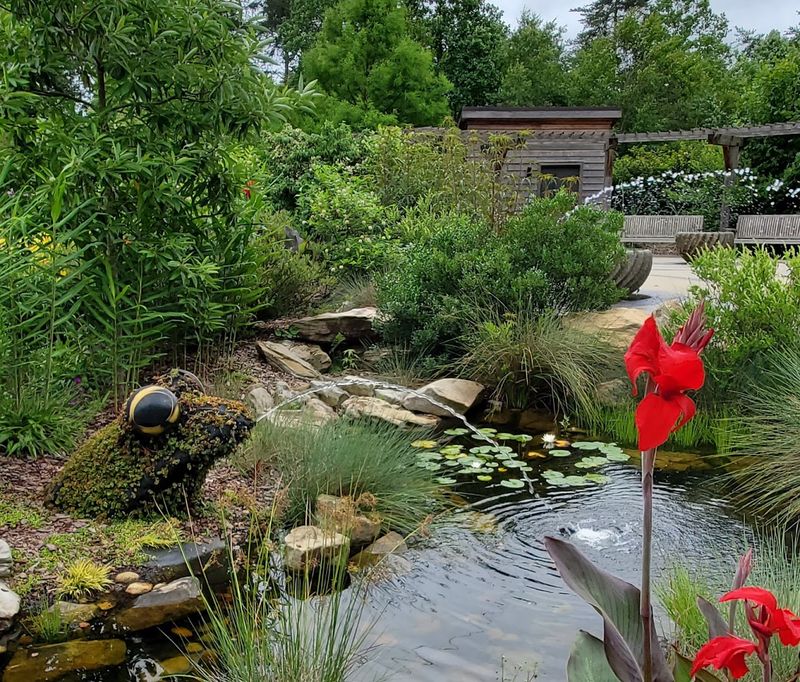
Think of this as the Atlanta Botanical Garden’s quieter, more laid-back sibling. While the Midtown location buzzes with crowds and events, the Gainesville campus offers a completely different experience focused on naturalistic settings and native habitats.
With far fewer visitors, summer days here feel almost private. You can wander through woodland areas without bumping into tour groups, find a shaded bench all to yourself, and actually hear birdsongs instead of city noise.
The emphasis on native plants means everything you see could theoretically grow in your own Georgia backyard with the right conditions.
The open green spaces provide room for families to spread out blankets or kids to run around safely. Educational programs throughout summer teach visitors about native plant gardening, wildlife habitats, and sustainable landscaping practices.
It’s smaller than the main Atlanta location but feels more intimate and personal because of that.
The relaxed atmosphere makes it ideal for people seeking genuine nature connection rather than manicured spectacle.
Callaway Gardens (Pine Mountain)
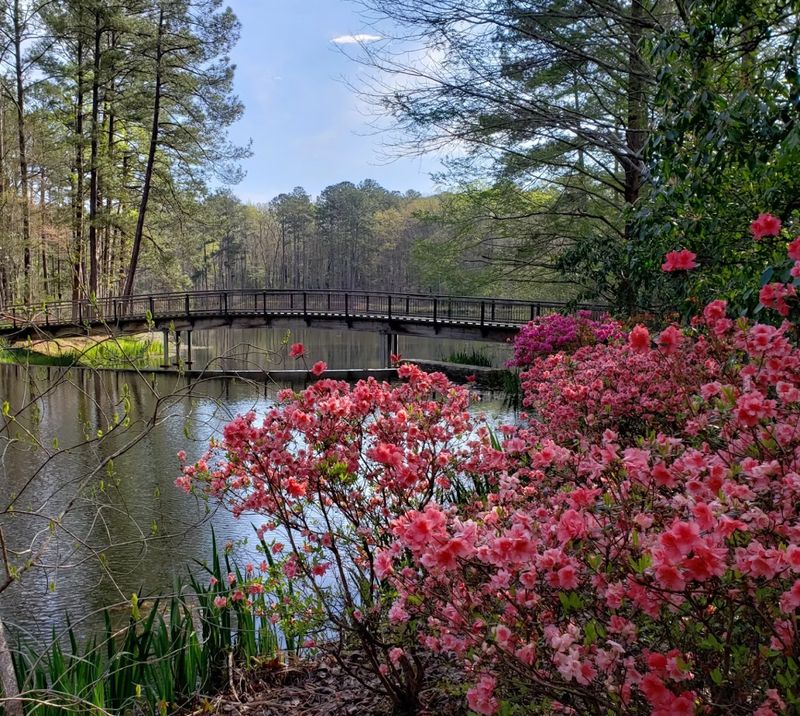
Part botanical garden, part full-service resort, Callaway Gardens has been a Georgia summer tradition since 1952. The property stretches across 2,500 acres of preserved woodlands, cultivated gardens, and sparkling lakes that provide both beauty and recreational opportunities.
The Cecil B. Day Butterfly Center steals the show for many summer visitors.
Inside this climate-controlled glass conservatory, hundreds of tropical butterflies float through lush vegetation while you walk among them, completely forgetting the heat outside. It’s consistently one of the coolest and most magical experiences in the whole state.
Beyond the butterfly house, miles of paved trails wind through pine forests and along lake shores where breezes help offset Georgia’s notorious humidity. The vegetable garden showcases what grows well in Southern summers, while the azalea trail (gorgeous in spring) provides deep shade year-round.
Families can combine garden exploring with swimming at Robin Lake Beach, making this a true all-day destination where everyone finds something they love.
Smith-Gilbert Gardens (Kennesaw)
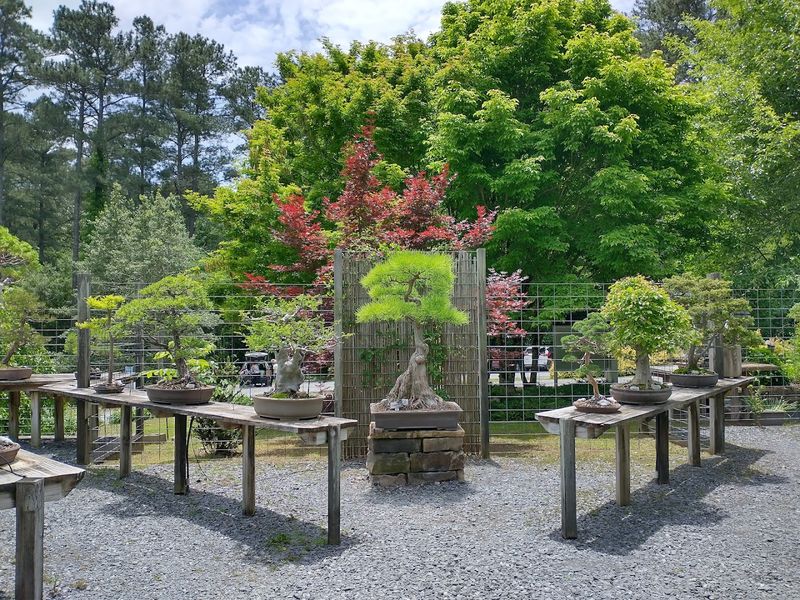
Tucked into the wooded hills of Kennesaw, Smith-Gilbert Gardens offers a surprisingly immersive escape from Georgia’s heavy summer heat. Spread across about 16 acres, this intimate botanical garden blends horticulture, art, and history into a winding network of shaded woodland paths that feel far removed from nearby suburban life.
Visitors move through more than a dozen themed garden spaces, each with its own character—from the tranquil Japanese-inspired bonsai collection to vibrant rose beds and carefully curated conifer displays. Over 3,000 to 4,000 plant species thrive here, many labeled for educational exploration, making every turn feel like a living classroom.
At the heart of the property stands the historic Hiram Butler House, dating back to the late 1800s, adding a layer of local history to the experience. Sculptures placed throughout the gardens create moments of surprise and reflection, while koi ponds and small waterfalls add movement and sound that enhance the peaceful atmosphere.
Even in peak summer, the dense tree canopy and thoughtful plant design keep much of the garden naturally cooler, making it an ideal short escape for visitors seeking quiet beauty and shade.
Savannah Botanical Gardens (Savannah)
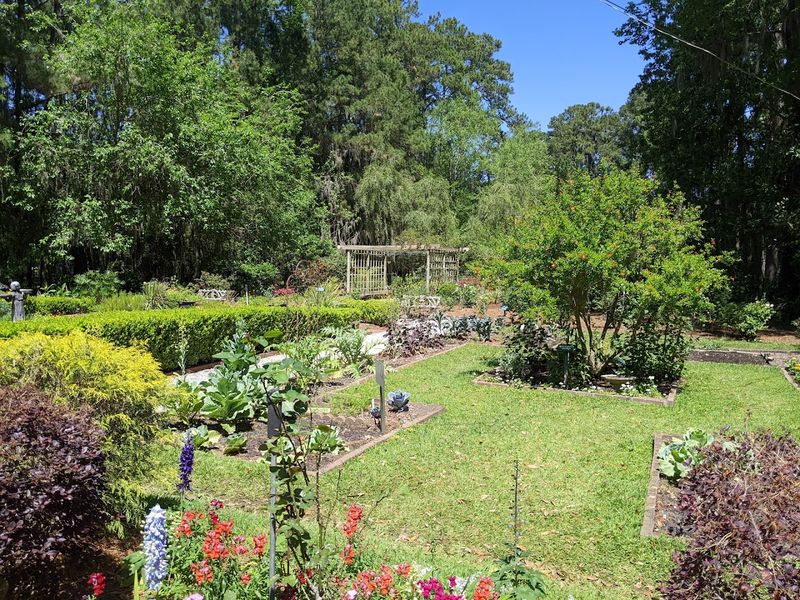
Coastal Georgia has a completely different feel from the rest of the state, and these gardens capture that Low country atmosphere perfectly. Spanish moss drapes from old oak trees, creating natural curtains that filter sunlight and keep things shady even at midday.
At just 10 acres, this community-focused garden offers an intimate experience rather than an overwhelming one. The native coastal plants showcased here thrive in salty air and sandy soil, teaching visitors what actually grows well near the ocean.
A historic cottage adds character and provides educational context about the area’s gardening history.
The walking paths stay cooler than you’d expect, thanks to dense tree cover and proximity to wetlands that moderate temperatures. It’s a local favorite for morning walks, and summer mornings here are particularly special when mist still clings to the ground and bird activity peaks.
The garden hosts regular volunteer days and educational programs, creating a strong sense of community.
Best of all, admission is free, making it accessible for everyone.
Massee Lane Gardens (Fort Valley)
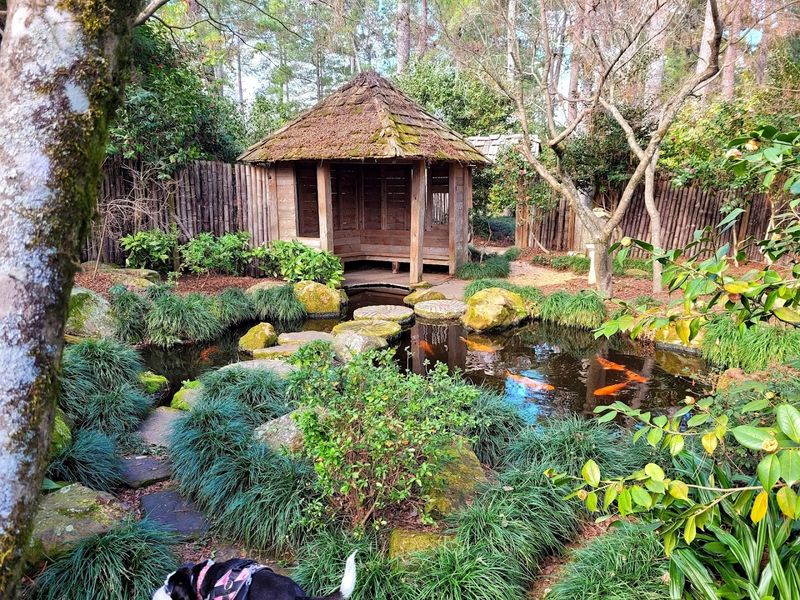
Here’s something you don’t see every day: one of North America’s largest camellia collections in the heart of Georgia’s peach country. While camellias bloom most spectacularly in cooler months, the garden’s summer appeal lies in its mature structure and thoughtful landscaping.
The evergreen camellia plants create year-round shade and visual interest even when not flowering. Established trees form natural tunnels over walking paths, keeping temperatures significantly lower than surrounding open areas.
Water features scattered throughout the property provide cooling sounds and visual refreshment, making you feel cooler just by being near them.
The American Camellia Society maintains this garden, so you’ll find exceptional plant care and detailed educational signage explaining different varieties and growing techniques. Even non-gardeners appreciate the peaceful atmosphere and beautiful grounds.
Summer visits let you see the garden’s “bones”—its underlying design and structure—without the distraction of peak bloom season crowds.
It’s quiet, contemplative, and unexpectedly calming for a hot afternoon escape.
Coastal Georgia Botanical Gardens at the Historic Bamboo Farm (Savannah)
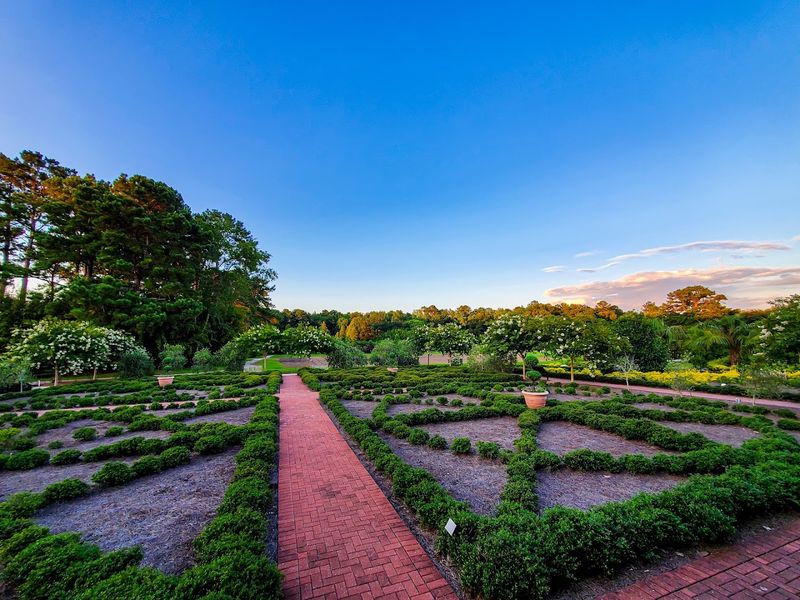
Few places in Georgia can match the fascinating backstory of this unique garden. Originally a USDA plant introduction station, this site once tested exotic plants from around the world to see what might thrive in America’s Southeast.
The towering bamboo groves remain from those experimental days, creating an almost otherworldly atmosphere.
Today, over 50 acres blend history with horticulture in surprising ways. Walking through mature bamboo forests feels like stepping into another continent—the stalks create their own ecosystem with filtered light and distinctive sounds.
The humid coastal climate that makes Savannah summers challenging actually helps these moisture-loving plants thrive spectacularly.
Themed gardens include camellia trails, water gardens, and rare plant collections that benefit from Georgia’s long growing season. Educational displays explain the property’s agricultural history and ongoing conservation efforts.
The shaded walking trails stay surprisingly comfortable even on peak summer days because bamboo and tree cover blocks intense sun while allowing breezes through.
It genuinely feels less like a typical park and more like exploring a living museum where every plant tells a story.
Georgia Southern Botanical Garden (Statesboro)
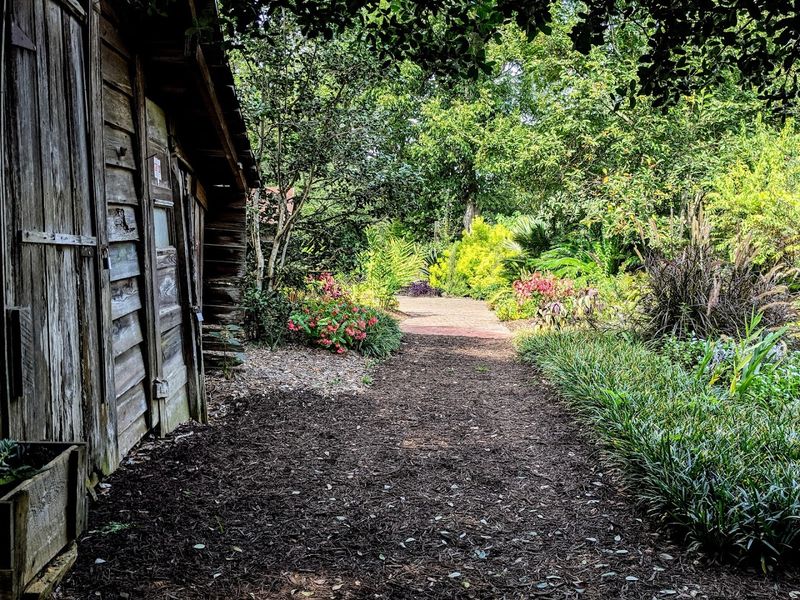
University botanical gardens often get overlooked by tourists, but they offer advantages other gardens can’t match. This 11-acre gem combines serious plant science with public accessibility, teaching visitors about native plant conservation while providing a peaceful summer retreat.
The focus on Georgia’s native plants means you’re seeing species perfectly adapted to local conditions, including summer heat and humidity. Wetland areas demonstrate how water-loving plants naturally cool their surroundings, creating microclimates noticeably more comfortable than nearby developed areas.
Woodland sections provide dense shade under mature trees that have been growing for decades.
Students from Georgia Southern University often conduct research here, so you might spot ongoing experiments or educational projects during visits. The garden regularly hosts workshops on native plant gardening, wildlife habitat creation, and sustainable landscape management.
Summer events include guided nature walks that help visitors identify common Georgia plants they might encounter anywhere in the state.
It’s educational without being boring, beautiful without being pretentious, and refreshingly cool when you need escape from summer’s intensity.