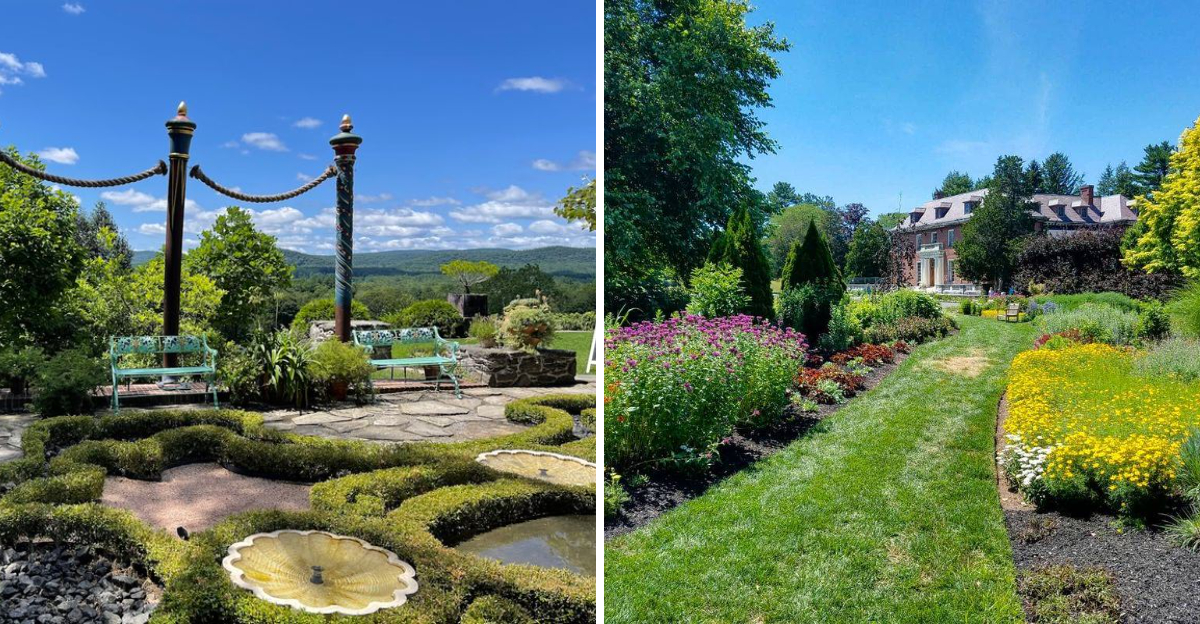
Massachusetts offers some of the most spectacular botanical gardens in New England, each with its own unique character and seasonal beauty.
From historic arboretums in Boston to coastal gardens on Martha’s Vineyard, these green spaces provide year-round destinations for nature lovers, families, and anyone seeking a peaceful escape.
Whether you’re drawn to rare plant collections, colorful seasonal displays, or simply a quiet walk among towering trees, these fourteen gardens promise unforgettable experiences no matter when you visit.
Arnold Arboretum of Harvard University (Boston)
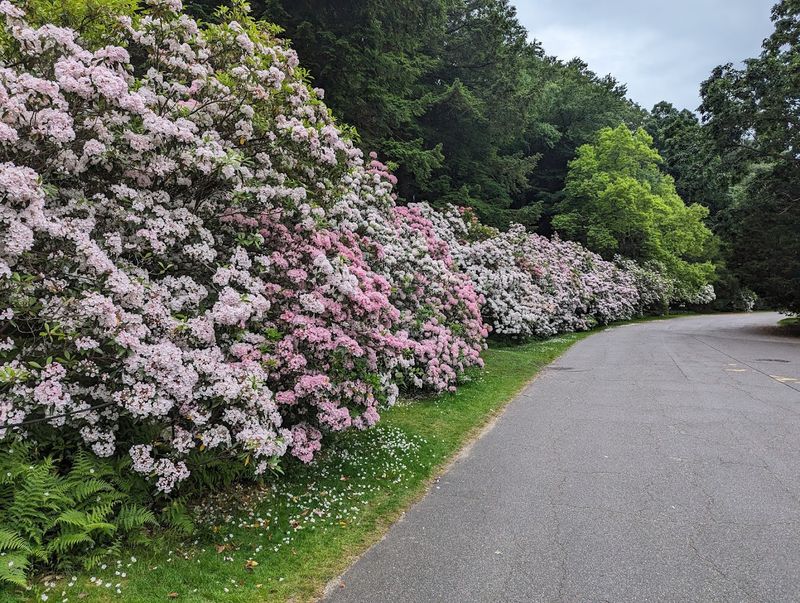
Dating back to 1872, this remarkable landscape stands as one of North America’s oldest public arboretums. Spreading across 281 acres of rolling hills in Boston, it combines serious scientific research with accessible public trails that anyone can explore freely.
Harvard University maintains the collection, which features thousands of trees and shrubs from around the world.
Spring brings cherry blossoms and lilacs that draw crowds from across the region. Summer offers shady canopies perfect for picnics and quiet reading.
Autumn transforms the grounds into a spectacular display of reds, oranges, and yellows that rival any fall destination in Massachusetts.
Winter reveals the beautiful architecture of bare branches against snowy landscapes. The collection focuses heavily on plants from North America and East Asia, creating unique comparisons between related species from different continents.
Free admission year-round makes this accessible to everyone. Miles of paved and unpaved paths accommodate walkers, joggers, and families with strollers, ensuring comfortable visits regardless of fitness level or mobility needs.
New England Botanic Garden at Tower Hill (Boylston)
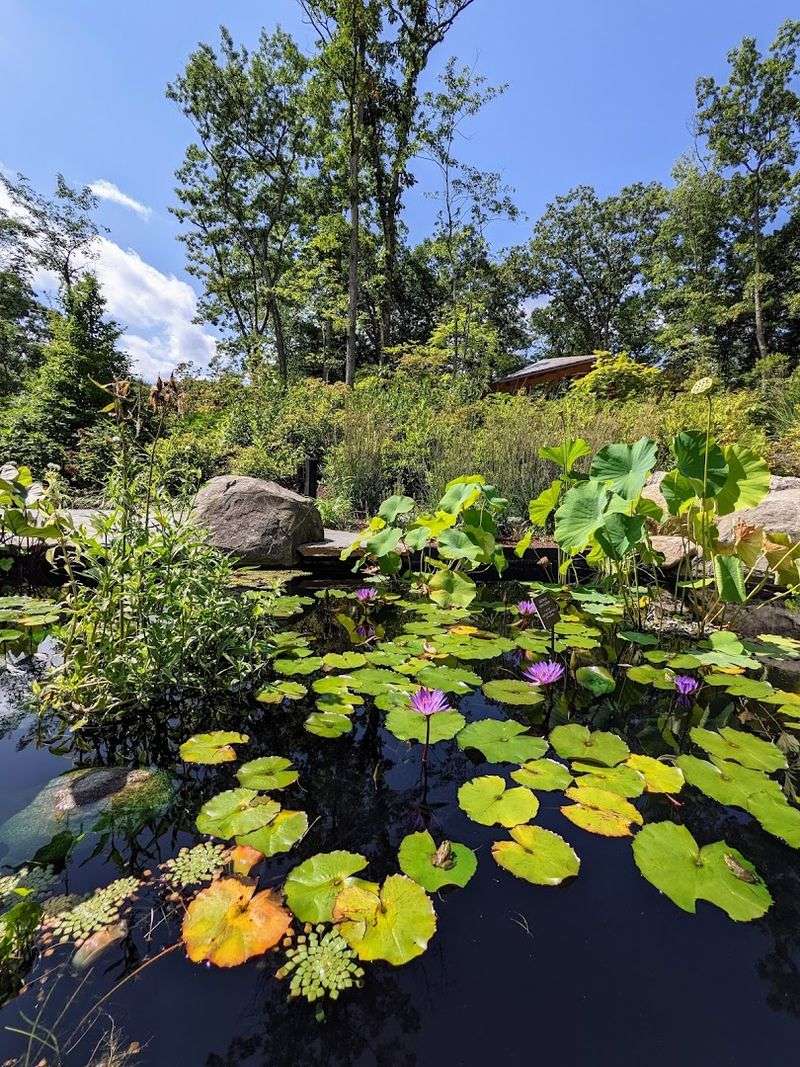
Perched atop the highest point in Worcester County, this meticulously designed garden rewards visitors with both horticultural excellence and sweeping views. The property features distinct garden rooms, each with its own theme and plant palette, creating a journey through different styles and seasons.
Glass conservatories shelter tropical and temperate plants when New England weather turns harsh.
Formal gardens showcase geometric precision with carefully trimmed hedges and seasonal color displays that change throughout the year. Woodland trails offer a more natural experience, winding through native trees and shade-loving plants.
The contrast between structured and wild spaces gives visitors diverse experiences within a single visit.
Winter transforms the garden into a magical wonderland during special light installations that illuminate paths and plantings. Educational programs run constantly, teaching everything from basic gardening to advanced horticultural techniques.
The gift shop and cafe make this a comfortable all-day destination. Seasonal exhibitions ensure that repeat visitors always discover something new, whether it’s a tulip display in spring or chrysanthemum showcase in fall.
Garden in the Woods (Framingham)
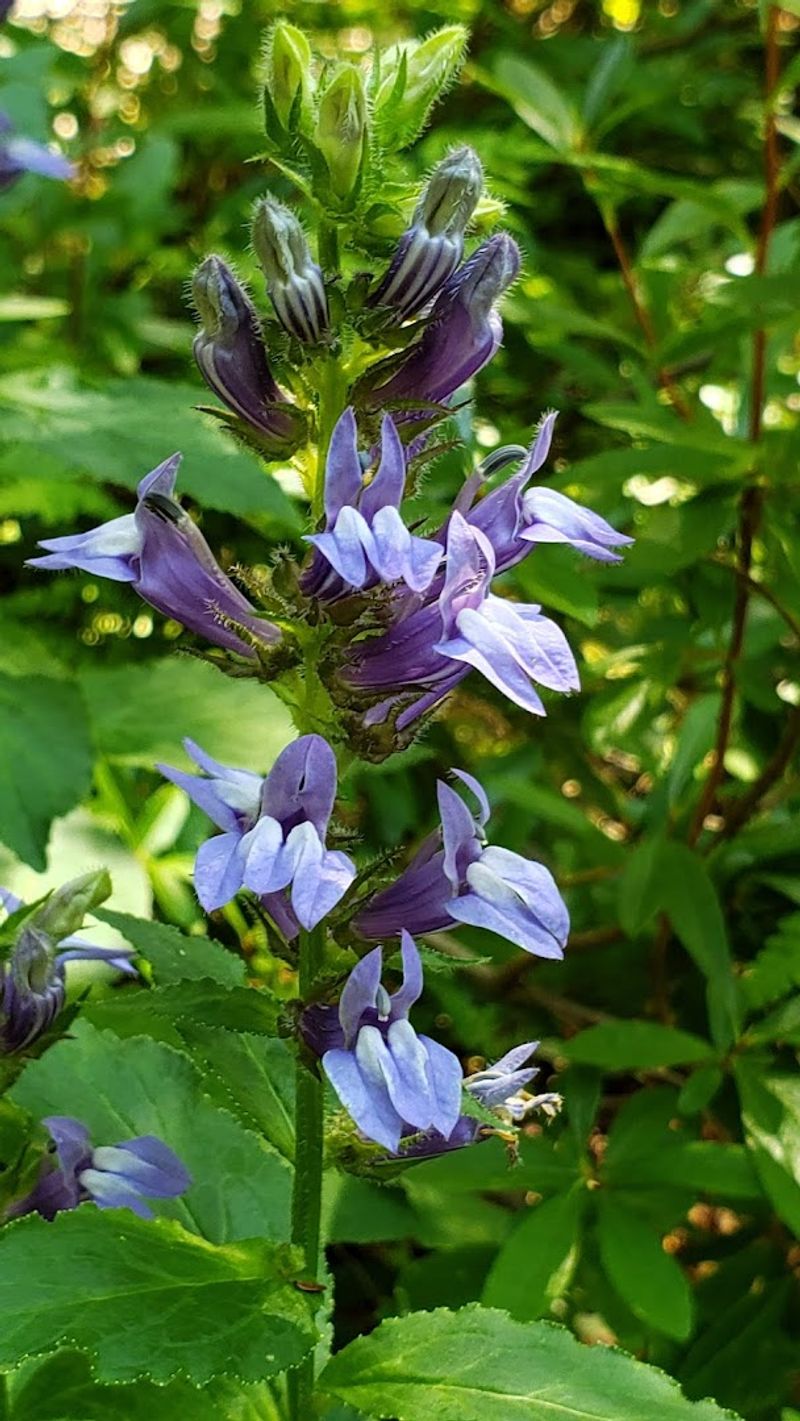
Wild beauty takes center stage at this remarkable sanctuary dedicated entirely to New England’s native plants. Unlike formal gardens with exotic imports, every plant here belongs naturally to the region’s forests, meadows, and wetlands.
Winding trails snake through forty-five acres of carefully managed natural landscapes that feel genuinely wild yet remain accessible to visitors.
Conservation drives everything here. The garden grows over 1,500 varieties of native plants, many of them rare or endangered in their natural habitats.
Educational programs teach visitors why native plants matter for local ecosystems, pollinators, and wildlife. Each season reveals completely different plants and experiences.
Spring explodes with ephemeral wildflowers that bloom before trees leaf out. Summer brings lush ferns and moisture-loving plants in shaded glens.
Fall showcases native asters, goldenrods, and dramatic foliage changes. Even winter offers interest through evergreen ferns, seed heads, and the bones of the landscape.
Photographers particularly love the natural settings that look nothing like traditional manicured gardens. Families discover that learning about local ecology can be genuinely fascinating when surrounded by such beauty.
Berkshire Botanical Garden (Stockbridge)
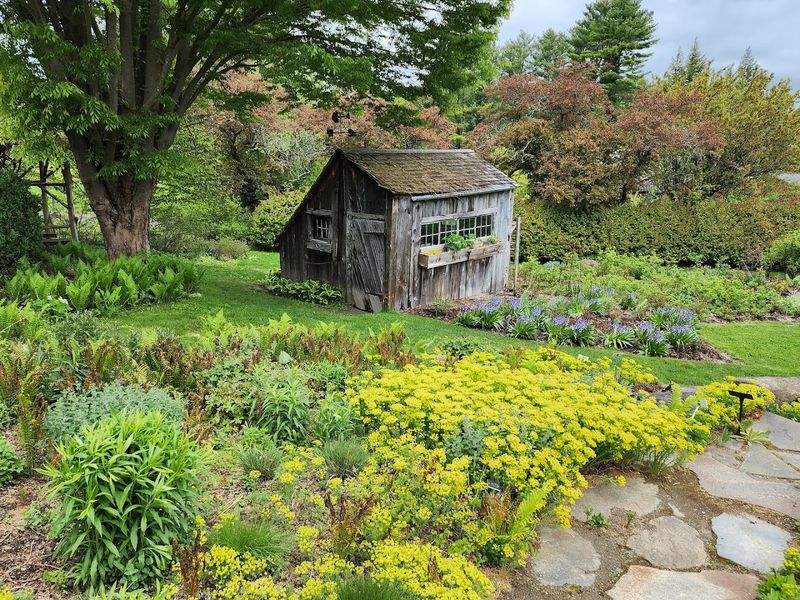
Nestled in the heart of the Berkshires, this twenty-four-acre garden has served as a horticultural and cultural hub since 1934. Community spirit infuses every corner, from the demonstration vegetable gardens to the specialized collections scattered across the grounds.
Local gardeners and visitors from afar gather here to learn, share, and celebrate plants throughout the changing seasons.
Themed gardens provide endless inspiration for home gardeners looking to improve their own spaces. The herb garden overflows with fragrant culinary and medicinal plants.
Perennial borders demonstrate successful plant combinations for Berkshire growing conditions. A pond garden showcases water-loving species in a tranquil setting perfect for quiet contemplation.
Workshops run throughout the growing season, covering topics from basic pruning to advanced propagation techniques. Children’s programs introduce young people to gardening through hands-on activities that make learning fun.
Seasonal events bring the community together, whether for a spring plant sale or autumn harvest celebration.
The garden’s smaller scale compared to major arboretums creates an intimate, welcoming atmosphere. Visitors often report feeling like they’ve discovered a secret gem rather than visiting a formal institution.
The Botanic Garden of Smith College (Northampton)
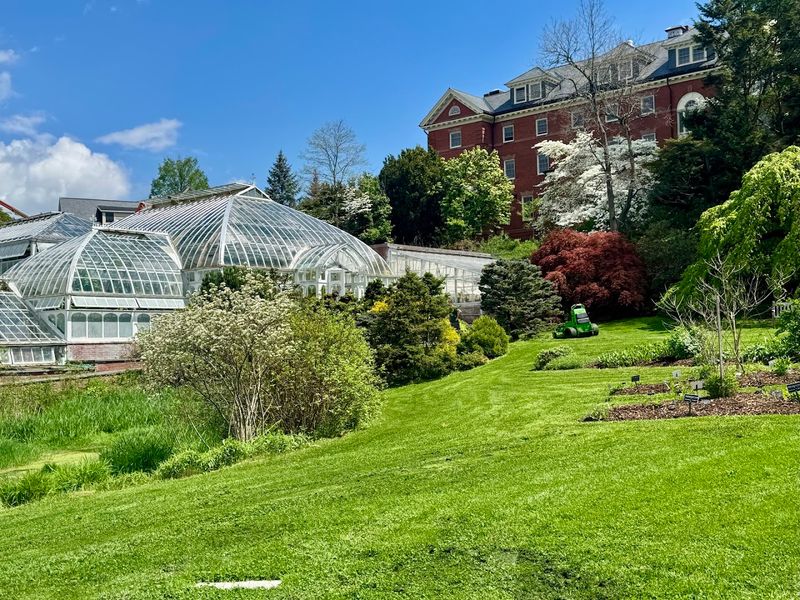
Academic excellence meets horticultural beauty on this prestigious college campus. The botanical garden serves dual purposes, supporting scientific research and teaching while welcoming public visitors year-round.
Glass conservatories dating back over a century house remarkable plant collections gathered from around the globe, creating tropical paradises even during harsh New England winters.
Outdoor plantings spread across the entire campus, making the whole college essentially a living botanical garden. Specimen trees tower over historic brick buildings, creating a beautiful blend of architecture and nature.
Rock gardens feature alpine plants adapted to harsh conditions. Systematic beds organize plants by family, helping students and visitors understand botanical relationships.
The Lyman Plant House complex includes separate rooms for different climates and plant types. Humid tropical rooms overflow with orchids, ferns, and vining plants.
Desert houses showcase cacti and succulents adapted to extreme conditions. Temperate houses bridge the gap between tropical and outdoor gardens.
Educational labels throughout the garden explain plant origins, uses, and interesting facts. Free admission makes this accessible to everyone, not just college students.
Self-guided tour maps help visitors navigate the extensive collections efficiently.
Wellesley College Botanic Gardens (Wellesley)
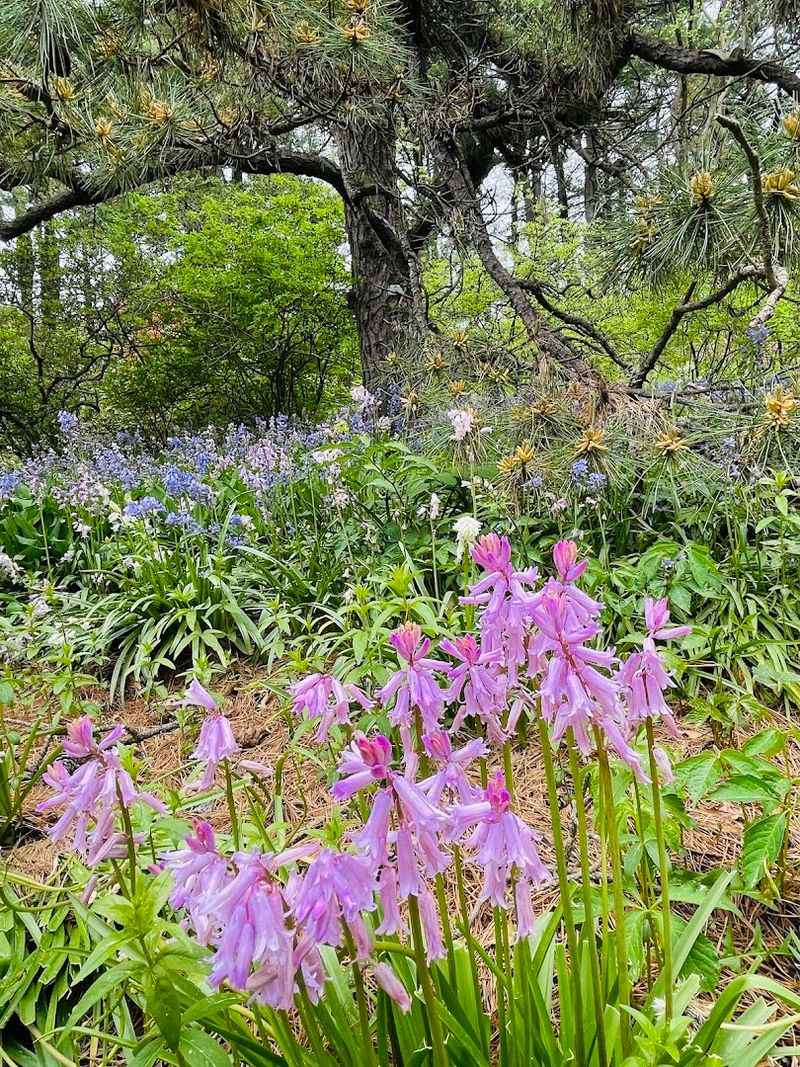
Two distinct experiences await visitors at this prestigious liberal arts college. Outdoor gardens spread across the historic campus, featuring carefully chosen plants that thrive in local conditions while supporting academic programs.
The greenhouses offer year-round tropical and temperate displays that transport visitors to distant climates without leaving Massachusetts.
The Alexandra Botanic Garden provides the outdoor centerpiece, with mixed borders, specimen trees, and seasonal displays that demonstrate successful plant combinations. Students use these living laboratories for research projects, but public visitors enjoy equal access to the beauty.
Lake Waban borders part of the campus, adding waterfront scenery to the botanical experience.
Margaret C. Ferguson Greenhouses maintain extensive collections for teaching and research.
Tropical rooms house economic plants like coffee, cacao, and bananas alongside ornamental species. Succulent collections demonstrate amazing adaptations to water scarcity.
Fern houses showcase these ancient plants in lush, humid environments.
The garden particularly shines during academic terms when students fill the paths and greenhouses, creating vibrant energy. However, summer and winter visits offer quieter experiences for those seeking peaceful contemplation among beautiful plants.
Free parking and admission remove barriers to access.
Allen C. Haskell Public Gardens (New Bedford)
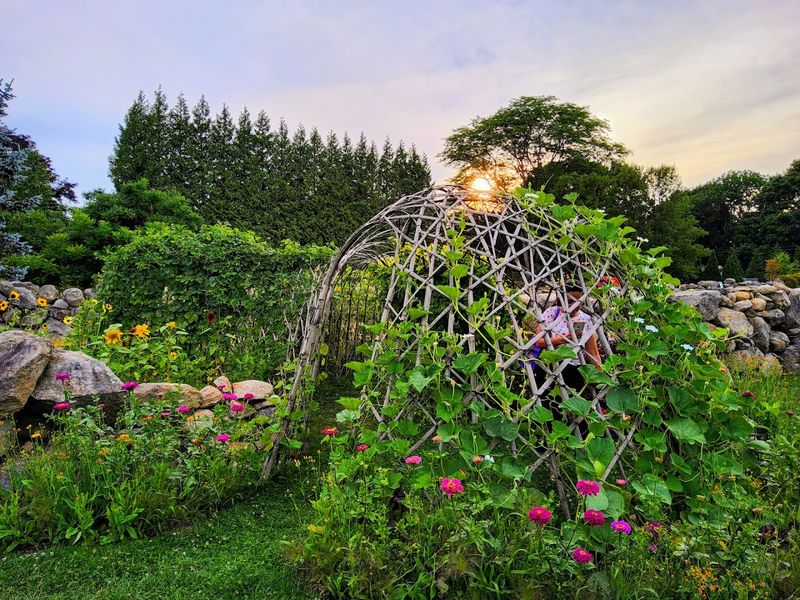
Quiet charm defines this six-acre treasure that many Massachusetts residents have yet to discover. Unlike sprawling arboretums that require hours to explore, this intimate space offers a more focused botanical experience.
Winding paths lead visitors past carefully curated plant collections that change dramatically with each season, creating distinct personalities throughout the year.
The garden’s history as a private nursery shows in the quality of specimen plants still growing here. Mature Japanese maples provide stunning fall color and elegant winter structure.
Hydrangeas bloom profusely in summer, their large flower heads creating waves of color along pathways. Rare trees collected by the original nursery owner now tower overhead, offering shade and year-round interest.
Spring brings delicate blooms and fresh green growth that signals winter’s end. Summer offers lush, full growth and plenty of shade for hot days.
Autumn transforms the garden into a tapestry of warm colors. Winter reveals the bones of the landscape, with evergreens and interesting bark providing continued beauty.
Smaller crowds compared to famous destinations mean peaceful visits where you can actually hear birds singing and leaves rustling. Garden lovers seeking a more personal experience often prefer this scale to overwhelming larger sites.
Heritage Museums & Gardens (Sandwich, Cape Cod)
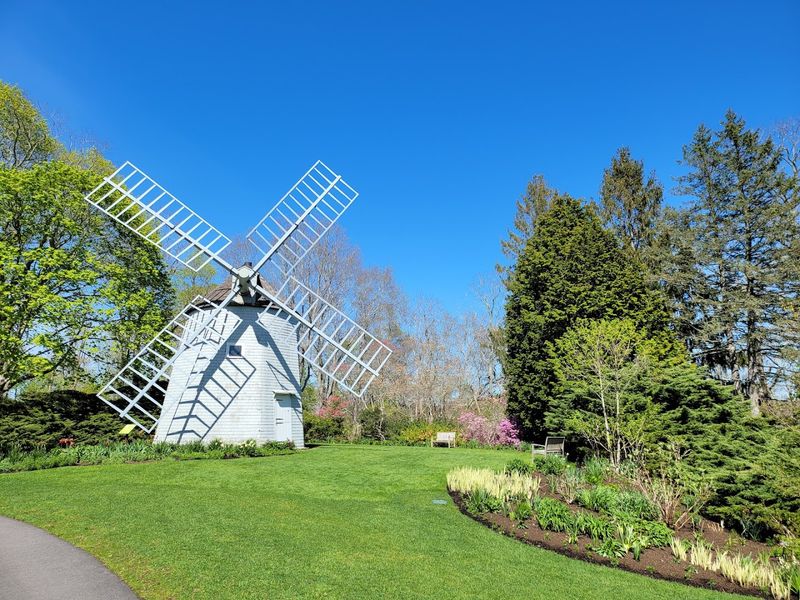
Something unusual happens when art museums, antique car collections, and botanical gardens merge into one destination. This Cape Cod property pulls off that combination beautifully across its expansive grounds.
Rhododendron collections create tunnels of color during late spring blooming, while carefully designed landscapes provide interest throughout all four seasons.
The gardens don’t follow typical botanical garden layouts. Instead, they weave around museum buildings, creating unexpected discoveries at every turn.
A classical labyrinth invites meditation and play, appealing to both adults and children. Themed gardens showcase different plant families and design styles, from formal to naturalistic.
Coastal location influences plant selections, with choices adapted to sandy soil, salt spray, and Cape Cod’s unique climate. This makes the garden particularly valuable for local gardeners seeking inspiration for their own properties.
Seasonal flower displays rotate throughout the year, ensuring repeat visitors always find something new.
The hybrid nature of this destination means families can split up based on interests. Some members explore botanical displays while others tour museums or ride the vintage carousel.
Everyone reunites with stories to share. This versatility makes it perfect for groups with diverse interests.
The Stevens-Coolidge House & Gardens (North Andover)
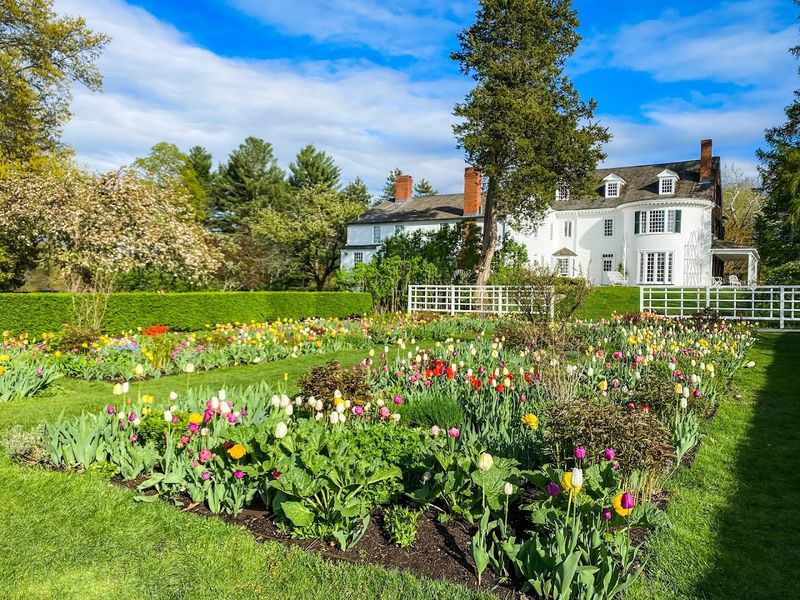
Step back into the elegance of early twentieth-century estate gardening at this beautifully preserved property. Formal European design principles shape every garden room, with geometric layouts, clipped hedges, and carefully planned color schemes that change with the seasons.
The historic house anchors the landscape, but the gardens themselves tell compelling stories about American landscape design history.
Perennial borders demonstrate the English border tradition adapted to New England conditions. Waves of color move through the seasons, from spring bulbs to summer perennials to autumn chrysanthemums.
Garden rooms create separate outdoor spaces, each with distinct character and purpose, much like rooms inside a house.
Historic preservation guides all garden management decisions. Plants chosen for restoration reflect what would have grown here during the estate’s heyday.
This attention to historical accuracy makes the garden valuable for understanding landscape history, not just admiring beauty.
Seasonal plantings in formal beds showcase traditional bedding-out practices largely abandoned in modern gardening. Seeing these labor-intensive techniques in action helps visitors appreciate both historical gardening practices and why modern approaches evolved.
Free admission and ample parking make this accessible for spontaneous visits throughout the year.
Polly Hill Arboretum (West Tisbury, Martha’s Vineyard)
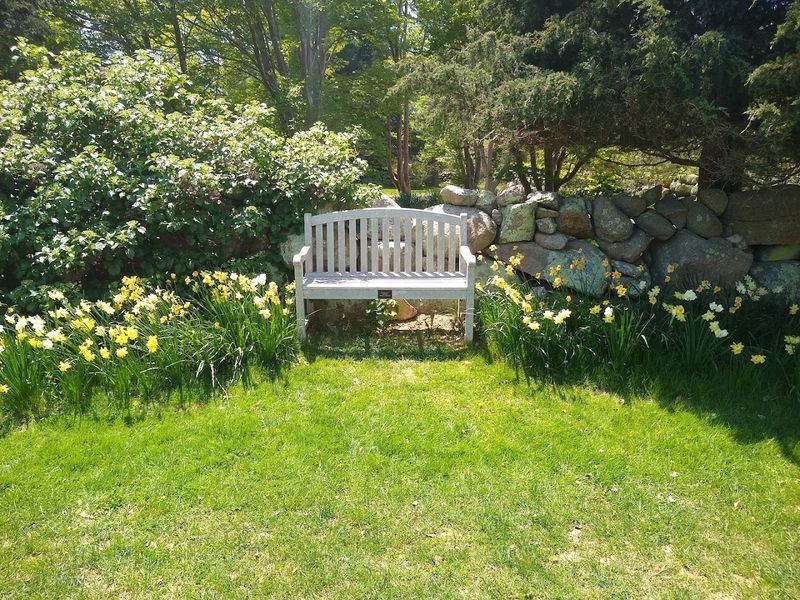
Island growing conditions create unique challenges that make this arboretum especially fascinating. Coastal winds, salt spray, sandy soil, and limited water shape what can grow successfully on Martha’s Vineyard.
Polly Hill spent decades selecting, breeding, and cultivating trees and shrubs tough enough to thrive here, creating collections found nowhere else.
The arboretum showcases her remarkable work with woody plants adapted to harsh conditions. Many specimens were grown from seeds collected on plant-hunting expeditions or received through botanical networks.
Careful documentation tracks each plant’s origin and performance, providing valuable research data for other coastal gardeners and arboretums.
Visiting requires ferry travel, making this a special destination rather than a casual day trip. However, the journey adds to the experience, creating a true botanical pilgrimage.
The grounds feel different from mainland gardens, with an openness reflecting the island landscape.
Spring flowering shrubs provide early color, while summer brings lush growth despite dry conditions. Fall foliage peaks later on the island than on the mainland, extending the season.
Winter reveals the sculptural beauty of bare branches against coastal skies. The founder’s dedication to this place inspires visitors to appreciate plants that thrive despite challenging environments.
Elm Bank Reservation (Wellesley)
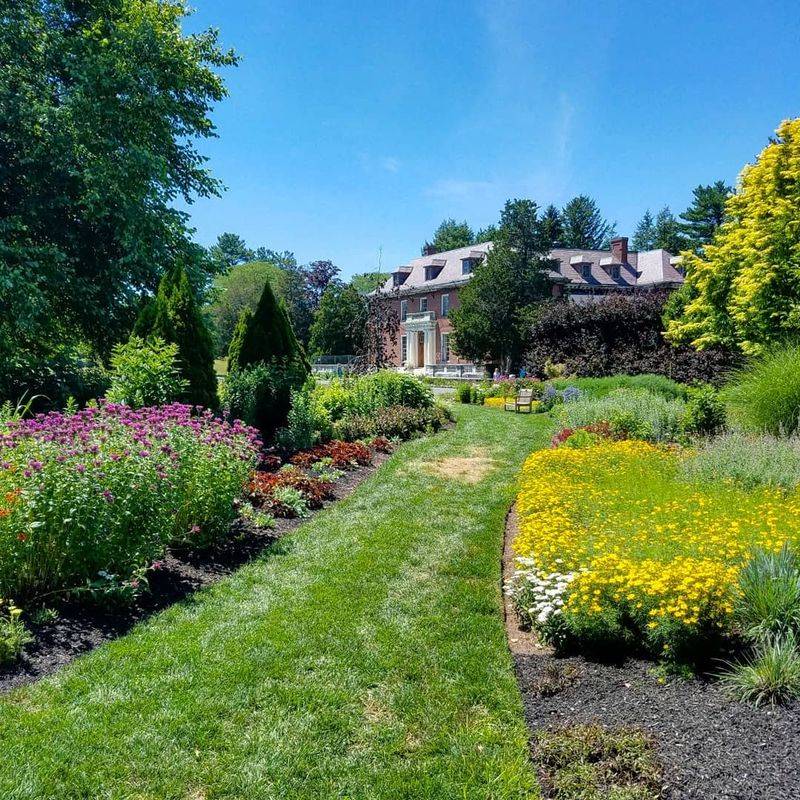
Massachusetts Horticultural Society chose this riverside property for good reasons. The grounds offer varied topography, good soil, and plenty of space for demonstration gardens that teach practical skills.
Unlike arboretums focused on rare plant collections, these gardens emphasize useful information that home gardeners can apply immediately in their own yards.
Themed gardens tackle specific challenges common in Massachusetts landscapes. Shade gardens demonstrate plant choices for difficult dark spots under trees.
Perennial borders show long-season combinations that minimize maintenance. Vegetable gardens prove that attractive food production fits in ornamental landscapes.
Spring and summer bring peak activity, with workshops, plant sales, and horticultural events filling the calendar. The society’s long history shows in the mature plantings scattered across the property.
Specimen trees tower overhead, providing context and scale for newer gardens below.
The Charles River location adds scenic beauty beyond the cultivated gardens. Natural areas blend with designed spaces, creating diverse experiences within a single visit.
While other seasons offer beauty, spring truly transforms Elm Bank into a celebration of renewal. Bulbs carpet the ground, flowering trees perfume the air, and gardeners gather to share their passion for plants.
Summer events continue the energy, making this a garden for active participation rather than quiet contemplation.
Hadwen Arboretum (Worcester)
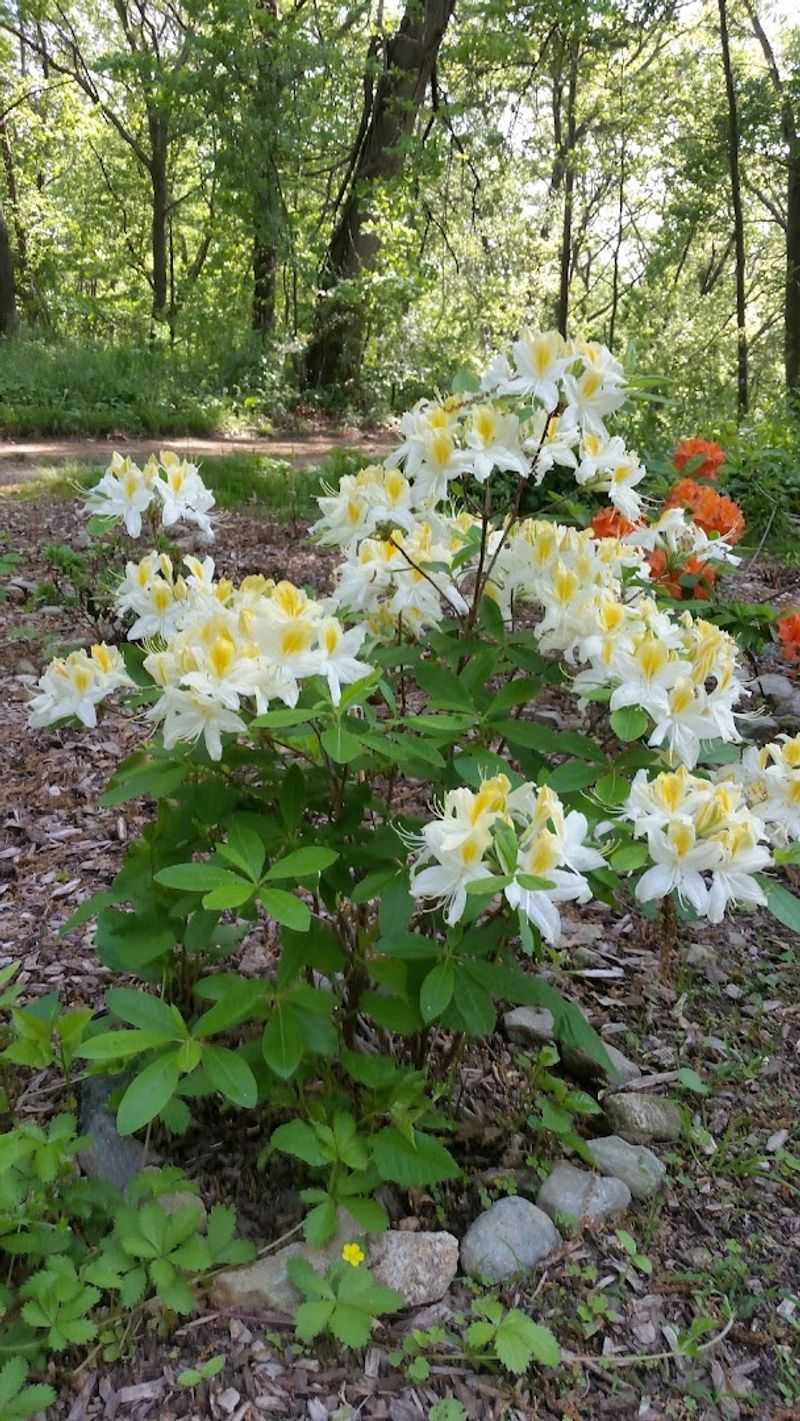
Sometimes the best botanical experiences feel more like forest walks than garden tours. This quiet Worcester arboretum takes a naturalistic approach that contrasts sharply with formal botanical gardens.
Trails wind through forested areas where diverse tree collections grow in settings that mimic natural woodlands rather than manicured landscapes.
The less polished appearance actually represents a management choice rather than neglect. Native and introduced trees grow together in mixed forests that demonstrate ecological principles.
Fallen leaves remain in place, feeding soil organisms and protecting roots. Dead wood provides habitat for wildlife and fungi, completing forest ecosystem cycles.
Smaller crowds and minimal facilities create peaceful experiences for visitors seeking solitude in nature. No cafes, gift shops, or crowds disturb the quiet here.
Just trees, trails, and seasonal changes moving through the landscape at nature’s pace.
Spring brings understory wildflowers blooming before tree leaves block sunlight. Summer offers cool shade when other gardens bake in hot sun.
Autumn showcases diverse fall colors from the varied tree species. Winter reveals forest structure and provides opportunities to identify trees by bark and form.
This arboretum suits visitors who prefer natural settings over designed gardens. The lack of formal amenities means bringing water and snacks for longer visits.
Naumkeag (Stockbridge)
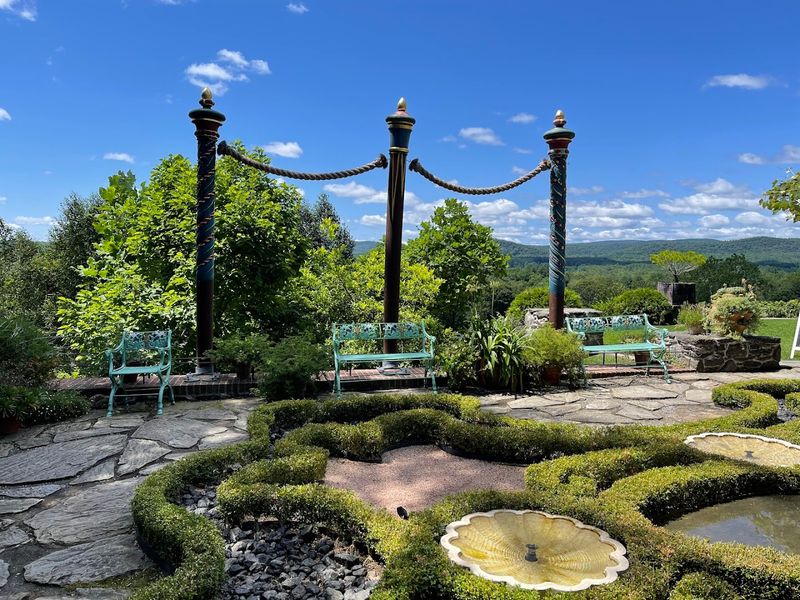
Dramatic doesn’t begin to describe the famous Blue Steps cascading down the hillside here. These iconic terraced gardens rank among New England’s most photographed landscapes, their blue-painted railings and white birch trees creating striking visual contrasts.
The entire eight-acre property showcases Gilded Age landscape design at its finest, blending architecture, horticulture, and artistic vision into unforgettable spaces.
Each garden room offers distinct character and seasonal interest. The Chinese Garden provides Asian-inspired serenity with carefully placed rocks and plantings.
The Rose Garden bursts with color and fragrance during peak blooming. The Afternoon Garden offers views across the Berkshire landscape that change constantly with weather and seasons.
While smaller than traditional botanical gardens, Naumkeag’s importance lies in its exceptional design quality. Landscape architect Fletcher Steele created these gardens over several decades, constantly refining and improving the spaces.
His work here influenced American landscape design profoundly.
Seasonal changes transform the garden rooms dramatically. Spring flowering bulbs give way to summer perennials, then autumn foliage, then winter’s stark beauty.
Each visit reveals different aspects and details. The admission fee reflects the property’s historic significance and maintenance costs, but the experience justifies the investment for garden design enthusiasts and photographers seeking spectacular settings.
Mount Holyoke College Botanic Garden (South Hadley)
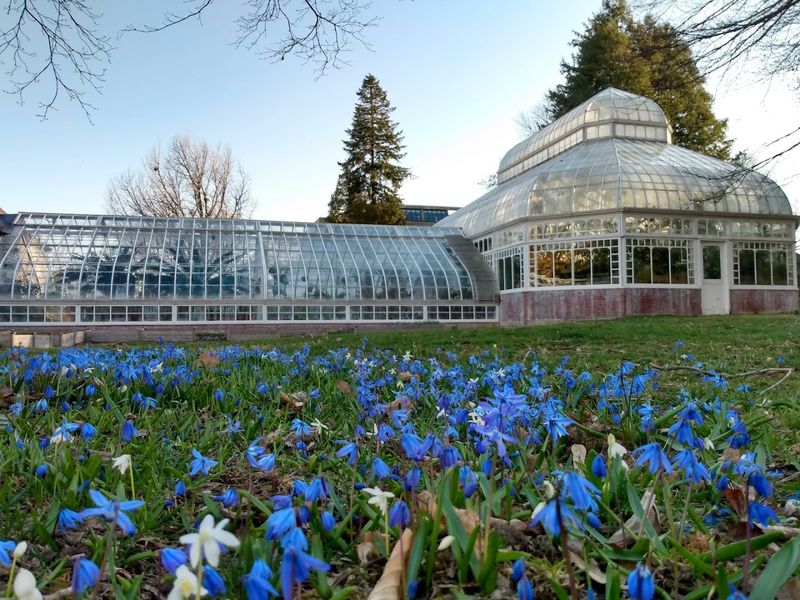
Winter visitors particularly appreciate this college botanical garden. When outdoor gardens lie dormant under snow, the greenhouses here overflow with lush tropical plants, colorful desert blooms, and temperate species thriving in protected environments.
Glass architecture allows sunlight to stream through, warming both plants and visitors during Massachusetts’ coldest months.
Separate greenhouse rooms recreate different world climates. Tropical collections transport visitors to rainforests with high humidity, large-leafed plants, and vining species climbing toward the glass ceiling.
Desert houses showcase spiny cacti and succulent adaptations to extreme drought. Temperate collections bridge outdoor and tropical environments with familiar plants growing year-round.
The college setting ensures educational focus throughout the displays. Labels explain plant origins, adaptations, and uses.
Student research projects contribute to plant care and collection development. Academic programs use these living collections for teaching botany, ecology, and environmental science.
Spring and fall semester times bring student energy to the garden, though summer and winter offer quieter visits. Outdoor gardens complement the greenhouse collections during warmer months.
However, the true value shines during winter when few other Massachusetts botanical destinations offer much to see. Free admission removes financial barriers, making warm green spaces accessible to everyone during cold, gray months when spirits need lifting.