

Ready to step into the world of Breaking Bad without breaking the law or the fourth wall?
Albuquerque turns the show’s grit and tension into a real-life scavenger hunt you can actually walk through.
From iconic homes to stark desert backdrops, every stop carries a jolt of recognition you will feel in your gut.
Grab this itinerary and start chasing those cinematic goosebumps across New Mexico.
Walter White’s House (Albuquerque)
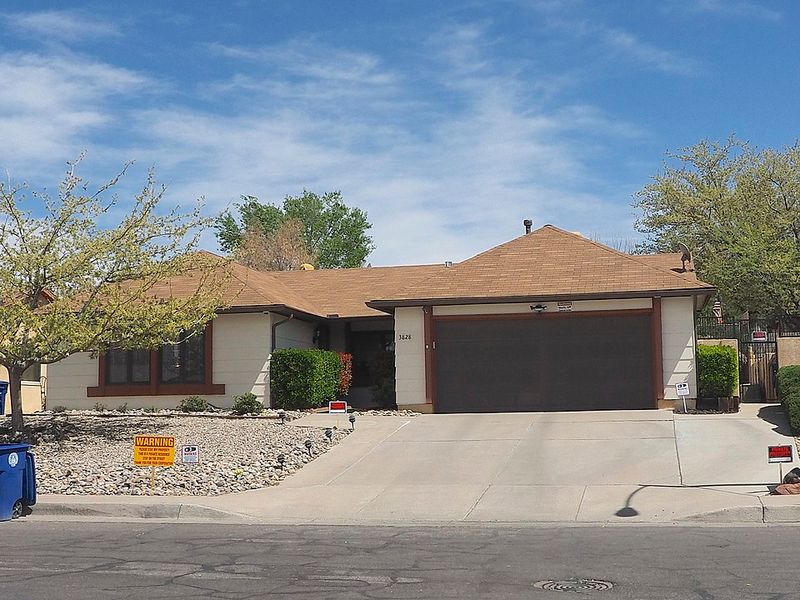
You know this house the moment you see it, and your pulse will probably kick up a notch. The modest stucco exterior, tidy gravel yard, and quiet cul-de-sac are exactly as you remember, only now you are standing where so many pivotal moments began. It is viewable from the street only, and that boundary matters, so keep your visit quick, respectful, and camera-ready from the sidewalk.
There is a strange thrill in how ordinary it all looks, which is exactly why it hits so hard. The show turned this suburban corner into a stage for ambition, fear, and family stakes you can practically feel lingering in the driveway. You will likely catch other fans drifting by, whispering about pizzas on roofs and peeking toward the garage like it still holds secrets.
If you arrive at golden hour, the warm light paints the facade with a cinematic glow that feels like stepping into a frame. Park legally, keep voices low, and remember that real people live here and deserve peace. Snap a quick photo, let the nostalgia wash over you, then move on knowing you just visited one of television’s most recognizable addresses.
For a smoother experience, plug the location into your map ahead of time and plan a route that avoids blocking any driveways. Pair this stop with nearby filming sites so the moment stays special but brief. You are not just spotting a location, you are honoring a piece of storytelling that transformed an everyday home into an icon, and that is worth treating with care.
A1A Car Wash (Albuquerque)
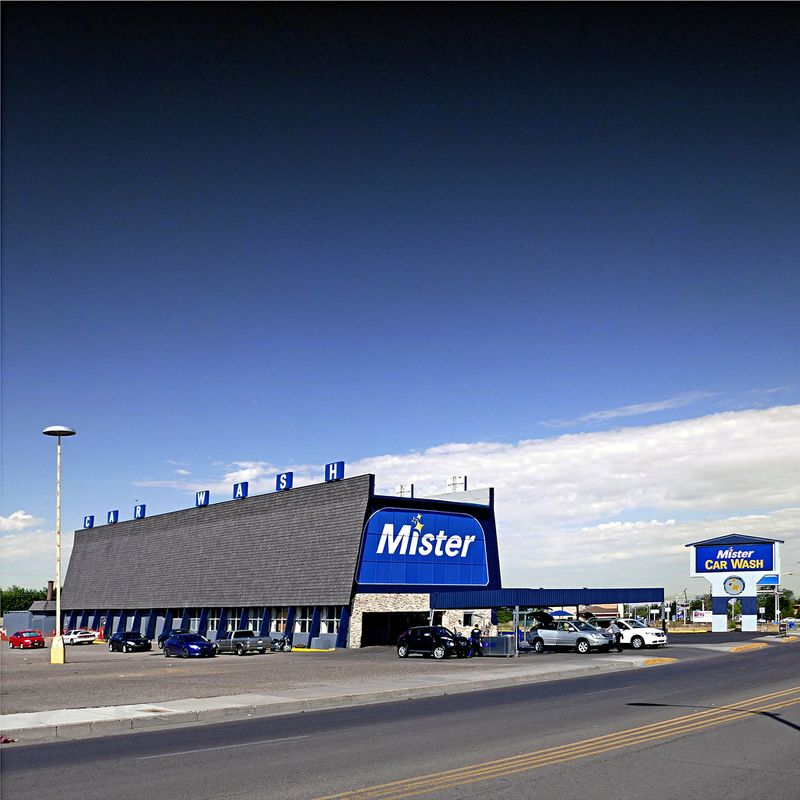
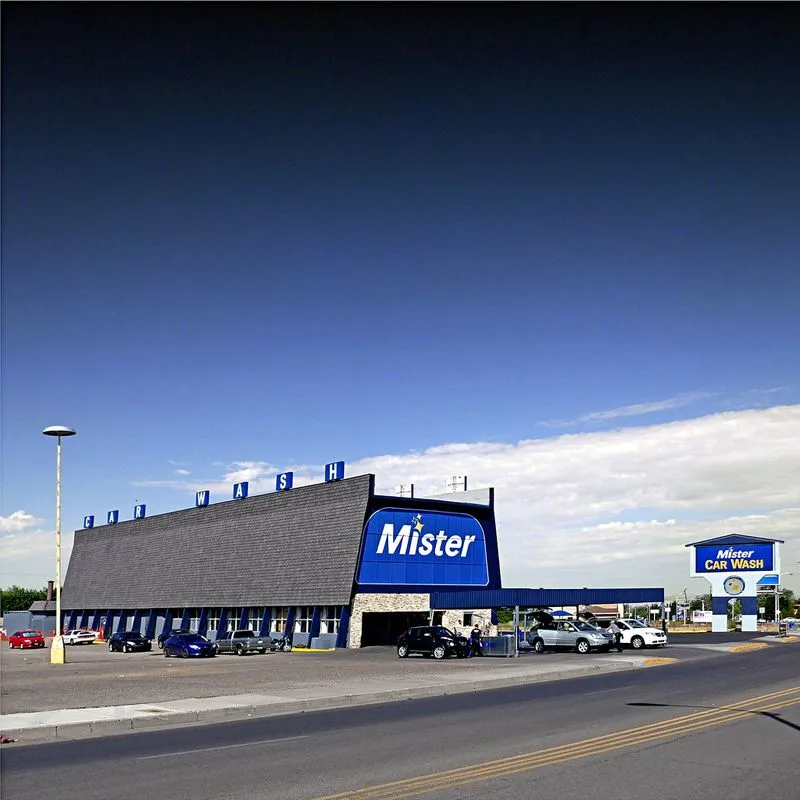
Roll up to this working car wash and you will instantly hear echoes of front businesses and backroom calculations. The signage and layout match the on-screen aura, making it a must-stop for fans who want a photo without disrupting the daily flow. Keep in mind it is a real operation, so be considerate of customers and staff while grabbing your shot.
There is something satisfying about seeing money-laundering lore juxtaposed with normal weekend errands. You watch the conveyor pull cars forward while imagining tense conversations that once seemed to fill the air here. The ordinary hum of vacuums and sprayers adds an ironic soundtrack to your memory of high-stakes scenes.
Swing by in the morning to beat heavier traffic, or time it for late afternoon when the light turns everything cinematic. If you decide to get your car washed, you get an excuse to linger a little longer and soak in the ambiance. Either way, respect the line, stay clear of working lanes, and ask permission if you want a closer angle.
Combine this stop with Saul Goodman’s office exterior for a tight, nostalgic circuit through Albuquerque’s greatest hits. The proximity between these sites helps the fiction feel tactile, as if the characters just stepped away. You are tracing a legend across real asphalt, and that simple car wash hum becomes a friendly reminder that stories can live right alongside everyday life.
Los Pollos Hermanos / Twisters (Albuquerque)
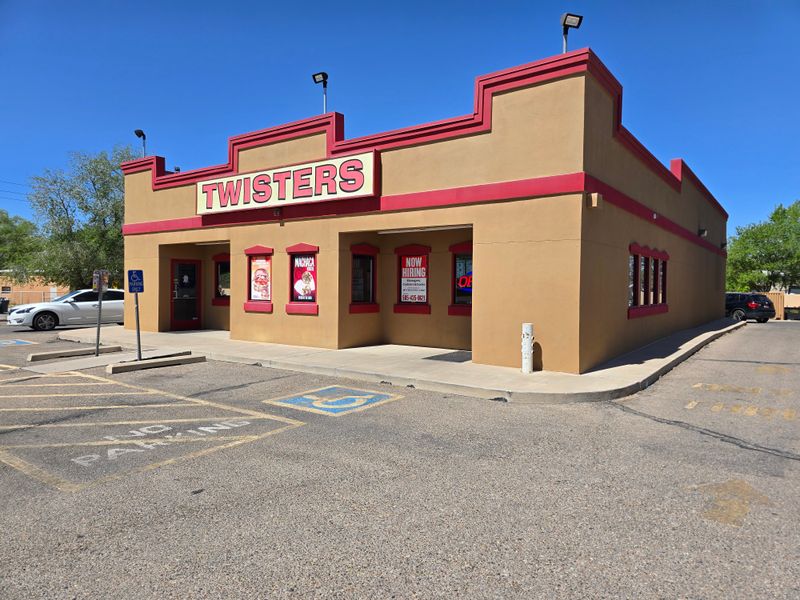
Pull into the lot and you will instantly picture quiet conversations that were anything but calm. The real restaurant is Twisters, but the facade and layout feel unmistakably like Gus Fring’s empire in miniature. Order something, grab a booth, and let the hum of diners transport you back into the show’s most calibrated tension.
The thrill here is not just recognition, it is the contrast between normal lunch rushes and the meticulous operations you remember. You can study corners and sightlines while sipping a soda, imagining how chess moves unfolded at tables now covered with napkin holders. Staff are used to fans, so a polite question or two usually earns a knowing smile.
If you want clear photos, arrive between meal peaks for unobstructed views of the exterior. Golden hour adds a warm glow that makes the signage pop against the endless New Mexico sky. Inside, do not disrupt guests, and keep your shots quick so the space stays friendly for everyone.
Pair this stop with the nearby rail yards to feel the show’s scale shift from intimate booths to sprawling backdrops. It is a neat narrative arc for your day, going from whispered dialogues to giant industrial silence. You will leave with a full camera roll and that delightfully uneasy feeling that the quietest scenes can carry the loudest stakes.
Crossroads Motel (Albuquerque)
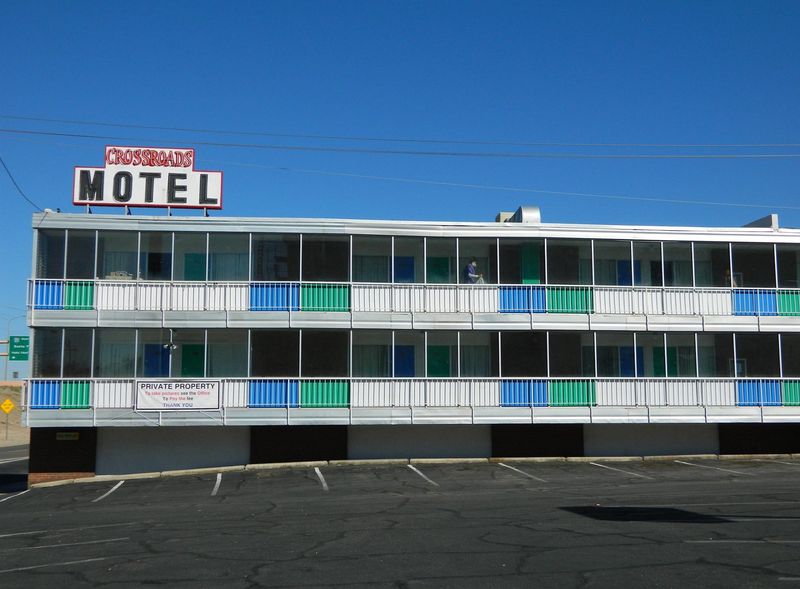
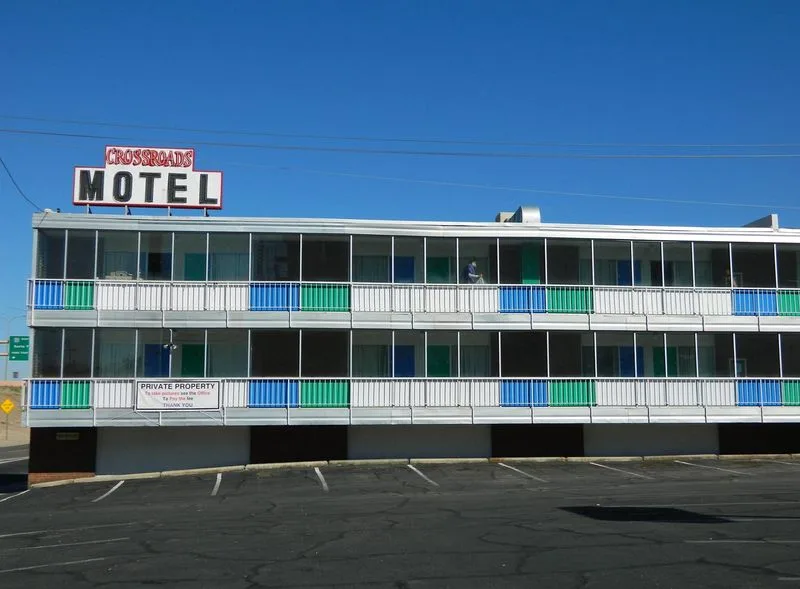
This is where the show’s rougher edges scratch the surface. The Crossroads Motel, nicknamed The Crystal Palace on-screen, lands with a jolt of reality you can feel in the cracked paint and humming neon. It appears in several early episodes, capturing a seedier underside that helped define the series’ tone.
When you visit, you will notice how the long exterior corridors and stacked rooms create sightlines perfect for tense cutaways. The place feels lived-in, and the Route 66 energy is tangible, a mash-up of travel fatigue and late-night stories. Be mindful of guests and management, and keep your photos outside, quick, and respectful.
The blue hour is the sweet spot, when neon glows against a deepening sky and the sign throws color across the parking lot. You can nearly hear the show’s sound design in the distance, that low thrum of unease. It is atmospheric, poignant, and a little haunting in the best way.
Pair it with a diner stop along Route 66 to balance the grit with something comforting. You are witnessing an authentic slice of Albuquerque that the series did not romanticize, and that honesty is part of the pull. Leave no trace, give people space, and let the motel’s textured realism fill your camera and your memory.
Hinkle Family Fun Center (Albuquerque)
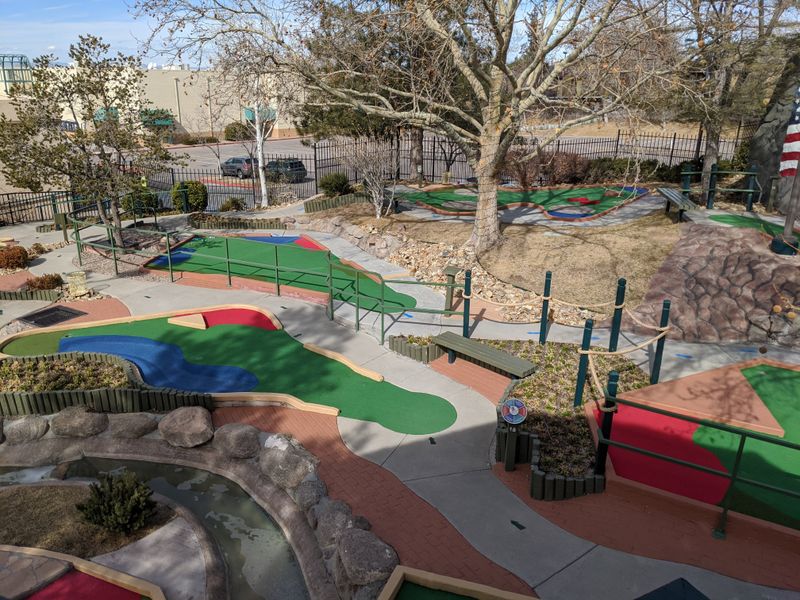
Here is a lighter curveball in your itinerary. The Hinkle Family Fun Center flashes bright colors, go-kart tracks, and arcade buzz, creating an ironic counterpoint to the show’s looming dread. You get a quick cameo vibe here, but it adds dimension to your tour by reminding you how everyday joy sits right beside the chaos.
Walking around, you will notice how the vibrant signage and open spaces could frame a brief, telling moment. It is almost funny how your brain keeps expecting something ominous amid mini-golf greens and prize counters. That contrast is the point, and it gives your photo set a needed burst of color.
Visit during off-peak hours if you want cleaner shots of the grounds and facade. If you decide to join the fun, even better, because the candid energy helps you feel the scene rather than just record it. Keep your camera etiquette solid and avoid filming kids or guests without permission.
Use this stop as a palate cleanser between heavier locations like the motel and the rail yards. Your route becomes a story with beats and breathers, which is exactly how the series built tension. You will leave with a smile, a few playful snaps, and a renewed appreciation for how the show sprinkled lightness amid darkness.
Saul Goodman’s Office Exterior (Albuquerque)
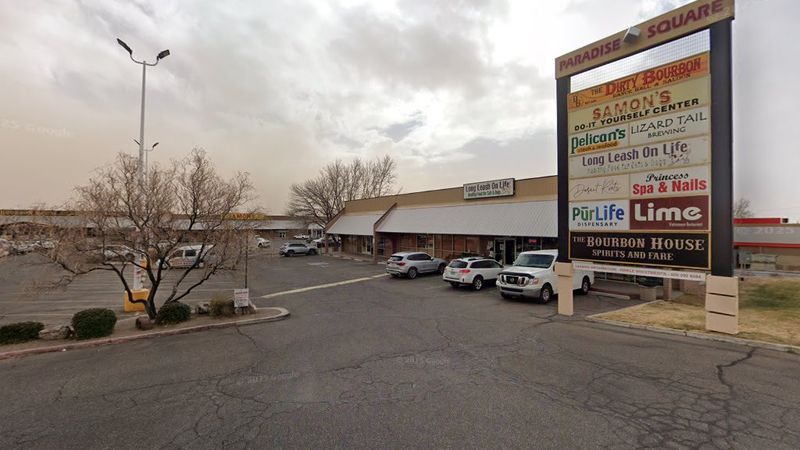
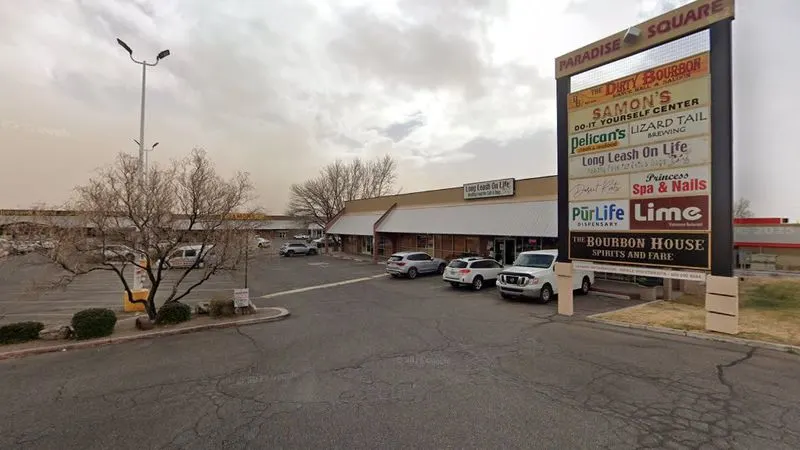
One glance and you will hear Better call Saul echoing in your head. The strip-mall exterior pops with color and playful swagger, exactly the kind of storefront that makes you grin while reaching for your camera. This is a quick-stop site that rewards angles, so walk the curb and frame the facade with a touch of flair.
It is amazing how the show turned a humble retail row into a comedic launchpad for high-stakes lawyering. You will notice the signage lines, the window layout, and all the small spatial cues that made the office unforgettable. Fans tend to gather briefly and move on, so be courteous and keep sidewalks clear.
Midday sun works well here, punching up the palette and making everything feel snappy. If you want a more cinematic shot, wait for late afternoon shadows to add texture along the awnings. Either way, your photos will radiate that slightly absurd bravado that made Saul such a standout presence.
Pair it with the A1A Car Wash stop for a tight duo of front businesses with backstories. The two locations together tell a sly joke about image, spin, and the theater of everyday commerce. You will leave chuckling, pockets full of quips, and with another iconic box checked on your Albuquerque tour.
Owl Cafe (Albuquerque)
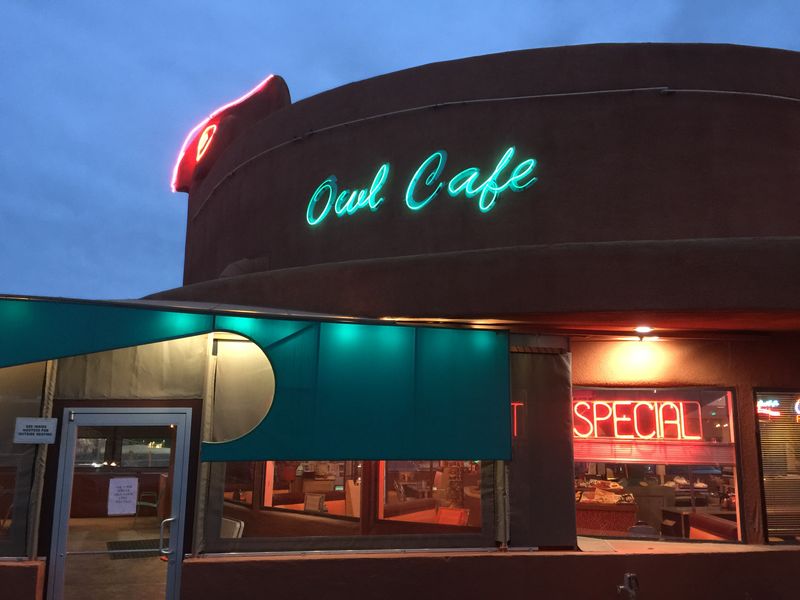
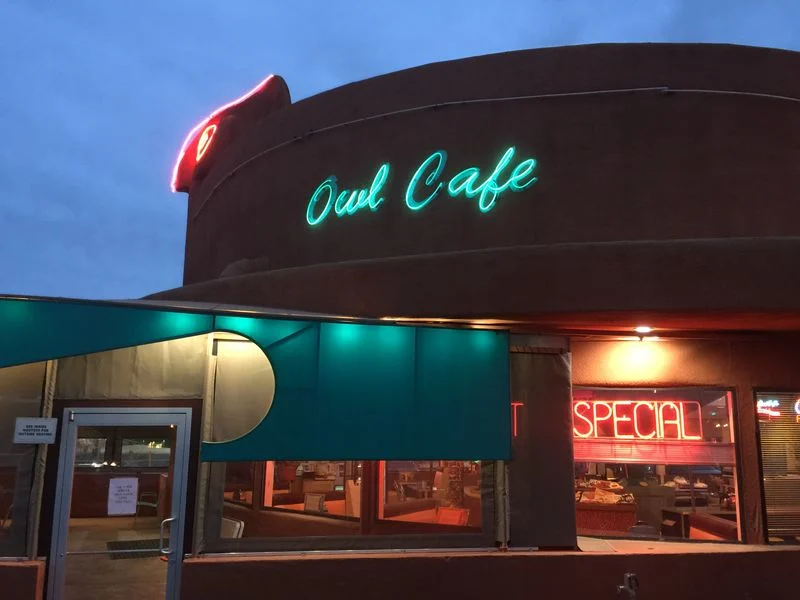
The Owl Cafe wears nostalgia like a neon crown. Featured in El Camino, it taps straight into that bittersweet feeling of characters chasing memory and meaning. Pull up under the giant owl and you will feel like you just slid into a flashback of your own.
Inside, the retro booths and counter energy deliver classic diner comfort. Order a milkshake, watch the staff glide between tables, and let the hum sink in while you trace connections to the wider saga. It is a place where the show’s past feels close enough to touch without ever straining to be a museum piece.
Come at dusk when the neon starts to glow and the lot mirrors color across the hood of your car. The photos almost compose themselves, all reflections and warm tones. It is respectful to limit interior photos to quick snaps and keep other diners out of frame.
Pair this stop with nearby Route 66 icons for a mini Americana loop that complements the series’ themes. You will leave full, a little introspective, and ready to chase the next breadcrumb on your map. Sometimes the softest locations are the ones that stay with you the longest, especially when the lights click on just as the sky turns indigo.
Albuquerque Rail Yards
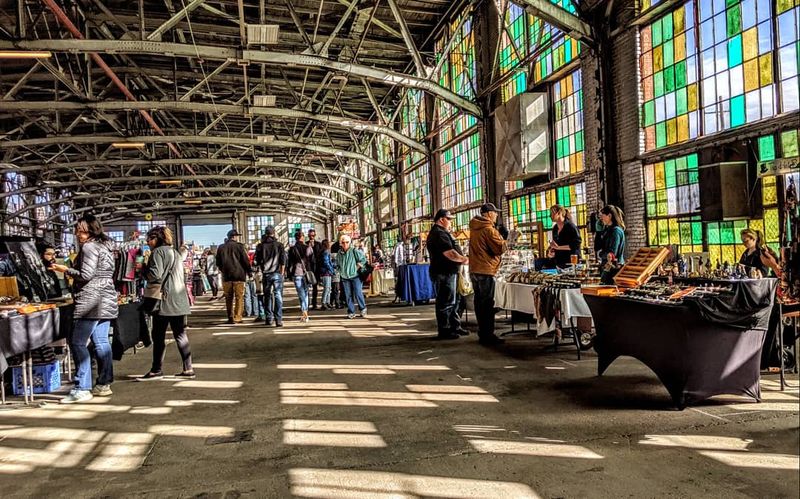
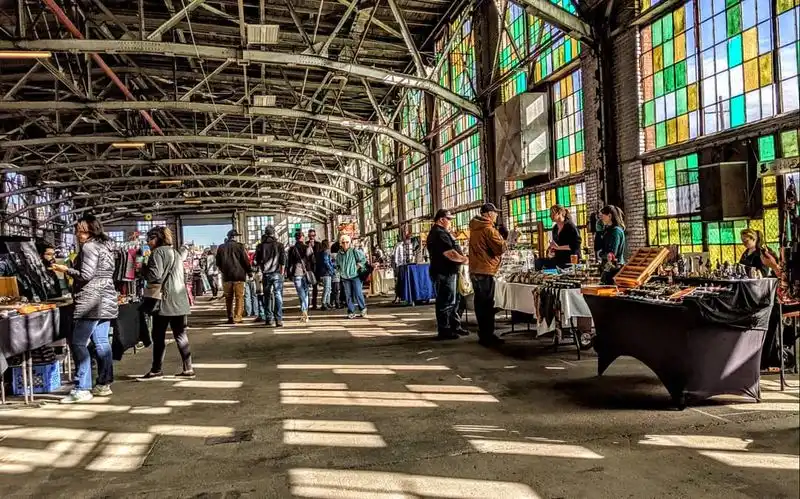
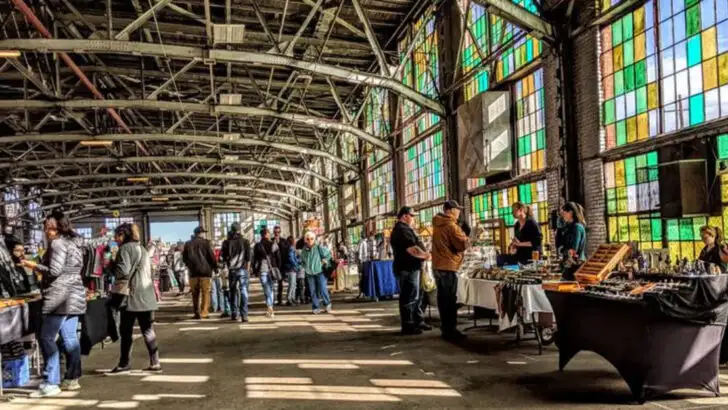
Step into the rail yards and the scale swallows you. Steel skeletons, cavernous halls, and dusty beams of light create a moody cathedral to industry. It has served as a backdrop for multiple scenes, amplifying the series’ grit with a sense of history that towers overhead.
You will find endless compositions here, from shattered panes to tracks that carve lines through shadow. The texture is the story, and your photos will read like a dossier of Albuquerque’s industrial past. Check for access rules and tours, because some areas may be restricted or open only during events.
Visit midday for hard-edged light that sculpts the metal, or go late afternoon for long, cinematic shadows. A tripod helps, but travel light and keep safety in mind around uneven ground. The silence feels heavy, like it knows things, and that is exactly why this place sings on camera.
Pair the yards with downtown exteriors to map the show’s movement from intimate rooms to grand, echoing spaces. You will leave dusted, exhilarated, and with a memory card full of frames that feel like frames from the series. It is where the city’s bones show, and that truth gives every shot a spine.
Jesse Pinkman’s Apartment (Downtown Albuquerque)
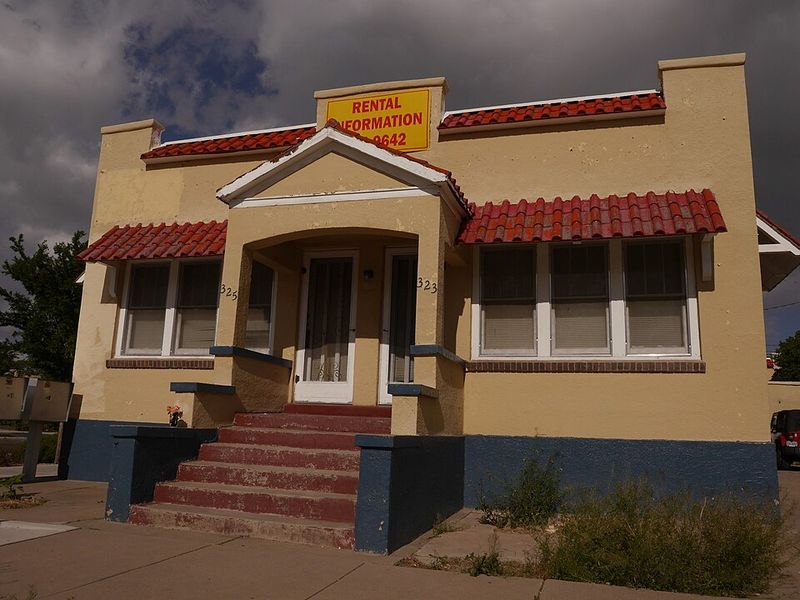
Jesse’s apartments changed, but the feeling did not. Several downtown buildings stood in for his living spaces, and walking the area lets you sense those shifting chapters. You will catch yourself scanning stairwells and balconies, hearing echoes of music, arguments, and attempts at redemption.
The streets here have a texture that feels honest, a mix of shops, older facades, and tree-lined corners. It is easy to find angles that mirror the show’s framing, especially near brick staircases and narrow courtyards. Keep your map handy and be prepared for a few blocks of wandering to connect the dots.
Late afternoon light gives the walls color and the shadows a little drama. If you shoot photos, focus on architectural details rather than private windows, and stay mindful of residents. This is a lived-in neighborhood first, filming location second, so treat it with care.
Pair this stop with Washington Park and a coffee nearby to let the mood sink in. The emotional weight of Jesse’s arc adds resonance to otherwise simple city corners, and that is the magic you are chasing. You will leave with a quieter set of images that still buzz, like a chorus just under your breath.
Hank and Marie Schrader’s House (Albuquerque)
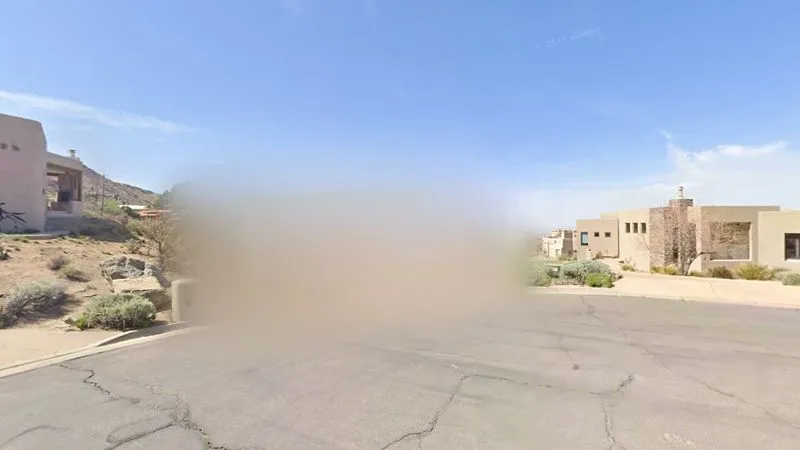
This suburban house is a calm counterpoint to the chaos, and that contrast made it crucial. Hank and Marie’s place shows up throughout the series as a steady anchor, even when everything else is spiraling. Standing at the curb, you can feel the push and pull between law, love, and danger.
The neighborhood is quiet, with well-kept yards and a cadence that rewards soft voices and quick photos. You will recognize the outline instantly, from roofline to driveway, and your camera will not need much coaxing. Please respect the residents and the street’s normal flow as you snap a shot.
Golden hour is perfect here, painting the home with a gentle glow that suits its role as a refuge. Park legally, avoid blocking mailboxes, and keep your visit short and courteous. The power of this stop is in its simplicity, a place where steady lives tried to hold the line.
Pair this with Walter’s house to feel the series’ moral geometry, two suburban points defining a whole messy map. You will walk away thoughtful, maybe a bit hushed, with a new appreciation for how ordinary spaces carried extraordinary stakes. Sometimes the safest-looking porch is where the heaviest choices echoed.
Washington Park (Albuquerque)
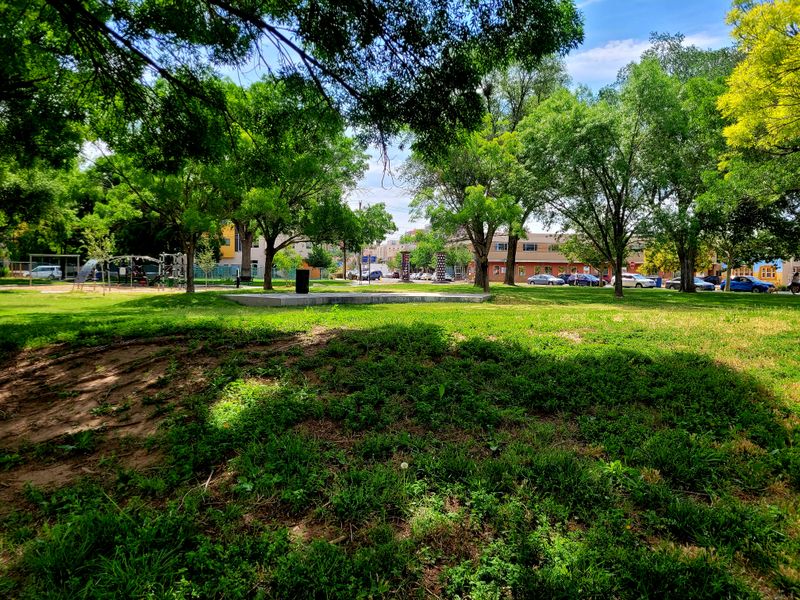

Washington Park is one of those subtle locations that sneaks up on you. It is quiet, green, and reflective, which makes it perfect for scenes where characters wrestle with what to do next. You will feel that hush ripple through the trees the moment you step onto the path.
Bring a coffee and take a slow loop while you look for familiar angles. There is a serenity here that turns reflection into a kind of set piece. The park invites you to keep your voice down and let the wind do the talking.
Morning light is ideal, when the grass looks fresh and the benches cast long, thoughtful shadows. Snap a few photos that capture space rather than faces, because the emotion is in the openness. Share the trail, stay courteous with dogs and joggers, and leave everything as you found it.
Afterward, head downtown for a sharper city contrast, or out to the desert to stretch the mood across bigger horizons. Washington Park is small, but it colors the day, like a quiet chord under a louder song. You will leave steadier, with a sense that the show’s gravity lived as much in pauses as in explosions.
Tohajiilee Desert Area (Near Albuquerque)
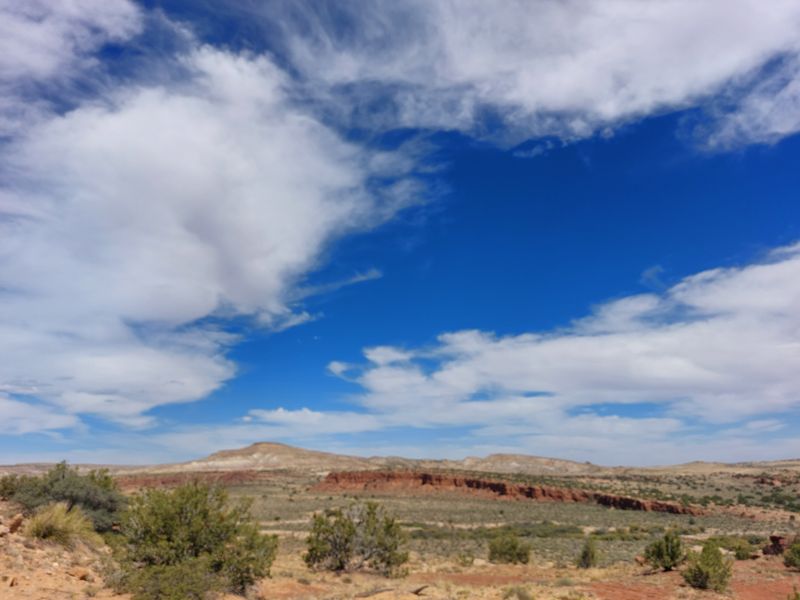
Out here the horizon swallows everything but your breath. The Tohajiilee area is where the RV days started, where the story’s raw beginnings played out under a relentless sky. Standing in that red earth, you can almost hear an engine tick and a plan forming.
The landscape is rugged and beautiful, a wide-open classroom for light and shadow. Bring water, sunscreen, and a full battery, because every direction begs for a panoramic shot. Respect land boundaries and cultural significance, staying only in permitted public areas and packing out every trace.
Late afternoon is the time to visit, when the mesas glow and the scrub casts long, crisp lines. The wind can pick up, so steady your camera and lean into the atmosphere. It is a place that refuses to be rushed, and that is the point.
Pair this with the rail yards for a full arc from wilderness to industry. You will drive back with dust on your shoes and a clear sense of why the series started here. Out in Tohajiilee, the silence is not empty, it is charged, and it will follow you all the way back to the city.
Downtown Albuquerque Streets & Civic Plaza
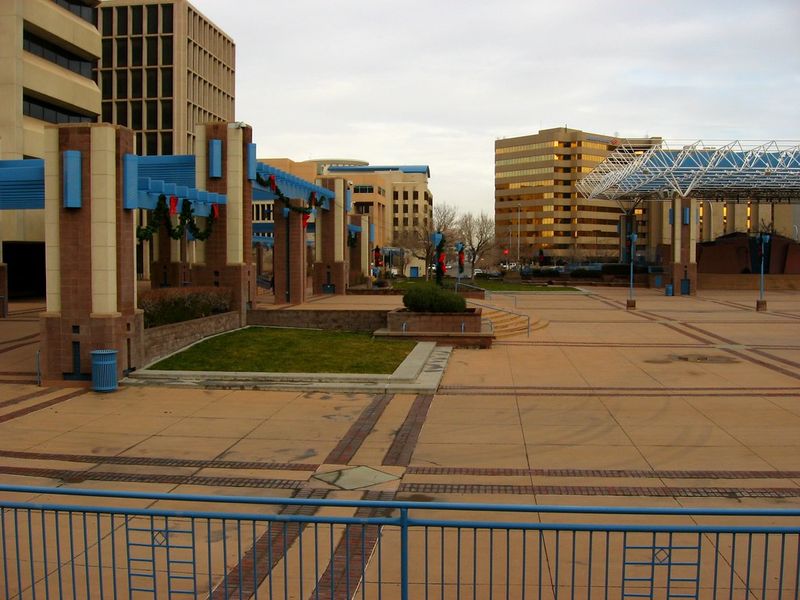
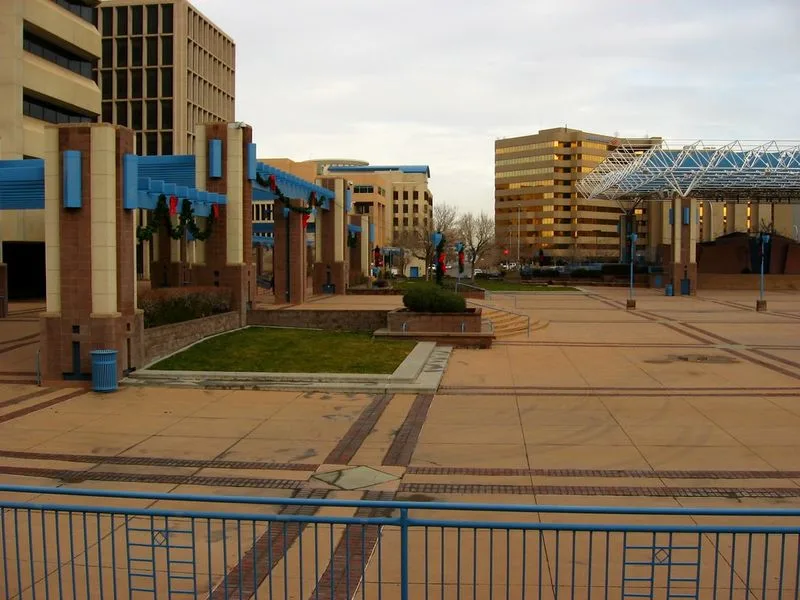
Downtown Albuquerque is the show’s connective tissue, a grid of streets and plazas that appear again and again. Civic Plaza anchors that feeling, with open space that lets the city breathe on camera. When you walk through, you will recognize corners, crosswalks, and glass that once mirrored high tension.
The best way to experience it is to wander. Follow the light across building facades, duck down side streets, and listen to the rhythm of traffic. The show treated downtown like a character, and that character still has plenty to say.
Weekdays offer lively scenes, while early mornings give you cleaner frames and long lines of shadow. Be patient with crosswalk shots and keep your gear tight to avoid blocking anyone. The beauty here is cumulative, snap by snap, block by block.
Pair downtown with Jesse’s apartment stops to feel the city’s emotional swing. You will leave with a map that looks less like directions and more like a heartbeat tracing. In a series built on decisions at the margins, these streets are where the pulse gets loud.
Albuquerque International Sunport

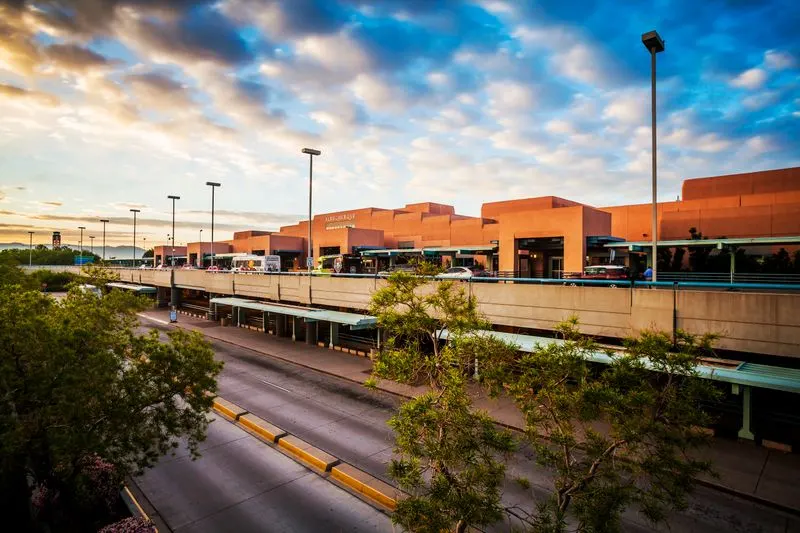
The Sunport is a fitting bookend for your tour, a place where arrivals and departures frame the story. The terminal’s warm Southwest design and big windows give it a calm, airy presence on camera. You will recognize the look the moment you step past security toward the gates.
As with any airport, follow all rules about photography, especially near checkpoints and staff areas. The best images tend to come from public pre-security spaces and big windowed corridors. Keep your gear minimal and move with the flow so you stay invisible in the scene.
Morning and late afternoon light turn the glass into a gentle glow that flatters every shot. If you are flying out, arrive early to grab a few frames before boarding. It is a quiet thrill to end your pilgrimage in a place where the show tied threads together.
Pair this stop with one last drive past a location that meant the most to you, just to seal the memory. You will head home with your own arc completed, camera roll stacked, and a grin that is hard to shake. Stories begin and end at airports, and this one wraps with a view of the New Mexico sky stretching wide.