It is easy to measure a state by its most famous postcard views, but the real value of traveling through Massachusetts lies in the places that demand your full attention.
Beyond the reach of major cities are destinations that have managed to preserve their original rhythm, from isolated coastal communities to artistic enclaves tucked into the hills.
Visiting these places becomes a deliberate choice to slow down and explore with intention.
Along those quieter detours are independent bookstores, old family-run restaurants, and scenic overlooks that still belong more to local life than to mass tourism.
For anyone willing to trade predictable tourist routes for something more lasting and authentic, these 12 bucket-list stops prove exactly why Massachusetts is a destination worth every mile of the journey.
Berkshires – Western Massachusetts
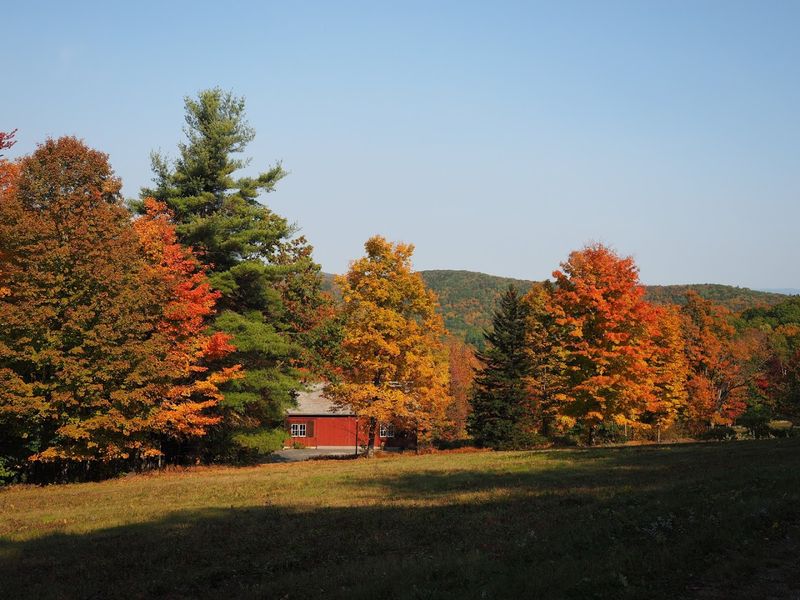
Morning settles softly over folded hills, and the roads begin to curve with a kind of musical patience. Barn roofs catch pale light, old inns wake behind maple shade, and every valley seems arranged by weather as much as by time.
Even before galleries open or concert lawns fill, the landscape feels composed, as if creativity rose here directly from stone walls, meadows, and distance.
By afternoon, culture appears not as decoration but as atmosphere.
A museum courtyard, a summer stage, a bookshop window, a table set with linen and local wine, each detail seems held inside the same rhythm as the mountain roads outside.
Nothing feels hurried, though plenty is happening, and that calm gives every experience unusual depth.
Then autumn arrives and the region turns nearly theatrical.
Scarlet ridgelines burn against clear air, wood smoke threads through village streets, and porches glow at dusk with a welcome too sincere to be staged.
Few places feel so entirely shaped by both landscape and imagination.
Wellfleet – Cape Cod
Low tide pulls the land wide open, exposing silver flats that shine like hammered metal beneath a restless sky.
Skiffs sit tilted in the mud, gulls circle over channels, and the whole harbor seems to inhale before the water returns.
Salt lives on every surface here, from weathered shack boards to stacks of oyster cages drying in the wind.
Summer crowds bring heat, bicycles, sandy feet, and traffic that inches past roadside stands with windows open.
Yet beneath that seasonal rush, a working rhythm keeps moving steadily through the day.
Men sort shellfish, motors sputter toward deeper water, and harbor lights begin to blink on while dinner lines form outside tiny kitchens smelling of butter and brine.
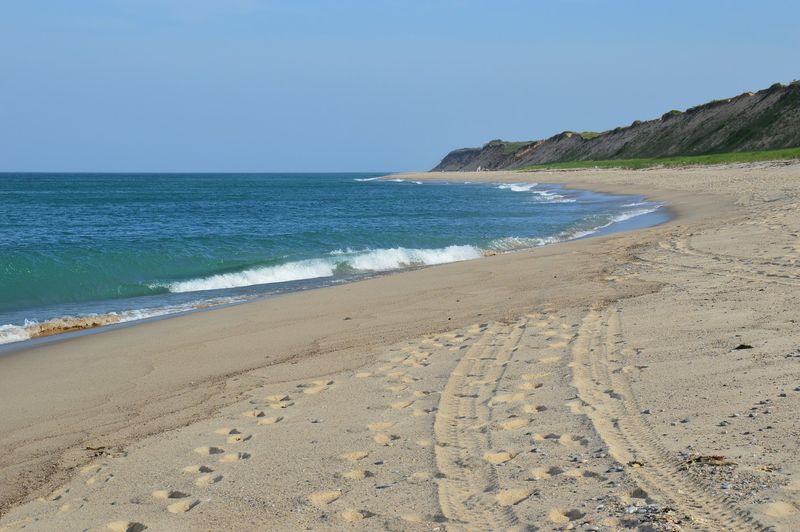
Beyond town, dune roads slip toward protected beaches where the air feels sharper and more exposed.
The national seashore gives everything a larger scale, with grass, sky, and surf pressing close to one another.
What stays with people most is the rare sense that tourism and working coastal life still exist side by side without either one feeling staged for the other.
Boston Public Garden – Boston
Just beyond the churn of downtown traffic, the gates open onto a world that seems to lower its own heartbeat.
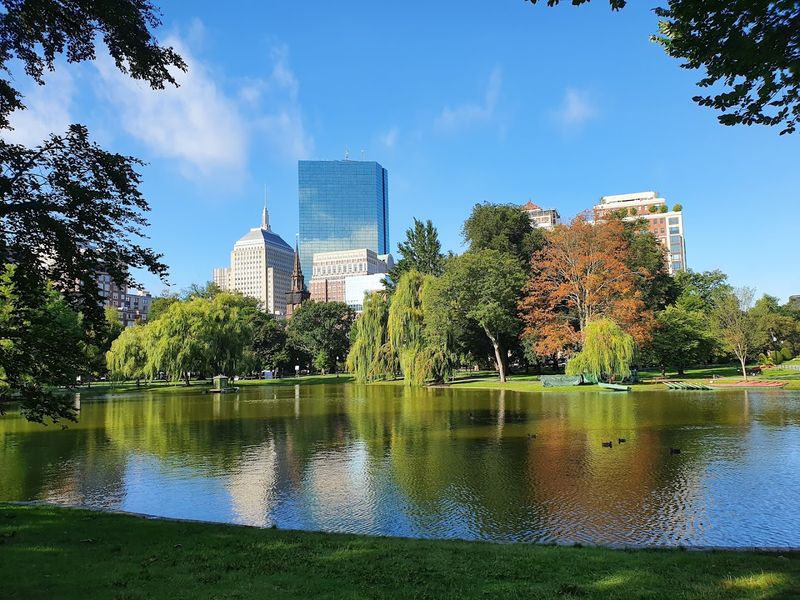
The lagoon holds wavering reflections of willow branches and passing clouds, while Victorian fences trace elegant lines around lawns bright with seasonal color.
Even on a busy day, the path beside the water carries an old-fashioned hush that feels almost improbable in the city center.
Swan Boats glide past with gentle absurdity and complete grace, delighting children without breaking the spell for adults.
Nearby, bronze ducklings invite touch, laughter, and photographs, yet the mood never tips into spectacle. Flower beds are kept with almost ceremonial care, and benches beneath drooping branches offer a pause that feels private despite the footsteps all around.
Sirens, buses, and crosswalk signals continue only blocks away, reminding visitors how close the louder world remains.
That contrast gives the place its emotional force.
Calm here is not isolation but coexistence, a cultivated stillness surrounded by urgency, where beauty survives in conversation with the modern city.
Oak Bluffs – Martha’s Vineyard
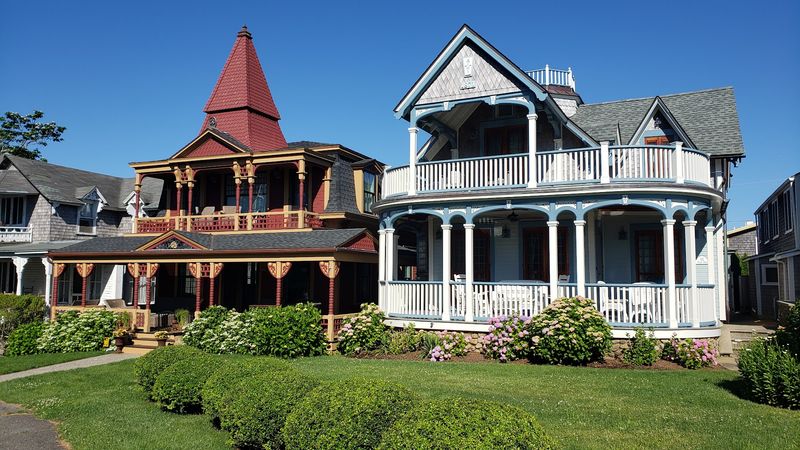
Color arrives first here, not in a subtle wash but in painted trim, striped awnings, porch railings, and cottage facades that seem to celebrate sunlight itself.
The gingerbread houses look almost storybook at a glance, yet their handmade details, weathered steps, and tiny gardens give them warmth rather than quaintness.
Around the old campground, paths feel intimate, shaded, and full of summer voices drifting through lace-like woodwork.
Closer to the main street, the mood turns bright and social.
Ferry crowds spill forward with bags and anticipation, ice cream softens in the heat, and storefronts buzz beneath strings of signs and laughter.
Harbor activity keeps the scene in motion, with horns, gull cries, and masts tapping quietly above the boats.
Evening gathers gently but never quite quiets the town.
Painted decorations glow under porch lights, music slips from open doors, and families linger outside as if the day has more to give.
Some places feel grand, this one feels joyfully alive, generous in spirit and impossible to meet halfway.
Race Point Beach – Provincetown
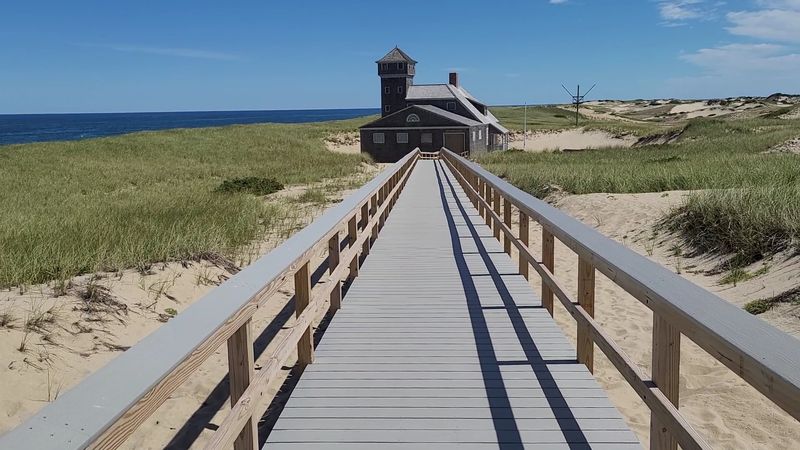
Sand stretches outward with such breadth that the human scale nearly disappears.
Wind presses steadily across the open beach, flattening grasses, lifting loose grains, and filling the air with a dry hiss that competes with the Atlantic surf.
Looking outward, the coast feels less like a shoreline than an ending, a place where land has finally thinned to its last bright edge.
Dunes rise behind the beach in pale, muscular forms, cut by paths and the occasional sweep of bicycle tires.
Far off, the lighthouse stands with stoic clarity, its presence both practical and strangely solitary.
Seals surface beyond the break, dark shapes rolling through cold water while gulls angle overhead in the late light.
By sunset, the whole scene turns cinematic without becoming gentle.
Clouds catch streaks of copper and rose, waves keep striking with blunt force, and the wind refuses to soften for anyone’s photograph.
That refusal is part of the power here. Beauty arrives not as comfort, but as exposure, scale, and exhilarating remoteness.
Deerfield – Pioneer Valley
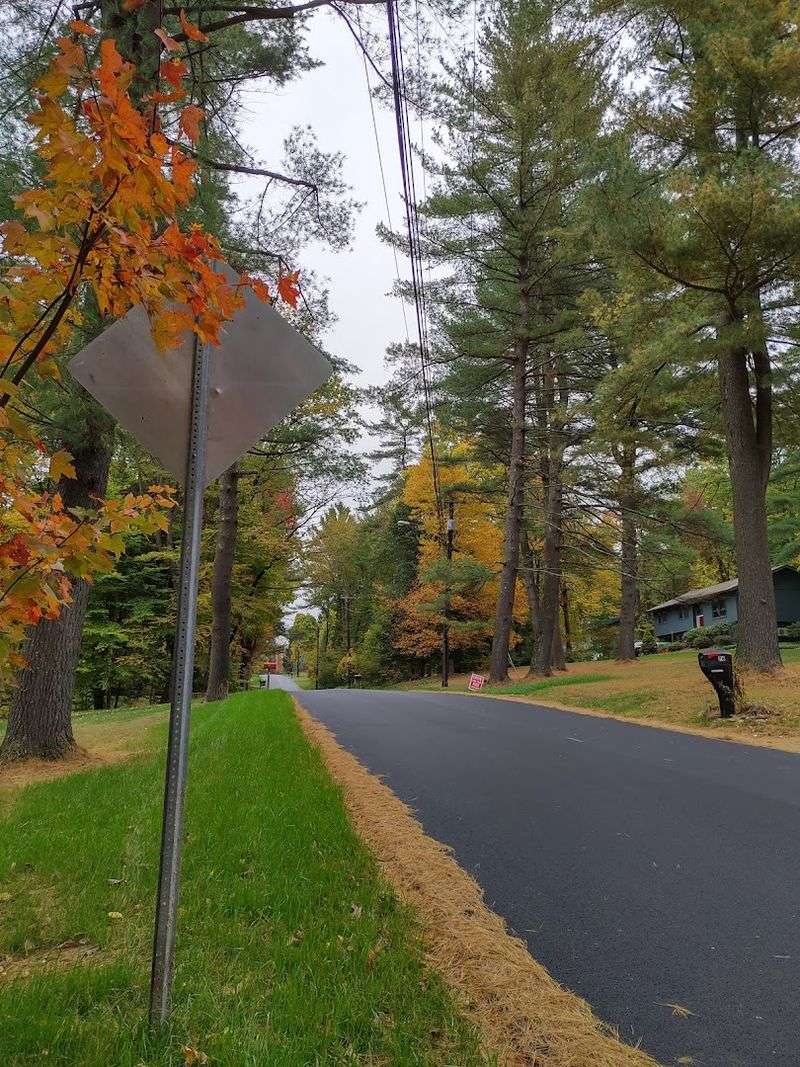
A long village street unfolds with a steadiness that feels almost ceremonial.
Colonial houses stand in measured sequence behind fences and gardens, each doorway, chimney, and windowpane carrying an air of survival rather than display.
There is quiet here, but not emptiness, more the kind of silence that gathers when a place has been carefully listened to for generations.
Walking past weathered clapboards and old trees, the present begins to loosen its grip.
Brick paths, herb beds, and broad greens create a rhythm of domestic beauty that feels intimate rather than monumental.
Because the landscape remains open and inhabited, the experience is not of entering a sealed past, but of moving through one that still breathes.
Afternoon light gives extraordinary softness to the architecture, catching on glass, door latches, and garden leaves stirred by small gusts.
Nothing here shouts for attention.
Instead, detail accumulates slowly until the whole mile feels like a living composition of memory, restraint, and care. Few historic places offer such depth without theatricality.
Castle Hill on the Crane Estate – Ipswich
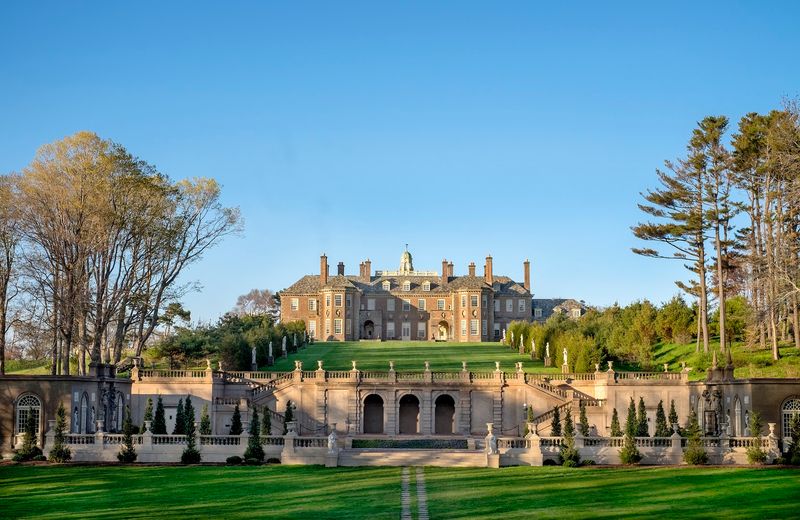
The first impression is scale held under perfect discipline.
Lawn drops from the Great House in a long, commanding sweep, and the Grand Allee draws the eye toward the horizon with almost theatrical certainty.
Formality shapes every line, yet beyond the geometry lies open sky, marsh light, and the Atlantic breathing just out of frame.
Standing near the house, the estate feels composed for arrivals, silk dresses, orchestras, and summer evenings touched by privilege.
Then the wind shifts, bringing the scent of salt and grasses from the marshes below, and grandeur suddenly gives way to something wilder.
That tension is the place’s real beauty: elegance facing weather, architecture meeting tides, wealth built atop vulnerable land.
From higher ground, the view toward the beach seems to roll forever.
Clouds cast moving shadows over the lawn, gulls drift above the dunes, and every path feels slightly cinematic, as if designed for revelations rather than strolls.
Few coastal landscapes deliver such drama with such poise, or turn distance into such an emotional force.
Williamstown – Berkshires
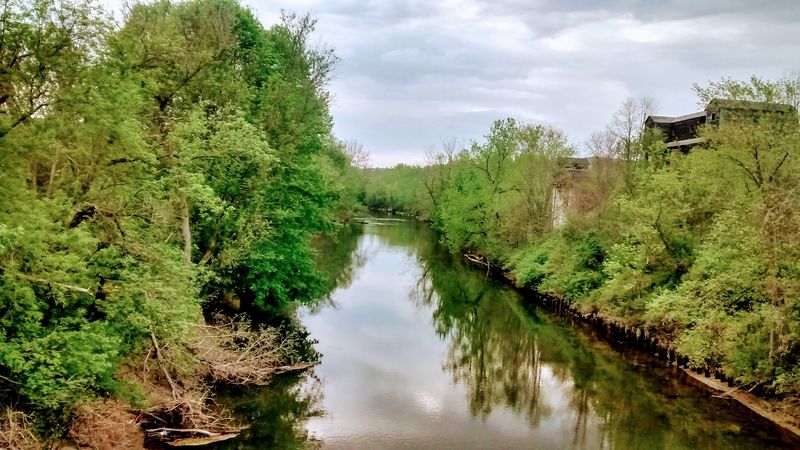
Mountain light gives this college town a reflective quality, as though thought itself had become part of the weather.
Academic buildings sit with calm assurance among trees and lawns, while quiet streets lead past galleries, bookstores, and coffee shops that never seem eager to announce themselves.
The atmosphere is serious without being severe, and cultivated without losing warmth.
On museum grounds, sculpture and grass share the same spacious silence.
Students read on benches, visitors wander slowly through rooms of exacting beauty, and beyond the windows the ridgelines remain in view like a patient reminder that intellect here is never fully separate from landscape.
That closeness changes the mood of art, making it feel less enclosed and more breathable.
Even everyday errands seem gentled by the setting.
A morning espresso, bicycles leaning outside a shop, footsteps beneath old trees, the low hum of conversation near a bookstore door, each detail belongs to a place that values attention.
Some towns energize through noise, this one deepens through quiet, proportion, and mountain-backed clarity.
Halibut Point State Park – Rockport
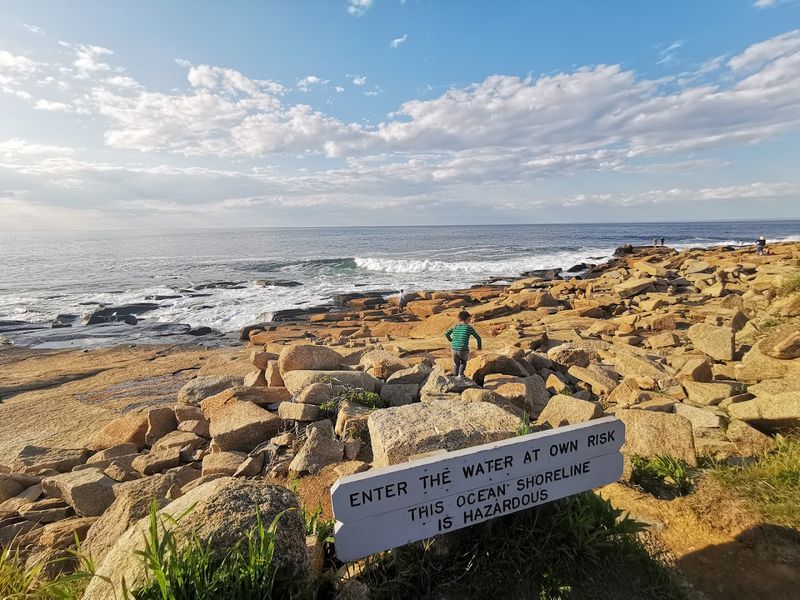
Stone defines everything here.
The old granite quarry lies still and dark as glass, holding the sky with surprising tenderness, while only a short walk away the open Atlantic breaks against rock with full force.
That contrast between contained water and untamed sea gives the landscape an emotional tension that feels almost architectural.
Trails cross rough ground where lichens brighten the granite and wind moves hard through scrub and grass.
Tide pools gather in crevices near the shore, reflecting clouds between barnacled edges and fractured slabs.
Every texture is sharp, salt on lips, grit under shoes, the grain of quarried stone cut by tools long gone silent.
Nothing in the scenery asks to be prettified.
The coast is exposed, practical, and deeply physical, with views that open suddenly and then hold you in place.
Looking from the quarry toward the horizon, it becomes easy to feel the human urge to shape a landscape and the equal power of that landscape to resist.
Falmouth – Cape Cod
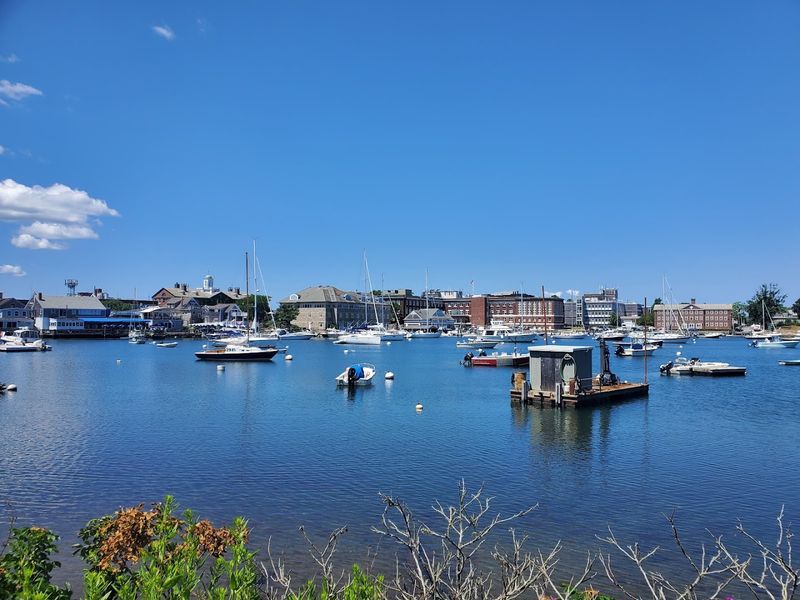
Movement defines this stretch of coast in the gentlest possible way.
Bicycles glide along the Shining Sea trail past marsh grass and inlets, ferries pulse with purpose down at the harbor, and village streets seem built for wandering rather than rushing.
Water is never far, yet the mood shifts constantly between open shore, shaded path, and working waterfront.
Near Woods Hole, the energy tightens.
Scientific bustle, boat traffic, and the practical choreography of departures give the area an alert, restless character that contrasts beautifully with the slower beach neighborhoods nearby.
Turning away from that motion, the trail resumes its calm thread through salt air, pine shade, and wide views where afternoon light lies across the marshes.
What lingers most is the fluidity of the place.
One hour holds coffee on a main street, another holds a harbor breeze, another holds a long ride with gulls overhead and reeds whispering beside the path.
Coastal life here feels integrated rather than staged, easygoing yet active, relaxed without ever drifting into stillness.
Minute Man National Historical Park – Lincoln
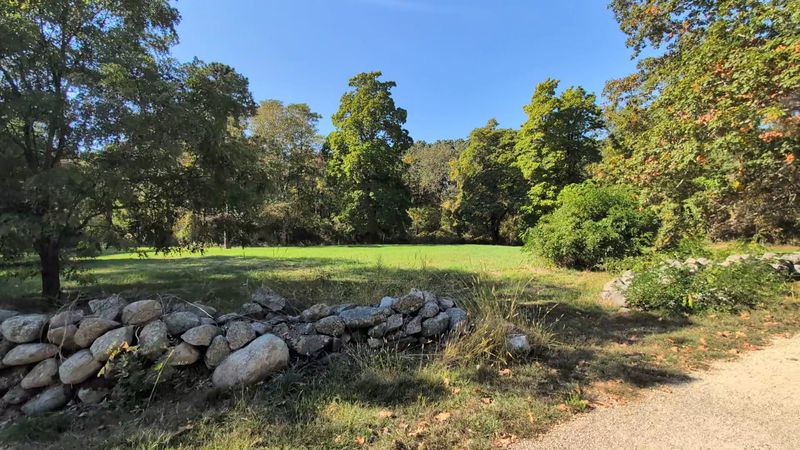
History spreads outward here instead of standing in one fixed spot.
Along Battle Road, fields, woods, stone walls, and old houses create a landscape where memory feels distributed across distance, weather, and ground.
The effect is quietly unsettling, because nothing needs to be reconstructed for the past to feel present.
Walking the trails, there are moments when birdsong and rustling leaves seem almost too gentle for what the land remembers.
Then a curve in the path reveals a preserved home, a boundary wall, or a broad opening in the trees, and the imagination catches up all at once.
The revolution becomes less an image from a textbook than a lived event that moved through ordinary terrain.
Light changes everything here.
Morning mist over a field suggests suspense, afternoon sun on rough stone gives the route a sober clarity, and late shadows make the woods feel watchful.
Because the park remains open and breathable, reflection arrives naturally.
It is a place for walking, but also for sensing how ideas once traveled through bodies, roads, and fear.
New Bedford – South Shore
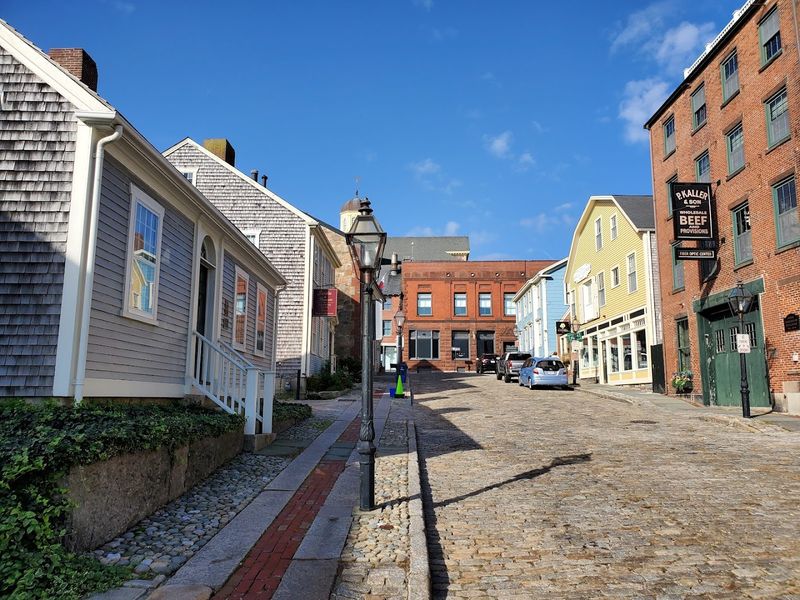
The harbor announces the city before any museum label can.
Working boats crowd the waterfront with a blunt, practical beauty, gulls cut over rigging, and the air carries diesel, salt, and fish in equal measure.
Nothing feels polished for effect.
The place still earns its identity through labor, tide schedules, and the heavy machinery of a living port.
Downtown streets add another layer, where cobblestones, old brick facades, and maritime memory remain close to daily routine.
The whaling past is present, but never allowed to become the whole story.
Portuguese bakeries, seafood markets, church festivals, and family voices on sidewalks give the city a cultural texture that feels immediate and inhabited rather than preserved.
Inside the waterfront atmosphere, toughness and beauty keep colliding.
Sunlight flashes on netting and metal, museum galleries deepen the emotional scale of the ocean, and warehouse edges meet historic architecture without apology.
Some coastal towns soften themselves for visitors. This one does the opposite, and that honesty creates its force: industrial, maritime, worldly, and unmistakably alive.