New York City has no shortage of public spaces, but few of them manage to feel like a genuine gathering place for absolutely everyone, tourists, locals, artists, and vendors alike.
At the heart of Manhattan, where uptown and downtown converge, there’s a square that has been pulling people in for well over a century and shows no sign of slowing down.
The famous Greenmarket, one of the oldest and largest in the city, draws food lovers and chefs every week, turning the park into a bustling outdoor destination unlike any other.
Whether you’re passing through or planning to spend an afternoon, Union Square Park is the kind of place that always has something worth slowing down for.
A First Look At The Park’s Everyday Buzz
The first thing you notice is the movement.
People stream past with coffee cups, shopping bags, laptops, and dogs, creating a rhythm that feels intensely New York.
Even when nobody seems in a hurry, the whole scene still hums with purpose.
That layered energy is exactly what gives Union Square Park its magnetic personality.
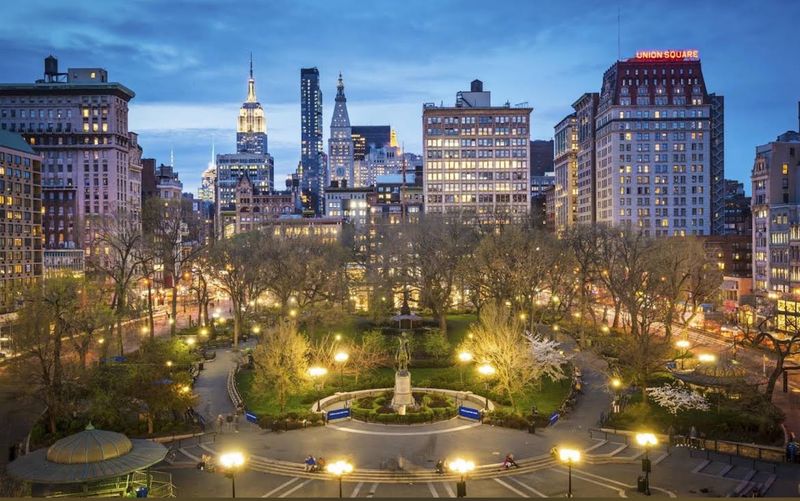
Located at E 17th St and Union Square W in Manhattan, the park sits at a crossroads where several neighborhoods seem to meet in real time.
You feel downtown creativity, uptown pace, local routine, and visitor curiosity all colliding in one open space.
Benches fill quickly, walkways stay active, and nearly every corner offers something worth noticing for a few extra minutes.
Office workers cut through, students linger, and longtime residents settle in like this has always been their outdoor living room.
That mix keeps the atmosphere balanced between practical city function and spontaneous fun.
If you are trying to understand why some public spaces become beloved landmarks, this park makes the answer obvious.
It is useful, social, central, and full of changing detail.
Most of all, it gives you a front-row seat to the city being itself
Why The Greenmarket Defines The Experience
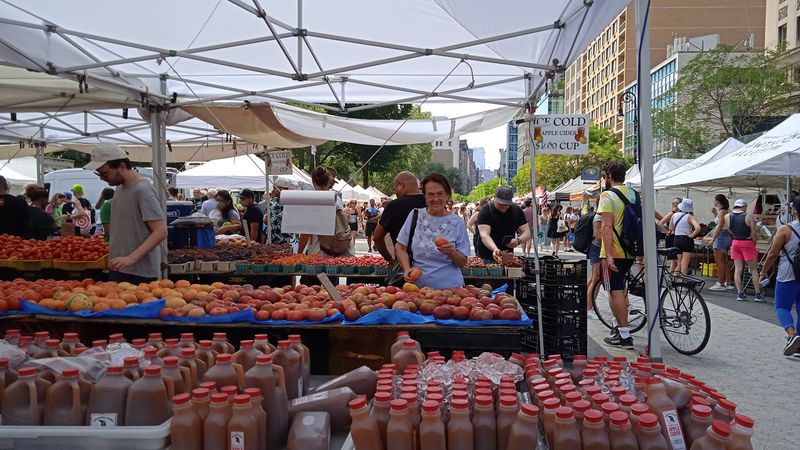
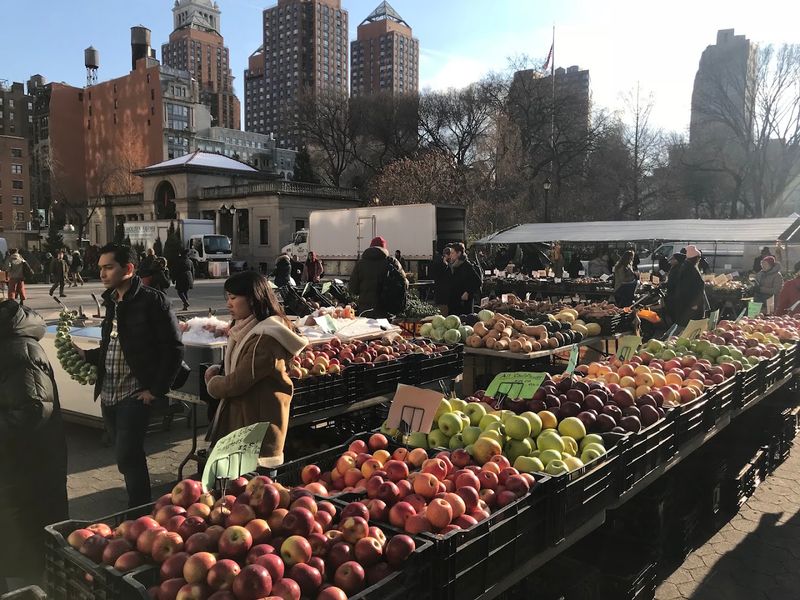
Fresh flowers, stacked apples, just-baked bread, and crates of seasonal produce instantly change the mood of the square.
What could feel like a simple shopping stop becomes one of the city’s most engaging public rituals.
You are not just buying ingredients here – you are stepping into a tradition that locals genuinely rely on.
The Union Square Greenmarket has been a major draw for decades, connecting regional farmers with urban shoppers several days each week.
That direct exchange gives the park an earthy, grounded feeling that stands out against the surrounding traffic and tall buildings.
It also keeps the space relevant, because people return for practical reasons as much as recreational ones.
Chefs inspect greens carefully, home cooks compare tomatoes, and flower buyers leave carrying bunches that brighten entire blocks.
Even if you never purchase anything, browsing the stalls feels like participating in the neighborhood’s pulse.
The scents, colors, and casual conversations pull you in quickly.
For many visitors, the market explains why this park feels more personal than purely scenic.
It supports community, small agriculture, and everyday life all at once.
That is a rare combination in a city space this busy.
Street Performers Keep The Space Unscripted
Music often reaches you before the performers do.
A drumbeat, saxophone phrase, or amplified singer can suddenly redirect your attention and gather a crowd within minutes.
That unpredictability is part of what makes time here feel exciting instead of routine.
At Union Square Park, buskers and performers have long added a loose, improvised soundtrack to the landscape.
Some acts are polished enough to stop you cold, while others simply add texture to the background in a charming way.
Either way, they make the park feel participatory rather than passive.
You might catch breakdancers drawing cheers, a violinist softening the midday rush, or a comic personality turning strangers into an audience.
The performances do not need a formal stage because the park itself works perfectly as one.
Open sightlines and constant foot traffic create the audience naturally.
That creative spontaneity reflects a wider New York tradition, where public space doubles as a platform for talent and ambition.
It keeps each visit slightly different from the last.
If you enjoy places that reward curiosity, this living street theater is a huge part of the appeal.
A Park That Changes With The Seasons
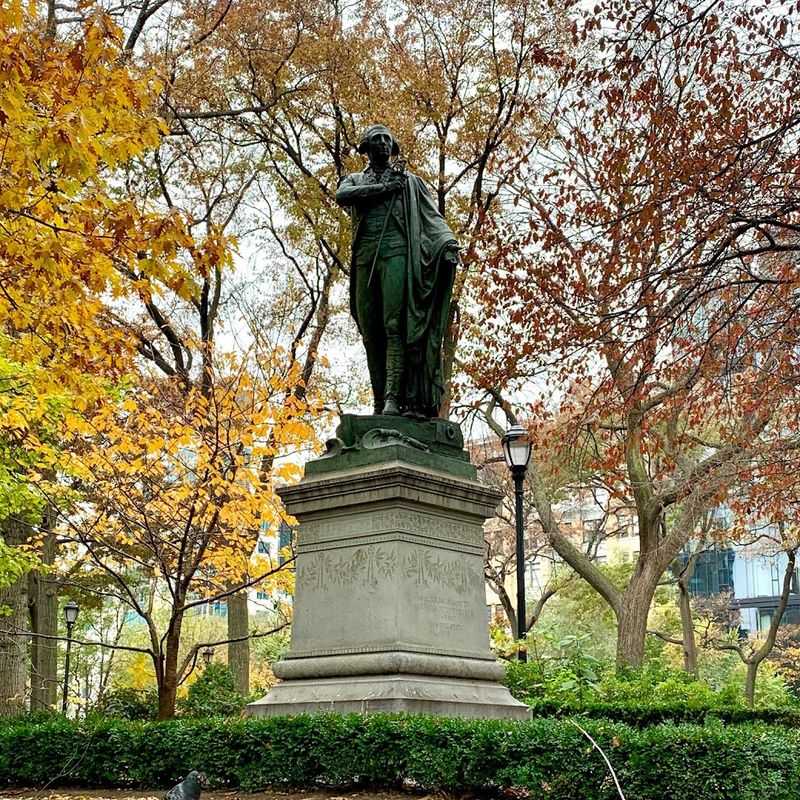
Some city parks shine only in perfect weather, but this one stays relevant all year.
Its mood shifts with the calendar, giving repeat visitors new reasons to come back in every season.
That steady adaptability is a big reason locals stay attached to it.
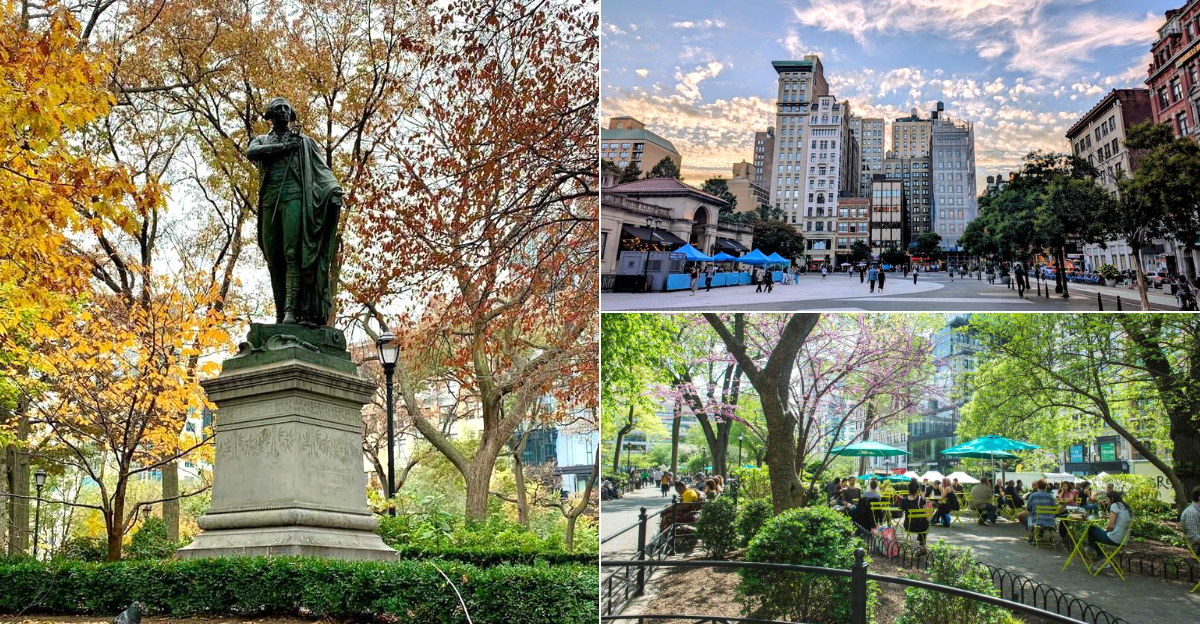
Spring brings flowering trees, lighter crowds, and the return of people who seem eager to reclaim outdoor routines.
Summer adds shaded benches, iced drinks, and long afternoons of conversation under a dense urban canopy.
Autumn may be the most vivid, thanks to market produce, golden leaves, and crisp energy in the air.
Winter transforms the area again, with holiday activity nearby and a sharper, brisk atmosphere that still never feels empty.
Even on colder days, you see commuters crossing, friends meeting, and visitors pausing for photos.
The park remains active because its location and character keep drawing people outward.
Union Square Park does not depend on one signature season to prove its value.
Instead, it mirrors the city’s own resilience and constant reinvention.
Whenever you show up, there is a good chance the park will feel different, but never dull.
Civic Life And Public Expression In One Square
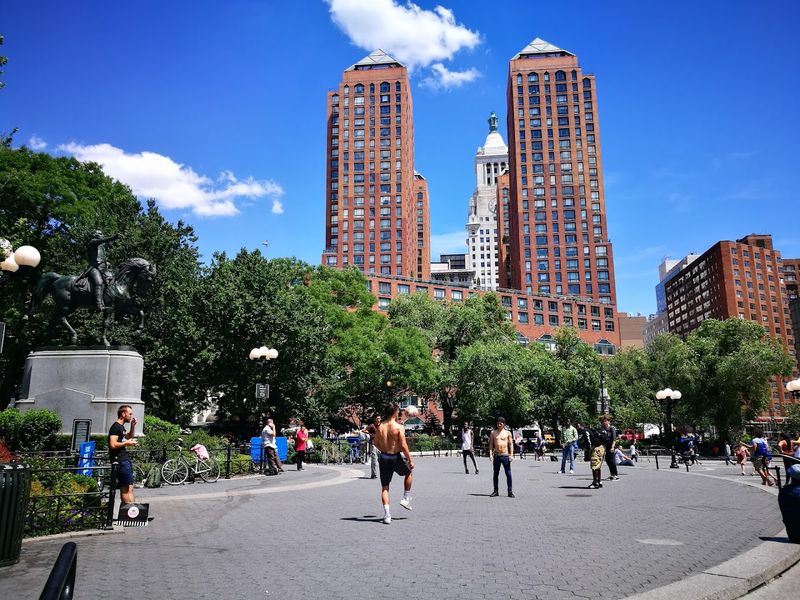
There is a seriousness beneath the liveliness here that gives the park unusual depth.
Beyond music, markets, and casual lounging, this has long been a place where public voices become visible.
That history adds weight to even an ordinary afternoon walk.
Union Square has served for generations as a gathering place for demonstrations, labor rallies, vigils, and civic expression.
Its central position and accessibility made it a natural site for people who wanted to be seen and heard.
Because of that, the square carries more than social energy – it carries memory.
You can feel that layered significance in the openness of the space and the way crowds assemble with relative ease.
Public parks matter partly because they allow people to occupy the city together, not just move through it privately.
This park shows that function clearly.
Even when no event is happening, the setting suggests a democratic stage where culture, disagreement, solidarity, and celebration all belong.
That civic identity makes the atmosphere richer than a typical neighborhood green space.
If you appreciate places where urban life includes both leisure and public purpose, this dimension stands out immediately.
Monuments, Art, And Visual Character
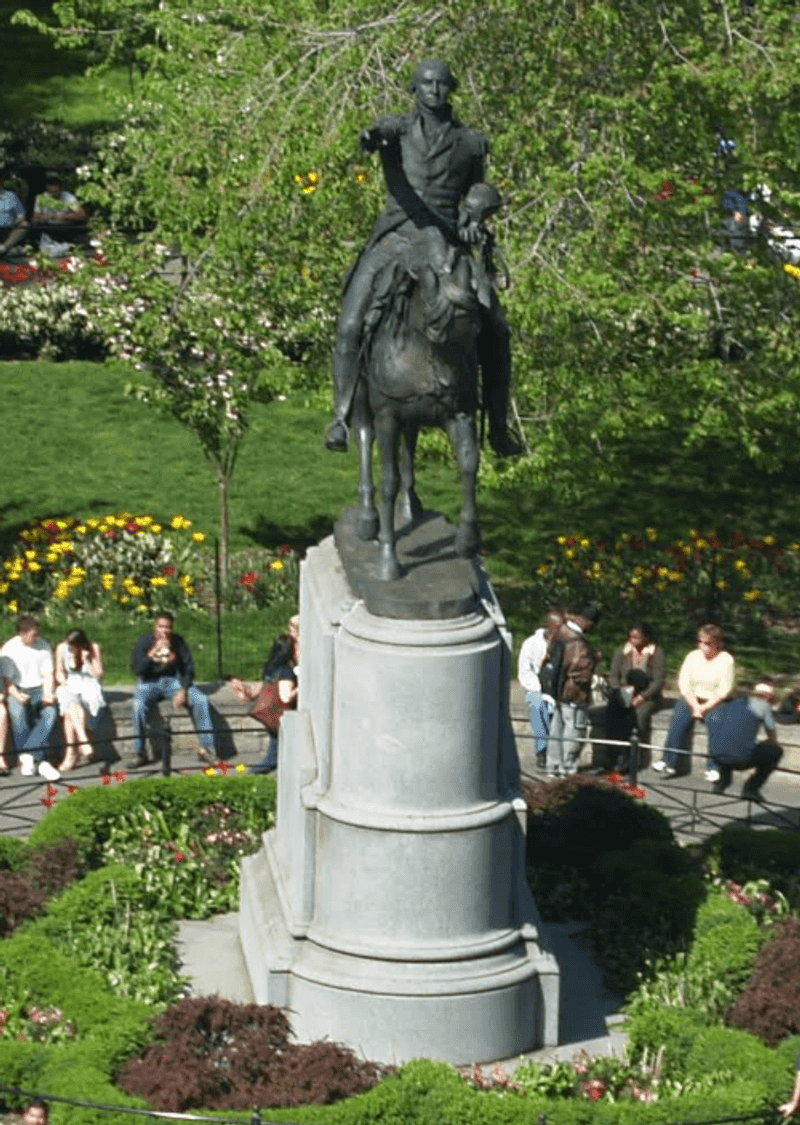
Amid the foot traffic and conversation, quieter details give the park its visual identity.
Statues rise above pathways, landscaping softens the edges, and old trees frame the surrounding architecture beautifully.
Those features keep the square from feeling like just another busy plaza.
Union Square Park includes notable monuments, with statues that connect the space to broader chapters of American and New York history.
They offer focal points for photos, but they also anchor the park in a longer civic story.
You sense continuity here, not just activity.
The design balances openness with enclosure, allowing broad pedestrian movement while still creating pockets that feel intimate and reflective.
That contrast is part of why the park photographs so well from many angles.
Hardscape, greenery, and sculpture all work together without feeling overly formal.
For visitors, these visual elements reward slower observation, especially if you pause instead of treating the square as a shortcut.
The setting reveals texture in layers.
What first seems busy and practical gradually becomes elegant too, which is one reason the park leaves such a lasting impression.
Food, Benches, And The Art Of People Watching
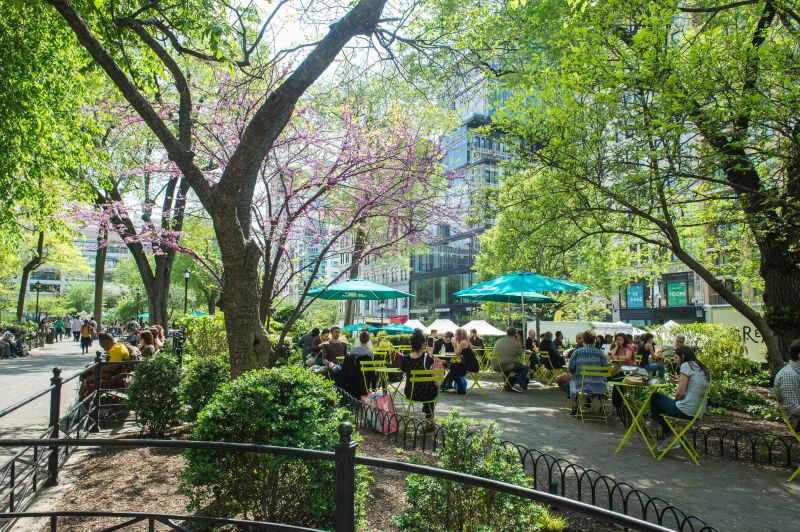
Few places reward sitting still the way this park does.
Grab a coffee, find an open bench, and the city begins to entertain you without any extra planning.
That simple pleasure may be one of the park’s strongest arguments.
Union Square Park is surrounded by food options ranging from casual chains to beloved local spots, so it naturally becomes an outdoor dining room.
People arrive with pastries, salads, noodles, sandwiches, and market snacks, then settle in for a few stolen minutes of fresh air.
The result is an easy, lived-in atmosphere.
Students talk through assignments, coworkers decompress between meetings, and tourists pause long enough to stop feeling like tourists.
Dogs weave around strollers, chess players concentrate, and strangers occasionally become part of the same small moment.
You do not need an itinerary to enjoy any of it.
That accessibility matters because the park feels welcoming whether you have ten minutes or an entire afternoon.
It asks very little from you while giving plenty back.
If your favorite travel experiences come from observing ordinary city life at close range, this is an excellent place to do exactly that.
Why Locals And Visitors Keep Coming Back
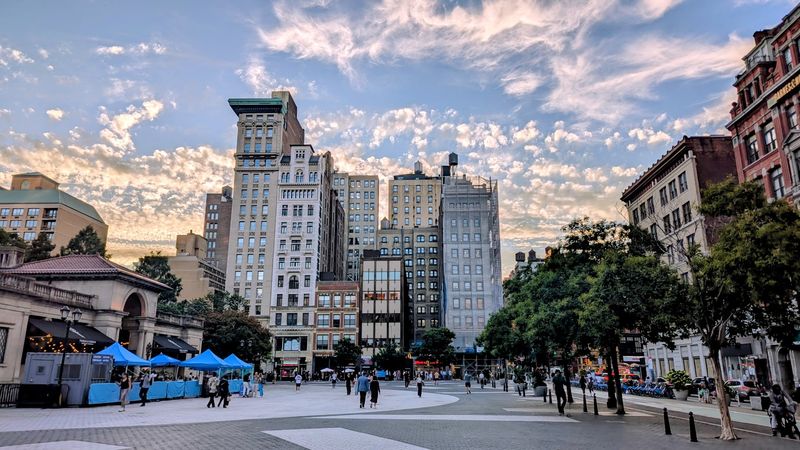
What makes a city park memorable is not just beauty, but the feeling that something is always happening there.
This square delivers that sensation consistently without seeming forced or overly curated.
It feels alive because it serves real daily needs while still surprising you.
Union Square Park works as a meeting point, market hub, performance space, rest stop, civic forum, and neighborhood landmark all at once.
Very few urban spaces balance so many roles without losing a clear personality.
That flexibility is what turns first-time visitors into repeat admirers.
You can arrive with a plan or none at all and still leave feeling like you experienced a meaningful slice of New York.
Maybe it is the crowd mix, maybe it is the cultural history, or maybe it is simply the park’s confidence in being itself.
Most likely, it is all of those things together.
For anyone deciding whether this stop deserves time on a packed city itinerary, the answer is yes.
Come for the market, the music, the monuments, or the people watching.
Stay because the energy is genuine, and because the park keeps proving why New Yorkers hold onto it so tightly.