
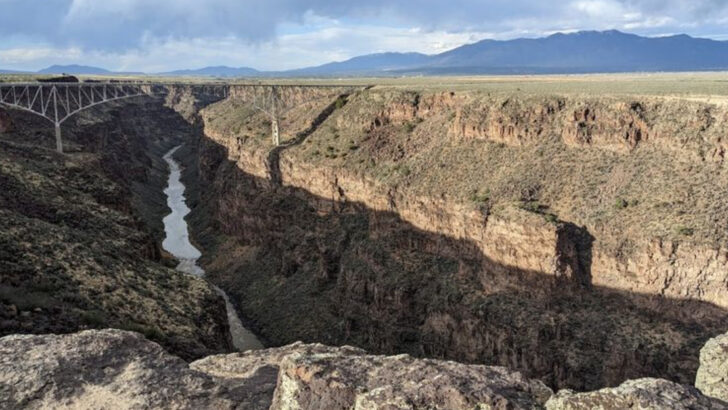
America is home to some of the most jaw-dropping canyon landscapes on the planet, carved by rivers, glaciers, and volcanic forces over millions of years.
From the mile-deep Grand Canyon to hidden eastern gorges draped in autumn foliage, these places remind us just how powerful and patient nature truly is.
Whether you are an experienced hiker or someone who prefers a scenic overlook with a cup of coffee, there is a cliffside view in this country that will leave you speechless.
Get ready to explore 21 of the most unforgettable canyons, ravines, and cliffsides the U.S. has to offer.
Grand Canyon – Arizona
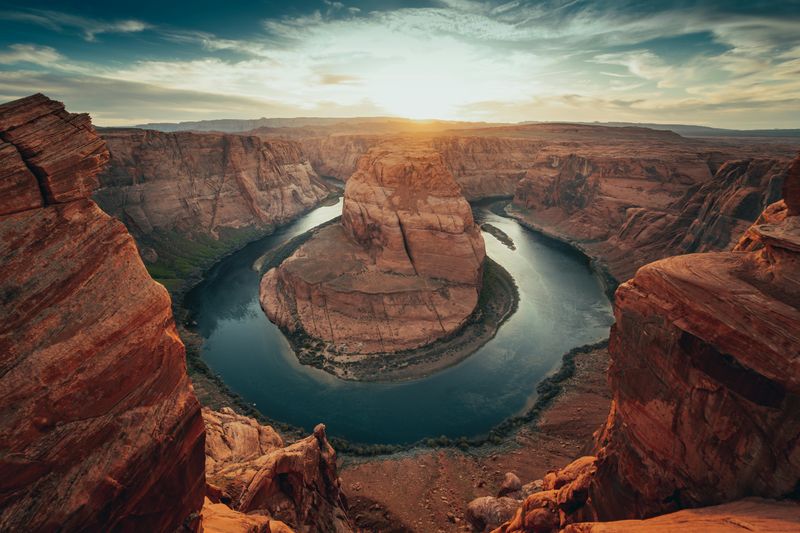
Few places on Earth stop people in their tracks quite like the Grand Canyon. Standing at the South Rim for the first time, most visitors go completely silent — the scale is simply too enormous for words.
Carved by the Colorado River over roughly five to six million years, the canyon stretches 277 miles long and plunges over a mile deep.
Each layer of rock in those walls is like a page in Earth’s geological diary, telling a story that spans nearly two billion years. Scientists and students travel from around the world just to study those colorful strata.
Even without a geology background, the sheer beauty of the banded reds, purples, and creams is breathtaking.
Visitors can explore from the rim via paved walkways or tackle inner canyon trails like Bright Angel for a closer look. Sunrise and sunset are especially magical, when shifting light transforms the canyon walls into a living painting.
The Grand Canyon welcomes around six million visitors annually, yet somehow still manages to feel awe-inspiring and wild every single time.
Hells Canyon – Idaho & Oregon
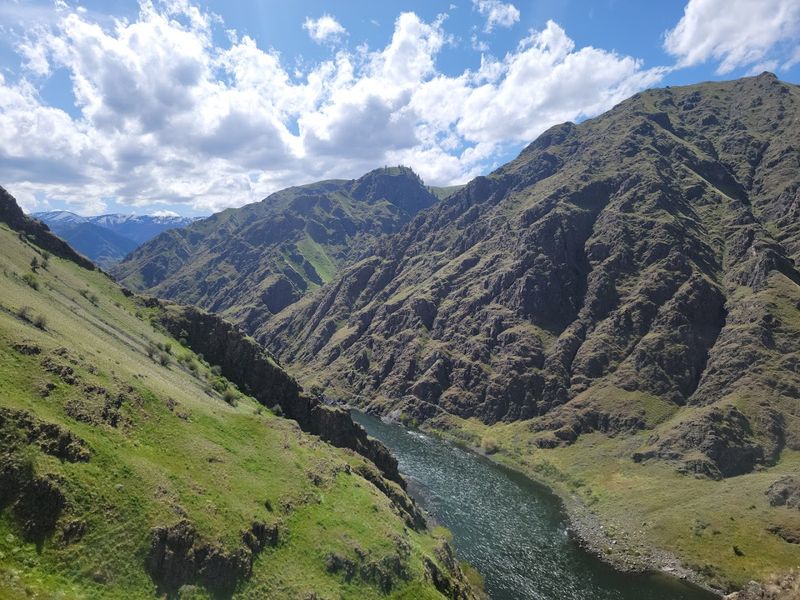
Deeper than the Grand Canyon, Hells Canyon is North America’s deepest river gorge — yet far fewer people have heard of it. The Snake River has spent millions of years cutting through ancient basalt and granite, creating walls that soar nearly 8,000 feet above the river below.
That kind of depth is genuinely hard to wrap your head around until you are actually standing on the rim.
Located along the Idaho and Oregon border, this remote wilderness rewards those willing to make the journey. Jet boat tours along the Snake River offer one of the most thrilling ways to experience the canyon from the bottom up, with sheer walls towering on both sides.
Hikers who prefer the high route can access stunning overlooks at Hat Point, which sits at over 6,900 feet elevation.
Wildlife is abundant here — black bears, bighorn sheep, and golden eagles all call this canyon home. The Nez Perce people have deep cultural ties to this land stretching back thousands of years.
Hells Canyon National Recreation Area protects over 650,000 acres of this wild, rugged, and genuinely spectacular landscape that deserves far more attention than it typically gets.
Black Canyon of the Gunnison – Colorado
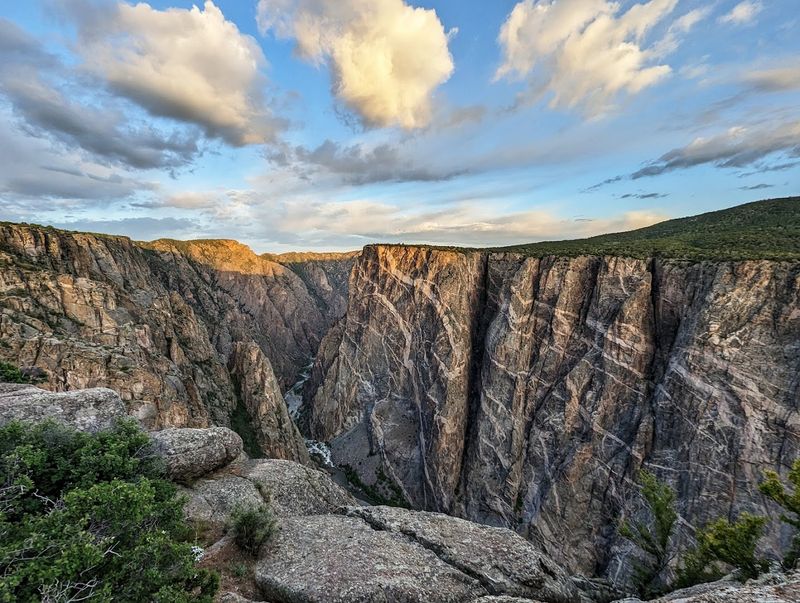
Some canyons are wide and welcoming. The Black Canyon of the Gunnison is neither — and that is exactly what makes it so extraordinary.
The Gunnison River has carved one of the steepest, most narrow gorges in the country, with walls so sheer and close together that sunlight barely reaches the river at the bottom for much of the day. That permanent twilight gives the canyon its dark, almost brooding character.
Located in western Colorado, this national park is often overlooked in favor of flashier destinations, but canyon enthusiasts consider it one of the country’s hidden gems. The South Rim Drive offers a series of overlooks, each one more dramatic than the last.
The Painted Wall, Colorado’s tallest cliff face at 2,250 feet, is a particular showstopper — streaked with pale pink pegmatite dikes that cut across the dark gneiss like abstract art.
Experienced hikers can attempt the inner canyon routes, but these are steep, unmarked scrambles requiring real preparation. The canyon walls drop so fast that some sections lose 34 feet of elevation for every horizontal foot traveled.
For sheer vertical drama, few places in the American West can compete with this stunning and underrated Colorado treasure.
Zion Canyon – Utah
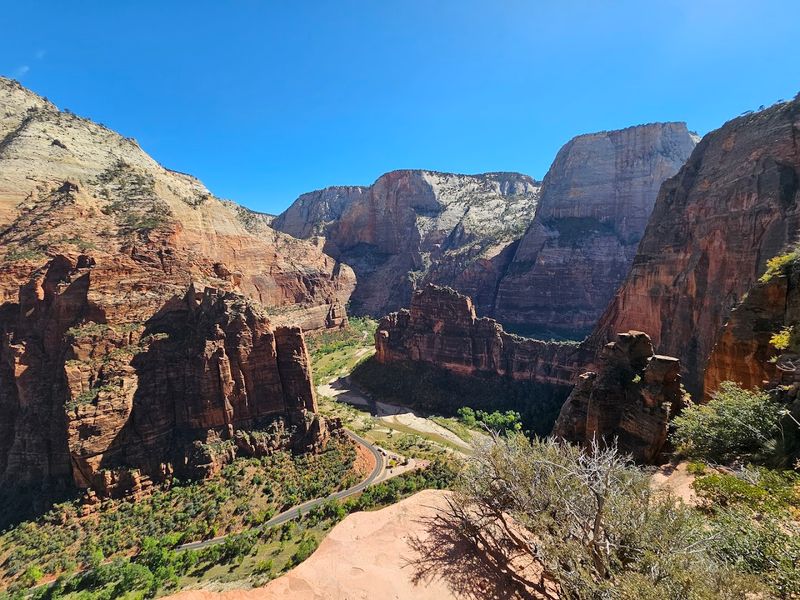
Walking into Zion Canyon feels like stepping into a cathedral built by nature itself. The Virgin River has spent millions of years slicing through layers of Navajo sandstone, creating walls that rise up to 2,000 feet and glow in shades of burnt orange, deep red, and cream.
Unlike many western canyons where you look down from the rim, Zion is best experienced from the canyon floor looking up — the perspective is humbling in the best possible way.
The famous Angels Landing trail climbs 1,488 feet to a narrow fin of rock with panoramic views that feel almost impossibly dramatic. For those who prefer a gentler experience, the Riverside Walk follows the Virgin River through a lush, shaded corridor where towering walls press in on both sides.
The Narrows hike, where you literally wade through the river between slot canyon walls, is one of the most unique hiking experiences in the entire country.
Zion receives over four million visitors each year, so arriving early or visiting during shoulder seasons like spring and fall makes a big difference. The park runs a shuttle system to manage traffic, which actually adds a relaxed, community feel to the visit.
Every overlook and trail here offers something genuinely spectacular.
Canyonlands – Utah
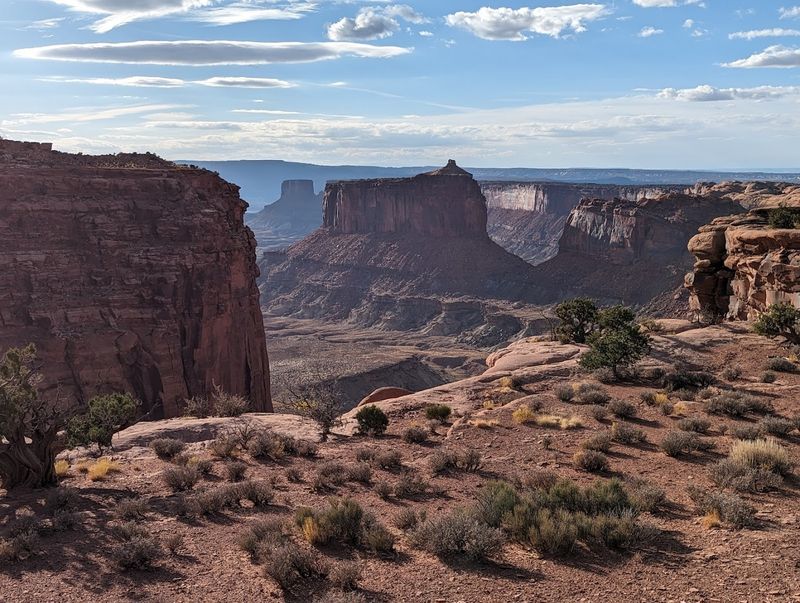
If you want to feel the full immensity of canyon country, Canyonlands is the place. Sitting at the confluence of the Colorado and Green Rivers in southeastern Utah, this national park spreads across nearly 340,000 acres of sculpted desert terrain.
The Island in the Sky district sits on a massive mesa with overlooks that offer some of the most panoramic desert views in North America.
Grand View Point Overlook lives up to its name in every sense — on a clear day, the view stretches over 100 miles of canyons, mesas, and river valleys that look almost too dramatic to be real. The White Rim Road, a 100-mile dirt loop below the mesa, is a bucket-list destination for mountain bikers and four-wheel-drive enthusiasts.
Down in the Needles district, colorful spires of red and white banded sandstone create an entirely different kind of stunning landscape.
Getting around Canyonlands takes real planning since the park’s three districts are not connected by interior roads. Water is scarce, trails are rugged, and the desert sun is unforgiving — but every challenge is worth it.
Canyonlands rewards visitors who come prepared with patience, water, and a genuine appreciation for wild, undeveloped beauty on a grand scale.
Grand Canyon of the Yellowstone – Wyoming
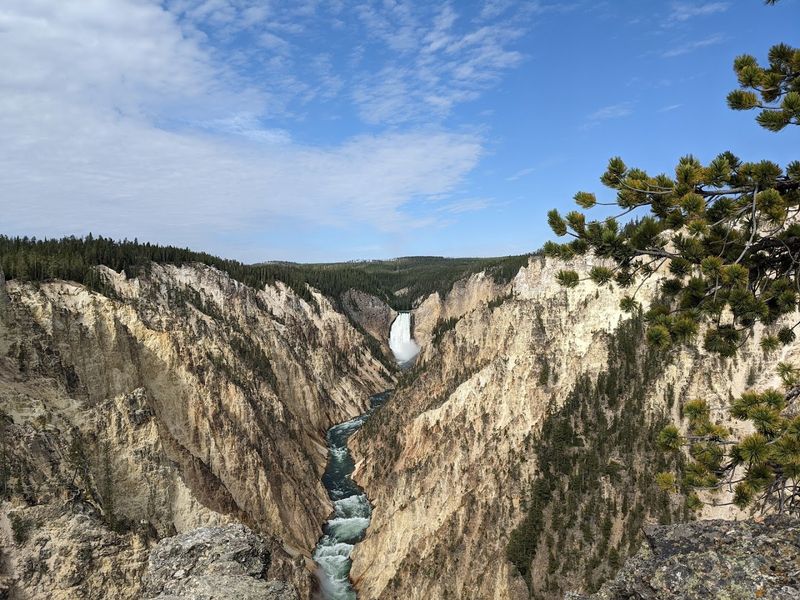
Most people visit Yellowstone for the geysers and wildlife, but the Grand Canyon of the Yellowstone is the park’s most visually dramatic feature. The Yellowstone River plunges over two spectacular waterfalls — Upper Falls at 109 feet and Lower Falls at 308 feet — before rushing through a canyon decorated with vivid yellows, oranges, and reds.
Those colors come from hydrothermal activity that chemically altered the rhyolite rock over thousands of years.
Artist Point on the South Rim is widely considered one of the most photographed spots in the entire national park system. Standing there, you look down a canyon roughly 800 to 1,200 feet deep, with the river glittering at the bottom and steam sometimes rising from the walls.
Thomas Moran’s famous 1872 painting of this view helped convince Congress to establish Yellowstone as the world’s first national park.
The North Rim trail offers a different perspective, with the Lookout Point and Red Rock Point trails descending closer to the canyon floor. Early mornings bring the best light and the fewest crowds.
Because this canyon sits inside one of the world’s most visited national parks, combining a canyon visit with a sunrise geyser walk makes for a truly unforgettable full-day experience in Wyoming’s wilderness.
Palo Duro Canyon – Texas
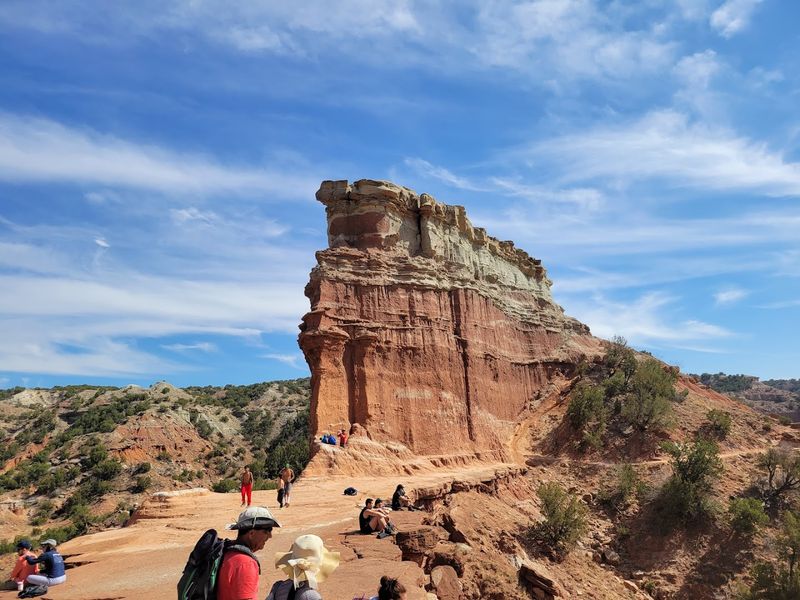
Texas is not usually the first state that comes to mind when people think of canyons, but Palo Duro Canyon changes that conversation quickly. Known as the Grand Canyon of Texas, it stretches 120 miles long and reaches depths of over 800 feet, making it the second largest canyon in the United States.
The layers of red, orange, and purple rock tell a geological story spanning more than 250 million years.
Located in the Texas Panhandle near Amarillo, Palo Duro Canyon State Park offers over 30 miles of hiking, biking, and equestrian trails. The Lighthouse Trail is the most popular, leading to a stunning 310-foot rock pillar that has become the symbol of the park.
Views from the canyon rim stretch across wide, open horizons that feel quintessentially Texan — big, bold, and beautifully empty.
Every summer, the outdoor musical drama TEXAS is performed in an amphitheater carved into the canyon walls, combining live entertainment with one of the most spectacular natural backdrops imaginable. The canyon was a crucial hideout for Comanche, Kiowa, and Southern Cheyenne peoples for generations.
Visiting Palo Duro feels like discovering a secret — a world-class landscape hiding in plain sight in the Texas Panhandle that most travelers have never even heard of.
Rio Grande Gorge – New Mexico
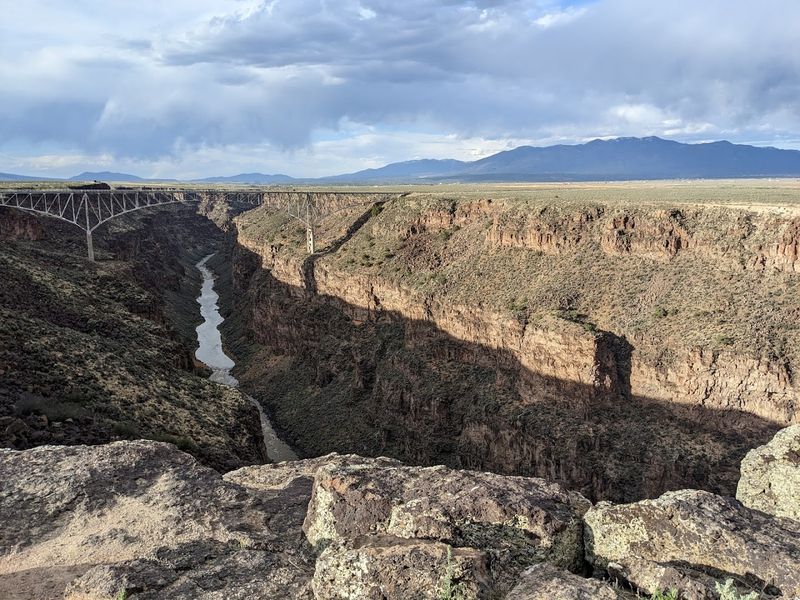
Driving across the flat, sun-baked desert of northern New Mexico, the Rio Grande Gorge appears almost without warning — a sudden, dramatic crack in the earth that drops 800 feet to the river below. This is not a canyon carved slowly by erosion but a volcanic rift, a place where the Earth’s crust has literally been pulling apart for millions of years.
The effect is startling and spectacular.
The Rio Grande Gorge Bridge, completed in 1965, spans 1,280 feet across the chasm and sits 565 feet above the river. When it opened, it was the highest highway bridge in the United States.
Walking across it offers a dizzying and unforgettable view straight down into the dark basalt walls. The Bureau of Land Management’s Wild Rivers Recreation Area north of Taos provides access to rim trails and a challenging inner gorge route that drops hikers down to the river’s edge.
Rafting through the gorge is another popular option, with Class III and IV rapids making it a favorite for adventure seekers. The surrounding high desert plateau, known as the Taos Plateau, is part of a UNESCO World Heritage Site.
At sunset, the gorge glows with warm amber light, transforming this already dramatic landscape into something that looks almost otherworldly and deeply beautiful.
Linville Gorge – North Carolina
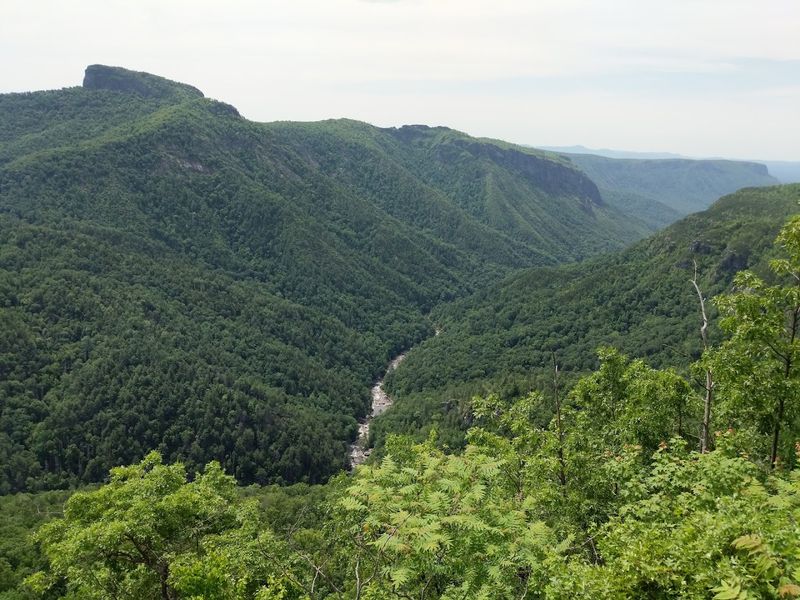
Often called the Grand Canyon of the East, Linville Gorge in the North Carolina mountains is a rugged, wild place that earns its dramatic nickname. The Linville River has carved a gorge roughly 2,000 feet deep through ancient metamorphic rock, creating sheer cliff walls draped in old-growth forest.
Unlike the wide-open western canyons, Linville is lush, green, and almost primordial in its atmosphere.
The gorge sits within the Pisgah National Forest and is one of the most protected wilderness areas in the eastern United States. Trails here are unmaintained and genuinely challenging, with some routes requiring scrambling over boulders and navigating dense vegetation.
Hawksbill Mountain and Table Rock offer the most accessible and rewarding panoramic overlooks, rising above the gorge with sweeping views of layered Appalachian ridges.
Fall is an especially magical time to visit, when the hardwood forest ignites in brilliant reds, oranges, and yellows that fill the gorge with color. The area is also known for excellent rock climbing on its quartzite and gneiss walls.
Linville Gorge rewards hikers who are willing to work for their views — the trails are tough, the terrain is unforgiving, but the payoff is a raw, beautiful eastern wilderness that feels completely removed from the modern world.
New River Gorge – West Virginia
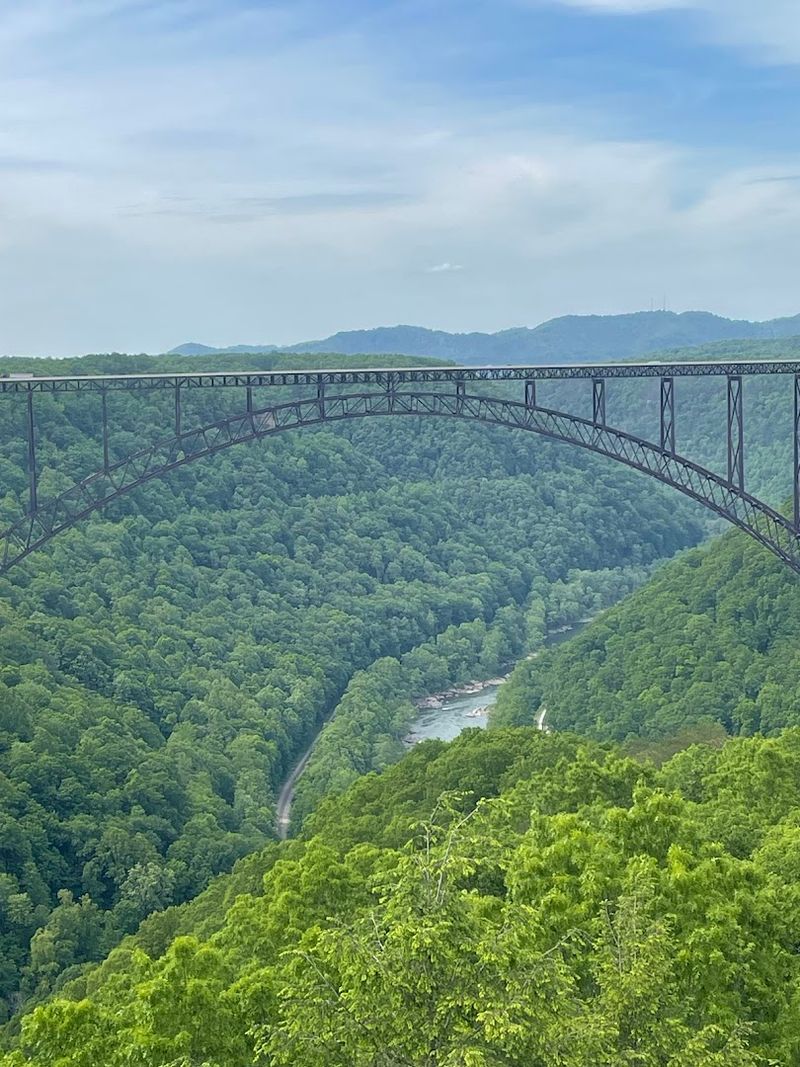
West Virginia’s New River Gorge became America’s newest national park in 2020, but outdoor lovers have known about this place for decades. The New River — despite its name, one of the oldest rivers in North America — has carved a gorge over 1,000 feet deep through the Appalachian plateau, creating a landscape of forested cliffs, dramatic overlooks, and wild whitewater rapids.
The steel arch bridge spanning the gorge is an engineering marvel and a beloved symbol of the state.
At 3,030 feet long and 876 feet above the river, the New River Gorge Bridge was the world’s longest steel arch bridge when it opened in 1977. Every October, Bridge Day draws hundreds of BASE jumpers and rappellers who leap from the structure — one of the most extreme celebrations of a landmark anywhere in America.
Year-round, the Canyon Rim Visitor Center offers easy access to overlooks with sweeping views of the bridge and gorge.
Hikers, rock climbers, and kayakers all find their paradise here. The Long Point Trail is a favorite for its dramatic cliff-edge views of the bridge and river valley below.
Autumn transforms the gorge walls into a patchwork of gold and red that rivals any fall foliage destination in New England, making New River Gorge a four-season destination with something remarkable to offer every visitor.
Glen Canyon – Utah & Arizona
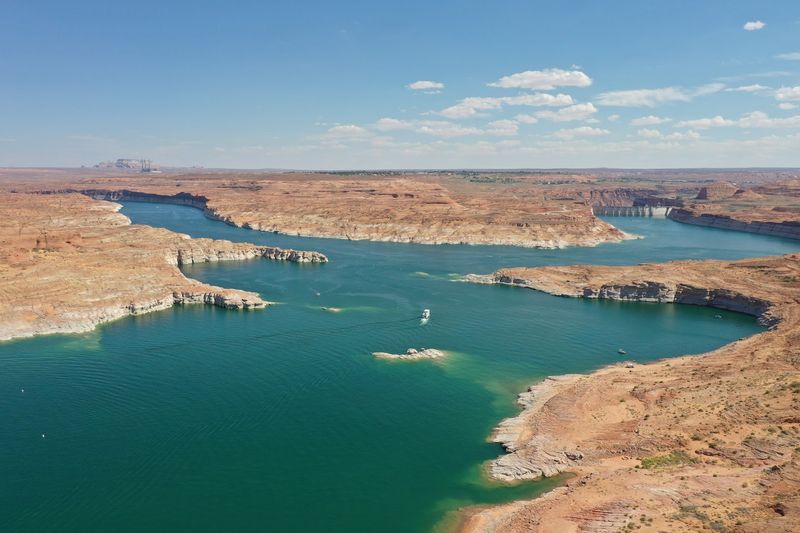
Glen Canyon is a place of stunning contradictions — a landscape both shaped and partially submerged by human intervention. Before Glen Canyon Dam was completed in 1966, this was a labyrinthine world of red sandstone alcoves, natural arches, and side canyons described by explorer John Wesley Powell as the most beautiful place he had ever seen.
The reservoir it created, Lake Powell, now fills much of the canyon, but what remains above the waterline is still breathtaking.
The Cathedral in the Desert, a soaring alcove with a seasonal waterfall, has reemerged in recent years as water levels have dropped, offering a glimpse of the canyon’s original grandeur. Houseboating on Lake Powell gives visitors a unique floating perspective of towering sandstone walls rising straight from the water’s surface.
Rainbow Bridge National Monument, accessible by boat or a long hike, is the world’s largest natural bridge and a sacred site for multiple Native American tribes.
The debate over Glen Canyon Dam and the lost landscape beneath Lake Powell is one of the most significant environmental conversations in American history. Visiting here means engaging with both the extraordinary beauty of what remains and the complicated legacy of what was flooded.
Glen Canyon rewards curious, thoughtful visitors who appreciate landscapes layered with both natural wonder and complex human history.
Canyon de Chelly – Arizona
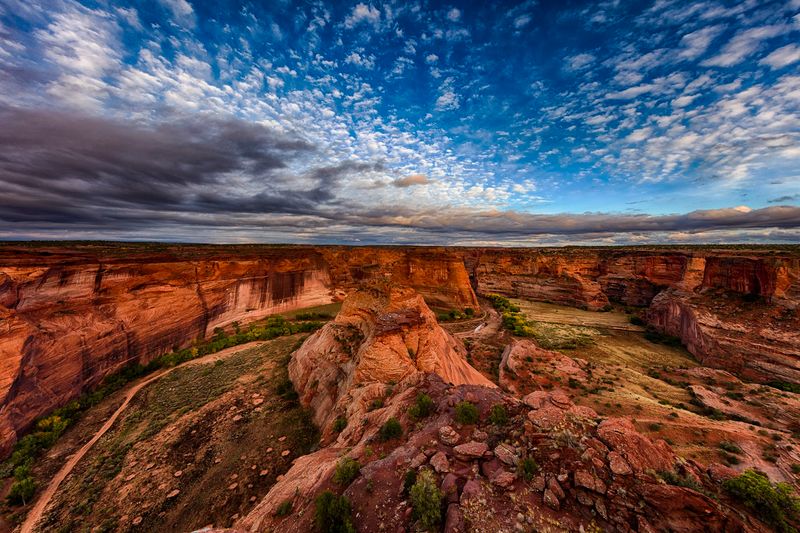
Canyon de Chelly is unlike any other canyon in America because it is not just a geological wonder — it is a living community. The Navajo Nation has continuously inhabited this canyon for centuries, and today Navajo families still farm the canyon floor and graze sheep beneath walls that soar up to 1,000 feet.
The combination of dramatic landscape and living culture makes Canyon de Chelly one of the most meaningful places to visit in the entire Southwest.
The canyon contains some of the best-preserved ancient cliff dwellings in North America, including the spectacular White House Ruins, which were built by Ancestral Puebloan people around 1,000 years ago. They sit tucked into a sandstone alcove halfway up the canyon wall, accessible via a steep trail that is one of the few routes visitors can take without a Navajo guide.
Spider Rock, an 800-foot sandstone spire rising from the canyon floor, is a sacred site in Navajo tradition and an absolutely stunning visual landmark.
Jeep tours with Navajo guides offer the most immersive experience, taking visitors deep into the canyon’s side branches and past petroglyphs, ruins, and traditional hogans. The canyon is managed jointly by the National Park Service and the Navajo Nation, a partnership that honors both conservation and cultural sovereignty.
Coming here with genuine respect and curiosity makes for an unforgettable and deeply human experience.
Grand Gulch – Utah
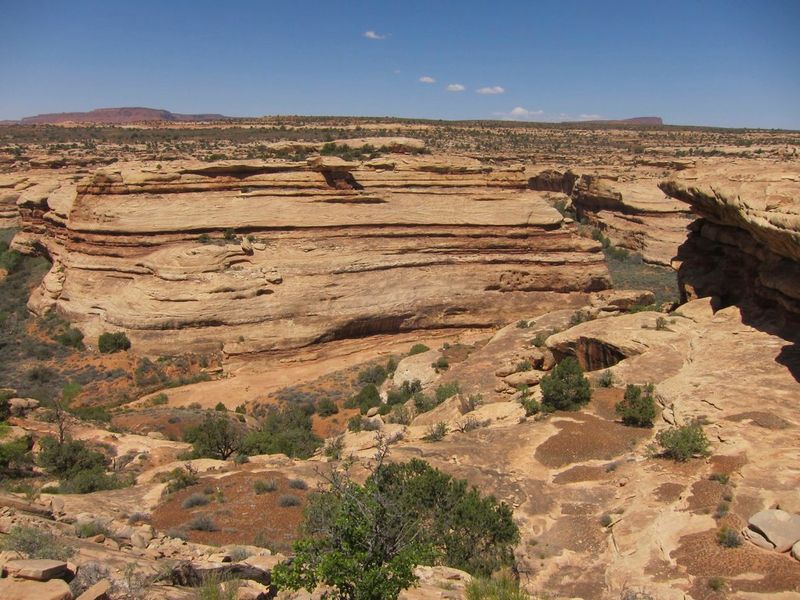
For adventurous souls who want their canyon experience without the crowds, Grand Gulch delivers in spectacular fashion. Tucked within Bears Ears National Monument in southeastern Utah, this labyrinthine canyon system winds for over 50 miles through Cedar Mesa sandstone, passing hundreds of ancient ruins and rock art panels left by Ancestral Puebloan people over a thousand years ago.
Getting here requires planning, permits, and a genuine appetite for remote wilderness.
The canyon walls are not the tallest in Utah, but their intimacy is part of their charm. Narrow passages squeeze between smooth sandstone walls streaked with desert varnish, and around almost every bend, another ruin or granary appears tucked into a shadowed alcove.
Junction Ruin and Turkey Pen Ruin are among the most impressive archaeological sites, offering a humbling window into the daily lives of people who called these canyon walls home centuries ago.
Backpacking Grand Gulch typically takes three to five days, with campsites established along the canyon floor near seasonal water sources. The night skies here are among the darkest in the lower 48 states, making stargazing an experience that rivals the canyon views themselves.
Grand Gulch is the kind of place that changes how you think about time, wilderness, and the quiet persistence of ancient human civilization in remote desert landscapes.
Flaming Gorge – Utah & Wyoming
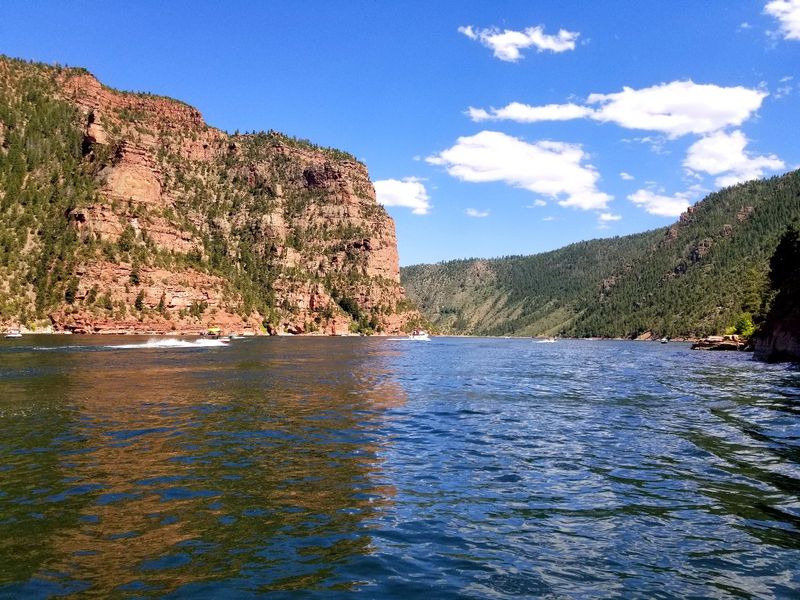
The name Flaming Gorge was given by John Wesley Powell during his legendary 1869 expedition down the Green River, and one look at those brilliant scarlet canyon walls tells you exactly why he chose it. The Green River cuts through ancient red and orange sandstone formations in the Uinta Mountains, creating a narrow, vivid gorge that looks almost impossibly colorful against the deep blue-green of the reservoir waters below.
The contrast is genuinely stunning.
Flaming Gorge National Recreation Area straddles the Utah-Wyoming border and offers an impressive mix of outdoor activities. The Red Canyon Visitor Center sits right at the canyon rim, offering some of the most accessible and dramatic cliff views in the region — the kind you can enjoy without lacing up a single hiking boot.
The Sheep Creek Canyon Geological Loop is a scenic drive that winds through eroded canyon walls and exposes millions of years of geological history in a single afternoon.
Fishing in Flaming Gorge Reservoir is world-class, particularly for trophy-sized lake trout and smallmouth bass. Houseboating, kayaking, and water skiing are popular summer activities on the reservoir’s 91 miles of water.
In autumn, the canyon walls turn even more dramatic as the surrounding aspen groves go golden, adding warm yellows to the already blazing reds and oranges that make Flaming Gorge one of the most colorful canyon landscapes in the American West.
Black Canyon – Lake Mead NRA, Arizona & Nevada
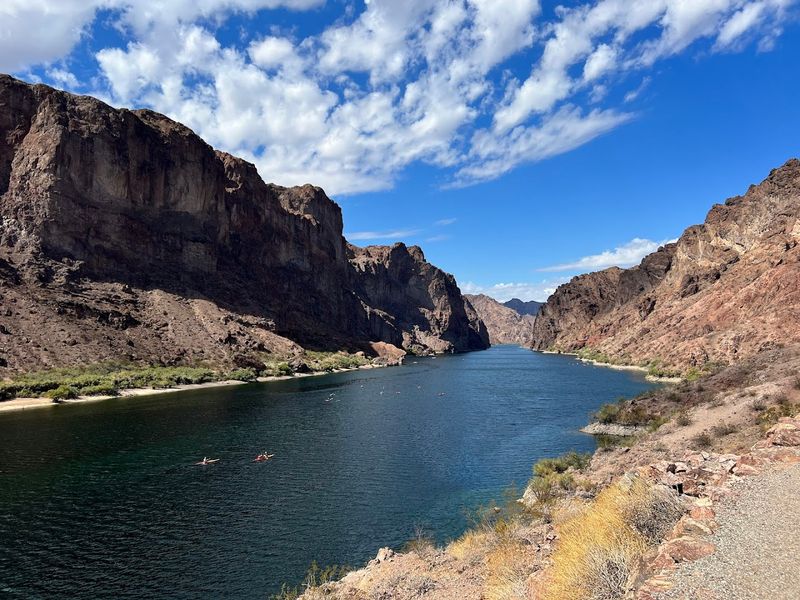
Just downstream from the iconic Hoover Dam, Black Canyon offers a canyon experience that feels surprisingly wild given its proximity to Las Vegas. The Colorado River flows through steep basalt walls that rise sharply on both sides, creating a dramatic gorge where dark volcanic rock meets shimmering, jewel-toned water.
The contrast between the shadowed canyon walls and the brilliant turquoise river is one of the most visually striking sights in the entire Mojave Desert region.
Kayaking through Black Canyon is one of the most popular adventures in the Lake Mead National Recreation Area. The calm, flat water below the dam makes it accessible to paddlers of most skill levels, while the sheer canyon walls and occasional hot spring seeping from the basalt create a surreal and memorable experience.
Arizona Hot Springs, accessible only by water or a rugged trail, offers natural rock pools warmed by geothermal activity right at the river’s edge.
The canyon walls here tell a story of ancient volcanic activity — the dark columnar basalt formed from lava flows long before the Colorado River carved its path through. Wildlife including bighorn sheep, peregrine falcons, and desert bighorn are frequently spotted on the canyon walls.
Black Canyon rewards visitors who look past the nearby dam and reservoir crowds to find a genuinely rugged, beautiful, and surprisingly remote desert canyon experience just minutes from one of America’s most famous landmarks.
Badlands – South Dakota
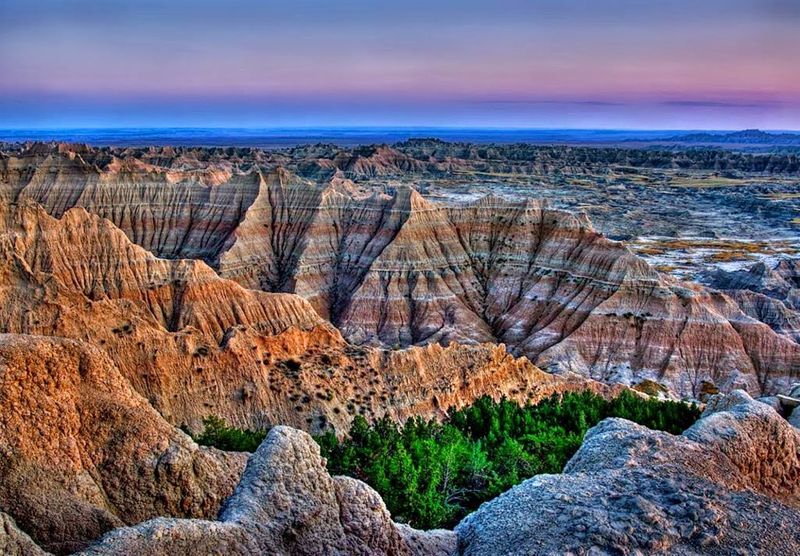
The Badlands of South Dakota do not look like anywhere else on Earth — and that is not an exaggeration. Millions of years of erosion have sculpted the Great Plains into a surreal world of jagged spires, layered ravines, and sharp-edged buttes in colors ranging from pale cream to deep burgundy.
The landscape changes dramatically with the light, looking almost alien at midday and hauntingly beautiful at golden hour when the formations glow like embers.
Badlands National Park protects 244,000 acres of this extraordinary terrain, and the 30-mile Badlands Loop Road puts the most dramatic formations within easy reach of any visitor. The Big Badlands Overlook near the park entrance offers an immediate and overwhelming introduction to the landscape — a panorama of eroded ridges and ravines that stretches as far as the eye can see.
Hiking trails like the Notch Trail climb through a log ladder and along a cliff ledge for views that feel genuinely adventurous.
The park is also one of the world’s richest fossil beds, with ancient rhinos, three-toed horses, and saber-toothed cats having roamed here millions of years ago. Prairie wildlife including bison, bighorn sheep, and black-footed ferrets still live here today.
Camping overnight in the Badlands puts you under some of the darkest skies in the Midwest, where the Milky Way stretches overhead like a cosmic ribbon above those strange and ancient eroded cliffs.
Grand Canyon of the Tuolumne – California
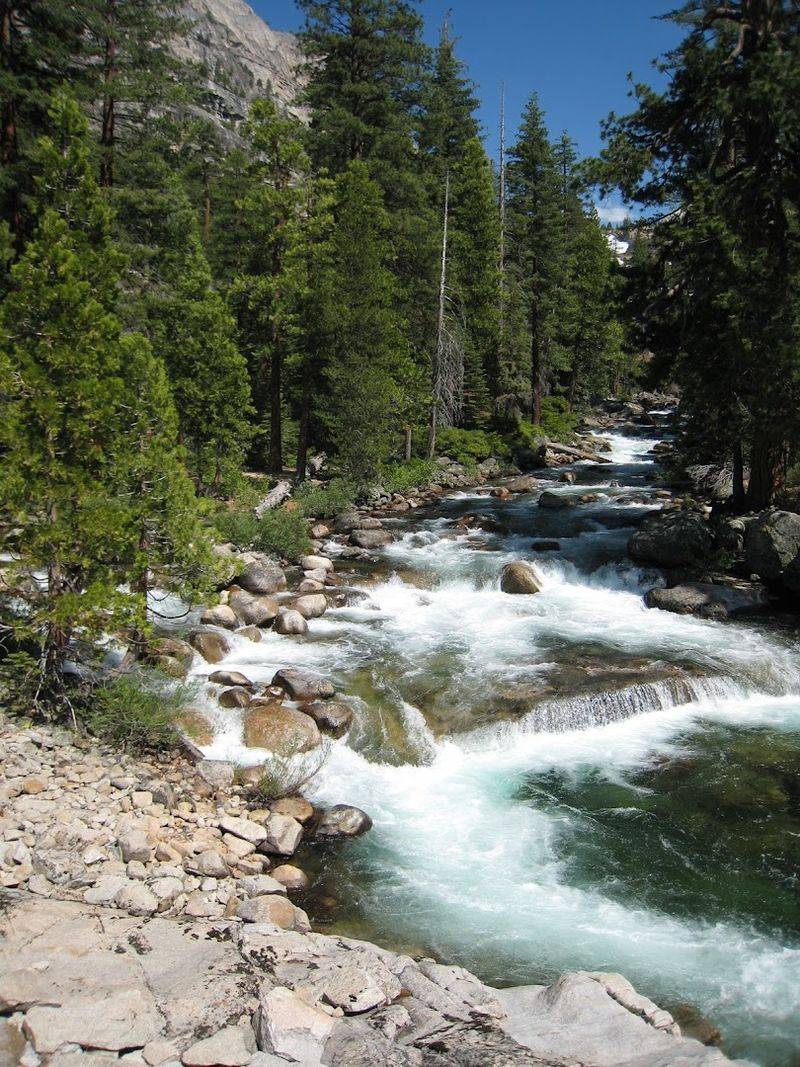
Hidden within Yosemite National Park’s backcountry, the Grand Canyon of the Tuolumne is one of California’s most spectacular and least visited canyon landscapes. The Tuolumne River has carved a deep, dramatic gorge through pale Sierra Nevada granite, creating a canyon filled with roaring waterfalls, polished rock slabs, and walls that rise hundreds of feet above the river.
Most Yosemite visitors never make it this far, which means those who do are rewarded with extraordinary solitude.
The classic Tuolumne Canyon backpacking route descends from Tuolumne Meadows through progressively steeper terrain, passing Waterwheel Falls — one of the most dramatic waterfalls in the Sierra Nevada, where water literally cartwheels over granite ledges in arcing white plumes. The canyon’s granite walls glow warm gold in the afternoon light, creating a visual experience completely different from the red-rock canyon landscapes of the Southwest.
The hike into and out of the canyon involves significant elevation change — roughly 4,500 feet — making this a destination for fit, experienced hikers with proper wilderness permits. The payoff is a level of natural grandeur that rivals anything in the park, without the bumper-to-bumper traffic of Yosemite Valley.
For those who have explored the famous valley and want something wilder and more challenging, the Grand Canyon of the Tuolumne is the natural next adventure in California’s greatest national park.
Salmon River Valley – Idaho
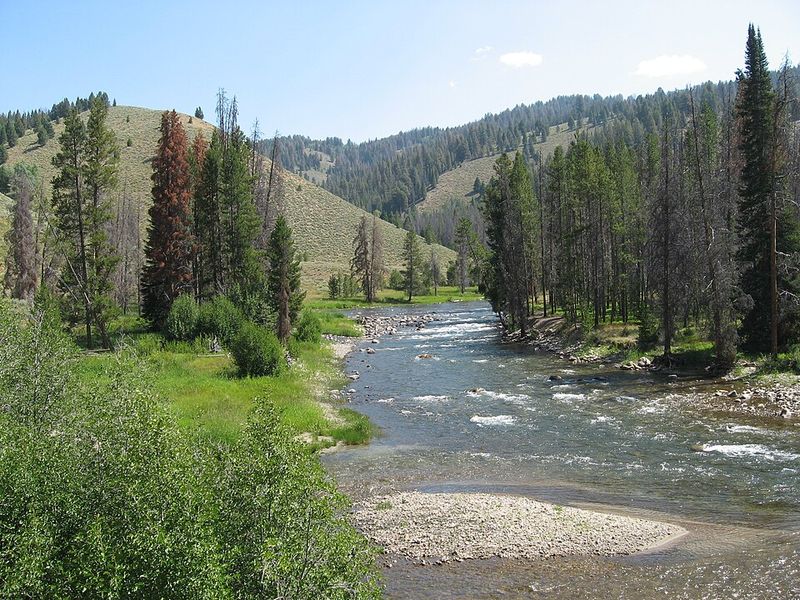
The Salmon River earned its nickname — the River of No Return — from early explorers who discovered that once you traveled downstream through its rugged canyon, the terrain made coming back the same way nearly impossible. That spirit of wild, one-way adventure still defines the Salmon River Valley today.
The river carves through central Idaho’s Bitterroot and Salmon River Mountains, creating a canyon system that is one of the largest roadless areas in the contiguous United States.
The Frank Church-River of No Return Wilderness, which protects much of this canyon country, covers over 2.3 million acres — larger than the entire state of Delaware. Jet boat tours and multi-day whitewater rafting trips offer the most immersive way to experience the canyon, floating past steep walls of granite and schist while watching for otters, osprey, and the occasional black bear on the riverbanks.
The Middle Fork of the Salmon River is widely considered one of the top whitewater rafting rivers in North America.
Remote lodges accessible only by small aircraft or boat add an element of genuine adventure to any visit here. The canyon walls themselves are not as uniformly vertical as some western canyons, but their scale, wildness, and the sense of true isolation they provide are unmatched anywhere in the lower 48.
The Salmon River Valley is a destination for those who measure canyon beauty not just in height but in raw, untamed freedom.
Pine Creek Gorge – Pennsylvania Grand Canyon
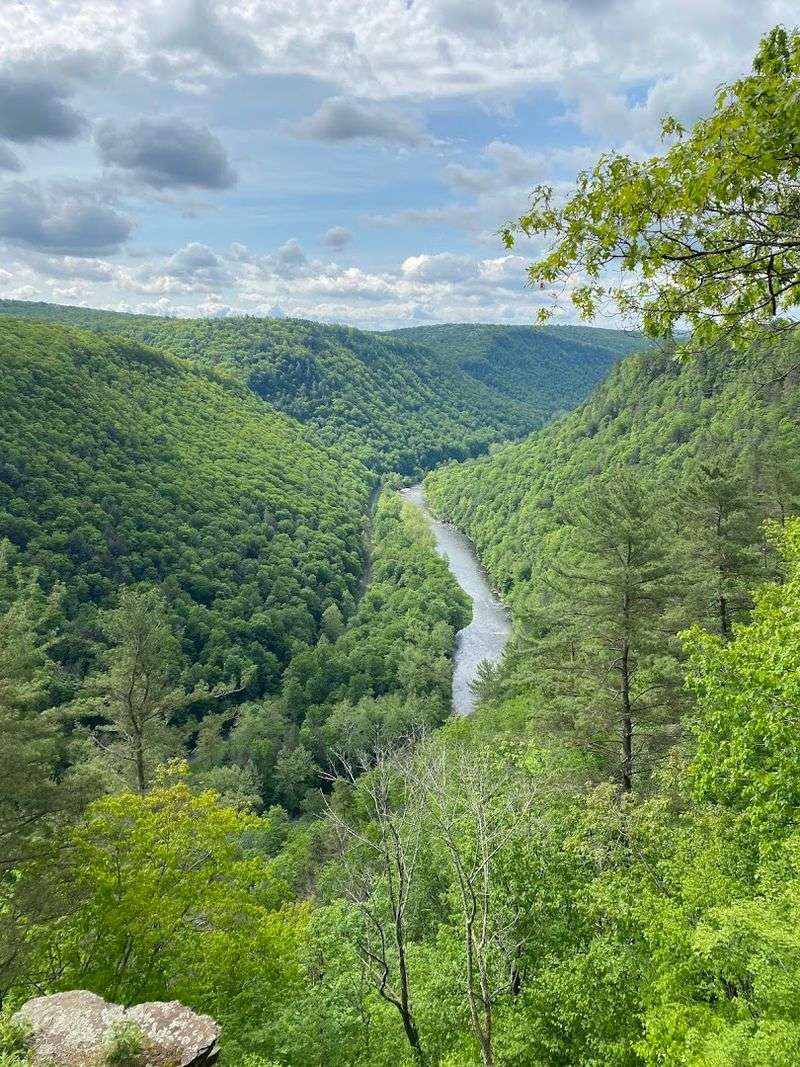
Pennsylvania might not be the first place you think of for canyon scenery, but Pine Creek Gorge — nicknamed the Pennsylvania Grand Canyon — is a genuine surprise. Located in Tioga County in the north-central part of the state, the gorge stretches 47 miles long and drops up to 1,450 feet deep, with lush Appalachian forest covering every surface from rim to river.
It is a green, layered, deeply beautiful place that feels nothing like its western counterparts and everything like a classic eastern wilderness.
Leonard Harrison and Colton Point State Parks sit on opposite rims of the gorge and offer some of the best overlooks in the region. The Turkey Path Trail at Leonard Harrison descends steeply to Pine Creek at the bottom, passing multiple viewpoints along the way.
From the rim overlooks, the forested canyon stretches in both directions like a green river of trees, with layers of ridges fading into the blue distance on clear days.
Autumn is when Pine Creek Gorge truly shines. From mid-October to early November, the hardwood forests explode in brilliant reds, oranges, and yellows that fill the canyon with color so vivid it almost seems unreal.
The Pine Creek Rail Trail follows the old railroad grade along the canyon floor for 62 miles, making it one of the finest flat rail-trail cycling and hiking routes in the northeastern United States and a wonderful way to experience the gorge from the inside.
Little Colorado River Gorge – Arizona
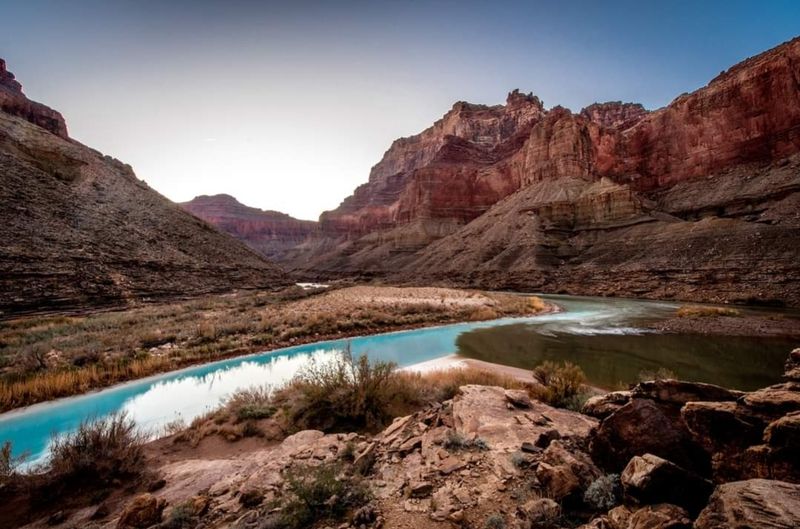
Just east of the main Grand Canyon, the Little Colorado River has carved its own spectacular gorge that catches many visitors completely off guard. The canyon plunges up to 3,000 feet deep in some sections, with walls of colorful limestone and sandstone in shades of turquoise, tan, and deep orange dropping dramatically toward the river below.
When the Little Colorado runs high, it takes on a stunning turquoise-blue color from dissolved minerals — a sight that looks almost tropical in the middle of the desert.
The Navajo Nation manages much of the land around the gorge, and roadside viewpoints along Highway 64 offer accessible and dramatic looks into the canyon. The confluence of the Little Colorado and Colorado Rivers, visible from the main Grand Canyon’s inner trails, is one of the most remote and striking spots in the entire canyon region.
Some hikers access the gorge via the Salt Trail, an ancient route used by Hopi and Zuni peoples for centuries.
Because it sits in the shadow of its more famous neighbor, the Little Colorado River Gorge rarely gets the attention it deserves. That relative obscurity is actually one of its greatest gifts — you can stand at the rim and look into one of Arizona’s most dramatic canyon landscapes without the crowds that line the Grand Canyon’s South Rim just a few miles away.
It is a quieter, rawer, and deeply rewarding canyon experience worth seeking out.
Columbia River Gorge – Oregon & Washington
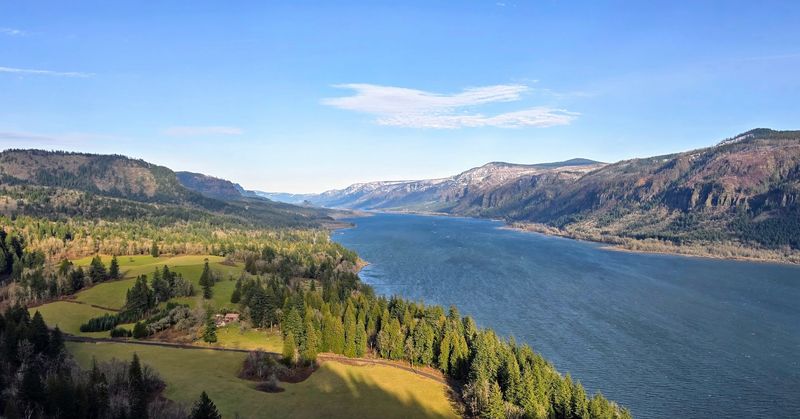
The Columbia River Gorge is a canyon unlike any other on this list — wide, green, lush, and carved not by the river alone but by one of the most catastrophic flood events in Earth’s history. Around 15,000 years ago, the Missoula Floods — caused by repeated collapses of a glacial ice dam in Montana — sent walls of water hundreds of feet high roaring through this region, sculpting the gorge’s dramatic basalt cliffs and creating the conditions for dozens of waterfalls that still cascade down its walls today.
Multnomah Falls, at 620 feet, is the most iconic of those waterfalls and one of the most visited natural sites in the Pacific Northwest. The Historic Columbia River Highway, opened in 1916, was one of America’s first scenic roads and still winds past viewpoint after viewpoint of the gorge’s forested cliffs and river panoramas.
Vista House at Crown Point sits 733 feet above the river on a basalt promontory and offers one of the most dramatic overlooks in the entire Pacific Northwest.
The gorge also functions as a wind corridor between the wet west side and dry east side of the Cascades, making it the windsurfing capital of the world near Hood River. Hiking trails on both the Oregon and Washington sides offer everything from easy waterfall walks to strenuous ridge climbs with sweeping views of the river valley below.
The Columbia River Gorge is a place where geological drama, natural beauty, and outdoor adventure come together in spectacular, accessible fashion.