Somewhere in Bristol, a lobster waits patiently for a rider. A camel, a tiger, and a lion stand nearby, each one carved by hand and painted with care.
These are not zoo animals, and none of them will ever move on their own. They belong to a world of spinning rides that once filled parks and boardwalks across America.
One brick building in Connecticut has gathered these wooden creatures under a single roof, along with a few surprises nobody expects. There is a ride that still turns, a workshop where old pieces get a second chance, and two bonus museums tucked upstairs.
Keep reading to find out where this place is, what hides on each floor, and how to plan a visit that fits a family, a couple, or a curious solo explorer.
A Brick Building With a Spinning Secret
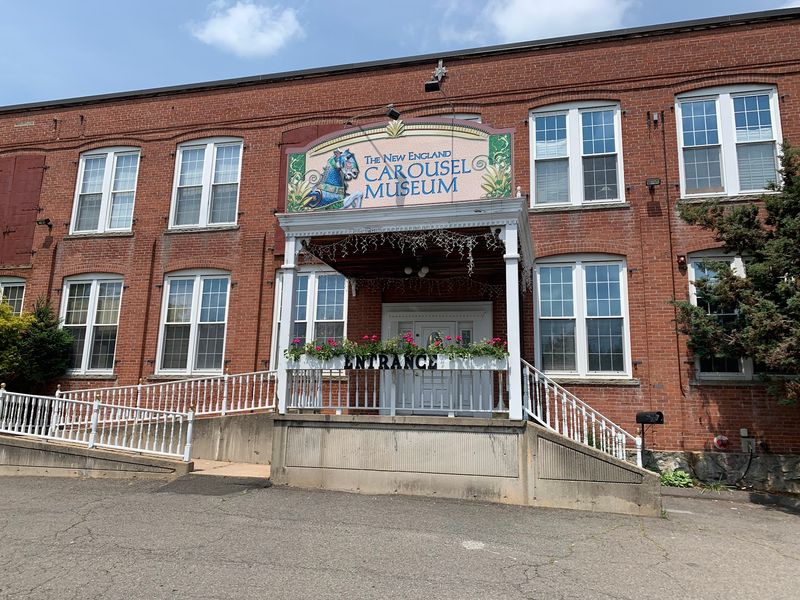
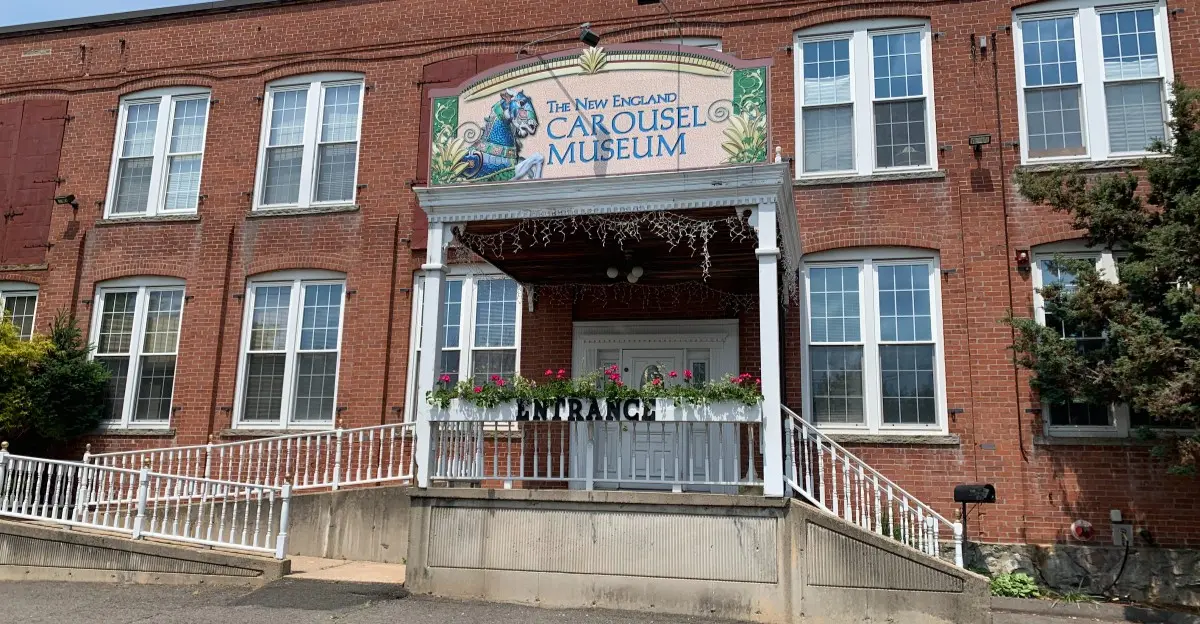
Old factories rarely get a happy second act, but this one got a merry-go-round. The Carousel Museum sits at 95 Riverside Ave, Bristol, CT 06010, in the state of Connecticut, United States.
The building dates back to the early 1900s and once served as a garment factory. Today, those same walls protect hundreds of carved figures instead of sewing machines.
That history matters. The old structure gives the whole place a timeworn character that suits the collection inside.
Brick, wood floors, and tall windows remind guests that Connecticut once ran on mills and factories.
Bristol itself is easy to reach from Hartford and other nearby towns. Many families pair a stop here with a day at Lake Compounce, the amusement park just a short drive away.
Season pass holders at that park have sometimes found museum tickets bundled in, so it pays to check before buying.
Plan on a couple of hours, not a quick peek. The building looks modest from the street, yet it holds two full floors of things to explore.
Meet the Wooden Menagerie
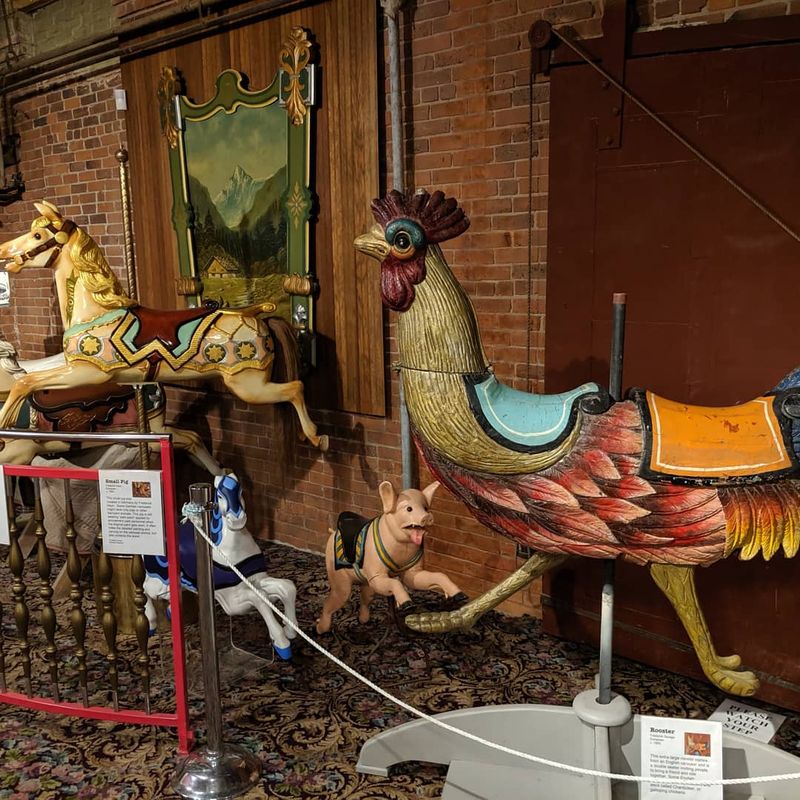
Horses get top billing, but they are far from the only stars. The downstairs gallery holds carved camels, tigers, lions, and even a lobster, each one shaped by skilled hands.
Carousel makers in the past competed to build the most eye-catching animals. That race for attention led to wild designs, from flowing manes to jeweled saddles and fierce expressions.
Dragons and other fantasy creatures also make appearances. They prove that carvers were never shy about letting their imaginations run free.
Take time to look closely at the details. Tiny carved buckles, painted roses, and fancy trim show how much effort went into every single figure.
Books placed throughout the gallery share background on many of the animals. The paragraphs are short and worth reading, since they explain where pieces came from and what makes each one special.
Kids tend to pick favorites fast. Adults often end up doing the same, usually after a friendly debate about whether the lobster beats the lion.
Yes, You Can Actually Ride One
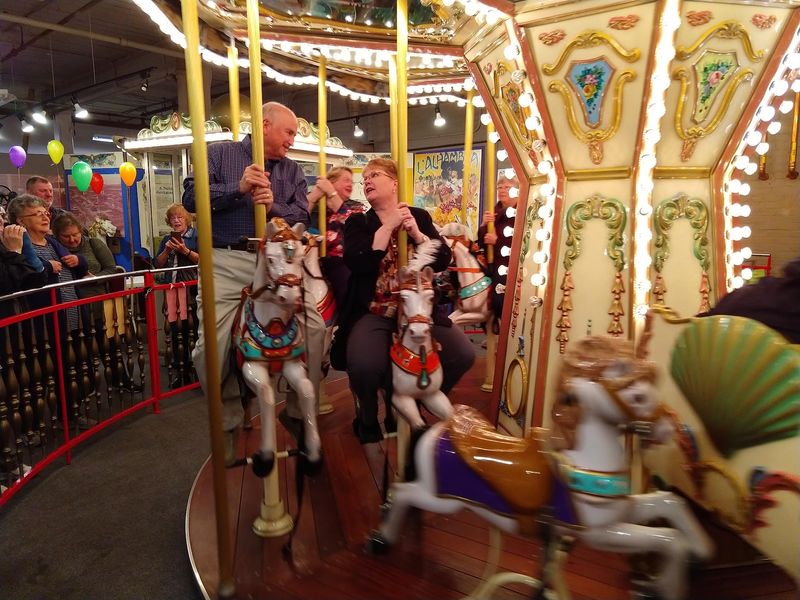
Most museums say do not touch. Here, one exhibit says hop on.
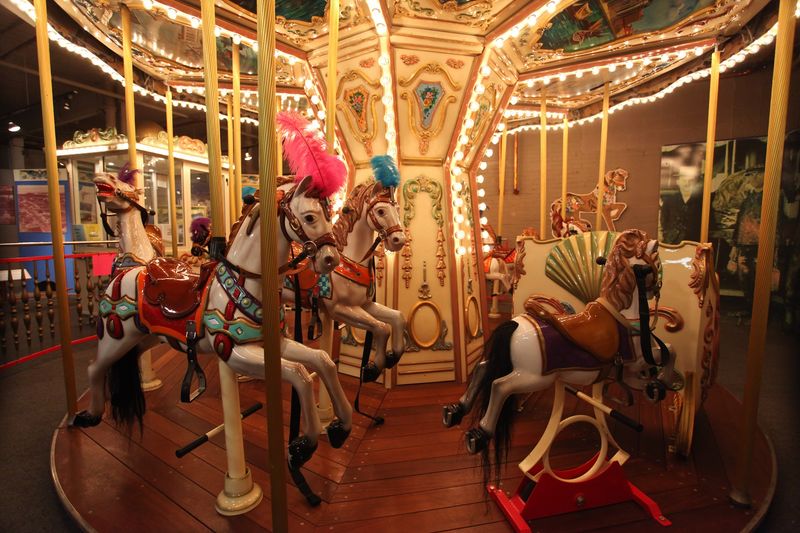
A small working carousel turns inside the building, and kids can ride it again and again. Admission has often included a token for a ride, and extra spins have been offered for about a dollar, though prices can change.
The ride is sized for younger guests, but grown-ups rarely mind watching. There is something fun about seeing a child grin on a ride that connects them to over a century of tradition.
An automated band organ style instrument plays while the carousel spins. That music adds an old-time carnival feel without any need for a full amusement park.
Families with toddlers should know the ride makes a great reward. Promise one spin after the scavenger hunt, and the whole visit gets a built-in finish line.
Bring a camera or phone for photos. The moment on the carousel often turns into the favorite picture of the day, and nobody needs a ticket line longer than a minute.
Where Broken Horses Get Fixed
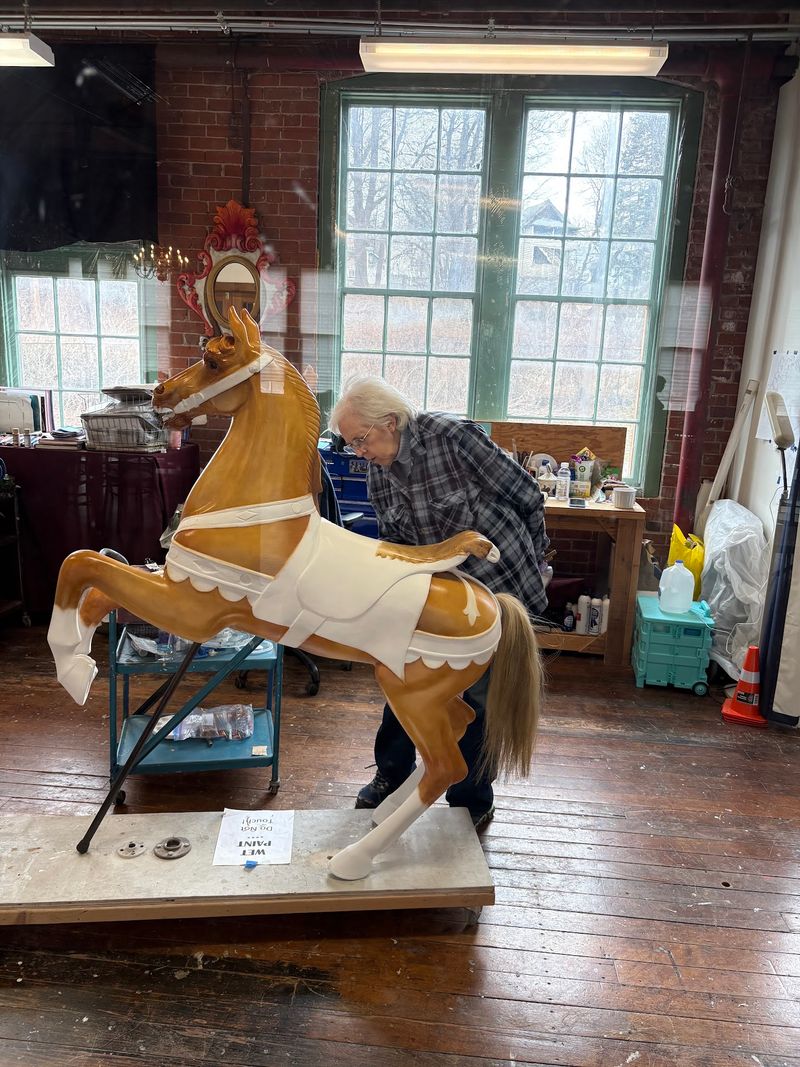
Chipped paint and cracked legs are not the end of the story. Restoration work happens right on site, and guests can sometimes watch it in progress.
Exhibits explain how carousel figures were made in the past and how artists work on them today. The displays cover carving, painting, and repair, giving a clear look at the craft behind the ride.
Wood is tough, but years of riders, weather, and storage take a toll. Skilled restorers patch, sand, and repaint pieces so they can be enjoyed for many more years.
Carving workshops have also been held here. Lucky timing can mean a chance to see tools in action and ask questions of knowledgeable docents.
One small note for gearheads: the focus leans toward art more than mechanics. Those hoping for gears and motors may find less on that side.
Still, the workshop angle answers a big question many guests have. How do these old horses still look so good?
Now you know someone worked hard for it.
Banners, Chariots, and Pop Culture Cameos
Carousels are more than animals on poles. The downstairs collection also includes chariots, banners, and other parts that made a full ride look complete.
Chariots were benches for riders who preferred to sit rather than climb aboard a horse. They were often decorated just as boldly as the animals, with carved scenes and bright paint.
Banners and panels once circled the top of the ride. Seeing them up close shows how much artwork went into parts most riders barely noticed.
A fun section points out carousels in pop culture. Movies, shows, and stories have used these rides for decades, and spotting familiar references makes the history feel current.
The museum also displays reproductions alongside antiques. Comparing old and new pieces helps guests understand how the craft has changed and what has stayed the same.
Fun facts are scattered throughout the exhibits. They are short, easy to read, and great for sparking conversation in the car on the ride home.
Upstairs, the Sirens Take Over
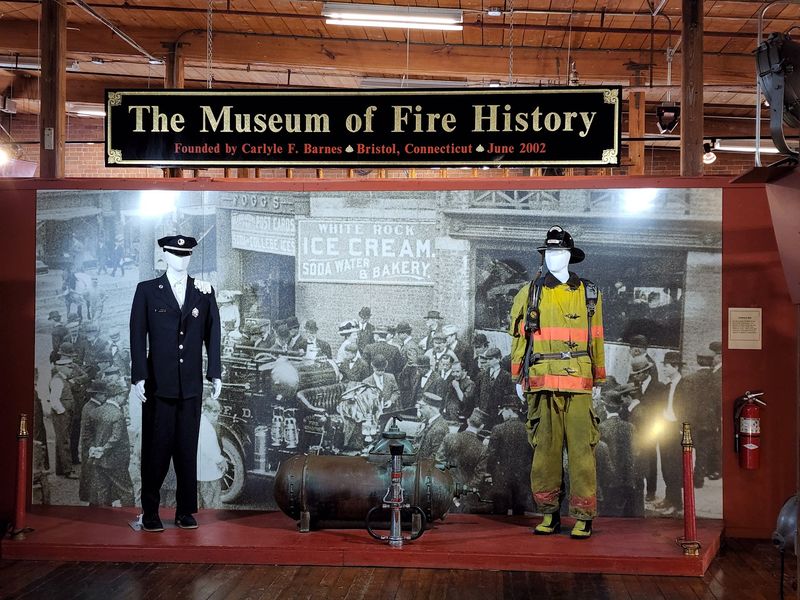
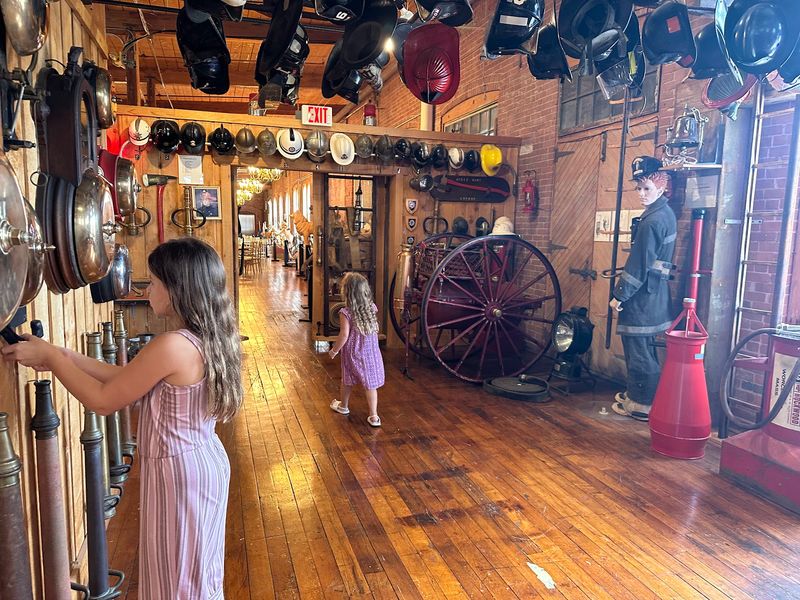
Climb the stairs and the theme shifts from galloping to firefighting. The Museum of Fire History sits on the upper level, and it comes with the same admission ticket.
The collection covers a lot of ground. Fire helmets from many places line the displays, along with bells of different sizes and all kinds of firefighting equipment.
Model fire engines are a big hit with young fans of trucks. Older guests tend to linger over the vintage gear and how much it has changed over the years.
A dress-up area gives kids a chance to try on the firefighter look. It makes the space feel hands-on instead of just a room full of glass cases.
Families have even planned firefighter-themed birthday parties near this exhibit. The setting fits that theme without any extra decorating effort.
Many adults say this floor surprised them most. It is smaller than the carousel gallery, yet packed with enough history to deserve its own slow loop.
A Detour to Ancient Greece
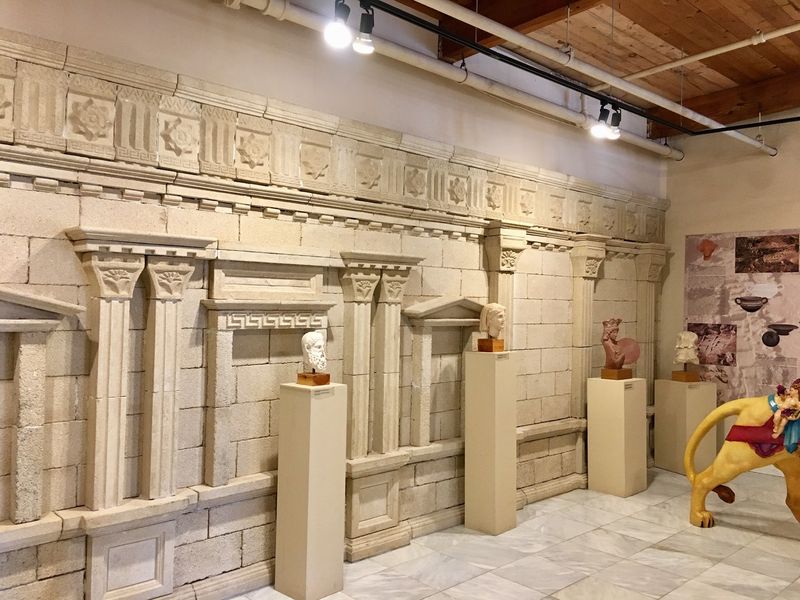
Nobody walks into a carousel museum expecting Greek history. That is exactly what makes this third collection so memorable.
A small Hellenic museum shares space upstairs. It focuses on ancient Greek history and Greek culture, including material connected to Macedonia.
Artifacts and displays give a compact overview rather than a massive survey. It works well as a quiet change of pace after the busy carousel floor.
Students studying ancient civilizations may find it especially handy. Seeing objects in person can make textbook lessons stick a little better.
This section, like the fire history rooms, feels like a labor of love. Dedicated people put it together to share a heritage they care about.
Here is the bonus: it costs nothing extra. One ticket covers carousels, firefighting, and Greek history, which turns a single visit into a three-for-one deal.
Give this room at least fifteen minutes. It is easy to skip by accident, and that would be a shame.
Scavenger Hunts and Little Explorers
Bored kids? Not likely here.
A scavenger hunt sends young guests searching through the exhibits, and it keeps them busy from start to finish.
The hunt works like a sneaky lesson plan. Kids look closer at carvings and displays because they want to find the next clue.
A kids play and educational area offers another stop. There is also an arts and crafts room that has given children a chance to make something of their own.
A dress-up area lets kids put on a little play. Toys in a small corner make it easier for toddlers to take a break.
The museum has hosted seasonal events too, including visits with Santa and Elsa. Weekend children’s programming has also been planned, so checking the website before going is smart.
Parents should budget more time than they think. Many families plan for thirty minutes and leave well over an hour later, usually with kids asking to come back.
Parties Under the Painted Ponies
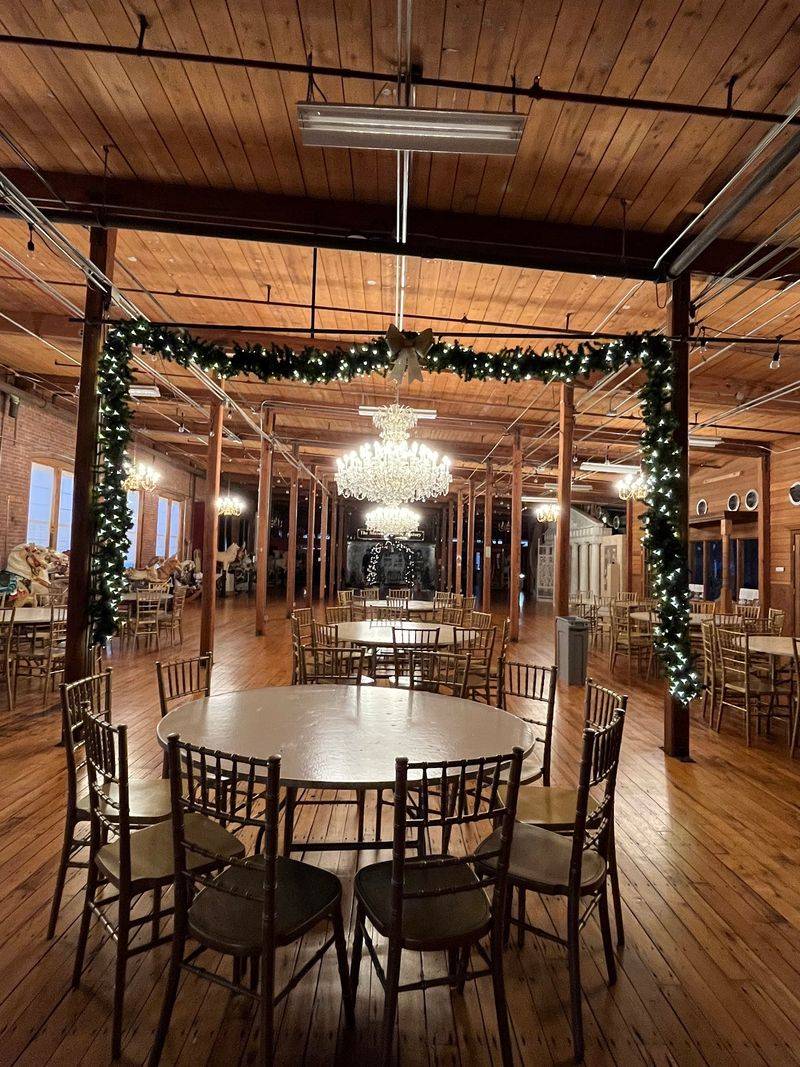
Birthdays get a serious upgrade in a room full of carved horses. The museum rents event spaces for parties and other gatherings.
A large upstairs hall features a grand piano and more carousel animals on display. A smaller downstairs space has also hosted kids’ birthday parties.
Party packages have included carousel rides for guests of all ages. Some celebrations have featured short guided tours and themed touches, like a tea party setup.
Planning tips help a lot here. Ask early about time slots, cleanup rules, and what equipment you may use, such as coolers or refrigeration.
Getting details in writing keeps surprises low. Clear communication before the big day makes setup and wrap-up smoother for everyone.
Themes come easy in this setting. Carousel, circus, or firefighter parties match the building without much extra decor.
For a large group, confirm guest limits ahead of time. A little homework turns a fun idea into a celebration people talk about long after the cake is gone.
Smart Timing for a Smooth Visit
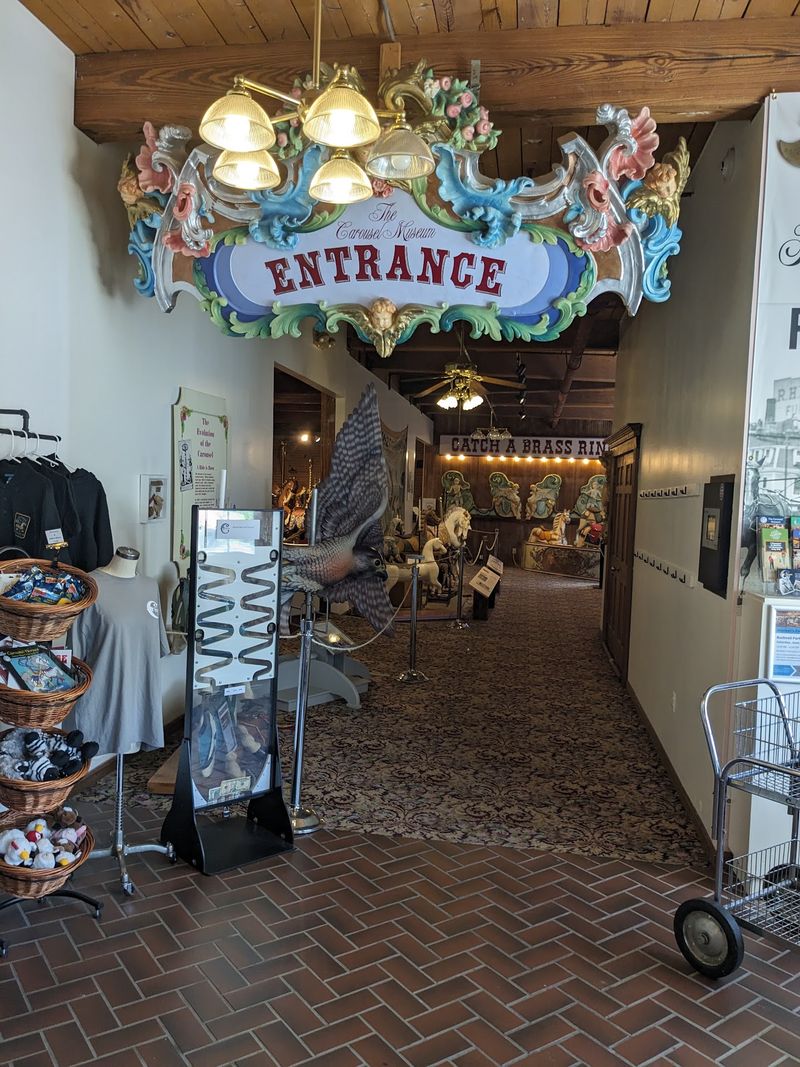
Timing can make or break a museum trip. Hours here run Wednesday through Saturday from 10 AM to 5 PM, and Sunday from noon to 5 PM.
Mondays and Tuesdays are closed, so plan around them. Showing up early on a weekend often means fewer crowds and more room to enjoy each exhibit.
Admission has been listed around $15 for adults, with a lower price for seniors. Rates can change, so check the official website before heading out.
Staff and docents are known for being friendly and helpful. Ask them questions, since they often know stories that the signs leave out.
Wear comfortable shoes, because the museum spans two floors. Allow about two hours to see everything without rushing.
In the end, this place blends art, history, and play in a way few museums manage. Horses, dragons, fire helmets, and Greek artifacts all share one address, and that mix is the real ticket to a great day in Bristol.