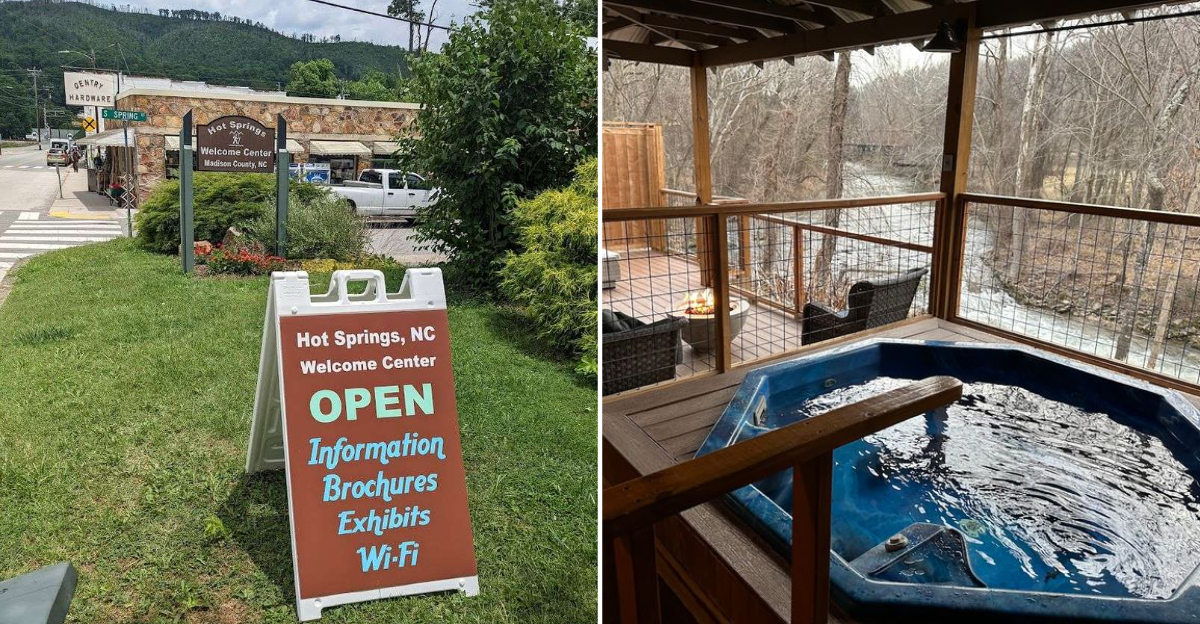
Tucked along the French Broad River in the Blue Ridge Mountains, Hot Springs, NC is one of those rare places where history, nature, and relaxation meet in the most unexpected way. Long before tourists discovered its steaming pools, Cherokee people had already known for centuries that these mineral-rich waters held something special.
Today, this tiny town of just over 500 residents welcomes hikers, history lovers, and anyone craving a peaceful escape from modern life. Whether you are soaking in a private outdoor tub or walking the Appalachian Trail right through town, Hot Springs has a way of making you slow down and stay a while.
The Cherokee Legacy and Sacred Healing Waters
Long before roads were built or maps were drawn, Cherokee people traveled to this valley knowing the warm waters rising from the earth had the power to heal. For centuries, these mineral springs were considered sacred ground, a place where physical and spiritual restoration went hand in hand.
The Cherokee called this region home, and their connection to these waters was deep and intentional.
The springs sit at the confluence of the French Broad River and Spring Creek, a location the Cherokee recognized as geographically and spiritually significant. Tribal members would make long journeys on foot to reach these pools, using the waters to treat injuries, illness, and fatigue after battle or hard travel.
That tradition of healing has never really left this place.
When you soak in Hot Springs today, you are participating in a ritual that stretches back hundreds of years. The water temperature hovers naturally around 100 to 104 degrees Fahrenheit, rich in minerals like calcium, magnesium, and silica.
Knowing that the same springs once soothed Cherokee warriors and elders adds a layer of meaning to the experience that no spa brochure could ever fully capture.
Hot Springs Resort and Spa: Where You Can Soak Today
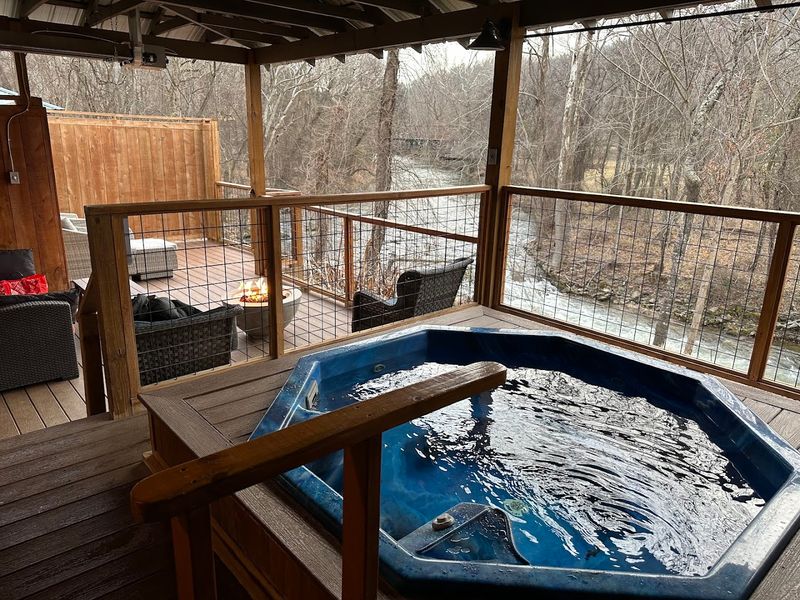
If you want to experience the famous mineral waters firsthand, Hot Springs Resort and Spa is the place to go. Nestled right along Spring Creek, the resort offers private outdoor soaking tubs fed by the same natural geothermal springs that have drawn visitors for generations.
Each tub is filled with genuine mineral water straight from the earth, no chemicals, no additives, just pure warmth.
Reservations are strongly recommended, especially on weekends and during fall foliage season when the area gets busy with Appalachian Trail hikers and mountain tourists. You can book tubs by the hour, and many visitors choose evening sessions when the steam rises dramatically against the cool mountain air.
The experience feels wonderfully simple, just you, warm water, and the sound of the creek nearby.
The resort also offers camping, cabins, and massage therapy, making it a full relaxation destination rather than just a quick stop. Families, couples, and solo travelers all find something to love here.
Prices are reasonable compared to luxury spas, and the natural setting cannot be replicated indoors. A visit to Hot Springs, NC without soaking here would honestly feel incomplete.
The Appalachian Trail Runs Right Through Town
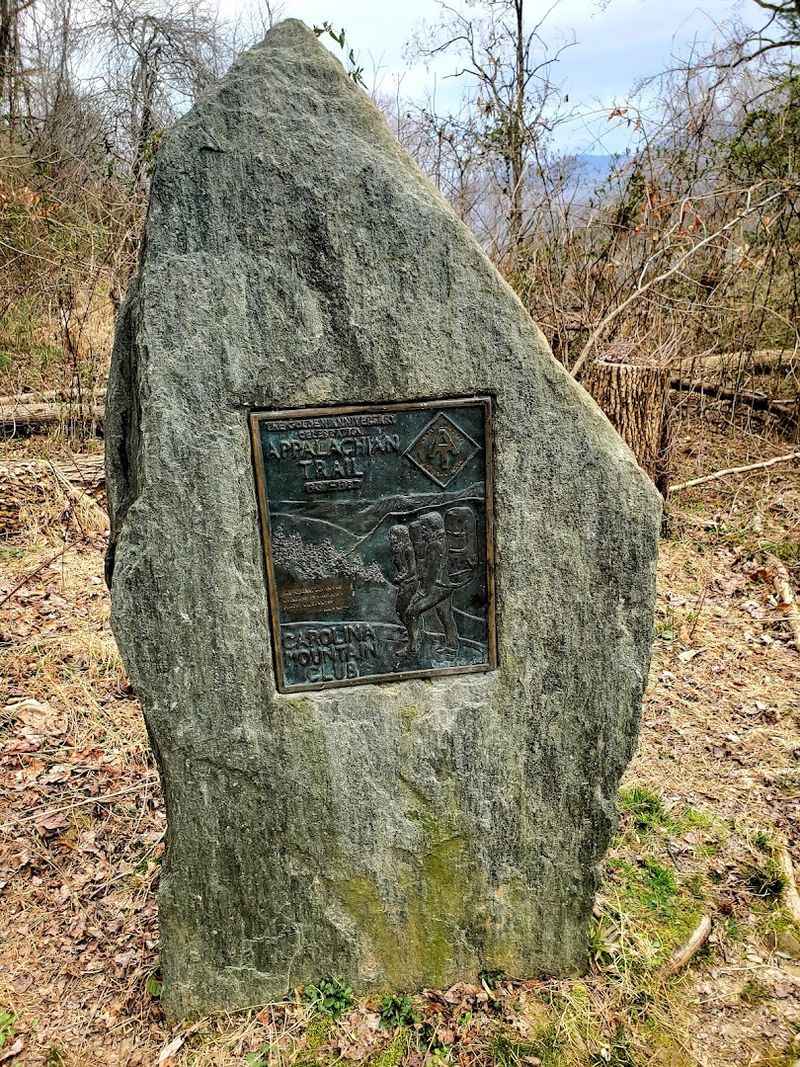
Hot Springs holds a distinction that very few towns in America can claim: the Appalachian Trail passes directly through its main street. Thru-hikers walking the full 2,190-mile trail from Georgia to Maine make Hot Springs a legendary resupply stop, and the town has fully embraced that identity.
You will spot trail-worn hikers with massive backpacks grabbing food, getting showers, or simply sitting on a bench with their boots off.
For day visitors and locals alike, the trail access here is remarkably convenient. You can park downtown and within minutes be walking forested ridgelines with sweeping views of the French Broad River valley below.
The stretch of trail near Hot Springs is considered one of the most scenic and accessible sections in all of North Carolina, even for casual hikers who are not attempting the full journey.
The trailhead is easy to find, and the town provides amenities that make a hiking day trip very comfortable. Gear shops, restaurants, and outfitters cater to both seasoned backpackers and curious beginners.
Whether you walk two miles or twenty, the trail near Hot Springs delivers mountain scenery that reminds you exactly why people fall in love with this corner of the Appalachians.
The French Broad River: Paddling, Fishing, and Just Sitting By the Water
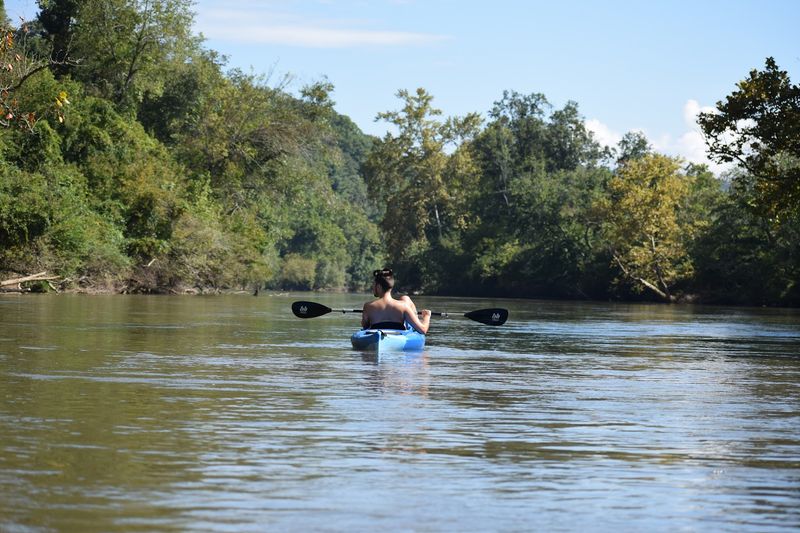
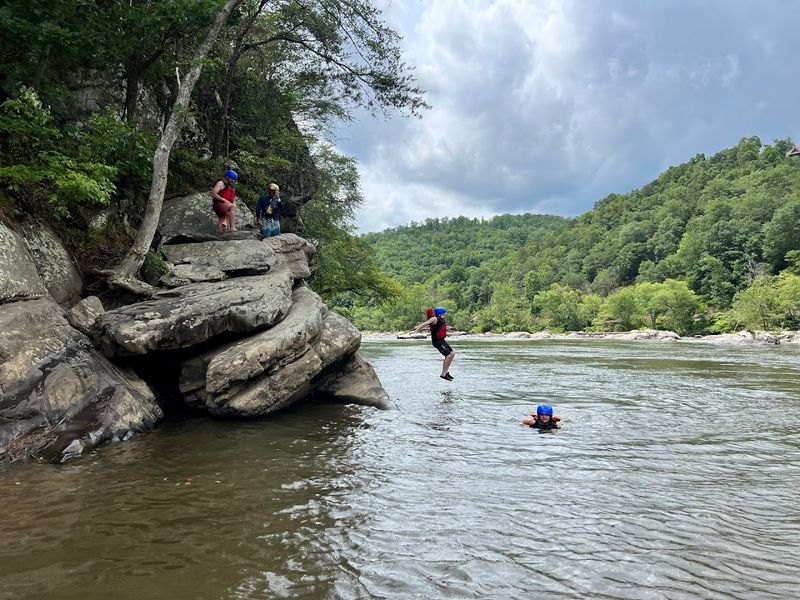
The French Broad River is one of the oldest rivers in the world, older than the mountains it flows through, and it wraps around Hot Springs like a natural embrace. The river here offers something for everyone, from calm flatwater sections perfect for beginners in kayaks or canoes to mild whitewater stretches that give more adventurous paddlers a little thrill.
Outfitters in town can set you up with everything you need for a half-day float.
Fishing on the French Broad is another popular draw. Smallmouth bass, trout, and catfish are all found in these waters, and the river corridor provides a peaceful setting that makes even a slow fishing day feel worthwhile.
Early mornings on the water, with mist still hanging over the surface and herons wading along the bank, are genuinely unforgettable.
Even if you never get in the water, just sitting beside the French Broad has its own kind of magic. Several spots in and around town offer easy river access where you can spread a blanket, skip rocks, or watch the current roll by.
The combination of warm springs and a wild river in the same small town makes Hot Springs feel like two vacations stacked into one.
The Interesting and Turbulent History of Hot Springs Town
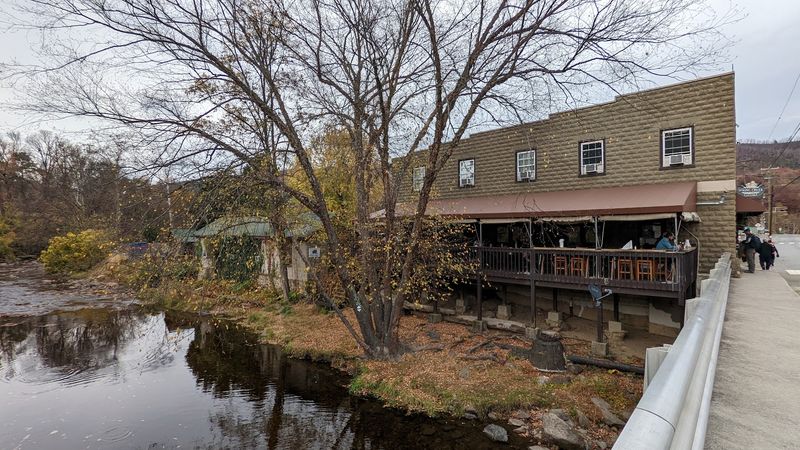
Hot Springs has had more than one identity over the centuries, and its history reads like a novel full of dramatic plot twists. In the 1800s, the town became a fashionable resort destination for wealthy Southerners seeking the supposed medicinal benefits of the mineral waters.
A grand hotel called the Mountain Park Hotel once stood here, drawing guests from across the country who arrived by train and stayed for weeks at a time.
During World War I, the resort was converted into an internment camp for German nationals and merchant sailors who had been in American ports when the war broke out. Hundreds of prisoners were held here in relatively humane conditions, and some even formed an orchestra and tended gardens during their stay.
That chapter of the town’s history is both sobering and fascinating.
The Mountain Park Hotel burned down in 1920, and the town gradually shifted from a grand resort to a quieter, more rugged mountain community. Today, remnants of that layered past are woven into local storytelling, historical markers, and the conversations you will have with longtime residents.
Hot Springs does not hide its complicated history; it wears it with a kind of honest mountain pride.
Hiking Trails Beyond the AT: Hidden Gems Around Hot Springs
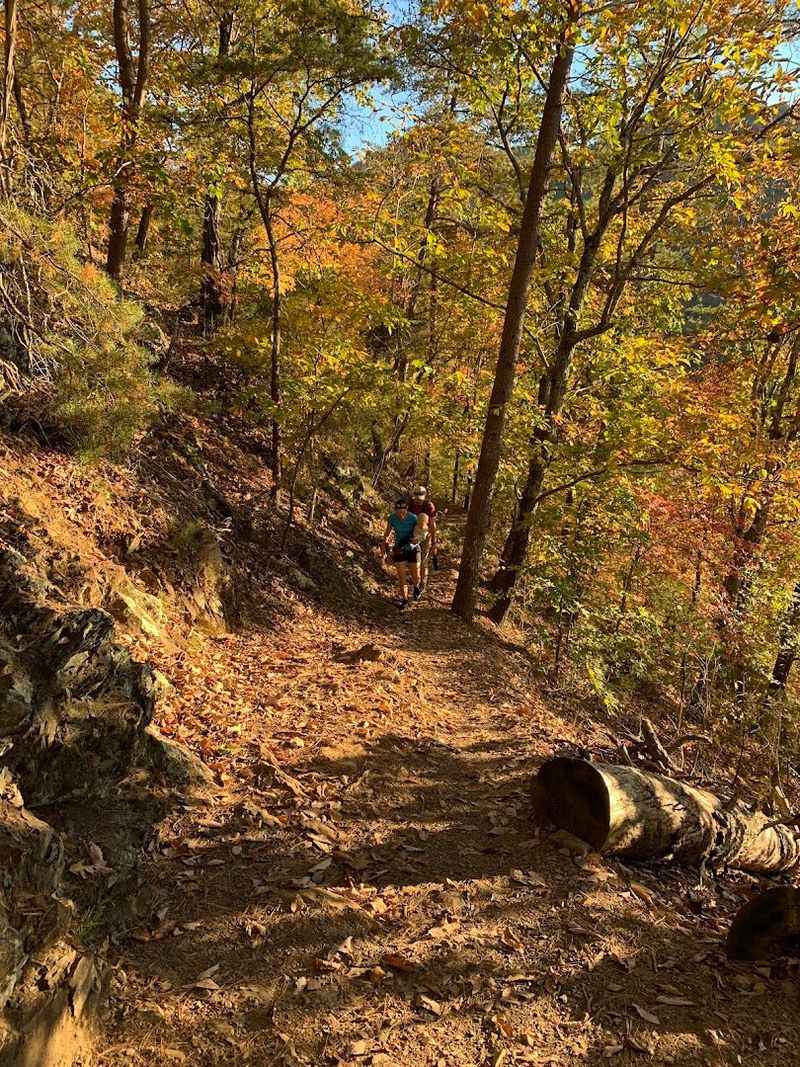
While the Appalachian Trail gets most of the attention, the trails surrounding Hot Springs offer a whole collection of lesser-known routes worth exploring. Lovers Leap Ridge is a local favorite, a short but rewarding hike that delivers panoramic views of the French Broad River valley and the town below.
The name alone is enough to spark curiosity, and the view at the top absolutely delivers on the promise.
Pump Gap Loop and the network of trails in the Pisgah National Forest nearby give hikers plenty of options for varying difficulty levels and scenery. Spring brings wildflowers carpeting the forest floor, summer offers cool shade under dense canopy, fall transforms the ridgelines into a blaze of color, and winter reveals long-distance views normally hidden by leaves.
Every season brings a completely different hiking experience.
Most trails near Hot Springs are well-marked and manageable for hikers of moderate fitness. Bringing plenty of water, a trail map, and sturdy footwear is always a smart call.
The Madison County area is not as crowded as Asheville or other nearby tourist destinations, which means you are far more likely to have a trail entirely to yourself, a rare and wonderful thing in today’s world.
Local Food and Small-Town Charm on Bridge Street
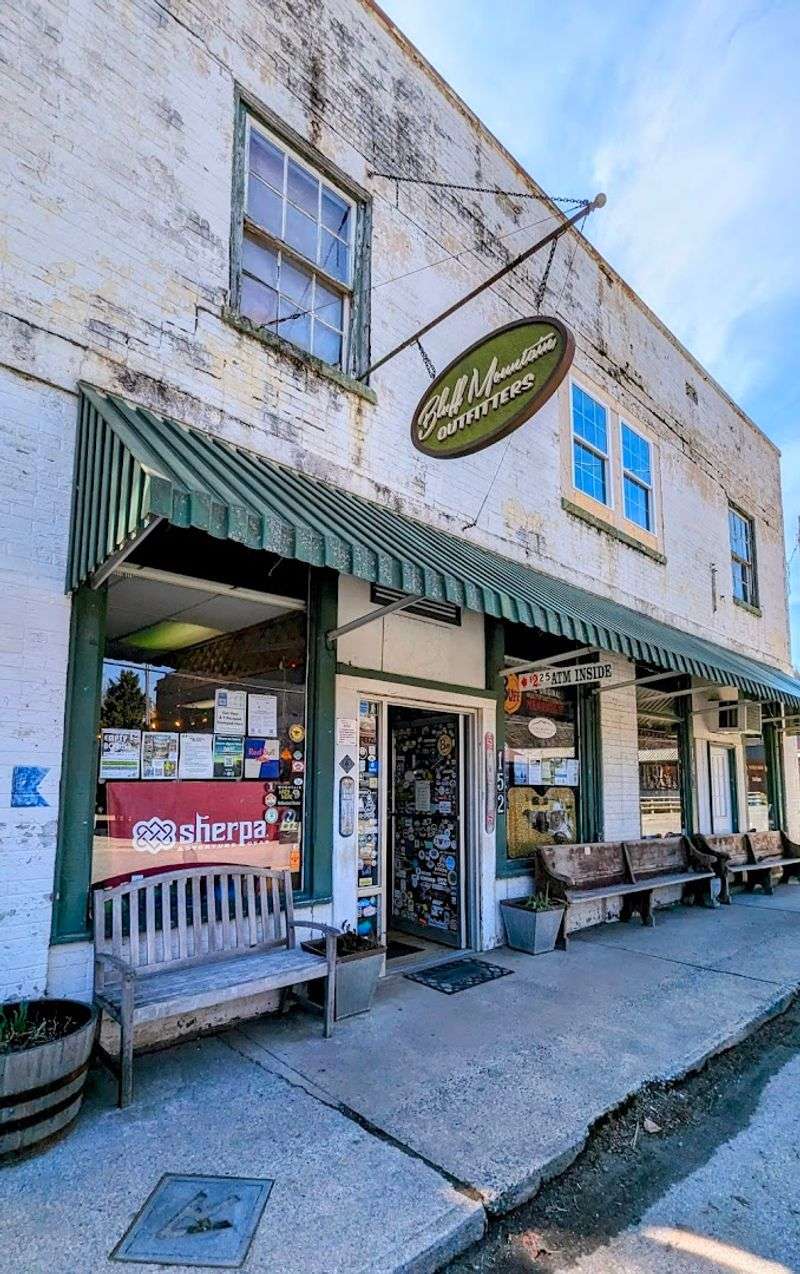
Bridge Street is the heartbeat of Hot Springs, a short but lively stretch of locally owned shops, eateries, and outfitters that give the town its distinctive character. Do not expect chain restaurants or big-box stores here.
What you will find instead are places with personality, like the Iron Horse Station, a beloved local spot where hikers and locals share picnic tables and enjoy burgers, cold drinks, and live music on warm evenings.
Laughing Seed, Panacea, and other small cafes and restaurants rotate through the years, but the spirit of community-driven food remains constant. Local cooks take pride in using regional ingredients, and the portions tend to be generous enough to refuel even the most exhausted thru-hiker.
Breakfast spots fill up early on weekends, so arriving before 9 a.m. is a genuinely good strategy.
Shopping on Bridge Street is low-key and enjoyable. A handful of outfitters stock hiking gear, trail maps, and outdoor clothing.
A few artisan shops carry locally made crafts, pottery, and jewelry. The whole street can be walked in about ten minutes, but you will likely slow down, stop, and chat with someone along the way.
That unhurried friendliness is part of what makes Hot Springs feel so refreshingly real.
Camping and Cabins: Sleeping Under the Stars in Madison County
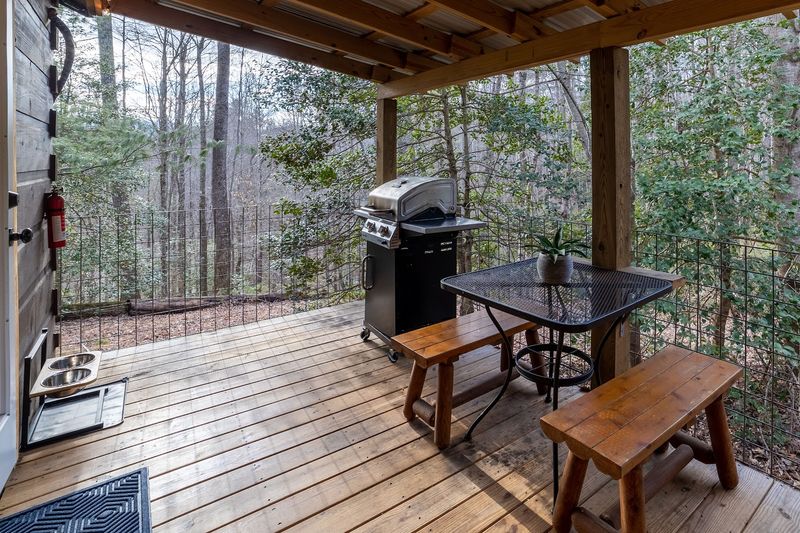
Spending the night in Hot Springs transforms a day trip into a genuine mountain experience. The area offers a wide range of overnight options, from primitive tent camping along the Appalachian Trail corridor to comfortable riverside cabins with full kitchens and hot showers.
Hot Springs Resort and Spa runs a popular campground right along Spring Creek, where falling asleep to the sound of moving water is simply part of the deal.
For those who prefer a bit more comfort without sacrificing the outdoors feeling, several vacation rental cabins are available through local property managers and platforms like Airbnb. Many of these sit on wooded hillsides with private decks, fire pits, and jaw-dropping mountain views.
Waking up to fog rolling through the valley below your cabin porch is the kind of morning that makes you reconsider your entire daily routine back home.
Pisgah National Forest campgrounds nearby provide additional options for tent campers and RV travelers. The Harmon Den area and other primitive sites offer solitude that is hard to find in more developed parks.
No matter your budget or comfort preference, sleeping in Madison County means waking up somewhere genuinely beautiful, and that alone is worth the drive from wherever you are starting.
Wildlife and Nature Watching in the Surrounding Mountains
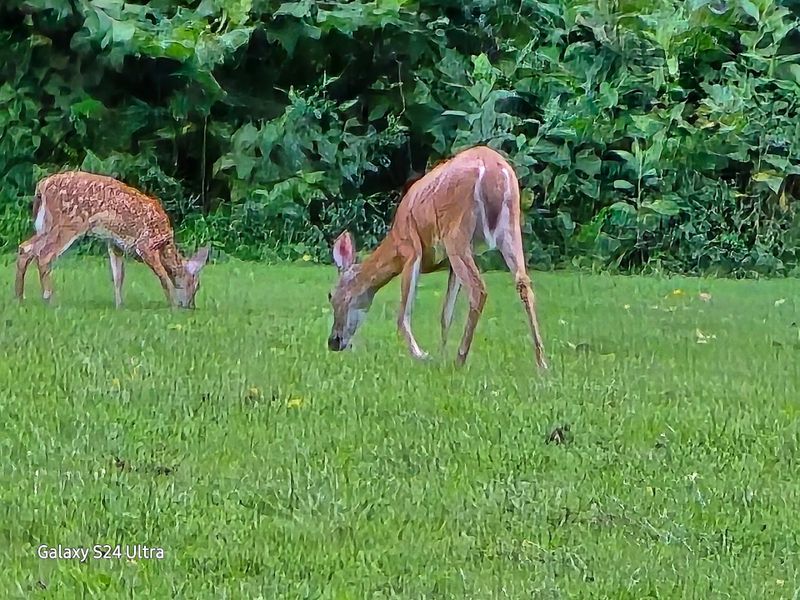
The mountains surrounding Hot Springs are alive in ways that reward the patient observer. White-tailed deer are a common sight along roadsides and forest edges, especially at dawn and dusk.
Black bears roam the ridgelines of the Pisgah National Forest, and while sightings are not guaranteed, the possibility adds an undeniable excitement to any hike or early morning drive through the area.
Bird watching here is genuinely exceptional. The French Broad River corridor serves as a migration route for dozens of species, making spring and fall particularly rewarding for birders.
Great blue herons stand motionless in the shallows, kingfishers dart along the banks, and if you are lucky, you might spot a bald eagle riding a thermal above the river. Bringing binoculars is one of the best decisions you can make before leaving home.
Wildflower enthusiasts will find the spring season especially magical. Trillium, bloodroot, wild ginger, and native azaleas bloom across the forest floor from March through May, creating a natural color show that rivals anything in a botanical garden.
The biodiversity of the Southern Appalachians is among the richest in North America, and Hot Springs sits right at the center of it all.
Planning Your Visit: Tips for Getting the Most Out of Hot Springs, NC
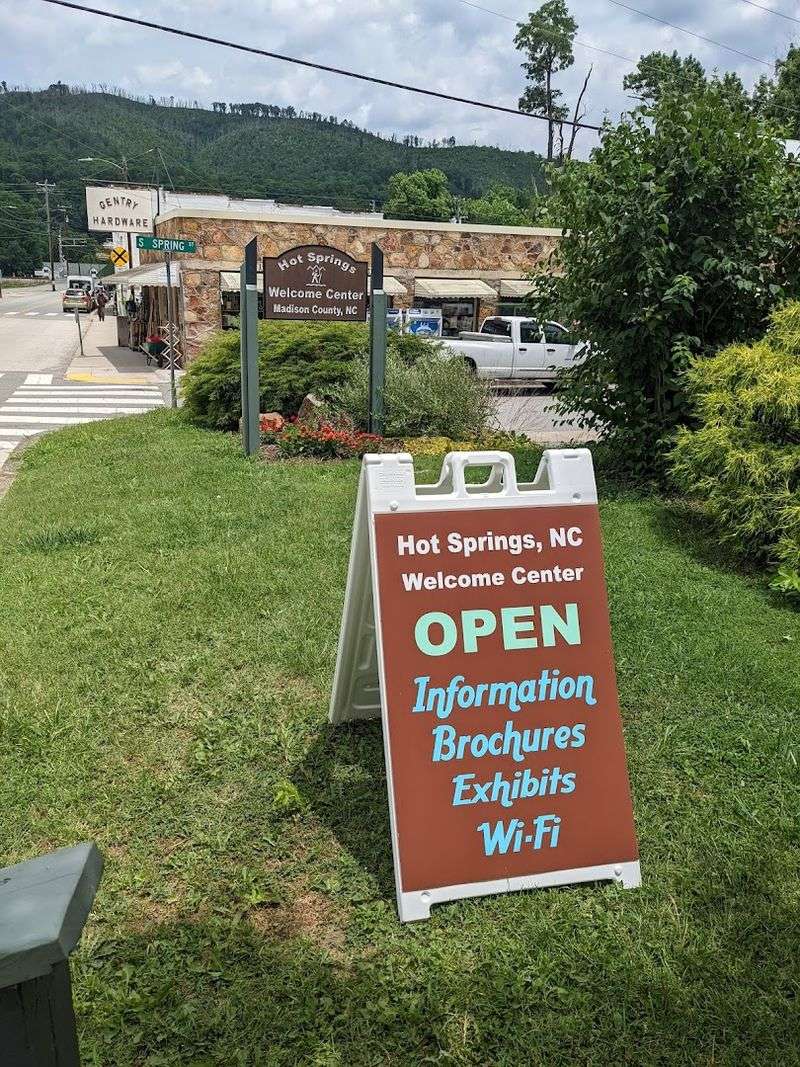
Getting to Hot Springs requires a bit of intentional planning, and that is honestly part of its charm. The town sits about 35 miles northwest of Asheville along US-25/70, a scenic drive through river valleys and mountain passes that serves as a worthy warm-up for the adventure ahead.
Cell service can be spotty in the area, so downloading offline maps before you leave is a genuinely smart move.
The best times to visit are late spring for wildflowers and mild temperatures, and mid-October for peak fall foliage when the surrounding ridges turn gold, orange, and red. Summer weekends can bring larger crowds of hikers and tubers, while weekday visits in any season tend to feel more relaxed and personal.
Winter visits have their own quiet appeal, with fewer crowds and the dramatic sight of steam rising from the hot springs against cold mountain air.
Booking your soaking tub reservation and any lodging well in advance is highly recommended, especially during October. Packing layers is always wise in the mountains, where temperatures can shift significantly between morning and afternoon.
Most importantly, plan to slow down. Hot Springs is not a place you rush through.
It is a place that quietly teaches you how to pause, breathe, and actually be somewhere.