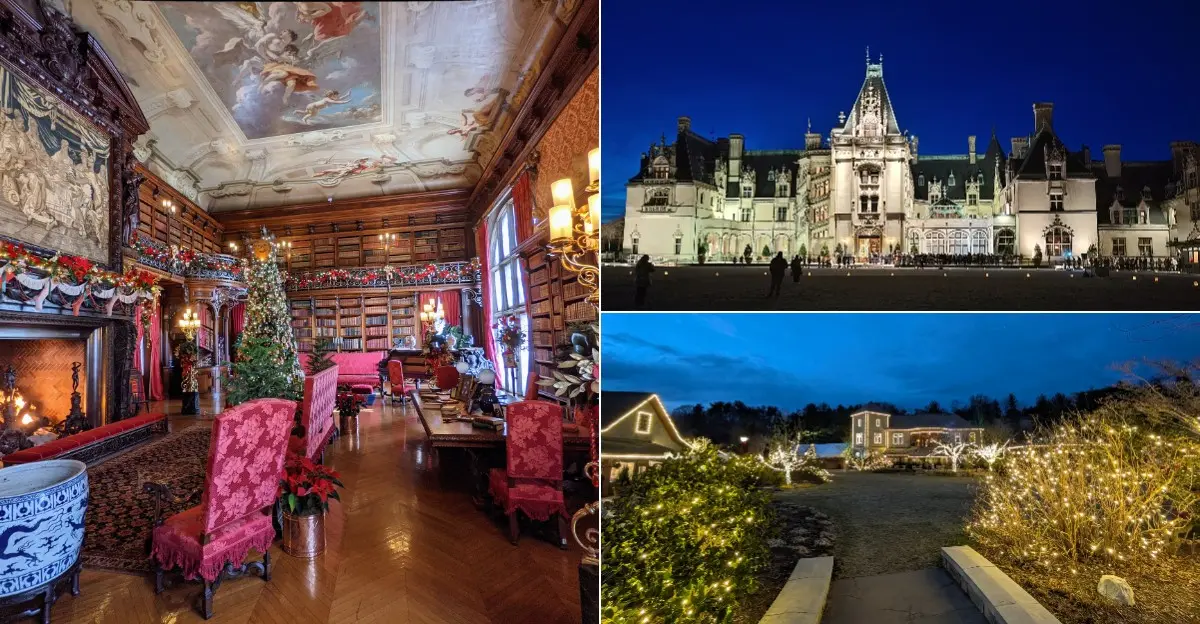
Some houses hang one wreath on the door and call it a day. This one fills its rooms with Christmas trees, and the house has 250 rooms to work with.
Tucked into the mountains of western North Carolina, it was built in the Gilded Age for one wealthy family, and today it becomes a holiday stop that families plan their whole winter around. There are choirs singing carols by candlelight, a glass conservatory full of plants, a small village with shops, and enough stairs to tire out even the most energetic kid.
The sections below cover the history, the decorations, the best times to go, and the small planning tricks that make the day smoother. Read on to learn how to turn one December visit into a memory your children will talk about for years.
A Castle Hiding in Asheville
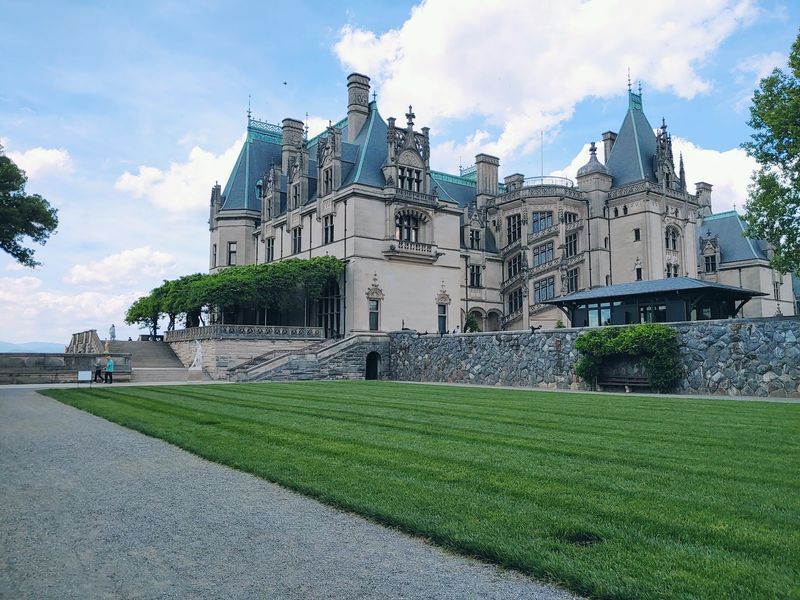
Kids often think castles only live in fairy tales or far across the ocean. Biltmore proves them wrong, sitting right in Asheville, NC 28803, in the United States.
The estate is easy to find from the city, but the house itself sits far back from the main gate. Expect a drive of about 20 minutes through the grounds before reaching the parking areas.
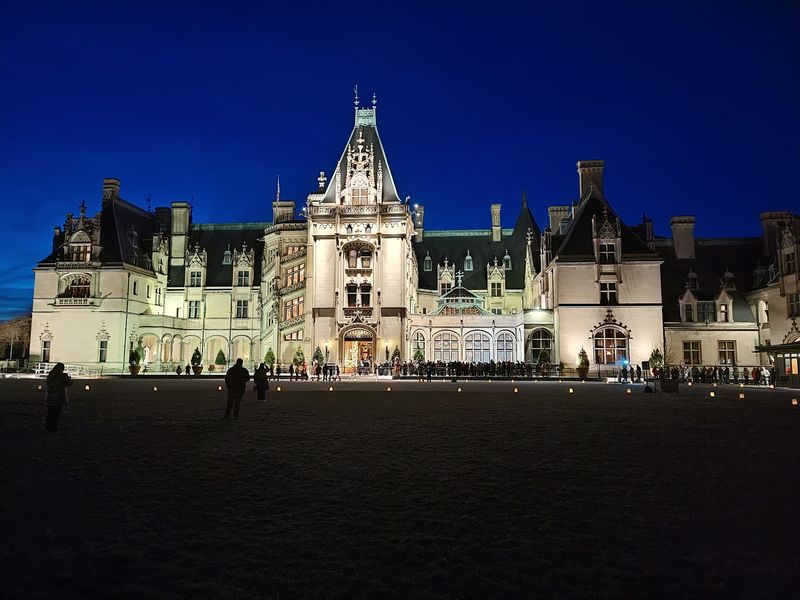
George W. Vanderbilt built this French Renaissance chateau during the Gilded Age.
It is often called the largest privately owned house in the country, and it is still owned by his descendants today.
The numbers are big enough to impress any young math fan. The house has 250 rooms, around 33 to 35 bedrooms, 43 bathrooms, and 65 fireplaces.
That fireplace count is a fun fact to share in the car. Ask the kids to guess how many before you arrive, and see who comes closest.
Once the castle comes into view across the lawn, the guessing games tend to stop. Everyone simply wants to get inside.
Trees in Nearly Every Room
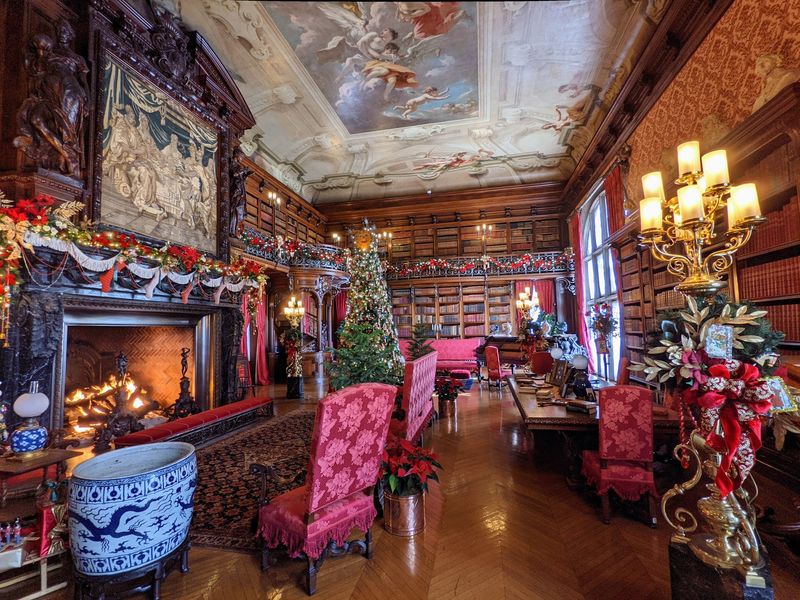
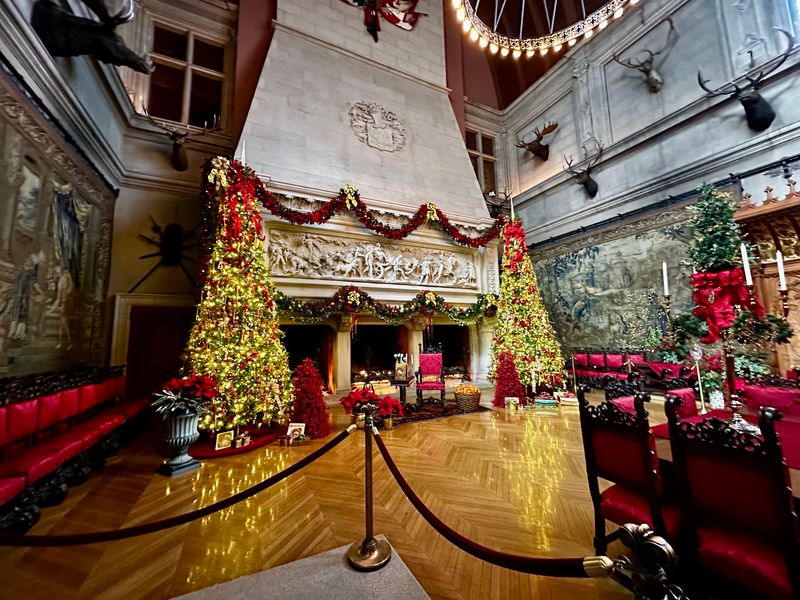
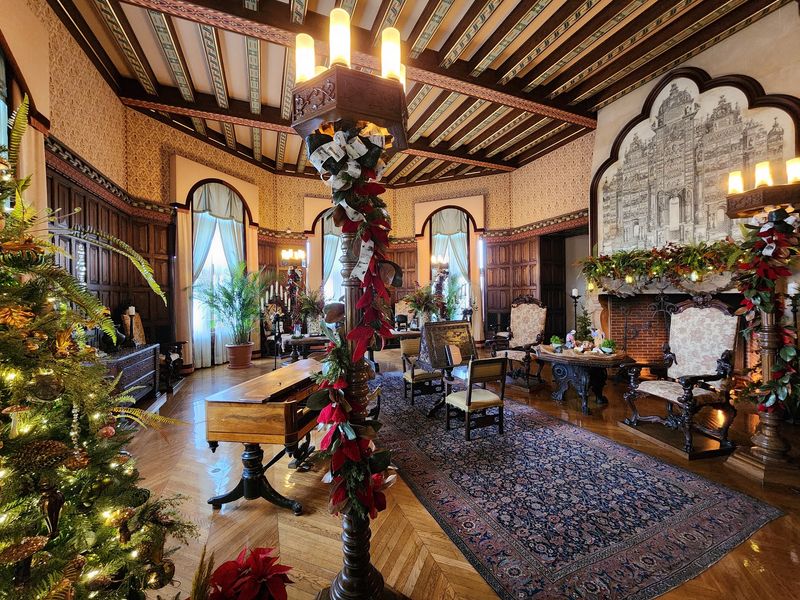
Counting Christmas trees becomes a game here that kids may never finish. During the holiday season, the rooms on the tour are filled with decorated trees, garlands, and festive touches.
Decorating starts before many families even think about the holidays. By early November, the staff is already setting up displays throughout the mansion.
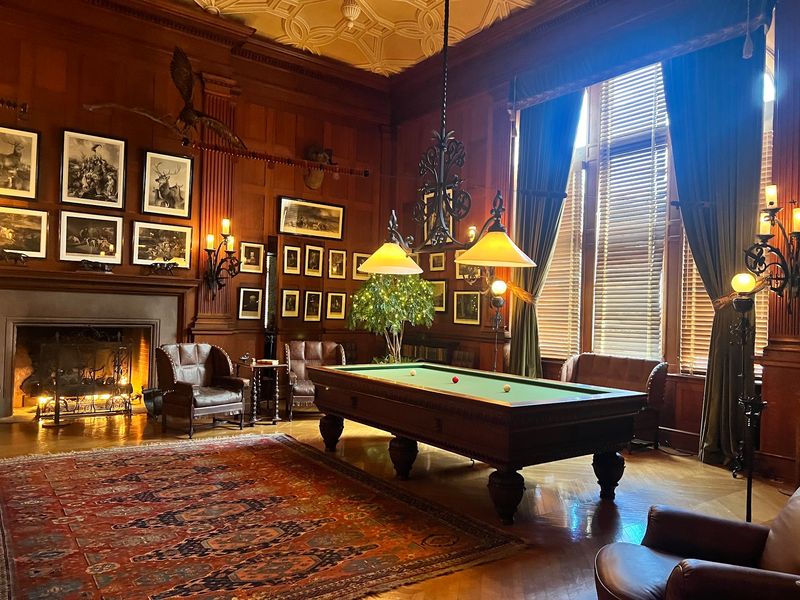
The decorations sit alongside the original furnishings, art, and Monet paintings. That mix makes it easy to talk with children about how wealthy families once celebrated.
A simple tip helps keep little ones focused. Give each child a job, such as spotting the tallest tree, the shiniest ornament, or a tree in the oddest spot.
The Winter Garden and the library tend to become family favorites. Both rooms already feel special before any holiday touches are added.
Take photos when you can, but also take breaks from the camera. Some details are easier to enjoy without a screen in the way.
By the last room, even the most patient tree counter may lose track, and that is part of the fun.
Carols by Candlelight
Evening at Biltmore during the holidays brings a whole different show. The candlelight tours let families walk through the house after dark during the Christmas season.
A choir often sings carols in a central room of the house. Many guests find themselves so caught up in the music that they forget to press play on their audio guides for the first few rooms.
That is perfectly fine. The music becomes part of the story, and kids tend to remember the singing long after the details of the furniture fade.
These evening tours run on select dates. Check the Biltmore website early, since popular nights can fill up.
Little ones who usually go to bed early might need a nap that afternoon. A rested child enjoys a night tour far more than a sleepy one.
Dress in layers, since you will move between indoors and outdoors. A light snack before the tour can also help.
Families who try the evening visit often say it feels like a holiday card that came to life.
An Audio Guide That Talks Back
Handing a kid a gadget usually ends in a squabble. At Biltmore, it might actually help the day go smoothly.
The house tour is self-guided. Each guest gets a handheld audio device, and every room has a number that matches a recording.
The tour includes about 35 numbered stops. Without listening to every extra track, it takes around one and a half hours.
Children can press pause, skip ahead, or replay a story that grabbed them. That freedom makes the history feel less like a school lecture.
Older kids may enjoy listening to the bonus recordings. Younger ones may only want the main stops, which is fine too.
Guided tours are available for an extra fee. Some of them open up spaces not covered on the regular route, and there is even a rooftop tour.
For most families, the audio guide hits the sweet spot. Everyone moves at their own pace, and nobody has to shush anybody.
Downstairs Secrets
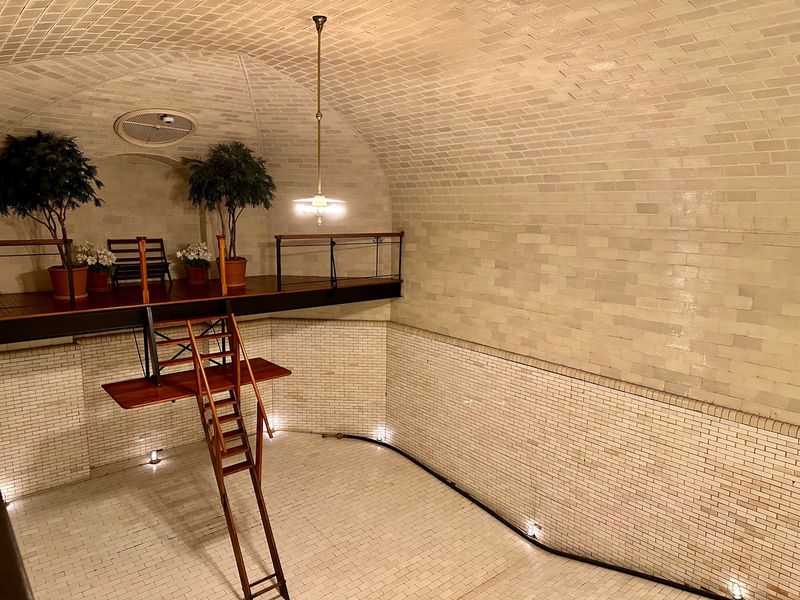
Here is a question that stumps most kids: where would a Gilded Age family put a swimming pool? At Biltmore, the answer is the basement.
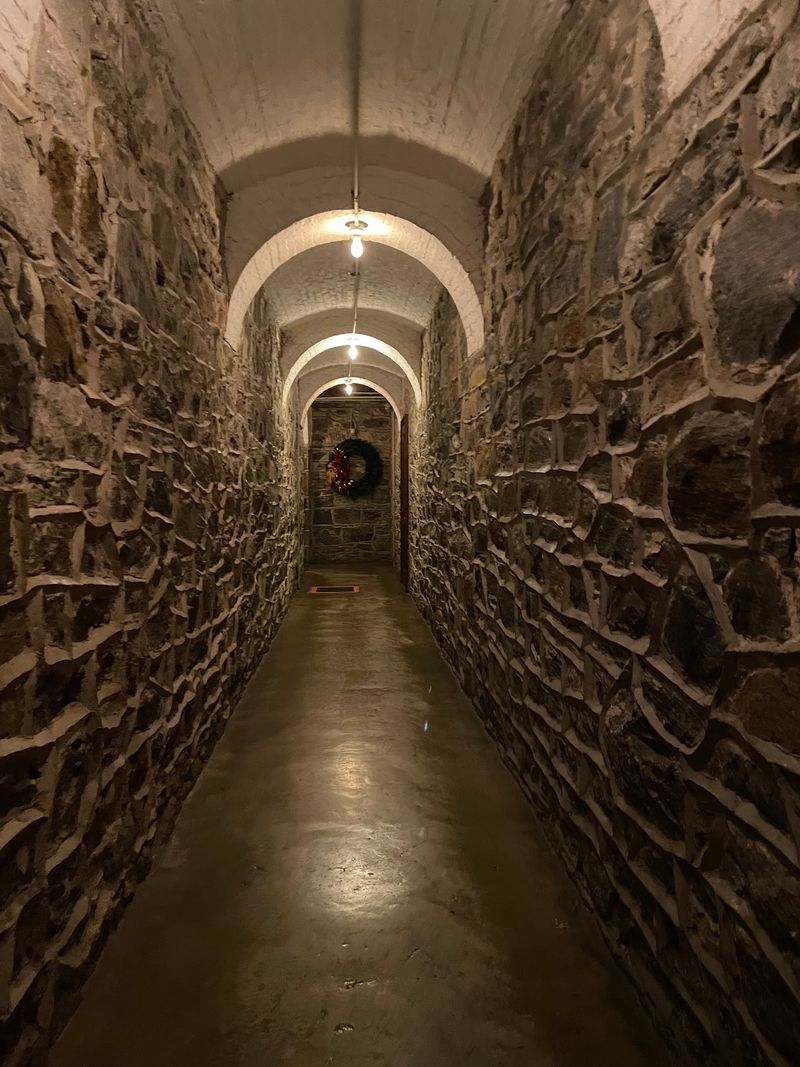
The lower level is one of the most surprising parts of the tour. It holds the indoor pool, plus spaces where the household staff worked.
The servants’ quarters and work areas show a different side of the house. Children can compare the grand rooms upstairs with the busy rooms where meals were made and chores were done.
The house also had modern touches for its time. Kids are often amazed that a home built so long ago had features they take for granted today.
Plenty of families almost skip the basement because they feel tired by then. Do not make that mistake.
Plan your energy so the lower level gets your full attention. A short rest on the terrace before heading down can help.
When the kids ask afterward what their favorite room was, there is a good chance the pool wins.
Greenhouse Wonders in Winter
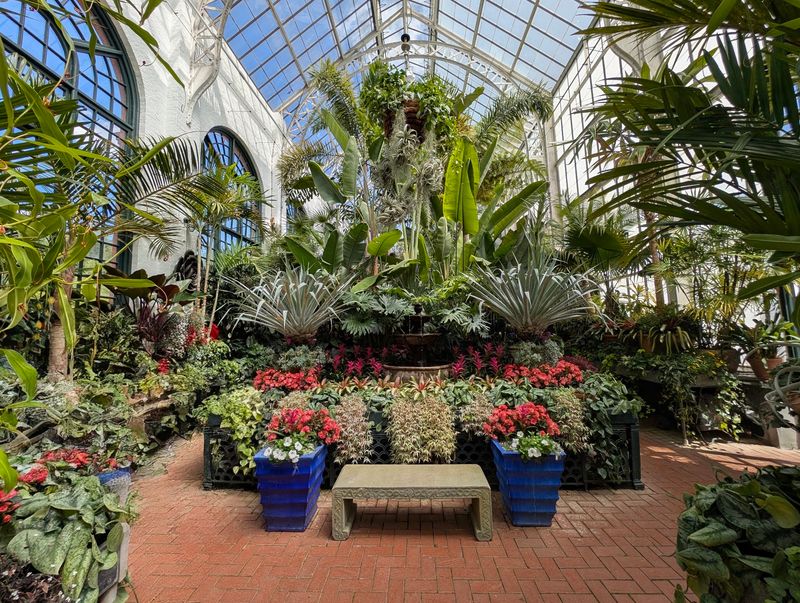
Winter does not mean the garden fun is over. The Biltmore Conservatory, a glass greenhouse near the walled garden, keeps plants thriving all year.
The orchid collection is a standout. Kids who like colors and odd shapes will find plenty to study.
The conservatory sits to the left of the house, past the gardens. A shuttle can carry tired legs between the house area and the gardens.
Outside, the walled garden and the formal grounds look different in December than in spring. Families can still enjoy the paths and the mountain views from the terraces.
This stop works well as a break between the house tour and shopping. It gives restless children room to move after time spent indoors.
Bring a small notebook for budding scientists. They can sketch a favorite plant or write down a name they want to look up later.
A greenhouse visit in the middle of winter tends to feel like a small secret, and kids love secrets.
A Tiny Village Worth the Stop
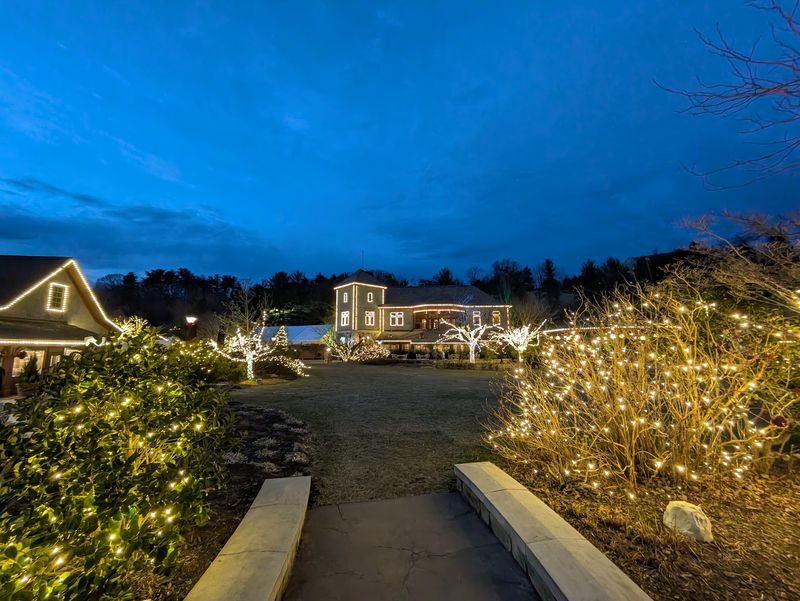
After a castle, a small village might sound like a letdown. Antler Hill Village turns out to be a nice change of pace.
The village is a compact area on the estate with a handful of shops and a cafe. It is a relaxed place to wander once the big house tour is done.
The farm area nearby gives kids a peek at the working side of the estate. Biltmore was designed to be a nearly self-sufficient community, with farms, forests, and workers of its own.
That idea can spark good questions in the car. How did a giant house get its food, and who kept it running?
The shops are another fun stop. Holiday browsing is popular, and families often find gifts or treats to bring home.
There is also a Christmas shop elsewhere on the estate that many families enjoy. Set a small budget for kids ahead of time so choices feel exciting rather than stressful.
A slower stroll here can be the perfect ending to a busy afternoon.
The Land Was Once Much Bigger
Fun fact for the backseat: the Biltmore estate once covered about 125,000 acres. Today it covers roughly 8,000.
Much of the original land became part of what is now Pisgah National Forest. Kids who love hiking may enjoy knowing that a famous forest has roots in this family’s property.
During construction, the estate even had its own railroad setup to haul materials. Ask children to guess why a house would need a train.
Those big numbers explain why the drive from the gate feels so long. The grounds include woods, fields, and winding roads.
Wildlife sometimes shows up too. Bears have been spotted near the fields, so keep eyes open but stay in the car or keep a safe distance.
The ride itself can become part of the adventure. Point out the forests and talk about how the land has changed over time.
A simple map of the estate makes a handy souvenir. Kids can mark each place they visited and keep it as a holiday trophy.
Timing Is Everything
Smart planning can save a holiday outing from meltdowns. At Biltmore, entry to the house is timed, so tickets should be bought ahead online.
Arrive early. Getting from the main gate to parking and then to the house can take a while, and you may need the free shuttle from some lots.
Ticket prices change depending on the date. Holiday dates are popular, so checking early helps.
Crowds often thin in the afternoon, sometimes around 2 p.m. Many families also like booking a slot before noon to leave time for the grounds.
The house bathrooms are not in use, so plan a stop at the Stable area before the tour. Parents of young kids will thank themselves for this one.
Check the handbag size rules before you go, since security screening happens near the entrance. Stairs are common, but lifts are available for those who need them.
Shuttle stops may have no shelter. Pack an umbrella in case of rain, and the day stays on track.
Comfy Shoes and a Full Day
Sneakers matter more than holiday outfits here. A Biltmore day involves a lot of walking and plenty of stairs.
The house has several floors. The gardens and grounds cover even more ground, so tired feet are common by evening.
Many families spend most of a day on the estate. Some stay as long as seven hours once they add the gardens, shops, and village.
Food stops help keep energy up. The Stable courtyard area offers places to eat, plus spots for ice cream and snacks.
Some restaurants take reservations, while others are first come, first served. Check your booking confirmation for any links to reserve a table.
Do not skip the terraces outside the house. The mountain views give everyone a reason to pause and catch their breath.
Families who want more than one visit might consider an annual pass. That lets kids see the estate in different seasons and compare it with the Christmas version.
Plan generously, pack patience, and let the castle do the rest.