If you love the feeling of open roads, chrome details, and stories hidden behind steering wheels, this Allentown museum is the kind of place that pulls you in fast.
America On Wheels turns transportation history into something vivid, personal, and surprisingly fun, whether you are into antique cars, giant trucks, or classic family road trip memories.
Every gallery gives you another reason to slow down, look closer, and imagine the people who once traveled America in these machines.
By the time you leave, you may find yourself wanting to plan your own nostalgic drive home.
A Museum Built Around America’s Love of the Road
The first thing that struck me about America On Wheels is how completely it embraces the idea of movement as part of American identity. This is not just a car museum, and it is not only for gearheads who can name engines by sound.
It tells a broader story about how cars, trucks, bicycles, motorcycles, and even early carriages changed how people lived, worked, traveled, and dreamed.
As you walk through the galleries, you start to see transportation as more than machinery. It becomes a lens for understanding freedom, industry, family life, commerce, and the way entire towns grew around roads and manufacturing.
That wider focus makes the museum feel welcoming, even if you came in knowing very little about automotive history.
I also liked how the collection connects everyday life to big innovations. You are not only looking at rare vehicles behind barriers, but also at the cultural pull of the open road and what it meant to generations of Americans.
By centering over-the-road transportation, the museum creates a nostalgic, educational experience that feels local, national, and deeply human all at once.
A Huge Museum With Room to Wander
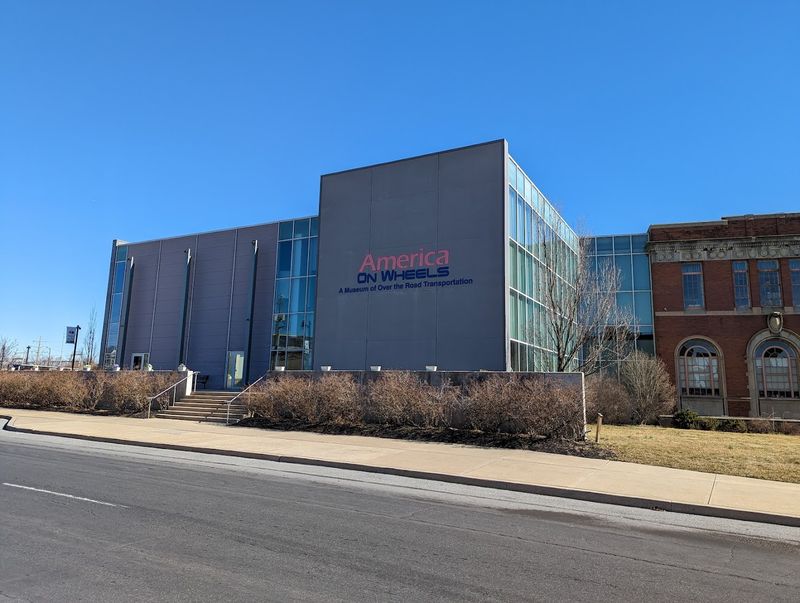
One of the best surprises here is the scale. America On Wheels spans about 43,000 square feet, with more than 23,000 square feet dedicated to exhibit space, so the museum never feels cramped or like a quick stop.
Instead, you get room to wander, pause, and actually take in the details on everything from early vehicles to larger industrial transportation displays.
The layout helps a lot, too. Multiple galleries break the experience into sections that feel easy to follow, and that keeps the history from becoming overwhelming.
You can move at your own pace, whether you want to read every sign, admire body lines and chrome, or simply enjoy the visual sweep of so many machines gathered under one roof.
I found that the large space gives the museum a sense of discovery. Turning a corner often reveals a completely different type of vehicle or time period, which keeps the visit feeling active and fresh.
If you are someone who likes museums where there is space to breathe, look around, and linger, this one really delivers that kind of comfortable, immersive experience.
Rotating Exhibits Make Repeat Visits Worth It
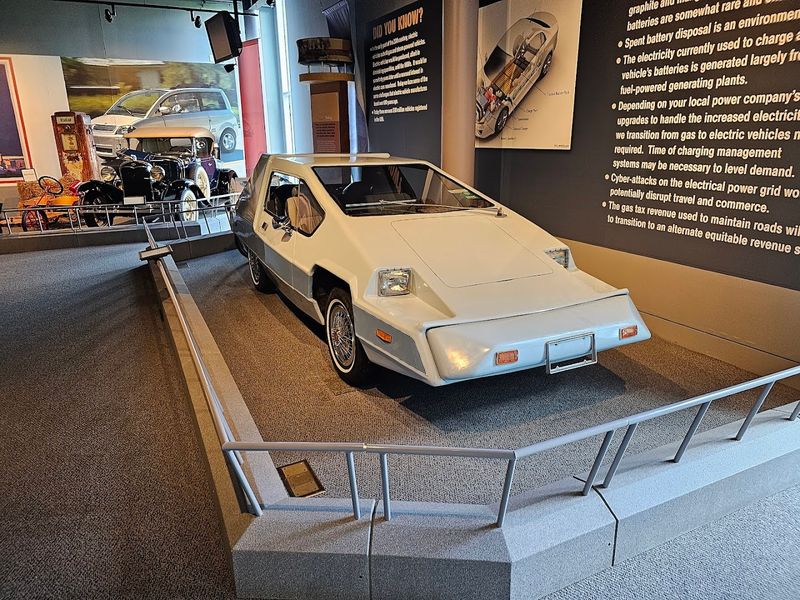
What makes America On Wheels especially fun is that it does not rely only on a fixed collection. A significant portion of the displays rotates regularly, often about every six months, which means the museum can feel different each time you visit.
That approach gives it energy and makes return trips feel rewarding instead of repetitive.
Themed exhibits can spotlight everything from muscle cars to movie vehicles to historic trucks, and that variety broadens the museum’s appeal. If you come with a specific interest, there is a good chance a future exhibit will speak directly to it.
If you are simply curious, the changing displays give you fresh reasons to keep checking back and seeing how transportation history can be interpreted in new ways.
I really appreciate museums that leave room for surprise. Here, the rotating sections help balance serious historical storytelling with a sense of novelty and play.
It also means local visitors are not just recommending a one-time attraction, but a place that keeps evolving. For anyone who enjoys discovering something new on each visit, that flexibility is a major part of the museum’s charm.
Rare Vehicles and Unexpected Icons
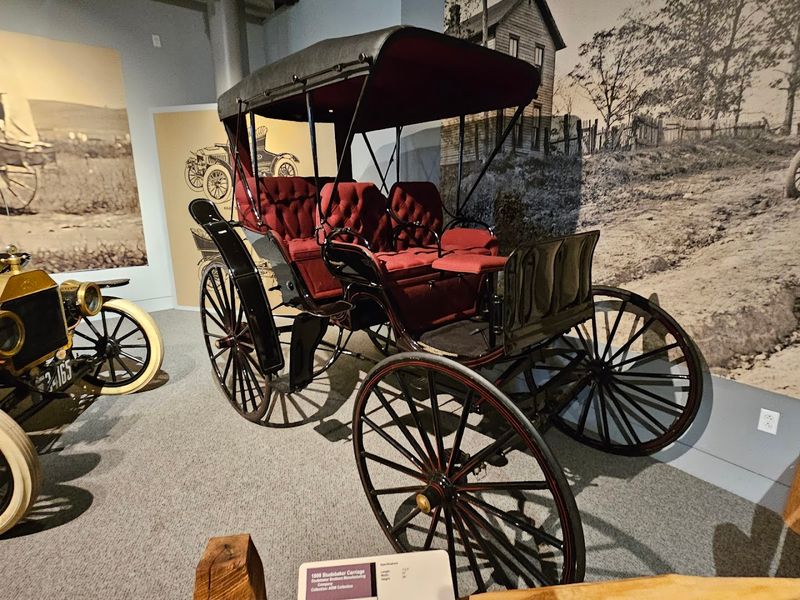
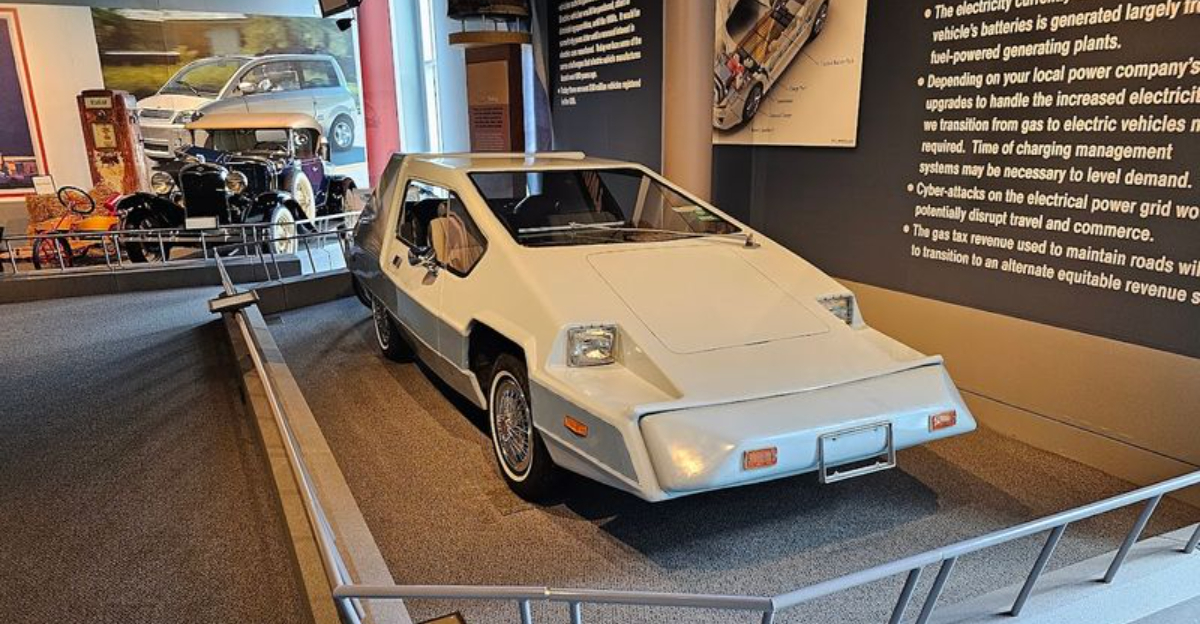
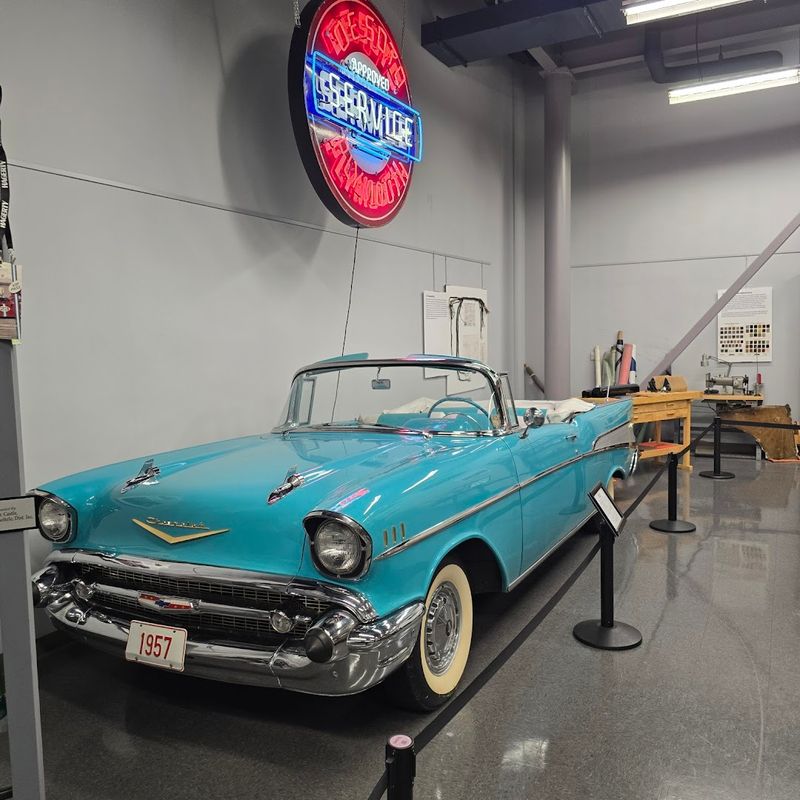
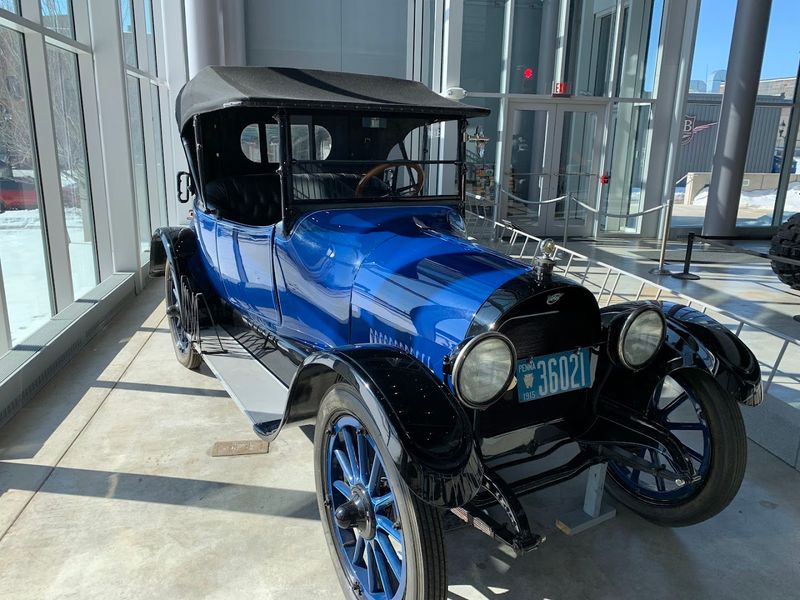
The vehicle lineup here is one of the biggest reasons to visit, because it mixes true historical significance with plenty of visual excitement. You can find early gas-powered carriages, beautifully preserved classic cars, vintage trucks, and memorable specialty vehicles that instantly pull your attention across the room.
The collection feels broad enough to satisfy serious enthusiasts while still being entertaining for casual visitors.
I like that the museum does not take itself too seriously all the time. Alongside landmark pieces, you may spot unusual artifacts such as racing lawnmowers or movie-related vehicles that add humor and personality to the galleries.
That balance keeps the experience from becoming overly technical, and it gives families and first-time visitors more entry points into the story.
What ties it all together is the feeling that every object has a story beyond its appearance. Some represent innovation, some capture a specific era of style, and others reflect pop culture or regional pride.
As you move through the exhibits, you get a strong sense that transportation history is not only about engineering. It is also about memory, identity, and the machines people could not stop talking about.
Seeing One of America’s Earliest Gas-Powered Carriages
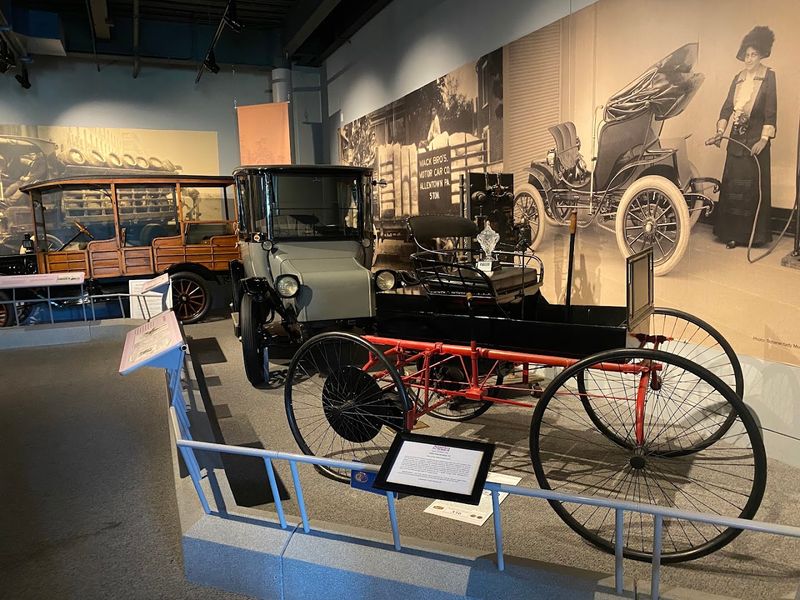
One of the most fascinating highlights at America On Wheels is the 1889 gas-powered carriage built in Allentown. Seeing it in person gives you a very different perspective on automotive history, especially because it predates many of the names people usually associate with the birth of the automobile.
It is a powerful reminder that innovation often happened in more places, and by more people, than standard history lessons suggest.
This vehicle stands out not because it is flashy, but because it represents a moment when transportation was changing in a dramatic and uncertain way. Looking at its construction, you can imagine how experimental and daring those early designs must have seemed.
That sense of possibility makes the exhibit feel alive, even though the machine itself belongs to a distant era.
I found this piece especially memorable because it anchors the museum to Allentown itself. It is not just a rare artifact placed in a local building, but a local achievement with national importance.
If you enjoy discovering overlooked milestones, this carriage is the kind of exhibit that stays with you long after the visit ends and makes the museum feel historically important.
Allentown’s Strong Mack Trucks Connection
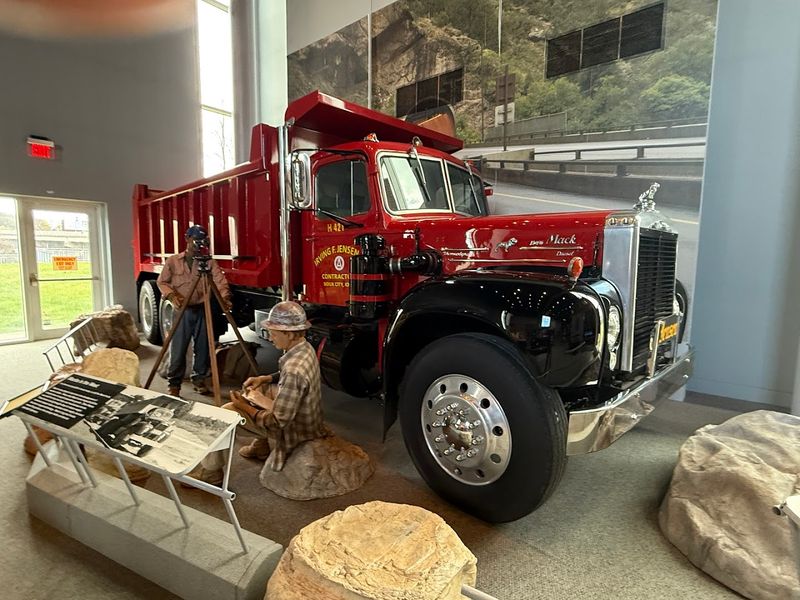
America On Wheels also does an excellent job showing how deeply Allentown is tied to the story of Mack Trucks and regional industry. That local connection gives the museum a strong sense of place, because you are not just learning about transportation in general.
You are seeing how one Pennsylvania city helped shape the working vehicles that kept goods and communities moving across the country.
The Mack-related displays add a rugged, industrial dimension that balances the sleek nostalgia of classic cars. Trucks tell a different kind of American story, one rooted in labor, logistics, manufacturing, and everyday reliability.
Through vehicles, archives, and interpretive material, the museum shows how commercial transportation influenced both local livelihoods and broader national development.
I think this focus is one of the museum’s greatest strengths. It reminds you that road history is not only about glamorous convertibles or family vacations, but also about factories, freight, and the people who built and drove these machines for a living.
If you appreciate places that connect community identity to larger historical themes, the Mack Trucks presence makes America On Wheels feel especially grounded and authentic.
Interactive Fun for Kids and Curious Adults
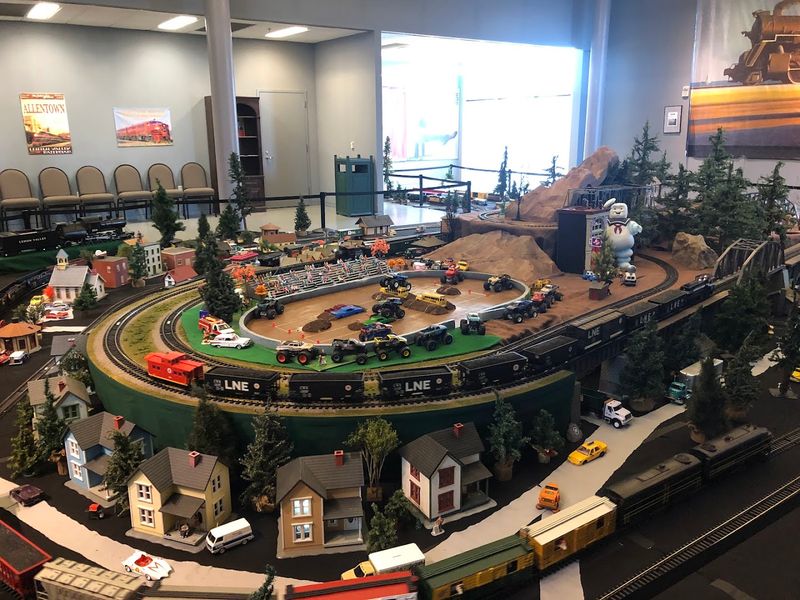
For a museum centered on historic vehicles, America On Wheels does a great job keeping the experience interactive. Driving simulators, mechanical quizzes, and kid-focused service station areas invite visitors to do more than simply read placards and look at polished metal.
That hands-on element adds energy and helps the museum appeal to families, school groups, and adults who learn best by trying things for themselves.
I always appreciate when a museum recognizes that curiosity grows through participation. Here, younger visitors can play, explore, and understand how vehicles work without the exhibits feeling watered down.
Adults benefit, too, because interactive stations break up the visit and make technical topics feel more approachable and memorable.
The result is a museum that feels alive rather than overly formal. You can admire a rare vehicle in one gallery, then test your knowledge or engage with a simulator in the next, which keeps the pacing enjoyable.
If you are traveling with children, this is a major advantage, but even if you are not, the interactive features give the visit a more engaging rhythm and help transportation history feel practical, tactile, and genuinely fun.
Road Trip Nostalgia Around Every Corner
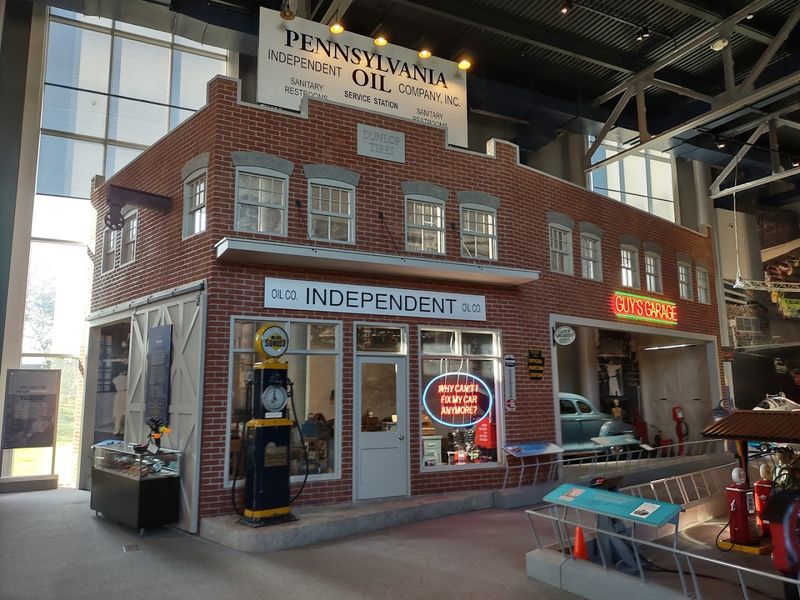
One of the most charming parts of America On Wheels is how vividly it captures road trip nostalgia. The museum does more than line up vehicles in rows.
It recreates scenes from classic American travel culture, using mannequins, props, signage, and period details to make the exhibits feel like little windows into another time.
You might find yourself thinking about family vacations, roadside diners, old highways, trucking culture, or the excitement people once felt heading out with paper maps and a full tank. Those recreated environments give emotional texture to the museum, because they connect transportation history to lived experience.
Instead of wondering what a certain era looked like, you get a staged glimpse of how travel shaped routines, relationships, and leisure.
I think this is where the museum becomes especially memorable for visitors who are not hardcore automotive fans. Nostalgia has a way of pulling everyone in, whether through childhood memories or curiosity about how previous generations traveled.
These immersive displays add warmth and personality, turning historical objects into scenes you can almost step into. By the end, the museum feels less like a collection of machines and more like a tribute to American motion and memory.
More Than Exhibits – Events, Programs, and Community

America On Wheels is not just a place to walk through once and check off a list. The museum also serves as a community space with car shows, lectures, special themed events, and educational programs that keep people connected to transportation history throughout the year.
That ongoing activity gives it a stronger cultural presence than a museum that only relies on static displays.
I like that this approach welcomes different kinds of visitors. Enthusiasts can dive deeper through seminars or special presentations, while casual visitors may discover the museum through a seasonal event or a themed exhibit.
Programs like these create opportunities for conversation, shared memories, and local pride, which is exactly the kind of atmosphere that makes a museum feel lived in rather than distant.
There is also something fitting about an institution devoted to movement staying active and social. The museum becomes a meeting point where history, hobby, and community overlap in a natural way.
If you enjoy attractions that offer more than one kind of experience, this is another reason America On Wheels stands out. It is not only preserving the past, but also creating fresh ways for people to engage with that past together.
What to Know Before You Visit
If you are planning a visit, America On Wheels Museum is located at 5 North Front Street, Allentown, PA 18102, along the Lehigh River. The museum can be reached at (610) 432-4200, and it is typically open Wednesday through Sunday, though hours can vary a bit by season.
It is smart to check ahead before you go, especially if you want to catch a rotating exhibit or special event.
I would recommend setting aside at least an hour and a half to two hours so you do not feel rushed. That gives you enough time to move through the galleries, enjoy the interactive displays, and pause for the exhibits that catch your eye most.
Families should know the museum is especially kid-friendly, with hands-on areas that help younger visitors stay engaged throughout the visit.
For the best experience, arriving earlier in the day is a good idea if you prefer a quieter atmosphere. Parking is available nearby, and the on-site HubCap Café offers a retro-style break that fits the theme nicely.
If you like combining practical planning with a little nostalgia, this museum makes it easy to turn an ordinary outing into a memorable afternoon in Allentown.