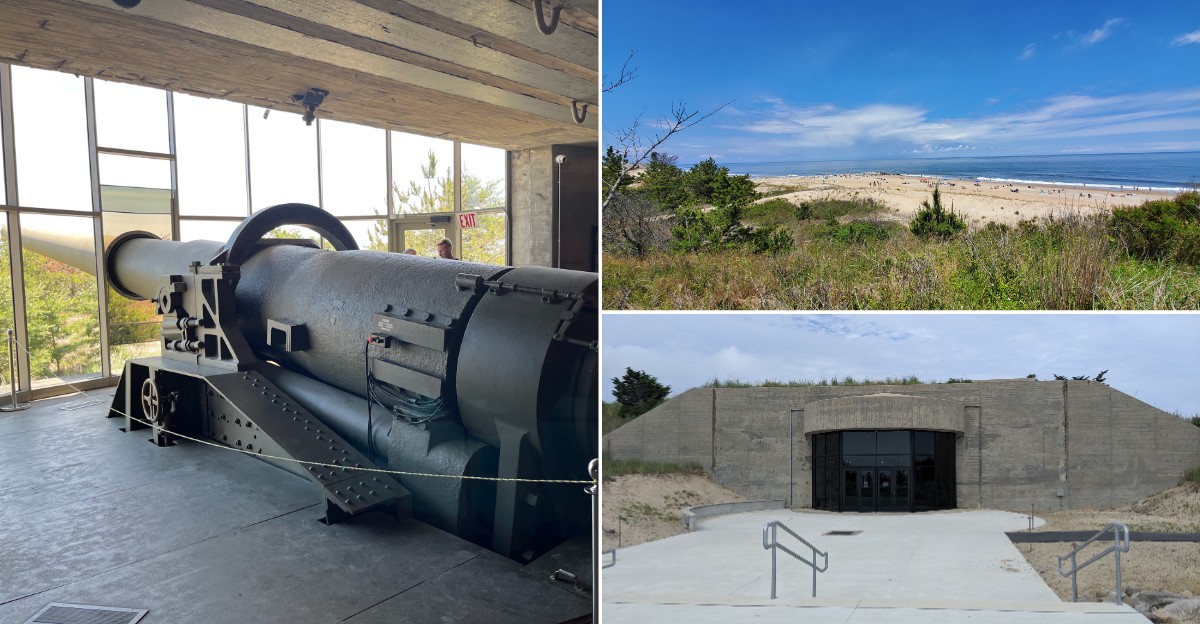
A 650-pound chunk of the USS Arizona sits inside a bunker buried under beach sand. That bunker once hid giant guns from anyone looking at the shore.
The whole fort was built to vanish into the dunes. Concrete batteries got covered with sand, and tall towers watched the water for enemy ships.
Nearly 2,500 soldiers and civilians worked here at its peak.
I like how ordinary this coastline looks until you learn what’s under it. Delaware kept a serious secret right next to sunbathers and seagulls.
I can’t imagine strolling past a sand hill without wondering what’s inside it now.
You can head underground, climb a lookout tower, and stand beside massive artillery. The ocean views are a pretty great bonus.
So how did a quiet beach end up guarding an entire bay?
A Beach Dune That Turned Out To Be A Giant Hiding Spot
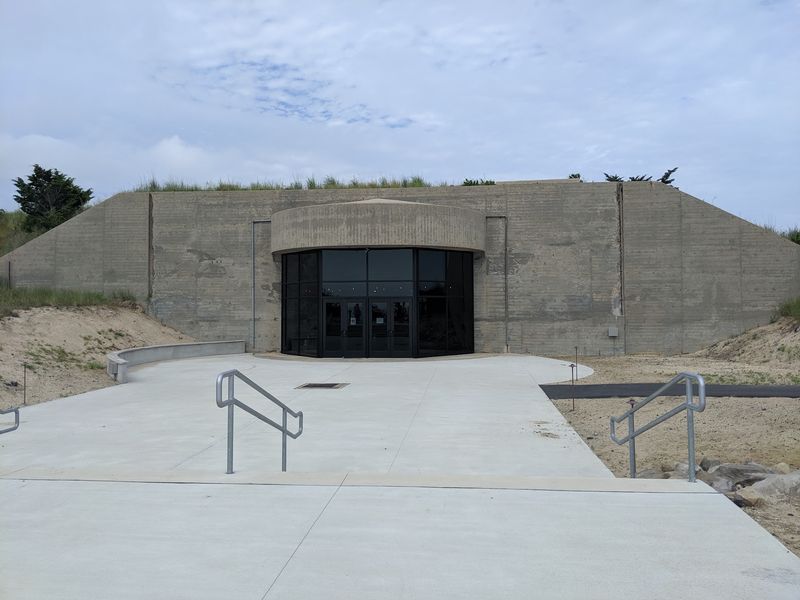
Sand dunes usually hide crabs and lost flip-flops. At the Fort Miles Museum and Historical Area, they once concealed an entire coastal defense complex.
Fort Miles sits inside Cape Henlopen State Park, overlooking the Atlantic Ocean. Planners designed the fort to blend into the dunes, using sand-covered concrete batteries to help conceal its heavy artillery.
Construction of the major artillery batteries began in 1941, with additional batteries built in 1942. The fort was formally named Fort Miles on June 3, 1941, as the United States strengthened its coastal defenses during World War II.
The goal was simple but serious: protect Delaware Bay and the Delaware River from potential enemy attacks. The river connected important ports and industrial centers, including Philadelphia and Wilmington.
Massive batteries named Smith, Herring, Hunter, and 519 formed part of the defense system. The fort was equipped with 16-inch, 12-inch, 8-inch, and 6-inch guns.
That’s a lot of firepower for a place that looks like a beach.
Fort Miles never came under direct attack. Still, its watch played an important role in the region’s coastal defenses.
Knowing that makes every rolling dune here feel a little more mysterious.
Head Underground Into A Bunker Bigger Than Most Houses
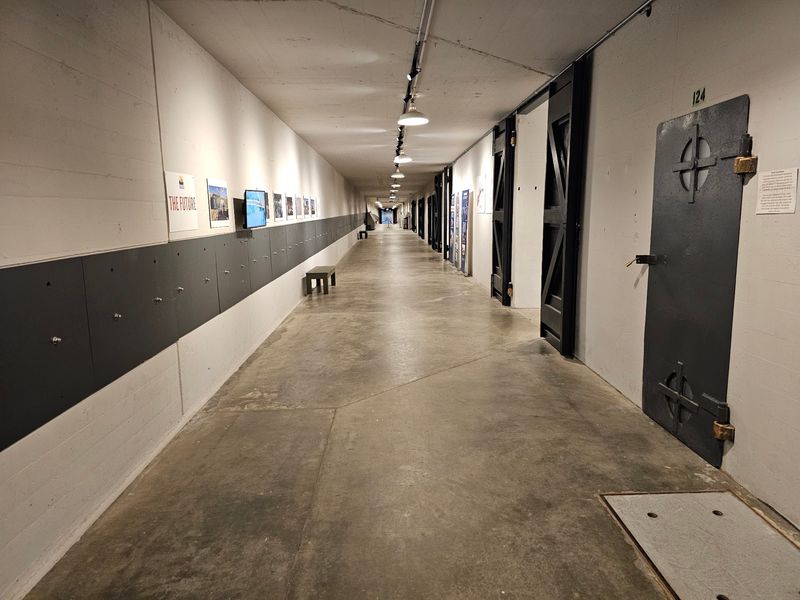
Fifteen thousand square feet. That’s the size of Battery 519, the underground bunker now serving as the heart of the museum.
Soldiers once worked inside these thick concrete walls. Today, exhibits explain coastal defense and daily life for the roughly 2,000 soldiers and civilians stationed here during World War II.
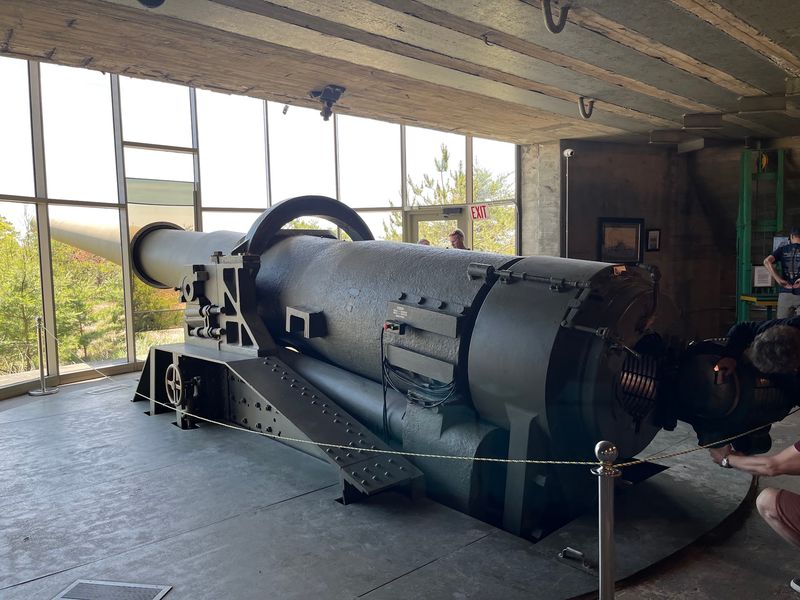
A restored 12-inch gun is one of the big stars. Seeing it up close helps you understand just how much muscle this fort carried.
Photos honestly don’t do the scale justice.
The gallery spaces cover several topics. You’ll find exhibits on the Civil Air Patrol, the 261st Coast Artillery, and civilian service.
There’s also a Battery 519 Gallery focused on the bunker itself.
Guided tours of Battery 519 are offered, and they’re the best way to learn the backstory. Tour options change, so checking the schedule before you go is a smart move.
Some days offer different programs than others.
Bring a light jacket if you get chilly easily. Being underground has a way of feeling different from the sunny beach outside.
Mostly, bring your curiosity, because there’s plenty to read and see.
A Piece Of Pearl Harbor Waits For You Here
Few artifacts carry as much weight as this one, literally and emotionally. The museum displays a 650-pound relic from the USS Arizona.
The exhibit is called Oil Still Bleeds. It honors the servicemen at Pearl Harbor and gives visitors a quiet moment to reflect.
Even kids tend to understand the meaning when they stand beside it.
Finding a Hawaii artifact on the Delaware coast feels unexpected. Yet it fits the story of how connected the whole country was during those years.
This shore was part of a much bigger picture.
The museum also features an exhibit called WWII Bookends. It brings together artifacts from both the USS Arizona and the USS Missouri.
One ship marks the start of America’s fight, and the other marks the finish.
Take your time reading the panels here. The stories add depth that a quick glance would miss.
Rushing past this section would be a real shame.
This is a great spot to talk with younger visitors about history. Big objects make big ideas easier to grasp.
And honestly, the size alone will get anyone’s attention.
Climb The Tower And Scan The Sea Like A Lookout
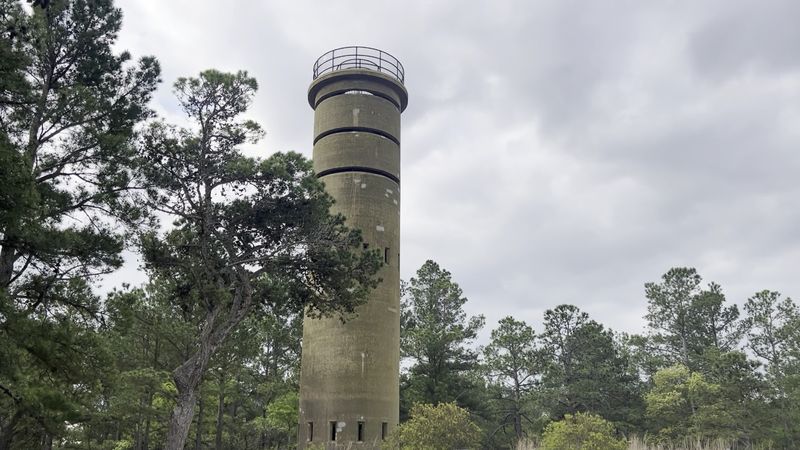
Back then, spotters climbed concrete towers to watch for enemy ships. Now you get to do the same, minus the stress.
Fire Control Tower 7 is one of the historic concrete observation towers built during World War II. It has been restored and is open to the public.
The climb rewards you with sweeping views from the top.
From up there, you can see Cape Henlopen State Park spread out below. The Delaware Bay sits on one side, and the Atlantic Ocean stretches out on the other.
It’s a true lookout in every sense.
These towers helped soldiers aim the big guns hidden in the dunes. Spotters tracked ships and passed information to the batteries.
Teamwork made the whole system work.
Wear comfortable shoes for the stairs. Your legs might complain a little, but your camera will thank you.
A clear day makes the view even better.
Families with kids often love this part most. Climbing is simply more fun than reading a sign.
Just keep little ones close and take breaks if you need them.
Giant Guns Line Up Outside For Easy Gawking
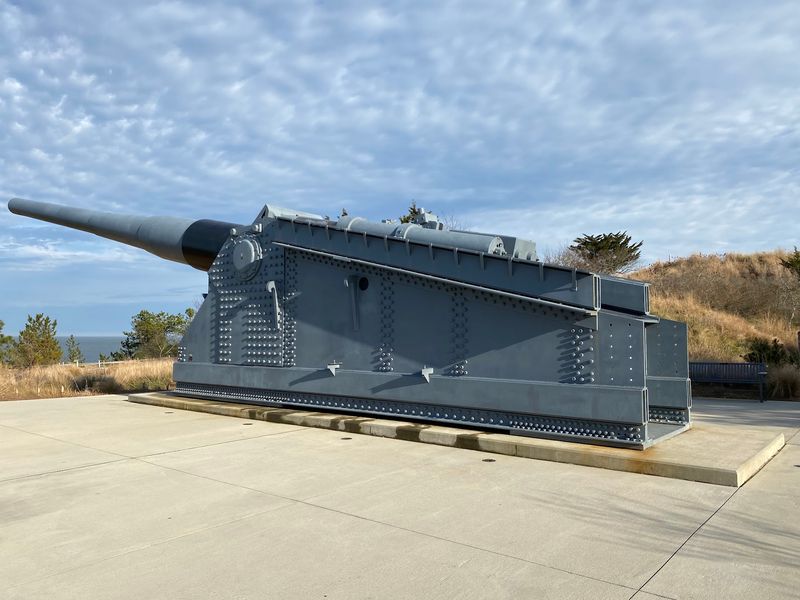
Some museums keep their treasures behind glass. Here, the heavy hitters sit right outside in the fresh air.
Artillery Park shows off a collection of historic weaponry. The pieces are huge, and they make an instant impression.
You’ll probably want a photo next to at least one of them.
The standout is a 16-inch gun barrel linked to the USS Missouri. That famous battleship hosted the Japanese surrender in 1945.
Standing near that barrel connects this beach to a world-changing moment.
Informational signs explain what each weapon did and how it worked. Reading them turns a quick stroll into a mini history lesson.
Kids who love big machines will be in heaven.
The grounds outside the museum are easy to explore on foot. Paved paths and scenic overlooks dot the area.
You can see a lot even when the bunker itself is closed.
Plan for sun and wind, since this spot sits near open water. Sunscreen and a hat go a long way.
After that, it’s just you, the breeze, and some seriously big hardware.
Ride Through History In An Old Troop Truck
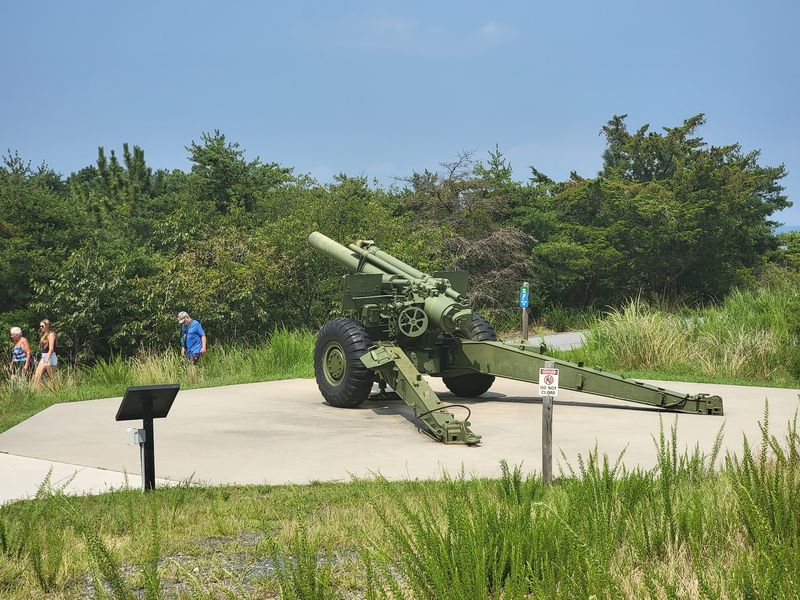
Walking is fine, but rolling through the park in a vintage military truck is way more memorable. That’s the idea behind Trucking Through History tours.
These tours use an authentic World War II-era troop transport truck. You’ll bounce along and see parts of the fort from a fresh angle.
It’s history with a little extra adventure.
The fort spreads across a big area inside the state park. A ride helps you understand how all the pieces fit together.
Batteries, towers, and buildings start to make sense as one system.
This is a fun pick for families or anyone who tires of long walks. It’s also a nice way to cover more ground in less time.
Your feet will appreciate the break.
Tour offerings and schedules can vary by season. Checking ahead keeps you from missing out.
Booking early is smart during busy summer months.
Soldiers once rode in trucks like this for work, not sightseeing. Picturing their daily routines adds meaning to the trip.
Plus, it’s hard not to grin while riding in something this cool.
The Fort’s Old Prison Now Holds Fish Instead
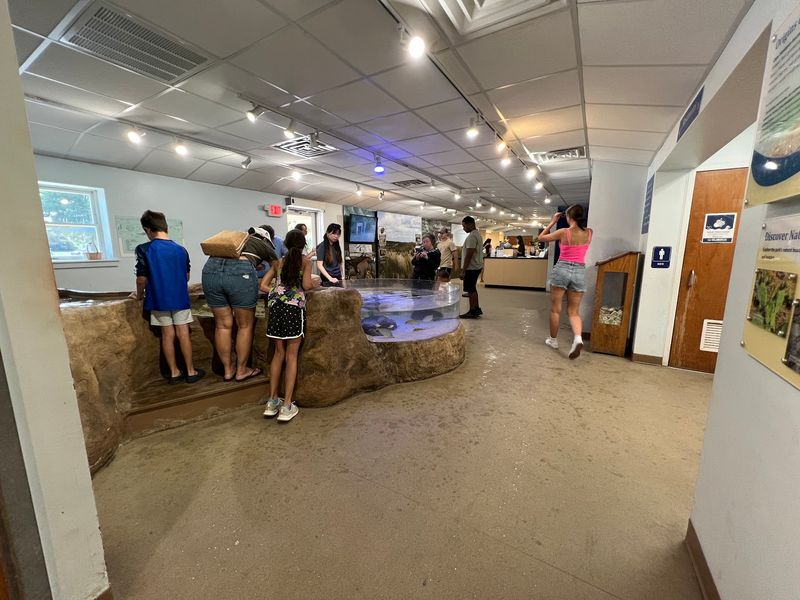
Talk about a change of purpose. Today, the Seaside Nature Center features exhibits and tanks filled with local marine life, giving visitors a chance to see creatures that live just offshore.
Kids can peek at the aquatic animals, making it a fun break from the concrete bunkers and artillery at Fort Miles.
During World War II, Fort Miles also played a role in the detention and administration of German and Italian prisoners of war. This lesser-known chapter adds another dimension to the site’s military history.
The nature center brings a different kind of discovery to the day. History fans and animal lovers can both find something to enjoy, making it a good stop for families with mixed interests.
Because the center is inside Cape Henlopen State Park, it’s easy to include in a visit to the area. A short stop adds variety to a day exploring the fort and nearby beach.
Ask the kids to imagine how the site has changed over time. Few nature centers have a setting quite like this one, where coastal wildlife and military history meet.
The Story Kept Going Long After The 1940s
Plenty of old forts were decommissioned after World War II, but Fort Miles continued to serve a purpose.
During the Cold War, the site took on additional military roles, including use as a Navy listening post and for missile-related activities. Quiet beaches sure kept some secrets.
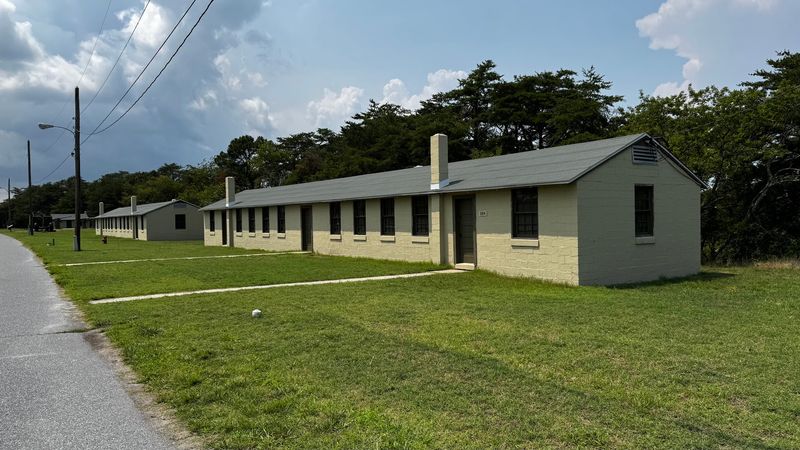
Old barracks and other buildings still stand around the grounds. Walking past them helps you picture daily life for the people stationed here.
Each structure adds another layer to the story.
Preserving the site takes teamwork. The Fort Miles Historical Association and Delaware State Parks work together to preserve and develop the historic area, helping make more of its history accessible to the public.
A Wall of Honor allows visitors to commemorate loved ones with brick pavers. It’s a meaningful feature that connects families to the site, including those with personal ties to military service.
The museum’s hours vary by season, so check the official schedule before your visit to confirm opening days and times.
Plan A Full Beach Day Around Your Fort Adventure
Getting there is the easy part. The Fort Miles Museum and Historical Area sits at 15099 Cape Henlopen Drive, Lewes, DE 19958.
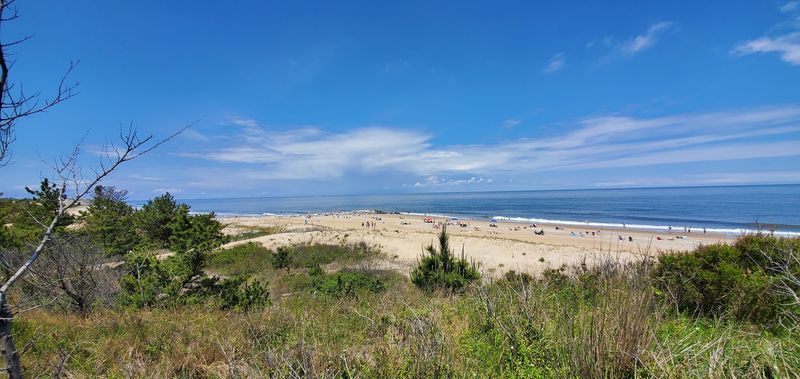
You’ll find it inside Cape Henlopen State Park, just east of the Cape May-Lewes Ferry Terminal. The park opens daily from 8 a.m. until sunset.
Park entry fees may apply, depending on the season.
Bikes make a great add-on here. The park has paved paths that connect beaches, trails, and fort sites.
Pedaling past old batteries feels like riding through a time machine.
On a clear day, you can watch cargo ships moving into Delaware Bay. Some days, New Jersey even shows up across the water.
Not bad for a free view.
Pack water, snacks, and sun protection for the outdoor areas. Wind off the ocean can surprise you, even in summer.
Layers help when you head underground.
Delaware might be small, but this corner packs a big story. Pair the fort with a beach stroll or a nature trail.
You’ll leave with sandy shoes and a much better understanding of your coastline.