Georgia’s coastline hides some truly special places where you can leave stress behind and reconnect with nature.
From wild barrier islands where horses run free to historic forts surrounded by peaceful marshes, these coastal spots offer something different from your usual vacation.
Whether you want complete isolation or just a slower pace of life, the Georgia coast delivers authentic escapes that feel worlds away from everyday routines.
These thirteen destinations prove you don’t need to travel far to find the kind of rest and renewal that sticks with you long after you return home.
Cumberland Island National Seashore
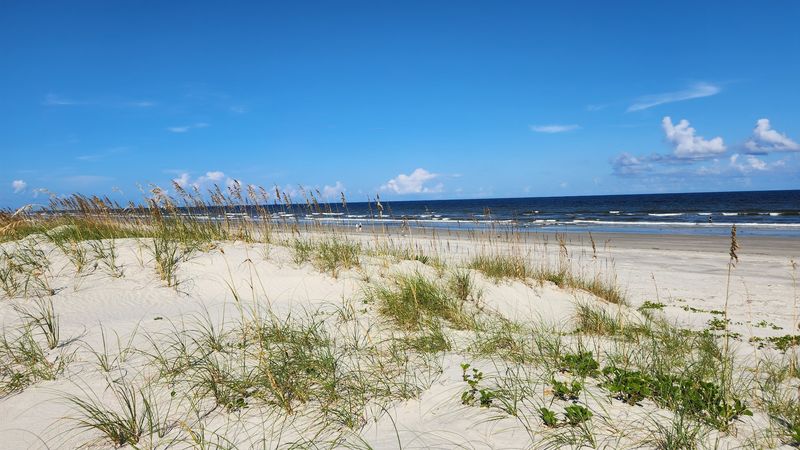
Wild horses grazing along windswept beaches create scenes you won’t find anywhere else on the Georgia coast. Cumberland Island feels like stepping back in time, where nature sets the rules and modern conveniences fade into memory.
Only accessible by passenger ferry, this barrier island limits daily visitors, ensuring the beaches stay gloriously empty.
Maritime forests stretch inland from pristine shorelines, creating shadowy canopies where Spanish moss dangles from ancient oaks. Hiking trails wind through ecosystems that haven’t changed much in centuries.
The island’s remote character means no cars, no convenience stores, and no cell service in most areas.
Plan to camp or stay at the historic Greyfield Inn if you want an overnight experience. Day trips work too, but staying longer lets you truly disconnect.
Spotting wild horses, armadillos, and countless bird species becomes part of your daily routine here, replacing whatever stressed you out back home.
Jekyll Island
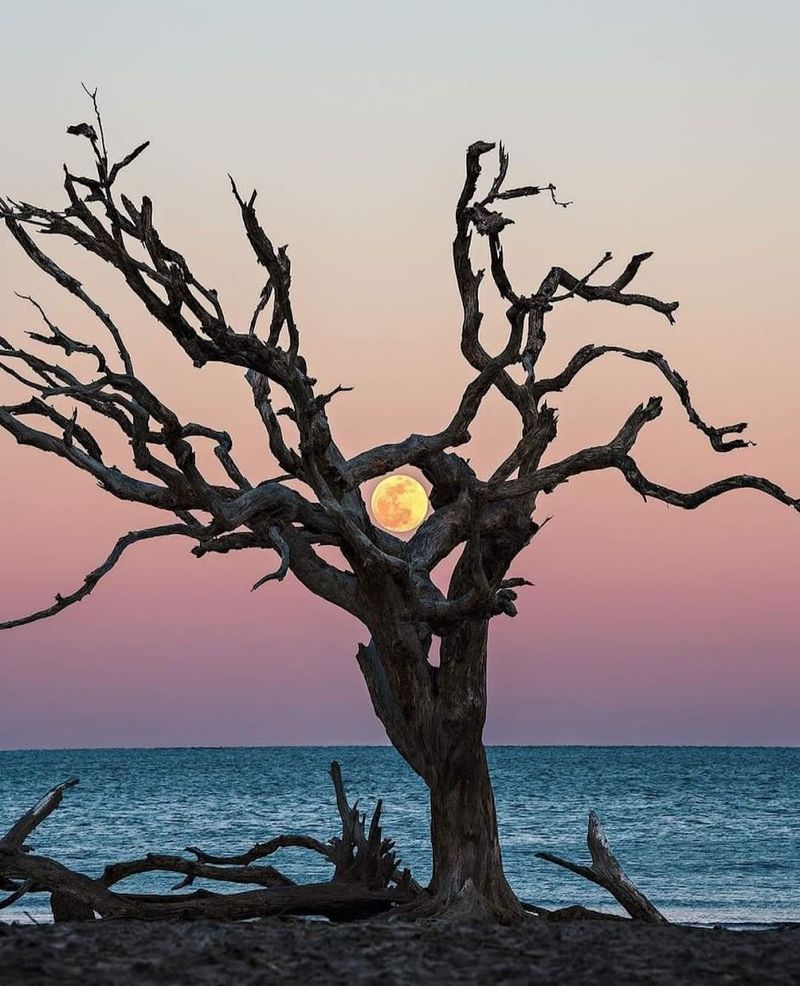
Unlike flashy resort towns that pack every inch with development, Jekyll Island takes a refreshingly different approach. State ownership keeps commercialization in check, preserving wide stretches of beach that never feel crowded.
Bike paths connect every corner of the island, making car-free exploration surprisingly easy.
The historic district tells stories of America’s wealthiest families who once wintered here. You can tour their restored cottages, imagining a time when this island hosted exclusive gatherings.
Now everyone can enjoy what those millionaires treasured.
Beach volleyball courts, tide pools, and gentle waves make family days effortless. Shaded paths lead through tunnels of live oaks draped in Spanish moss.
Summer Theatre performances and the Georgia Sea Turtle Center add cultural touches without disrupting the island’s calm vibe. Accommodations range from campgrounds to beachfront hotels, all maintaining that unhurried Jekyll Island feeling that makes stress melt away faster than you’d expect.
St. Simons Island
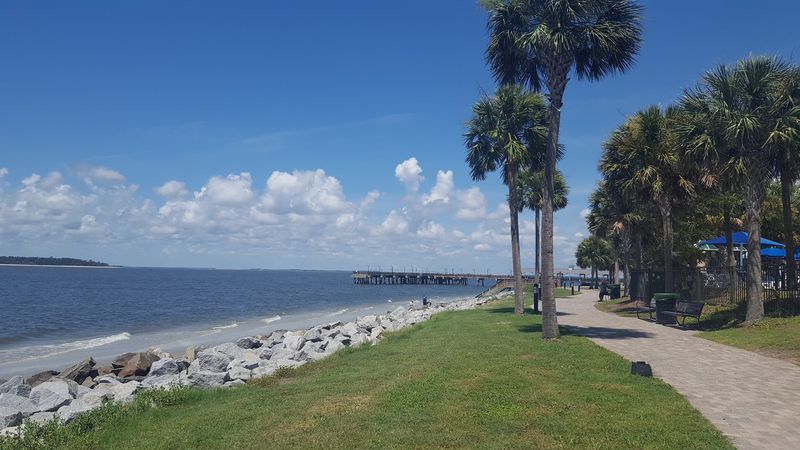
Massive live oaks create natural tunnels over streets where golf carts outnumber cars in many neighborhoods. St. Simons blends small-town charm with coastal beauty in ways that feel genuinely welcoming rather than manufactured.
The lighthouse has guided ships since 1872, and climbing its 129 steps rewards you with sweeping marsh and ocean views.
Pier Village draws evening strollers who come for ice cream, casual dining, and sunset watching. Beach access points dot the island, each offering different characters from family-friendly to secluded.
Marshlands surrounding the island teem with dolphins, herons, and fiddler crabs.
Local shops sell handmade crafts instead of typical tourist junk. Bike rentals make exploring easy since the island stays relatively flat.
Christ Church, built in 1886, offers peaceful grounds perfect for quiet reflection. Restaurants serve fresh seafood without pretentious atmospheres, keeping things relaxed and genuine.
Everything here moves at a pace that reminds you life doesn’t always need to rush.
Tybee Island
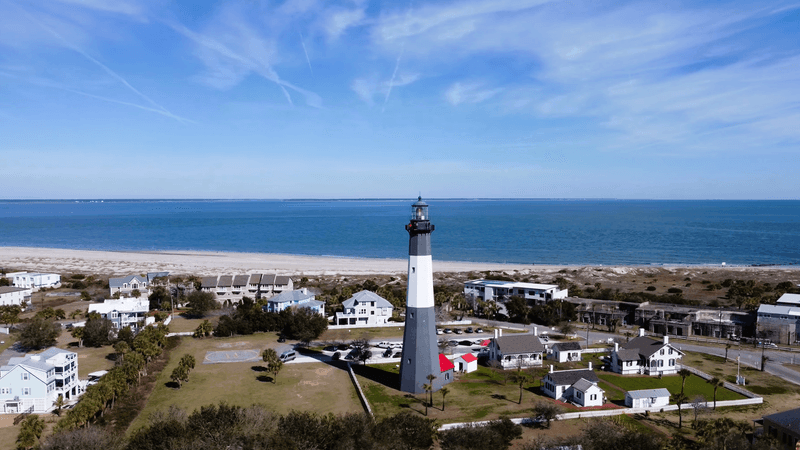
Just eighteen miles from Savannah’s historic squares sits a beach town that refuses to take itself too seriously. Tybee’s laid-back energy attracts people seeking ocean breezes without resort formality.
Colorful beach houses line streets where flip-flops count as formal wear and nobody judges your sandy car interior.
Five miles of beaches offer space for everyone, from families building sandcastles to surfers catching waves. The 1916 lighthouse stands as a photogenic landmark you can actually climb.
Marine Science Center touch tanks let kids meet local sea creatures up close.
Local restaurants serve grouper sandwiches and she-crab soup in environments where sand on the floor is expected. Dolphin tours depart regularly from the back river.
Beach bars host live music that drifts across the sand during golden hour. Day trips work perfectly, but overnight stays let you catch sunrise over the Atlantic, an experience that alone justifies the visit and leaves you feeling surprisingly refreshed.
Little St. Simons Island
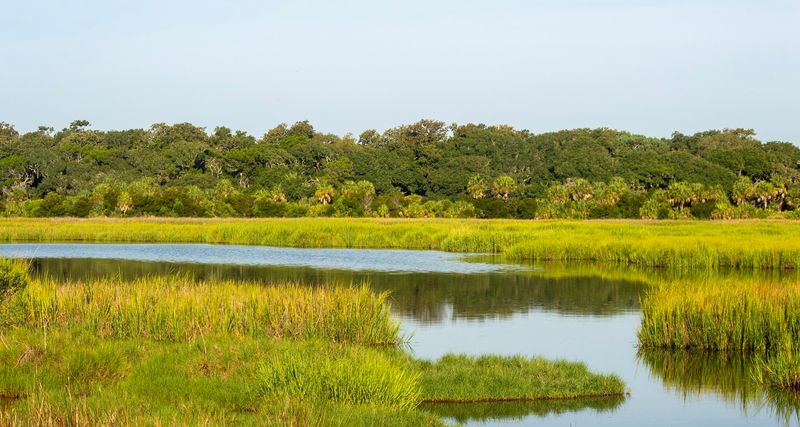
Only thirty guests can stay on this privately owned barrier island at any given time, creating exclusivity that money usually can’t buy. Seven miles of undeveloped beaches stretch empty in both directions, broken only by seashells and shorebirds.
Maritime forests, salt marshes, and freshwater ponds create diverse ecosystems you explore with naturalist guides.
No day-trippers arrive here. Everyone staying commits to the island’s rhythm, which revolves around nature rather than schedules.
Meals bring guests together at the lodge, fostering conversations that develop when phones don’t work and televisions don’t exist.
Kayaking through tidal creeks reveals hidden corners where alligators sunbathe and egrets fish. Horseback riding along the beach feels almost dreamlike in its perfection.
Guided nature walks teach you to identify tracks, shells, and native plants. The experience costs significantly more than typical vacations, but for those seeking complete escape from modern life’s noise, Little St. Simons delivers something genuinely rare and transformative.
Sapelo Island
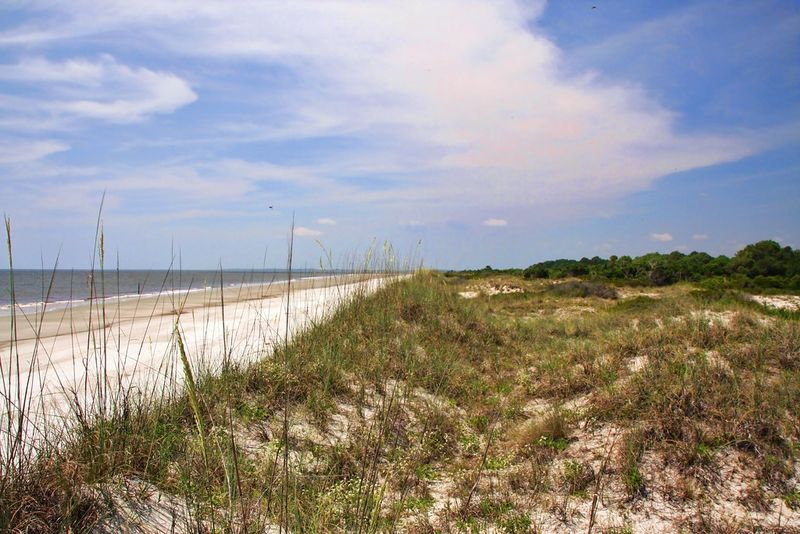
Ferry rides provide the only public access to this culturally rich barrier island where Gullah-Geechee descendants maintain traditions dating back centuries. Hog Hammock community represents one of the last intact settlements preserving this unique African-American heritage.
Guided tours share stories that textbooks often overlook, offering perspectives that deepen your understanding of coastal Georgia’s complex history.
Limited access keeps crowds away completely. You can’t just show up; advance reservations for ferry and tours are essential.
This controlled approach protects both the island’s ecosystems and its cultural integrity.
Pristine beaches stretch for miles without development or facilities, requiring visitors to pack everything needed. Lighthouse ruins and Reynolds Mansion hint at different eras of island history.
Salt marshes produce some of the world’s most productive ecosystems, supporting incredible biodiversity. The isolation feels profound, almost spiritual.
Days here unfold without distractions, letting you focus on natural beauty and cultural significance that make Sapelo genuinely special.
Ossabaw Island
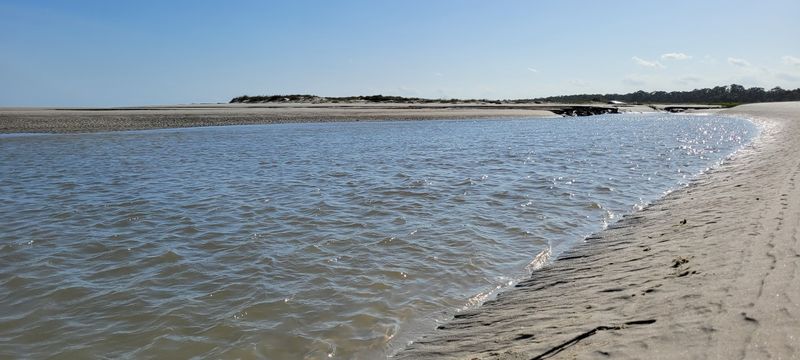
Georgia’s third-largest barrier island remains almost completely unknown because public access simply doesn’t exist in traditional forms. Designated as a Heritage Preserve, Ossabaw welcomes only those participating in approved educational programs, scientific research, or limited artistic residencies.
This extreme protection preserves ecosystems in their most natural states.
No hotels, no restaurants, no gift shops interrupt the wilderness. What exists instead are maritime forests, salt marshes, and beaches that look much like they did centuries ago.
Wildlife thrives without human pressure, making animal encounters more authentic and frequent.
Educational groups focusing on ecology, archaeology, or cultural history can arrange supervised visits through the Ossabaw Island Foundation. These aren’t casual day trips but immersive learning experiences.
Artists accepted into residency programs find inspiration in the island’s untouched beauty. For most people, Ossabaw remains a place to appreciate from afar, knowing such protected spaces exist.
That very inaccessibility makes it valuable, proving some places deserve protection over popularity.
Wassaw National Wildlife Refuge
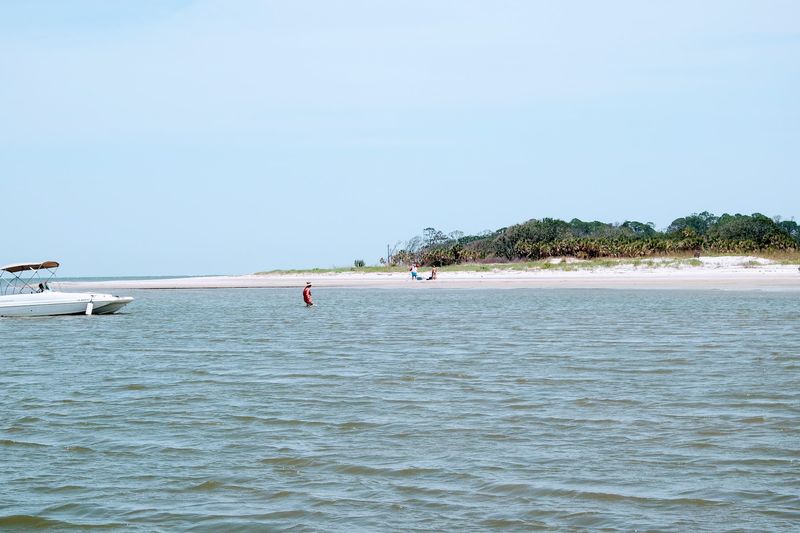
Arriving by private boat or kayak adds adventure to visiting this completely undeveloped barrier island managed for wildlife rather than recreation. No facilities exist, meaning pack everything in and pack everything out.
The reward for this extra effort comes in experiencing coastal wilderness without human interference.
Seven miles of beaches remain pristine because so few people make the journey. Loggerhead sea turtles nest here during summer months, trusting the island’s quiet protection.
Maritime forests inland harbor incredible bird diversity that attracts serious birders from across the country.
Plan trips around tides since boat access depends on water levels. Bring water, food, and anything else you might need for the day.
Shell collecting is prohibited to protect the ecosystem. Photography opportunities abound, from sunrise over the Atlantic to sunset marsh views.
The solitude feels complete here, offering the kind of mental reset that crowded beaches can’t provide. Respecting the refuge’s rules ensures it stays wild for future generations.
Harris Neck National Wildlife Refuge
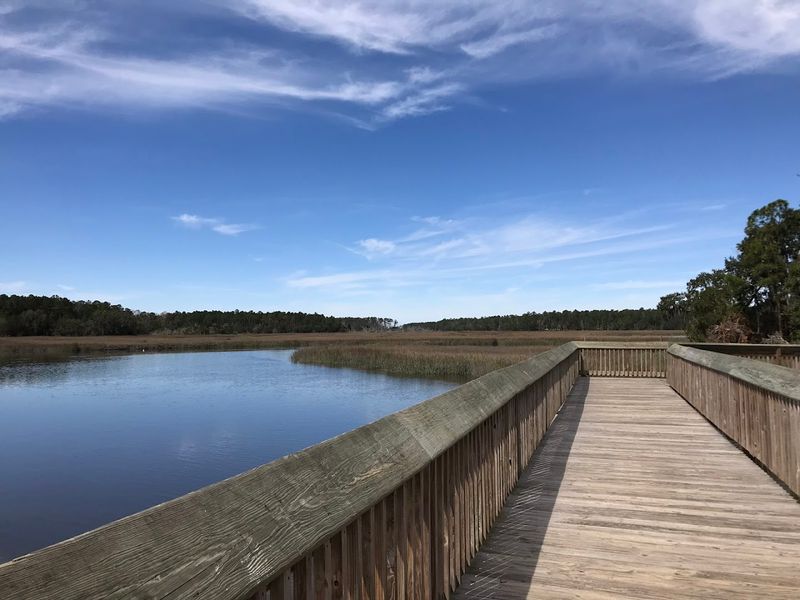
Birdwatchers consider this coastal marsh refuge a premier destination, especially during migrations when species numbers explode. Walking trails and observation platforms let you watch wood storks, painted buntings, and countless wading birds without disturbing their activities.
Former rice fields transformed into managed wetlands now support incredible biodiversity.
Alligators sunbathe along dike edges, reminding you this ecosystem plays by different rules. Tidal creeks wind through spartina grass that feeds entire food chains.
The refuge’s history as an African-American community before becoming an airfield during WWII adds layers of human stories to natural beauty.
Photography opportunities range from macro shots of fiddler crabs to landscape views across endless marshes. Sunrise and sunset bring dramatic lighting that makes ordinary scenes spectacular.
Insect repellent and sun protection are essential since shade stays limited. The refuge stays free and accessible year-round, making it an excellent option for budget-conscious nature lovers.
Quiet contemplation comes easily here where bird calls replace traffic noise.
Skidaway Island State Park
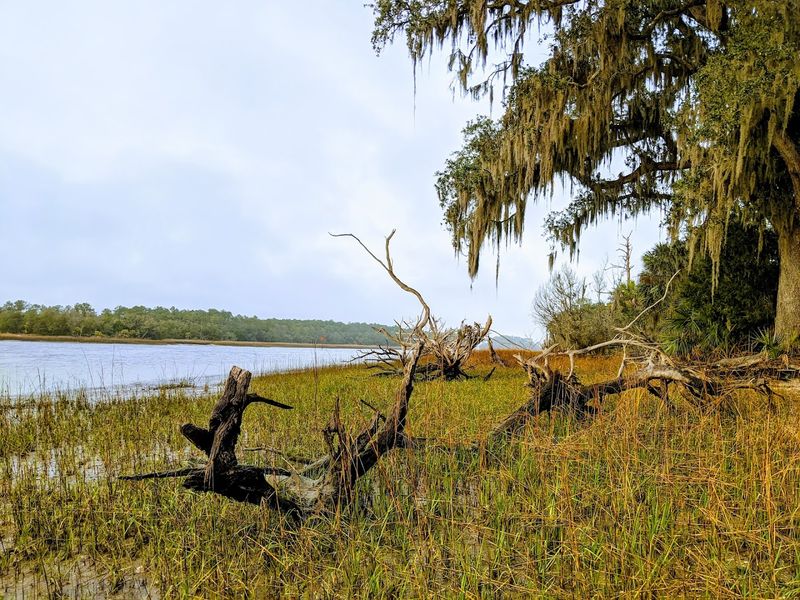
Elevated boardwalks wind through salt marshes where you can observe coastal ecosystems without trampling delicate environments. Located just outside Savannah, this state park offers convenient access to nature experiences that feel surprisingly remote.
Interpretive signs explain marsh ecology, tidal influences, and wildlife behaviors you’re witnessing.
Camping facilities provide comfortable bases for exploring the island. Trails meander through maritime forests where Spanish moss drapes from live oaks and resurrection ferns coat branches.
Diamond-backed terrapins nest in sandy areas while fiddler crabs perform their sideways dances across mud flats.
The park’s modest size works in its favor, making thorough exploration possible during short visits. Bird diversity stays high year-round with seasonal variations keeping repeat visits interesting.
Playground equipment and picnic areas accommodate families wanting outdoor time without extreme wilderness commitment. Educational programs run regularly, teaching visitors about coastal conservation and natural history.
Affordable entrance fees make this accessible to everyone. The proximity to Savannah lets you combine city culture with natural respite, creating balanced getaways that satisfy multiple interests.
Fort Pulaski National Monument
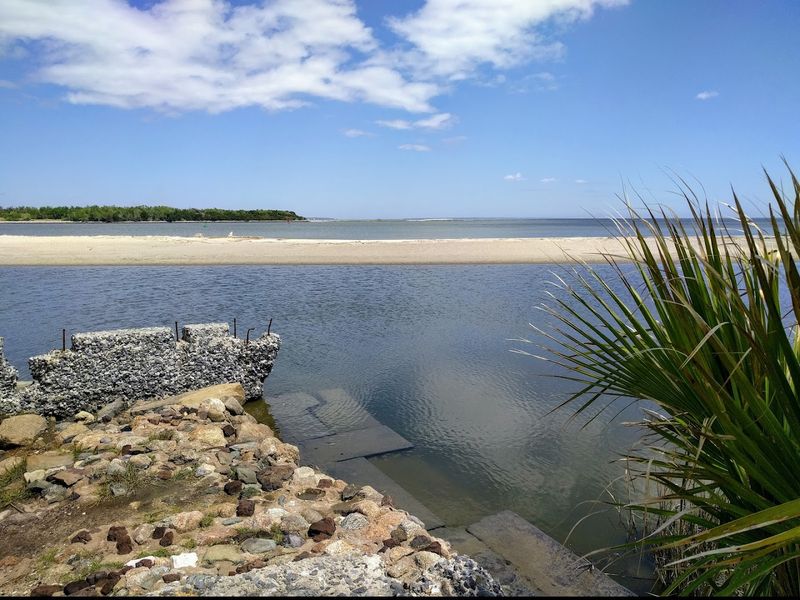
Civil War history meets coastal scenery at this remarkably preserved brick fortress surrounded by tidal marshes. Walking the fort’s ramparts provides sweeping views across the Savannah River and surrounding wetlands.
The combination feels unexpectedly peaceful given the fort’s military past, creating spaces for both historical reflection and natural appreciation.
Ranger-led programs bring 1860s conflicts to life through stories and demonstrations. Inside the fort, you can explore casements, powder magazines, and living quarters that housed soldiers.
Outside, trails wind through maritime forests and along the moat where egrets and herons fish undisturbed.
The fort’s location on Cockspur Island places it between river and ocean, creating dynamic landscapes that change with tides. Sunset over the marshes paints the sky in colors that justify any photography effort.
Picnic areas overlook water views perfect for quiet lunches. The monument stays less crowded than many coastal attractions, offering tranquility alongside education.
History buffs and nature lovers both find satisfaction here, making it versatile for mixed-interest groups.
Driftwood Beach
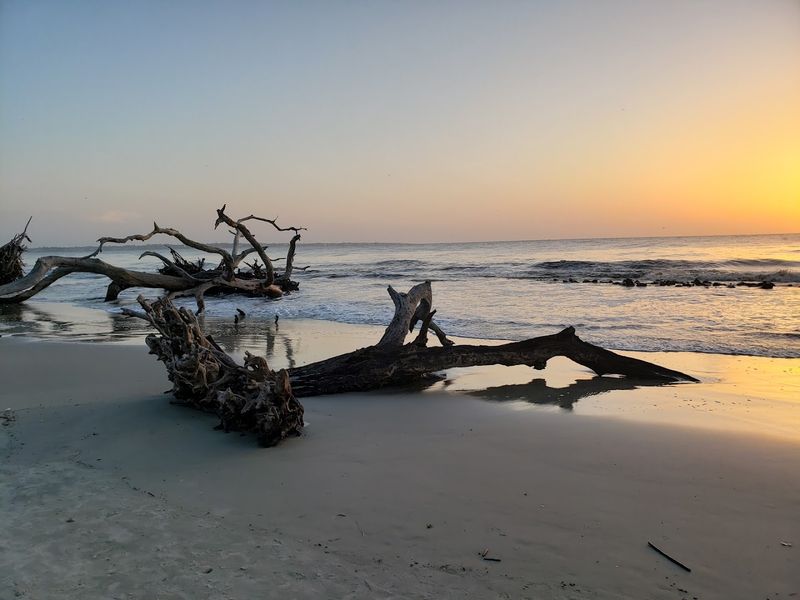
Skeletal trees scattered across sand create one of Georgia’s most photographed and surreal coastal landscapes. Ocean erosion revealed this maritime forest, leaving bleached trunks and twisted branches that resemble natural sculptures.
The dreamlike quality attracts photographers during golden hours when light transforms ordinary driftwood into artistic masterpieces.
Located on Jekyll Island’s northern end, the beach feels separate from typical tourist areas. Quiet prevails here, broken only by waves and occasional seabirds.
Walking among the driftwood inspires contemplation, with each weathered tree telling stories of time, tides, and transformation.
Sunrise shoots are legendary among landscape photographers who appreciate the unique foreground elements these trees provide. Kids love climbing on lower logs, though supervision stays important on uneven terrain.
The beach changes constantly as tides and storms rearrange the driftwood, ensuring no two visits look identical. Bring water and sun protection since shade is nonexistent.
The peaceful, almost otherworldly atmosphere here provides mental space that feels cleansing, helping you process thoughts and emotions in ways busy life rarely allows.
Brunswick Historic Downtown
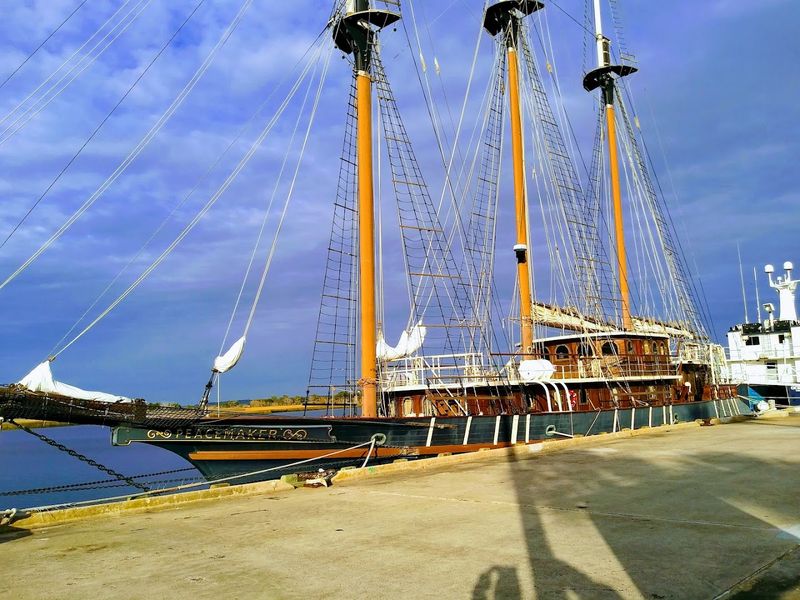
While barrier islands grab most attention, Brunswick’s historic downtown offers its own quieter appeal as a working waterfront city. Victorian-era buildings line streets where locals outnumber tourists, creating authentic coastal community vibes.
Shrimp boats dock along the waterfront, their crews unloading fresh catches that supply regional restaurants.
The Old Town National Register District features architecture spanning different eras, each building telling pieces of the city’s maritime heritage. Antique shops, local cafes, and art galleries occupy storefronts without the commercialization that often follows tourism.
Mary Ross Waterfront Park provides bay views and walking paths perfect for evening strolls.
Using Brunswick as your base costs less than staying on nearby islands while keeping you close to Golden Isles attractions. The slower pace here feels refreshing after crowded tourist spots.
Thursday evening Farmer’s Markets bring community together with local produce, crafts, and live music. Dining options range from casual seafood joints to upscale restaurants, all emphasizing fresh ingredients.
The city doesn’t pretend to be something it’s not, offering genuine coastal character that vacation-engineered destinations can’t replicate.