Some Florida towns feel built around a dinner plate of fresh catch and a front-row seat to the water. If you love places where marinas, fish houses, and sunset views shape the entire mood, this list is for you.
I pulled together coastal spots that still feel connected to their working waterfronts, local seafood traditions, and easygoing scenery. From oyster country in the Panhandle to island communities in the Keys, these towns make it easy to taste and see the coast at the same time.
Apalachicola
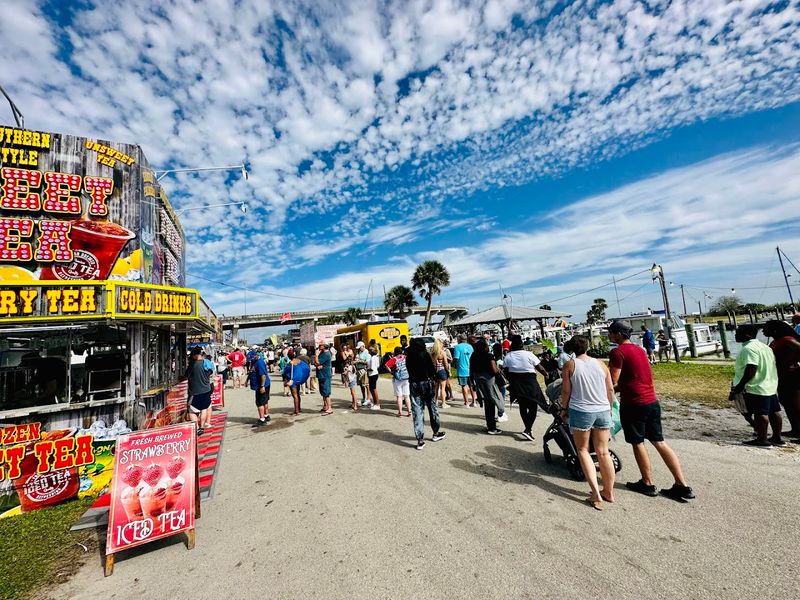
Apalachicola feels like the kind of Florida town you hope still exists, and thankfully it does. Set along Apalachicola Bay, it pairs a working waterfront with a downtown full of brick storefronts, seafood markets, and deep maritime history.
If you want a place where oysters shaped the local identity, this is it.
The bayfront around 1 Bay Ave gives you an easy starting point for watching shrimp boats, oyster vessels, and everyday harbor life. Restaurants here lean hard into the local catch, with oysters, shrimp, and fish arriving with a freshness you can taste immediately.
Even a simple lunch feels tied to the water.
What I like most is the atmosphere. It is relaxed, historic, and unmistakably Old Florida, without polished resort energy crowding out the town’s roots.
Walk the compact downtown, then head back toward the bay at sunset. The views are calm, the seafood is central, and the whole place sets the tone beautifully.
Cedar Key
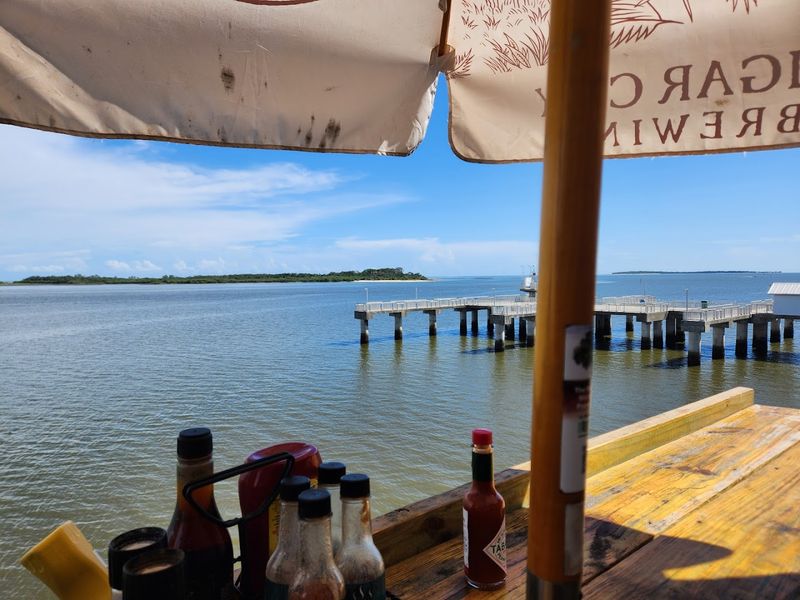
Cedar Key has that rare ability to make you slow down the moment you arrive. This small Gulf town feels wonderfully removed from big resort Florida, with weathered docks, low-key streets, and waterfront views that never seem rushed.
If you are after seafood and atmosphere over flash, it delivers.
Centered around the area near 2nd Street and A Street, Cedar Key is known for its clam farming heritage and dockside restaurants. Menus regularly spotlight local clams, shrimp, mullet, and other Gulf staples served with simple preparation and a view.
The experience feels honest rather than curated.
I think the scenery is a huge part of the appeal. Pelicans perch nearby, cottages face the water, and sunset light turns the boardwalks and piers into something memorable.
It is the kind of place where dinner can turn into a long evening by the shore. Cedar Key proves that a quieter waterfront can feel every bit as satisfying.
Destin
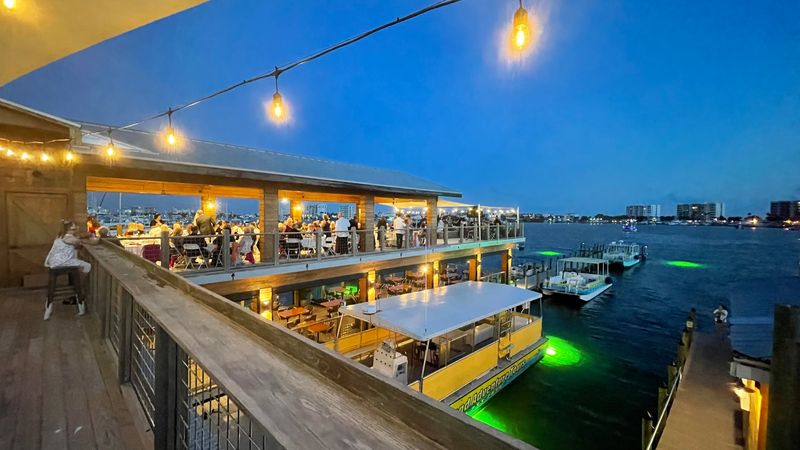
Destin brings together postcard-worthy water and a seafood scene that knows exactly what visitors came for. Known as the World’s Luckiest Fishing Village, this Panhandle favorite mixes emerald Gulf color with a hardworking harbor full of charter boats and marinas.
You can feel the fishing culture before you even sit down to eat.
Around 102 Harbor Blvd, the harborfront is packed with places serving grouper, snapper, shrimp, oysters, and whatever came in fresh that day. HarborWalk Village adds energy, but the real draw is watching boats move through the marina while your meal lands on the table.
It feels active, coastal, and unmistakably Destin.
I like that the views are not separate from the dining. The waterfront is the setting, the backdrop, and often the source of what you are eating.
Come near sunset and the harbor glows. Destin may be busier than smaller towns, but it still nails that seafood-and-waterfront combination beautifully.
Fernandina Beach
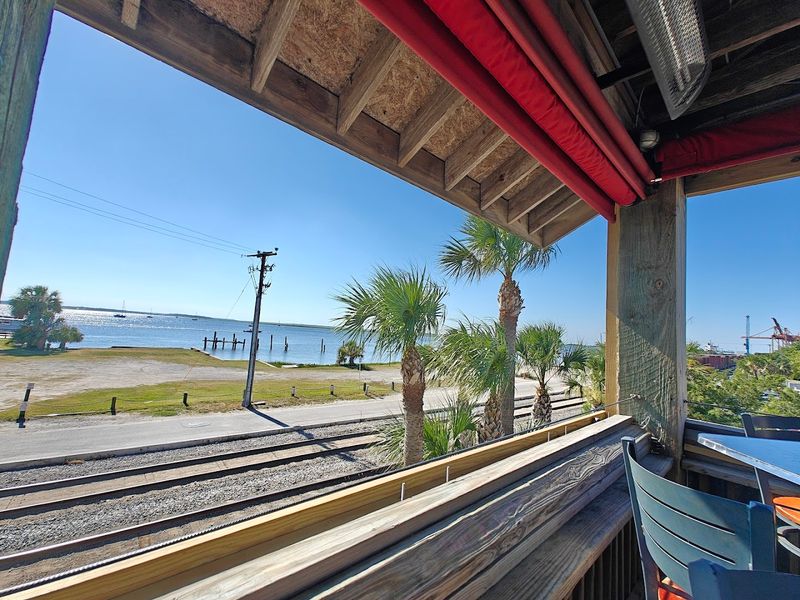
Fernandina Beach offers a coastal experience that feels both elegant and grounded in real maritime tradition. Located on Amelia Island, it blends Victorian-era architecture with a long shrimping history, giving the waterfront a personality that is different from many Florida beach towns.
It is scenic, but it never feels generic.
Near 1 N Front St, you are close to the marina, waterfront restaurants, and the heart of the historic district. Local menus often feature shrimp, oysters, and fresh fish, and the harbor views make it easy to linger.
The town’s shrimping heritage still shows up in both the scenery and the food.
I find the contrast especially appealing. You can admire restored buildings and then look out at boats, docks, and working water in the same afternoon.
Fernandina Beach also hosts seafood-centered events that reinforce its identity. If you want charm, history, and a true connection to the coast, this town absolutely belongs on your list.
Cortez
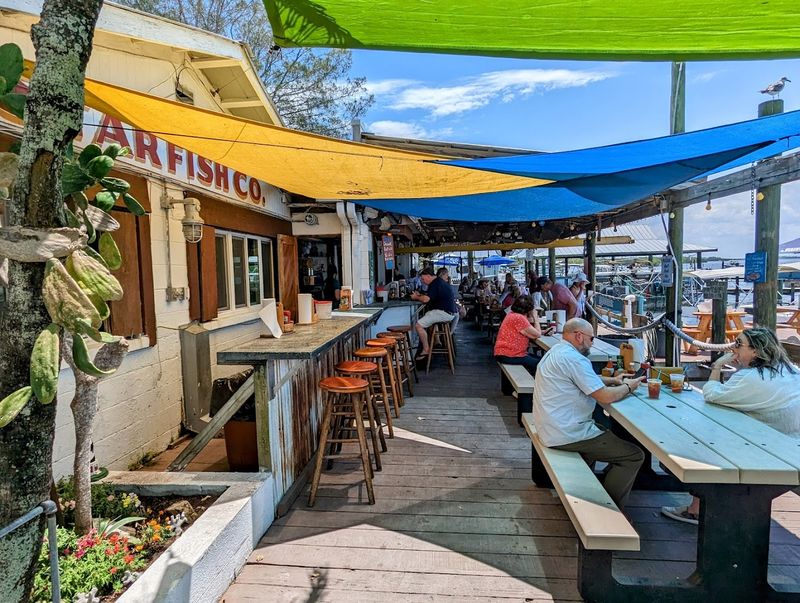
Cortez is one of those places where Florida’s commercial fishing heritage still feels visible and alive. This small village near Bradenton does not rely on polish or trendiness, which is exactly why it stands out.
If you want waterfront dining with real working docks in view, Cortez gets the job done.
The area near 12306 46th Ave W puts you close to the Florida Maritime Museum and the village’s fishing-centered identity. Seafood markets and casual restaurants serve grouper sandwiches, shrimp baskets, and fresh local catches without much fuss.
The boats and docks nearby remind you this is not a themed version of coastal life.
I think that authenticity is the big draw. You are not just eating seafood near the water – you are seeing the place where the local industry still returns home.
Cortez feels humble, salty, and memorable. For travelers who prefer substance over spectacle, it offers one of the most convincing waterfront seafood experiences on Florida’s Gulf Coast.
Key West
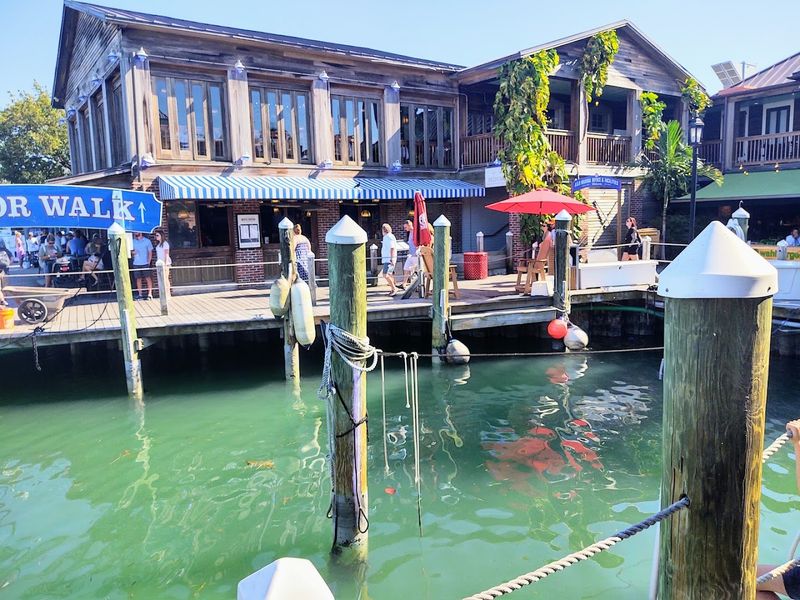
Key West knows how to turn the waterfront into part of the daily ritual. Between colorful island buildings, marinas, seafood shacks, and sunset crowds, the town leans fully into its location at the edge of the state.
It feels lively, tropical, and built for long afternoons that stretch into dinner.
Around 201 William St, you are close to harbor activity, dockside restaurants, and the historic waterfront district. Menus often feature mahi-mahi, stone crab, pink shrimp, and conch in settings where boats bob just a few steps away.
The connection between sea and table feels immediate.
What I appreciate is the mood. Key West can be busy, but the island character keeps it fun rather than overly polished, especially once the sun starts dropping.
Mallory Square’s famous sunsets only add to the appeal. If you want fresh seafood with a side of people-watching, harbor views, and unmistakable Florida Keys energy, Key West delivers every time.
Tarpon Springs
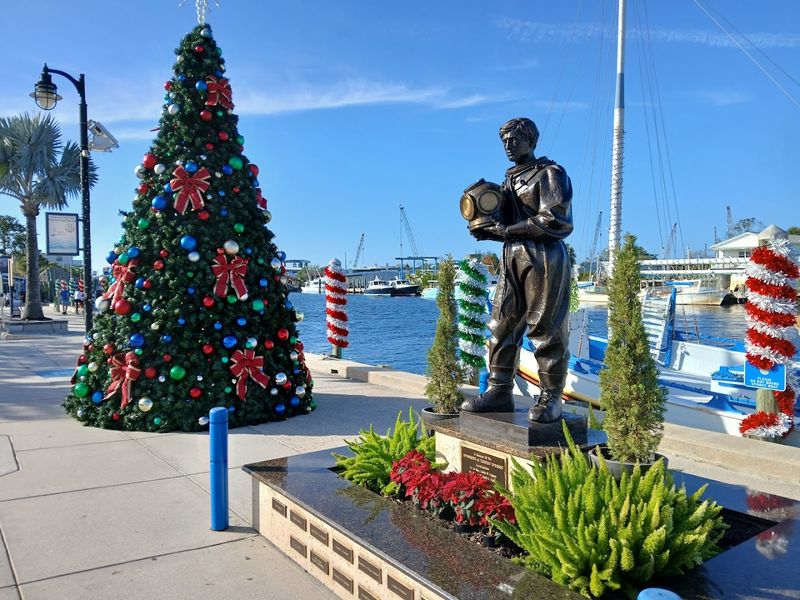
Tarpon Springs stands apart because its waterfront identity is tied to both the Gulf and a strong Greek heritage. The sponge docks give the town a look and rhythm unlike anywhere else in Florida, and the restaurant scene makes the most of it.
If you enjoy towns with a distinct cultural flavor, this one is easy to love.
Near 735 Dodecanese Blvd, you will find marina views, active sponge boats, bakeries, and tavernas serving seafood with Mediterranean influence. Fresh fish, octopus, shrimp, and crab appear on many menus, often just steps from the water.
It is a place where strolling and snacking go hand in hand.
I especially like how visual the whole area is. The boats, signs, and waterfront activity create a setting that feels both historic and social.
Tarpon Springs is more than a scenic stop. It is a town where seafood, heritage, and harbor life work together to create a coastal experience that feels genuinely distinctive.
St. Augustine
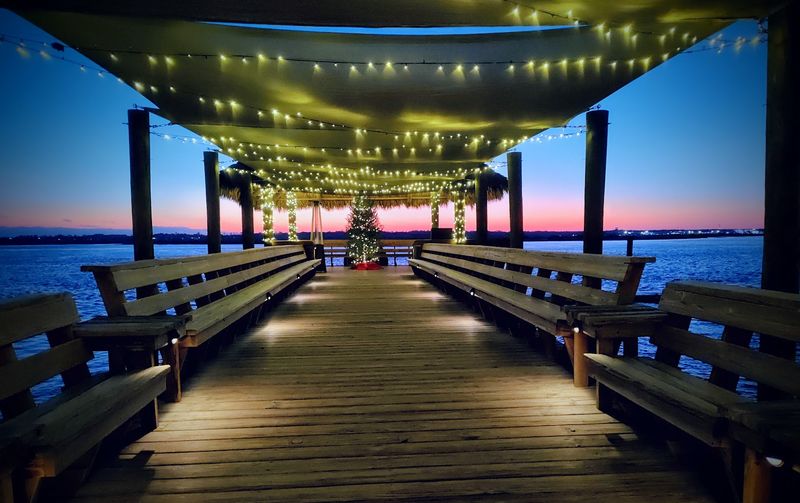
St. Augustine offers something many waterfront towns cannot – a deep sense of history woven directly into the dining and scenery. America’s oldest city pairs Spanish colonial character with bayfront views and easy access to fresh coastal fare.
If you like your seafood with a side of atmosphere, this is a strong pick.
Near 111 Avenida Menendez, the Matanzas River sets the scene for restaurants, docks, and walkable waterfront stops. Local shrimp, oysters, and fresh fish appear across menus, often served in buildings or districts surrounded by centuries of architecture.
The contrast between old streets and living waterfront makes the experience richer.
I think this setting is what makes St. Augustine stand out. You are not only eating near the water – you are doing it in one of the country’s most historically layered coastal cities.
Spend time by the bayfront around sunset and the appeal becomes obvious. St. Augustine balances history, scenery, and seafood in a way that feels remarkably complete.
Stuart
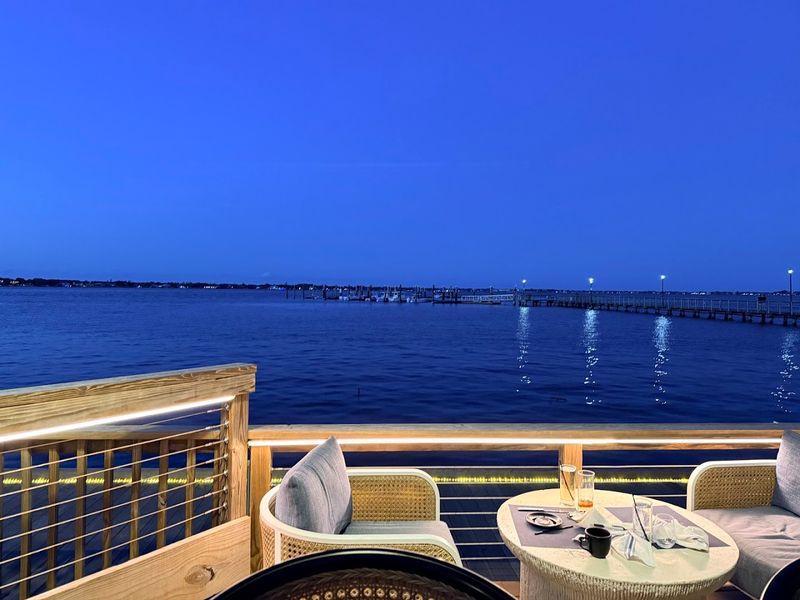
Stuart has a riverfront setting that gives it a slightly different feel from Florida’s beach-focused towns. Overlooking the St. Lucie River, it combines marinas, seafood restaurants, and a relaxed downtown that is easy to explore on foot.
The result feels polished enough for a getaway but still comfortably local.
Near 1 SW Osceola St, the waterfront district puts you close to dining, public views, and plenty of boating activity. The town’s nickname, Sailfish Capital of the World, hints at its strong connection to sportfishing, yet the atmosphere remains welcoming even if you are simply here to eat and wander.
Expect fresh fish, shrimp, and casual riverfront meals.
I like how balanced Stuart feels. It offers scenery and seafood without losing its small-city ease or turning everything into a tourist production.
For travelers who want a waterfront with both charm and everyday life, Stuart is a smart choice. It captures Florida’s coastal spirit in a gentler, river-centered way.
Jensen Beach
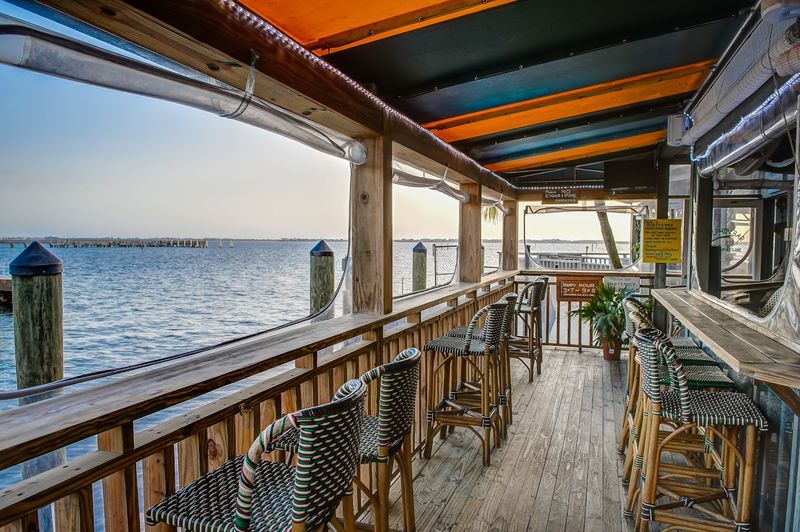
Jensen Beach brings together beach-town ease and scenic lagoon-side dining in a way that feels especially approachable. Sitting near the Indian River Lagoon and the Atlantic coast, it offers plenty of chances to eat fresh seafood without the pressure of a bigger resort destination.
The pace here feels pleasantly unfussy.
Around 4191 NE Ocean Blvd, you are well positioned to enjoy the local waterfront setting, nearby parks, and access to boating and fishing culture. Restaurants in and around town often focus on fish, shrimp, oysters, and casual coastal favorites served with water views.
It is a place where the setting does a lot of the work.
I think Jensen Beach works best for travelers who want scenery without crowds swallowing the experience. The river and ocean influence create a laid-back but distinctly coastal mood.
Stay through the evening and the shoreline takes on a softer, quieter beauty. Jensen Beach may feel understated, but that is part of why it leaves such a good impression.
Islamorada
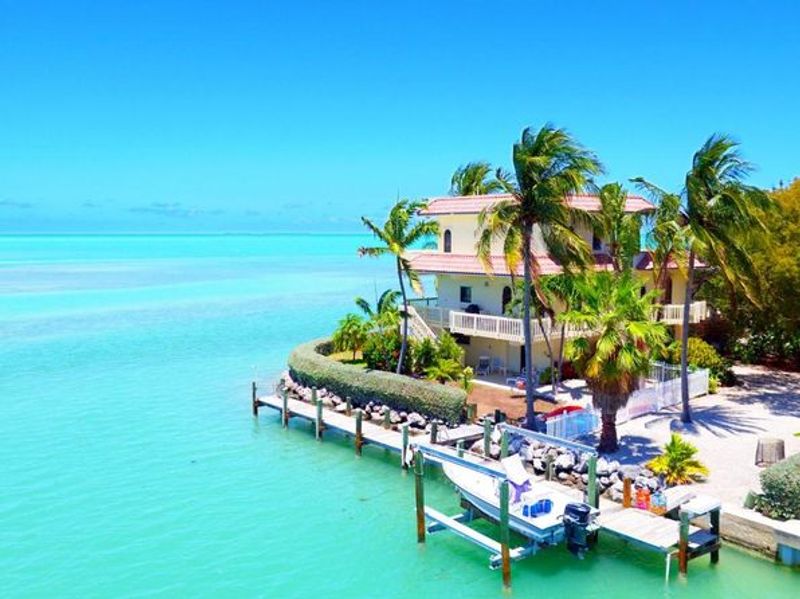
Islamorada is the kind of place where the fishing culture is impossible to miss, and that is part of its appeal. Often called the Sport Fishing Capital of the World, this Florida Keys destination blends marinas, tiki bars, and waterfront restaurants into one seamless island experience.
It feels tropical, salty, and effortlessly scenic.
Near 86800 Overseas Hwy, you are in the heart of a community shaped by charter boats and fresh local catch. Menus regularly feature lobster, snapper, mahi, and other Keys staples, often served with open views of the water and boats tied nearby.
Few places make seafood dining feel this connected to place.
I especially like Islamorada for its atmosphere. It feels more relaxed than flashy, with beautiful water and a lifestyle built around being outside.
Whether you come for lunch on the bay or dinner at sunset, the setting rarely disappoints. Islamorada captures the waterfront dining fantasy many travelers picture when they think of the Keys.