
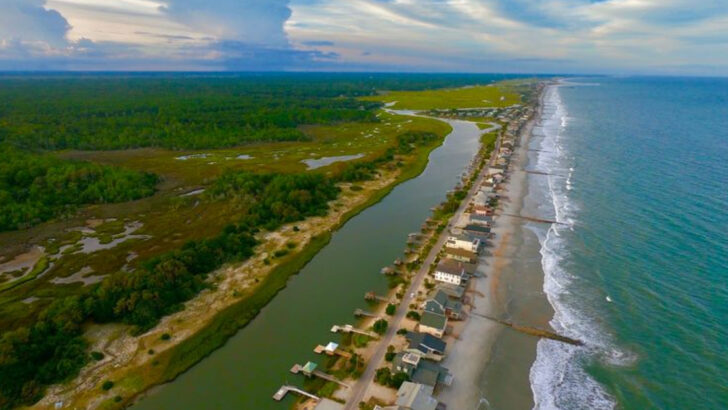
South Carolina’s coastline stretches for miles, offering everything from lively beach towns to quiet, tucked-away barrier islands that most people never discover.
Spring is honestly the best time to visit, when the weather is warm but not scorching, wildflowers are blooming, and the summer rush hasn’t started yet.
Whether you’re craving fresh seafood, long bike rides along the shore, or just a slow morning on a hammock with no agenda, this state has a spot for you.
Pack a bag early, because these 11 coastal getaways are worth every mile of the drive.
Hilton Head Island
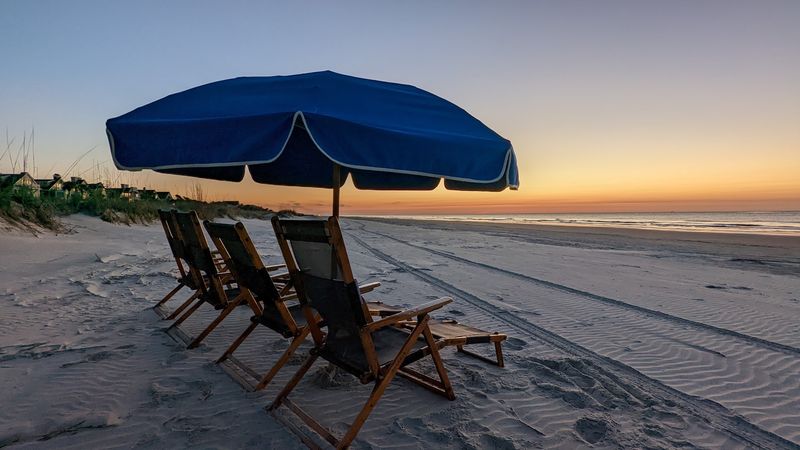
Few places in the South pull off “relaxed but refined” quite like Hilton Head Island. Known for its wide, flat beaches that are practically made for biking, this barrier island becomes an especially sweet spot in spring before the summer rental crowd rolls in.
You can rent a bike and cruise through shaded maritime forest trails, stopping wherever the mood strikes.
Golf lovers will appreciate that spring tee times are easier to snag, and the courses are in prime condition after the cooler winter months. The island has over 60 miles of paved bike paths, so you’ll never run out of ground to cover.
Birders also flock here in spring to catch migrating species passing through the Lowcountry marshes.
Dining options range from casual waterfront shrimp shacks to upscale spots worth dressing up for. The town of Bluffton, just a short drive away, adds charming boutiques and art galleries to the mix.
Spring sunsets over Calibogue Sound are genuinely stunning and feel almost too good to be real. Book accommodations early, because even the shoulder season fills up faster than you’d expect on this beloved island.
Charleston Historic District and Nearby Beaches
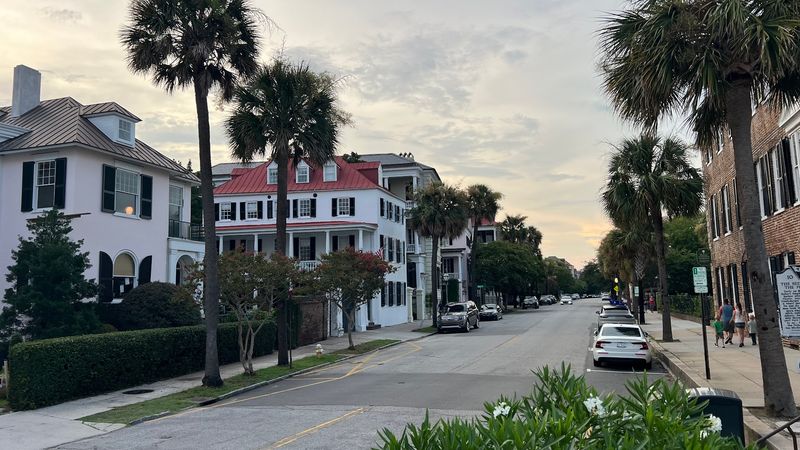
There’s a reason Charleston consistently tops “best city” travel lists, and spring is when it shows off the most. The famous azaleas burst into color along Rainbow Row and in the city’s historic gardens, turning every walk into something that feels almost cinematic.
Cobblestone streets, church steeples, and the smell of pluff mud from the harbor all mix into something uniquely Charleston.
Beyond the city itself, Sullivan’s Island sits just a short drive away and offers a quieter beach experience before summer traffic clogs the causeway. The island has a laid-back neighborhood feel, with local restaurants and a historic fort worth exploring.
Isle of Palms is equally close if you prefer more beach amenities without the full resort scene.
Food in Charleston is worth the trip alone. Spring menus lean into fresh local ingredients like blue crab, strawberries, and sweet onions from nearby farms.
Walking the French Quarter in the early morning, before tour groups arrive, feels like having the whole city to yourself. Staying in a historic inn adds to the atmosphere in a way that a chain hotel simply cannot replicate.
Plan at least two nights to truly soak it in.
Kiawah Island
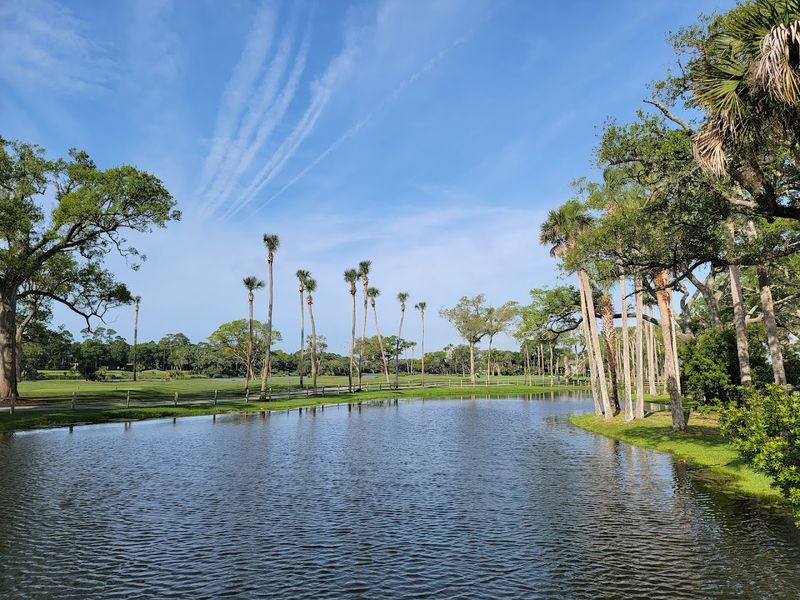
Kiawah Island operates at its own unhurried pace, and that quality becomes even more noticeable in spring when the crowds are thin and the wildlife is active. White-tailed deer stroll through resort pathways like they own the place, and loggerhead sea turtles begin their early-season movements along the shore.
The whole island has a wild, undisturbed quality that feels rare for a luxury destination.
The 30-mile trail system is a highlight for cyclists and walkers, weaving through maritime forests and along lagoons where alligators sun themselves without a care. Spring temperatures in the 60s and 70s make these outdoor activities genuinely comfortable rather than exhausting.
Birders can spot painted buntings, which are arguably one of the most colorful birds in North America, right here in the Lowcountry.
Kiawah’s golf courses, including the famous Ocean Course, are world-class and more accessible in the shoulder season. Dining at the Sanctuary Hotel or nearby spots offers upscale Lowcountry cuisine that highlights the region’s seafood traditions.
Renting a bike and spending a full day exploring every corner of this barrier island is one of those simple pleasures that stays with you long after checkout. Spring here feels like a private gift.
Folly Beach
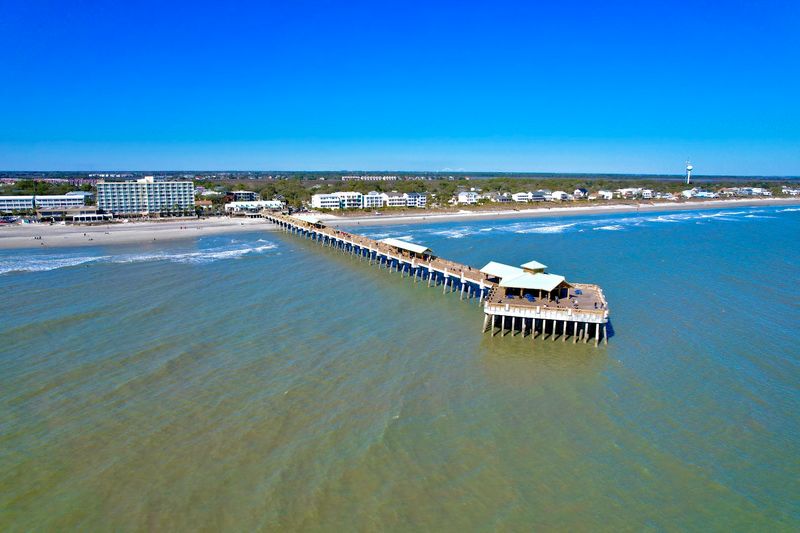
Folly Beach wears its surf-town personality proudly, and it’s all the more enjoyable when you visit before Memorial Day weekend transforms it into a packed scene. Just 12 miles from downtown Charleston, this barrier island has an independent spirit that sets it apart from more polished coastal destinations.
Locals call it “the Edge of America,” and once you feel the vibe, the nickname makes perfect sense.
Spring mornings on the pier are some of the most peaceful you’ll find anywhere on the South Carolina coast. Fishermen line the rails with their lines in the water while pelicans glide overhead, and the whole scene has a timeless, unhurried quality.
Dolphin-watching boat tours launch from the island and offer close-up views of bottlenose dolphins that patrol the waterways in impressive numbers during spring months.
The local restaurant and bar scene is casual and fun without being pretentious. Expect live music, cold drinks, and plates of fried shrimp that taste better because you’re eating them a block from the ocean.
Surf lessons are available for beginners, and the waves in spring are generally manageable enough to make learning feel encouraging rather than terrifying. A long weekend here recharges the spirit in ways that are hard to explain but easy to feel.
Edisto Island
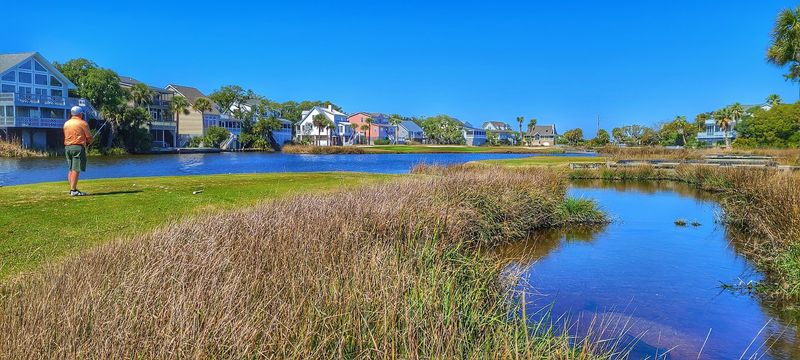
Edisto Island is the kind of place that people who know South Carolina keep to themselves like a personal secret. One of the least developed barrier islands on the entire East Coast, it resists the commercial build-up that has transformed so many other beach towns.
There are no chain restaurants here, no resort complexes, and no traffic jams, just a long stretch of wild, natural shoreline that looks much like it did a century ago.
Spring is especially magical at Edisto Beach State Park, where hiking trails wind through ancient maritime forests draped in Spanish moss. The campground fills up on weekends but never feels overwhelming the way more popular parks do.
Shelling along the beach after low tide is genuinely rewarding here, with whelks, sand dollars, and the occasional shark tooth turning up regularly.
Anglers love Edisto for its excellent inshore fishing, particularly for redfish and flounder in the creeks and marshes. Sea kayaking through the tidal waterways offers a close-up look at marsh ecosystems that are both beautiful and ecologically fascinating.
The small community of local shops and seafood restaurants adds just enough civilization to make a weekend feel comfortable without ever losing that off-the-grid charm. This is a place for people who travel slowly and intentionally.
Beaufort
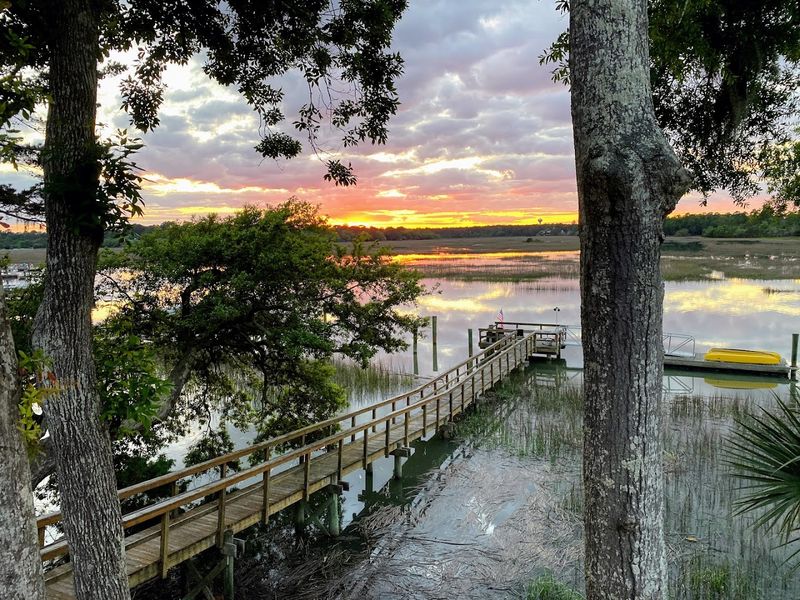
Beaufort sits at a crossroads of history, natural beauty, and Southern hospitality that few towns in the country can match. Declared a National Historic Landmark District, its antebellum homes line streets shaded by ancient live oaks, and in spring, layers of azaleas and wisteria add brilliant color to every block.
Walking the Henry C. Chambers Waterfront Park on a breezy spring afternoon feels like stepping into a painting.
The town has been a filming location for movies like Forrest Gump and The Big Chill, partly because it photographs beautifully and partly because it has a timeless quality that modern development hasn’t erased. Local historians and walking tour guides bring the stories of this place to life with a passion that’s clearly genuine.
The Port Royal Sound nearby offers excellent kayaking and paddleboarding in calm, scenic waters.
Beaufort’s food scene punches well above its small-town size. From waterfront restaurants serving locally caught shrimp to bakeries with fresh pastries worth waking up early for, eating your way through a spring weekend here is an absolute pleasure.
The nearby sea islands, including St. Helena Island, add cultural depth through the Gullah Geechee heritage that defines this entire region. Beaufort rewards visitors who take their time and pay attention to details.
Pawleys Island
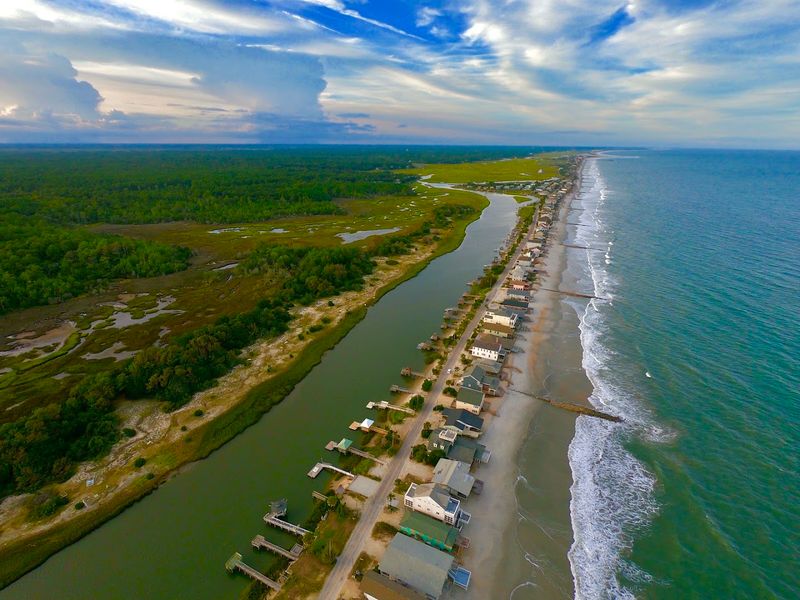
Pawleys Island has been proudly calling itself “arrogantly shabby” since at least the 1950s, and that self-aware attitude is a big part of why people return here year after year. The island is one of the oldest summer resort communities on the East Coast, dating back to the 1700s when rice planters came here to escape the heat and mosquitoes of the inland plantations.
Those roots give it a depth that newer beach towns simply haven’t had time to develop.
Spring visits mean fewer cars on the narrow island road, fewer bodies on the beach, and more room to actually hear the ocean. The famous Pawleys Island hammocks, still handwoven locally, are sold at a shop on the island that has been operating for generations.
Picking one up as a souvenir feels more meaningful when you’ve spent a morning swaying in one while watching pelicans cruise the shoreline.
Brookgreen Gardens, just a few miles up the road, is a stunning sculpture garden and wildlife preserve that truly shines in spring when everything is in bloom. Fresh seafood is never far away, with casual spots along Route 17 serving the kind of no-fuss, incredibly fresh meals that stick in your memory.
Pawleys Island doesn’t try to impress you, and somehow that makes it even more impressive.
Murrells Inlet
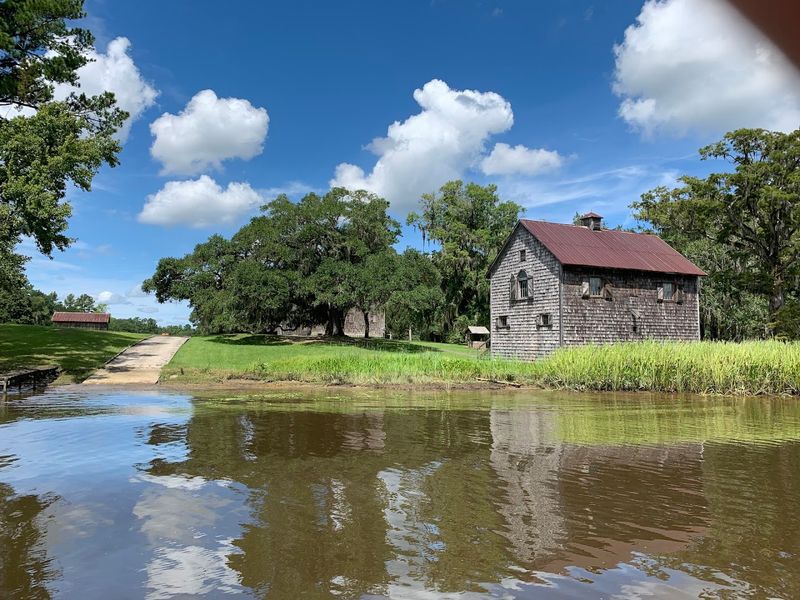
If your idea of a perfect spring weekend involves eating incredibly fresh seafood while watching the sun set over a saltwater marsh, Murrells Inlet was practically designed with you in mind. Known as the Seafood Capital of South Carolina, this small fishing village has been feeding hungry visitors for generations.
The MarshWalk, a half-mile boardwalk along the inlet, connects a string of restaurants and bars that come alive with live music and cold drinks as the evening settles in.
Spring is the sweet spot here because the neighboring resort city of Myrtle Beach hasn’t yet reached full summer chaos, meaning Murrells Inlet feels genuinely relaxed rather than like an overflow zone. Fishing charter boats depart from the docks regularly, offering half-day and full-day trips for flounder, redfish, and Spanish mackerel.
The inlet itself is a nursery habitat for countless marine species, making it one of the most ecologically productive estuaries in the entire Southeast.
Garden City Beach, just minutes away, adds a sandy option for those who want to pair seafood dinners with morning beach walks. The Atalaya Castle at Huntington Beach State Park is a fascinating and slightly mysterious historic site worth exploring.
Murrells Inlet is unpretentious, generous with its flavors, and easy to fall for on a first visit. Return trips are practically guaranteed.
Isle of Palms
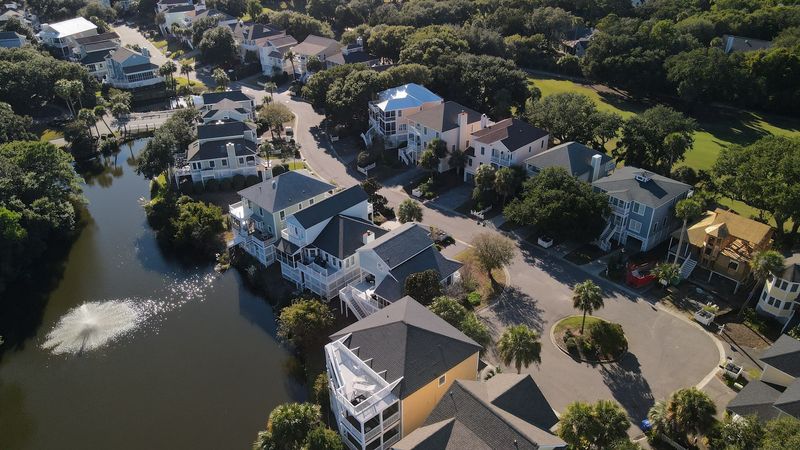
Isle of Palms strikes a balance that’s genuinely hard to find along the South Carolina coast. It’s polished enough to offer great amenities, including oceanfront resorts, tennis courts, and well-stocked beach shops, but it hasn’t lost the easy, breezy feeling that makes beach towns worth visiting in the first place.
Spring is when that balance tips most favorably toward the visitor, with mild temperatures and manageable crowds making every activity feel effortless.
The beach here stretches for several miles and stays wide even at high tide, giving everyone plenty of room to spread out. Fishing from the pier or booking a charter for offshore action are both popular spring activities, as the warming water temperatures start drawing in more species.
Wild Dunes Resort, the island’s major full-service destination, offers golf, tennis, and spa services that make a weekend feel genuinely restorative.
Sullivan’s Island is connected by a bridge and worth a visit for its historic Fort Moultrie and low-key neighborhood restaurants. The drive between the two islands along the marsh is beautiful in spring when the cordgrass turns vivid green.
Morning kayak rentals let you explore the tidal creeks before the afternoon breeze picks up. Isle of Palms delivers a satisfying coastal weekend without demanding much effort, which is exactly the point of a getaway.
Georgetown
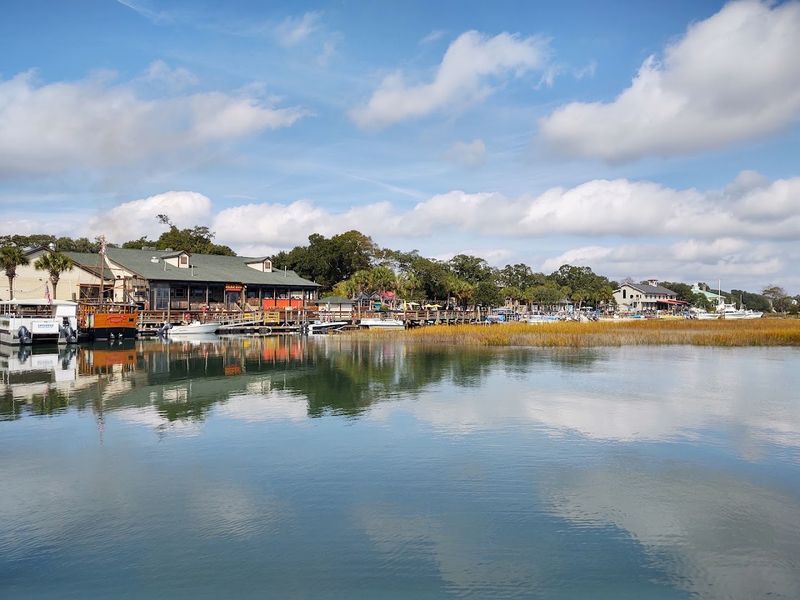
Georgetown tends to get skipped over by travelers rushing between Charleston and Myrtle Beach, and that oversight is genuinely their loss. As South Carolina’s third-oldest city, it carries centuries of history in its compact, walkable downtown, from its role as a major rice-producing hub in the colonial era to its beautifully preserved antebellum architecture.
The harbor waterfront along Front Street is charming in a way that feels earned rather than manufactured for tourism.
Spring brings blooming gardens and mild temperatures that make walking the historic district a true pleasure. The Rice Museum tells the story of how this region became one of the wealthiest in colonial America, largely through the enslaved labor of Gullah Geechee people whose cultural legacy still shapes the area today.
Boutique shops, local art galleries, and a handful of excellent restaurants make it easy to fill a weekend without ever feeling rushed.
The Waccamaw, Pee Dee, Black, and Sampit rivers all converge near Georgetown, creating a network of waterways perfect for kayaking and boat tours. Birding in the surrounding ACE Basin, one of the largest undeveloped estuaries on the East Coast, is spectacular in spring migration season.
Georgetown is a destination that rewards curiosity, and travelers who stop here almost always wish they had stayed longer than planned.
Hunting Island State Park
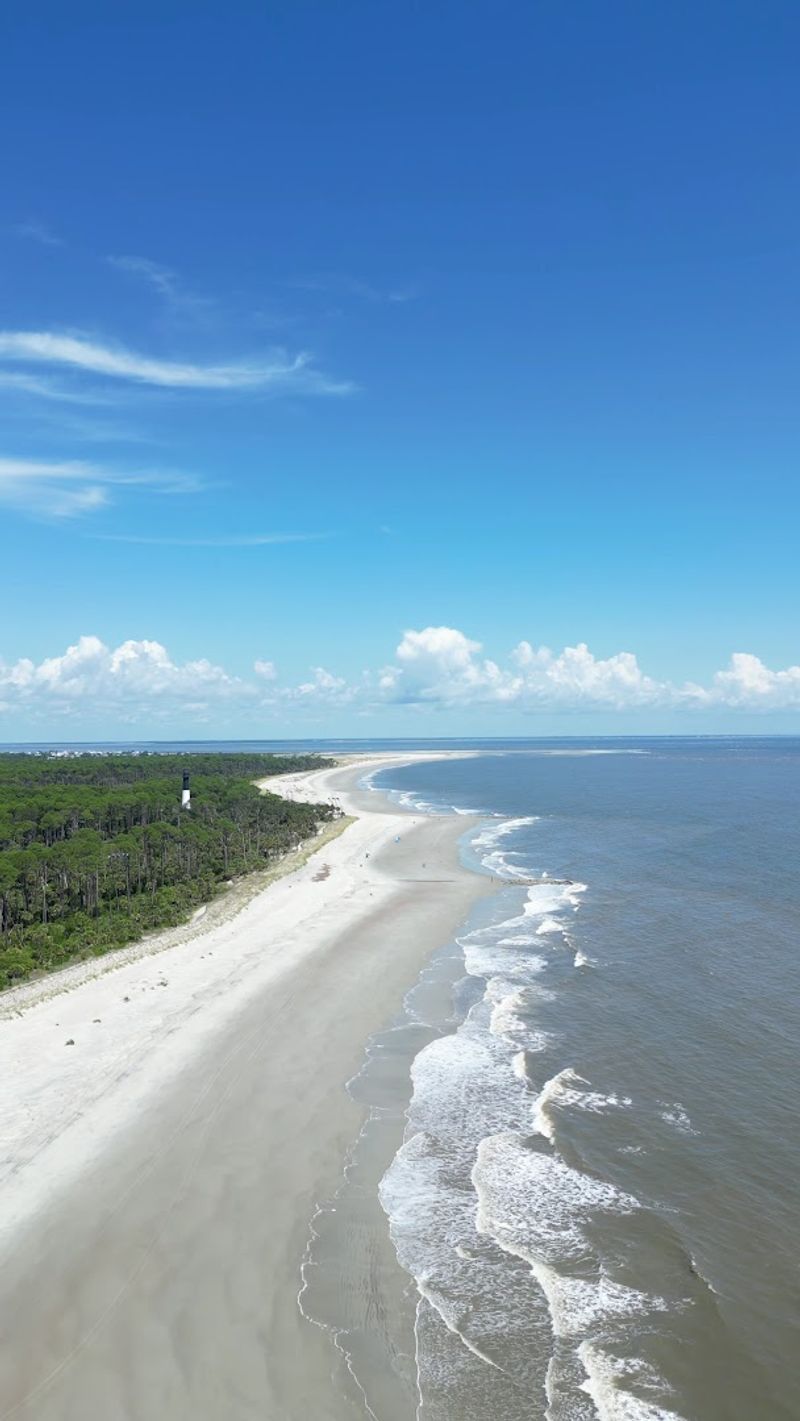
Standing at the base of Hunting Island’s historic lighthouse and looking out over miles of undeveloped coastline, it’s easy to understand why this place is consistently ranked among the most visited state parks in South Carolina. What makes that statistic surprising is how wild and untouched it still feels, even on a busy weekend.
Spring visits, however, offer something even better: the park at something close to its natural, unhurried self.
The lighthouse, built in 1875 and relocated in 1889 after erosion threatened its original site, is one of the few in South Carolina that visitors can actually climb. The view from the top, with the Atlantic stretching east and the marshes spreading west, is worth every step of the 167-step spiral staircase.
Loggerhead sea turtles begin nesting on these beaches in late spring, and the park’s conservation team does excellent educational programs around that activity.
The maritime forest trails wind through palmetto groves and ancient live oaks, offering some of the most atmospheric hiking on the entire South Carolina coast. A large campground makes overnight stays possible, and waking up to the sound of the ocean through your tent is something that reconnects you to what travel is actually for.
Hunting Island is raw, real, and genuinely unforgettable in the best possible way.